Glass Airless Packaging Market Size & Growth Forecast 2027–2036, By Segments (Capacity, Application, Market, Product Type), Regional Demand Trends (North America, Asia Pacific, Europe), Key Country Insights (U.S., Japan, South Korea, Germany, France, Italy), and Competitive Landscape
Jump to Content
Market Size and Growth Outlook
Glass Airless Packaging Market size was worth USD 782.82 million in 2026 and is expected to grow at a 5.94% CAGR between 2027 and 2036, exceeding USD 1.39 billion by 2036. The industry revenue for 2027 is assessed at USD 822.27 million.
Get more details on this report
Request Free Sample ReportGlass Airless Packaging Market Intelligence Snapshot
Regional Market Dynamics
- Europe leads through established cosmetics and personal care industries, strong demand for premium packaging, and growing preference for recyclable materials that improve product protection and reduce waste.
- Asia Pacific is the fastest-growing region, supported by expanding cosmetics and personal care industries, rising consumer spending, and increasing demand for premium, functional, and sustainable packaging formats.
Segment Momentum
- The less than 50 ml segment held 39.85% of the market in 2026, supported by portability, controlled dispensing, product protection, and suitability for premium personal care and beauty formulations.
- Pharmaceuticals represent the fastest-growing application, driven by demand for packaging that limits air exposure and contamination while supporting hygienic dispensing, formulation stability, and product integrity.
Market Expansion Drivers
- Demand for premium aesthetics in beauty & personal care.
- Advancements in glass airless dispensing technology.
- Growth of sustainable luxury packaging preferences.
Leading Market Participants
- Key companies in the glass airless packaging market include ALPLA (Austria), Gerresheimer (Germany), AptarGroup (USA), Lumson (Italy), SGD Pharma (France), Nipro Glass (Japan), Piramal Glass (India), O.Berk Company (USA), Resilux (Belgium), Vetropack (Switzerland).
Global Market Forecast Snapshot
Market Outlook
- 2026 Market Size: USD 782.82 million
- 2027 Estimated Market Size: USD 822.27 million
- Projected Market Size: USD 1.39 billion by 2036
- Growth Forecast: 5.94% CAGR (2027-2036)
Regional and Segment Outlook
- Leading Regional Market: Europe
- High-Growth Regional Hub: Asia Pacific
- Core Revenue Segment: Capacity (Less Than 50 Ml) | Application (Cosmetics) | Market, Product Type (Bottles)
- Emerging Opportunity Segment: Capacity (Less Than 50 Ml) | Application (Pharmaceuticals) | Market, Product Type (Bottles)
Market Growth Drivers and Industry Trends
Demand for premium aesthetics in beauty & personal care
The growing demand for premium aesthetics in beauty and personal care products is driving interest in glass airless packaging solutions. Glass provides a sophisticated appearance and a distinctive tactile experience that can complement high-end product positioning, while airless dispensing helps protect formulations from repeated exposure to air. The combination of visual appeal, functional performance, and premium presentation is encouraging the adoption of glass airless packaging across skincare, cosmetics, and other personal care applications.
Advancements in glass airless dispensing technology
Advancements in glass airless dispensing technology are supporting market growth by improving product protection, dispensing consistency, and packaging functionality. Innovations in pump mechanisms, sealing systems, component integration, and container design are helping overcome technical challenges associated with combining glass containers with airless dispensing systems. These developments are enabling more efficient product evacuation while supporting the packaging requirements of sensitive and high-value formulations.
Growth of sustainable luxury packaging preferences
The increasing preference for sustainable luxury packaging is creating opportunities for glass airless packaging as consumers and product manufacturers seek alternatives that combine premium appearance with environmental considerations. Glass is valued for its recyclability and durable characteristics, while airless systems can help improve product utilization and reduce formulation waste. The growing emphasis on responsible packaging design is encouraging the development of luxury formats that balance aesthetics, functionality, and sustainability.
| Growth Driver | Impact on CAGR | Regulatory Influence | Geographic Relevance | Adoption Rate | Impact Timeline |
|---|---|---|---|---|---|
| Demand for premium aesthetics in beauty & personal care | 1.6% | Short term (≤ 2 yrs) | North America; Europe; Spillover: Asia Pacific | Low | Fast |
| Advancements in glass airless dispensing technology | 1.4% | Medium term (2–5 yrs) | Europe; Asia Pacific; Spillover: North America | Medium | Moderate |
| Growth of sustainable luxury packaging preferences | 1% | Long term (5+ yrs) | Europe; North America; Spillover: Asia Pacific | High | Slow |
Explore Growth Opportunities
Request Free Sample ReportRegional Demand Dynamics
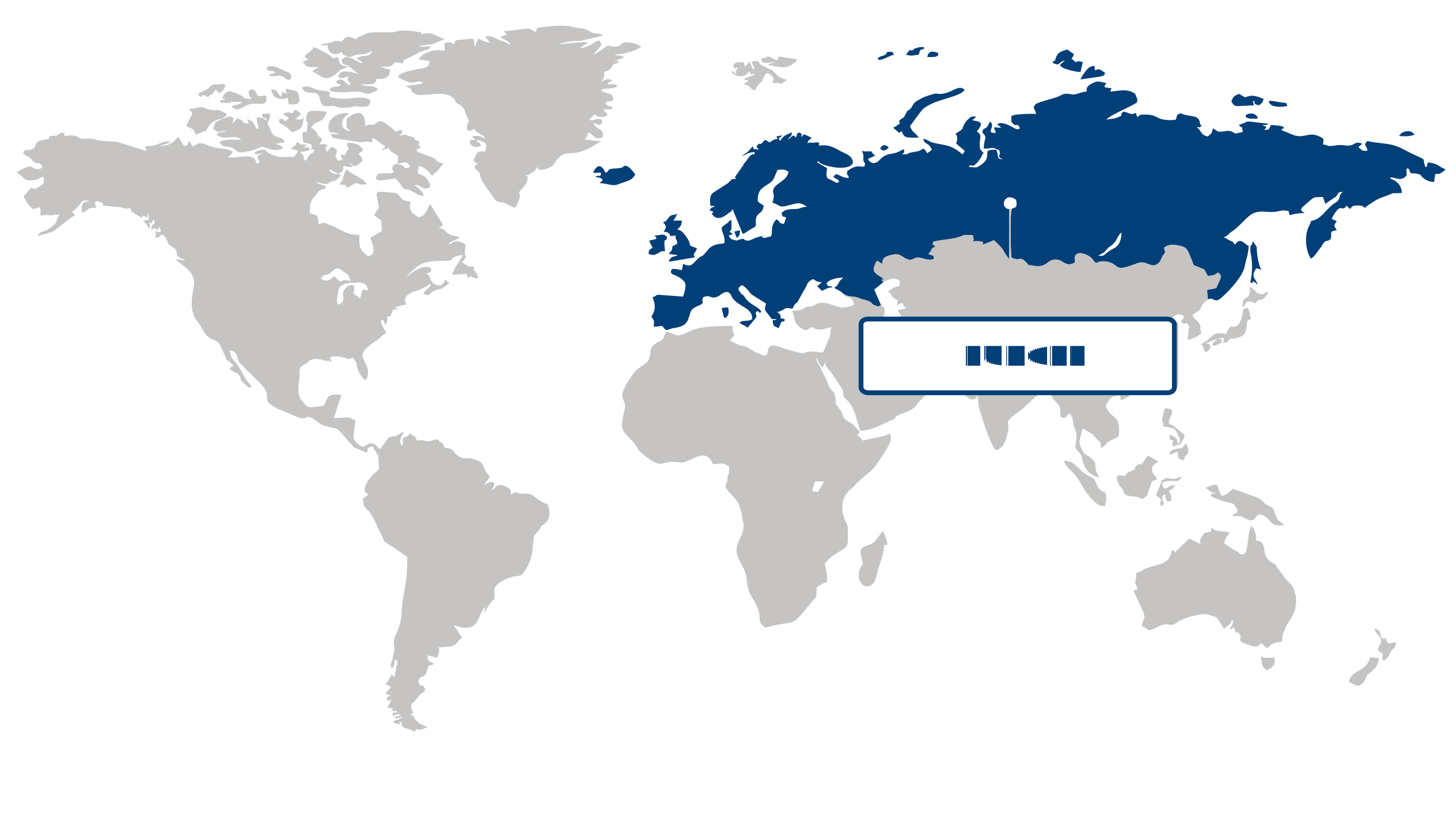
Europe (Largest Region)
Europe represented the largest region in the glass airless packaging market in 2026, led by strong demand for premium, sustainable, and aesthetically appealing packaging solutions. The region’s established cosmetics, personal care, and specialty product industries are contributing to the adoption of glass airless packaging, particularly where product protection, dispensing efficiency, and premium presentation are important. Increasing emphasis on recyclable materials, packaging sustainability, and reduced product waste is further supporting interest in airless formats, while consumer preference for high-quality and environmentally conscious packaging is encouraging brands and manufacturers to explore advanced glass-based solutions.
Asia Pacific (Fastest-Growing Region)
Asia Pacific is projected to be the fastest-growing region in the glass airless packaging market, spurred by expanding personal care and cosmetics industries, rising consumer spending, and increasing adoption of premium packaging formats. Growing awareness of skincare and beauty products is creating demand for packaging that combines functional dispensing with attractive presentation and product protection. Rapid development of manufacturing capabilities, increasing urbanization, and rising interest in sustainable packaging solutions are further supporting market expansion, particularly as consumers and businesses increasingly seek packaging formats that align with quality, convenience, and environmental considerations.
| Parameter | North America | Asia Pacific | Europe | Latin America | MEA |
|---|---|---|---|---|---|
| Innovation HubiScaleNascentDeveloping Advanced | |||||
| Cost-Sensitive RegioniScaleLowMedium High | |||||
| Regulatory EnvironmentiScaleRestrictiveNeutral Supportive | |||||
| Demand DriversiScaleWeakModerate Strong | |||||
| Development StageiScaleEmergingDeveloping Developed | |||||
| Adoption RateiScaleLowMedium High | |||||
| New Entrants / StartupsiScaleSparseModerate Dense | |||||
| Macro IndicatorsiScaleWeakStable Strong |
Key Country Insights
United States 🇺🇸
Premium Packaging AdoptionThe U.S. market is well suited to glass airless packaging where premium presentation, product protection, and dispensing performance influence packaging decisions. Demand priorities center on sophisticated beauty and personal care applications, with packaging suppliers emphasizing functional differentiation and compatibility with higher-value formulations.
Germany 🇩🇪
Sustainable Format DevelopmentGermany places strong emphasis on packaging efficiency, material responsibility, and high-quality product presentation. Glass airless packaging can benefit from this environment, particularly where brands seek recyclable material options alongside controlled dispensing and protection for sensitive formulations.
Japan 🇯🇵
Precision Packaging DemandJapan's packaging environment favors refined formats combining compact design, reliable dispensing, and premium aesthetics. Glass airless solutions can gain attention in cosmetics and personal care applications where formulation protection and precise product delivery are important purchasing considerations.
South Korea 🇰🇷
Beauty Packaging InnovationSouth Korea's advanced cosmetics industry creates a strong application base for innovative airless formats. Glass packaging is particularly relevant for premium skincare products seeking differentiated appearance while maintaining controlled dispensing and protection of formulation quality.
France 🇫🇷
Luxury Cosmetic PackagingFrance offers a strong commercial setting for glass airless packaging through its premium cosmetics and fragrance ecosystem. Packaging priorities emphasize elegant presentation, formulation protection, and brand differentiation, supporting demand for sophisticated airless containers in high-value personal care applications.
Italy 🇮🇹
Design-Led Packaging ApplicationsItaly's cosmetics and premium consumer-goods industries create opportunities for glass airless packaging where aesthetics and functional dispensing need to work together. Suppliers can focus on visually distinctive formats that reinforce product positioning while providing protection for sensitive formulations.
Glass Airless Packaging Market Share (%), by Capacity, 2026
Go beyond the chart, access full insights & data tables
Request Free Sample ReportCapacity Segment Analysis: Less Than 50 Ml (Largest & Fastest-Growing Segment)
The less than 50 ml capacity segment accounted for a market share of 39.85% in 2026 in the glass airless packaging market, supported by its strong suitability for products that require controlled dispensing, product protection, and convenient handling. Smaller-capacity glass airless packaging is particularly well aligned with premium and sensitive formulations, where minimizing product exposure to air can help preserve formulation quality and reduce contamination risks. Its compact format also supports portability and precise application, making it attractive for products used in personal care, beauty, and other applications where controlled dosing and ease of use are important. The combination of functional performance, premium appearance, and efficient product delivery is strengthening adoption of smaller-capacity glass airless packaging. As manufacturers increasingly focus on packaging formats that balance product protection with consumer convenience, the less than 50 ml capacity segment is positioned to maintain its leading position while also experiencing rapid growth across the market.
Application Segment Analysis: Cosmetics (Largest Segment) vs Pharmaceuticals (Fastest-Growing Segment)
The cosmetics application segment held a market share of 64.22% in 2026 in the glass airless packaging market, reflecting the strong compatibility of glass airless formats with cosmetic formulations that require protection from air, contamination, and repeated exposure during use. Glass packaging also supports a premium product presentation, which is particularly relevant for skincare, beauty, and other high-value cosmetic products where packaging appearance contributes to consumer perception. Airless dispensing further helps improve product usability by enabling controlled delivery and minimizing residual product inside the container. Growing emphasis on formulation protection, premium packaging aesthetics, and convenient dispensing is supporting continued demand for glass airless packaging across cosmetic applications.
The pharmaceuticals application segment is anticipated to register the fastest growth, driven by the increasing need for packaging solutions that can protect sensitive formulations while supporting controlled and hygienic dispensing. Glass airless packaging can help limit exposure to air and external contaminants, making it relevant for pharmaceutical products where formulation stability and product integrity are important considerations. Its controlled dispensing characteristics can also support accurate application and reduce unnecessary handling of the product. As pharmaceutical manufacturers place greater emphasis on packaging performance, product protection, and user convenience, adoption of glass airless packaging is expected to expand across a broader range of pharmaceutical applications.
Market, Product Type Segment Analysis: Bottles (Largest & Fastest-Growing Segment)
The bottles product type represents the largest and fastest-growing segment of the glass airless packaging market in 2026, supported by its product protection, functional dispensing, and broad applicability across formulations. Glass airless bottles provide a practical packaging format for products that benefit from reduced exposure to air and contamination while also offering controlled product delivery. Their rigid structure and premium appearance make them suitable for applications where both packaging performance and visual presentation are important. The bottle format can accommodate different dispensing requirements while helping manufacturers deliver a convenient and consistent user experience. Increasing demand for packaging that combines functional protection with premium aesthetics is supporting the continued expansion of glass airless bottles, while their versatility across end-use applications reinforces their position as a key product type in the market.
| Segment | Sub-Segment | Largest Segment | Fastest Growing |
|---|---|---|---|
| Capacity | Less Than 50 Ml, 50 Ml – 100 Ml, Above 100 Ml | Less Than 50 Ml | Less Than 50 Ml |
| Application | Cosmetics, Pharmaceuticals, Others | Cosmetics | Pharmaceuticals |
| Market, Product Type | Bottles, Jars, Others | Bottles | Bottles |
Unlock insights tailored to your business with our bespoke market research solutions.
Click to get your customized report now.
Competitive Landscape and Market Positioning
Analyst Perspective:
Premium positioning in glass airless packaging relies on balancing high-end aesthetic appeal with reliable functional performance and sustainable material practices. Custom glass geometries, refined tactile finishes, and advanced UV-protective tinting safeguard light-sensitive cosmetic formulations without sacrificing visual elegance. To ensure product efficacy, these containers must incorporate engineered airless evacuation pumps capable of dispensing high-viscosity creams smoothly while minimizing residual waste. Simultaneously, packaging manufacturers face pressure to advance environmental goals by integrating post-consumer recycled (PCR) glass and executing lightweighting strategies. Market leaders differentiate by incorporating recycled content and reducing mass without compromising structural durability, dispensing compatibility, or the luxurious aesthetic demanded by luxury skincare brands.
Key companies in the glass airless packaging market:
- ALPLA (Austria)
- Gerresheimer (Germany)
- AptarGroup (USA)
- Lumson (Italy)
- SGD Pharma (France)
- Nipro Glass (Japan)
- Piramal Glass (India)
- O.Berk Company (USA)
- Resilux (Belgium)
- Vetropack (Switzerland)
| Company | Market Share | Company Revenue | Revenue CAGR (%) | Product Portfolio | Geographic Presence | Innovation / R&D Focus | Strategic Developments |
|---|---|---|---|---|---|---|---|
| ALPLA (Austria) | |||||||
| Gerresheimer (Germany) | |||||||
| AptarGroup (USA) | |||||||
| Lumson (Italy) | |||||||
| SGD Pharma (France) | |||||||
| Nipro Glass (Japan) | |||||||
| Piramal Glass (India) | |||||||
| O.Berk Company (USA) | |||||||
| Resilux (Belgium) | |||||||
| Vetropack (Switzerland) |
Industry Development/News
| Company Name | Date | Key Development |
|---|---|---|
| Baralan | September 2025 | Baralan launched an upgraded version of its DEA airless-in-glass packaging solution for cosmetics, featuring an invisible piston and customizable disc design. The strategic refinement enhances technical dispenser performance and aesthetic positioning while strengthening the company's dedicated portfolio of sustainable glass-based airless systems for beauty applications. |
| APC Packaging | January 2024 | APC Packaging introduced a glass airless packaging solution featuring a heavy-walled glass outer container. The design integrates protective airless dispensing technology with durable, heavy-gauge glass architecture to support long-term reusability, extend product lifecycles, and reduce the overall environmental footprint of high-end cosmetic packaging systems. |
Customize Your Report
Explore examples of how this report can be tailored to different research needs, including custom segments, additional topics or chapters, and related reports. Click a section of the wheel or its numbered marker to explore the available options.
Glass Airless Packaging Market — Custom Segments
| Segment | Sub-Segment |
|---|---|
| Dispensing Mechanism | Pump-based, Dropper-based, Spray-based |
| Closure Type | Screw-on, Snap-on, Crimp-on |
| Distribution Channel | Direct sales, Packaging distributors, Online channels |
Glass Airless Packaging Market — Custom TOC
| Custom Chapter | Chapter Details |
|---|---|
| Premium Beauty Packaging Adoption Strategy |
|
| Airless Dispensing Format Economics |
|
| Refill & Reuse Model Opportunities |
|
Need a different cut of the data?
Request Custom ResearchFrequently Asked Questions
What is the market valuation of the glass airless packaging market?
How much is the glass airless packaging industry expected to grow by 2036?
How is premiumization influencing adoption of glass airless packaging in personal care?
How are sustainability preferences shaping innovation in glass airless packaging?
Why does the less than 50 ml capacity segment lead the glass airless packaging market?
Why is pharmaceutical demand for glass airless packaging expected to grow rapidly?
How does Europe maintain its leadership in the glass airless packaging market?
Why is Asia Pacific becoming an important growth market for glass airless packaging?
What are the prominent companies operating in the glass airless packaging landscape?
Our Clients
"The report provided us with a clear direction, and the level of detail was beyond what we expected. I would definitely recommend their services to others."
Haier Appliances
"The collaboration with Fundamental Business Insights has added significant value to our decision-making process, and we look forward to continuing this partnership for our future market research requirements."
Luxottica Group S.p.A.
"The team at FBI delivered an exceptional research report. The insights on industry innovations were particularly impressive and added a lot of value to the overall report."
Nike
Our Research Team & Methodology
Every Fundamental Business Insights report is built by a dedicated vertical research team, validated through a structured primary-and-secondary methodology, and reviewed for accuracy before it reaches you.
This report was prepared by the Consumer Goods & Services Research Team at Fundamental Business Insights, a dedicated research group specializing in global consumer markets, retail industries, and service-oriented businesses. The team closely tracks evolving consumer preferences, purchasing behavior, product innovation, brand strategies, retail and e-commerce developments, pricing trends, distribution channels, sustainability initiatives, demographic shifts, and changing lifestyle patterns to deliver timely and reliable market intelligence. The research is developed using a structured methodology that combines primary discussions with manufacturers, brand owners, retailers, distributors, service providers, industry experts, and other key stakeholders, along with company annual reports, government consumer statistics, regulatory publications, industry associations, retail market data, trade publications, and other authoritative secondary sources. Market estimates are validated through multiple research techniques, including top-down and bottom-up analysis, before undergoing an internal quality review to ensure accuracy, consistency, and methodological integrity prior to publication.
Delivery
Published
Available
Support
- Market Size & Forecast
- Market Segmentation
- Regional Analysis
- Growth Drivers & Challenges
- Market Dynamics
- Competitive Landscape
- Company Profiles
- Competitive Benchmarking
- Mergers & Acquisitions
- Market Share Analysis or Key Company Strategies
- Value Chain Analysis
- Porter's Five Forces
- PESTLE Analysis
- Pricing Trends
- Supply-Demand Analysis
- Technology Landscape
- Regulatory Landscape
- Investment & Funding Landscape
- Emerging Opportunities
- Future Market Outlook