Glulam Market Size & Growth Forecast 2027–2036, By Segments (Wood Species, Grade, Application, Product Type), Regional Demand Trends (North America, Asia Pacific, Europe), Key Country Insights (U.S., Japan, South Korea, Germany, France, Italy), and Competitive Landscape
Jump to Content
Market Size and Growth Outlook
Glulam Market size was around USD 8.5 billion in 2026 and is slated to grow at a 5.51% CAGR from 2027 to 2036, attaining USD 14.53 billion by 2036. The industry revenue for 2027 is calculated at USD 8.9 billion.
Get more details on this report
Request Free Sample ReportGlulam Market Intelligence Snapshot
Regional Market Dynamics
- Europe holds the largest regional share, supported by sustainable construction practices, low-carbon building priorities, established timber expertise, and growing adoption of prefabricated construction methods.
- Asia Pacific is the fastest-growing region, driven by urbanization, expanding construction investments, rising demand for low-carbon materials, and increasing adoption of engineered timber in modern buildings.
Segment Momentum
- Softwood species accounted for 71.14% of the market in 2026 and are the fastest-growing wood species segment, supported by availability, workability, favorable strength-to-weight characteristics, and suitability for structural timber production.
- Residential construction represented 60.82% of the market in 2026 and is the fastest-growing application, driven by demand for strong, design-flexible engineered timber in beams, roof systems, columns, and open-plan structures.
Market Expansion Drivers
- Sustainable Building & Timber Construction Trends.
- Innovations in Engineered Wood Products.
- Green Building Certifications & Codes Adoption.
Leading Market Participants
- Major players in the glulam market include Binderholz (Austria), Stora Enso (Finland), Hasslacher Group (Austria), Structurlam (Canada), Mayr-Melnhof Holz (Austria), Setra Group (Sweden), Pfeifer Group (Austria), XLam Dolomiti (Italy), Boise Cascade (USA), HESS TIMBER (Germany).
Global Market Forecast Snapshot
Market Outlook
- 2026 Market Size: USD 8.5 billion
- 2027 Estimated Market Size: USD 8.9 billion
- Projected Market Size: USD 14.53 billion by 2036
- Growth Forecast: 5.51% CAGR (2027-2036)
Regional and Segment Outlook
- Leading Regional Market: Europe
- High-Growth Regional Hub: Asia Pacific
- Core Revenue Segment: Wood Species (Softwood Species) | Grade (Structural Grade) | Application (Residential Construction) | Product Type (Straight Glulam Beams)
- Emerging Opportunity Segment: Wood Species (Softwood Species) | Grade (Structural Grade) | Application (Residential Construction) | Product Type (Straight Glulam Beams)
Market Growth Drivers and Industry Trends
Sustainable Building & Timber Construction Trends
The growing emphasis on sustainable construction is driving demand for glulam as builders and designers increasingly consider renewable materials for structural applications. Glulam offers the ability to utilize engineered timber in applications requiring structural strength, design flexibility, and efficient material use. Increasing interest in timber-based construction is also supported by efforts to reduce reliance on conventional construction materials and incorporate renewable resources into residential, commercial, and architectural projects.
Innovations in Engineered Wood Products
Innovations in engineered wood products are supporting glulam market growth by improving structural performance, design flexibility, and application possibilities. Advances in manufacturing and bonding processes enable timber elements to be engineered into larger and more complex structural components while maintaining consistent performance. These developments are expanding the use of glulam in applications involving long spans, curved structures, exposed architectural elements, and customized building designs.
Green Building Certifications & Codes Adoption
The growing adoption of green building certifications and updated construction codes is encouraging the use of engineered timber materials in sustainable building projects. Certification frameworks increasingly recognize material efficiency, renewable resource utilization, and environmentally responsible construction practices, creating greater opportunities for timber-based structural systems. At the same time, evolving building codes that provide clearer provisions for engineered wood construction can improve design confidence among architects, engineers, and contractors and support broader adoption of glulam in modern building projects.
| Growth Driver | Impact on CAGR | Regulatory Influence | Geographic Relevance | Adoption Rate | Impact Timeline |
|---|---|---|---|---|---|
| Sustainable Building & Timber Construction Trends | 1.7% | Short term (≤ 2 yrs) | Europe; North America; Spillover Asia Pacific | Medium | Fast |
| Innovations in Engineered Wood Products | 1.5% | Medium term (2–5 yrs) | Europe; North America; Spillover Asia Pacific | Low | Moderate |
| Green Building Certifications & Codes Adoption | 1.4% | Long term (5+ yrs) | Europe; North America; Spillover Asia Pacific | High | Moderate |
Explore Growth Opportunities
Request Free Sample ReportRegional Demand Dynamics
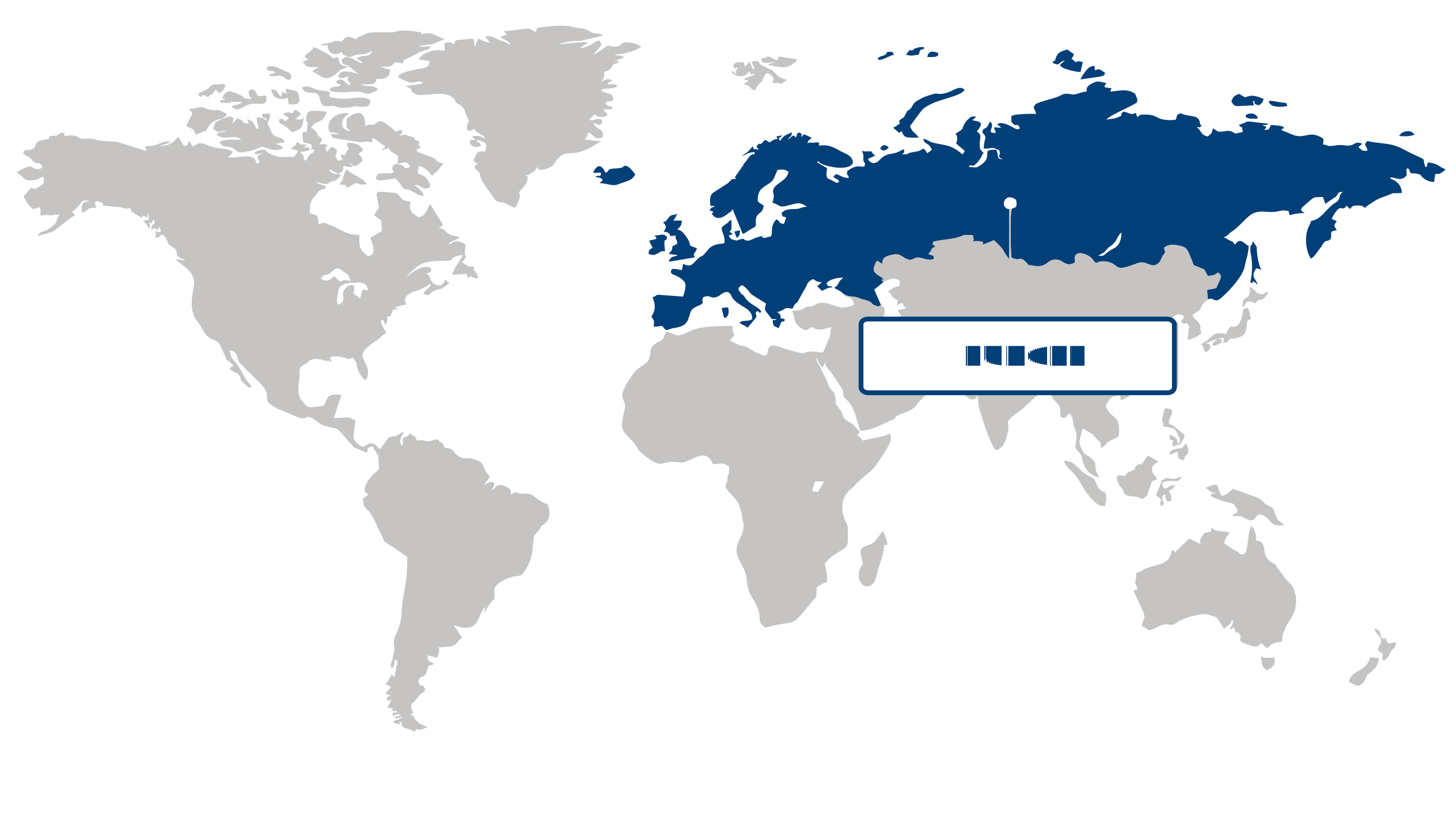
Europe (Largest Region)
The European glulam market held the largest regional share in 2026, impelled by the growing adoption of sustainable construction materials and increasing emphasis on low-carbon building practices. Across the region, the construction industry is increasingly prioritizing renewable materials that can reduce environmental impact while delivering structural performance and design flexibility. Glued laminated timber is gaining attention in residential, commercial, and public infrastructure projects because of its strength, versatility, and suitability for modern architectural applications. Growing awareness of embodied carbon and the need to improve resource efficiency are encouraging builders and developers to consider engineered wood as an alternative to conventional construction materials. The region also benefits from established timber construction practices, a strong focus on sustainable building standards, and increasing interest in prefabricated construction methods. Furthermore, demand for energy-efficient buildings and environmentally responsible construction solutions is supporting the integration of glulam into contemporary building designs. Continued emphasis on circular construction, renewable material sourcing, and innovative building systems is expected to reinforce the market's development across Europe.
Asia Pacific (Fastest-Growing Region)
The Asia Pacific glulam market is expected to register the fastest growth during the forecast period, spurred by rapid urbanization, expanding construction activity, and increasing interest in sustainable building materials. Growing investment in residential developments, commercial buildings, and infrastructure projects is creating opportunities for engineered wood products across the region. As environmental awareness increases, developers and construction professionals are exploring materials that offer structural reliability while supporting more sustainable building practices. Glulam is gaining relevance because of its design flexibility, strength, and suitability for contemporary architectural applications, including large-span structures and prefabricated buildings. The expansion of modern construction techniques and rising interest in efficient project delivery are further encouraging the adoption of engineered timber solutions. Additionally, evolving building preferences, growing awareness of low-carbon construction, and the gradual development of supporting supply chains are improving the potential for broader market penetration. Increasing investment in sustainable urban development and innovative construction methods is expected to strengthen demand for glulam throughout the region.
| Parameter | North America | Asia Pacific | Europe | Latin America | MEA |
|---|---|---|---|---|---|
| Innovation HubiScaleNascentDeveloping Advanced | |||||
| Cost-Sensitive RegioniScaleLowMedium High | |||||
| Regulatory EnvironmentiScaleRestrictiveNeutral Supportive | |||||
| Demand DriversiScaleWeakModerate Strong | |||||
| Development StageiScaleEmergingDeveloping Developed | |||||
| Adoption RateiScaleLowMedium High | |||||
| New Entrants / StartupsiScaleSparseModerate Dense | |||||
| Macro IndicatorsiScaleWeakStable Strong |
Key Country Insights
United States 🇺🇸
Engineered Timber AdoptionThe U.S. glulam market is supported by increasing use of engineered timber in commercial, institutional, and multifamily construction. Demand priorities center on reliable structural performance, prefabricated components, code compliance, and supply capabilities that can support larger timber projects.
Germany 🇩🇪
Sustainable Structural DesignGermany continues to integrate glulam into timber buildings where renewable materials and efficient structural systems are priorities. Market activity is shaped by engineered wood expertise, building-code requirements, prefabrication, and demand for durable components suited to residential and commercial construction.
Japan 🇯🇵
Seismic Timber EngineeringJapan's glulam market is closely linked to engineered timber solutions for buildings requiring dependable structural performance and seismic considerations. Manufacturers and construction firms prioritize precision fabrication, dimensional stability, certified quality, and designs that integrate glulam effectively into modern wooden structures.
South Korea 🇰🇷
Modern Timber ConstructionSouth Korea is expanding the role of glulam within contemporary timber construction, including architectural and low-rise building applications. Commercial priorities include design flexibility, lightweight structural systems, prefabrication, and improving awareness of engineered wood as an alternative to conventional construction materials.
France 🇫🇷
Low-Carbon Building MaterialsFrance's glulam market benefits from construction practices increasingly emphasizing renewable and lower-carbon structural materials. Demand is particularly relevant to timber-focused projects where architects and developers value design versatility, prefabrication efficiency, structural reliability, and alignment with evolving environmental building requirements.
Italy 🇮🇹
Architectural Timber ApplicationsItaly uses glulam across projects where structural functionality and architectural expression intersect, including distinctive roofs, public buildings, and residential structures. Market priorities include customized components, visual quality, fabrication precision, and integration of engineered timber into design-led construction projects.
Glulam Market Share (%), by Wood Species, 2026
Go beyond the chart, access full insights & data tables
Request Free Sample ReportWood Species Segment Analysis: Softwood Species (Largest & Fastest-Growing Segment)
The softwood species segment accounted for a 71.14% market share of the glulam market in 2026, supported by the widespread availability, workability, and structural performance of softwood timber used in engineered wood production. Softwood species are well suited to glulam manufacturing because their favorable strength-to-weight characteristics and ease of processing enable the production of large, stable structural components for diverse construction requirements. Their established supply chains and compatibility with established manufacturing processes further support consistent material availability and cost-efficient production. Growing adoption of engineered timber as an alternative to conventional structural materials is also increasing demand for softwood-based glulam in applications requiring long spans, design flexibility, and reliable load-bearing performance. In addition, increasing emphasis on renewable construction materials and efficient utilization of wood resources is encouraging greater use of engineered softwood products, reinforcing the segment's position as both the largest and fastest-growing wood species category in the glulam market.
Grade Segment Analysis: Structural Grade (Largest & Fastest-Growing Segment)
The structural grade segment held a 42.55% market share of the glulam market in 2026, driven by its extensive use in load-bearing applications where strength, dimensional stability, and dependable structural performance are critical. Structural-grade glulam provides manufacturers and construction professionals with engineered timber capable of supporting demanding building requirements while offering greater design flexibility than conventional solid wood components. Its suitability for beams, columns, frames, and other structural elements is supporting adoption across construction projects that prioritize durability and efficient material utilization. Increasing acceptance of engineered wood in modern building practices is further expanding opportunities for structural-grade products, particularly where longer spans, customized dimensions, and consistent performance are required. As construction activity increasingly incorporates engineered timber solutions and sustainable material choices, demand for structural-grade glulam is strengthening, supporting its position as the largest and fastest-growing grade category.
Application Segment Analysis: Residential Construction (Largest & Fastest-Growing Segment)
The residential construction segment represented a 60.82% market share of the glulam market in 2026, reflecting the growing integration of engineered timber into residential structures for its structural strength, design flexibility, and aesthetic appeal. Glulam is increasingly used in residential beams, roof systems, columns, and open-plan structures where larger spans and distinctive architectural designs are desired. Its ability to provide consistent dimensions and efficient load distribution supports construction requirements while enabling greater flexibility in interior and exterior design. Rising interest in sustainable building materials is also encouraging residential developers and homeowners to consider engineered wood as a renewable alternative to more resource-intensive structural materials. In addition, advancements in timber engineering and construction practices are expanding the range of residential applications for glulam, supporting broader adoption in new housing projects and renovation activities and reinforcing residential construction as both the largest and fastest-growing application segment.
| Segment | Sub-Segment | Largest Segment | Fastest Growing |
|---|---|---|---|
| Wood Species | Softwood Species, Hardwood Species | Softwood Species | Softwood Species |
| Grade | Structural Grade, Appearance Grade, Industrial Grade, Specialty and High-Performance Grades | Structural Grade | Structural Grade |
| Application | Residential Construction, Commercial Construction, Industrial and Warehouse Construction, Institutional and Public Buildings, Infrastructure and Transportation, Specialty and Niche Applications | Residential Construction | Residential Construction |
| Product Type | Straight Glulam Beams, Curved and Arched Glulam, Glulam Columns and Posts, Glulam Trusses and Frames, Glulam Panels and Decking, Specialty and Custom Products | Straight Glulam Beams | Straight Glulam Beams |
Unlock insights tailored to your business with our bespoke market research solutions.
Click to get your customized report now.
Competitive Landscape and Market Positioning
Analyst Perspective:
Glulam's competitive position depends on delivering dependable structural performance while meeting the dimensional and aesthetic requirements of modern construction. Load-bearing strength and compliance with relevant structural standards underpin its suitability for beams, columns, and long-span applications, while moisture-resistant adhesive bonding supports confidence in the integrity of laminated components under intended service conditions. Dimensional stability also matters, as warping and distortion can complicate installation, compromise alignment, and affect exposed architectural finishes. In projects where timber remains visible, appearance grading introduces an additional purchasing consideration, including consistency in color, knots, and surface quality. These priorities vary between concealed structural applications and design-led buildings. Manufacturers that combine verified mechanical properties, durable bonding, predictable dimensional behavior, and appropriate appearance grades can serve a broader range of construction requirements.
Major players in the glulam market:
- Binderholz (Austria)
- Stora Enso (Finland)
- Hasslacher Group (Austria)
- Structurlam (Canada)
- Mayr-Melnhof Holz (Austria)
- Setra Group (Sweden)
- Pfeifer Group (Austria)
- XLam Dolomiti (Italy)
- Boise Cascade (USA)
- HESS TIMBER (Germany)
| Company | Market Share | Company Revenue | Revenue CAGR (%) | Product Portfolio | Geographic Presence | Innovation / R&D Focus | Strategic Developments |
|---|---|---|---|---|---|---|---|
| Binderholz (Austria) | |||||||
| Stora Enso (Finland) | |||||||
| Hasslacher Group (Austria) | |||||||
| Structurlam (Canada) | |||||||
| Mayr-Melnhof Holz (Austria) | |||||||
| Setra Group (Sweden) | |||||||
| Pfeifer Group (Austria) | |||||||
| XLam Dolomiti (Italy) | |||||||
| Boise Cascade (USA) | |||||||
| HESS TIMBER (Germany) |
Industry Development/News
| Company Name | Date | Key Development |
|---|---|---|
| HESS TIMBER | May 2026 | HESS TIMBER supplied more than 350 cubic metres of curved glulam and cross-laminated timber for the 84-metre canopy at Anzac Station in Melbourne. The project demonstrates the company’s involvement in large-scale architectural timber structures, with engineered wood forming a central component of the station’s distinctive canopy design. |
| Essa Glas | June 2025 | Essa Glas was commissioned to deliver an approximate 1,750-square-metre glass façade with a glulam frame for the Klock 10 development in central Stockholm. Scheduled through 2025 and into early 2026 with a total order value of approximately SEK 20 million, the project integrates engineered glulam into a commercial façade application. |
| Stora Enso Oyj | May 2025 | Stora Enso Oyj divested 12.4% of its Swedish forest holdings, valued at approximately €900 million, alongside a 15-year wood supply agreement to secure operational material. This divestment provided additional balance sheet strength and a stable wood supply to reinforce the company's competitive position in glulam production. |
| Setra Group AB | March 2025 | Setra Group AB restructured its Långshyttan facility from continuous to periodic production of cross-laminated timber and wood components. While cross-laminated timber production capacity was decreased, the facility maintained its digital glulam production capacity to continue supplying the construction market. |
| BIG | March 2025 | BIG designed the Gelephu International Airport terminal in Bhutan around a modular glulam timber diagrid, combining engineered timber construction with traditional detailing. The 68,000-square-metre terminal represents a substantial architectural application of glulam within a major transport infrastructure project. |
| Timberlab | June 2024 | Timberlab’s Greenville, South Carolina mass-timber fabrication facility reached full capacity, with the plant capable of supporting approximately one million square feet of mass-timber construction annually. The facility strengthens regional manufacturing capacity for engineered timber construction and supports growing demand for mass-timber building systems. |
| Mercer Mass Timber | June 2023 | Mercer Mass Timber acquired Structurlam Mass Timber Corporation, adding an additional 45,000 cubic metres of glulam and cross-laminated timber production capacity. This acquisition significantly strengthens the company's operational footprint and market position in the North American mass construction sector. |
Customize Your Report
Explore examples of how this report can be tailored to different research needs, including custom segments, additional topics or chapters, and related reports. Click a section of the wheel or its numbered marker to explore the available options.
Glulam Market — Custom Segments
| Segment | Sub-Segment |
|---|---|
| Connection System | Traditional mechanical connections, Concealed connections, Steel-plate and connector systems, Hybrid connection systems |
| Procurement Channel | Direct manufacturer procurement, Building material distributors, Specialty timber suppliers, Contractor and project-based procurement |
| Manufacturing Process | Conventional press-laminated production, Automated manufacturing, CNC-integrated production, Custom engineered production |
Glulam Market — Custom TOC
| Custom Chapter | Chapter Details |
|---|---|
| Engineered Timber Adoption Roadmap |
|
| Sustainable Construction Procurement |
|
| Building Code Adoption & Market Accessibility |
|
Need a different cut of the data?
Request Custom ResearchFrequently Asked Questions
How large is the glulam market?
What is the projected value of the glulam industry by 2036?
How are sustainable construction trends influencing demand for glulam?
How are engineered wood innovations and evolving building codes accelerating glulam adoption?
Why does softwood dominate the glulam market?
What is driving demand for glulam in residential construction?
Why does Europe lead the glulam market?
How is Asia Pacific creating growth opportunities in the glulam market?
Which organizations are considered leaders in the glulam landscape?
Our Clients
"Your insights on workforce structures were spot-on. The analysis on mid-to-senior level roles validated some of our hiring decisions and highlighted gaps."
Ateliers De France
"The report gave us insights on competitors in the market. It helped our team refine our bidding strategy for upcoming contracts."
Clark Construction
"The reports provided a deep dive into market trends, and competitive landscape. The strategic insights and recommendations have been very helpful."
Rudolph and Sletten
Our Research Team & Methodology
Every Fundamental Business Insights report is built by a dedicated vertical research team, validated through a structured primary-and-secondary methodology, and reviewed for accuracy before it reaches you.
This report was prepared by the Construction & Manufacturing Research Team at Fundamental Business Insights, a dedicated research group specializing in global construction, building materials, manufacturing processes, and industrial infrastructure markets. The team closely tracks construction activity, infrastructure investments, manufacturing technologies, raw material trends, equipment adoption, labor and productivity developments, sustainability initiatives, regulatory standards, and supply chain dynamics to provide timely and reliable market intelligence. The research is developed using a structured methodology that combines primary discussions with manufacturers, construction companies, equipment suppliers, distributors, contractors, and industry experts, along with company annual reports, government infrastructure statistics, regulatory publications, industry associations, engineering standards, technical publications, and other authoritative secondary sources. Market estimates are validated through multiple research techniques, including top-down and bottom-up analysis, before undergoing an internal quality review to ensure accuracy, consistency, and methodological integrity prior to publication.
Delivery
Published
Available
Support
- Market Size & Forecast
- Market Segmentation
- Regional Analysis
- Growth Drivers & Challenges
- Market Dynamics
- Competitive Landscape
- Company Profiles
- Competitive Benchmarking
- Mergers & Acquisitions
- Market Share Analysis or Key Company Strategies
- Value Chain Analysis
- Porter's Five Forces
- PESTLE Analysis
- Pricing Trends
- Supply-Demand Analysis
- Technology Landscape
- Regulatory Landscape
- Investment & Funding Landscape
- Emerging Opportunities
- Future Market Outlook