Green Sustainable Tourism Market Size & Forecasts 2026-2035, By Segments (Type, Booking Channel), Growth Opportunities, Innovation Landscape, Regulatory Shifts, Strategic Regional Insights (U.S., Japan, China, South Korea, UK, Germany, France), and Competitive Dynamics (Booking Holdings, Expedia Group, Airbnb, TUI Group, Accor)
Market Size and Growth Outlook
Green Sustainable Tourism Market size is expected to advance from USD 1.95 billion in 2025 to USD 15.71 billion by 2035, registering a CAGR of more than 23.2% across 2026-2035. By 2026, the industry is anticipated to generate USD 2.36 billion in revenue.
Get more details on this report
Request Free Sample ReportGreen Sustainable Tourism Market Intelligence Snapshot
Regional Market Dynamics
Segment Momentum
Market Expansion Drivers
Leading Market Participants
Global Market Forecast Snapshot
Market Outlook
Regional and Segment Outlook
Market Growth Drivers and Industry Trends
Consumer preferences are shifting decisively towards environmentally responsible tourism, driving expansion within the green sustainable tourism market. Reports from Booking.com reveal that over 70% of travelers prioritize sustainable options, signaling widespread willingness to pay premiums for eco-conscious services. This trend reflects growing awareness about climate impacts and ethical consumption, prompting companies like Intrepid Travel to develop carbon-offset programs and localized community engagements. For incumbents, there is a strategic imperative to integrate eco-friendly offerings deeply into their value chains, while new entrants can capitalize on underserved niche markets by innovating authentic, low-impact experiences. As consumer expectations continue evolving, sustainability credentials are becoming a baseline rather than a differentiator, making this demand driver a critical catalyst in reshaping service portfolios and marketing strategies.
Government Sustainability Policies in Tourism
Policy frameworks increasingly mandate sustainable development within the travel sector, providing a regulatory tailwind that accelerates transformation in the green sustainable tourism market. The United Nations World Tourism Organization (UNWTO) emphasizes integrating sustainability into national tourism strategies, encouraging adherence through incentives and compliance standards. Countries such as Costa Rica and New Zealand promote eco-tourism through direct government support and stringent environmental regulations, influencing global industry standards. These policies create entry barriers for non-compliant operators but unlock opportunities for market leaders to benefit from subsidies and enhanced brand reputation. The regulatory environment thus fosters innovation in sustainable operations and infrastructure, reinforcing the sector’s alignment with international climate goals and facilitating long-term investment security.
Expansion of Carbon-Neutral Infrastructure and Green Certifications
The proliferation of carbon-neutral infrastructure and green certification programs is redefining competitive dynamics in the green sustainable tourism market by codifying environmental performance. Initiatives such as the Global Sustainable Tourism Council (GSTC) standards and the rise of carbon-neutral hotels by brands like Marriott demonstrate a commitment to transparent reporting and accountability. Supply chains are increasingly scrutinized for environmental impact, driving suppliers and service providers to adopt sustainable practices. This trend opens multiple avenues for established players to differentiate through certification-driven branding, while startups can innovate by offering specialized carbon accounting and offset services. The growing emphasis on certified sustainability signals a shift from voluntary action to industry-wide normative standards, underpinning a credible and scalable green tourism ecosystem.
Industry Restraints:
High Initial Investment and Operational Costs
The green sustainable tourism market faces significant barriers due to the substantial upfront capital required for eco-friendly infrastructure and technology integration, which many operators find prohibitive. The need for energy-efficient accommodations, waste management systems, and sustainable transport options drives operational costs, limiting scalability, especially for small and medium enterprises. According to the United Nations World Tourism Organization (UNWTO), many eco-tourism ventures in developing regions struggle to secure funding or justify the extended ROI timelines associated with sustainable practices. This cost burden creates a competitive disadvantage against conventional tourism providers, delaying broad adoption. Strategically, market players must balance short-term profitability with long-term value creation, often necessitating partnerships or government incentives. Moving forward, without expanded financial support mechanisms, these economic constraints will likely continue restraining industry-wide transitions towards sustainability.
Fragmented Regulatory Environments
Divergent and evolving regulations across countries complicate compliance and standardization within the green sustainable tourism sector. Operators encounter inconsistent certification criteria, environmental regulations, and reporting requirements, as reported by the International Ecotourism Society (TIES), increasing administrative complexity and costs. This regulatory fragmentation disproportionately challenges international tourism companies and new entrants seeking cross-border expansion, as navigating heterogeneous legal landscapes dilutes strategic focus and operational efficiency. For example, differing carbon emission targets and wildlife protection laws force tailored approaches that delay scaling sustainable offerings. As governments enhance environmental commitments, regulatory frameworks will likely tighten but remain regionally varied. Market participants must therefore invest in agile compliance capabilities and advocate for harmonized policies to overcome this persistent obstacle to sector growth and investor confidence.
| Growth Driver | Impact on CAGR | Regulatory Influence | Geographic Relevance | Adoption Rate | Impact Timeline |
|---|---|---|---|---|---|
| Increased demand for eco-friendly travel experiences | 3.00% | Short term (≤ 2 yrs) | Europe (Primary), North America (Spillover) | Medium | Fast |
| Government sustainability policies in tourism | 3.50% | Medium term (2–5 yrs) | Asia Pacific (Primary), Europe (Spillover) | High | Moderate |
| Carbon-neutral infrastructure and green certifications expansion | 3.00% | Long term (5+ yrs) | North America (Primary), Asia Pacific (Spillover) | High | Moderate |
Unlock insights tailored to your business with our bespoke market research solutions.
Click to get your customized report now.
Regional Demand Dynamics
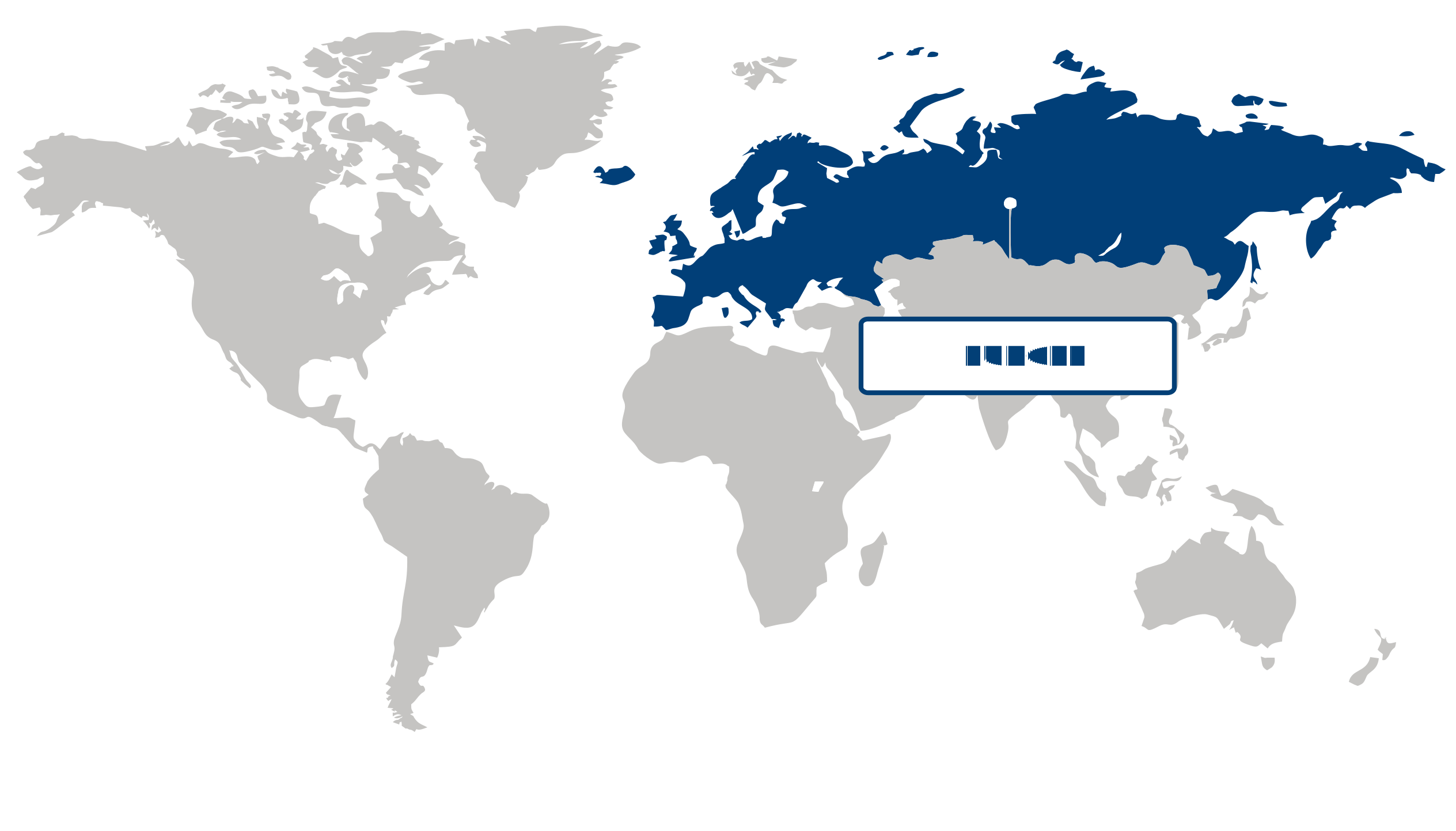
Europe captured over 39% of the global green sustainable tourism market in 2025, asserting itself as the largest regional player. This leadership stems largely from stringent sustainability regulations paired with high consumer awareness of eco-friendly travel practices. The European Union’s Green Deal and the European Tourism Commission’s commitment to low-impact tourism underscore an environment where regulatory frameworks and consumer preferences reinforce each other. Additionally, the prevalence of advanced technologies in sustainable accommodations and transportation services contributes to Europe’s competitive edge. These dynamics combine with increasing demand for authentic, responsible travel experiences and rising investments in renewable energy for hospitality infrastructures, creating fertile ground for innovation. As global travelers further prioritize environmental impact, Europe’s combined regulatory rigor and sophisticated market adaptation offer a robust foundation for continued expansion in the green sustainable tourism market.
Germany anchors Europe’s green sustainable tourism market, driven by its proactive environmental policies and consumer focus on sustainability. The German Federal Ministry for the Environment’s initiatives promoting eco-labels in tourism have heightened traveler trust and industry compliance. Additionally, Germany’s strong renewable energy infrastructure supports sustainable accommodations and transport, evidenced by Deutsche Bahn’s expansion of green rail services. France complements this by integrating sustainability into its rich cultural tourism fabric, with the French Ministry for Europe and Foreign Affairs advancing policies that blend heritage conservation with low-carbon travel solutions. France’s wide network of eco-certified hotels and increasing promotion of rural ecotourism, as highlighted by Atout France, solidifies its standing. These country-specific strategies not only reinforce Europe’s regulatory-led growth but also illustrate tailored approaches that collectively enhance the regional green sustainable tourism market’s resilience and appeal.
Asia Pacific Market Analysis:
Asia Pacific emerged as the fastest-growing region in the green sustainable tourism market, registering a robust CAGR of 26%. This rapid expansion is driven by the accelerated development of eco-tourism infrastructure coupled with a surge in environmentally conscious travel demand. Governments in the region are increasingly championing policies that encourage sustainable travel practices, as seen in initiatives by the Asia-Pacific Economic Cooperation (APEC) to promote responsible tourism. Additionally, rising middle-class incomes and greater environmental awareness among consumers are reshaping travel preferences, prioritizing destinations that emphasize carbon footprint reduction and biodiversity conservation. The integration of digital platforms to facilitate eco-friendly travel bookings and sustainable accommodation options further fuels growth in this market. Asia Pacific’s diverse ecosystems and cultural heritage amplify its appeal, making it a strategic hotspot for investors and operators focused on sustainable tourism in the coming years.
Japan plays a pivotal role in Asia Pacific’s green sustainable tourism market by leveraging advanced eco-tourism infrastructure and a strong cultural emphasis on environmental stewardship. Consumer demand in Japan increasingly favors low-impact travel experiences, supported by government initiatives like the Ministry of the Environment’s Green Tourism Promotion, which incentivizes eco-friendly lodging and nature-based tours. Major tourism operators such as Japan Airlines have also introduced sustainability programs aligned with carbon offsetting and energy-efficient travel modalities. These factors position Japan as a key contributor to the region’s sustainable tourism growth and highlight the potential for innovation in service offerings that resonate with eco-conscious travelers.
China's contribution to Asia Pacific’s green sustainable tourism market stems from rapid infrastructure expansion coupled with a rising middle-class prioritizing sustainability in travel. The Chinese government has implemented strict environmental regulations and large-scale eco-tourism projects, such as the development of nature reserves and green transportation networks, championed by the Ministry of Culture and Tourism. Additionally, platforms like Ctrip have enhanced visibility and accessibility to certified green hotels, reflecting shifting consumer preferences towards responsible tourism. China’s integration of cutting-edge technology in managing tourist flows and environmental impact solidifies its strategic importance within the regional green tourism landscape, reinforcing Asia Pacific’s position as the global growth leader.
North America Market Trends:
North America held a commanding share in the green sustainable tourism market, driven by heightened consumer awareness around environmental impact and an increasing preference for eco-friendly travel options. The region benefits from robust policy frameworks, such as the U.S. Green Travel Program by the Environmental Protection Agency, encouraging sustainable hospitality practices. Additionally, technological advancements in energy-efficient infrastructure and digital platforms for sustainable trip planning have enhanced operational efficiencies. Major players like Marriott International have publicly committed to carbon neutrality goals, reflecting competitive intensity in embedding sustainability across offerings. Demographic shifts toward millennials and Gen Z travelers favoring responsible tourism further stimulate demand. As North America continues to prioritize environmental resilience and adopts innovative sustainable tourism models, investors can expect expanding opportunities in eco-certified accommodations, renewable energy integration in tourism infrastructure, and eco-conscious community engagement projects.
The U.S. plays a pivotal role within North America’s green sustainable tourism market, shaped by regulatory mandates and consumer preference shifts toward sustainability. Policies from the National Park Service and the Department of Transportation promoting green travel have accelerated adoption of low-impact tourism options, including electric vehicle tours and eco-lodges. Corporate commitments from entities like Hilton Worldwide to reduce water and energy consumption underscore operational advancements influencing market dynamics. Culturally, growing environmental activism among American travelers boosts demand for sustainable experiences, as seen in initiatives supported by organizations like the Sustainable Travel International. This confluence of regulation, consumer mindset, and corporate action positions the U.S. as a strategic leader, leveraging its innovation ecosystem to enhance regional sustainable tourism growth prospects.
| Parameter | North America | Asia Pacific | Europe | Latin America | MEA |
|---|---|---|---|---|---|
| Innovation Hub i Scale Nascent Developing Advanced | |||||
| Cost-Sensitive Region i Scale Low Medium High | |||||
| Regulatory Environment i Scale Restrictive Neutral Supportive | |||||
| Demand Drivers i Scale Weak Moderate Strong | |||||
| Development Stage i Scale Emerging Developing Developed | |||||
| Adoption Rate i Scale Low Medium High | |||||
| New Entrants / Startups i Scale Sparse Moderate Dense | |||||
| Macro Indicators i Scale Weak Stable Strong |
Segment Leadership and Growth Trends
Green Sustainable Tourism Market Share (%), by Type, 2026
Go beyond the chart, access full insights & data tables
Request Free Sample ReportThe International segment held the largest share in the green sustainable tourism market in 2025, driven primarily by the surge in demand for environmentally conscious cross-border travel experiences. This segment’s leadership stems from the increasing preference among eco-aware tourists for sustainable international itineraries that minimize carbon footprints and engage with local conservation efforts. Development of greener travel options, from eco-certified airlines to sustainable lodging endorsed by global organizations like the Global Sustainable Tourism Council (GSTC), underscores this trend. The segment benefits from shifting regulatory frameworks emphasizing environmental compliance in international travel, creating opportunities for both established tour operators and emerging eco-tourism startups. Given the persistent global interest in responsible cultural exchange and environmental stewardship, international green tourism is expected to maintain relevance as governments and corporations continue enhancing sustainability standards.
Analysis by Booking Channel
Online booking represented the largest share of the green sustainable tourism market in 2025, fueled by the rapid adoption of digital platforms and high smartphone penetration worldwide. This segment’s prominence is anchored in the increasing demand for convenient, transparent, and personalized booking experiences that integrate sustainability metrics, as evidenced by platforms like Expedia and Booking.com promoting eco-labeled accommodations. Advances in digital technology enable travelers to assess carbon impact and sustainability certifications quickly, aligning with customer priorities on environmental responsibility. Additionally, the rise of digital wallets and mobile apps enhances accessibility, creating fertile ground for innovative market entrants specializing in green travel solutions. With continuing technological improvements and consumer inclination toward digital engagement, this segment will remain critical in driving sustainable tourism planning and purchasing behavior.
| Segment | Sub-Segment | Largest Segment | Fastest Growing |
|---|---|---|---|
| Type | Domestic, International | ||
| Booking Channel | Phone Booking, Online Booking, In-person Booking |
Competitive Landscape and Market Positioning
The competitive landscape reveals a momentum toward deeper sustainable integration, with key players reinforcing market standing through alliances, targeted acquisitions, and innovative service expansions. Airbnb’s platform adaptations to elevate responsible hosting and eco-conscious stays underscore evolving consumer preferences. Traditional tour operators from Europe and Australia accelerate sustainability by embedding ethical travel standards and local community engagement into product development. Meanwhile, Trip.com Group and other Asia-based entities expand eco-tourism portfolios, enhancing competitive differentiation. Collectively, these initiatives foster industry-wide adaptation, enriching innovation pipelines and fortifying resilience against intensifying regulatory and consumer scrutiny.
Strategic / Actionable Recommendations for Regional Players
North American firms could benefit from nurturing partnerships with technology innovators focused on carbon tracking and sustainable travel analytics to enhance transparency and user engagement. Emphasizing collaborations with local conservation projects may further anchor corporate responsibility narratives and appeal to environmentally minded travelers.
In the Asia Pacific, players should prioritize curating culturally immersive, eco-conscious offerings that align with rising regional demand for authentic experiences. Leveraging digital platforms to streamline access to lesser-known sustainable destinations can create new growth pathways amidst competitive pressures from established global operators.
European entities are well placed to capitalize on regulatory frameworks encouraging sustainability by expanding low-impact mobility options and integrating circular economy principles into service delivery. Collaborations spanning public and private sectors can stimulate innovation, positioning companies as frontrunners in green tourism leadership.
| Company | Market Share | Company Revenue | Revenue CAGR (%) | Product Portfolio | Geographic Presence | Innovation / R&D Focus | Strategic Developments |
|---|---|---|---|---|---|---|---|
| No companies available. | |||||||
Industry Development/News
| Company Name | Date | Key Development |
|---|
Customize Your Report
Explore examples of how this report can be tailored to different research needs, including custom segments, additional topics or chapters, and related reports. Click a section of the wheel or its numbered marker to explore the available options.
Green Sustainable Tourism Market — Custom Segments
| Segment | Sub-Segment |
|---|---|
| No segment data available. | |
Green Sustainable Tourism Market — Custom TOC
| Custom Chapter | Custom Details | ||
|---|---|---|---|
| No custom TOC data available. | |||
Need a different cut of the data?
Request Custom ResearchWhat is the projected value of the green sustainable tourism industry by 2035?
Which territory dominates the green sustainable tourism market share rankings?
In which region is the green sustainable tourism sector expanding most rapidly?
Which is the largest sub-segment within the type segment for green sustainable tourism industry?
Why does online booking sub-segment dominate the booking channel segment of green sustainable tourism sector?
Which companies dominate the green sustainable tourism landscape?
Our Clients
"The report provided us with a clear direction, and the level of detail was beyond what we expected. I would definitely recommend their services to others."
Haier Appliances
"The collaboration with Fundamental Business Insights has added significant value to our decision-making process, and we look forward to continuing this partnership for our future market research requirements."
Luxottica Group S.p.A.
"The team at FBI delivered an exceptional research report. The insights on industry innovations were particularly impressive and added a lot of value to the overall report."
Nike
Our Research Team & Methodology
Every Fundamental Business Insights report is built by a dedicated vertical research team, validated through a structured primary-and-secondary methodology, and reviewed for accuracy before it reaches you.
Research Team Overview
Prepared by the Consumer Goods & Services Research Team
Delivery
Published
Demand
Available
Support
Trust & Compliance
Research Intelligence
Research Workflow & Quality Assurance
Data Collection
Verified information gathered through primary and secondary research.
Data Triangulation
Cross-validation using multiple independent data sources.
Forecast Modelling
Market estimates developed using historical trends and analytical models.
Analyst Validation
Findings reviewed by domain experts for accuracy and consistency.
Editorial & Quality Review
Final editorial, quality, and compliance checks before publication.
Final Publication
Released after successful completion of the internal review process.
Report Coverage
📊 Market Assessment
- Market Size & Forecast
- Market Segmentation
- Regional Analysis
- Growth Drivers & Challenges
- Market Dynamics
🏢 Competitive Intelligence
- Competitive Landscape
- Company Profiles
- Competitive Benchmarking
- Mergers & Acquisitions
- Market Share Analysis or Key Company Strategies
🔍 Strategic Analysis
- Value Chain Analysis
- Porter's Five Forces
- PESTLE Analysis
- Pricing Trends
- Supply-Demand Analysis
🚀 Future Outlook
- Technology Landscape
- Regulatory Landscape
- Investment & Funding Landscape
- Emerging Opportunities
- Future Market Outlook
Have a question about this report or need a custom scope?
Request Customization