



Hair Care Products Market Size & Forecasts 2026-2035, By Segments (Distribution Channel, Type), Growth Opportunities, Innovation Landscape, Regulatory Shifts, Strategic Regional Insights (U.S., Japan, China, South Korea, UK, Germany, France), and Competitive Dynamics (L'Oréal, Unilever, Procter & Gamble, Shiseido, Henkel)
Market Size and Growth Outlook
Hair Care Products Market size is anticipated to rise from USD 82.45 billion in 2025 to USD 139.51 billion by 2035, reflecting a CAGR surpassing 5.4% over the forecast horizon of 2026-2035. The estimated revenue for 2026 is USD 86.31 billion.
Base Year Value (2025)
USD 82.45 billion
CAGR (2026-2035)
5.4%
Forecast Year Value (2035)
USD 139.51 billion

Historical Data Period
2022-2025

Largest Region
Europe

Forecast Period
2026-2035
Key Takeaways
- Europe region captured more than 36.55% revenue share in 2025, driven by increasing consumer emphasis on hair health, rise in demand for natural and premium hair care products, and strong presence of established brands in Europe.
- Asia Pacific region will observe more than 6.69% CAGR during the forecast period, propelled by rising disposable incomes, urbanization, and increased awareness of specialized hair care solutions in emerging APAC economies.
- The store-based segment held the largest share of the market in 2025, due to strong retail presence and consumer trust in physical beauty stores.
- In 2025, the shampoo segment captured a majority share of the hair care products market, driven by high daily usage frequency and expanding product innovation in shampoos.
- Top companies in the hair care products market comprise L'Oréal (France), Unilever (UK/Netherlands), Procter & Gamble (USA), Shiseido (Japan), Henkel (Germany), Kao Corporation (Japan), Coty Inc. (USA), Amorepacific (South Korea), Johnson & Johnson (USA), Beiersdorf (Germany).
Market Growth Drivers and Industry Trends
Growing Focus on Hair Health and Cosmetic CareIncreasing consumer awareness around scalp health and personalized hair solutions is transforming the hair care products market. Brands like L’Oréal and Procter & Gamble are advancing ingredient innovation to meet demands for sulfate-free, paraben-free, and dermatologically tested formulations, reflecting a move towards wellness-oriented beauty. Regulatory agencies such as the U.S. FDA are tightening ingredient safety standards, reinforcing trust in scientifically backed products. This shift allows established players to leverage R&D strengths and new entrants to specialize in niche, premium segments. As educational content from dermatological associations proliferates, the market will continue evolving toward clinically effective, health-centric products, aligning consumer expectations with proven benefits.
Expansion of Online Retail and Subscription Models
The digital transformation of sales channels is reshaping access to hair care products globally. E-commerce giants like Amazon and platforms such as Sephora’s online store have democratized product availability, while subscription services like Dollar Shave Club’s hair care lines offer personalized, recurring delivery that enhances customer loyalty. This trend is supported by logistics advancements that ensure timely fulfillment across geographies. Strategic implications include opportunities for startups to disrupt through data-driven personalization and for incumbents to integrate omnichannel approaches. Continued expansion of digital ecosystems and direct-to-consumer interactions signals sustained momentum in the hair care products market’s distribution evolution.
Rising Disposable Income in Emerging Markets
Economic growth and increased consumer spending power across markets such as India, Brazil, and Southeast Asia are elevating demand for premium and diverse hair care products. Multinational corporations like Unilever are expanding their portfolios and localized product lines to capture these evolving preferences, while local brands benefit from culturally tailored formulations. Reports from the World Bank highlight income growth trends fueling discretionary expenditure on personal care, widening the consumer base in these regions. This dynamic creates fertile ground for market entrants to introduce innovative products and for established companies to deepen market penetration. The sustained rise in disposable income will continue to drive product diversification and premiumization trends within the hair care products market.
Industry Restraints:
Ingredient Regulatory Complexity
Strict and evolving regulations on cosmetic ingredients significantly constrain innovation and product launches within the hair care market. Agencies such as the U.S. Food and Drug Administration (FDA) and the European Chemicals Agency (ECHA) impose rigorous safety assessments and restrictions on substances like formaldehyde releasers and certain sulfates, limiting formulation flexibility. For instance, L’Oréal publicly noted compliance challenges with ingredient approvals delaying product rollouts in key markets. These regulatory complexities increase time-to-market and elevate R&D costs, disproportionately affecting smaller brands that lack extensive legal and scientific resources. As safety and transparency demands intensify, companies must invest heavily in compliance infrastructure, slowing nimble innovation. This restraint will remain a critical bottleneck, especially as global harmonization remains elusive and legislators push for stricter “clean beauty” standards, compelling market participants to prioritize regulatory agility alongside product differentiation.
Sustainability-Driven Supply Chain Pressures
Sustainability imperatives are reshaping raw material sourcing and packaging decisions, creating operational hurdles in the hair care products sector. The pressure to reduce carbon footprints and switch to biodegradable or recycled inputs increases costs and complicates supplier relationships, as highlighted by Unilever’s admission of challenges in sustainably scaling palm oil supply chains without compromising quality. This shift places strain on manufacturers’ procurement and production systems, while consumers’ growing preference for eco-conscious brands raises expectations for transparency and ethical sourcing. Both incumbents and startups face heightened capital requirements and supply volatility risks as they recalibrate to meet environmental standards. Going forward, sustainability will remain a stringent restraint, compelling innovation in alternative ingredients and circular packaging solutions while slowing traditional product volume growth as industry players navigate this complex transition.
| Growth Driver Assessment Framework | |||||
| Growth Driver | Impact On CAGR | Regulatory Influence | Geographic Relevance | Adoption Rate | Impact Timeline |
|---|---|---|---|---|---|
| Growing Focus on Hair Health and Cosmetic Care | 2.00% | Short term (≤ 2 yrs) | North America, Europe; Spillover: Asia Pacific | Medium | Fast |
| Expansion of Online Retail and Subscription Models | 1.50% | Medium term (2–5 yrs) | North America, Asia Pacific; Spillover: Europe | Low | Fast |
| Rising Disposable Income in Emerging Markets | 1.90% | Long term (5+ yrs) | Asia Pacific, Latin America; Spillover: MEA | Low | Moderate |
Unlock insights tailored to your business with our bespoke market research solutions - Click to get your customized report now!
Regional Demand Dynamics
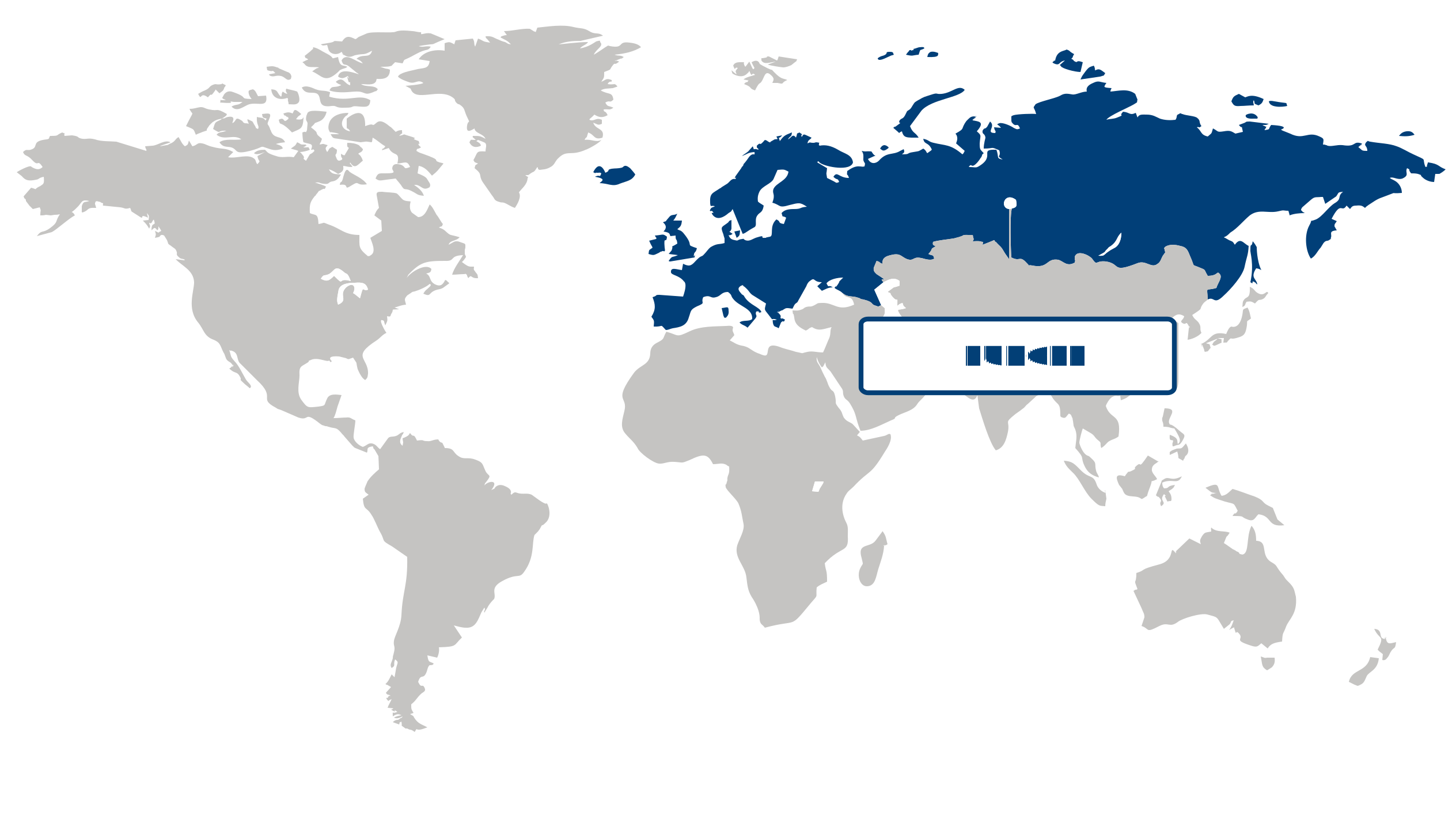
Largest Region
Europe
36.55% Market Share in 2025
Europe captured over 36.55% of the global hair care products market in 2025, establishing itself as the largest regional contributor. This leadership is underpinned by increasing consumer emphasis on hair health, alongside a rising demand for natural and premium formulations. The presence of well-established brands like Schwarzkopf (Henkel) and L’Oréal has strengthened market depth and innovation capacity. Shifts towards sustainability and clean-label products have transformed purchasing behaviors, while stringent regulations from the European Medicines Agency enforce high safety standards, boosting consumer trust. Additionally, Europe's robust retail infrastructure and strong e-commerce penetration facilitate extensive product accessibility. According to data from Cosmetics Europe, these factors position the region as a dynamic and resilient market. Looking ahead, Europe’s evolving consumer preferences and continued brand investment present significant growth opportunities within the hair care products market.
Germany stands as a pivotal hub within Europe’s hair care products market, driven by heightened consumer focus on natural and scientifically backed hair solutions. German consumers favor dermatologically tested products, encouraging brands like Dr. Hauschka and Schwarzkopf to intensify R&D for efficacy and natural ingredients. The Federal Institute for Risk Assessment’s stringent regulations promote quality assurance, supporting premium product acceptance. Concurrently, Germany’s mature retail network and active wellness culture enhance product penetration, reinforcing regional momentum. This commitment to quality and natural innovation ensures Germany’s critical role in sustaining Europe's dominance in hair care products.
France holds a key position in Europe’s hair care products market through its strong culture of beauty and premiumization. French consumers exhibit preference for luxury and organic hair care brands such as Kérastase and René Furterer, supported by enforcement from the French Directorate General for Competition, Consumer Affairs and Fraud Control (DGCCRF), which ensures product authenticity and safety. Prevailing trends in clean beauty and eco-conscious packaging further attract discerning buyers. The country’s influential fashion and beauty sectors drive continuous innovation, solidifying France’s contribution to shaping Europe’s evolving hair care landscape. Strategically, France’s blend of tradition and modernity augments Europe’s sustained growth and innovation in this market.
Asia Pacific Market Analysis:
Asia Pacific emerged as the fastest-growing region in the hair care products market, registering a robust CAGR of 6.69%. This rapid expansion is primarily driven by rising disposable incomes, urbanization, and increased awareness of specialized hair care solutions across emerging economies within the region. The shifting consumer preference towards premium and natural hair care formulations, alongside growing digital engagement that facilitates product discovery and beauty education, has intensified demand. Additionally, governments in countries like India and Indonesia have introduced favorable policies promoting local manufacturing, enhancing supply chain efficiencies. Market leaders such as Shiseido and L’Oréal have accelerated innovation and localized marketing to capture evolving tastes, as evidenced by Shiseido’s 2023 corporate release emphasizing Asia-centered R&D investment. With these dynamics converging, the Asia Pacific region offers significant opportunities for sustained growth and product diversification within the hair care products market.
China plays a pivotal role in Asia Pacific’s hair care products market, underpinning the region’s rapid growth through its expanding urban middle class and digital-first consumer base. Heightened awareness and acceptance of specialized hair care, particularly scalp health and anti-pollution products, reflect urban consumers’ shifting lifestyle priorities. Regulatory support from the National Medical Products Administration (NMPA) encouraging natural ingredient certifications further boosts consumer trust. Corporations like Procter & Gamble have leveraged China’s e-commerce ecosystem, integrating livestream sales and influencer partnerships to scale market presence, as noted in P&G’s Q1 2024 earnings call. This blend of consumer sophistication and regulatory evolution underscores China’s strategic importance in fueling Asia Pacific’s market momentum.
Japan complements the robust regional growth by serving as a center of technological advancement and premium product innovation within the hair care products market. Japanese consumers demonstrate a pronounced inclination towards performance-driven and skincare-infused hair care solutions, fostering niche segments such as anti-aging shampoos and moisturizing treatments. The Ministry of Economy, Trade and Industry’s (METI) initiatives promoting sustainable cosmetics manufacturing have encouraged leading brands including Kao Corporation to prioritize eco-friendly formulations, highlighted in Kao’s 2023 sustainability report. This synergy of innovation and sustainability bolsters Japan’s competitive positioning, reinforcing Asia Pacific’s overall leadership and offering investors avenues to capitalize on technologically advanced and environmentally conscious product trends.
North America Market Trends:
North America held a substantial share in the hair care products market, underscoring the region’s influence driven by high consumer spending and evolving preferences toward premium and sustainable offerings. The United States, Canada, and Mexico collectively contribute to a dynamic ecosystem where innovation and digital engagement flourish, propelled by major players such as Procter & Gamble and L’Oréal USA. Regulatory frameworks in the U.S., spearheaded by the Food and Drug Administration, have encouraged transparency around product ingredients, adding consumer trust and elevating demand for clean-label formulations. Additionally, shifts toward e-commerce and personalized hair care solutions, as highlighted by NielsenIQ data, emphasize changing purchase behaviors and competitive differentiation. This region’s resilient economy and diverse population suggest sustained opportunities for growth, especially through niche segments like natural and organic hair care, making North America a strategic hub for market expansion.
The United States stands as a dominant force within the North American hair care products market, driven by its advanced retail infrastructure and innovation-led competitive landscape. U.S. consumers increasingly favor products addressing specific hair concerns, such as scalp health and hair repair, amplified by influencer marketing and brand transparency initiatives exemplified by Unilever’s latest product lines. Federal regulations backing ingredient safety and cruelty-free certifications reinforce market confidence, fostering consumer loyalty. Partnerships between tech companies and hair care brands to create AI-driven personalized solutions further demonstrate the U.S. commitment to digital transformation. Consequently, the U.S. market serves as a vital innovation and demand catalyst, reinforcing the broader North American region’s growth trajectory in hair care products.
No card data available for this language/report.
Segment Leadership and Growth Trends
Store-based segment held the largest share in the hair care products market in 2025, propelled by strong retail presence and consumer trust in physical beauty stores. This leadership stems from the convenience and experiential shopping environment that stores like Sephora and Ulta Beauty provide, enabling consumers to engage directly with products and receive personalized recommendations. Additionally, stringent regulatory measures on product authenticity and quality by agencies such as the U.S. Food and Drug Administration bolster confidence in in-store purchases. Established retailers leverage these trust dynamics to deepen customer loyalty, while emerging players can capitalize on local partnerships and omnichannel integration. Given ongoing investments in retail innovation and the sustained preference for tactile shopping experiences, the store-based distribution channel is expected to remain a cornerstone for market penetration and customer retention in the near to medium term.
Analysis by Type
The shampoo segment dominated the hair care products market in 2025, driven by high daily usage frequency and continuous product innovation. Consumer demand for specialized shampoos addressing diverse hair needs—ranging from dandruff solutions to natural and organic formulations—fuels innovation led by brands like L’Oréal and Procter & Gamble. Regulatory endorsements on product safety and ingredient transparency from entities such as the European Chemicals Agency further enhance consumer confidence. Cultural emphasis on hair hygiene across demographics in Asia-Pacific and North America sustains demand, while digital marketing campaigns amplify product visibility. This segment’s adaptability to sustainability trends and ingredient advancements offers significant advantages for both established firms and startups. With ongoing R&D and evolving consumer preferences, the shampoo segment is positioned to maintain its pivotal role within the hair care products market in coming years.
| Report Segmentation | |||
| Segment | Sub-Segment | Largest Segment | Fastest Growing Segment |
|---|---|---|---|
| Distribution Channel | Store-Based, Non-Store-Based | ||
| Type | Shampoo, Conditioner, Hair Oil | ||
 Read our Research Approach
Competitive Landscape and Market Positioning
Key players in the hair care products market include L'Oréal, Unilever, Procter & Gamble, Shiseido, Henkel, Kao Corporation, Coty Inc., Amorepacific, Johnson & Johnson, and Beiersdorf. These companies demonstrate substantial influence through their diverse brand portfolios, extensive distribution networks, and strong global presence. L'Oréal and Unilever maintain leadership by balancing innovation with sustainability initiatives, while Procter & Gamble leverages consumer insights for tailored offerings. Japanese firms Shiseido and Kao Corporation emphasize premium and technologically advanced solutions, enhancing their niche appeal. European players like Henkel and Beiersdorf focus on combining heritage with modern formulations. South Korea’s Amorepacific drives trends linked to K-beauty, and U.S.-based Johnson & Johnson and Coty Inc. capitalize on wide-reaching consumer trust and robust marketing strategies.The competitive environment is marked by continuous enhancement of product lines and strategic asset consolidation. Top players focus on innovating formulations infused with natural ingredients, addressing evolving consumer preferences. Expanding digital engagement and direct-to-consumer channels reinforce brand loyalty. Alliances augment technological capabilities, allowing faster adaptation to market trends. Companies also intensify their presence in premium and specialized segments, from scalp care to eco-friendly products, sharpening competitive differentiation. By integrating cutting-edge research and nurturing collaborations with biotech firms, these leaders sustain innovation momentum, positioning themselves effectively against emerging challengers and aligning with sustainability expectations.
Strategic / Actionable Recommendations for Regional Players
North American players can accelerate growth by deepening partnerships with biotechnology startups to expand ingredient innovation, while harnessing digital platforms for personalized consumer interactions. Strengthened development in scalp health and multifunctional products could address demanding segments aligned with wellness trends.
In Asia Pacific, aligning with the booming interest in natural and herbal formulations will be crucial. Collaborations with local influencers and expanding e-commerce infrastructure can enhance reach. Investment in R&D to blend traditional botanicals with advanced technology may unlock new consumer niches.
European companies should consider integrating sustainable sourcing and clean-label promises more visibly within their portfolios, responding to heightened environmental awareness. Augmenting cross-border collaborations can amplify innovation and market penetration, particularly in specialized and luxury categories with rising consumer sophistication.
Why Choose Us
Specialized Expertise: Our team comprises industry experts with a deep understanding of your market segment. We bring specialized knowledge and experience that ensures our research and consulting services are tailored to your unique needs.
Customized Solutions: We understand that every client is different. That's why we offer customized research and consulting solutions designed specifically to address your challenges and capitalize on opportunities within your industry.
Proven Results: With a track record of successful projects and satisfied clients, we have demonstrated our ability to deliver tangible results. Our case studies and testimonials speak to our effectiveness in helping clients achieve their goals.
Cutting-Edge Methodologies: We leverage the latest methodologies and technologies to gather insights and drive informed decision-making. Our innovative approach ensures that you stay ahead of the curve and gain a competitive edge in your market.
Client-Centric Approach: Your satisfaction is our top priority. We prioritize open communication, responsiveness, and transparency to ensure that we not only meet but exceed your expectations at every stage of the engagement.
Continuous Innovation: We are committed to continuous improvement and staying at the forefront of our industry. Through ongoing learning, professional development, and investment in new technologies, we ensure that our services are always evolving to meet your evolving needs.
Value for Money: Our competitive pricing and flexible engagement models ensure that you get maximum value for your investment. We are committed to delivering high-quality results that help you achieve a strong return on your investment.
Select Licence Type

