Healthcare Video Conferencing Solutions Market Size & Forecasts 2026-2035, By Segments (Deployment Mode, Component), Growth Opportunities, Innovation Landscape, Regulatory Shifts, Strategic Regional Insights (U.S., Japan, China, South Korea, UK, Germany, France), and Competitive Dynamics (Poly, Cisco, Zoom, Teladoc Health, Microsoft)
Jump to Content
Market Size and Growth Outlook
Healthcare Video Conferencing Solutions Market size is projected to expand significantly, moving from USD 86.75 million in 2025 to USD 156.83 million by 2035, with a CAGR of 6.1% during the 2026-2035 forecast period. The expected revenue for 2026 is USD 91.36 million.
Get more details on this report
Request Free Sample ReportHealthcare Video Conferencing Solutions Market Intelligence Snapshot
Regional Market Dynamics
Segment Momentum
Market Expansion Drivers
Leading Market Participants
Global Market Forecast Snapshot
Market Outlook
Regional and Segment Outlook
Market Growth Drivers and Industry Trends
The growing reliance on telehealth, driven by expanding patient demand for remote consultations, is a key growth driver in the healthcare video conferencing solutions market. Institutions like the U.S. Department of Health and Human Services have promoted telehealth adoption through reimbursement policies, enhancing its integration into routine care. This shift reshapes patient-provider interactions by prioritizing convenience and reducing infection risks, especially highlighted during the COVID-19 pandemic. For established vendors, this necessitates scalable, secure platforms that comply with health data regulations, while new entrants can leverage specialized solutions for niche clinical applications. As healthcare systems increasingly embed telehealth into standard practices, video conferencing solutions must evolve to support complex workflows and multidisciplinary collaboration, solidifying their role in modern care delivery.
Integration of Video Conferencing with Hospital IT Systems
Video conferencing platforms are increasingly integrated with electronic health records (EHR), clinical decision support, and scheduling systems, significantly impacting the healthcare video conferencing solutions market. For example, Epic Systems has incorporated telehealth capabilities directly into its EHR platform, simplifying provider workflows and improving patient data continuity. This integration enhances care coordination and analytics while reducing administrative burdens. Strategically, incumbents can deepen client lock-in through interoperability, while newcomers may focus on developing modular integrations to penetrate diverse hospital ecosystems. Observing this trend indicates a move toward unified digital health environments, where seamless data exchange and real-time communication are fundamental to healthcare delivery efficiency.
Expansion of Telehealth Infrastructure in Emerging Markets
Emerging markets are rapidly expanding telehealth infrastructure to increase healthcare accessibility, driving growth in the healthcare video conferencing solutions market. Governments such as India’s Ministry of Health have implemented large-scale initiatives to digitalize rural clinics and connect them with urban specialists via telemedicine platforms. This expansion addresses healthcare workforce shortages and geographic barriers, creating significant demand for robust video conferencing technologies tailored to low-bandwidth conditions and multilingual interfaces. New entrants can capture market share by customizing solutions for these unique challenges, whereas established players can explore strategic partnerships with local providers. Continued investments in digital infrastructure and policy support in emerging economies suggest sustained, geographically diversified growth opportunities for the sector.
Industry Restraints:
Data Privacy and Security Concerns
Data privacy regulations significantly constrain the healthcare video conferencing solutions market by imposing stringent requirements on the handling and transmission of sensitive patient information. Compliance with frameworks such as HIPAA in the United States and GDPR in the European Union demands robust encryption, secure authentication, and comprehensive audit trails, raising operational costs and complicating product development. For example, Cisco’s Webex and Zoom Healthcare have invested heavily in enhanced security features to meet these standards, yet breaches and vulnerabilities continue to erode consumer trust. Both incumbents and new entrants face high barriers in demonstrating compliance, which slows deployment and adoption. Looking ahead, the increasing scrutiny from regulators and the evolving nature of cyber threats suggest that privacy and security will remain critical hurdles, requiring ongoing investments and innovation in secure, compliant video conferencing technologies.
Limited Digital Infrastructure in Underserved Regions
Inadequate broadband access and outdated digital infrastructure in rural and low-income areas pose a critical restraint on the expansion of healthcare video conferencing solutions. According to the Federal Communications Commission (FCC), millions of Americans still lack reliable internet connectivity, impeding telehealth adoption and limiting market penetration, particularly for underserved populations who could benefit most. This infrastructural gap challenges providers aiming to scale solutions nationwide and pressures companies like Teladoc Health to customize platforms for low-bandwidth environments. Established firms often expend resources on infrastructure support or partnerships, increasing operational complexity, while new entrants struggle to establish viable business models in these regions. Unless significant public and private investments accelerate network improvements, this constraint will continue to hinder equitable access and moderate market growth in the medium term.
| Growth Driver | Impact on CAGR | Regulatory Influence | Geographic Relevance | Adoption Rate | Impact Timeline |
|---|---|---|---|---|---|
| Rising adoption of telehealth solutions in healthcare facilities | 2.50% | Short term (≤ 2 yrs) | North America, Europe; Spillover: Asia Pacific | Medium | Fast |
| Integration of video conferencing with hospital IT systems | 2.00% | Medium term (2–5 yrs) | Europe, North America; Spillover: Asia Pacific | Medium | Moderate |
| Expansion of telehealth infrastructure in emerging markets | 1.50% | Long term (5+ yrs) | Asia Pacific, Latin America; Spillover: MEA | Medium | Slow |
Explore Growth Opportunities
Request Free Sample ReportRegional Demand Dynamics
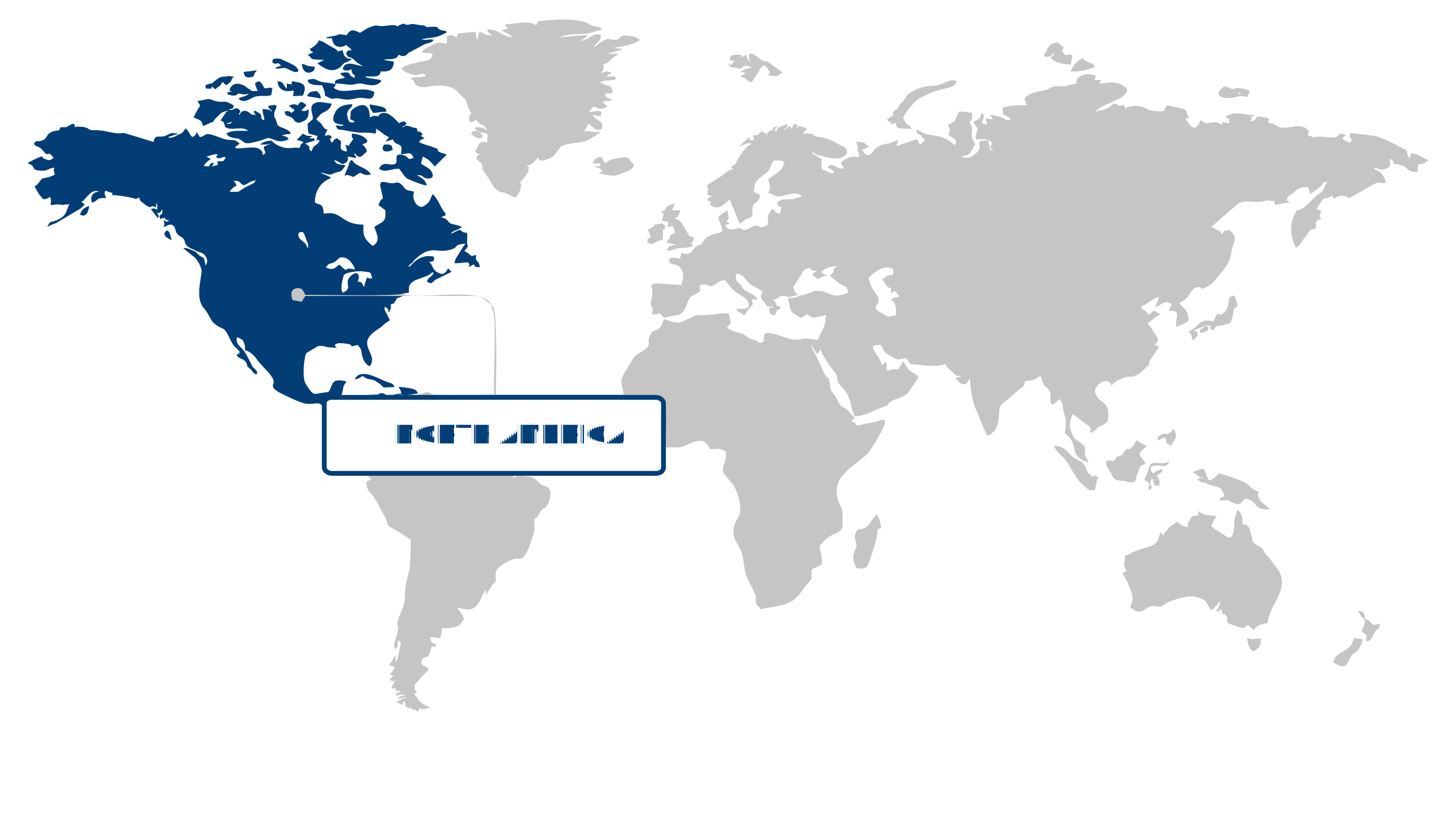
North America captured over 36% of the global healthcare video conferencing solutions market in 2025, establishing itself as the largest regional player. This leadership stems largely from the region’s advanced healthcare-IT infrastructure, which underpins seamless digital interactions in medical settings. The widespread adoption of telehealth services, accelerated by patient demand for remote care and convenience, further propels market growth. Additionally, favorable reimbursement policies from major payers in North America incentivize providers to adopt video conferencing technologies extensively. Organizations such as the Centers for Medicare & Medicaid Services (CMS) have expanded coverage for telehealth, driving institutional uptake. Technological innovations combined with resilient economic conditions create a robust ecosystem, fostering competitive developments as major digital health companies like Teladoc Health and Amwell enhance their service portfolios. North America’s dynamic environment offers significant future opportunities as digital transformation continues to reshape healthcare delivery.
The United States anchors the North American healthcare video conferencing solutions market, reflecting national leadership in telehealth innovation and policy support. The U.S. benefits from comprehensive regulatory frameworks that facilitate virtual care, with agencies like the Food and Drug Administration (FDA) increasingly endorsing digital health tools. Large-scale consumer acceptance and investments by private insurers enable broad utilization across urban and rural healthcare systems. For example, Teladoc Health’s recent expansion of remote psychiatric services illustrates strategic moves capitalizing on the U.S. population’s growing reliance on video consultations. This country’s emphasis on integrated care models and reimbursement flexibility solidifies its dominant role, reinforcing North America’s appeal to investors and providers seeking to leverage mature telehealth dynamics.
Asia Pacific Market Analysis:
Asia Pacific emerged as the fastest-growing region in the healthcare video conferencing solutions market, registering rapid growth with a robust CAGR of 8.54%. This acceleration is primarily driven by expanding digital-health infrastructure, rising internet penetration, and increasing demand for remote care across the region. Governments and private players are heavily investing in telehealth platforms to enhance healthcare accessibility, especially in rural and underserved areas. For instance, the Asia Pacific Telehealth Association highlights significant progress in digital health initiatives, facilitating seamless connectivity between patients and healthcare providers. Moreover, the region's diverse demographics and the steady adoption of mobile technologies boost consumer engagement with virtual healthcare services. As healthcare ecosystems continue to integrate advanced digital solutions, Asia Pacific offers substantial growth opportunities for market players aiming to capitalize on the region’s evolving healthcare delivery models.
Japan stands out as a key player in Asia Pacific’s healthcare video conferencing solutions market, leveraging its sophisticated healthcare infrastructure and high technology adoption rates. Japan’s government policies encouraging telemedicine and digital health innovation, exemplified by the Ministry of Health, Labour, and Welfare’s initiatives, have fostered wider acceptance of remote consultations. The population’s preference for technologically advanced and convenient healthcare options supports a robust consumer base for virtual care. Additionally, collaborations between tech firms like NEC Corporation and healthcare providers have enhanced video conferencing capabilities, ensuring high-quality remote patient interactions. These factors position Japan as a strategic hub contributing significantly to the region’s market momentum.
China’s healthcare video conferencing solutions market also plays a vital role in driving Asia Pacific’s rapid growth, propelled by vast internet penetration and government-backed digital health programs. The National Health Commission’s efforts to integrate telehealth into public health services have accelerated remote care adoption, particularly during the COVID-19 pandemic. Major Chinese technology companies such as Huawei and Tencent have introduced scalable video conferencing platforms tailored for healthcare, improving access to specialists in remote provinces. Demographic trends towards aging populations further amplify demand for home-based healthcare services. China’s expansive digital ecosystem and policy support continue to enhance regional healthcare video conferencing markets, reinforcing Asia Pacific’s leading market trajectory.
Europe Market Trends:
Europe held a commanding share in the healthcare video conferencing solutions market, underpinned by its advanced healthcare infrastructure and progressive digital health policies. The region's emphasis on integrating telemedicine, backed by strong regulatory support such as the European Union’s Digital Health Strategy, has fostered widespread adoption of video conferencing tools among healthcare providers. Healthcare systems across countries have increasingly embraced virtual consultations to enhance patient access, particularly in rural and underserved communities, supported by investments from organizations like the European Commission. Moreover, Europe's focus on data privacy, through frameworks like GDPR, has driven vendors to develop secure and compliant platforms, boosting institutional trust. As demand for seamless and scalable telehealth solutions grows alongside digital transformation initiatives, Europe presents considerable opportunities for innovation and expansion in the healthcare video conferencing solutions market.
Germany stands as a central driver in Europe’s healthcare video conferencing solutions market, propelled by its robust healthcare expenditure and digital health regulations. The German government’s Digital Healthcare Act (Digitale-Versorgung-Gesetz), which incentivizes the integration of telemedicine, has accelerated adoption of video-enabled consultations, particularly in primary care. Leading firms like Siemens Healthineers have reported increased deployments of their telehealth platforms, reflecting a competitive yet innovation-driven environment. The country’s aging population and emphasis on improving outpatient services further sustain demand for remote healthcare delivery. Germany’s proactive regulatory framework coupled with strong public and private sector collaboration positions it as a strategic hub, reinforcing Europe's leading role in advancing healthcare video conferencing solutions.
France plays a pivotal role in Europe’s healthcare video conferencing solutions market, benefiting from government-led digital health initiatives and growing patient acceptance of virtual care. The French Ministry of Health has expanded reimbursement schemes for teleconsultations, evidenced by data from the Haute Autorité de Santé, encouraging widespread uptake among providers and patients alike. Companies such as Doctolib have capitalized on this trend, integrating video conferencing capabilities into their platforms to streamline patient-provider interactions. France’s diverse demographics and emphasis on equitable healthcare access have necessitated scalable video solutions, addressing both urban and rural needs. The confluence of supportive policy and technological innovation in France amplifies the region's prospects, reinforcing Europe’s opportunity to lead in comprehensive healthcare video conferencing solutions.
| Parameter | North America | Asia Pacific | Europe | Latin America | MEA |
|---|---|---|---|---|---|
| Innovation HubiScaleNascentDeveloping Advanced | |||||
| Cost-Sensitive RegioniScaleLowMedium High | |||||
| Regulatory EnvironmentiScaleRestrictiveNeutral Supportive | |||||
| Demand DriversiScaleWeakModerate Strong | |||||
| Development StageiScaleEmergingDeveloping Developed | |||||
| Adoption RateiScaleLowMedium High | |||||
| New Entrants / StartupsiScaleSparseModerate Dense | |||||
| Macro IndicatorsiScaleWeakStable Strong |
Healthcare Video Conferencing Solutions Market Share (%), by Deployment Mode, 2026
Go beyond the chart, access full insights & data tables
Request Free Sample ReportCloud-based deployment held the largest share in the healthcare video conferencing solutions market in 2025, driven by the rising adoption of scalable and accessible cloud platforms for telehealth services. This segment leads due to healthcare providers’ growing preference for flexible infrastructure that supports remote patient engagement and secure data management. Regulatory bodies such as the U.S. Department of Health and Human Services have encouraged cloud solutions by endorsing interoperability standards, enhancing confidence in cloud privacy and security. Major players like Microsoft Azure and Amazon Web Services have also expanded healthcare-specific cloud offerings, boosting competitive dynamics. The model offers strategic advantages in rapid deployment and cost efficiency for both established firms and new entrants aiming to capitalize on increasing digital transformation. Cloud-based solutions are expected to remain crucial as healthcare systems continue integrating telehealth into mainstream care delivery and response frameworks.
Analysis by Component
Hardware represented the largest share in the healthcare video conferencing solutions market in 2025, propelled by the increasing demand for high-definition video communication equipment in telemedicine. This segment’s leadership reflects healthcare providers’ prioritization of clear, reliable audiovisual quality to facilitate accurate remote diagnostics and patient interaction. Innovations from companies like Poly, Logitech, and Cisco in specialized cameras and conferencing peripherals have improved ergonomics and user experience, addressing clinician workflow needs. Additionally, regulatory support for telehealth adoption, exemplified by the Centers for Medicare & Medicaid Services (CMS) expanding telehealth reimbursement, has stimulated hardware investments. The segment offers opportunities for hardware manufacturers to differentiate through integration with AI analytics and secure connectivity. High-definition hardware is poised to remain an indispensable component as clinical precision and patient satisfaction drive ongoing technology upgrades.
| Segment | Sub-Segment | Largest Segment | Fastest Growing |
|---|---|---|---|
| Deployment Mode | On-premise, Cloud-based | ||
| Component | Hardware, Software, Services |
Unlock insights tailored to your business with our bespoke market research solutions.
Click to get your customized report now.
Competitive Landscape and Market Positioning
The competitive landscape is marked by an array of alliances, acquisitions, and product enhancements among these top players, driving continuous innovation and market expansion. For instance, Microsoft and Cisco consistently integrate AI and cloud-based functionalities, enriching the user experience and security protocols. Zoom and Teladoc Health focus on refining telemedicine features, responding swiftly to healthcare providers’ evolving needs. Logitech and Poly update their hardware portfolios, enhancing compatibility with growing video software ecosystems. Huawei’s strategic partnerships expand its footprint, particularly in regions with rising digital infrastructure investment. Avaya and Lifesize emphasize seamless system integration, enabling smoother workflows in complex healthcare environments. These collective efforts contribute to a robust, competitive environment fostering innovation and diversifying solution offerings across markets.
Strategic / Actionable Recommendations for Regional Players
North American enterprises should explore synergies with AI innovators and telehealth providers to deepen integration between video conferencing and clinical applications, capitalizing on the region’s advanced healthcare infrastructure. Enhancing interoperability with electronic health records can further differentiate offerings amidst stiff competition.
In Asia Pacific, fostering collaborations with telecom operators and leveraging emerging 5G networks will improve solution reliability and reach, facilitating adoption in underserved and rural healthcare settings. Tailoring platforms to local regulatory frameworks and multilingual capabilities can unlock high-growth sub-segments.
European companies could focus on advancing data privacy features and compliance with GDPR to gain trust among healthcare institutions. Aligning with regional digital health initiatives and expanding solutions targeting chronic disease management can enhance market positioning and service relevance.
| Company | Market Share | Company Revenue | Revenue CAGR (%) | Product Portfolio | Geographic Presence | Innovation / R&D Focus | Strategic Developments |
|---|---|---|---|---|---|---|---|
| No companies available. | |||||||
Customize Your Report
Explore examples of how this report can be tailored to different research needs, including custom segments, additional topics or chapters, and related reports. Click a section of the wheel or its numbered marker to explore the available options.
Healthcare Video Conferencing Solutions Market — Custom Segments
| Segment | Sub-Segment |
|---|---|
| No segment data available. | |
Healthcare Video Conferencing Solutions Market — Custom TOC
| Custom Chapter | Chapter Details |
|---|---|
| No custom TOC data available. | |
Need a different cut of the data?
Request Custom ResearchFrequently Asked Questions
How much is the healthcare video conferencing solutions industry expected to grow by 2035?
In which region is the healthcare video conferencing solutions market share the greatest?
Which geographical area is witnessing the highest growth rate in the healthcare video conferencing solutions sector?
Which is the largest sub-segment within the deployment mode segment for healthcare video conferencing solutions industry?
Why does hardware sub-segment dominate the component segment of healthcare video conferencing solutions sector?
Which companies are driving growth in the healthcare video conferencing solutions landscape?
Our Clients
"The team took the time to understand our specific business needs and delivered a report that was well aligned with our objectives. Their expertise and understanding of the industry were clearly reflected in the quality and relevance of the insights provided."
Siemens Healthcare
"Our experience in acquiring the research report has been excellent. The depth of analysis, and actionable insights provided have been extremely valuable in supporting our ongoing R&D efforts."
GC Biopharma
"The report offered a comprehensive view of the market trends. The in-depth segmentation and analysis of emerging opportunities gave us a better understanding of the market."
Medtronic
Our Research Team & Methodology
Every Fundamental Business Insights report is built by a dedicated vertical research team, validated through a structured primary-and-secondary methodology, and reviewed for accuracy before it reaches you.
This report was prepared by the Healthcare & Medical Devices Research Team at Fundamental Business Insights, a dedicated research group specializing in the global healthcare and medical technology industry. Our analysts continuously monitor advancements in medical technologies, clinical adoption trends, regulatory developments, reimbursement policies, healthcare infrastructure investments, competitive strategies, and evolving patient care requirements to deliver timely and reliable market intelligence. The research is developed using a structured methodology that combines primary discussions with healthcare stakeholders, company financial disclosures, regulatory publications, clinical literature, government healthcare databases, medical associations, and other authoritative secondary sources. Market estimates are validated through multiple research techniques, including top-down and bottom-up analysis, before undergoing an internal quality review to ensure accuracy, consistency, and methodological integrity prior to publication.
Delivery
Published
Available
Support
- Market Size & Forecast
- Market Segmentation
- Regional Analysis
- Growth Drivers & Challenges
- Market Dynamics
- Competitive Landscape
- Company Profiles
- Competitive Benchmarking
- Mergers & Acquisitions
- Market Share Analysis or Key Company Strategies
- Value Chain Analysis
- Porter's Five Forces
- PESTLE Analysis
- Pricing Trends
- Supply-Demand Analysis
- Technology Landscape
- Regulatory Landscape
- Investment & Funding Landscape
- Emerging Opportunities
- Future Market Outlook