Hopper Feeding System Market Size & Growth Forecast 2027–2036, By Segments (Product Type, Mode of Operation, Distribution Channel, End Use), Regional Demand Trends (North America, Asia Pacific, Europe), Key Country Insights (U.S., Japan, South Korea, Germany, France, Italy), and Competitive Landscape
Jump to Content
Market Size and Growth Outlook
Hopper Feeding System Market size was over USD 3.44 billion in 2026 and is likely to grow at a 4.64% CAGR between 2027 and 2036, surpassing USD 5.41 billion by 2036. The industry revenue for 2027 is calculated at USD 3.57 billion.
Get more details on this report
Request Free Sample ReportHopper Feeding System Market Intelligence Snapshot
Regional Market Dynamics
- Europe leads through its established manufacturing base and widespread automation across food processing, packaging, plastics, pharmaceuticals, and chemicals, where reliable material feeding improves process efficiency and reduces manual handling.
- Asia Pacific is expected to grow fastest as industrialization, expanding manufacturing capacity, and factory automation increase demand for feeding systems that improve throughput, ensure consistent material flow, and reduce labor dependency.
Segment Momentum
- Continuous bucket feeding systems accounted for 61.18% of the market in 2026 and are also the fastest-growing product type. Their ability to maintain steady material flow and integrate with conveying, weighing, and processing equipment supports production continuity.
- Fully automatic systems are the fastest-growing operation mode as manufacturers seek to reduce operator intervention, maintain consistent throughput, and coordinate feeding with connected production equipment. These capabilities support streamlined workflows and improved operational efficiency.
Market Expansion Drivers
- Automation in material handling & processing.
- Technological improvements in feeder efficiency.
- Safety & operational regulations for industrial feeders.
Leading Market Participants
- Leading companies in the hopper feeding system market include Coperion (Germany), Schenck Process (Germany), Hapman (United States), Flexicon (United States), Volkmann (Germany), VAC-U-MAX (United States), Nilfisk Industrial Vacuum Solutions (Denmark), Gericke (Switzerland), AZO Group (Germany), WAMGROUP (Italy).
Global Market Forecast Snapshot
Market Outlook
- 2026 Market Size: USD 3.44 billion
- 2027 Estimated Market Size: USD 3.57 billion
- Projected Market Size: USD 5.41 billion by 2036
- Growth Forecast: 4.64% CAGR (2027-2036)
Regional and Segment Outlook
- Leading Regional Market: Europe
- High-Growth Regional Hub: Asia Pacific
- Core Revenue Segment: Product Type (Continuous Bucket Feeding Systems) | Mode of Operation (Semi-automatic) | Distribution Channel (Indirect) | End Use (Food Industrial)
- Emerging Opportunity Segment: Product Type (Continuous Bucket Feeding Systems) | Mode of Operation (Fully Automatic) | Distribution Channel (Indirect) | End Use (Food Industrial)
Market Growth Drivers and Industry Trends
Automation in Material Handling & Processing
Increasing automation across manufacturing and processing industries is driving demand for hopper feeding systems that can deliver materials consistently and efficiently to downstream operations. Automated feeding reduces dependence on manual material handling while supporting continuous production, controlled material flow, and improved process consistency. Industries handling powders, granules, aggregates, and other bulk materials increasingly require feeding systems that can integrate with automated production lines. The growing focus on productivity, process control, and reduced operational intervention is therefore supporting wider adoption of automated hopper feeding solutions.
Technological Improvements in Feeder Efficiency
Advancements in feeder design, control systems, sensors, and material-flow management are improving the efficiency and reliability of hopper feeding systems. Modern equipment can provide more precise control over feed rates while reducing issues such as material bridging, inconsistent discharge, and blockages. Improved monitoring capabilities also allow operators to identify variations in material flow and adjust operating conditions more effectively. As manufacturers seek to optimize production processes and minimize material losses or interruptions, technological improvements that enhance feeding accuracy and system reliability are contributing to market growth.
Safety & Operational Regulations for Industrial Feeders
Increasing attention to workplace safety and operational standards is encouraging industries to adopt more reliable and controlled material feeding systems. Industrial feeders must manage bulk materials while minimizing risks associated with dust, blockages, mechanical movement, and uncontrolled material discharge. Equipment designed with improved guarding, monitoring, emergency controls, and automated shutdown capabilities can help support safer operating environments. As manufacturers place greater emphasis on compliance, worker protection, and consistent equipment performance, demand for hopper feeding systems incorporating safety-oriented and standardized operational features is expected to strengthen.
| Growth Driver | Impact on CAGR | Regulatory Influence | Geographic Relevance | Adoption Rate | Impact Timeline |
|---|---|---|---|---|---|
| Automation in material handling & processing | 1.5% | Short term (≤ 2 yrs) | North America; Europe; Asia Pacific | Low | Fast |
| Technological improvements in feeder efficiency | 1.2% | Medium term (2–5 yrs) | Asia Pacific; Europe | Medium | Moderate |
| Safety & operational regulations for industrial feeders | 0.8% | Long term (5+ yrs) | Europe; North America | High | Slow |
Explore Growth Opportunities
Request Free Sample ReportRegional Demand Dynamics
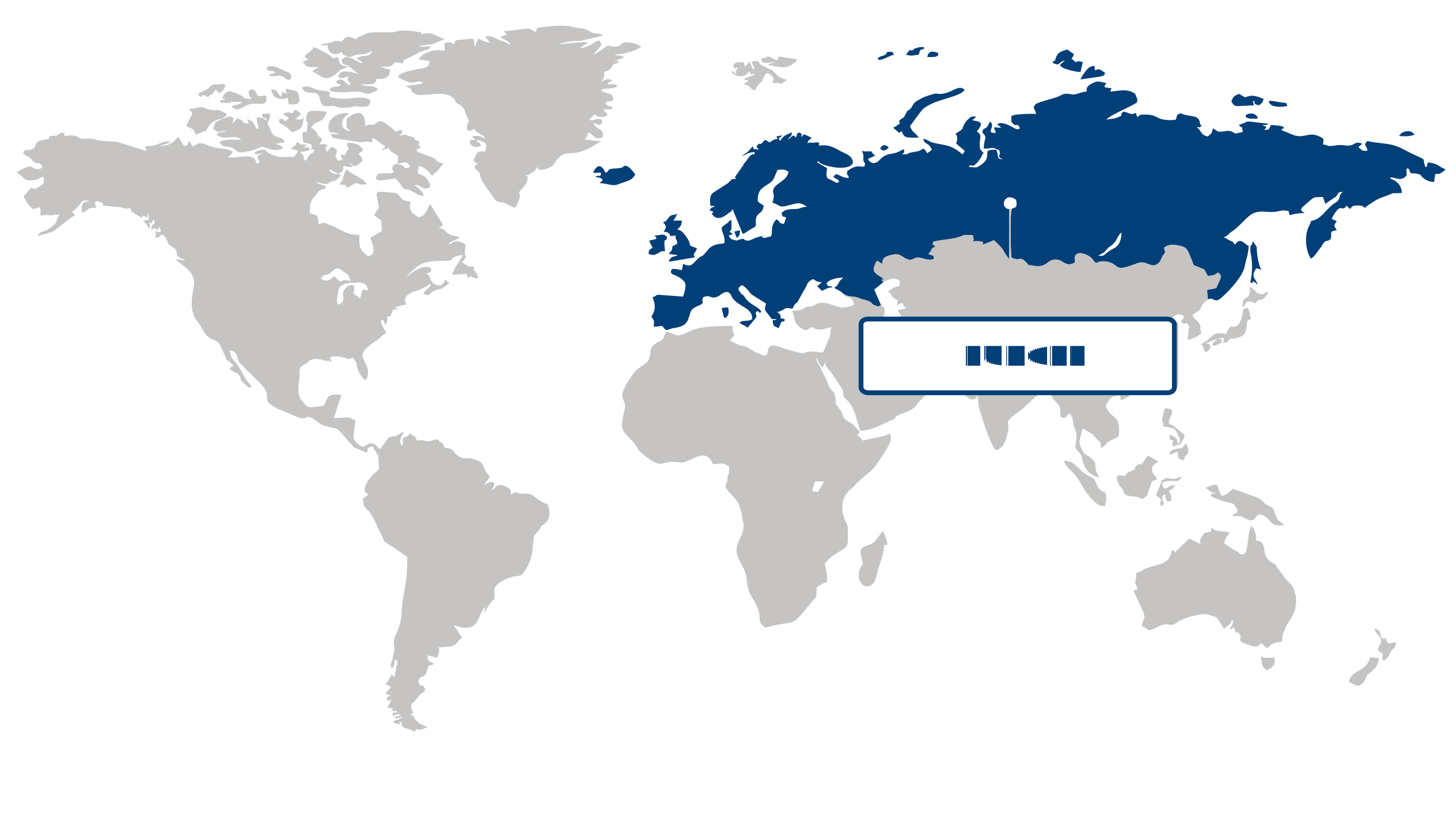
Europe (Largest Region)
Europe held the largest share of the hopper feeding system market in 2026, propelled by the region's established industrial manufacturing base and widespread adoption of automated material-handling and feeding technologies. Hopper feeding systems are increasingly integrated into production environments requiring consistent material flow, improved process efficiency, and reduced manual handling. Strong demand from food processing, packaging, plastics, pharmaceuticals, chemicals, and other manufacturing industries is supporting adoption, while increasing emphasis on production automation and operational efficiency is encouraging manufacturers to modernize material-feeding processes. The growing integration of feeding systems with automated production lines and process-control technologies further contributes to market development.
Asia Pacific (Fastest-Growing Region)
Asia Pacific is expected to register the fastest growth in the hopper feeding system market during the forecast period, led by rapid industrialization, expanding manufacturing capacity, and increasing adoption of factory automation across major industries. Rising production volumes in food processing, packaging, pharmaceuticals, plastics, and other industrial sectors are creating greater demand for reliable and automated material-feeding solutions. Manufacturers are increasingly investing in equipment that can improve throughput, maintain consistent feeding performance, reduce labor dependency, and support continuous production. The expansion of automated manufacturing facilities and increasing modernization of production processes across emerging economies are expected to further accelerate the adoption of hopper feeding systems.
| Parameter | North America | Asia Pacific | Europe | Latin America | MEA |
|---|---|---|---|---|---|
| Innovation HubiScaleNascentDeveloping Advanced | |||||
| Cost-Sensitive RegioniScaleLowMedium High | |||||
| Regulatory EnvironmentiScaleRestrictiveNeutral Supportive | |||||
| Demand DriversiScaleWeakModerate Strong | |||||
| Development StageiScaleEmergingDeveloping Developed | |||||
| Adoption RateiScaleLowMedium High | |||||
| New Entrants / StartupsiScaleSparseModerate Dense | |||||
| Macro IndicatorsiScaleWeakStable Strong |
Key Country Insights
United States 🇺🇸
Automated Material HandlingThe U.S. hopper feeding system market prioritizes automation, throughput consistency, and integration with modern production lines across plastics, food processing, pharmaceuticals, and industrial manufacturing. Buyers increasingly value systems with precise material dosing, automated controls, reduced operator intervention, and compatibility with broader plant-floor automation architectures.
Germany 🇩🇪
Precision Feeding AutomationGermany’s hopper feeding system market is driven by highly automated manufacturing environments where dependable material flow and process control are essential. Equipment priorities include accurate feeding, robust construction, energy efficiency, and seamless integration with automated production systems, particularly across plastics processing, machinery, and industrial manufacturing.
Japan 🇯🇵
Compact Process AutomationJapan’s hopper feeding system market emphasizes precision, reliability, and space-efficient equipment for automated production environments. Manufacturers prioritize stable material handling, accurate dosing, compact system design, and low-maintenance operation, supporting applications where consistent feeding is essential to high-quality output and uninterrupted manufacturing processes.
South Korea 🇰🇷
Smart Feeding IntegrationSouth Korea’s hopper feeding system market is increasingly connected to automated production and smart-factory initiatives. Equipment demand centers on precise feeding, sensor-based monitoring, programmable controls, and integration with production machinery, helping manufacturers improve process consistency while reducing manual material handling across high-volume industrial operations.
France 🇫🇷
Hygienic Feeding SystemsFrance’s hopper feeding system market has important applications in food, pharmaceuticals, chemicals, and other process industries where controlled and hygienic material handling is required. Priorities include cleanable equipment, accurate feeding, contamination control, and automation features that support stringent production procedures and efficient line operation.
Italy 🇮🇹
Flexible Production FeedingItaly’s hopper feeding system market is shaped by diverse manufacturing operations requiring adaptable material handling equipment. Buyers place emphasis on configurable hopper designs, reliable dosing, straightforward maintenance, and integration with packaging and processing machinery, particularly where production lines must accommodate different materials, formulations, or batch requirements.
Hopper Feeding System Market Share (%), by Product Type, 2026
Go beyond the chart, access full insights & data tables
Request Free Sample ReportProduct Type Segment Analysis: Continuous Bucket Feeding Systems (Largest & Fastest-Growing Segment)
The continuous bucket feeding systems segment accounted for the largest 2026 share of 61.18% and is also expected to remain the fastest-growing segment. Continuous bucket feeding systems are widely used in material handling and processing environments where a steady and controlled flow of bulk materials is essential for maintaining consistent production performance. Their ability to continuously transfer and feed materials supports smoother production cycles, minimizes interruptions associated with manual loading, and improves operational continuity across applications that handle powders, granules, and other bulk materials. These systems can also be integrated with broader conveying, weighing, and processing equipment, allowing manufacturers to establish more coordinated material-handling workflows. Growing emphasis on process consistency, labor efficiency, and reliable feeding operations is further supporting their adoption, while their suitability for continuous production environments strengthens their position as a key product type in hopper feeding system applications.
Mode of Operation Segment Analysis: Semi-automatic (Largest Segment) vs Fully Automatic (Fastest-Growing Segment)
The semi-automatic segment accounted for the largest share of 64.7% in 2026, reflecting continued demand for feeding systems that combine controlled mechanization with a degree of operator involvement. Semi-automatic hopper feeding systems can provide improved material-handling consistency and reduced manual effort while retaining operational flexibility, making them suitable for facilities where production requirements vary or where complete automation may not yet be practical. Their relatively straightforward operation can also support easier implementation across production environments with existing manual workflows, while allowing businesses to improve efficiency without undertaking extensive process changes. The balance between automation and human control makes semi-automatic systems relevant across applications where reliability, adaptability, and manageable equipment requirements are important considerations.
The fully automatic segment is expected to grow at the fastest rate during the forecast period as manufacturers increasingly prioritize higher levels of process automation and operational efficiency. Fully automatic feeding systems can reduce the need for continuous operator intervention by coordinating material feeding with upstream and downstream production processes, helping maintain consistent throughput and minimize disruptions caused by manual handling. Their integration potential with automated control systems, sensors, conveyors, and production machinery further supports demand among facilities seeking more connected and streamlined operations. As manufacturers focus on reducing labor dependency, improving process consistency, and optimizing production workflows, fully automatic hopper feeding systems are gaining relevance, particularly in environments where continuous operation and precise material management are central to productivity.
Distribution Channel Segment Analysis: Indirect (Largest & Fastest-Growing Segment)
The indirect segment accounted for the largest share of 56.55% in 2026 and is also expected to grow at the fastest rate. Indirect distribution channels enable hopper feeding system manufacturers to reach a broader range of industrial customers through intermediaries with established market knowledge, technical capabilities, and customer relationships. This channel can be particularly important for specialized industrial equipment, where purchasing decisions may require product demonstrations, installation support, maintenance assistance, and application-specific guidance. Distributors and other intermediaries can help manufacturers serve geographically dispersed customers while reducing the need to develop direct sales and service infrastructure in every market. Their ability to provide localized support and facilitate equipment selection also strengthens customer access to feeding solutions, while expanding industrial adoption and the need for responsive technical assistance are expected to sustain the growth of indirect distribution channels.
| Segment | Sub-Segment | Largest Segment | Fastest Growing |
|---|---|---|---|
| Product Type | Continuous Bucket Feeding Systems, Intermittent Bucket Feeding Systems | Continuous Bucket Feeding Systems | Continuous Bucket Feeding Systems |
| Mode of Operation | Semi-automatic, Fully Automatic | Semi-automatic | Fully Automatic |
| Distribution Channel | Direct, Indirect | Indirect | Indirect |
| End Use | Agriculture, Food Industrial, Chemical Industrial, Others | Food Industrial | Food Industrial |
Unlock insights tailored to your business with our bespoke market research solutions.
Click to get your customized report now.
Competitive Landscape and Market Positioning
Analyst Perspective:
A hopper feeding system's competitive value is determined by how consistently it supplies material while preserving product integrity and maintaining production-line continuity. Flow stability and jam prevention are fundamental, particularly when variations in material characteristics or hopper geometry can cause bridging, blockages, or irregular discharge. Precise vibration and feed controls help maintain required delivery rates, but excessive agitation may accelerate wear or damage sensitive materials. This creates a need to balance throughput, dosing accuracy, and gentle handling according to application requirements. Integration with upstream and downstream machinery is another important differentiator, since mismatched speeds, capacities, or control interfaces can disrupt otherwise efficient operations. Suppliers that combine dependable feeding performance with flexible integration and material-specific handling capabilities are better positioned to address diverse industrial automation needs.
Prominent players in the hopper feeding system market:
- Coperion (Germany)
- Schenck Process (Germany)
- Hapman (United States)
- Flexicon (United States)
- Volkmann (Germany)
- VAC-U-MAX (United States)
- Nilfisk Industrial Vacuum Solutions (Denmark)
- Gericke (Switzerland)
- AZO Group (Germany)
- WAMGROUP (Italy)
| Company | Market Share | Company Revenue | Revenue CAGR (%) | Product Portfolio | Geographic Presence | Innovation / R&D Focus | Strategic Developments |
|---|---|---|---|---|---|---|---|
| Coperion (Germany) | |||||||
| Schenck Process (Germany) | |||||||
| Hapman (United States) | |||||||
| Flexicon (United States) | |||||||
| Volkmann (Germany) | |||||||
| VAC-U-MAX (United States) | |||||||
| Nilfisk Industrial Vacuum Solutions (Denmark) | |||||||
| Gericke (Switzerland) | |||||||
| AZO Group (Germany) | |||||||
| WAMGROUP (Italy) |
Customize Your Report
Explore examples of how this report can be tailored to different research needs, including custom segments, additional topics or chapters, and related reports. Click a section of the wheel or its numbered marker to explore the available options.
Hopper Feeding System Market — Custom Segments
| Segment | Sub-Segment |
|---|---|
| Material Handling Capacity | Low-capacity systems, Medium-capacity systems, High-capacity systems |
| Material Characteristics | Free-flowing materials, Cohesive materials, Powdered materials, Granular and pelletized materials |
| Integration Level | Standalone feeding systems, Machine-integrated systems, Fully automated production-line systems |
Hopper Feeding System Market — Custom TOC
| Custom Chapter | Chapter Details |
|---|---|
| Production Line Modernization Roadmap |
|
| Automation Investment Economics |
|
| System Reliability & Maintenance Strategy |
|
Need a different cut of the data?
Request Custom ResearchFrequently Asked Questions
How big is the hopper feeding system market?
How is the hopper feeding system industry size expected to evolve during the forecast period?
How is manufacturing automation changing demand for hopper feeding systems?
How are feeder technology improvements influencing industrial purchasing priorities?
Why do continuous bucket feeding systems lead the hopper feeding system market?
What is driving the adoption of fully automatic hopper feeding systems?
Why does Europe lead the hopper feeding system market?
What is driving rapid growth in Asia Pacific's hopper feeding system market?
Who are the major participants shaping the hopper feeding system landscape?
Our Clients
"The team at Fundamental Business Insights & Consulting demonstrated a commitment to excellence, not only in the quality of the report but also in their client-centric approach."
FANUC
"The level of detail in the market segmentation provided were particularly noteworthy. The detailed country-level insights were also very helpful."
B&R Industrial Automation GmbH
"The consultant took the time to understand our specific business objectives, ensuring that the reports were tailored to address our unique challenges and opportunities."
KUKA SE & Co. KGaA
Our Research Team & Methodology
Every Fundamental Business Insights report is built by a dedicated vertical research team, validated through a structured primary-and-secondary methodology, and reviewed for accuracy before it reaches you.
This report was prepared by the Industrial Automation & Equipment Research Team at Fundamental Business Insights, a dedicated research group specializing in industrial automation technologies, manufacturing systems, and industrial equipment markets. Our analysts continuously monitor advancements in factory automation, robotics, industrial IoT (IIoT), smart manufacturing, process optimization, equipment modernization, supply chain developments, industrial safety standards, and evolving digital transformation initiatives across manufacturing industries to deliver timely and reliable market intelligence. The research is developed using a structured methodology that combines primary discussions with equipment manufacturers, automation solution providers, system integrators, industrial end users, distributors, and industry experts, along with company annual reports, regulatory publications, government industrial statistics, industry associations, technical standards, engineering publications, and other authoritative secondary sources. Market estimates are validated through multiple research techniques, including top-down and bottom-up analysis, before undergoing an internal quality review to ensure accuracy, consistency, and methodological integrity prior to publication.
Delivery
Published
Available
Support
- Market Size & Forecast
- Market Segmentation
- Regional Analysis
- Growth Drivers & Challenges
- Market Dynamics
- Competitive Landscape
- Company Profiles
- Competitive Benchmarking
- Mergers & Acquisitions
- Market Share Analysis or Key Company Strategies
- Value Chain Analysis
- Porter's Five Forces
- PESTLE Analysis
- Pricing Trends
- Supply-Demand Analysis
- Technology Landscape
- Regulatory Landscape
- Investment & Funding Landscape
- Emerging Opportunities
- Future Market Outlook