



Hoverboard Market Size & Share, By Product Type (Single Wheeled and Double Wheeled), Size (Compact Size, Mid-Size, and Full-Size), Application (Personal Mobility, Recreational Activities, Commercial, Others) - Growth Trends, Regional Insights (U.S., Japan, South Korea, UK, Germany), Competitive Positioning, Global Forecast Report 2025-2034
Market Size and Growth Outlook
Hoverboard Market size is predicted to grow from USD 842.6 million in 2024 to USD 1.52 billion by 2034, reflecting a CAGR of over 6.1% from 2025 through 2034. The industry revenue is forecasted to reach USD 888.86 million in 2025.
Base Year Value (2024)
USD 842.6 million
CAGR (2025-2034)
6.1%
Forecast Year Value (2034)
USD 1.52 billion

Historical Data Period
2019-2024

Largest Region
Europe

Forecast Period
2025-2034
Key Takeaways
Market Growth Drivers and Industry Trends
Growth Drivers & Opportunity:
A major contributor to the growth in the Hoverboard Market is the increasing popularity of electric rideables as a convenient and environmentally friendly mode of transportation. Consumers are looking for alternative ways to commute and hoverboards offer a fun and efficient option.
Moreover, another key factor driving market growth is the continuous advancements in technology, leading to the development of more efficient and safer hoverboard models. Features such as Bluetooth connectivity, improved battery life, and enhanced safety mechanisms are attracting more consumers to the market.
However, one more driving factor is the rising adoption of hoverboards among the younger population as a recreational activity. The trend of using hoverboards for entertainment purposes is fueling the demand for these products.
Industry Restraints:
One key constraint in the Hoverboard Market is the strict regulations and safety concerns surrounding the use of hoverboards. Issues such as fire hazards from faulty batteries and accidents resulting from lack of proper training are limiting the growth potential of the market.
Another restraint is the intense competition among hoverboard manufacturers, leading to price wars and decreasing profit margins. The oversaturation of the market with a wide range of brands and product offerings is making it challenging for companies to stand out and attract customers.
Unlock insights tailored to your business with our bespoke market research solutions - Click to get your customized report now!
Regional Demand Dynamics
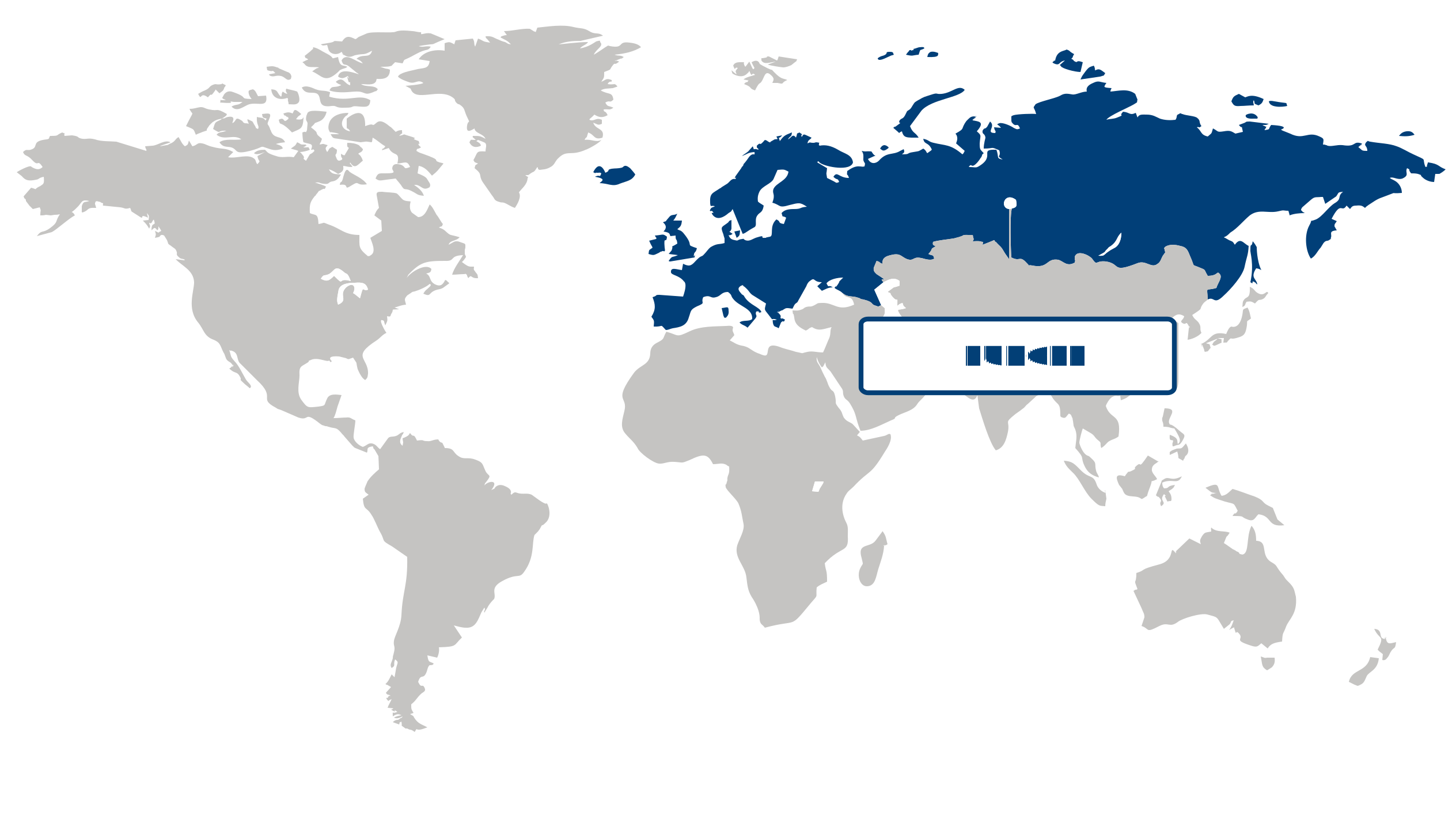
Largest Region
Europe
XX% Market Share in 2024
North America is a significant market for hoverboards, driven primarily by the United States and Canada. The U.S. market is characterized by a high demand among younger consumers, particularly teens and young adults. This demographic is attracted to hoverboards for recreation and as a new mode of personal transportation. Furthermore, the increasing urbanization in metropolitan areas of the U.S. has led to a demand for compact and eco-friendly transportation options. Canada mirrors these trends, with a growing interest in hoverboards among the youth for both recreation and commuting purposes. Safety regulations and certifications also play a crucial role in this market, as consumers become more aware of the risks associated with hoverboards.
Asia Pacific, particularly China, Japan, and South Korea, presents a dynamic and rapidly growing hoverboard market. China, as a manufacturing hub, not only produces a significant percentage of hoverboards globally but also has a robust domestic market fueled by a tech-savvy youth population. The popularity of hoverboards in China is accentuated by social media trends and influencer marketing, leading to increased awareness and adoption. Japan, known for its advanced technology and gadget culture, sees hoverboards as an innovative addition to the urban transport ecosystem. The Japanese market focuses heavily on quality and safety features, with consumers willing to invest in high-end models. South Korea also contributes to the regional growth with a keen interest in personal mobility solutions among the youth. Cities in South Korea are increasingly accommodating alternative transport modes, creating a favorable environment for hoverboard growth.
In Europe, the hoverboard market is gaining traction across key countries such as the United Kingdom, Germany, and France. The UK has seen a surge in demand, particularly among younger demographics, with hoverboarding becoming a popular recreational activity. Regulatory aspects, however, remain a challenge as local authorities grapple with safety and usage laws on public roads. In Germany, the market is influenced by sustainability trends, with consumers showing a preference for eco-friendly options and innovative designs. The growing push for reducing carbon emissions aligns well with the adoption of hoverboards as a green mode of transport. France contributes to the growth through its vibrant urban mobility culture. French consumers are particularly attracted to hoverboards for last-mile transportation, which complements the public transport system.
No card data available for this language/report.
Segment Leadership and Growth Trends
Single Wheeled:
The single wheeled hoverboard market segment caters to individuals who prefer a more challenging and dynamic riding experience. These hoverboards typically require more balance and skill to maneuver compared to their double-wheeled counterparts. They are popular among adventure enthusiasts and thrill-seekers looking for a unique and exciting way to get around.
Double Wheeled:
The double wheeled hoverboard market segment appeals to a wider range of consumers due to its stability and ease of use. These hoverboards are more beginner-friendly and offer a smoother and more comfortable ride compared to single-wheeled hoverboards. They are suitable for individuals of all ages and skill levels, making them a popular choice for personal transportation and recreational activities.
Compact Size:
The compact size hoverboard market segment is ideal for individuals looking for a lightweight and portable option for short commutes and indoor use. These hoverboards are easy to carry and store, making them convenient for urban dwellers and commuters with limited storage space. They are also popular among children and teenagers due to their small size and maneuverability.
Mid-Size:
The mid-size hoverboard market segment offers a balance between portability and performance, making them a versatile choice for a variety of applications. These hoverboards are suitable for both indoor and outdoor use and can accommodate riders of different sizes. They are popular among individuals looking for a comfortable and efficient mode of transportation for daily commuting and recreational activities.
Full-Size:
The full-size hoverboard market segment is designed for individuals who prioritize speed, range, and stability in their riding experience. These larger hoverboards are equipped with powerful motors and longer-lasting batteries, making them perfect for longer commutes and more demanding terrain. They are popular among commuters, outdoor enthusiasts, and commercial users who require a high-performance hoverboard for their specific needs.
Personal Mobility:
The personal mobility hoverboard market segment targets individuals looking for a convenient and eco-friendly mode of transportation for their daily commutes. These hoverboards offer a fun and efficient way to navigate crowded urban environments and reduce reliance on traditional vehicles. They are popular among environmentally conscious consumers and tech-savvy individuals seeking alternative transportation options.
Recreational Activities:
The recreational activities hoverboard market segment caters to individuals looking for a fun and exciting way to enjoy outdoor adventures and leisure time. These hoverboards are designed for recreational use in parks, trails, and other outdoor spaces, providing riders with a thrilling and entertaining experience. They are popular among families, friends, and outdoor enthusiasts looking to explore new ways of having fun in the great outdoors.
Commercial:
The commercial hoverboard market segment targets businesses and organizations looking for innovative and eye-catching transportation solutions for their operations. These hoverboards are used for various commercial applications, such as security patrols, event promotions, and facility maintenance, providing businesses with a cost-effective and efficient way to enhance their services. They are popular among entertainment venues, shopping malls, and tourist attractions seeking to attract and engage customers with cutting-edge technology.
Others:
The "others" hoverboard market segment includes niche products and specialized hoverboards catering to unique and specific needs. These hoverboards may offer custom features, designs, or functionalities tailored to specific user preferences or applications. They are popular among collectors, enthusiasts, and individuals looking for a one-of-a-kind hoverboard experience that stands out from the mainstream options available in the market.
 Read our Research Approach
Competitive Landscape and Market Positioning
The hoverboard market has seen significant growth in recent years, driven by technological advancements and increasing consumer demand for personal mobility devices. The competitive landscape is characterized by a mix of established brands and new entrants, all striving to innovate and differentiate their offerings. Key players are focusing on product features such as battery life, safety, speed, and design to capture market share. Additionally, strict safety regulations and certifications have created barriers to entry, making it imperative for companies to invest in quality and compliance. The presence of online retailing has diversified sales channels, allowing competitors to reach a broader audience while also intensifying competition through pricing strategies.
Top Market Players
- Swagtron
- Razor
- Segway
- Jetson
- Tomoloo
- Hover-1
- INMOTION
- XPRIT
- Gotrax
- Epikgo
Why Choose Us
Specialized Expertise: Our team comprises industry experts with a deep understanding of your market segment. We bring specialized knowledge and experience that ensures our research and consulting services are tailored to your unique needs.
Customized Solutions: We understand that every client is different. That's why we offer customized research and consulting solutions designed specifically to address your challenges and capitalize on opportunities within your industry.
Proven Results: With a track record of successful projects and satisfied clients, we have demonstrated our ability to deliver tangible results. Our case studies and testimonials speak to our effectiveness in helping clients achieve their goals.
Cutting-Edge Methodologies: We leverage the latest methodologies and technologies to gather insights and drive informed decision-making. Our innovative approach ensures that you stay ahead of the curve and gain a competitive edge in your market.
Client-Centric Approach: Your satisfaction is our top priority. We prioritize open communication, responsiveness, and transparency to ensure that we not only meet but exceed your expectations at every stage of the engagement.
Continuous Innovation: We are committed to continuous improvement and staying at the forefront of our industry. Through ongoing learning, professional development, and investment in new technologies, we ensure that our services are always evolving to meet your evolving needs.
Value for Money: Our competitive pricing and flexible engagement models ensure that you get maximum value for your investment. We are committed to delivering high-quality results that help you achieve a strong return on your investment.
Select Licence Type

