Humic and Fulvic Acid-Based Biostimulants Market Size & Growth Forecast 2027–2036, By Segments (Application, Product Type, Crop Type), Regional Demand Trends (North America, Asia Pacific, Europe), Key Country Insights (U.S., Japan, South Korea, Germany, France, Italy), and Competitive Landscape
Jump to Content
Market Size and Growth Outlook
Humic and Fulvic Acid-Based Biostimulants Market size was estimated at USD 999.99 million in 2026 and is projected to grow at a 8.37% CAGR from 2027 to 2036, attaining USD 2.23 billion by 2036. The industry revenue for 2027 is calculated at USD 1.07 billion.
Get more details on this report
Request Free Sample ReportHumic and Fulvic Acid-Based Biostimulants Market Intelligence Snapshot
Regional Market Dynamics
- Europe leads through strong adoption of sustainable agriculture, favorable agricultural policies, and growing demand for soil health solutions that improve nutrient efficiency and support environmentally responsible crop production.
- Asia Pacific is the fastest-growing region, supported by expanding agricultural production, soil degradation concerns, increasing horticulture cultivation, and rising adoption of modern farming technologies and sustainable crop management practices.
Segment Momentum
- Foliar application held 52.84% of the market in 2026 and is projected to grow fastest, enabling targeted delivery of biostimulants to plant foliage while supporting nutrient utilization and crop management.
- Humic acid accounted for 58.18% of the product type segment in 2026 and is expected to grow fastest, driven by its role in improving soil properties, nutrient availability, root development, and soil health.
Market Expansion Drivers
- Increasing adoption of sustainable farming practices.
- Development of advanced humic and fulvic acid formulations.
- Government incentives for biostimulant usage in agriculture.
Leading Market Participants
- Major players in the humic and fulvic acid-based biostimulants market include BASF (Germany), Valagro (Italy), UPL (India), Koppert Biological Systems (Netherlands), Biolchim (Italy), Isagro (Italy), Agrinos (USA), Plant Health Care (UK), Arysta LifeScience (Japan), BioAtlantis (Ireland).
Global Market Forecast Snapshot
Market Outlook
- 2026 Market Size: USD 999.99 million
- 2027 Estimated Market Size: USD 1.07 billion
- Projected Market Size: USD 2.23 billion by 2036
- Growth Forecast: 8.37% CAGR (2027-2036)
Regional and Segment Outlook
- Leading Regional Market: Europe
- High-Growth Regional Hub: Asia Pacific
- Core Revenue Segment: Application (Foliar Application) | Product Type (Humic Acid) | Crop Type (Cereals and Grains)
- Emerging Opportunity Segment: Application (Foliar Application) | Product Type (Humic Acid) | Crop Type (Cereals and Grains)
Market Growth Drivers and Industry Trends
Increasing adoption of sustainable farming practices
The growing emphasis on sustainable agriculture is increasing the adoption of biostimulants that support plant growth, nutrient utilization, soil health, and crop resilience while complementing conventional agricultural inputs. Humic and fulvic acid-based products are gaining attention for their ability to improve soil characteristics, facilitate nutrient availability, and support plant development under varying cultivation conditions. Farmers are increasingly seeking approaches that can enhance crop productivity while promoting efficient use of fertilizers and improving long-term soil quality. This shift toward environmentally responsible farming practices is encouraging broader integration of humic and fulvic acid-based biostimulants into crop management programs, supporting continued market development.
Development of advanced humic and fulvic acid formulations
Ongoing innovation in formulation technologies is expanding the performance characteristics and application potential of humic and fulvic acid-based biostimulants. Manufacturers and agricultural researchers are focusing on improving solubility, stability, compatibility, nutrient delivery, and application efficiency to develop products suited to diverse crops and farming conditions. Advances in extraction and formulation processes are also enabling more consistent compositions and improved integration with fertilizers and other crop inputs. As growers increasingly demand efficient and application-specific agricultural solutions, the development of advanced formulations is expected to enhance product acceptance and support wider adoption of humic and fulvic acid-based biostimulants.
Government incentives for biostimulant usage in agriculture
Government initiatives promoting sustainable agricultural inputs are creating favorable conditions for the adoption of humic and fulvic acid-based biostimulants. Programs supporting soil health, efficient nutrient management, environmentally responsible farming, and reduced dependence on intensive chemical inputs can encourage farmers to explore biostimulant-based approaches. Regulatory efforts aimed at establishing clearer standards for agricultural biostimulants are also helping improve product awareness and market confidence. As public policies increasingly emphasize sustainable crop production and resource-efficient farming, government support is expected to facilitate broader adoption of humic and fulvic acid-based solutions across agricultural applications.
| Growth Driver | Impact on CAGR | Regulatory Influence | Geographic Relevance | Adoption Rate | Impact Timeline |
|---|---|---|---|---|---|
| Increasing adoption of sustainable farming practices | 3% | Short term (≤ 2 yrs) | Europe; North America | Medium | Fast |
| Development of advanced humic and fulvic acid formulations | 2.5% | Medium term (2–5 yrs) | Asia Pacific; Europe | Medium | Moderate |
| Government incentives for biostimulant usage in agriculture | 2% | Long term (5+ yrs) | Europe; North America | High | Moderate |
Explore Growth Opportunities
Request Free Sample ReportRegional Demand Dynamics
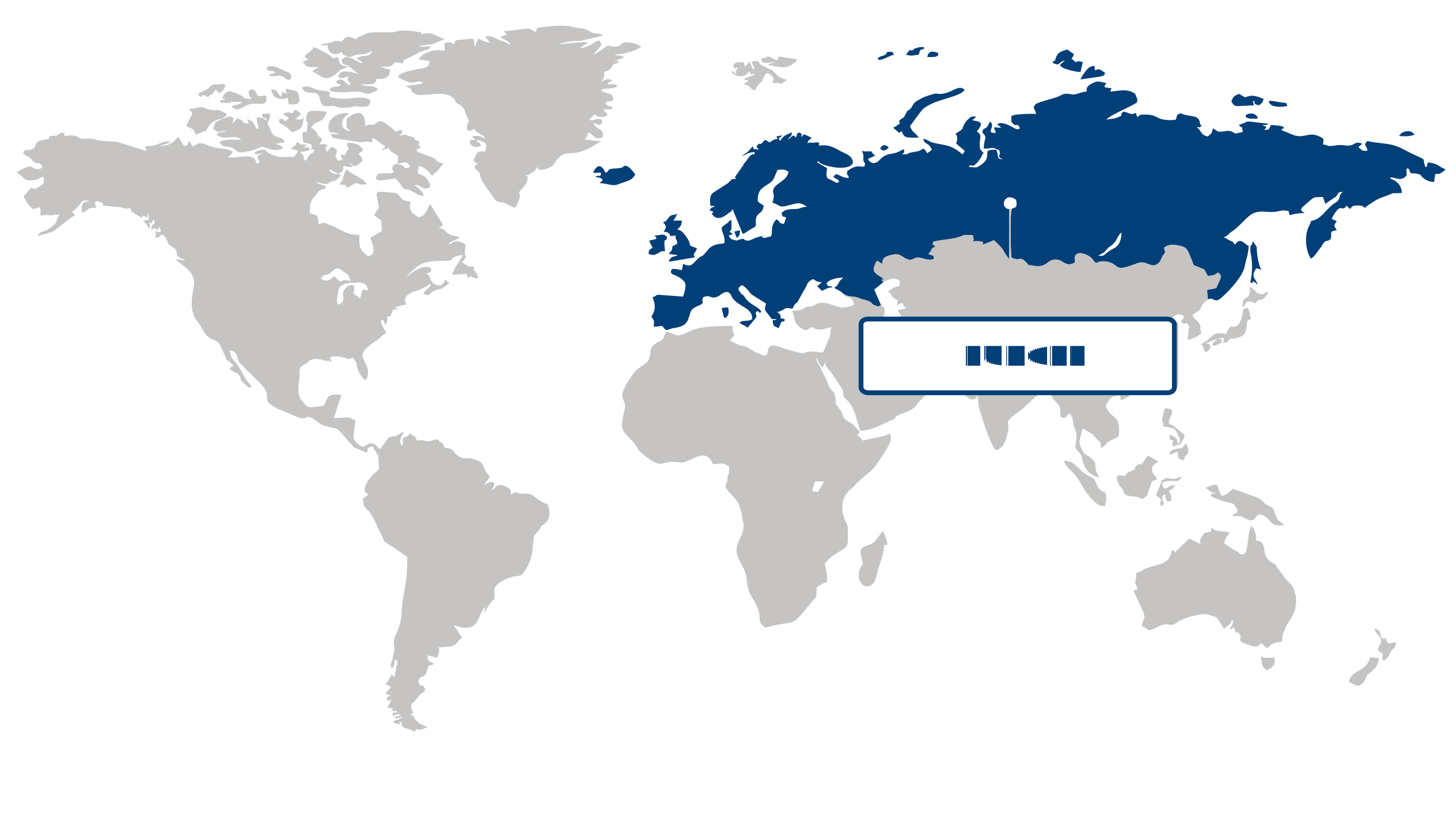
Europe (Largest Region)
Europe held the largest share of the humic and fulvic acid-based biostimulants market in 2026, impelled by strong adoption of sustainable agricultural practices, increasing emphasis on soil health, and growing demand for environmentally responsible crop production solutions. The region’s focus on reducing dependence on conventional agricultural inputs is encouraging the use of biostimulants that improve nutrient efficiency, plant development, and soil quality. Increasing awareness among farmers regarding regenerative and sustainable farming practices is further supporting demand for humic and fulvic acid-based products. Favorable agricultural policies, expanding organic and low-input farming practices, and continued research into soil management technologies are also contributing to regional market development.
Asia Pacific (Fastest-Growing Region)
Asia Pacific is expected to register the fastest growth in the humic and fulvic acid-based biostimulants market during the forecast period, spurred by expanding agricultural production, growing concerns regarding soil degradation, and increasing adoption of sustainable crop management practices. Rising demand for higher agricultural productivity is encouraging farmers to adopt solutions that improve nutrient utilization and support soil fertility. Growing awareness of the long-term effects of excessive chemical input use is also creating opportunities for biostimulant adoption across major agricultural markets. Increasing investments in modern farming technologies, expanding horticulture and high-value crop cultivation, and greater emphasis on sustainable agricultural productivity are expected to accelerate the use of humic and fulvic acid-based biostimulants across the region.
| Parameter | North America | Asia Pacific | Europe | Latin America | MEA |
|---|---|---|---|---|---|
| Innovation HubiScaleNascentDeveloping Advanced | |||||
| Cost-Sensitive RegioniScaleLowMedium High | |||||
| Regulatory EnvironmentiScaleRestrictiveNeutral Supportive | |||||
| Demand DriversiScaleWeakModerate Strong | |||||
| Development StageiScaleEmergingDeveloping Developed | |||||
| Adoption RateiScaleLowMedium High | |||||
| New Entrants / StartupsiScaleSparseModerate Dense | |||||
| Macro IndicatorsiScaleWeakStable Strong |
Key Country Insights
United States 🇺🇸
Precision Soil ManagementThe U.S. market is shaped by interest in improving nutrient-use efficiency, soil conditioning, and crop performance within increasingly data-driven farm management. Humic and fulvic acid products can gain traction where growers and distributors prioritize compatibility with precision application programs, specialty crop production, and integrated nutrient-management practices.
Germany 🇩🇪
Sustainable Input IntegrationGermany’s market priorities center on integrating biostimulants into environmentally conscious crop-production systems while maintaining agronomic consistency. Humic and fulvic acid formulations can support soil-health programs, nutrient optimization, and reduced-input strategies, particularly where agricultural suppliers emphasize documented product performance and compatibility with established fertilization regimes.
Japan 🇯🇵
High-Value Crop ApplicationsJapan presents opportunities around intensive cultivation systems where consistent crop quality and efficient input use are important. Humic and fulvic acid-based biostimulants can be positioned for horticulture, protected cultivation, and specialty crops, with product formulation, application convenience, and integration into established farm-input routines remaining important commercial considerations.
South Korea 🇰🇷
Controlled Cultivation AdoptionSouth Korea’s biostimulant demand is closely connected with controlled cultivation and technology-enabled farming practices. Humic and fulvic acid products can find practical applications in greenhouse vegetables, horticulture, and intensive crop systems where growers seek improved root-zone conditions and nutrient availability without substantially changing existing crop-management protocols.
France 🇫🇷
Soil Health PositioningFrance offers a strong market context for biostimulants focused on soil functionality, nutrient efficiency, and sustainable agricultural practices. Humic and fulvic acid solutions can complement integrated crop-management approaches, with distributors likely to emphasize agronomic evidence, application compatibility, and clear differentiation from conventional fertilizers when engaging professional growers.
Italy 🇮🇹
Specialty Crop EnablementItaly’s market priorities favor applications where crop quality, soil management, and input efficiency directly influence farm economics. Humic and fulvic acid-based products can be particularly relevant to vineyards, horticulture, and other specialty crops, creating scope for formulations tailored to crop-specific programs and distribution channels serving professional growers.
Humic and Fulvic Acid-Based Biostimulants Market Share (%), by Application, 2026
Go beyond the chart, access full insights & data tables
Request Free Sample ReportApplication Segment Analysis: Foliar Application (Largest & Fastest-Growing Segment)
The foliar application segment accounted for the largest 2026 market share of 52.84% and is also expected to register the fastest growth, supported by the increasing adoption of biostimulants that can be applied directly to plant foliage for efficient nutrient and bioactive compound delivery. Foliar application enables humic and fulvic acid-based biostimulants to reach plant tissues more directly, making it an attractive approach for improving nutrient utilization and supporting plant growth during critical developmental stages. The method also provides greater flexibility for growers to complement soil-based nutrient management with targeted applications based on crop requirements and prevailing growing conditions. In addition, increasing emphasis on improving agricultural productivity while optimizing the use of conventional inputs is encouraging the adoption of biostimulant-based foliar treatments. Humic and fulvic acids can support nutrient availability and plant physiological processes, which makes their foliar application relevant for crops exposed to environmental and nutritional stresses. As growers increasingly focus on efficient crop management, improved nutrient utilization, and sustainable agricultural practices, demand for foliar application of these biostimulants is expected to expand.
Product Type Segment Analysis: Humic Acid (Largest & Fastest-Growing Segment)
The humic acid segment accounted for the largest share of 58.18% in the product type segment in 2026 and is also projected to experience the fastest growth, driven by its broad application in improving soil properties, nutrient availability, and overall plant development. Humic acid is widely used as a soil and plant biostimulant because of its ability to enhance nutrient retention and availability while supporting favorable conditions for root development and microbial activity. Its versatility allows it to be incorporated into different crop management practices, making it suitable for growers seeking to improve soil fertility and optimize the effectiveness of agricultural inputs. Increasing concerns regarding soil degradation and declining soil quality are also encouraging the use of products that support soil health alongside conventional crop nutrition. Furthermore, humic acid can complement fertilizer programs by improving nutrient utilization and contributing to more efficient crop production practices. As agricultural producers increasingly emphasize soil health, nutrient efficiency, and sustainable crop management, the demand for humic acid-based biostimulants is expected to continue increasing.
Crop Type Segment Analysis: Cereals and Grains (Largest & Fastest-Growing Segment)
The cereals and grains segment represented the largest share of the crop type segment in 2026 and is also expected to witness the fastest growth, supported by the extensive cultivation of cereal and grain crops and the increasing focus on improving productivity and crop quality. These crops form a major component of agricultural production and are exposed to various challenges, including nutrient deficiencies, soil degradation, and environmental stresses, creating demand for inputs that can support plant vigor and efficient nutrient utilization. Humic and fulvic acid-based biostimulants can be integrated into cereal and grain cultivation practices to support root development, improve nutrient availability, and promote healthier crop growth throughout key stages of development. Their use can also complement conventional fertilization programs, enabling growers to pursue more efficient nutrient management while maintaining crop productivity. In addition, the growing emphasis on sustainable agricultural practices is encouraging the adoption of biological and biostimulant-based solutions across major field crops. As producers seek to improve soil health, strengthen crop resilience, and optimize input efficiency, adoption of humic and fulvic acid-based biostimulants in cereals and grains is expected to expand.
| Segment | Sub-Segment | Largest Segment | Fastest Growing |
|---|---|---|---|
| Application | Foliar Application, Soil Application, Seed Treatment, Fertigation and Hydroponic Systems, Root Dipping and Transplant Application | Foliar Application | Foliar Application |
| Product Type | Humic Acid, Fulvic Acid, Potassium Humate, Sodium Humate, Humic Fulvic Acid Blends, Specialty and Functionalized Products | Humic Acid | Humic Acid |
| Crop Type | Cereals and Grains, Fruits and Vegetables, Turf and Ornamentals, Field Crops and Industrial Applications | Cereals and Grains | Cereals and Grains |
Unlock insights tailored to your business with our bespoke market research solutions.
Click to get your customized report now.
Competitive Landscape and Market Positioning
Analyst Perspective:
Establishing credible, repeatable agricultural performance is central to competition in the humic and fulvic acid-based biostimulants market. Differences in raw materials and extraction processes influence purity, concentration, and product consistency, making transparent composition specifications important for distinguishing formulations. Yet ingredient quality alone does not establish agronomic value: soil characteristics, microbial activity, crop type, and cultivation practices can all affect outcomes. Suppliers must therefore substantiate performance claims through field validation under relevant agricultural conditions, demonstrating where benefits are repeatable and economically meaningful. Application strategy also shapes product suitability, as foliar and soil delivery involve different operational requirements and performance considerations. Companies that connect consistent product composition with crop-specific evidence and practical application guidance are better positioned to build grower confidence and establish credible differentiation.
Major players in the humic and fulvic acid-based biostimulants market:
- BASF (Germany)
- Valagro (Italy)
- UPL (India)
- Koppert Biological Systems (Netherlands)
- Biolchim (Italy)
- Isagro (Italy)
- Agrinos (USA)
- Plant Health Care (UK)
- Arysta LifeScience (Japan)
- BioAtlantis (Ireland)
| Company | Market Share | Company Revenue | Revenue CAGR (%) | Product Portfolio | Geographic Presence | Innovation / R&D Focus | Strategic Developments |
|---|---|---|---|---|---|---|---|
| BASF (Germany) | |||||||
| Valagro (Italy) | |||||||
| UPL (India) | |||||||
| Koppert Biological Systems (Netherlands) | |||||||
| Biolchim (Italy) | |||||||
| Isagro (Italy) | |||||||
| Agrinos (USA) | |||||||
| Plant Health Care (UK) | |||||||
| Arysta LifeScience (Japan) | |||||||
| BioAtlantis (Ireland) |
Customize Your Report
Explore examples of how this report can be tailored to different research needs, including custom segments, additional topics or chapters, and related reports. Click a section of the wheel or its numbered marker to explore the available options.
Humic and Fulvic Acid-Based Biostimulants Market — Custom Segments
| Segment | Sub-Segment |
|---|---|
| Source Material | Leonardite-derived, Peat-derived, Lignite-derived, Compost and other organic matter-derived |
| Soil Type | Sandy soils, Loamy soils, Clay soils, Calcareous soils, Saline and sodic soils |
| Certification Status | Conventional products, Organic-certified products, Organic-input compliant products |
Humic and Fulvic Acid-Based Biostimulants Market — Custom TOC
| Custom Chapter | Chapter Details |
|---|---|
| Feedstock Sourcing & Product Authenticity |
|
| Soil & Crop Adoption Pathways |
|
| Regulatory & Channel Strategy |
|
Need a different cut of the data?
Request Custom ResearchFrequently Asked Questions
What is the total addressable market for humic and fulvic acid-based biostimulants?
What is the projected value of the humic and fulvic acid-based biostimulants industry by 2036?
How is sustainable farming changing demand for humic and fulvic acid-based biostimulants?
How are formulation advances supporting broader adoption of humic and fulvic acid-based biostimulants?
Why is foliar application leading the humic and fulvic acid-based biostimulants market?
How is demand for humic acid-based biostimulants evolving?
Why does Europe lead the humic and fulvic acid-based biostimulants market?
What is driving growth in the Asia Pacific humic and fulvic acid-based biostimulants market?
Which companies dominate the humic and fulvic acid-based biostimulants landscape?
Our Clients
"The report helped us understand emerging consumer trends in our product category. It clarified where to focus innovation for the next product launch."
LyondellBasell
"The regional forecast section was incredibly useful. We were able to identify two new potential partners in Europe thanks to the vendor mapping you included."
SABIC
"We appreciated how actionable the recommendations were. It guided us to improve supply chain resilience."
Olin Corporation
Our Research Team & Methodology
Every Fundamental Business Insights report is built by a dedicated vertical research team, validated through a structured primary-and-secondary methodology, and reviewed for accuracy before it reaches you.
This report was prepared by the Chemicals & Materials Research Team at Fundamental Business Insights, a dedicated research group specializing in the global chemicals, advanced materials, and industrial manufacturing sectors. Our analysts continuously monitor raw material supply chains, feedstock pricing, production technologies, regulatory developments, sustainability initiatives, environmental compliance, trade dynamics, and evolving end-use applications to deliver timely and reliable market intelligence. The research is developed using a structured methodology that combines primary discussions with manufacturers, raw material suppliers, distributors, and industry experts, along with company annual reports, regulatory publications, government trade statistics, industry associations, technical literature, patent databases, and other authoritative secondary sources. Market estimates are validated through multiple research techniques, including top-down and bottom-up analysis, before undergoing an internal quality review to ensure accuracy, consistency, and methodological integrity prior to publication.
Delivery
Published
Available
Support
- Market Size & Forecast
- Market Segmentation
- Regional Analysis
- Growth Drivers & Challenges
- Market Dynamics
- Competitive Landscape
- Company Profiles
- Competitive Benchmarking
- Mergers & Acquisitions
- Market Share Analysis or Key Company Strategies
- Value Chain Analysis
- Porter's Five Forces
- PESTLE Analysis
- Pricing Trends
- Supply-Demand Analysis
- Technology Landscape
- Regulatory Landscape
- Investment & Funding Landscape
- Emerging Opportunities
- Future Market Outlook