Hybrid Cloud Market Size & Forecasts 2026-2035, By Segments (Component, Organization Size, Service Type, Service Model, Vertical), Growth Opportunities, Innovation Landscape, Regulatory Shifts, Strategic Regional Insights (U.S., Japan, China, South Korea, UK, Germany, France), and Competitive Dynamics (Amazon Web Services, Microsoft, Google, IBM, Oracle)
Jump to Content
Market Size and Growth Outlook
Hybrid Cloud Market size is likely to expand from USD 132.68 billion in 2025 to USD 430.85 billion by 2035, posting a CAGR above 12.5% across 2026-2035. The industry’s revenue potential for 2026 is USD 147.5 billion.
Get more details on this report
Request Free Sample ReportHybrid Cloud Market Intelligence Snapshot
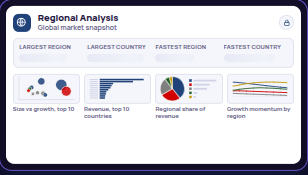
Regional Market Dynamics
Segment Momentum
Market Expansion Drivers
Leading Market Participants
Global Market Forecast Snapshot
Market Outlook
Regional and Segment Outlook
Market Growth Drivers and Industry Trends
The adoption of hybrid cloud platforms is a critical growth driver in the hybrid cloud market, as organizations seek agility and scalability while maintaining control over sensitive data. Companies like Microsoft Azure and Google Cloud emphasize seamless integration between public and private cloud environments, reflecting growing demand for tailored solutions that accommodate regulatory compliance and data sovereignty concerns. For instance, Microsoft’s Azure Arc allows enterprises to manage multi-cloud and on-premises environments consistently, meeting compliance needs. This trend fosters opportunities for established vendors to deepen platform ecosystems and for new entrants to innovate in niche integration and security services. Continued enterprise prioritization of hybrid architectures confirms that platform adoption will remain pivotal in shaping competitive differentiation and customer retention across industries.
AI & Automation in Hybrid Cloud Management
AI and automation technologies are transforming operational efficiency within the hybrid cloud market by enabling proactive management and optimized resource allocation. IBM’s recent AI-driven cloud management tools demonstrate how predictive analytics and automated workflows reduce downtime and operational costs, responding to complex multi-environment infrastructures. This integration addresses the increasing complexity of hybrid deployments and the growing demand for real-time analytics and incident resolution. Both incumbents and startups can capitalize on this by embedding advanced AI capabilities into their offerings, appealing to digitally mature customers. As AI-driven operations mature, the hybrid cloud market will see enhanced service reliability and scalability, pushing providers to continuously innovate to meet evolving enterprise expectations.
Expansion of Hybrid Cloud Solutions in Emerging Markets
Emerging markets, including regions in Southeast Asia and Latin America, are accelerating hybrid cloud adoption as businesses modernize IT infrastructure amid increasing digitalization efforts. Amazon Web Services (AWS) has significantly expanded data center presence in these areas, facilitating local cloud access that addresses latency and data governance challenges peculiar to these regions. This growth is linked to widening internet penetration and government initiatives encouraging digital inclusivity. For both global vendors and regional players, this expansion offers strategic entry points to tailor hybrid cloud solutions to local market conditions, including affordable pricing models and compliance with regional policies. The sustained focus on digital infrastructure in emerging economies suggests the hybrid cloud market will deepen its geographic diversity, driving further innovation and competition.
Industry Restraints:
Data Security and Privacy Concerns
Concerns around data protection significantly constrain hybrid cloud adoption as enterprises seek to safeguard sensitive information amid complex multi-environment architectures. With hybrid models spanning on-premises and public cloud infrastructures, the risk of data breaches and compliance violations increases, fueling cautious investment and slower migrations. For instance, the European Union’s stringent GDPR regulations require robust data residency and handling practices, as highlighted by the European Data Protection Board, which has penalized non-compliance even in hybrid setups. This environment challenges service providers to offer comprehensive, transparent security protocols while pushing IT teams to manage sophisticated risk layers. Market participants face elevated costs and operational overhead to maintain compliance, often complicating integration strategies. Going forward, evolving privacy mandates and heightened cyber threats will continue to pressure hybrid cloud vendors to innovate secure architectures, making data security a pivotal constraint shaping market dynamics.
Integration Complexity and Skill Shortages
The intricacies involved in seamlessly integrating diverse cloud environments hamper broader hybrid cloud market growth, as organizations grapple with interoperability and governance challenges. Hybrid cloud deployments demand advanced orchestration and consistent management across heterogeneous systems, a capability constrained by limited workforce expertise. According to a 2023 survey by the Information Technology Industry Council, nearly 60% of enterprises reported skills shortages in cloud architecture and security. This gap slows digital transformation initiatives and inflates operational costs due to prolonged setup times and higher reliance on external consultants. For incumbents and entrants alike, delivering turnkey solutions that mitigate complexity remains arduous, straining deployment pipelines. As digital ecosystems become more entangled, skill constraints and integration hurdles will persist as critical market barriers, incentivizing investment in automation tools and talent development over the medium term.
| Growth Driver | Impact on CAGR | Regulatory Influence | Geographic Relevance | Adoption Rate | Impact Timeline |
|---|---|---|---|---|---|
| Hybrid Cloud Platform Adoption | 5.00% | Short term (≤ 2 yrs) | North America, Europe | Medium | Fast |
| AI & Automation in Hybrid Cloud Management | 4.50% | Medium term (2–5 yrs) | North America, Asia Pacific | Medium | Moderate |
| Expansion of Hybrid Cloud Solutions in Emerging Markets | 3.00% | Long term (5+ yrs) | Asia Pacific, Latin America | Low | Moderate |
Unlock insights tailored to your business with our bespoke market research solutions.
Click to get your customized report now.
Regional Demand Dynamics

North America dominated the hybrid cloud market in 2025, representing more than 45% of the global share. This region leads primarily due to its well-developed IT infrastructure and rapid digital transformation across sectors, which accelerate hybrid cloud adoption. Organizations in North America are increasingly shifting workloads to hybrid environments to balance security, agility, and cost efficiency. For instance, Microsoft’s expansion of Azure hybrid cloud solutions in the region underscores robust enterprise demand for flexible cloud architectures. Government initiatives promoting digital government services further boost cloud investments, while enterprises prioritize data sovereignty and regulatory compliance. This combination of advanced infrastructure and strategic digitization creates fertile ground for hybrid cloud innovation. Looking ahead, North America’s technological leadership and evolving enterprise needs ensure it remains a prime market for hybrid cloud growth opportunities.
The United States anchors the North American hybrid cloud market, driven by large-scale adoption across both the private and public sectors. Major companies like IBM and Amazon Web Services continuously enhance hybrid cloud offerings tailored for American enterprises, responding to rising demand for scalable and secure cloud options. U.S. regulatory frameworks around data privacy and cybersecurity encourage hybrid solutions that accommodate stringent compliance requirements, fueling strategic shifts in cloud deployment models. The U.S. Department of Defense’s ongoing cloud modernization initiatives exemplify extensive governmental cloud adoption, which influences broader industry trends. This combination of policy-driven impetus and dynamic enterprise innovation solidifies the U.S. as a key engine, reinforcing North America’s hybrid cloud market dominance.
Europe Market Analysis:
Europe emerged as the fastest-growing region in the hybrid cloud market, registering an impressive CAGR of 17.5%. This growth is primarily propelled by stringent data privacy regulations such as the General Data Protection Regulation (GDPR), which has intensified demand for localized cloud solutions ensuring compliance and enhanced data security. The enforcement of GDPR has prompted organizations to adopt hybrid cloud architectures that enable sensitive data to remain on-premises or within European jurisdictions while leveraging public cloud services for non-sensitive workloads. This regulatory environment, combined with a robust digital transformation push across industries like finance and healthcare, has led to significant investment in hybrid cloud infrastructures. According to the European Union Agency for Cybersecurity (ENISA), increased focus on cybersecurity frameworks and data sovereignty further underscores this trend, reinforcing Europe’s strategic position in the hybrid cloud market. Looking ahead, Europe’s regulatory rigor and growing demand for secure, compliant cloud options create substantial opportunities for hybrid cloud providers to innovate and expand.
Germany plays a pivotal role in Europe’s hybrid cloud market, driven by its strong industrial base and heightened emphasis on data privacy in compliance with GDPR. German enterprises, particularly in manufacturing and automotive sectors, prioritize hybrid cloud deployments to balance operational efficiency with the need to protect intellectual property and personal data. The Federal Office for Information Security (BSI) actively promotes cloud security standards, encouraging adoption of hybrid cloud solutions tailored to strict data handling requirements. Furthermore, Germany’s digital economy strategy includes significant funding for cloud infrastructure modernization, supporting widespread hybrid cloud integration. This focus aligns with evolving business practices seeking agility without sacrificing data control, positioning Germany as a key innovator within the region.
France complements Europe’s hybrid cloud momentum through its proactive cloud sovereignty policies and government-backed initiatives promoting digital sovereignty. The French government’s “Cloud au Centre” strategy emphasizes developing trusted cloud services, which encourages organizations to adopt hybrid cloud environments that align with national security and privacy standards. Large enterprises and public sector bodies increasingly prefer hybrid cloud models to comply with regulatory frameworks while accelerating digital transformation. Industry leaders like Orange Business Services are investing substantially in hybrid cloud technologies to meet this growing market demand. France’s emphasis on fostering secure, controlled cloud adoption feeds into Europe’s broader narrative, solidifying the regional market’s growth prospects and offering a fertile ground for hybrid cloud innovation and expansion.
Asia Pacific Market Trends:
Asia Pacific maintained a notable presence in the hybrid cloud market, driven by the region’s robust digital transformation initiatives and expanding enterprise cloud adoption. Increasing shifts toward flexible IT infrastructures amid rising demand for data sovereignty and compliance fuel growth. The region's emphasis on sustainable IT practices and governmental support for cloud innovation, as highlighted by initiatives from the Asia Cloud Computing Association, further strengthen the market’s foundation. Moreover, advancements in connectivity and growing investments in edge computing contribute to operational efficiencies and enhanced service delivery. The interplay of competitive dynamics from both global and local cloud service providers underscores ongoing innovation. Given these diverse factors, Asia Pacific continues to offer significant opportunities for hybrid cloud providers aiming to capitalize on evolving enterprise requirements and regulatory landscapes.
Japan holds a pivotal role in Asia Pacific’s hybrid cloud market, leveraging its advanced technology ecosystem and stringent data security mandates. The country’s enterprises increasingly prioritize hybrid environments to optimize legacy system integration alongside cloud agility, reflecting a mature IT infrastructure milieu. Government-backed initiatives from the Ministry of Economy, Trade and Industry (METI) promote cloud adoption among SMEs, stimulating demand. Additionally, Japan’s focus on innovation in AI and IoT integrates seamlessly with hybrid cloud deployments to enhance operational productivity. This approach positions Japan as a critical innovation hub, reinforcing regional market momentum. Consequently, hybrid cloud providers that align with Japan’s regulatory framework and technology trends can better capture the broader Asia Pacific opportunity.
China drives substantial growth in Asia Pacific’s hybrid cloud market, underpinned by large-scale digital investments and evolving regulatory frameworks emphasizing data localization. The Chinese government’s Digital China initiative, coupled with robust cloud infrastructure expansion by leading players such as Alibaba Cloud and Tencent Cloud, fosters widespread adoption. Enterprises show preference for hybrid solutions to balance performance with compliance, supported by enhanced cybersecurity measures from the Cyberspace Administration of China. Rapid urbanization and increasing demand for smart city applications further accelerate hybrid cloud deployments. This dynamic elevates China’s strategic importance within the region, making it essential for hybrid cloud vendors to navigate its regulatory environment while capitalizing on its innovation ecosystem to sustain growth.
| Parameter | North America | Asia Pacific | Europe | Latin America | MEA |
|---|---|---|---|---|---|
| Innovation HubiScaleNascentDeveloping Advanced | |||||
| Cost-Sensitive RegioniScaleLowMedium High | |||||
| Regulatory EnvironmentiScaleRestrictiveNeutral Supportive | |||||
| Demand DriversiScaleWeakModerate Strong | |||||
| Development StageiScaleEmergingDeveloping Developed | |||||
| Adoption RateiScaleLowMedium High | |||||
| New Entrants / StartupsiScaleSparseModerate Dense | |||||
| Macro IndicatorsiScaleWeakStable Strong |
Hybrid Cloud Market Share (%), by Component, 2026
Go beyond the chart, access full insights & data tables
Request Free Sample ReportSolutions held the largest share in the hybrid cloud market in 2025, driven by increased adoption of cloud solutions offering enhanced agility, scalability, and data control. Enterprises prioritize solutions that facilitate seamless integration across private and public clouds, reflecting growing demand for flexible and secure infrastructure. Industry leaders such as Microsoft and IBM consistently expand their hybrid cloud offerings, reinforcing market leadership through continuous innovation and interoperability. This segment’s emphasis on customization and compliance aligns with evolving regulatory frameworks and digital transformation efforts across sectors. For established players and new entrants alike, solutions present strategic opportunities to differentiate through advanced features and sector-specific capabilities. Given persistent trends in multi-cloud strategies and workload optimization, solutions are expected to remain pivotal, supporting complex IT landscapes and sustainability goals in the near to medium term.
Analysis by Organization Size
Large enterprises represented the largest share in the hybrid cloud market in 2025, propelled by substantial IT budgets and a strong demand for scalable, secure cloud solutions. This segment leads as global corporations increasingly deploy hybrid environments to balance performance with stringent data governance requirements, especially in regulated industries like finance and healthcare. Companies such as Accenture report notable client investments in hybrid frameworks to enable digital agility while maintaining control over sensitive workloads. The preference for hybrid models also mirrors workforce shifts toward remote and distributed operations, which require robust, flexible cloud infrastructure. Established providers benefit from long-term contracts and customized solutions, whereas emerging firms can capitalize on niche vertical needs. The enduring complexity of enterprise IT ecosystems and ongoing cloud adoption trends underscore why large enterprises will sustain dominance in the hybrid cloud market.
Analysis by Service Type
Cloud management & orchestration represented the largest share of the hybrid cloud market in 2025, fueled by the growing necessity for advanced automation and optimization of hybrid workloads. The rapid expansion of multi-cloud deployments has intensified the need for sophisticated tools that harmonize environments and streamline operations, as echoed in announcements from VMware and Red Hat about enhanced orchestration capabilities. This segment's leadership is further supported by customer priorities toward operational efficiency, cost management, and compliance adherence, especially amid increasing data privacy regulations. Cloud management platforms provide strategic advantages by simplifying complexity, accelerating deployment cycles, and enabling continuous innovation for diverse players. With digital transformation initiatives and hybrid workload expansion persisting, demand for cloud management and orchestration services is poised to remain foundational in shaping hybrid cloud market dynamics.
| Segment | Sub-Segment | Largest Segment | Fastest Growing |
|---|---|---|---|
| Component | Services, Solutions | ||
| Organization Size | Large Enterprises, SMEs | ||
| Service Type | Disaster Recovery, Hybrid Hosting, Cloud Management & Orchestration | ||
| Service Model | Infrastructure-as-a-Service, Software-as-a-Service, Platform-as-a-Service | ||
| Vertical | Transportation, Healthcare, BFSI, Retail, IT and Telecommunications, Media & Entertainment, Government, others |
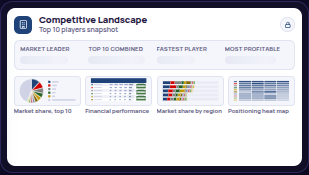
Competitive Landscape and Market Positioning
The competitive landscape is characterized by dynamic integrations and technology enhancements among the leading players. Investments in seamless interoperability between on-premises and cloud environments, combined with innovation in artificial intelligence and automation, are prevalent. Strategic collaborations streamline multi-cloud deployments, while acquisitions bolster cloud-native capabilities and data security. These developments enhance agility and resilience, strengthening competitive moats. The continuous refinement of hybrid management tools and expanding partner ecosystems accelerate adoption, allowing key players to penetrate enterprise verticals more effectively and differentiate through tailored hybrid solutions.
Strategic / Actionable Recommendations for Regional Players
In North America, fostering partnerships with AI and analytics innovators can boost hybrid cloud solutions’ intelligence and operational efficiency. Emphasizing native integrations with existing enterprise IT infrastructure will also capture demand from complex, regulated industries.
Within Asia Pacific, cultivating alliances with local industries and technology firms will enhance market penetration and customization of hybrid offerings. Prioritizing scalable, cost-effective solutions that address diverse digital transformation needs will optimize presence in this rapidly evolving region.
European entities should focus on aligning hybrid cloud deployments with stringent data privacy regulations, reinforcing trust. Collaborations centered on sustainable cloud technologies and edge computing will position players to meet increasing demand for environmentally conscious and latency-sensitive services.
| Company | Market Share | Company Revenue | Revenue CAGR (%) | Product Portfolio | Geographic Presence | Innovation / R&D Focus | Strategic Developments |
|---|---|---|---|---|---|---|---|
| No companies available. | |||||||
Customize Your Report
Explore examples of how this report can be tailored to different research needs, including custom segments, additional topics or chapters, and related reports. Click a section of the wheel or its numbered marker to explore the available options.
Hybrid Cloud Market — Custom Segments
| Segment | Sub-Segment |
|---|---|
| No segment data available. | |
Hybrid Cloud Market — Custom TOC
| Custom Chapter | Chapter Details |
|---|---|
| No custom TOC data available. | |
Need a different cut of the data?
Request Custom ResearchFrequently Asked Questions
How will the hybrid cloud industry grow in terms of size and CAGR by 2035?
Which region shows the largest market footprint in the hybrid cloud market?
In which region is the hybrid cloud sector expanding most rapidly?
Why does solutions sub-segment dominate the component segment of hybrid cloud sector?
How much is the large enterprises segment expected to grow in the hybrid cloud industry beyond 2025?
What factors give cloud management & orchestration segment a competitive edge in the hybrid cloud sector?
Which is the largest sub-segment within the service model segment for hybrid cloud industry?
Why does BFSI sub-segment dominate the vertical segment of hybrid cloud sector?
Who holds a significant market share in the hybrid cloud landscape?
Our Clients
"The team demonstrated a great understanding of our business needs, and the reports were tailored to address our specific concerns and objectives."
Infosys
"The report was up-to-date with the latest industry trends and technological advancements. The detailed competitive landscape analysis was quite helpful."
Zebra Technologies
"The data presented in the report was accurate and well-researched. I also found the market dynamics section particularly useful."
Arlo Technologies
Our Research Team & Methodology
Every Fundamental Business Insights report is built by a dedicated vertical research team, validated through a structured primary-and-secondary methodology, and reviewed for accuracy before it reaches you.
Delivery
Published
Available
Support
- Market Size & Forecast
- Market Segmentation
- Regional Analysis
- Growth Drivers & Challenges
- Market Dynamics
- Competitive Landscape
- Company Profiles
- Competitive Benchmarking
- Mergers & Acquisitions
- Market Share Analysis or Key Company Strategies
- Value Chain Analysis
- Porter's Five Forces
- PESTLE Analysis
- Pricing Trends
- Supply-Demand Analysis
- Technology Landscape
- Regulatory Landscape
- Investment & Funding Landscape
- Emerging Opportunities
- Future Market Outlook