Induction Cooktops Market Size & Growth Forecast 2027–2036, By Segments (Product, Application, Distribution Channel), Regional Demand Trends (North America, Asia Pacific, Europe), Key Country Insights (U.S., Japan, South Korea, Germany, France, Italy), and Competitive Landscape
Jump to Content
Market Size and Growth Outlook
Induction Cooktops Market size was assessed at USD 30.7 billion in 2026 and is poised to grow at a 6.57% CAGR between 2027 and 2036, crossing USD 58.01 billion by 2036. The industry revenue for 2027 is estimated at USD 32.41 billion.
Get more details on this report
Request Free Sample ReportInduction Cooktops Market Intelligence Snapshot
Regional Market Dynamics
- Europe accounted for 35.42% of the market in 2026, driven by consumer preference for energy-efficient appliances, sustainable cooking technologies, modern kitchen upgrades, and convenient, precise temperature control.
- Asia Pacific is the fastest-growing region, supported by urbanization, expanding middle-class households, rising residential construction, improving product affordability, and greater access through organized retail and e-commerce.
Segment Momentum
- Built-in induction cooktops hold a 61.54% market share in 2026 and are the fastest-growing product segment, driven by integrated kitchen designs, space efficiency, precise temperature control, and easier cleaning.
- Online is the fastest-growing distribution channel, allowing consumers to compare specifications, designs, and prices conveniently while accessing product reviews, detailed information, and delivery options without visiting multiple physical stores.
Market Expansion Drivers
- Rising adoption of energy-efficient cooking appliances.
- Urbanization and growth of modern modular kitchens.
- Integration of smart controls and connected kitchen ecosystems.
Leading Market Participants
- Top companies in the induction cooktops market include Bosch (Germany), Whirlpool (USA), LG Electronics (South Korea), Samsung Electronics (South Korea), Electrolux (Sweden), Panasonic (Japan), Midea Group (China), Haier (China), Philips (Netherlands), Arçelik (Turkey).
Global Market Forecast Snapshot
Market Outlook
- 2026 Market Size: USD 30.7 billion
- 2027 Estimated Market Size: USD 32.41 billion
- Projected Market Size: USD 58.01 billion by 2036
- Growth Forecast: 6.57% CAGR (2027-2036)
Regional and Segment Outlook
- Leading Regional Market: Europe
- High-Growth Regional Hub: Asia Pacific
- Core Revenue Segment: Product (Built-in) | Application (Household) | Distribution Channel (Specialty Stores)
- Emerging Opportunity Segment: Product (Built-in) | Application (Household) | Distribution Channel (Online)
Market Growth Drivers and Industry Trends
Rising adoption of energy-efficient cooking appliances
Rising adoption of energy-efficient cooking appliances is driving demand for induction cooktops as consumers increasingly seek cooking technologies that minimize energy loss and improve overall kitchen efficiency. Induction systems transfer heat directly to compatible cookware, enabling faster cooking, precise temperature control, and reduced heat generation in the surrounding environment. Growing awareness of household energy conservation and the need for efficient everyday appliances are encouraging consumers and residential developers to transition from conventional cooking technologies toward induction-based solutions.
Urbanization and growth of modern modular kitchens
Urbanization and the growing popularity of modern modular kitchens are supporting the adoption of induction cooktops across residential settings. Compact kitchen layouts increasingly favor sleek appliances that can be seamlessly integrated into countertops while providing flexible cooking functionality. Rising demand for contemporary home interiors, space-efficient kitchen designs, and easy-to-clean surfaces is further encouraging the replacement of traditional cooking equipment with built-in induction solutions.
Integration of smart controls and connected kitchen ecosystems
Integration of smart controls and connected kitchen ecosystems is creating new opportunities for induction cooktops by enhancing convenience, safety, and cooking precision. Advanced models increasingly incorporate touch interfaces, automated temperature management, cooking presets, timer functions, and connectivity features that enable users to monitor and control cooking activities more efficiently. The broader adoption of smart home technologies is encouraging consumers to seek kitchen appliances that can interact with connected environments and provide a more automated cooking experience.
| Growth Driver | Impact on CAGR | Regulatory Influence | Geographic Relevance | Adoption Rate | Impact Timeline |
|---|---|---|---|---|---|
| Rising adoption of energy-efficient cooking appliances | 1.6% | Short term (≤ 2 yrs) | Europe; North America; spillover Asia Pacific | Medium | Fast |
| Urbanization and growth of modern modular kitchens | 1.8% | Medium term (2–5 yrs) | Asia Pacific; spillover Latin America | Low | Moderate |
| Integration of smart controls and connected kitchen ecosystems | 1.4% | Long term (5+ yrs) | North America; spillover Europe | Low | Slow |
Explore Growth Opportunities
Request Free Sample ReportRegional Demand Dynamics
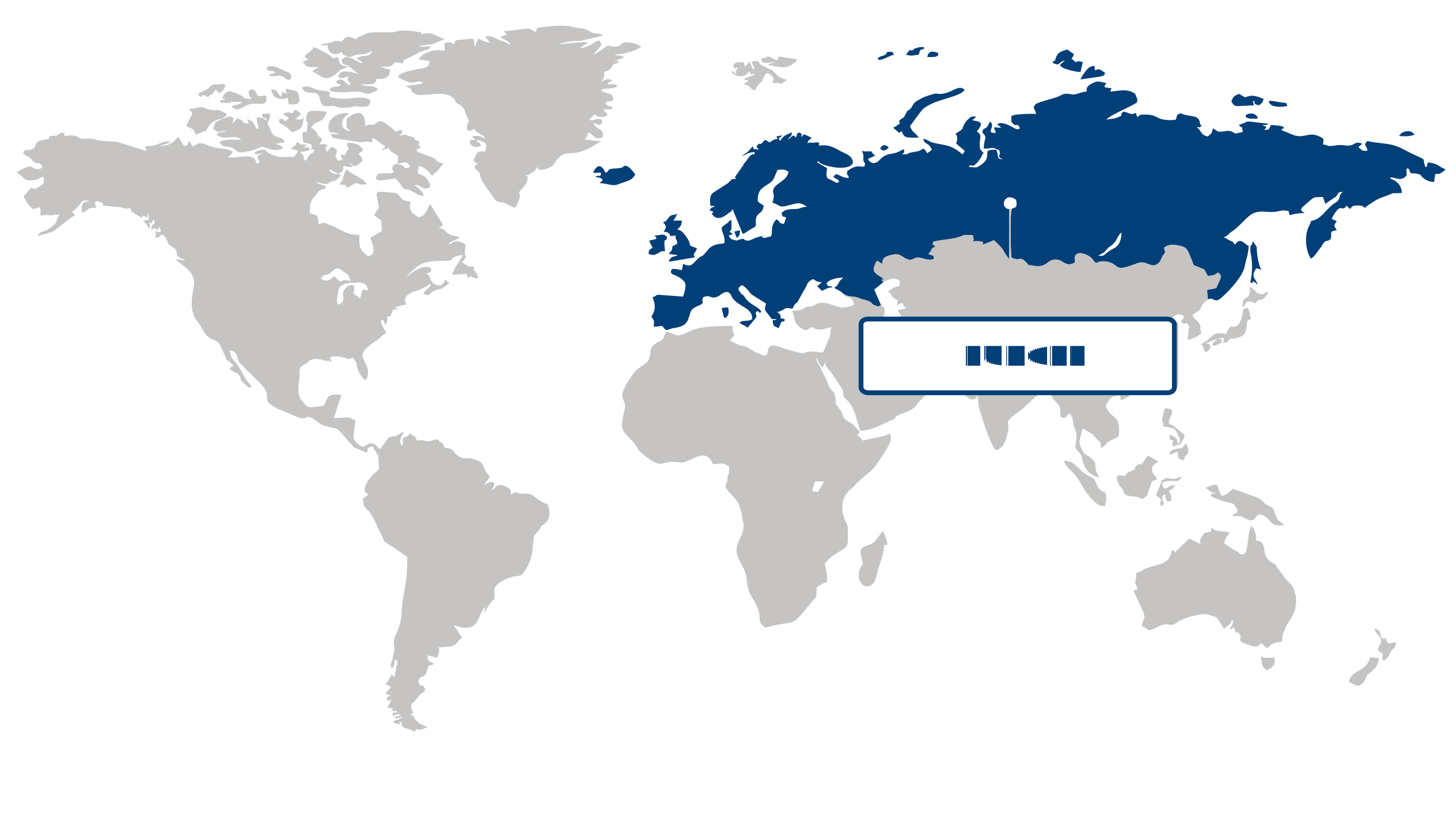
Europe (Largest Region)
Europe held the largest share of the induction cooktops market in 2026, accounting for 35.42% of the market, supported by strong consumer preference for energy-efficient kitchen appliances, growing awareness of sustainable cooking technologies, and widespread adoption of modern residential cooking solutions. The region’s emphasis on energy conservation and efficient household appliances continues to encourage consumers to transition from conventional cooking systems to induction technology. Demand is further supported by the expansion of smart and technologically advanced kitchen appliances, rising renovation and modernization of residential spaces, and increasing interest in appliances that offer precise temperature control, enhanced safety, and convenient operation.
Asia Pacific (Fastest-Growing Region)
Asia Pacific is expected to register the fastest growth in the induction cooktops market during the forecast period, impelled by rapid urbanization, expanding middle-class populations, and increasing household spending on modern kitchen appliances. Growing awareness of energy-efficient cooking technologies and the increasing penetration of organized retail and e-commerce are making induction cooktops more accessible across developing economies. Rising residential construction, changing lifestyles, and greater demand for convenient cooking solutions are also contributing to market expansion. In addition, technological advancements, improving product affordability, and the growing adoption of compact appliances in urban households are expected to strengthen demand across the region.
| Parameter | North America | Asia Pacific | Europe | Latin America | MEA |
|---|---|---|---|---|---|
| Innovation HubiScaleNascentDeveloping Advanced | |||||
| Cost-Sensitive RegioniScaleLowMedium High | |||||
| Regulatory EnvironmentiScaleRestrictiveNeutral Supportive | |||||
| Demand DriversiScaleWeakModerate Strong | |||||
| Development StageiScaleEmergingDeveloping Developed | |||||
| Adoption RateiScaleLowMedium High | |||||
| New Entrants / StartupsiScaleSparseModerate Dense | |||||
| Macro IndicatorsiScaleWeakStable Strong |
Key Country Insights
United States 🇺🇸
Premium Kitchen ElectrificationThe U.S. induction cooktops market is shaped by premium kitchen upgrades, energy-conscious appliance choices, and replacement of conventional cooking technologies. Manufacturers are emphasizing precise temperature control, integrated ventilation, connected features, and flexible cooking zones to strengthen adoption among homeowners and professional-style kitchen buyers.
Germany 🇩🇪
Efficiency-Led AppliancesGermany’s induction cooktops market prioritizes energy efficiency, engineering quality, safety, and seamless kitchen integration. Appliance manufacturers focus on precise controls, durable surfaces, flexible cooking zones, and smart-home compatibility, while built-in solutions remain important for modern kitchen renovation and premium appliance purchasing.
Japan 🇯🇵
Compact Cooking InnovationJapan emphasizes space-efficient, precise, and multifunctional induction cooking solutions suited to compact kitchens. Manufacturers prioritize compact form factors, rapid heating, safety features, intuitive controls, and integration with broader cooking appliances, supporting product development that combines convenience with sophisticated thermal management.
South Korea 🇰🇷
Smart Kitchen IntegrationSouth Korea’s induction cooktops market is increasingly connected to smart-home ecosystems and premium kitchen appliances. Manufacturers prioritize sleek built-in designs, intelligent controls, remote connectivity, precise heating, and multifunctional cooking capabilities, creating differentiation through both appliance performance and digitally enabled household convenience.
France 🇫🇷
Integrated Kitchen DesignFrance’s induction cooktops market emphasizes elegant appliance integration, cooking precision, and premium kitchen aesthetics. Manufacturers and kitchen suppliers prioritize flush-mounted designs, intuitive controls, flexible cooking zones, and advanced safety functions, aligning induction technology with renovation projects and consumers seeking both culinary performance and visual coherence.
Italy 🇮🇹
Design-Centric Cooking SystemsItaly’s induction cooktops market combines appliance functionality with strong emphasis on kitchen design and aesthetics. Product priorities include slim profiles, premium finishes, intuitive controls, flexible cooking configurations, and integrated ventilation, enabling manufacturers to differentiate induction systems as both high-performance cooking equipment and architectural kitchen elements.
Induction Cooktops Market Share (%), by Product, 2026
Go beyond the chart, access full insights & data tables
Request Free Sample ReportProduct Segment Analysis: Built-in (Largest & Fastest-Growing Segment)
The built-in product segment accounted for the largest share of 61.54% in the induction cooktops market in 2026 and is also projected to grow at the fastest pace. Built-in induction cooktops are increasingly preferred in modern kitchens because they offer a sleek, integrated appearance while making efficient use of countertop space. Their flush installation complements contemporary kitchen designs and supports a more organized cooking environment, which is particularly relevant for newly constructed homes and renovated kitchens. These cooktops also provide precise temperature control, rapid heating, and easier surface cleaning compared with conventional cooking appliances, strengthening their appeal among consumers seeking convenience and energy efficiency. Growing interest in premium kitchen layouts, integrated appliances, and space-efficient cooking solutions is expected to further support demand for built-in induction cooktops. Their functional performance, aesthetic integration, and modern cooking features position the segment as an important contributor to the continued expansion of the product category.
Application Segment Analysis: Household (Largest & Fastest-Growing Segment)
The household application segment represents the largest and fastest-growing segment in the induction cooktops market in 2026, supported by increasing adoption of efficient and convenient cooking appliances in residential kitchens. Induction cooktops provide rapid heating, precise temperature adjustment, and a smooth cooking surface that can be cleaned easily, making them suitable for everyday household use. Rising consumer interest in modern kitchen appliances is encouraging households to replace conventional cooking equipment with technologies that offer improved control and energy efficiency. The compact and streamlined design of induction cooktops also fits well with contemporary residential kitchens, including apartments and space-constrained homes. In addition, growing awareness of cooking safety and the benefits of controlled heating is contributing to household acceptance, while ongoing kitchen modernization and renovation activity creates additional opportunities for adoption. These factors collectively strengthen the role of household applications in driving demand for induction cooking solutions.
Distribution Channel Segment Analysis: Specialty Stores (Largest Segment) vs Online (Fastest-Growing Segment)
The specialty stores segment holds the largest share of the induction cooktops market in 2026, supported by the importance of physical product evaluation when purchasing kitchen appliances. Specialty stores allow consumers to compare different cooktop designs, installation configurations, features, and operating controls in person before making a purchase decision. Customers can also receive guidance from sales personnel regarding product suitability, kitchen compatibility, installation requirements, and operating features, which is particularly valuable for built-in appliances. The ability to assess product quality directly and obtain service-related assistance strengthens the relevance of specialty retail for induction cooktops. Established purchasing habits and the preference for personalized support when selecting higher-value kitchen equipment further contribute to the segment's strong position.
The online distribution channel is projected to grow at the fastest pace as consumers increasingly use digital platforms to research and purchase household appliances. Online channels provide convenient access to a broad range of induction cooktops, enabling customers to compare specifications, designs, features, and pricing without visiting multiple physical stores. Detailed product information, customer reviews, delivery services, and flexible purchasing options further simplify the buying process. The expansion of e-commerce and increasing consumer familiarity with purchasing appliances digitally are supporting this transition. Online distribution is particularly well positioned to benefit from growing demand for modern kitchen products as consumers increasingly value convenience, product choice, and easy access to information throughout the purchasing journey.
| Segment | Sub-Segment | Largest Segment | Fastest Growing |
|---|---|---|---|
| Product | Built-in, Free-standing | Built-in | Built-in |
| Application | Household, Commercial | Household | Household |
| Distribution Channel | Hypermarkets and Supermarkets, Specialty Stores, Online | Specialty Stores | Online |
Unlock insights tailored to your business with our bespoke market research solutions.
Click to get your customized report now.
Competitive Landscape and Market Positioning
Analyst Perspective:
Competitive positioning in the induction cooktops market reflects the ability to combine precise cooking performance with safety, convenience, and format-specific design. Inverter electronics and responsive power regulation help manufacturers differentiate their products through stable low-heat operation, consistent performance, and improved control across cooking tasks. Safety sensors and automatic cut-off mechanisms provide another important point of distinction, with detection reliability and appropriate responses to abnormal conditions influencing user confidence. Connected cooking features create opportunities for premium differentiation, although their appeal depends on practical functionality, dependable applications, and compatibility with other devices. Product architecture also varies by target household, as built-in models prioritize kitchen integration and cooking capacity, while portable units address space constraints and flexible use. Manufacturers must align these features with usability and consumer priorities.
Major players in the induction cooktops market:
- Bosch (Germany)
- Whirlpool (USA)
- LG Electronics (South Korea)
- Samsung Electronics (South Korea)
- Electrolux (Sweden)
- Panasonic (Japan)
- Midea Group (China)
- Haier (China)
- Philips (Netherlands)
- Arçelik (Turkey)
| Company | Market Share | Company Revenue | Revenue CAGR (%) | Product Portfolio | Geographic Presence | Innovation / R&D Focus | Strategic Developments |
|---|---|---|---|---|---|---|---|
| Bosch (Germany) | |||||||
| Whirlpool (USA) | |||||||
| LG Electronics (South Korea) | |||||||
| Samsung Electronics (South Korea) | |||||||
| Electrolux (Sweden) | |||||||
| Panasonic (Japan) | |||||||
| Midea Group (China) | |||||||
| Haier (China) | |||||||
| Philips (Netherlands) | |||||||
| Arçelik (Turkey) |
Industry Development/News
| Company Name | Date | Key Development |
|---|---|---|
| Pringle Homeware | August 2026 | Pringle Homeware announced an Rs 80 crore capital expenditure initiative to expand its production capabilities, supporting a long-term revenue target of Rs 350 crore by FY29 and strengthening overall operational footprint. |
| Stovekraft | July 2026 | Stovekraft expanded its commercial product portfolio with the launch of the Pigeon ENDURO heavy-duty induction cooktop and Pigeon EGNITE infrared cooktop, targeting institutional kitchens, caterers, and restaurants seeking energy efficiency. |
| Summercool | July 2026 | Summercool committed an investment of Rs 350 crore toward new manufacturing facilities to diminish reliance on outsourcing, scale production capabilities, and facilitate entry into new product categories. |
| Ekkaa Electronics | October 2025 | Ekkaa Electronics secured ₹108 crore in Series A funding to scale its electronics manufacturing infrastructure, enhance research and development, and prepare for a prospective public offering by 2027. |
| Cellecor Gadgets | June 2025 | Cellecor Gadgets announced its strategic diversification into the small-appliances sector, introducing a line of kitchen products including induction cooktops with an anticipated annual revenue contribution of Rs 100 crore. |
| SPRING USA | July 2024 | SPRING USA attained the status of the first certified commercial induction cooktop partner under the EPA ENERGY STAR program, establishing energy-efficiency benchmarks for commercial foodservice induction equipment. |
| Electrolux Professional Group | April 2024 | Electrolux Professional Group acquired French induction cooking manufacturer Adventys for approximately USD 23.9 million, bolstering its horizontal cooking portfolio and advancing internal sustainable induction technology development. |
| Midea | January 2023 | Midea launched the Celestial Flex Series, pioneering the integration of the Ki wireless power standard to enable appliances like blenders and kettles to draw power cordlessly via electromagnetic induction cooktops. |
Customize Your Report
Explore examples of how this report can be tailored to different research needs, including custom segments, additional topics or chapters, and related reports. Click a section of the wheel or its numbered marker to explore the available options.
Induction Cooktops Market — Custom Segments
| Segment | Sub-Segment |
|---|---|
| Number of Cooking Zones | Single Zone, Two Zones, Three Zones, Four Zones, Five or More Zones |
| Control Interface | Touch Controls, Slider Controls, Knob Controls, Integrated Smart Controls |
| Smart Connectivity | Non-Connected, Wi-Fi Connected, Bluetooth Connected, Wi-Fi and Bluetooth Connected |
Induction Cooktops Market — Custom TOC
| Custom Chapter | Chapter Details |
|---|---|
| Kitchen Electrification Adoption |
|
| Total Cost of Ownership Assessment |
|
| Utility Incentive & Energy Policy Impact |
|
Need a different cut of the data?
Request Custom ResearchFrequently Asked Questions
What is the estimated worth of the induction cooktops market?
How will the induction cooktops industry grow in terms of size and CAGR by 2036?
Which consumer and residential trends are accelerating induction cooktop adoption?
How is smart technology influencing investment in induction cooktops?
Why do built-in induction cooktops dominate the market?
How is online retail changing induction cooktop purchasing behavior?
Why does Europe hold the largest share of the induction cooktops market?
How is Asia Pacific creating new growth opportunities in the induction cooktops market?
What are the key competitors in the induction cooktops landscape?
Our Clients
"The report provided us with a clear direction, and the level of detail was beyond what we expected. I would definitely recommend their services to others."
Haier Appliances
"The collaboration with Fundamental Business Insights has added significant value to our decision-making process, and we look forward to continuing this partnership for our future market research requirements."
Luxottica Group S.p.A.
"The team at FBI delivered an exceptional research report. The insights on industry innovations were particularly impressive and added a lot of value to the overall report."
Nike
Our Research Team & Methodology
Every Fundamental Business Insights report is built by a dedicated vertical research team, validated through a structured primary-and-secondary methodology, and reviewed for accuracy before it reaches you.
This report was prepared by the Consumer Goods & Services Research Team at Fundamental Business Insights, a dedicated research group specializing in global consumer markets, retail industries, and service-oriented businesses. The team closely tracks evolving consumer preferences, purchasing behavior, product innovation, brand strategies, retail and e-commerce developments, pricing trends, distribution channels, sustainability initiatives, demographic shifts, and changing lifestyle patterns to deliver timely and reliable market intelligence. The research is developed using a structured methodology that combines primary discussions with manufacturers, brand owners, retailers, distributors, service providers, industry experts, and other key stakeholders, along with company annual reports, government consumer statistics, regulatory publications, industry associations, retail market data, trade publications, and other authoritative secondary sources. Market estimates are validated through multiple research techniques, including top-down and bottom-up analysis, before undergoing an internal quality review to ensure accuracy, consistency, and methodological integrity prior to publication.
Delivery
Published
Available
Support
- Market Size & Forecast
- Market Segmentation
- Regional Analysis
- Growth Drivers & Challenges
- Market Dynamics
- Competitive Landscape
- Company Profiles
- Competitive Benchmarking
- Mergers & Acquisitions
- Market Share Analysis or Key Company Strategies
- Value Chain Analysis
- Porter's Five Forces
- PESTLE Analysis
- Pricing Trends
- Supply-Demand Analysis
- Technology Landscape
- Regulatory Landscape
- Investment & Funding Landscape
- Emerging Opportunities
- Future Market Outlook