Industrial ORC Waste Heat to Power Market Size & Growth Forecast 2027–2036, By Segments (Application), Regional Demand Trends (North America, Asia Pacific, Europe), Key Country Insights (U.S., Japan, South Korea, Germany, France, Italy), and Competitive Landscape
Jump to Content
Market Size and Growth Outlook
Industrial ORC Waste Heat to Power Market size was assessed at USD 6.58 billion in 2026 and is poised to grow at a 11.44% CAGR between 2027 and 2036, crossing USD 19.44 billion by 2036. The industry revenue for 2027 is calculated at USD 7.23 billion.
Get more details on this report
Request Free Sample ReportIndustrial ORC Waste Heat to Power Market Intelligence Snapshot
Regional Market Dynamics
- Europe leads through its focus on industrial energy efficiency, decarbonization, and thermal energy recovery, supported by mature industrial infrastructure and demand for integrating electricity generation into existing facilities.
- Asia Pacific is growing fastest as industrialization and energy-intensive manufacturing increase waste heat recovery opportunities, encouraging facilities to improve energy utilization, operational efficiency, and lower-emission production.
Segment Momentum
- Oil and gas represents the largest and fastest-growing application, supported by recoverable heat from refining, processing, and compression. ORC systems convert waste heat into electricity, improving energy utilization and reducing dependence on externally supplied power.
Market Expansion Drivers
- Industrial waste heat recovery projects.
- Energy efficiency regulations.
- Distributed power generation adoption.
Leading Market Participants
- Top companies in the industrial ORC waste heat to power market include Turboden (Italy), Ormat Technologies (USA), Mitsubishi Heavy Industries (Japan), Exergy International (Italy), Siemens Energy (Germany), GE Vernova (USA), Enogia (France), Kaishan Group (China), Bosch Thermotechnology (Germany), MAN Energy Solutions (Germany).
Global Market Forecast Snapshot
Market Outlook
- 2026 Market Size: USD 6.58 billion
- 2027 Estimated Market Size: USD 7.23 billion
- Projected Market Size: USD 19.44 billion by 2036
- Growth Forecast: 11.44% CAGR (2027-2036)
Regional and Segment Outlook
- Leading Regional Market: Europe
- High-Growth Regional Hub: Asia Pacific
- Core Revenue Segment: Application (Oil & Gas)
- Emerging Opportunity Segment: Application (Oil & Gas)
Market Growth Drivers and Industry Trends
Industrial waste heat recovery projects
Increasing focus on recovering energy from industrial processes is driving the adoption of organic rankine cycle systems for converting waste heat into useful electricity. Industrial facilities in sectors such as manufacturing, chemicals, metals, and processing generate substantial amounts of heat that can otherwise remain underutilized. ORC technology enables facilities to capture suitable low- and medium-temperature heat sources and convert them into power, improving overall energy utilization while supporting efforts to reduce operating costs and enhance plant efficiency.
Energy efficiency regulations
Growing emphasis on industrial energy efficiency and environmental performance is encouraging facilities to adopt technologies that reduce energy losses and improve resource utilization. Energy efficiency regulations and sustainability requirements are prompting industrial operators to evaluate waste heat recovery as part of broader strategies for reducing energy consumption and emissions. ORC systems can support these objectives by converting otherwise wasted thermal energy into electricity, making them increasingly relevant for facilities seeking to improve energy performance while complying with evolving efficiency requirements.
Distributed power generation adoption
Increasing adoption of distributed power generation is supporting interest in technologies that can produce electricity close to the point of energy consumption. Industrial ORC systems can generate power from locally available waste heat, reducing dependence on centralized electricity sources and improving energy resilience within industrial facilities. The ability to integrate waste heat recovery with existing operations makes ORC technology particularly suitable for facilities seeking greater energy independence, improved utilization of process heat, and more flexible on-site power generation.
| Growth Driver | Impact on CAGR | Regulatory Influence | Geographic Relevance | Adoption Rate | Impact Timeline |
|---|---|---|---|---|---|
| Industrial waste heat recovery projects | 3.5% | Short term (≤ 2 yrs) | Europe; Asia Pacific | Medium | Moderate |
| Energy efficiency regulations | 3% | Medium term (2–5 yrs) | Europe; North America | High | Moderate |
| Distributed power generation adoption | 2% | Long term (5+ yrs) | Asia Pacific; Europe | Medium | Slow |
Explore Growth Opportunities
Request Free Sample ReportRegional Demand Dynamics
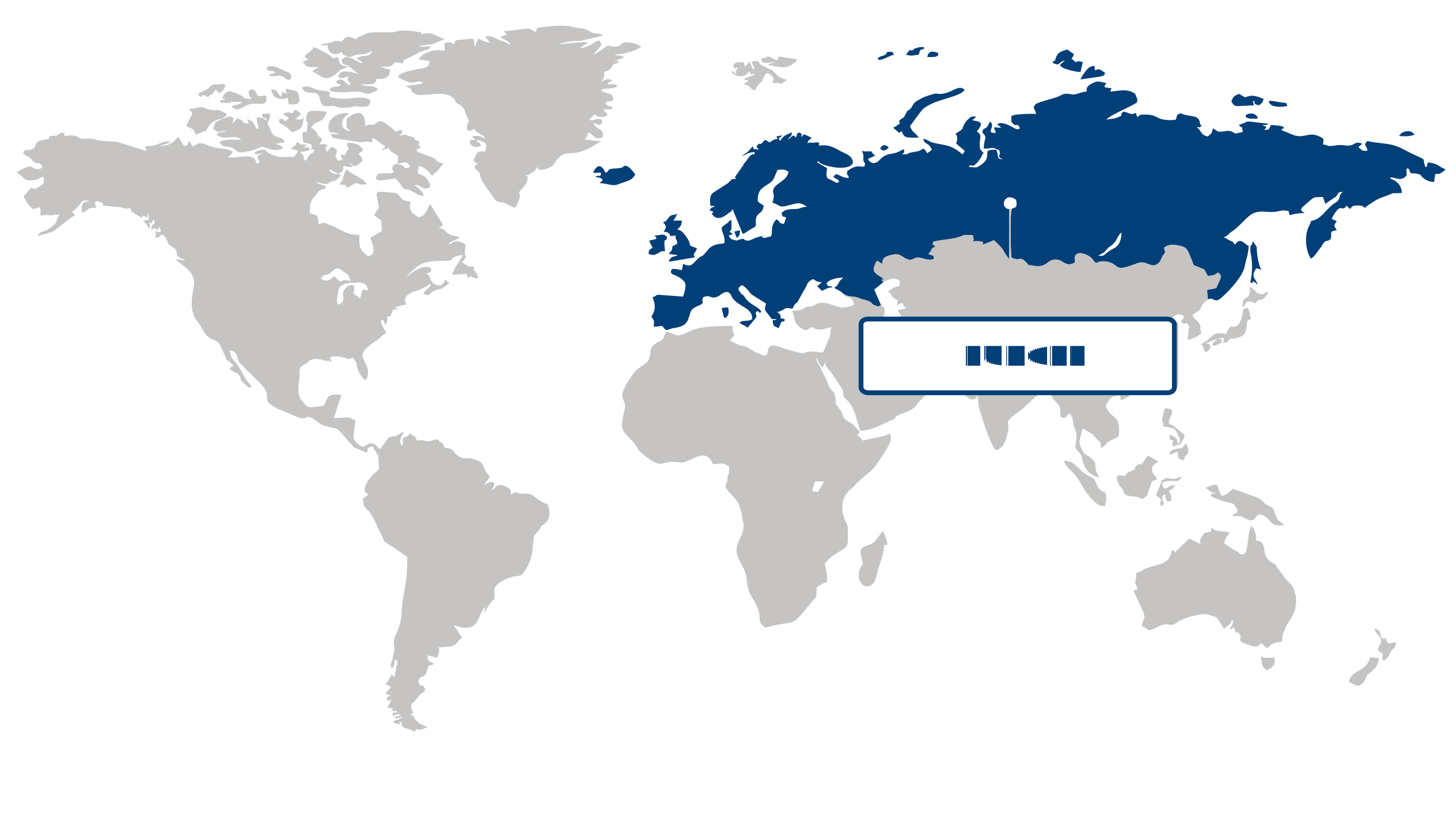
Europe (Largest Region)
Europe held the largest share in 2026 in the industrial ORC waste heat to power market, reflecting the region’s strong focus on industrial energy efficiency, decarbonization, and recovery of otherwise unused thermal energy. Industrial facilities are increasingly adopting technologies that can convert waste heat into useful electricity, particularly in sectors where continuous thermal processes generate substantial recoverable heat. Europe’s emphasis on improving energy utilization and reducing industrial emissions is supporting greater consideration of ORC-based systems as part of broader efficiency and sustainability strategies. The region’s mature industrial infrastructure and focus on integrating energy recovery into existing facilities are further creating opportunities for ORC installations across heat-intensive applications.
Asia Pacific (Fastest-Growing Region)
Asia Pacific is the fastest-growing region in the industrial ORC waste heat to power market, supported by rapid industrialization, expanding manufacturing capacity, and increasing demand for efficient energy management. Growth across energy-intensive industries is generating substantial opportunities to recover waste heat from industrial processes and convert it into supplementary power. Manufacturers are increasingly exploring waste heat recovery as a way to improve overall energy utilization, strengthen operational efficiency, and reduce dependence on conventional power sources. Expanding industrial infrastructure, rising emphasis on energy conservation, and broader adoption of technologies that support lower-emission production are creating favorable conditions for ORC-based power generation, particularly in facilities with continuous and high-temperature process operations.
| Parameter | North America | Asia Pacific | Europe | Latin America | MEA |
|---|---|---|---|---|---|
| Innovation HubiScaleNascentDeveloping Advanced | |||||
| Cost-Sensitive RegioniScaleLowMedium High | |||||
| Regulatory EnvironmentiScaleRestrictiveNeutral Supportive | |||||
| Demand DriversiScaleWeakModerate Strong | |||||
| Development StageiScaleEmergingDeveloping Developed | |||||
| Adoption RateiScaleLowMedium High | |||||
| New Entrants / StartupsiScaleSparseModerate Dense | |||||
| Macro IndicatorsiScaleWeakStable Strong |
Key Country Insights
United States 🇺🇸
Distributed Energy RecoveryThe U.S. industrial ORC waste heat to power market is positioned around recovering usable electricity from industrial heat sources that would otherwise be lost. Commercial priorities include integration with existing processes, reliable operation, and improving energy utilization without requiring major changes to core production systems.
Germany 🇩🇪
Industrial Efficiency IntegrationGermany’s industrial ORC waste heat to power market is supported by strong attention to industrial energy efficiency and process optimization. Adoption priorities center on integrating ORC systems with suitable heat sources, maximizing recovered energy, and maintaining dependable plant operations while reducing the amount of useful heat released unused.
Japan 🇯🇵
Process Heat OptimizationJapan’s industrial ORC waste heat to power market emphasizes efficient utilization of available process heat within industrial facilities. Operators value compact, reliable systems that can be integrated with existing equipment and convert otherwise underutilized thermal energy into useful power without disrupting established manufacturing operations.
South Korea 🇰🇷
Factory Energy RecoverySouth Korea’s industrial ORC waste heat to power market is shaped by industrial facilities seeking greater value from existing thermal processes. Commercial interest focuses on practical heat-source integration, dependable power generation, and efficient plant operation, particularly where recovered energy can complement existing industrial electricity requirements.
France 🇫🇷
Low-Carbon Heat UtilizationFrance’s industrial ORC waste heat to power market focuses on converting recoverable industrial heat into useful electricity while improving overall process efficiency. Market priorities include technically suitable heat-source matching, reliable system integration, and solutions that help industrial operators make better use of thermal energy already generated during production.
Italy 🇮🇹
Industrial Heat ValorizationItaly’s industrial ORC waste heat to power market is centered on extracting additional value from industrial heat streams. Operators prioritize systems that can be fitted to existing processes, operate reliably under variable conditions, and improve energy utilization by converting suitable waste heat into electricity for on-site industrial needs.
Industrial ORC Waste Heat to Power Market Share (%), by Application, 2026
Go beyond the chart, access full insights & data tables
Request Free Sample ReportApplication Segment Analysis: Oil & Gas (Largest & Fastest-Growing Segment)
The oil & gas segment accounted for the largest share of the industrial ORC waste heat to power market in 2026 and is also expected to grow at the fastest pace, driven by the substantial availability of recoverable waste heat across refining, processing, compression, and other energy-intensive operations. Organic rankine cycle systems can convert relatively low- and medium-temperature waste heat into useful electricity, allowing oil and gas facilities to improve overall energy utilization without requiring additional primary fuel for power generation. The continuous operation of many oil and gas facilities creates a consistent source of thermal energy that can be recovered through ORC technology, supporting reliable onsite electricity generation. Growing emphasis on reducing energy losses and improving operational efficiency is further encouraging the adoption of waste heat recovery systems. In addition, facilities are increasingly seeking technologies that can reduce dependence on externally supplied electricity while lowering the environmental impact associated with conventional power generation. The modular and adaptable nature of ORC systems also supports their integration into existing industrial processes with limited disruption. As oil and gas operators prioritize energy optimization, emissions reduction, and efficient utilization of existing resources, demand for ORC waste heat-to-power solutions is expected to remain strong in this application.
| Segment | Sub-Segment | Largest Segment | Fastest Growing |
|---|---|---|---|
| Application | Oil & Gas, Cement, Glass, Steel & Metals, Others | Oil & Gas | Oil & Gas |
Unlock insights tailored to your business with our bespoke market research solutions.
Click to get your customized report now.
Competitive Landscape and Market Positioning
Analyst Perspective:
The industrial ORC waste heat to power market is shaped by the ability to convert site-specific thermal resources into economically viable electricity generation. Recovery of low-temperature heat offers opportunities where conventional power generation approaches may be unsuitable, but project feasibility depends on heat availability, temperature stability, and integration costs. Working-fluid selection and cycle configuration influence conversion efficiency, operating conditions, and equipment requirements, requiring solutions to be matched to individual industrial processes. Expander design adds another competitive dimension, particularly where compact equipment and maintenance considerations affect retrofit feasibility. Modular architectures can provide flexibility in matching system capacity to available heat and investment constraints, although installation and balance-of-plant requirements remain important. Suppliers that align thermal performance, equipment reliability, integration flexibility, and lifecycle economics with actual operating conditions can present a more compelling proposition to industrial customers.
Key companies in the industrial ORC waste heat to power market:
- Turboden (Italy)
- Ormat Technologies (USA)
- Mitsubishi Heavy Industries (Japan)
- Exergy International (Italy)
- Siemens Energy (Germany)
- GE Vernova (USA)
- Enogia (France)
- Kaishan Group (China)
- Bosch Thermotechnology (Germany)
- MAN Energy Solutions (Germany)
| Company | Market Share | Company Revenue | Revenue CAGR (%) | Product Portfolio | Geographic Presence | Innovation / R&D Focus | Strategic Developments |
|---|---|---|---|---|---|---|---|
| Turboden (Italy) | |||||||
| Ormat Technologies (USA) | |||||||
| Mitsubishi Heavy Industries (Japan) | |||||||
| Exergy International (Italy) | |||||||
| Siemens Energy (Germany) | |||||||
| GE Vernova (USA) | |||||||
| Enogia (France) | |||||||
| Kaishan Group (China) | |||||||
| Bosch Thermotechnology (Germany) | |||||||
| MAN Energy Solutions (Germany) |
Customize Your Report
Explore examples of how this report can be tailored to different research needs, including custom segments, additional topics or chapters, and related reports. Click a section of the wheel or its numbered marker to explore the available options.
Industrial ORC Waste Heat to Power Market — Custom Segments
| Segment | Sub-Segment |
|---|---|
| Waste Heat Source | Flue Gas, Engine & Turbine Exhaust, Process Heat, Waste Steam |
| System Capacity | Small-Scale, Medium-Scale, Large-Scale |
| Commercial Model | Equipment Sales, Turnkey Projects, Build-Own-Operate, Energy-as-a-Service |
Industrial ORC Waste Heat to Power Market — Custom TOC
| Custom Chapter | Chapter Details |
|---|---|
| Waste Heat Recovery Project Economics |
|
| Site Suitability & Opportunity Mapping |
|
| Project Bankability Assessment |
|
Need a different cut of the data?
Request Custom ResearchFrequently Asked Questions
How large is the industrial ORC waste heat to power market?
How will the industrial ORC waste heat to power industry grow in terms of size and CAGR by 2036?
How are industrial energy-efficiency priorities accelerating adoption of ORC waste heat recovery?
Why is distributed power generation strengthening demand for industrial ORC systems?
Why does the oil and gas industry lead the industrial ORC waste heat to power market?
Why does Europe lead the industrial ORC waste heat to power market?
How is Asia Pacific accelerating adoption of industrial ORC waste heat to power systems?
What are the key competitors in the industrial ORC waste heat to power landscape?
Our Clients
"The information presented in the report was genuinely insightful. The data was clear and easy to understand, which made it much easier to interpret the findings."
Amara Raja Group
"The responsiveness and professionalism exhibited by the team were exemplary. They were readily available to address queries, provide clarifications, and offer additional insights."
ONGC
"The reports offered a comprehensive analysis of various segments within the market. The detailed insights into market trends, and regulatory landscapes were excellent."
TotalEnergies
Our Research Team & Methodology
Every Fundamental Business Insights report is built by a dedicated vertical research team, validated through a structured primary-and-secondary methodology, and reviewed for accuracy before it reaches you.
This report was prepared by the Energy & Power Research Team at Fundamental Business Insights, a dedicated research group specializing in global energy markets, power generation technologies, and energy infrastructure. Our analysts continuously monitor developments in renewable energy, conventional power generation, grid modernization, energy storage, transmission and distribution infrastructure, decarbonization initiatives, regulatory policies, energy investments, and evolving electricity demand across residential, commercial, and industrial sectors to deliver timely and reliable market intelligence. The research is developed using a structured methodology that combines primary discussions with utility companies, equipment manufacturers, technology providers, project developers, energy consultants, and industry experts, along with company annual reports, government energy statistics, regulatory publications, industry associations, technical publications, and other authoritative secondary sources. Market estimates are validated through multiple research techniques, including top-down and bottom-up analysis, before undergoing an internal quality review to ensure accuracy, consistency, and methodological integrity prior to publication.
Delivery
Published
Available
Support
- Market Size & Forecast
- Market Segmentation
- Regional Analysis
- Growth Drivers & Challenges
- Market Dynamics
- Competitive Landscape
- Company Profiles
- Competitive Benchmarking
- Mergers & Acquisitions
- Market Share Analysis or Key Company Strategies
- Value Chain Analysis
- Porter's Five Forces
- PESTLE Analysis
- Pricing Trends
- Supply-Demand Analysis
- Technology Landscape
- Regulatory Landscape
- Investment & Funding Landscape
- Emerging Opportunities
- Future Market Outlook