



Luxury Travel Market Size & Growth Forecast 2027–2036, By Segments (Age Group, Tour), Regional Demand Trends (North America, Asia Pacific, Europe), Key Country Insights (U.S., Japan, South Korea, Germany, France, Italy), and Competitive Landscape
Market Size and Growth Outlook
Luxury Travel Market size was worth USD 1.7 trillion in 2026 and is expected to grow at a 8.08% CAGR between 2027 and 2036, exceeding USD 3.7 trillion by 2036. The industry revenue for 2027 is calculated at USD 1.82 trillion.
Base Year Value (2026)
USD 1.7 trillion
CAGR (2027-2036)
8.08%
Forecast Year Value (2036)
USD 3.7 trillion

Historical Data Period
2022-2026

Largest Region
Europe

Forecast Period
2027-2036
Luxury Travel Market Intelligence Snapshot:
-
Regional Market Dynamics:
- Europe leads with 36.10% share due to dense luxury destinations, strong hospitality infrastructure, seamless cross-border travel, and established premium travel brands and services.
- Asia Pacific grows at 8.93% CAGR driven by rising demand for premium leisure travel, expanding luxury resorts, personalized experiences, and increasing intra-regional tourism flows.
-
Segment Momentum:
- The 41–60 years segment held a 45.43% share in 2026, supported by higher spending capacity and demand for personalized itineraries, premium accommodations, longer trips, and exclusive travel experiences.
- Culinary Travel & Shopping is growing fastest as affluent travelers increasingly prioritize authentic food, local culture, and premium retail experiences through personalized, city-based itineraries tailored to individual preferences.
-
Market Expansion Drivers:
- Rising demand for personalized and private travel experiences accelerating premium tourism spending.
- Growing popularity of adventure and cultural immersion tours strengthening experiential luxury travel demand.
- Increasing adoption of multi-destination micro trips expanding customized itinerary service offerings.
-
Leading Market Participants:
Key companies in the luxury travel market include Abercrombie & Kent USA, LLC (United States), TUI Group (Germany), Lindblad Expeditions Holdings, Inc. (United States), Scott Dunn Ltd (United Kingdom), Micato Safaris (Kenya), Butterfield & Robinson Inc. (Canada), Travel Edge (Canada), Exodus Travels Limited (United Kingdom).
Global Market Forecast Snapshot:
-
Market Outlook:
- 2026 Market Size: USD 1.7 trillion
- 2027 Estimated Market Size: USD 1.82 trillion.
- Projected Market Size: USD 3.7 trillion by 2036
- Growth Forecasts: 8.08% CAGR (2027-2036)
-
Regional and Segment Outlook:
- Leading Regional Market: Europe
- High-Growth Regional Hub: Asia Pacific
- Core Revenue Segment: 41-60 Years (Age Group) | Safari & Adventure (Tour)
- Emerging Opportunity Segment: 21-30 Years (Age Group) | Culinary Travel & Shopping (Tour)
Market Growth Drivers and Industry Trends
Rising demand for personalized and private travel experiences accelerating premium tourism spending
The luxury travel market is being strengthened by affluent travelers seeking highly personalized journeys, private accommodations, exclusive transportation, and services tailored to individual preferences. Instead of standardized holiday packages, premium travelers increasingly value privacy, flexibility, bespoke itineraries, and dedicated hospitality services that provide greater control over the travel experience. Private villas, personalized excursions, premium transfers, and customized dining arrangements allow travelers to align trips with their interests, schedules, and comfort expectations. Travel providers are responding by developing highly curated offerings that combine exclusivity with individualized service, encouraging greater spending on premium tourism experiences.
Growing popularity of adventure and cultural immersion tours strengthening experiential luxury travel demand
A growing preference for meaningful and immersive experiences is reshaping the luxury travel market, as travelers increasingly seek adventure, heritage, local culture, and distinctive destination experiences alongside premium accommodation and services. Luxury consumers are showing greater interest in activities such as private cultural tours, nature-based excursions, culinary experiences, and carefully managed adventure journeys that provide deeper engagement with destinations. High-end travel operators can combine these experiences with premium transportation, specialized guides, exclusive access, and upscale lodging, allowing travelers to pursue exploration without sacrificing comfort. This combination of authenticity, exclusivity, and convenience is increasing demand for experiential forms of luxury tourism.
Increasing adoption of multi-destination micro trips expanding customized itinerary service offerings
The growing use of shorter trips covering multiple destinations is creating new opportunities within the luxury travel market, particularly as travelers seek to maximize experiences within flexible travel schedules. Multi-destination micro trips allow consumers to combine several cities, resorts, cultural attractions, or leisure activities within a customized journey rather than committing to a single-location vacation. Travel providers are therefore expanding itinerary planning services that coordinate premium accommodation, private transfers, guided experiences, and destination-specific activities across different locations. The ability to modify trip duration, destinations, activities, and service levels enables luxury travelers to build highly individualized journeys around their available time and personal interests.
| Growth Driver Assessment Framework | |||||
| Growth Driver | Impact On CAGR | Regulatory Influence | Geographic Relevance | Adoption Rate | Impact Timeline |
|---|---|---|---|---|---|
| Rising demand for personalized and private travel experiences accelerating premium tourism spending | 1.90% | Low | Europe, North America | High | Near Term |
| Growing popularity of adventure and cultural immersion tours strengthening experiential luxury travel demand | 1.60% | Low | Asia Pacific, Africa, Europe | High | Mid Term |
| Increasing adoption of multi-destination micro trips expanding customized itinerary service offerings | 1.30% | Low | Europe, Asia Pacific | Emerging | Mid Term |
Unlock insights tailored to your business with our bespoke market research solutions - Click to get your customized report now!
Regional Demand Dynamics
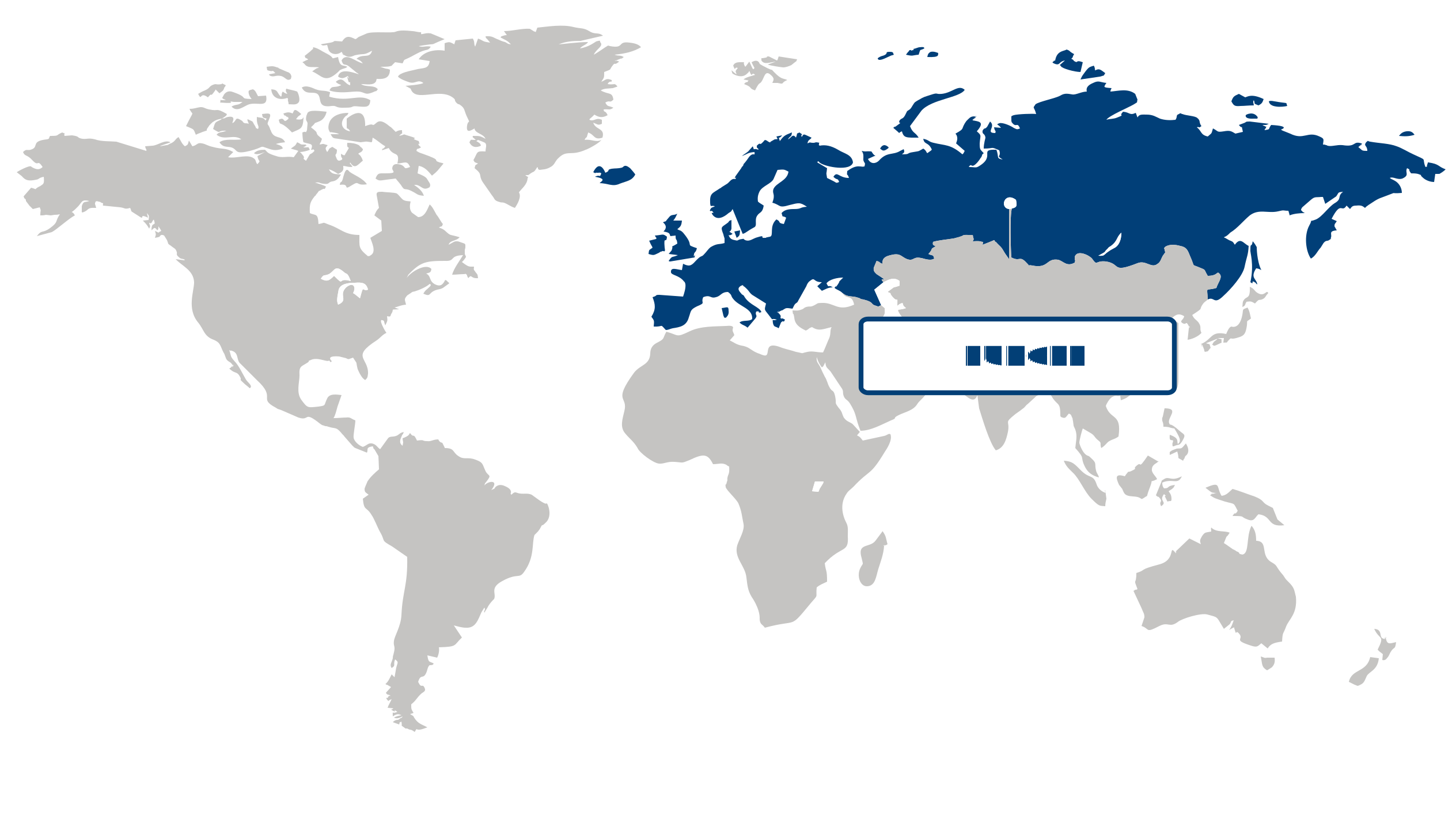
Largest Region
Europe
36.1% Market Share in 2026
Europe (Largest Region) vs Asia Pacific (Fastest-Growing Region)
Europe accounted for a 36.10% share of the luxury travel market in 2026, supported by its concentration of established luxury destinations, cultural heritage sites, premium hospitality infrastructure, and sophisticated tourism networks. Demand is reinforced by affluent international travelers seeking exclusive experiences centered on art, gastronomy, wellness, heritage, and personalized service. The region's diverse destinations allow travel providers to offer highly differentiated itineraries, while mature transportation infrastructure and established luxury hospitality ecosystems support seamless high-end travel experiences. Increasing interest in experiential and tailor-made vacations is further strengthening Europe's position in premium tourism.
Asia Pacific is the fastest-growing region, driven by rising disposable incomes, expanding affluent consumer segments, and increasing interest in premium leisure experiences. The development of luxury hospitality infrastructure and improved connectivity across major tourism destinations is broadening the region's appeal to both domestic and international high-value travelers. Growing demand for personalized cultural, wellness, culinary, and nature-based experiences is also encouraging greater diversification within the luxury travel sector. In addition, expanding investment in tourism infrastructure and the emergence of new premium destinations are creating further opportunities for market development.
Key Country Insights
The U.S. luxury travel market emphasizes personalized itineraries, exclusive accommodations, and high-value experiential travel. Travel providers are expanding concierge services, private transportation, and curated wellness and adventure offerings to meet evolving expectations from affluent U.S. travelers.
Japan values exceptional service quality, privacy, and cultural authenticity within the luxury travel market. Providers targeting Japan are enhancing bespoke travel planning, premium hospitality, and exclusive access to heritage destinations that align with discerning traveler expectations.
South Korea's luxury travel market is shaped by strong interest in distinctive international experiences and digitally enabled travel planning. Premium travel companies are expanding customized itineraries, luxury shopping experiences, and wellness-focused packages for South Korean travelers.
Germany increasingly prioritizes environmentally responsible luxury travel without compromising premium experiences. Luxury operators serving Germany are integrating sustainable accommodations, rail-based itineraries, and authentic cultural experiences into high-end travel portfolios.
France combines demand for refined hospitality with interest in exclusive cultural and culinary experiences. Luxury travel providers in France continue to strengthen boutique accommodations, private guided tours, and premium gastronomy-focused itineraries that appeal to affluent travelers.
Italy's luxury travel market places strong emphasis on exclusive regional experiences, luxury hospitality, and personalized services. Operators across Italy are investing in premium villas, culinary tourism, and destination-specific experiences that differentiate high-end travel offerings.
Segment Leadership and Growth Trends
Age Group Segment Analysis: 41-60 Years (Largest Segment) vs 21-30 Years (Fastest-Growing Segment)
The luxury travel market was led by the 41-60 years age group segment, which accounted for a 45.43% share in 2026, supported by relatively higher purchasing power and established demand for premium travel experiences. Travelers in this age group are increasingly seeking personalized itineraries, exclusive accommodations, private transportation, and high-quality leisure experiences. Their preference for comfort, convenience, and curated travel services continues to reinforce the segment's leading position.
The 21-30 years age group segment is expected to be the fastest-growing segment, driven by rising interest among younger travelers in experiential, adventure-oriented, and personalized luxury travel. This demographic increasingly prioritizes distinctive experiences and digitally accessible travel planning while showing greater willingness to spend on memorable journeys. Growing exposure to global travel trends through digital platforms is further supporting segment expansion.
Tour Segment Analysis: Safari & Adventure (Largest Segment) vs Culinary Travel & Shopping (Fastest-Growing Segment)
The safari and adventure segment dominated the luxury travel market with a 34.98% share in 2026, reflecting strong demand for exclusive and experience-driven journeys. High-end travelers are increasingly seeking immersive activities that combine adventure, nature exploration, personalized services, and premium accommodation. The ability of luxury safari and adventure packages to offer distinctive experiences beyond conventional leisure tourism continues to support the segment's dominance.
The culinary travel and shopping segment is expected to be the fastest-growing segment, driven by increasing interest in destination-based food experiences, local gastronomy, premium dining, and exclusive retail opportunities. Affluent travelers are placing greater value on immersive cultural experiences that combine cuisine, shopping, and personalized exploration. Growing demand for experiential tourism and customized travel itineraries is expected to support segment growth.
| Report Segmentation | |||
| Segment | Sub-Segment | Largest Segment | Fastest Growing Segment |
|---|---|---|---|
| Age Group | 21-30 Years, 31-40 Years, 41-60 Years, 60 and Above | 41-60 Years | 21-30 Years |
| Tour | Customized & Private Vacations, Safari & Adventure, Cruises, Yachting & Small Ship Expeditions, Celebration Journeys, Culinary Travel & Shopping, Luxury Trains, Others | Safari & Adventure | Culinary Travel & Shopping |
 Read our Research Approach
Competitive Landscape and Market Positioning
Key companies in the luxury travel market:
1. Abercrombie & Kent USA LLC (United States)
2. TUI Group (Germany)
3. Lindblad Expeditions Holdings Inc. (United States)
4. Scott Dunn Ltd (United Kingdom)
5. Micato Safaris (Kenya)
6. Butterfield & Robinson Inc. (Canada)
7. Travel Edge (Canada)
8. Exodus Travels Limited (United Kingdom)
The luxury travel market is expanding due to rising demand for personalized and premium travel experiences. The luxury travel market is witnessing innovation in curated itineraries and experience-based travel offerings. Continuous digital integration is enhancing customer engagement and service personalization.
Industry Development/News
| Company Name | Date | Key Development |
|---|---|---|
| L Catterton | Feb-25 | L Catterton led a significant $800 million investment in private aviation operator Flexjet, alongside co-investors J. Safra Group and KSL Capital Partners. This capital injection underscores escalating investor confidence in luxury travel infrastructure and directly bolsters Flexjet's operational footprint within the highly competitive premium aviation sector. |
| NextTrip | Feb-25 | NextTrip finalized the strategic acquisition of Five Star Alliance, a prominent luxury online travel agency. The transaction effectively expands NextTrip's distribution network and premium portfolio, enhancing its overall competitive positioning and accelerating direct market access to highly affluent traveler segments. |
| LVMH & Accor | Jan-25 | LVMH and Accor entered a high-profile joint partnership dedicated to scaling the historic Orient Express brand. The collaborative initiative focuses on developing premium rail and cruise offerings, marking a major ecosystem expansion that bridges heritage luxury retail with experiential hospitality segments. |
| ANA Holdings & JTB Corp. | Feb-25 | ANA Holdings and JTB Corp. established a joint venture to capture Japan's growing premium travel market. The partnership introduces a dedicated private-jet travel product connecting regional destinations, altering local market structure by integrating high-end aviation infrastructure with luxury tour distribution networks. |
| Explora Journeys | Mar-25 | Explora Journeys unveiled an aggressive fleet expansion strategy extending through 2028. The long-term initiative focuses on increasing production capacity in the high-growth small-ship luxury cruise segment, positioning the operator to capture resilient global demand for immersive maritime travel. |
| Hyatt Hotels Corporation | Feb-25 | Hyatt Hotels Corporation announced a major geographic expansion with plans to open more than 50 luxury and lifestyle hotels by 2026. This substantial capacity increase directly strengthens the hospitality conglomerate's global footprint and sharpens its competitive positioning against rival premium hotel chains. |
| The Ritz-Carlton Yacht Collection | Jun-24 | The Ritz-Carlton Yacht Collection expanded its luxury maritime footprint by launching its third superyacht, Luminara, alongside its inaugural Asia-Pacific deployment from late 2025 through mid-2026. The 226-suite vessel substantially scales the company's regional capacity across key premium tourism corridors. |
| Blacklane | Mar-25 | Blacklane signed a strategic integration partnership with Global Hotel Alliance to anchor its premium chauffeur services into the GHA DISCOVERY loyalty ecosystem. The technology and service integration extends Blacklane's reach across 1,000 luxury hotel properties, optimizing the high-end airport-to-hotel supply chain. |
| Travel Planners International | Mar-25 | Travel Planners International initiated the launch of Luxe House, a specialized corporate division dedicated exclusively to the high-end sector. This organizational restructuring optimizes the company's advisory capabilities to address shifting consumer demands within the experiential luxury landscape. |
| Belmond | Feb-25 | Belmond announced the operational rollout of the Britannic Explorer, its first luxury sleeper train operating across England and Wales. Slated for a 2026 commercial debut, this material product innovation deepens Belmond’s capacity within the rapidly growing experiential slow-travel segment. |
Why Choose Us
Specialized Expertise: Our team comprises industry experts with a deep understanding of your market segment. We bring specialized knowledge and experience that ensures our research and consulting services are tailored to your unique needs.
Customized Solutions: We understand that every client is different. That's why we offer customized research and consulting solutions designed specifically to address your challenges and capitalize on opportunities within your industry.
Proven Results: With a track record of successful projects and satisfied clients, we have demonstrated our ability to deliver tangible results. Our case studies and testimonials speak to our effectiveness in helping clients achieve their goals.
Cutting-Edge Methodologies: We leverage the latest methodologies and technologies to gather insights and drive informed decision-making. Our innovative approach ensures that you stay ahead of the curve and gain a competitive edge in your market.
Client-Centric Approach: Your satisfaction is our top priority. We prioritize open communication, responsiveness, and transparency to ensure that we not only meet but exceed your expectations at every stage of the engagement.
Continuous Innovation: We are committed to continuous improvement and staying at the forefront of our industry. Through ongoing learning, professional development, and investment in new technologies, we ensure that our services are always evolving to meet your evolving needs.
Value for Money: Our competitive pricing and flexible engagement models ensure that you get maximum value for your investment. We are committed to delivering high-quality results that help you achieve a strong return on your investment.
Select Licence Type

