Magnesium Sulfate Market Size & Growth Forecast 2027–2036, By Segments (Application), Regional Demand Trends (North America, Asia Pacific, Europe), Key Country Insights (U.S., Japan, South Korea, Germany, France, Italy), and Competitive Landscape
Jump to Content
Market Size and Growth Outlook
Magnesium Sulfate Market size was valued at USD 1.07 billion in 2026 and is anticipated to grow at a 8.16% CAGR from 2027 to 2036, crossing USD 2.34 billion by 2036. The industry revenue for 2027 is estimated at USD 1.14 billion.
Get more details on this report
Request Free Sample ReportMagnesium Sulfate Market Intelligence Snapshot
Regional Market Dynamics
- Europe accounted for 47.81% market share in 2026, supported by established agricultural practices, demand for magnesium-based fertilizers, and applications across pharmaceuticals, healthcare, and industrial processes.
- Asia Pacific is expected to grow fastest as agricultural expansion, rising food production requirements, increasing fertilizer demand, and growing pharmaceutical and industrial capabilities strengthen regional consumption.
Segment Momentum
- Agriculture grade accounted for 50.88% of the market in 2026 and is also the fastest-growing application, driven by demand for magnesium and sulfur supplementation to address nutrient deficiencies, improve soil nutrition, and support crop development.
- Magnesium sulfate supplies essential magnesium and sulfur for chlorophyll formation, photosynthesis, enzyme activity, and plant growth. Its use supports targeted nutrient management, balanced crop nutrition, and efforts to improve crop productivity and quality.
Market Expansion Drivers
- Growth in agriculture demand.
- Pharmaceutical and food-grade applications.
- Advanced magnesium sulfate formulations.
Leading Market Participants
- Prominent players in the magnesium sulfate market include K+S Group (Germany), Merck KGaA (Germany), Giles Chemical (USA), PQ Corporation (USA), Rech Chemical (China), Laizhou Guangcheng Chemical (China), Haifa Group (Israel), Qinghai Salt Lake Industry (China), Mani Agro Chem (India), Gee Gee Chemicals (India).
Global Market Forecast Snapshot
Market Outlook
- 2026 Market Size: USD 1.07 billion
- 2027 Estimated Market Size: USD 1.14 billion
- Projected Market Size: USD 2.34 billion by 2036
- Growth Forecast: 8.16% CAGR (2027-2036)
Regional and Segment Outlook
- Leading Regional Market: Europe
- High-Growth Regional Hub: Asia Pacific
- Core Revenue Segment: Application (Agriculture Grade)
- Emerging Opportunity Segment: Application (Agriculture Grade)
Market Growth Drivers and Industry Trends
Growth in agriculture demand
Rising agricultural productivity requirements are driving demand for magnesium sulfate as an effective source of magnesium and sulfur for crop nutrition. Farmers are increasingly adopting soil and foliar nutrient management practices to address mineral deficiencies, improve plant growth, and support crop quality. Growing emphasis on efficient fertilizer utilization and sustainable farming practices is further encouraging the use of specialty nutrients such as magnesium sulfate across diverse agricultural applications.
Pharmaceutical and food-grade applications
Expanding pharmaceutical and food processing applications are supporting demand for high-purity magnesium sulfate products. In healthcare, magnesium sulfate is used across therapeutic and clinical applications, while food-grade formulations serve specialized processing and nutritional requirements. Increasing quality standards, greater awareness of magnesium supplementation, and expanding demand for functional ingredients are encouraging manufacturers to develop products that meet stringent purity and application-specific requirements.
Advanced magnesium sulfate formulations
Advancements in magnesium sulfate formulations are creating opportunities for market expansion by improving product performance, handling characteristics, and suitability for specialized applications. Manufacturers are focusing on formulations designed to provide controlled solubility, improved absorption, and greater compatibility with agricultural, pharmaceutical, and industrial processes. Continued innovation in product composition and application-specific solutions is expected to broaden the addressable market and support adoption across increasingly specialized end-use sectors.
| Growth Driver | Impact on CAGR | Regulatory Influence | Geographic Relevance | Adoption Rate | Impact Timeline |
|---|---|---|---|---|---|
| Growth in agriculture demand | 2.2% | Short term (≤ 2 yrs) | Asia Pacific; Africa | Low | Moderate |
| Pharmaceutical and food-grade applications | 1.6% | Medium term (2–5 yrs) | North America; Europe | Medium | Moderate |
| Advanced magnesium sulfate formulations | 1% | Long term (5+ yrs) | Europe; Asia Pacific | Low | Slow |
Explore Growth Opportunities
Request Free Sample ReportRegional Demand Dynamics
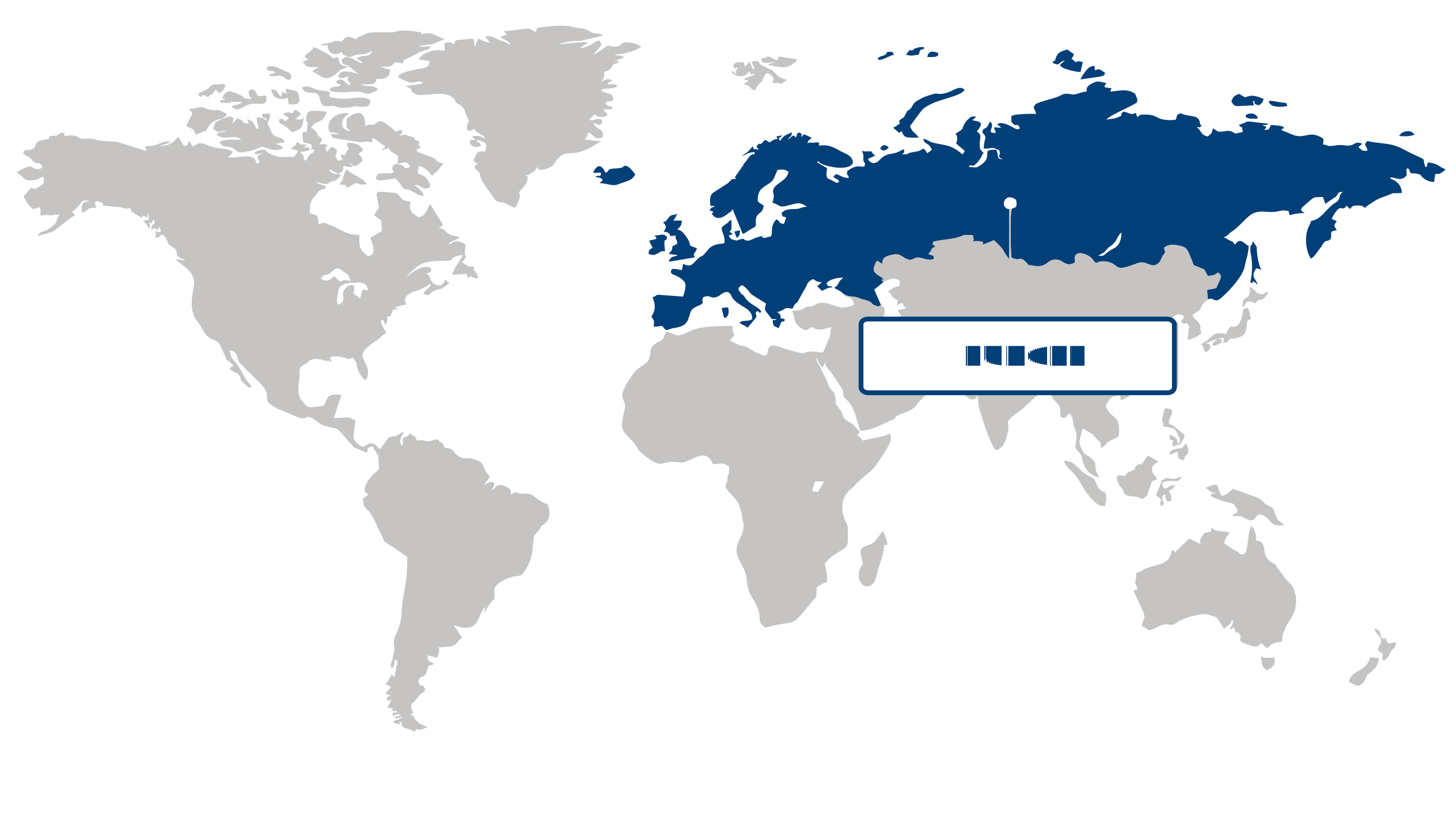
Europe (Largest Region)
The Europe magnesium sulfate market accounted for a leading share of 47.81% in 2026, backed by established agricultural practices, consistent demand for specialty chemicals, and applications across healthcare, pharmaceuticals, and industrial processes. The region’s developed agricultural sector contributes to demand for magnesium-based fertilizers and soil nutrient solutions, particularly where maintaining soil quality and improving crop productivity are important priorities. Magnesium sulfate also serves important functions in pharmaceutical formulations, healthcare applications, and various industrial processes, supporting demand across multiple end-use sectors. Furthermore, the emphasis on efficient resource utilization, product quality, and established chemical supply chains is contributing to the region’s strong market position. The continued need for agricultural nutrients and industrial-grade chemical inputs is reinforcing consumption across diverse applications.
Asia Pacific (Fastest-Growing Region)
Asia Pacific is expected to register the fastest growth, driven by expanding agricultural activity, increasing food production requirements, and rising demand for fertilizers that improve soil nutrient availability. Growing industrialization and the development of pharmaceutical and healthcare sectors are also creating additional opportunities for magnesium sulfate applications. The region’s focus on agricultural productivity, combined with increasing demand for crop nutrition solutions and the expansion of manufacturing capabilities, is expected to support market growth. Greater awareness of soil nutrient management and the need to sustain agricultural output are further strengthening the growth outlook.
| Parameter | North America | Asia Pacific | Europe | Latin America | MEA |
|---|---|---|---|---|---|
| Innovation HubiScaleNascentDeveloping Advanced | |||||
| Cost-Sensitive RegioniScaleLowMedium High | |||||
| Regulatory EnvironmentiScaleRestrictiveNeutral Supportive | |||||
| Demand DriversiScaleWeakModerate Strong | |||||
| Development StageiScaleEmergingDeveloping Developed | |||||
| Adoption RateiScaleLowMedium High | |||||
| New Entrants / StartupsiScaleSparseModerate Dense | |||||
| Macro IndicatorsiScaleWeakStable Strong |
Key Country Insights
United States 🇺🇸
Diverse Industrial ConsumptionIn the U.S., magnesium sulfate demand spans agriculture, pharmaceuticals, food processing, water treatment, and industrial applications. Suppliers benefit from maintaining differentiated grades and reliable supply for uses ranging from magnesium supplementation in crops to pharmaceutical and food-grade formulations.
Germany 🇩🇪
High-Specification Industrial GradesGermany's magnesium sulfate demand is closely tied to agriculture, chemicals, pharmaceuticals, and technically specified industrial applications. Product consistency, purity documentation, and regulatory compliance are important commercial considerations, particularly where magnesium sulfate is incorporated into controlled formulations or production processes.
Japan 🇯🇵
High-Purity Specialty ApplicationsJapan emphasizes quality-controlled magnesium sulfate for pharmaceutical, food, agricultural, and industrial uses. Suppliers serving the market need dependable purity, particle characteristics, and formulation consistency, with technical support particularly relevant for applications where material specifications directly affect downstream product performance.
South Korea 🇰🇷
Industrial-Grade Supply ReliabilitySouth Korea's magnesium sulfate market is supported by agricultural inputs, chemical processing, pharmaceuticals, and other industrial uses requiring dependable material specifications. Commercial priorities include consistent quality, stable procurement, and grades tailored to downstream manufacturing requirements rather than undifferentiated commodity supply.
France 🇫🇷
Agriculture and Pharma ApplicationsFrance uses magnesium sulfate across agricultural supplementation, pharmaceutical formulations, food-related applications, and industrial processing. Suppliers can differentiate through application-specific grades, traceability, and compliance capabilities that support both crop nutrition requirements and tightly controlled pharmaceutical or specialty uses.
Italy 🇮🇹
Agriculture-Led Specialty DemandItaly's magnesium sulfate demand has practical relevance in crop nutrition alongside pharmaceutical, food, and industrial applications. Market participants should emphasize application-specific formulations and dependable quality, particularly where agricultural users require effective magnesium and sulfur supplementation across diverse cultivation systems.
Magnesium Sulfate Market Share (%), by Application, 2026
Go beyond the chart, access full insights & data tables
Request Free Sample ReportApplication Segment Analysis: Agriculture Grade (Largest & Fastest-Growing Segment)
The agriculture grade segment accounted for the largest share of 50.88% in the magnesium sulfate market in 2026 and is also the fastest-growing application segment, driven by its importance in addressing nutrient deficiencies and supporting healthy crop development. Magnesium sulfate is widely used as a source of magnesium and sulfur, two essential nutrients that contribute to chlorophyll formation, photosynthesis, enzyme activity, and overall plant growth. Its application is particularly valuable in soils where magnesium or sulfur availability is limited, helping improve nutrient balance and support crop productivity. Growing efforts to enhance agricultural yields and optimize fertilizer use are encouraging farmers to adopt targeted nutrient solutions that can address specific soil and crop requirements. In addition, increasing awareness of soil health and balanced crop nutrition is supporting the use of magnesium sulfate across a broad range of agricultural applications. The expanding focus on efficient nutrient management and improved crop quality is therefore reinforcing the strong position and growth potential of the agriculture grade segment.
| Segment | Sub-Segment | Largest Segment | Fastest Growing |
|---|---|---|---|
| Application | Agriculture Grade, Medical Grade, Food Grade, Feed Grade, Industrial Grade, Consumer Segment/Epsom Salt Grade | Agriculture Grade | Agriculture Grade |
Unlock insights tailored to your business with our bespoke market research solutions.
Click to get your customized report now.
Competitive Landscape and Market Positioning
Analyst Perspective:
Magnesium sulfate market competitiveness reflects the differing requirements of regulated applications, agriculture, and high-volume industrial supply. Pharmaceutical- and food-grade producers rely on purification capabilities, batch consistency, traceability, and appropriate quality controls to serve customers with stringent specifications. In agricultural applications, solubility, physical form, and predictable nutrient delivery influence product suitability across soil application and fertigation. Meanwhile, crystallization efficiency and process control remain important to maintaining quality while managing production costs, particularly where products face limited differentiation. Regional feedstock availability and freight economics further shape supplier positioning by affecting landed costs, delivery reliability, and responsiveness to customer demand. These factors create distinct competitive priorities across market segments: quality assurance and compliance for higher-specification uses, versus dependable performance, supply continuity, and cost-effective production for price-sensitive applications.
Top players in the magnesium sulfate market:
- K+S Group (Germany)
- Merck KGaA (Germany)
- Giles Chemical (USA)
- PQ Corporation (USA)
- Rech Chemical (China)
- Laizhou Guangcheng Chemical (China)
- Haifa Group (Israel)
- Qinghai Salt Lake Industry (China)
- Mani Agro Chem (India)
- Gee Gee Chemicals (India)
| Company | Market Share | Company Revenue | Revenue CAGR (%) | Product Portfolio | Geographic Presence | Innovation / R&D Focus | Strategic Developments |
|---|---|---|---|---|---|---|---|
| K+S Group (Germany) | |||||||
| Merck KGaA (Germany) | |||||||
| Giles Chemical (USA) | |||||||
| PQ Corporation (USA) | |||||||
| Rech Chemical (China) | |||||||
| Laizhou Guangcheng Chemical (China) | |||||||
| Haifa Group (Israel) | |||||||
| Qinghai Salt Lake Industry (China) | |||||||
| Mani Agro Chem (India) | |||||||
| Gee Gee Chemicals (India) |
Industry Development/News
| Company Name | Date | Key Development |
|---|---|---|
| Lupin | June 2026 | Lupin received U.S. FDA approval for sodium sulfate, magnesium sulfate, and potassium chloride tablets, the generic equivalent of Azurity Pharmaceuticals’ Sutab tablets. The product received 180-day exclusivity and is indicated for colon cleansing before colonoscopy in adults, expanding Lupin’s pharmaceutical portfolio involving magnesium sulfate and strengthening its position in this therapeutic segment. |
| K+S Aktiengesellschaft | April 2026 | K+S Aktiengesellschaft announced an expansion of KIESERIT granular production capacity at its Werra complex in Hesse, Germany, targeting a 5% increase in output. Commissioning is planned for Q3 2026, with the additional capacity intended to support growing export demand from Asian agricultural markets and strengthen the company’s magnesium sulfate supply capabilities. |
| Haifa Group | February 2026 | Haifa Group launched Haifa MAG Liquid Plus, a high-concentration liquid magnesium sulfate formulation designed for closed-system greenhouse horticulture operations in the Netherlands and Israel. Commercial availability began in Q1 2026, expanding the company’s magnesium sulfate offering in specialized agricultural applications and supporting demand for liquid nutrient formulations in controlled-environment farming. |
| Camber Pharmaceuticals | September 2025 | Camber Pharmaceuticals expanded its pharmaceutical portfolio with Magnesium Sulfate Injection, USP, adding a magnesium sulfate-based injectable generic indicated for magnesium deficiency. The launch strengthens the company’s presence in injectable pharmaceuticals and expands its ability to serve hospital and clinical demand for magnesium sulfate therapeutic products across multiple dosage formats. |
| Giles Chemical Corporation | September 2025 | Giles Chemical Corporation completed requalification of its Waynesville, North Carolina facility under updated USP monograph specifications for magnesium sulfate heptahydrate. The facility qualification reinforces the company’s pharmaceutical supply position for magnesium sulfate and supports its ability to meet pharmaceutical-grade requirements associated with anticipated demand from expanded U.S. maternal health programs. |
| Avenacy | May 2024 | Avenacy launched Magnesium Sulfate in Water for Injection in the U.S., expanding its portfolio of critical injectable medications. The ready-to-use formulation is available in multiple dosage formats and is designed to improve patient safety, reduce dosing errors, and enhance hospital efficiency, supporting Avenacy’s expansion within the injectable generics segment. |
Customize Your Report
Explore examples of how this report can be tailored to different research needs, including custom segments, additional topics or chapters, and related reports. Click a section of the wheel or its numbered marker to explore the available options.
Magnesium Sulfate Market — Custom Segments
| Segment | Sub-Segment |
|---|---|
| Customer Type | Industrial Manufacturers, Agricultural Producers, Healthcare & Pharmaceutical Buyers, Food & Feed Producers |
| Distribution Channel | Direct Sales, Distributors & Chemical Suppliers |
Magnesium Sulfate Market — Custom TOC
| Custom Chapter | Chapter Details |
|---|---|
| Industrial Feedstock Security Assessment |
|
| Pharmaceutical Supply Resilience |
|
| Circularity & Byproduct Recovery Opportunities |
|
Need a different cut of the data?
Request Custom ResearchFrequently Asked Questions
How much is the magnesium sulfate market worth?
What are the growth projections for the magnesium sulfate industry?
How are agricultural productivity requirements influencing demand for magnesium sulfate?
How are specialized applications and formulation innovation expanding opportunities in the magnesium sulfate market?
Why does agriculture grade dominate the magnesium sulfate market?
How is magnesium sulfate supporting agricultural productivity?
Why does Europe hold the largest share of the magnesium sulfate market?
What is driving magnesium sulfate market growth in Asia Pacific?
Who holds a significant market share in the magnesium sulfate landscape?
Our Clients
"The report helped us understand emerging consumer trends in our product category. It clarified where to focus innovation for the next product launch."
LyondellBasell
"The regional forecast section was incredibly useful. We were able to identify two new potential partners in Europe thanks to the vendor mapping you included."
SABIC
"We appreciated how actionable the recommendations were. It guided us to improve supply chain resilience."
Olin Corporation
Our Research Team & Methodology
Every Fundamental Business Insights report is built by a dedicated vertical research team, validated through a structured primary-and-secondary methodology, and reviewed for accuracy before it reaches you.
This report was prepared by the Chemicals & Materials Research Team at Fundamental Business Insights, a dedicated research group specializing in the global chemicals, advanced materials, and industrial manufacturing sectors. Our analysts continuously monitor raw material supply chains, feedstock pricing, production technologies, regulatory developments, sustainability initiatives, environmental compliance, trade dynamics, and evolving end-use applications to deliver timely and reliable market intelligence. The research is developed using a structured methodology that combines primary discussions with manufacturers, raw material suppliers, distributors, and industry experts, along with company annual reports, regulatory publications, government trade statistics, industry associations, technical literature, patent databases, and other authoritative secondary sources. Market estimates are validated through multiple research techniques, including top-down and bottom-up analysis, before undergoing an internal quality review to ensure accuracy, consistency, and methodological integrity prior to publication.
Delivery
Published
Available
Support
- Market Size & Forecast
- Market Segmentation
- Regional Analysis
- Growth Drivers & Challenges
- Market Dynamics
- Competitive Landscape
- Company Profiles
- Competitive Benchmarking
- Mergers & Acquisitions
- Market Share Analysis or Key Company Strategies
- Value Chain Analysis
- Porter's Five Forces
- PESTLE Analysis
- Pricing Trends
- Supply-Demand Analysis
- Technology Landscape
- Regulatory Landscape
- Investment & Funding Landscape
- Emerging Opportunities
- Future Market Outlook