Magnesium Wheels Market Size & Growth Forecast 2027–2036, By Segments (Manufacturing, Vehicle, Wheel Size, Sales Channel), Regional Demand Trends (North America, Asia Pacific, Europe), Key Country Insights (U.S., Japan, South Korea, Germany, France, Italy), and Competitive Landscape
Jump to Content
Market Size and Growth Outlook
Magnesium Wheels Market size was assessed at USD 1.93 billion in 2026 and is poised to grow at a 2.38% CAGR between 2027 and 2036, reaching USD 2.44 billion by 2036. The industry revenue for 2027 is assessed at USD 1.97 billion.
Get more details on this report
Request Free Sample ReportMagnesium Wheels Market Intelligence Snapshot
Regional Market Dynamics
- Europe held a 37.8% market share in 2026, supported by established automotive manufacturing, demand for performance-oriented vehicles, and growing emphasis on lightweight components that improve efficiency.
- Expanding vehicle production, electric mobility, and investments in automotive manufacturing are accelerating demand for lightweight magnesium wheels as automakers prioritize vehicle performance and energy efficiency.
Segment Momentum
- Cast manufacturing accounted for 56.65% of the market in 2026, supported by production efficiency, consistent dimensions, design flexibility, and the ability to produce lightweight wheels at scale.
- Cars held a 61.8% share in 2026 and are projected to grow fastest, driven by demand for lightweight wheels that support vehicle efficiency, handling, performance, and weight optimization.
Market Expansion Drivers
- Rising demand for lightweight wheels in automotive for fuel efficiency.
- Adoption of high-performance and premium vehicles.
- Technological developments in magnesium alloy processing.
Leading Market Participants
- Major companies in the magnesium wheels market include CITIC Dicastal (China), Superior Industries (USA), Enkei (Japan), Uniwheels Group (Germany), RAYS (Japan), Ronal Group (Switzerland), Alcoa Wheels (USA), Accuride (USA), Borbet (Germany), YHI International (Singapore).
Global Market Forecast Snapshot
Market Outlook
- 2026 Market Size: USD 1.93 billion
- 2027 Estimated Market Size: USD 1.97 billion
- Projected Market Size: USD 2.44 billion by 2036
- Growth Forecast: 2.38% CAGR (2027-2036)
Regional and Segment Outlook
- Leading Regional Market: Europe
- High-Growth Regional Hub: Asia Pacific
- Core Revenue Segment: Manufacturing (Cast) | Vehicle (Cars) | Wheel Size (16-18 Inches) | Sales Channel (OEM)
- Emerging Opportunity Segment: Manufacturing (Cast) | Vehicle (Cars) | Wheel Size (16-18 Inches) | Sales Channel (OEM)
Market Growth Drivers and Industry Trends
Rising demand for lightweight wheels in automotive for fuel efficiency
The growing emphasis on vehicle weight reduction is supporting the adoption of magnesium wheels in automotive applications due to their lightweight characteristics and favorable strength-to-weight ratio. Reducing wheel weight can improve vehicle efficiency, handling, and suspension response while supporting broader efforts to optimize overall vehicle performance. Increasing attention toward fuel economy and energy efficiency is therefore encouraging automotive manufacturers and performance-oriented vehicle segments to consider lightweight wheel materials as part of broader weight-reduction strategies.
Adoption of high-performance and premium vehicles
The increasing demand for high-performance and premium vehicles is creating opportunities for magnesium wheels because of their lightweight construction, rigidity, and ability to support enhanced driving dynamics. These vehicles place greater emphasis on acceleration, handling, braking response, and overall performance, creating demand for advanced wheel materials that can contribute to these characteristics. Growing consumer interest in performance-oriented vehicle designs and premium automotive features is further supporting the integration of lightweight wheel technologies into specialized vehicle applications.
Technological developments in magnesium alloy processing
Technological developments in magnesium alloy processing are improving the strength, durability, surface characteristics, and manufacturing flexibility of magnesium wheels. Advances in casting, forming, heat treatment, corrosion protection, and finishing processes are helping address traditional challenges associated with magnesium-based components. Improved processing capabilities are enabling manufacturers to produce more reliable and complex wheel designs while supporting greater consistency in quality and performance, thereby encouraging broader application of magnesium alloys in automotive wheel manufacturing.
| Growth Driver | Impact on CAGR | Regulatory Influence | Geographic Relevance | Adoption Rate | Impact Timeline |
|---|---|---|---|---|---|
| Rising demand for lightweight wheels in automotive for fuel efficiency | 1% | Short term (≤ 2 yrs) | Europe; North America; Asia Pacific | Medium | Fast |
| Adoption of high-performance and premium vehicles | 0.8% | Medium term (2–5 yrs) | North America; Europe; Asia Pacific | Low | Moderate |
| Technological developments in magnesium alloy processing | 0.5% | Long term (5+ yrs) | Europe; North America; Asia Pacific | Low | Moderate |
Explore Growth Opportunities
Request Free Sample ReportRegional Demand Dynamics
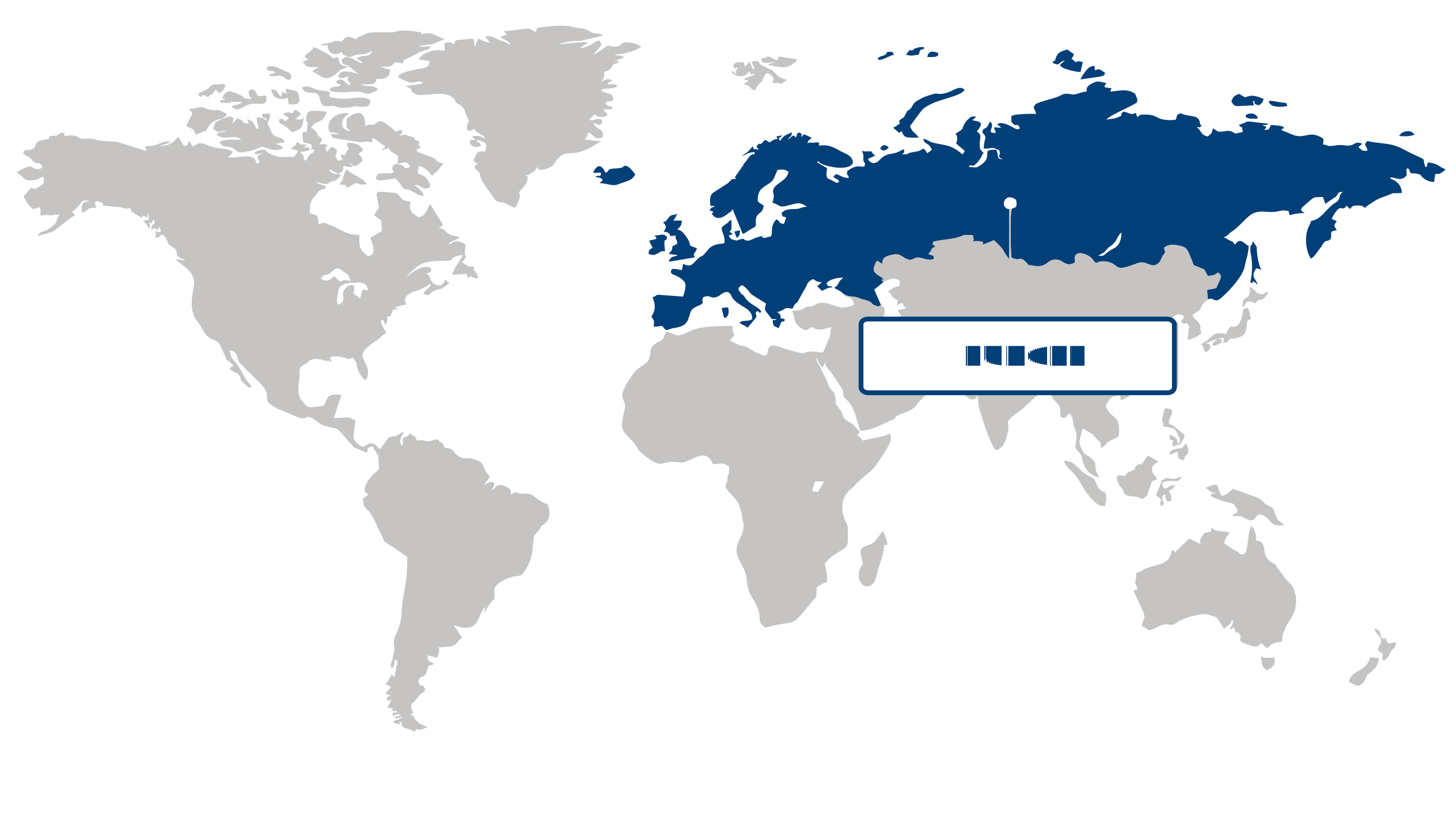
Europe (Largest Region)
Europe held a 37.8% share in 2026, led by a strong automotive industry, growing demand for lightweight vehicle components, and increasing emphasis on vehicle performance and efficiency. Magnesium wheels offer advantages such as low weight and favorable strength-to-weight characteristics, making them attractive for performance-oriented and specialized automotive applications. The region's established automotive manufacturing ecosystem and focus on advanced vehicle technologies are supporting the adoption of lightweight materials. Increasing efforts to improve fuel efficiency and reduce vehicle energy consumption are also encouraging manufacturers to explore lightweight wheel solutions. In addition, the development of high-performance vehicles and growing interest in advanced automotive materials are creating further opportunities for magnesium wheels. Continued innovation in manufacturing processes and material performance is expected to support market development across Europe.
Asia Pacific (Fastest-Growing Region)
Asia Pacific is expected to grow at the fastest rate, influenced by expanding automotive production, increasing vehicle demand, and growing adoption of lightweight materials across the automotive industry. Rapid industrialization and the development of automotive manufacturing capabilities are creating favorable conditions for advanced wheel technologies. Automakers are increasingly focusing on reducing vehicle weight to improve energy efficiency and performance, particularly as electric mobility expands across the region. The growing production of electric and performance-oriented vehicles is creating additional opportunities for lightweight magnesium components. In addition, rising consumer interest in vehicle performance and continued investment in automotive technology are supporting demand for advanced wheel materials. Improvements in manufacturing capabilities and increasing availability of specialized automotive components are further contributing to the rapid expansion of the market across Asia Pacific.
| Parameter | North America | Asia Pacific | Europe | Latin America | MEA |
|---|---|---|---|---|---|
| Innovation HubiScaleNascentDeveloping Advanced | |||||
| Cost-Sensitive RegioniScaleLowMedium High | |||||
| Regulatory EnvironmentiScaleRestrictiveNeutral Supportive | |||||
| Demand DriversiScaleWeakModerate Strong | |||||
| Development StageiScaleEmergingDeveloping Developed | |||||
| Adoption RateiScaleLowMedium High | |||||
| New Entrants / StartupsiScaleSparseModerate Dense | |||||
| Macro IndicatorsiScaleWeakStable Strong |
Key Country Insights
United States 🇺🇸
Performance Vehicle DemandThe U.S. magnesium wheels market is closely associated with performance-oriented vehicles, motorsports, and applications where weight reduction can improve handling characteristics. Market priorities include durable wheel designs, manufacturing consistency, and solutions that meet demanding performance and safety requirements.
Germany 🇩🇪
Premium Vehicle EngineeringGermany’s magnesium wheels market reflects demand from performance and premium vehicle engineering, with manufacturers emphasizing lightweight construction and refined vehicle dynamics. Development priorities include advanced wheel manufacturing, reliable quality control, and integration with increasingly performance-focused vehicle platforms.
Japan 🇯🇵
Motorsport-Derived EngineeringJapan’s magnesium wheels market benefits from engineering expertise across performance vehicles and motorsport applications, where low weight and precise construction are valued. Suppliers are prioritizing manufacturing accuracy, durability, and specialized wheel designs for demanding automotive applications.
South Korea 🇰🇷
Lightweight Wheel DevelopmentSouth Korea is developing magnesium wheel applications around vehicle lightweighting and performance requirements, creating opportunities for manufacturers with advanced forming and finishing capabilities. Commercial priorities include improving production reliability, meeting automotive quality requirements, and expanding practical use beyond specialized applications.
France 🇫🇷
Motorsport Performance FocusFrance’s magnesium wheels market is closely connected to motorsport and performance-oriented automotive engineering, where reduced unsprung weight is commercially relevant. Market participants are emphasizing high-performance wheel designs, dependable manufacturing processes, and specialized applications requiring a strong balance of weight and durability.
Italy 🇮🇹
Racing-Inspired ApplicationsItaly’s magnesium wheels market is supported by its performance automotive and motorsport ecosystem, where lightweight wheel construction aligns with vehicle handling and design requirements. Suppliers are likely to focus on specialized wheel engineering, premium applications, and manufacturing capabilities suited to performance-focused customers.
Magnesium Wheels Market Share (%), by Manufacturing, 2026
Go beyond the chart, access full insights & data tables
Request Free Sample ReportManufacturing Segment Analysis: Cast (Largest & Fastest-Growing Segment)
The cast manufacturing segment accounted for a 56.65% share of the magnesium wheels market in 2026, supported by the ability of casting processes to produce lightweight wheel structures with consistent dimensions and suitable mechanical characteristics. Cast magnesium wheels can be manufactured efficiently in different designs and configurations, making the process well suited to automotive wheel production where weight reduction, durability, and production scalability are important considerations. The comparatively efficient material utilization and suitability for producing complex wheel geometries further contribute to the continued adoption of cast manufacturing. Meanwhile, the segment is expected to register the fastest growth as vehicle manufacturers and wheel producers continue seeking lightweight components that can contribute to improved vehicle efficiency and handling characteristics. Improvements in casting technologies, process control, alloy development, and finishing techniques are enhancing the quality and reliability of cast magnesium wheels. Increasing interest in lightweight vehicle architectures is further supporting the expansion of casting-based magnesium wheel manufacturing.
Vehicle Segment Analysis: Cars (Largest & Fastest-Growing Segment)
The cars segment accounted for a 61.8% share of the magnesium wheels market in 2026, reflecting strong demand for lightweight wheel solutions in passenger vehicles where reducing unsprung and overall vehicle weight can support efficiency, handling, and driving performance. Magnesium wheels offer a favorable strength-to-weight balance, making them attractive for vehicle designs that place greater emphasis on weight optimization without compromising wheel functionality. Their use can also complement broader efforts to improve vehicle dynamics and support the integration of lightweight components across automotive platforms. The segment is expected to maintain the fastest growth as automotive manufacturers increasingly focus on material efficiency, vehicle performance, and energy consumption. Growing interest in lightweight vehicle architectures, along with advancements in magnesium alloy development and wheel manufacturing, is creating additional opportunities for magnesium wheels in passenger cars. Improvements in corrosion protection, surface finishing, and production processes are also helping address application requirements and support broader adoption across automotive designs.
Wheel Size Segment Analysis: 16-18 Inches (Largest & Fastest-Growing Segment)
The 16-18 inches wheel size segment accounted for a 43.2% share of the magnesium wheels market in 2026, supported by its suitability for a broad range of passenger cars and its ability to balance visual appeal, driving characteristics, ride comfort, and vehicle packaging requirements. This wheel size range provides manufacturers with flexibility to accommodate different vehicle configurations while supporting the lightweight benefits associated with magnesium construction. Consumer preference for wheels that combine functional performance with contemporary styling is also contributing to demand in this category. At the same time, the segment is expected to experience the fastest growth as automotive designs increasingly incorporate larger and performance-oriented wheel configurations while maintaining focus on weight optimization. Improvements in wheel design, magnesium alloy performance, and manufacturing precision are helping expand the suitability of this size range across different vehicle applications. Growing emphasis on vehicle efficiency, handling, and modern exterior design is further supporting the adoption of 16-18 inch magnesium wheels.
| Segment | Sub-Segment | Largest Segment | Fastest Growing |
|---|---|---|---|
| Manufacturing | Cast, Forged | Cast | Cast |
| Vehicle | Motorcycles, Cars | Cars | Cars |
| Wheel Size | 13-15 Inches, 16-18 Inches, 19-21 Inches, Above 21 Inches | 16-18 Inches | 16-18 Inches |
| Sales Channel | OEM, Aftermarket | OEM | OEM |
Unlock insights tailored to your business with our bespoke market research solutions.
Click to get your customized report now.
Competitive Landscape and Market Positioning
Analyst Perspective:
In the high-performance automotive sector, magnesium wheels provide an unmatched dynamic advantage by significantly reducing unsprung mass to improve steering response, suspension tuning, and vehicle handling. Maximizing these performance gains requires careful balance between casting and forging techniques, where precision engineering ensures optimum structural integrity and impact absorption under severe road stress. Nonetheless, broad commercial uptake faces hurdles due to high raw material costs and magnesium's inherent sensitivity to environmental degradation. Consequently, market leadership hinges on proprietary surface treatment and coating technologies that protect against road salts and chipping without adding excessive manufacturing expense, assuring both long-term corrosion resistance and premium visual appeal for original equipment manufacturers and aftermarket buyers alike.
Top players in the magnesium wheels market:
- CITIC Dicastal (China)
- Superior Industries (USA)
- Enkei (Japan)
- Uniwheels Group (Germany)
- RAYS (Japan)
- Ronal Group (Switzerland)
- Alcoa Wheels (USA)
- Accuride (USA)
- Borbet (Germany)
- YHI International (Singapore)
| Company | Market Share | Company Revenue | Revenue CAGR (%) | Product Portfolio | Geographic Presence | Innovation / R&D Focus | Strategic Developments |
|---|---|---|---|---|---|---|---|
| CITIC Dicastal (China) | |||||||
| Superior Industries (USA) | |||||||
| Enkei (Japan) | |||||||
| Uniwheels Group (Germany) | |||||||
| RAYS (Japan) | |||||||
| Ronal Group (Switzerland) | |||||||
| Alcoa Wheels (USA) | |||||||
| Accuride (USA) | |||||||
| Borbet (Germany) | |||||||
| YHI International (Singapore) |
Industry Development/News
| Company Name | Date | Key Development |
|---|---|---|
| iPE | November 2024 | iPE launched its TÜV Nord-certified Magnesium MFR-01 forged wheels for select Porsche 911 models, delivering a 35% weight reduction compared to factory aluminum counterparts. This development highlights ongoing material innovation and precision manufacturing aimed at expanding high-performance lightweight wheel adoption within the premium automotive aftermarket segment. |
| KMG Racing | May 2024 | KMG Racing announced the commercial introduction of its new minimalist-engineered magnesium wheels designed to optimize automotive performance through substantial weight reduction. The product launch reflects growing competitive activity and technical diversification among specialized automotive aftermarket suppliers targeting high-efficiency wheel solutions. |
| Lamborghini | July 2021 | Lamborghini integrated lightweight magnesium wheels into its road-legal Huracán STO super sports car as part of a comprehensive weight-reduction design strategy. This deployment underscores OEM commercialization of magnesium components in ultra-high-performance vehicle platforms to enhance power-to-weight ratios and dynamic vehicle capabilities. |
Customize Your Report
Explore examples of how this report can be tailored to different research needs, including custom segments, additional topics or chapters, and related reports. Click a section of the wheel or its numbered marker to explore the available options.
Magnesium Wheels Market — Custom Segments
| Segment | Sub-Segment |
|---|---|
| Classe de performance du véhicule | Performance standard, Performance, Haute performance, Course |
| Conception de roue | Jantes multibranches, à rayons séparés, à mailles, pleines/à disque |
| Cycle de remplacement | Pièce d'origine constructeur, remplacement programmé, amélioration des performances, remplacement en cas de dommage |
Magnesium Wheels Market — Custom TOC
| Custom Chapter | Chapter Details |
|---|---|
| EV Lightweighting Opportunity Assessment |
|
| OEM Material Substitution Strategies |
|
| Magnesium Supply Chain Risk Assessment |
|
Need a different cut of the data?
Request Custom ResearchFrequently Asked Questions
What is the market valuation of the magnesium wheels market?
How is the magnesium wheels industry expected to grow over the next 10 years?
How is vehicle lightweighting influencing adoption of magnesium wheels?
How are processing innovations strengthening the commercial potential of magnesium wheels?
Which manufacturing segment held the largest share of the magnesium wheels market in 2026?
Which vehicle segment is projected to experience the fastest growth in the magnesium wheels market?
What makes Europe the leading market for magnesium wheels?
Why is Asia Pacific the fastest-growing market for magnesium wheels?
What are the key competitors in the magnesium wheels landscape?
Our Clients
"The team surpassed our expectations with the report depth. The actionable insights provided proved crucial in navigating market challenges."
Tata Motors
"We found the report to be very informative. The expertise and attention to market nuances significantly influenced our business direction."
DENSO Corporation
"The consumer survey findings were quite good. We now have a clearer picture of the customer churning and retention strategy."
HL Mando
Our Research Team & Methodology
Every Fundamental Business Insights report is built by a dedicated vertical research team, validated through a structured primary-and-secondary methodology, and reviewed for accuracy before it reaches you.
This report was prepared by the Automotive & Transportation Research Team at Fundamental Business Insights, a dedicated research group specializing in the global automotive, mobility, and transportation industries. Our analysts continuously monitor vehicle technology advancements, electrification trends, autonomous and connected mobility, manufacturing developments, supply chain dynamics, regulatory standards, emissions policies, aftermarket activities, and evolving consumer and commercial transportation requirements to deliver timely and reliable market intelligence. The research is developed using a structured methodology that combines primary discussions with vehicle manufacturers, component suppliers, technology providers, distributors, logistics stakeholders, and industry experts, along with company annual reports, regulatory publications, government transportation statistics, industry associations, technical standards, and other authoritative secondary sources. Market estimates are validated through multiple research techniques, including top-down and bottom-up analysis, before undergoing an internal quality review to ensure accuracy, consistency, and methodological integrity prior to publication.
Delivery
Published
Available
Support
- Market Size & Forecast
- Market Segmentation
- Regional Analysis
- Growth Drivers & Challenges
- Market Dynamics
- Competitive Landscape
- Company Profiles
- Competitive Benchmarking
- Mergers & Acquisitions
- Market Share Analysis or Key Company Strategies
- Value Chain Analysis
- Porter's Five Forces
- PESTLE Analysis
- Pricing Trends
- Supply-Demand Analysis
- Technology Landscape
- Regulatory Landscape
- Investment & Funding Landscape
- Emerging Opportunities
- Future Market Outlook