Marine Biostimulants Market Size & Growth Forecast 2027–2036, By Segments (Mode of Application, Ingredion, End Use), Regional Demand Trends (North America, Asia Pacific, Europe), Key Country Insights (U.S., Japan, South Korea, Germany, France, Italy), and Competitive Landscape
Jump to Content
Market Size and Growth Outlook
Marine Biostimulants Market size was around USD 1.42 billion in 2026 and is slated to grow at a 5.51% CAGR from 2027 to 2036, crossing USD 2.43 billion by 2036. The industry revenue for 2027 is estimated at USD 1.49 billion.
Get more details on this report
Request Free Sample ReportMarine Biostimulants Market Intelligence Snapshot
Regional Market Dynamics
- Europe held 39.31% of the market in 2026, supported by sustainable agriculture initiatives, established farming practices, and growing demand for biological inputs that improve crop resilience and resource efficiency.
- Asia Pacific is expected to grow fastest as agricultural productivity needs, climate-related challenges, and interest in sustainable crop inputs increase adoption across diverse farming systems and high-value crops.
Segment Momentum
- Seaweed extracts hold 67.3% market share in 2026 because their naturally derived bioactive compounds support plant growth, nutrient utilization, and stress tolerance, making them versatile inputs across crop management programs.
- Fish protein hydrolysates are expected to grow fastest among ingredient segments as growers increasingly seek protein-based inputs that support plant nutrition and resilience while aligning with sustainable agricultural practices and marine resource utilization.
Market Expansion Drivers
- Increasing Adoption of Marine Biostimulants in Agriculture.
- Technological Advancements in Biostimulant Formulations.
- Regulatory Support for Sustainable Agriculture.
Leading Market Participants
- Prominent players in the marine biostimulants market include Biostadt (India), UPL (India), Valagro (Italy), Koppert Biological Systems (Netherlands), Lallemand Plant Care (Canada), BASF (Germany), FMC Corporation (USA), Marrone Bio Innovations (USA), Sipcam Oxon (Italy), Isagro (Italy).
Global Market Forecast Snapshot
Market Outlook
- 2026 Market Size: USD 1.42 billion
- 2027 Estimated Market Size: USD 1.49 billion
- Projected Market Size: USD 2.43 billion by 2036
- Growth Forecast: 5.51% CAGR (2027-2036)
Regional and Segment Outlook
- Leading Regional Market: Europe
- High-Growth Regional Hub: Asia Pacific
- Core Revenue Segment: Mode of Application (Foliar Treatment) | Ingredion (Seaweed Extracts) | End Use (Row Crops & Cereals)
- Emerging Opportunity Segment: Mode of Application (Foliar Treatment) | Ingredion (Fish Protein Hydrolysates) | End Use (Turf & Ornamentals)
Market Growth Drivers and Industry Trends
Increasing Adoption of Marine Biostimulants in Agriculture
The increasing adoption of marine biostimulants in agriculture is driven by the growing emphasis on improving crop productivity, soil health, and nutrient utilization through sustainable farming practices. Marine-derived ingredients such as seaweed extracts, algae-based compounds, and other bioactive substances can support plant growth, enhance tolerance to environmental stresses, and improve nutrient uptake. As farmers increasingly seek alternatives or complements to conventional agricultural inputs, marine biostimulants are gaining attention for their potential to promote healthier crop development while supporting more sustainable cultivation practices. The expanding focus on regenerative agriculture and efficient resource utilization is further contributing to their adoption across diverse farming applications.
Technological Advancements in Biostimulant Formulations
Technological advancements in biostimulant formulations are supporting market growth by improving the consistency, stability, and effectiveness of marine-derived agricultural products. Advances in extraction methods, formulation technologies, and bioactive compound characterization are enabling manufacturers to develop products with more targeted effects on plant growth, nutrient absorption, and resistance to abiotic stresses. Improved formulation approaches can also enhance compatibility with existing agricultural practices and facilitate more efficient application across different crops and growing conditions. Thus, continued innovation in marine biostimulant development is encouraging broader acceptance among agricultural producers seeking reliable biological solutions.
Regulatory Support for Sustainable Agriculture
Regulatory support for sustainable agriculture is contributing to the adoption of marine biostimulants as governments and agricultural authorities increasingly promote practices that reduce environmental impacts and improve resource efficiency. Policies encouraging biological inputs, sustainable crop production, soil conservation, and reduced dependence on intensive chemical applications are creating a favorable environment for biostimulant utilization. Clearer regulatory frameworks can also improve product recognition and facilitate market access by establishing requirements for safety, composition, quality, and agricultural performance. Consequently, supportive agricultural policies and the broader transition toward environmentally responsible farming are strengthening demand for marine-based biostimulant solutions.
| Growth Driver | Impact on CAGR | Regulatory Influence | Geographic Relevance | Adoption Rate | Impact Timeline |
|---|---|---|---|---|---|
| Increasing Adoption of Marine Biostimulants in Agriculture | 2% | Short term (≤ 2 yrs) | Europe; North America | Medium | Fast |
| Technological Advancements in Biostimulant Formulations | 1.5% | Medium term (2–5 yrs) | Asia Pacific; Europe | Low | Moderate |
| Regulatory Support for Sustainable Agriculture | 2% | Long term (5+ yrs) | North America; MEA | High | Slow |
Explore Growth Opportunities
Request Free Sample ReportRegional Demand Dynamics
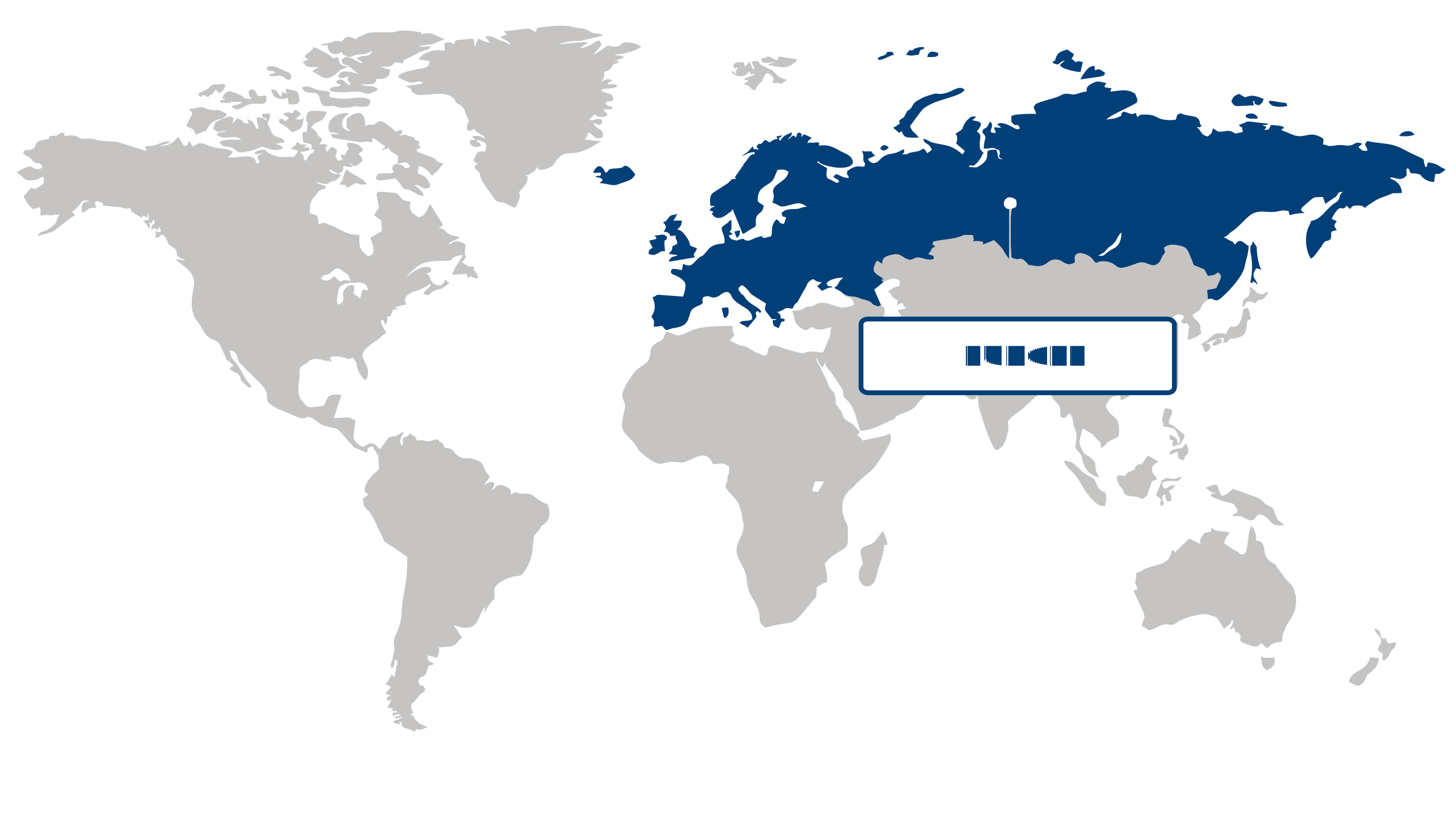
Europe (Largest Region)
Europe accounted for the largest share of the marine biostimulants market in 2026, with a 39.31% share, backed by increasing emphasis on sustainable agriculture, established agricultural practices, and growing interest in environmentally responsible crop production. The region's focus on reducing dependence on conventional agricultural inputs and improving resource efficiency is encouraging the adoption of biological solutions that support plant growth and resilience. Marine-derived biostimulants, including products based on seaweed extracts and other marine biological materials, are gaining attention for their potential to improve nutrient-use efficiency, support crop development, and help plants manage environmental stress. In addition, growing awareness of soil health, sustainable farming methods, and agricultural sustainability objectives is creating a favorable environment for market development. The continued interest in biological agricultural inputs and the integration of sustainable practices into crop management are expected to reinforce Europe's position in the global marine biostimulants market.
Asia Pacific (Fastest-Growing Region)
Asia Pacific is expected to register the fastest growth in the marine biostimulants market, driven by expanding agricultural activity, increasing demand for sustainable crop production, and growing awareness of biological agricultural inputs. The region's diverse farming systems and substantial agricultural sector create opportunities for marine-derived solutions that can support plant development, nutrient absorption, and crop resilience under changing environmental conditions. Increasing pressure to improve agricultural productivity while managing soil degradation, water constraints, and climate-related challenges is encouraging farmers to explore alternatives and complements to conventional fertilizers and crop inputs. Furthermore, growing interest in high-value crops, horticultural production, and improved agricultural resource efficiency is supporting demand for specialized biostimulant products. The increasing adoption of modern farming techniques, improving awareness of sustainable agriculture, and expanding access to innovative crop management solutions are expected to accelerate the development of the marine biostimulants market across Asia Pacific.
| Parameter | North America | Asia Pacific | Europe | Latin America | MEA |
|---|---|---|---|---|---|
| Innovation HubiScaleNascentDeveloping Advanced | |||||
| Cost-Sensitive RegioniScaleLowMedium High | |||||
| Regulatory EnvironmentiScaleRestrictiveNeutral Supportive | |||||
| Demand DriversiScaleWeakModerate Strong | |||||
| Development StageiScaleEmergingDeveloping Developed | |||||
| Adoption RateiScaleLowMedium High | |||||
| New Entrants / StartupsiScaleSparseModerate Dense | |||||
| Macro IndicatorsiScaleWeakStable Strong |
Key Country Insights
United States 🇺🇸
Sustainable Crop InputsThe U.S. market is prioritizing biologically derived agricultural inputs that support nutrient efficiency, crop resilience, and sustainable production. Marine biostimulants can gain commercial traction through integration with precision agriculture, specialty crops, and established farm-input distribution channels, with product efficacy and regulatory positioning remaining key adoption considerations.
Germany 🇩🇪
Regulatory-Driven BiostimulantsGermany places strong emphasis on environmentally compatible agricultural inputs, creating demand for marine-derived solutions supported by clear efficacy and compliance documentation. Suppliers can focus on crop-specific formulations, soil and plant health applications, and compatibility with sustainable farming practices while navigating stringent product authorization and quality requirements.
Japan 🇯🇵
Precision Crop EnhancementJapan’s marine biostimulants opportunity is closely tied to intensive horticulture, controlled cultivation, and technologies that improve crop quality and resource efficiency. Commercial priorities include highly consistent formulations, localized crop applications, and integration with precision farming systems, particularly where biostimulants can complement established fertilization and crop-management practices.
South Korea 🇰🇷
Advanced Horticulture ApplicationsSouth Korea offers commercial scope for marine biostimulants through technology-intensive horticulture and protected cultivation. Market participants can emphasize formulations that improve plant vigor, stress tolerance, and input efficiency, while partnerships with agricultural technology providers and local distributors can support adoption across controlled-environment and specialty crop applications.
France 🇫🇷
Sustainable Farming IntegrationFrance’s marine biostimulants market is shaped by efforts to reduce reliance on conventional agricultural inputs and strengthen sustainable crop production. Commercial opportunities center on validated products for field crops, viticulture, and horticulture, with traceable marine sourcing, agronomic evidence, and compatibility with environmentally focused farming practices supporting market acceptance.
Italy 🇮🇹
Specialty Crop SolutionsItaly presents a strong application focus for marine biostimulants in horticulture, vineyards, and other high-value crops where quality and plant resilience are commercially important. Suppliers can differentiate through crop-specific formulations and demonstrated agronomic benefits, while leveraging agricultural-input distributors and grower networks to expand product adoption.
Marine Biostimulants Market Share (%), by Mode of Application, 2026
Go beyond the chart, access full insights & data tables
Request Free Sample ReportMode of Application Segment Analysis: Foliar Treatment (Largest & Fastest-Growing Segment)
The foliar treatment mode of application accounted for the largest market share at 75.74% in 2026 and is also expected to register the fastest growth, supported by its ability to deliver marine-derived biostimulants directly to plant foliage for rapid uptake and targeted crop support. Foliar application allows growers to supplement plant nutrition and physiological processes during important stages of crop development, particularly when plants require additional support under environmental or growth-related stress. Marine biostimulants applied to leaves can promote nutrient utilization, improve plant vigor, and support resilience against unfavorable growing conditions. The method can also complement soil-based nutrient management programs, giving growers greater flexibility in crop management. Increasing interest in sustainable agricultural inputs and efficient application methods is encouraging the adoption of foliar treatments across different cropping systems. As farmers seek solutions that can improve plant performance while supporting more efficient agricultural practices, foliar application is expected to expand its marine biostimulants market share in 2026.
Ingredion Segment Analysis: Seaweed Extracts (Largest Segment) vs Fish Protein Hydrolysates (Fastest-Growing Segment)
The seaweed extracts segment accounted for the largest share at 67.3% in 2026, supported by the broad range of naturally derived compounds found in marine algae that can contribute to plant growth, nutrient efficiency, and stress tolerance. Seaweed-based biostimulants contain bioactive substances that can support physiological processes and improve overall plant development when incorporated into crop management programs. Their compatibility with different agricultural applications and growing interest in biological crop inputs are contributing to their widespread adoption. Seaweed extracts can also be applied across various crop stages, providing flexibility for growers seeking to enhance plant vigor and productivity through sustainable inputs. Increasing awareness of the potential agronomic benefits of marine-derived formulations is strengthening demand, allowing seaweed extracts to maintain a dominant market share in 2026.
The fish protein hydrolysates segment is expected to register the fastest growth, expanding its marine biostimulants market share in 2026, driven by increasing interest in protein-derived agricultural inputs that can support plant nutrition, development, and resilience. Fish protein hydrolysates contain peptides, amino acids, and organic compounds that can contribute to plant physiological activity and nutrient utilization. Their use aligns with the broader movement toward circular and sustainable agricultural practices by converting marine-derived materials into value-added crop inputs. Growing demand for biological alternatives to conventional agricultural products is also encouraging interest in protein-based biostimulant formulations. As growers increasingly seek inputs that combine nutritional support with plant-strengthening properties, fish protein hydrolysates are gaining momentum to secure a higher market share in 2026.
End Use Segment Analysis: Row Crops & Cereals (Largest Segment) vs Turf & Ornamentals (Fastest-Growing Segment)
The row crops and cereals end-use segment accounted for the largest market share at 57.79% in 2026, driven by the extensive cultivation area devoted to crops such as grains and other broad-acre agricultural commodities. These crops face environmental stresses, nutrient management challenges, and productivity requirements that create demand for inputs capable of supporting plant vigor and resilience. Marine biostimulants can be incorporated into crop management programs to support nutrient utilization, improve tolerance to unfavorable conditions, and promote more consistent plant development. Their compatibility with large-scale agricultural production further supports adoption across broad-acre farming systems. Growing emphasis on improving crop productivity while optimizing input efficiency is encouraging producers to explore biological solutions as part of integrated crop management practices, reinforcing this segment's leading position throughout 2026.
The turf and ornamentals end-use segment is projected to experience the fastest growth, supported by increasing attention to plant appearance, vigor, stress tolerance, and maintenance efficiency in landscaped environments. Turfgrass and ornamental plants are frequently exposed to environmental pressures such as heat, water limitations, and intensive maintenance schedules, creating demand for inputs that can support healthy and resilient growth. Marine biostimulants can provide supplemental physiological support while fitting into broader sustainable plant-care programs. Increasing adoption of environmentally conscious landscaping practices is also encouraging the use of biological and naturally derived inputs in turf and ornamental management. As demand for high-quality landscapes and efficient maintenance solutions expands, marine biostimulants are capturing a growing market share across turf and ornamental applications in 2026.
| Segment | Sub-Segment | Largest Segment | Fastest Growing |
|---|---|---|---|
| Mode of Application | Foliar Treatment, Soil Treatment, Seed Treatment | Foliar Treatment | Foliar Treatment |
| Ingredion | Seaweed Extracts, Fish Protein Hydrolysates, Chitosan and Marine Polysaccharides, Others | Seaweed Extracts | Fish Protein Hydrolysates |
| End Use | Row Crops & Cereals, Fruits & Vegetables, Turf & Ornamentals, Others | Row Crops & Cereals | Turf & Ornamentals |
Unlock insights tailored to your business with our bespoke market research solutions.
Click to get your customized report now.
Competitive Landscape and Market Positioning
Analyst Perspective:
Formulation standardization and repeatable field validation dictate competitive success in marine biostimulants, as amino acid concentrations do not guarantee crop performance on their own. While suppliers tout abiotic stress enhancement and soil microbiome stimulation, agricultural adoption ultimately relies on demonstrating tangible agronomic benefits across varying soil types and climate conditions. Furthermore, optimizing extraction purity to maximize bioavailability without incurring prohibitive processing costs remains essential for broad commercial viability.
Top players in the marine biostimulants market:
- Biostadt (India)
- UPL (India)
- Valagro (Italy)
- Koppert Biological Systems (Netherlands)
- Lallemand Plant Care (Canada)
- BASF (Germany)
- FMC Corporation (USA)
- Marrone Bio Innovations (USA)
- Sipcam Oxon (Italy)
- Isagro (Italy)
| Company | Market Share | Company Revenue | Revenue CAGR (%) | Product Portfolio | Geographic Presence | Innovation / R&D Focus | Strategic Developments |
|---|---|---|---|---|---|---|---|
| Biostadt (India) | |||||||
| UPL (India) | |||||||
| Valagro (Italy) | |||||||
| Koppert Biological Systems (Netherlands) | |||||||
| Lallemand Plant Care (Canada) | |||||||
| BASF (Germany) | |||||||
| FMC Corporation (USA) | |||||||
| Marrone Bio Innovations (USA) | |||||||
| Sipcam Oxon (Italy) | |||||||
| Isagro (Italy) |
Industry Development/News
| Company Name | Date | Key Development |
|---|---|---|
| BASF SE | October 2024 | BASF SE partnered with Acadian Plant Health to distribute seaweed-based biostimulant technology derived from Ascophyllum nodosum. The agreement expands BASF's BioSolutions portfolio with climate-resilient solutions designed to enhance crop stress tolerance, improve yield quality, and broaden product availability in new agricultural markets. |
| BioAtlantis | October 2023 | BioAtlantis participated in a €4.9 million EU-funded BOOSTER project focused on developing seaweed and microbial-based biostimulants. The research initiative aims to improve crop resilience and drought tolerance in maize and teff using natural compounds and molecular priming technologies to support climate-smart agricultural practices. |
Customize Your Report
Explore examples of how this report can be tailored to different research needs, including custom segments, additional topics or chapters, and related reports. Click a section of the wheel or its numbered marker to explore the available options.
Marine Biostimulants Market — Custom Segments
| Segment | Sub-Segment |
|---|---|
| Biological Function | Nutrient Use Efficiency, Abiotic Stress Tolerance, Plant Growth & Development, Soil & Root Health |
| Farming System | Conventional Farming, Organic Farming, Protected Agriculture, Sustainable & Regenerative Farming |
| Distribution Model | Direct Sales, Agricultural Input Distributors, Cooperatives & Farmer Organizations, E-commerce & Specialty Retail |
Marine Biostimulants Market — Custom TOC
| Custom Chapter | Chapter Details |
|---|---|
| Crop Adoption Pathways |
|
| Regulatory Approval & Market Access |
|
| Feedstock Availability & Sustainable Sourcing |
|
Need a different cut of the data?
Request Custom ResearchFrequently Asked Questions
How much revenue does the marine biostimulants market generate?
What are the growth projections for the marine biostimulants industry?
How is the shift toward sustainable agriculture influencing demand for marine biostimulants?
How are formulation innovations and regulatory support accelerating marine biostimulant adoption?
Why do seaweed extracts dominate the marine biostimulants market?
Why are fish protein hydrolysates gaining momentum in the marine biostimulants market?
Why is Europe the leading market for marine biostimulants?
How is Asia Pacific creating new growth opportunities in the marine biostimulants market?
Which organizations are considered leaders in the marine biostimulants landscape?
Our Clients
"The report helped us understand emerging consumer trends in our product category. It clarified where to focus innovation for the next product launch."
LyondellBasell
"The regional forecast section was incredibly useful. We were able to identify two new potential partners in Europe thanks to the vendor mapping you included."
SABIC
"We appreciated how actionable the recommendations were. It guided us to improve supply chain resilience."
Olin Corporation
Our Research Team & Methodology
Every Fundamental Business Insights report is built by a dedicated vertical research team, validated through a structured primary-and-secondary methodology, and reviewed for accuracy before it reaches you.
This report was prepared by the Chemicals & Materials Research Team at Fundamental Business Insights, a dedicated research group specializing in the global chemicals, advanced materials, and industrial manufacturing sectors. Our analysts continuously monitor raw material supply chains, feedstock pricing, production technologies, regulatory developments, sustainability initiatives, environmental compliance, trade dynamics, and evolving end-use applications to deliver timely and reliable market intelligence. The research is developed using a structured methodology that combines primary discussions with manufacturers, raw material suppliers, distributors, and industry experts, along with company annual reports, regulatory publications, government trade statistics, industry associations, technical literature, patent databases, and other authoritative secondary sources. Market estimates are validated through multiple research techniques, including top-down and bottom-up analysis, before undergoing an internal quality review to ensure accuracy, consistency, and methodological integrity prior to publication.
Delivery
Published
Available
Support
- Market Size & Forecast
- Market Segmentation
- Regional Analysis
- Growth Drivers & Challenges
- Market Dynamics
- Competitive Landscape
- Company Profiles
- Competitive Benchmarking
- Mergers & Acquisitions
- Market Share Analysis or Key Company Strategies
- Value Chain Analysis
- Porter's Five Forces
- PESTLE Analysis
- Pricing Trends
- Supply-Demand Analysis
- Technology Landscape
- Regulatory Landscape
- Investment & Funding Landscape
- Emerging Opportunities
- Future Market Outlook