



Men's Coats and Jacket Market Size & Growth Forecast 2027–2036, By Segments (Distribution Channel, Fiber), Regional Demand Trends (North America, Asia Pacific, Europe), Key Country Insights (U.S., Japan, South Korea, Germany, France, Italy), and Competitive Landscape
Market Size and Growth Outlook
Men's Coats and Jacket Market size was valued at USD 59.43 billion in 2026 and is projected to grow at a 4.85% CAGR from 2027 to 2036, reaching USD 95.43 billion by 2036. The industry revenue for 2027 is estimated at USD 61.85 billion.
Base Year Value (2026)
USD 59.43 billion
CAGR (2027-2036)
4.85%
Forecast Year Value (2036)
USD 95.43 billion

Historical Data Period
2022-2026

Largest Region
Europe

Forecast Period
2027-2036
Men's Coats and Jacket Market Intelligence Snapshot:
-
Regional Market Dynamics:
- Europe accounted for a 37.10% share in 2026, supported by mature apparel retail, strong seasonal demand, established fashion consumption, and extensive brand presence across multiple sales channels.
- Asia Pacific is projected to grow at a 4.22% CAGR as urban consumption rises alongside organized retail expansion, wider digital shopping access, and evolving menswear preferences.
-
Segment Momentum:
- Offline channels accounted for 76.8% of the market in 2026 because shoppers prefer evaluating fit, comfort, fabric, and seasonal suitability before purchasing outerwear.
- Cellulosic is the fastest-growing fiber segment as brands increasingly adopt alternative materials that align with evolving product development and changing consumer preferences.
-
Market Expansion Drivers:
- Expanding corporate workforce driving consistent demand for formal and outerwear jackets.
- E-commerce fashion marketing and celebrity influence accelerating apparel purchase cycles.
- Sustainable fabric innovation and premium winterwear designs enhancing product differentiation.
-
Leading Market Participants:
Key players in the men's coats and jacket market include Louis Vuitton Moët Hennessy SE (France), CHANEL Limited (France), Kering S.A. (France), Prada S.p.A. (Italy), Burberry Group plc (U.K.), Giorgio Armani S.p.A. (Italy), Dolce & Gabbana S.r.l. (Italy), Gianni Versace S.r.l. (Italy), Christian Dior SE (SE).
Global Market Forecast Snapshot:
-
Market Outlook:
- 2026 Market Size: USD 59.43 billion
- 2027 Estimated Market Size: USD 61.85 billion.
- Projected Market Size: USD 95.43 billion by 2036
- Growth Forecasts: 4.85% CAGR (2027-2036)
-
Regional and Segment Outlook:
- Leading Regional Market: Europe
- High-Growth Regional Hub: Asia Pacific
- Core Revenue Segment: Offline (Distribution Channel) | Polyester (Fiber)
- Emerging Opportunity Segment: Online (Distribution Channel) | Cellulosic (Fiber)
Market Growth Drivers and Industry Trends
Expanding corporate workforce driving consistent demand for formal and outerwear jackets
Expansion of the corporate workforce is sustaining demand for apparel that combines professional presentation with practical outerwear functionality. The men's coats and jacket market will gain from continued requirements for formal jackets and workplace-appropriate outerwear, particularly as employees maintain wardrobes suited to professional environments and changing seasonal needs, supporting recurring purchases across established apparel categories.
E-commerce fashion marketing and celebrity influence accelerating apparel purchase cycles
Digital fashion marketing and celebrity influence are making apparel trends more visible and accessible, encouraging consumers to refresh wardrobes more frequently. E-commerce channels will accelerate the men's coats and jacket market by simplifying product discovery and purchasing, while celebrity-led fashion exposure can increase interest in new styles and shorten the time between trend emergence and consumer purchase decisions.
Sustainable fabric innovation and premium winterwear designs enhancing product differentiation
Advances in sustainable fabrics and the introduction of premium winterwear designs are giving apparel producers additional ways to differentiate coats and jackets beyond basic functionality. The men's coats and jacket market will benefit as consumers encounter products combining environmental considerations, enhanced design, and seasonal performance, encouraging greater interest in premium offerings with distinctive material and styling attributes.
| Growth Driver Assessment Framework | |||||
| Growth Driver | Impact On CAGR | Regulatory Influence | Geographic Relevance | Adoption Rate | Impact Timeline |
|---|---|---|---|---|---|
| Expanding corporate workforce driving consistent demand for formal and outerwear jackets | 1.80% | Low | Europe, Asia Pacific | High | Near Term |
| E-commerce fashion marketing and celebrity influence accelerating apparel purchase cycles | 1.50% | Low | North America, Europe | High | Near Term |
| Sustainable fabric innovation and premium winterwear designs enhancing product differentiation | 1.20% | Low | Europe, Asia Pacific | Medium | Mid Term |
Unlock insights tailored to your business with our bespoke market research solutions - Click to get your customized report now!
Regional Demand Dynamics
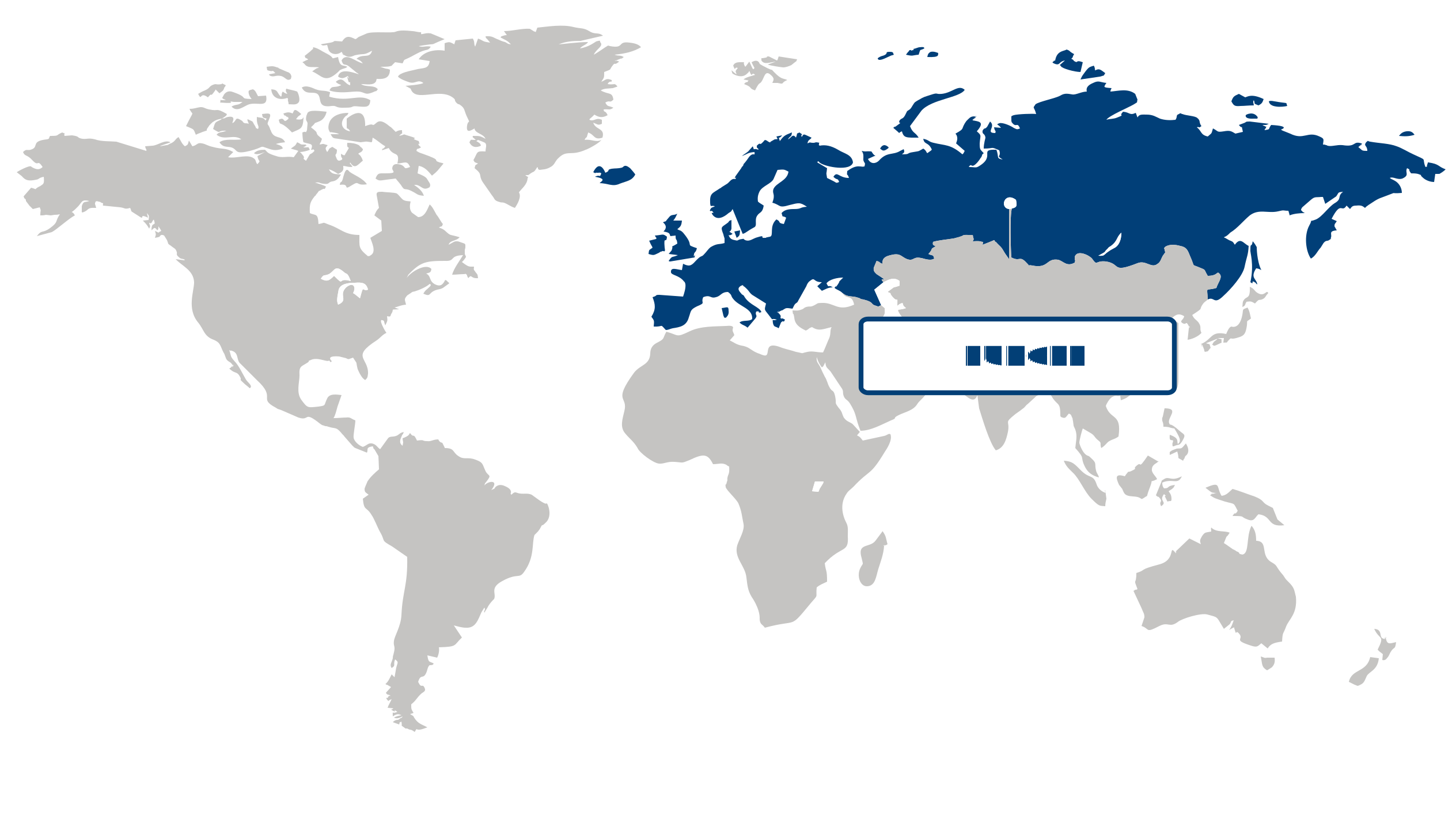
Largest Region
Europe
37.1% Market Share in 2026
Europe (Largest Region) vs Asia Pacific (Fastest-Growing Region)
The men's coats and jacket market was led by Europe, which accounted for a 37.10% share in 2026, reflecting strong demand for seasonal outerwear, established fashion markets, and consumer preference for well-designed and durable apparel. Europe's varied climate and strong fashion culture support demand across formal, casual, technical, and premium outerwear categories. Consumers increasingly value functional materials, versatile designs, and sustainable sourcing, encouraging manufacturers and retailers to expand collections that combine style with weather protection. Established retail networks and strong brand differentiation further reinforce the region's position, while growing interest in recycled and responsibly produced materials is influencing product development.
Asia Pacific represents the fastest-growing regional market, supported by rising disposable incomes, expanding urban populations, and increasing exposure to international fashion trends. Consumers are showing greater interest in contemporary outerwear as lifestyles become more urban and fashion-conscious, creating opportunities across both premium and mass-market categories. Expanding organized retail and digital commerce are improving product availability and enabling brands to reach consumers across diverse markets. Demand is also benefiting from changing seasonal preferences, increasing participation in outdoor activities, and greater adoption of functional jackets designed for travel, commuting, and varied weather conditions.
Key Country Insights
The U.S. men's coats and jacket market emphasizes technical outerwear, versatile casual styles, and omnichannel retail strategies. Brands in the U.S. continue refining sustainable materials, seasonal collections, and direct-to-consumer engagement to address evolving consumer preferences.
Japan values lightweight construction, refined tailoring, and premium fabrics within the men's coats and jacket market. Japanese brands focus on minimalist styling, advanced textile innovation, and compact seasonal collections that align with urban consumer expectations.
South Korea's men's coats and jacket market is shaped by fashion-conscious consumers seeking contemporary silhouettes and frequent product refreshes. Local and international brands invest in digital retail engagement and influencer-led launches to accelerate product visibility.
Germany prioritizes durable, weather-resistant men's coats and jackets suited for changing climates and outdoor lifestyles. German manufacturers and retailers increasingly integrate recycled textiles and premium craftsmanship to strengthen product differentiation across retail channels.
France emphasizes premium tailoring and design-led collections within the men's coats and jacket market. French brands combine heritage craftsmanship with sustainable sourcing initiatives while responding to demand for timeless outerwear with elevated material quality.
Italy supports the men's coats and jacket market through premium manufacturing capabilities and high-quality textile expertise. Italian producers prioritize artisanal production, premium fabrics, and export-oriented collections that reinforce long-term brand value.
Segment Leadership and Growth Trends
Distribution Channel Segment Analysis: Offline (Largest Segment) vs Online (Fastest-Growing Segment)
Offline distribution dominated the men's coats and jacket market in 2026, accounting for 76.8% share, supported by the continued importance of physical retail in apparel purchasing. Consumers often prefer to evaluate coats and jackets directly to assess fit, fabric quality, construction, comfort, and styling before completing a purchase. Department stores, specialty apparel outlets, and other physical retailers also provide immediate product access and personalized assistance, helping preserve the strong position of offline channels despite the increasing penetration of digital commerce.
Online distribution is the fastest-growing channel as consumers increasingly prioritize convenience, broad product selection, and the ability to compare apparel options remotely. Digital retailers can provide detailed product descriptions, sizing guidance, customer reviews, personalized recommendations, and flexible purchasing options that simplify outerwear selection. Improvements in delivery services and return policies are further increasing consumer confidence in purchasing coats and jackets online, while digital platforms enable retailers to reach customers beyond traditional physical store networks.
Fiber Segment Analysis: Polyester (Largest Segment) vs Cellulosic (Fastest-Growing Segment)
Polyester held the largest share of the men's coats and jacket market in 2026 at 42.4%, reflecting its suitability for durable and versatile outerwear applications. The fiber offers resistance to wear, moisture, and deformation while requiring relatively low maintenance, making it well suited to coats and jackets intended for regular use. Polyester can also be incorporated into different fabric constructions and blends, giving manufacturers flexibility to balance performance, appearance, comfort, and cost across diverse outerwear products.
Cellulosic fibers are the fastest-growing fiber segment, supported by increasing consumer interest in natural-origin materials, comfort, and more environmentally conscious apparel choices. These fibers can provide softness, breathability, and favorable drape while enabling manufacturers to diversify material portfolios beyond conventional synthetic fibers. Growing attention to fiber composition, responsible material sourcing, and sustainability in fashion is encouraging greater use of cellulosic materials in men's coats and jackets.
| Report Segmentation | |||
| Segment | Sub-Segment | Largest Segment | Fastest Growing Segment |
|---|---|---|---|
| Distribution Channel | Offline, Online | Offline | Online |
| Fiber | Cotton, Polyester, Cellulosic, Others | Polyester | Cellulosic |
 Read our Research Approach
Competitive Landscape and Market Positioning
Top players in the men's coats and jacket market:
1. Louis Vuitton Moët Hennessy SE (France)
2. CHANEL Limited (France)
3. Kering S.A. (France)
4. Prada S.p.A. (Italy)
5. Burberry Group plc (U.K.)
6. Giorgio Armani S.p.A. (Italy)
7. Dolce & Gabbana S.r.l. (Italy)
8. Gianni Versace S.r.l. (Italy)
9. Christian Dior SE (SE)
Changing fashion trends and increasing demand for sustainable apparel are encouraging innovation in the men's coats and jacket market. Brands are introducing eco-friendly materials, lightweight insulation technologies, and performance-oriented designs that improve comfort and functionality.
Why Choose Us
Specialized Expertise: Our team comprises industry experts with a deep understanding of your market segment. We bring specialized knowledge and experience that ensures our research and consulting services are tailored to your unique needs.
Customized Solutions: We understand that every client is different. That's why we offer customized research and consulting solutions designed specifically to address your challenges and capitalize on opportunities within your industry.
Proven Results: With a track record of successful projects and satisfied clients, we have demonstrated our ability to deliver tangible results. Our case studies and testimonials speak to our effectiveness in helping clients achieve their goals.
Cutting-Edge Methodologies: We leverage the latest methodologies and technologies to gather insights and drive informed decision-making. Our innovative approach ensures that you stay ahead of the curve and gain a competitive edge in your market.
Client-Centric Approach: Your satisfaction is our top priority. We prioritize open communication, responsiveness, and transparency to ensure that we not only meet but exceed your expectations at every stage of the engagement.
Continuous Innovation: We are committed to continuous improvement and staying at the forefront of our industry. Through ongoing learning, professional development, and investment in new technologies, we ensure that our services are always evolving to meet your evolving needs.
Value for Money: Our competitive pricing and flexible engagement models ensure that you get maximum value for your investment. We are committed to delivering high-quality results that help you achieve a strong return on your investment.
Select Licence Type

