Mobile Biosafety Laboratory Market Size & Forecasts 2026-2035, By Segments (Application, Type), Growth Opportunities, Innovation Landscape, Regulatory Shifts, Strategic Regional Insights (U.S., Japan, China, South Korea, UK, Germany, France), and Competitive Dynamics (3M, Thermo Fisher Scientific, Eppendorf, Sartorius, Bio-Rad Laboratories)
Jump to Content
Market Size and Growth Outlook
Mobile Biosafety Laboratory Market size is estimated to increase from USD 268.37 million in 2025 to USD 574.05 million by 2035, supported by a CAGR exceeding 7.9% during 2026-2035. In 2026, revenues are forecast to reach USD 286.97 million.
Get more details on this report
Request Free Sample ReportMobile Biosafety Laboratory Market Intelligence Snapshot
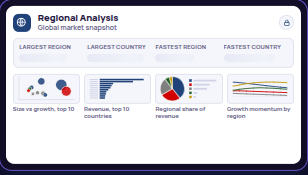
Regional Market Dynamics
Segment Momentum
Market Expansion Drivers
Leading Market Participants
Global Market Forecast Snapshot
Market Outlook
Regional and Segment Outlook
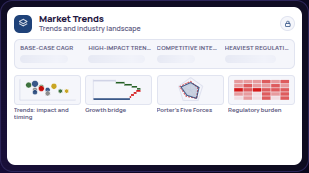
Market Growth Drivers and Industry Trends
The increasing frequency of infectious disease outbreaks, as noted by the World Health Organization, has escalated the need for rapid on-site testing and containment, driving the mobile biosafety laboratory market. Governments and health agencies, such as the U.S. Centers for Disease Control and Prevention, are prioritizing swift diagnostic interventions to curb pandemic risks, encouraging deployment of mobile labs. This demand pressures manufacturers to innovate scalable and deployable solutions that sustain biosafety standards. Established players can leverage their technological expertise to expand service contracts, while new entrants can differentiate through nimble, cost-effective offerings tailored for emergency response. This trend ensures ongoing investment in mobile biosafety labs aligning with public health frameworks emphasizing agility and regional containment capabilities.
Expansion of Field Diagnostics in Remote and Outbreak-Prone Regions
The mobile biosafety laboratory market benefits from intensified efforts by organizations like Médecins Sans Frontières to provide diagnostic services in underserved, outbreak-prone areas, where traditional labs are inaccessible. Improving diagnostic coverage in these regions enhances outbreak control, influencing procurement by humanitarian and government programs. This drives demand for portable labs equipped to operate under harsh environmental conditions, fueling innovation in rugged, autonomous biosafety solutions. Companies focused on durability and ease of transport can capture niche markets, and collaborations with NGOs offer strategic channel expansion. Continued prioritization of decentralized diagnostics by global health initiatives indicates sustained momentum for mobile lab deployments in remote environments.
Technological Advancements in Portable Biosafety Equipment
Innovations in miniaturized and automated biosafety systems, highlighted in recent Siemens Healthineers press releases, are revolutionizing the mobile biosafety laboratory market by improving functionality and user safety in constrained spaces. Enhanced integration of real-time data analytics and user-friendly interfaces accelerates diagnostic throughput and compliance with biosafety protocols. Such breakthroughs reduce operational complexity and maintenance costs, creating competitive advantages for manufacturers that invest in R&D. New entrants leveraging emerging technologies like AI-driven diagnostics can disrupt traditional models, while incumbents can enhance product differentiation. The ongoing digital transformation within biosafety tools signals a near-term expansion of sophisticated mobile labs equipped for increasingly complex pathogen detection.
Industry Restraints:
Regulatory and Certification Hurdles
Stringent regulatory frameworks governing biosafety standards and certifications significantly constrain the mobile biosafety laboratory market. Compliance with diverse national and international biosafety regulations—from the U.S. Centers for Disease Control and Prevention (CDC) to the European Centre for Disease Prevention and Control (ECDC)—requires high investments in design, testing, and certification processes, often resulting in prolonged lead times to market entry. These complexities slow innovation adoption and deter smaller players unable to absorb regulatory costs. For instance, CDC approvals for BSL-3 mobile labs involve rigorous inspection protocols that can delay deployment in outbreak scenarios. Market incumbents face ongoing operational burdens, while new entrants encounter steep barriers, limiting competitive dynamics. Going forward, evolving biosafety mandates and harmonization efforts, such as those promoted by the World Health Organization (WHO), will shape incremental regulatory refinement but maintain high entry thresholds, prolonging this restraint’s impact.
Infrastructure and Logistics Challenges in Deployment
The practical deployment of mobile biosafety laboratories is hampered by logistical complexities tied to infrastructure limitations and operational environments. Mobile units must navigate challenging terrains, unreliable power supplies, and constrained transport networks, particularly in remote or resource-poor settings. The U.S. Department of Defense has noted that mobile labs’ effectiveness diminishes without tailored support for rapid, field-ready setup. This factor impedes deployment speed, risking delayed responses during health emergencies, ultimately deterring investment in expansive mobile lab rollouts. Both established manufacturers and newer entrants struggle to engineer adaptable, yet cost-efficient solutions that address these logistical bottlenecks sustainably. With global health crises underscoring the need for rapid diagnostics, supply chain resilience and infrastructure improvements will remain critical focal points, but the complex interplay of factors will perpetuate deployment limitations in the near term.
| Growth Driver | Impact on CAGR | Regulatory Influence | Geographic Relevance | Adoption Rate | Impact Timeline |
|---|---|---|---|---|---|
| Rising demand for mobile labs for infectious disease management | 3.00% | Short term (≤ 2 yrs) | North America, Asia Pacific; Spillover: Europe | Medium | Fast |
| Expansion of field diagnostics in remote and outbreak-prone regions | 2.70% | Medium term (2–5 yrs) | Asia Pacific, Africa; Spillover: Europe | Low | Moderate |
| Technological advancements in portable biosafety equipment | 2.20% | Long term (5+ yrs) | North America, Europe; Spillover: Asia Pacific | Low | Slow |
Unlock insights tailored to your business with our bespoke market research solutions.
Click to get your customized report now.
Regional Demand Dynamics

North America dominated the mobile biosafety laboratory market, capturing over 38% of the global share in 2025. This region leads due to robust government funding dedicated to biosecurity, supported by advanced healthcare infrastructure and significant investments in infectious-disease preparedness. Agencies like the U.S. Centers for Disease Control and Prevention (CDC) emphasize rapid response capabilities, fueling demand for mobile labs to manage epidemics efficiently. Moreover, enhancements in digital health integration and streamlined regulatory pathways, as seen in the Food and Drug Administration’s (FDA) adaptive policies, further accelerate market expansion. North America's well-established logistics networks and a skilled workforce amplify operational readiness, positioning it for sustained growth and innovation in mobile biosafety solutions.
The United States anchors the North American mobile biosafety laboratory market, driving regional momentum through unparalleled federal initiatives. The U.S. government’s strategic funding, evidenced by the Biomedical Advanced Research and Development Authority’s (BARDA) programs, enhances bio-containment lab deployment for emerging infectious diseases. Regulatory flexibility by the FDA facilitates faster product approvals, while collaborations with private sector leaders such as Thermo Fisher Scientific expand technology access. These dynamics consolidate the U.S.'s role as a frontline innovator, underpinning broader regional opportunities in addressing evolving biosafety challenges with mobile laboratory capabilities.
Asia Pacific Market Analysis:
Asia Pacific emerged as the fastest-growing region in the mobile biosafety laboratory market, registering a robust CAGR of 10.2%. This strong expansion is primarily driven by rising awareness around epidemic preparedness, heightened public-health investments, and the increasing deployment of mobile biosafety labs in emerging countries. Governments and health organizations in the region are focusing intensely on strengthening rapid response capabilities amid ongoing and potential infectious disease outbreaks, exemplified by initiatives from the Asia-Pacific Economic Cooperation (APEC) to enhance regional health security. Furthermore, investments by national health ministries, supported by international collaborations such as the World Health Organization’s regional arm, have accelerated infrastructure upgrades and the incorporation of mobile labs equipped with advanced diagnostic technologies. The convergence of these factors, coupled with advancements in digital health and logistics frameworks, positions Asia Pacific as a critical hub for innovation and expanded deployment in the mobile biosafety laboratory market.
Japan plays a pivotal role in enhancing Asia Pacific’s mobile biosafety laboratory market through its advanced technological capabilities and substantial government commitment to epidemic preparedness. The country’s Health, Labor and Welfare Ministry has championed initiatives integrating mobile labs into emergency health responses, ensuring swift pathogen detection and containment. Japanese companies, such as Toshiba and Hitachi, have been instrumental in designing compact, high-efficiency mobile lab units tailored to both urban and remote environments, reinforcing robust supply chains and operational readiness. Meanwhile, regulatory frameworks have evolved to support rapid certification and deployment of these labs, facilitating scalable responses to health crises. This dynamic ecosystem not only sustains domestic preparedness but also positions Japan as an innovation leader, facilitating technology transfers and collaborations across the Asia Pacific region.
China’s expanding role underpins the regional growth through substantial public-health investments targeting infectious disease control and biosecurity. The National Health Commission of China has prioritized mobile biosafety laboratories to enhance field-level diagnostics, particularly in under-served rural areas and high-risk zones. Domestic manufacturers, supported by government funding, are rapidly scaling mobile lab production, embedding cutting-edge biosafety features alongside digital monitoring systems to enable real-time data transmission. Furthermore, China’s strategic partnerships with neighboring countries, promoted via the Belt and Road Initiative, have expanded mobile lab deployment across emerging markets, strengthening regional disease surveillance networks. These capabilities underscore China’s integral contribution to Asia Pacific’s market momentum, enhancing the region’s collective resilience and creating considerable investment opportunities in scalable biosafety infrastructure.
Europe Market Trends:
Europe held a substantial share of the mobile biosafety laboratory market, driven by heightened focus on rapid disease detection and containment amid public health challenges. The region’s robust healthcare infrastructure and proactive regulatory frameworks, such as the European Centre for Disease Prevention and Control (ECDC) guidelines, have fostered strong adoption of mobile biosafety labs in various settings. Additionally, increasing investments from institutions like the German Federal Ministry of Health reflect growing prioritization of biosafety and pandemic preparedness. European manufacturers have leveraged advancements in miniaturization and digital diagnostics, enhancing operational flexibility and data integration. Moreover, logistical efficiency rooted in an interconnected transport network supports swift deployment capabilities across borders. These multifaceted dynamics collectively position Europe as a promising hub for innovation and scaling in mobile biosafety laboratories, offering substantial growth avenues aligned with evolving public health strategies.
Germany remains a pivotal player in the mobile biosafety laboratory market, bolstered by government initiatives emphasizing biosafety and rapid pathogen monitoring. The country’s emphasis on resilience is visible through institutions like the Robert Koch Institute, which has actively endorsed mobile lab integration for infectious disease management. Germany’s strong engineering base has propelled the development of cutting-edge mobile lab units that emphasize automation and real-time analysis, setting competitive benchmarks. Furthermore, regulatory support from the Federal Institute for Occupational Safety and Health facilitates streamlined certification protocols, accelerating market entry for new technologies. This environment encourages collaboration between public health authorities and industrial innovators, underscoring Germany’s centrality in advancing mobile biosafety solutions within Europe’s broader strategic framework.
France plays a significant role in the European mobile biosafety laboratory market, driven by its commitment to strengthening public health infrastructure and emergency response capabilities. The French Ministry of Solidarity and Health has prioritized mobile biosafety labs as essential tools for infectious outbreak containment, reflected in increased funding and deployment in remote and underserved regions. Industry collaborations involving organizations like Institut Pasteur have spurred innovation in portable diagnostic platforms tailored to local epidemiological needs. France’s stringent regulatory landscape ensures high-quality standards, fostering trust and adoption among healthcare providers. These factors underscore the country’s contribution to Europe’s integrated biosafety strategies and highlight France as a key market where investment in mobile biosafety laboratories can translate into enhanced regional health security and operational readiness.
| Parameter | North America | Asia Pacific | Europe | Latin America | MEA |
|---|---|---|---|---|---|
| Innovation HubiScaleNascentDeveloping Advanced | |||||
| Cost-Sensitive RegioniScaleLowMedium High | |||||
| Regulatory EnvironmentiScaleRestrictiveNeutral Supportive | |||||
| Demand DriversiScaleWeakModerate Strong | |||||
| Development StageiScaleEmergingDeveloping Developed | |||||
| Adoption RateiScaleLowMedium High | |||||
| New Entrants / StartupsiScaleSparseModerate Dense | |||||
| Macro IndicatorsiScaleWeakStable Strong |
Mobile Biosafety Laboratory Market Share (%), by Application, 2026
Go beyond the chart, access full insights & data tables
Request Free Sample ReportThe mobile biosafety laboratory market is led by the medical rescue segment, which represented the largest share in 2025. This leadership is primarily driven by the increasing frequency of infectious disease outbreaks and emergency health crises, necessitating rapid deployment of on-site diagnostic and containment capabilities. Growing customer preference for immediate response solutions in epidemic hotspots, supported by directives from organizations like the World Health Organization, underpins this segment’s prominence. Additionally, regulatory frameworks encouraging swift outbreak management have reinforced demand, while advancements in portable biosafety technology have enhanced operational efficiency. Established companies benefit from deep expertise and networked emergency collaborations, whereas new entrants can leverage scalable innovations in diagnostic tools. Given ongoing global health challenges and investments in emergency infrastructure, the medical rescue segment is expected to maintain its critical role in the mobile biosafety laboratory market in the near to medium term.
Analysis by Type
In the mobile biosafety laboratory market, the Level 3 segment held the largest share in 2025, driven by strong demand for mobile labs qualified to handle serious airborne pathogens safely. This segment's prominence is bolstered by stringent biosafety regulations and rising awareness among health agencies regarding the containment of highly infectious agents like tuberculosis and novel viruses, as seen in mandates from the U.S. Centers for Disease Control and Prevention. Demand is further fueled by prioritization of worker safety and operational resilience during field diagnostics, supported by improvements in containment technologies and digital monitoring systems. The competitive landscape favors firms investing in advanced containment and mobility solutions, while new players find opportunity in modular Level 3 designs. Due to persistent global threats from airborne pathogens and evolving biosafety standards, the Level 3 segment will remain a cornerstone for mobile biosafety labs in coming years.
| Segment | Sub-Segment | Largest Segment | Fastest Growing |
|---|---|---|---|
| Application | Medical Rescue, Emergency Disease | ||
| Type | Level 3, Level 2, Level 1 |
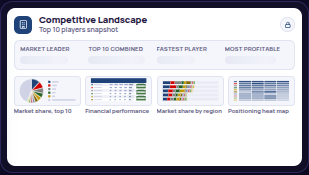
Competitive Landscape and Market Positioning
The competitive environment is marked by dynamic collaborations and continuous advancements among these leading firms. Many have enhanced their market positioning by integrating cutting-edge diagnostic technologies and expanding mobile platform capabilities. Strategic moves, including alliances with regional healthcare agencies and investments in portable lab research, have underpinned their innovation trajectory. For example, Abbott Laboratories and PerkinElmer have introduced modular, rapid-deployment biosafety units, enabling swift responses to emerging health threats. Such initiatives not only bolster product differentiation but also fortify competitive advantage through scalable, adaptable laboratory solutions suited for diverse field conditions.
Strategic / Actionable Recommendations for Regional Players
In North America, players can amplify impact by aligning with government health agencies and emergency response units to foster adoption of mobile biosafety labs in public health preparedness. Collaborations with technology providers focusing on artificial intelligence-driven diagnostics could enhance the analytical precision and operational efficiency of these labs.
Within Asia Pacific, addressing the growing demand for infectious disease management through partnerships with local healthcare infrastructure will enhance reach. Investing in customizable and cost-effective mobile laboratory platforms suited to varied regional environments can drive wider acceptance and utility across emerging markets.
For Europe, fostering innovation through alliances with biotech startups focused on advanced biosafety materials and real-time monitoring systems can accelerate product refinement. Capitalizing on stringent regulatory frameworks by emphasizing compliance and quality will strengthen credibility while tapping into specialized, high-value sub-segments like pharmaceutical field testing.
| Company | Market Share | Company Revenue | Revenue CAGR (%) | Product Portfolio | Geographic Presence | Innovation / R&D Focus | Strategic Developments |
|---|---|---|---|---|---|---|---|
| No companies available. | |||||||
Customize Your Report
Explore examples of how this report can be tailored to different research needs, including custom segments, additional topics or chapters, and related reports. Click a section of the wheel or its numbered marker to explore the available options.
Mobile Biosafety Laboratory Market — Custom Segments
| Segment | Sub-Segment |
|---|---|
| No segment data available. | |
Mobile Biosafety Laboratory Market — Custom TOC
| Custom Chapter | Chapter Details |
|---|---|
| No custom TOC data available. | |
Need a different cut of the data?
Request Custom ResearchFrequently Asked Questions
What is the expected industry size of mobile biosafety laboratory by 2035?
Which territory demonstrates the strongest presence in the mobile biosafety laboratory market?
What is the fastest growing region in the mobile biosafety laboratory sector?
How does medical rescue segment fare in the mobile biosafety laboratory industry?
What share does level 3 segment hold in the mobile biosafety laboratory sector as of 2025?
Who holds a significant market share in the mobile biosafety laboratory landscape?
Our Clients
"The team took the time to understand our specific business needs and delivered a report that was well aligned with our objectives. Their expertise and understanding of the industry were clearly reflected in the quality and relevance of the insights provided."
Siemens Healthcare
"Our experience in acquiring the research report has been excellent. The depth of analysis, and actionable insights provided have been extremely valuable in supporting our ongoing R&D efforts."
GC Biopharma
"The report offered a comprehensive view of the market trends. The in-depth segmentation and analysis of emerging opportunities gave us a better understanding of the market."
Medtronic
Our Research Team & Methodology
Every Fundamental Business Insights report is built by a dedicated vertical research team, validated through a structured primary-and-secondary methodology, and reviewed for accuracy before it reaches you.
Delivery
Published
Available
Support
- Market Size & Forecast
- Market Segmentation
- Regional Analysis
- Growth Drivers & Challenges
- Market Dynamics
- Competitive Landscape
- Company Profiles
- Competitive Benchmarking
- Mergers & Acquisitions
- Market Share Analysis or Key Company Strategies
- Value Chain Analysis
- Porter's Five Forces
- PESTLE Analysis
- Pricing Trends
- Supply-Demand Analysis
- Technology Landscape
- Regulatory Landscape
- Investment & Funding Landscape
- Emerging Opportunities
- Future Market Outlook