Modified Bitumen Market Size & Growth Forecast 2027–2036, By Segments (End Use, Product), Regional Demand Trends (North America, Asia Pacific, Europe), Key Country Insights (U.S., Japan, South Korea, Germany, France, Italy), and Competitive Landscape
Jump to Content
Market Size and Growth Outlook
Modified Bitumen Market size was assessed at USD 47.74 billion in 2026 and is poised to grow at a 7% CAGR between 2027 and 2036, crossing USD 93.91 billion by 2036. The industry revenue for 2027 is estimated at USD 50.58 billion.
Get more details on this report
Request Free Sample ReportModified Bitumen Market Intelligence Snapshot
Regional Market Dynamics
- Europe accounted for 38.12% of market share in 2026, supported by extensive road infrastructure, infrastructure modernization, road rehabilitation projects, and demand for durable, high-performance pavement materials.
- Asia Pacific is the fastest-growing region, propelled by rapid urbanization, expanding highways and urban road networks, transportation infrastructure investment, and demand for durable materials for road construction and maintenance.
Segment Momentum
- Road construction accounted for 89.77% of the market in 2026, driven by extensive infrastructure use and the need for durable pavements with improved resistance to rutting, cracking, fatigue, and temperature-related deformation.
- Waterproofing and roofing represent the fastest-growing end-use segment, supported by construction and renovation activity and demand for flexible, weather-resistant materials that protect buildings against moisture penetration and reduce long-term maintenance requirements.
Market Expansion Drivers
- Increasing road construction and infrastructure development.
- Adoption of modified bitumen for durable and climate-resilient pavements.
- Environmental regulations promoting sustainable construction materials.
Leading Market Participants
- Top companies in the modified bitumen market include Shell (UK), TotalEnergies (France), ExxonMobil (USA), BP (UK), Chevron (USA), Nynas (Sweden), Gazprom Neft (Russia), Indian Oil Corporation (India), Sika (Switzerland), Kraton Corporation (USA).
Global Market Forecast Snapshot
Market Outlook
- 2026 Market Size: USD 47.74 billion
- 2027 Estimated Market Size: USD 50.58 billion
- Projected Market Size: USD 93.91 billion by 2036
- Growth Forecast: 7% CAGR (2027-2036)
Regional and Segment Outlook
- Leading Regional Market: Europe
- High-Growth Regional Hub: Asia Pacific
- Core Revenue Segment: End Use (Road Construction) | Product (Polymer-modified Bitumen (PMB))
- Emerging Opportunity Segment: End Use (Waterproofing & Roofing) | Product (Polymer-modified Bitumen (PMB))
Market Growth Drivers and Industry Trends
Increasing road construction and infrastructure development
Increasing road construction and infrastructure development are driving demand for modified bitumen as governments and infrastructure developers focus on improving transportation networks and extending pavement service life. Rapid urbanization, expansion of highways, and modernization of existing roads are creating sustained requirements for high-performance paving materials. Modified bitumen provides enhanced adhesion, flexibility, and resistance to deformation compared with conventional paving binders, making it suitable for roads exposed to heavy traffic and varying environmental conditions. In addition, growing investment in bridges, airports, industrial corridors, and urban infrastructure is supporting broader application of modified bitumen in large-scale pavement projects.
Adoption of modified bitumen for durable and climate-resilient pavements
The adoption of modified bitumen for durable and climate-resilient pavements is supporting market growth as infrastructure developers seek materials capable of withstanding temperature fluctuations, heavy traffic loads, moisture, and other environmental stresses. Polymer modification improves the elasticity, rutting resistance, fatigue performance, and overall durability of asphalt pavements, helping reduce premature deterioration and maintenance requirements. Increasing concerns regarding extreme weather conditions are also encouraging the use of paving materials with improved resistance to cracking and deformation. Furthermore, the emphasis on longer-lasting transportation infrastructure is promoting the integration of modified bitumen into road designs where performance and resilience are key considerations.
Environmental regulations promoting sustainable construction materials
Environmental regulations promoting sustainable construction materials are encouraging the development and adoption of modified bitumen solutions that support resource efficiency and reduced environmental impact. Construction stakeholders are increasingly evaluating paving materials based on durability, recyclability, energy consumption, and compatibility with environmentally responsible construction practices. Modified bitumen can contribute to longer pavement lifecycles, potentially reducing the frequency of reconstruction and associated material consumption. In addition, increasing emphasis on asphalt recycling and sustainable road construction is encouraging improvements in binder formulations and production processes, supporting the use of modified bitumen within more environmentally conscious infrastructure development.
| Growth Driver | Impact on CAGR | Regulatory Influence | Geographic Relevance | Adoption Rate | Impact Timeline |
|---|---|---|---|---|---|
| Increasing road construction and infrastructure development | 2% | Short term (≤ 2 yrs) | North America; Europe; Spillover: Asia Pacific | Low | Fast |
| Adoption of modified bitumen for durable and climate-resilient pavements | 2% | Medium term (2–5 yrs) | North America; Europe; Spillover: Asia Pacific | Low | Moderate |
| Environmental regulations promoting sustainable construction materials | 0.9% | Long term (5+ yrs) | Europe; North America; Spillover: Asia Pacific | High | Moderate |
Explore Growth Opportunities
Request Free Sample ReportRegional Demand Dynamics
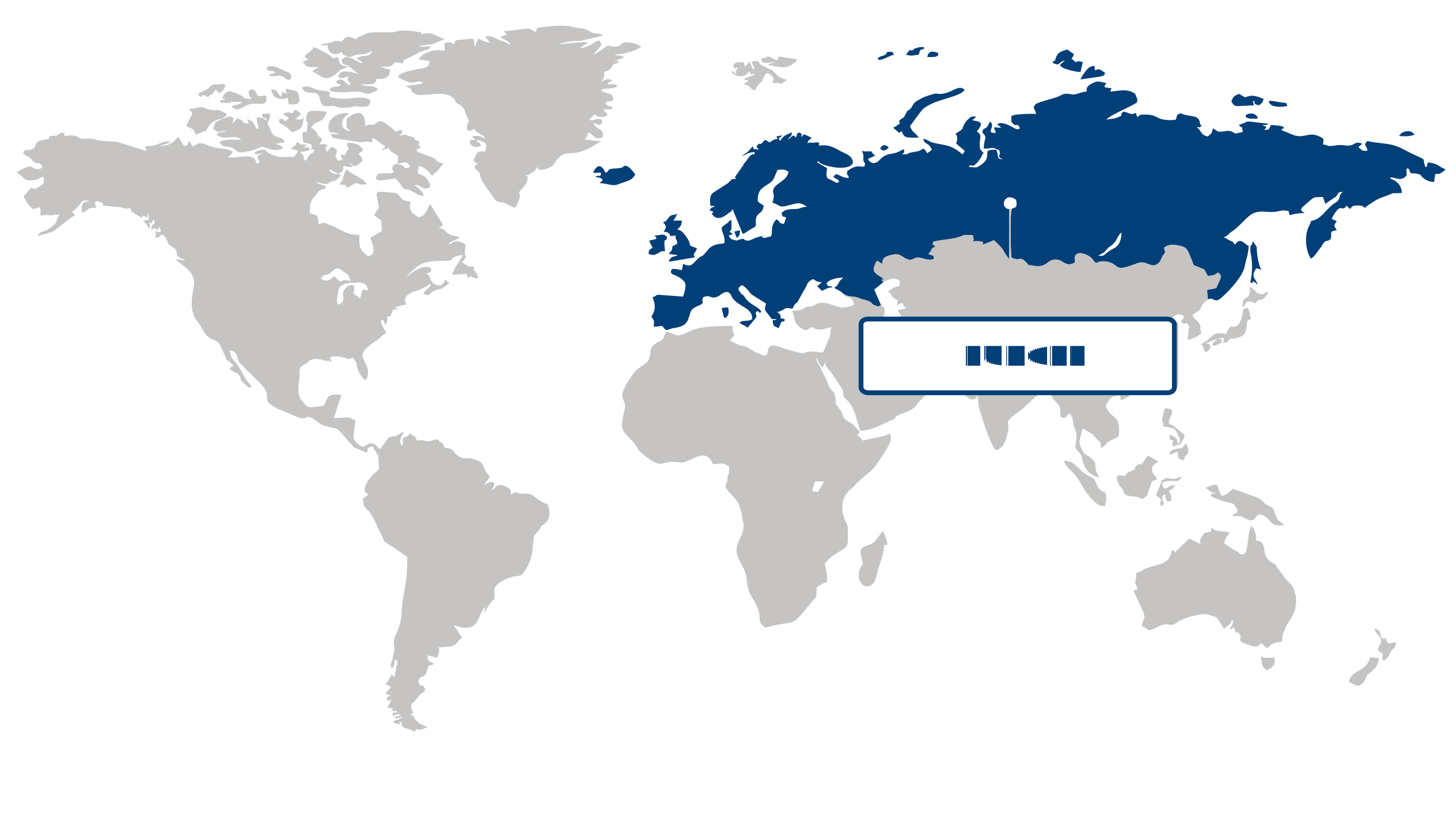
Europe (Largest Region)
Europe dominated the modified bitumen market with the largest share of 38.12% in 2026. The European modified bitumen market is supported by extensive road infrastructure, ongoing transportation development, and increasing demand for durable and high-performance pavement materials. Modified bitumen is widely used in road construction and maintenance because it can improve pavement durability, flexibility, resistance to deformation, and performance under demanding weather and traffic conditions. Continued investment in infrastructure modernization and road rehabilitation is supporting demand for advanced bituminous materials. In addition, stringent requirements for infrastructure quality, growing emphasis on longer-lasting road surfaces, and increasing adoption of improved construction materials are contributing to market development across the region.
Asia Pacific (Fastest-Growing Region)
The modified bitumen market in Asia Pacific is expanding at the fastest pace, propelled by rapid urbanization, infrastructure development, and increasing investment in road and transportation networks. Growing construction activity is creating substantial demand for durable paving materials capable of supporting expanding transportation infrastructure. The increasing need for road rehabilitation and maintenance is also encouraging the use of modified bitumen to improve pavement performance and service life. In addition, expanding industrialization, urban development, and government investment in transportation infrastructure are supporting market expansion. Greater adoption of advanced road construction materials and continued development of highways and urban road networks are further strengthening regional demand.
| Parameter | North America | Asia Pacific | Europe | Latin America | MEA |
|---|---|---|---|---|---|
| Innovation HubiScaleNascentDeveloping Advanced | |||||
| Cost-Sensitive RegioniScaleLowMedium High | |||||
| Regulatory EnvironmentiScaleRestrictiveNeutral Supportive | |||||
| Demand DriversiScaleWeakModerate Strong | |||||
| Development StageiScaleEmergingDeveloping Developed | |||||
| Adoption RateiScaleLowMedium High | |||||
| New Entrants / StartupsiScaleSparseModerate Dense | |||||
| Macro IndicatorsiScaleWeakStable Strong |
Key Country Insights
United States 🇺🇸
Infrastructure-Grade RoofingThe U.S. modified bitumen market is shaped by commercial roofing replacement, infrastructure maintenance, and demand for durable waterproofing systems. Suppliers are prioritizing polymer-modified formulations, reinforced membranes, cold-weather flexibility, and installation systems that improve roof longevity while meeting increasingly stringent building and energy-efficiency requirements.
Germany 🇩🇪
Sustainable Roofing SystemsGermany emphasizes durable roofing materials that support energy-efficient and environmentally conscious construction. Modified bitumen suppliers are focusing on low-emission formulations, recyclable or resource-efficient system components, improved thermal performance, and compatibility with extensive roof renovation and waterproofing requirements.
Japan 🇯🇵
Seismic-Resilient WaterproofingJapan's modified bitumen market prioritizes waterproofing performance under demanding weather and structural conditions. Product development centers on flexible membranes, reliable adhesion, lightweight systems, and durable detailing that can support building maintenance and renovation while accommodating movement and seismic-related stresses.
South Korea 🇰🇷
High-Performance Building MembranesSouth Korea's market is supported by commercial construction, building refurbishment, and demand for reliable waterproofing systems. Manufacturers are emphasizing polymer-enhanced durability, heat resistance, installation efficiency, and membrane solutions that integrate effectively with modern building envelopes and rooftop applications.
France 🇫🇷
Renovation-Driven WaterproofingFrance's modified bitumen demand is closely connected to roof refurbishment and building-envelope upgrades. Market priorities include durable waterproofing, thermal compatibility, environmentally improved formulations, and installation systems suited to renovation projects where contractors must balance performance, compliance, and disruption to occupied buildings.
Italy 🇮🇹
Climate-Resistant RoofingItaly's modified bitumen market places emphasis on roofing systems capable of handling heat, intense sunlight, and varied climatic conditions. Suppliers are focusing on UV-resistant membranes, polymer modification, durable reinforcement, and application flexibility across residential, commercial, and refurbishment projects.
Modified Bitumen Market Share (%), by End Use, 2026
Go beyond the chart, access full insights & data tables
Request Free Sample ReportEnd Use Segment Analysis: Road Construction (Largest Segment) vs Waterproofing & Roofing (Fastest-Growing Segment)
In 2026, the road construction segment accounted for the largest market share of the modified bitumen market at 89.77%, supported by the extensive use of modified binders in highways, urban roads, bridges, and other transportation infrastructure. Modified bitumen enhances pavement durability by improving resistance to rutting, cracking, fatigue, and temperature-related deformation, making it suitable for roads exposed to heavy traffic and variable climatic conditions. Increasing investment in road development, rehabilitation, and maintenance programs continues to sustain demand for high-performance paving materials. The need to extend pavement service life and reduce recurring maintenance requirements further supports the adoption of polymer-enhanced bitumen. Growing urbanization and expansion of transportation networks also contribute to sustained consumption, while infrastructure upgrades increasingly emphasize materials capable of delivering reliable performance under demanding operating conditions.
The waterproofing and roofing segment is projected to grow at the fastest pace, increasing its market share in 2026 driven by rising demand for durable protection against moisture penetration in residential, commercial, and industrial structures. Modified bitumen provides flexibility, weather resistance, adhesion, and improved durability, making it suitable for roofing membranes and waterproofing applications exposed to temperature fluctuations and prolonged environmental stress. Increasing construction activity, renovation of aging buildings, and greater emphasis on extending the service life of roofs and building envelopes are supporting adoption. The growing use of energy-efficient and resilient building systems is also encouraging the incorporation of high-performance waterproofing materials. In addition, increasing awareness of leakage prevention, structural protection, and long-term maintenance savings is creating opportunities for modified bitumen solutions across diverse building applications.
Product Segment Analysis: Polymer-modified Bitumen (PMB) (Largest & Fastest-Growing Segment)
The polymer-modified bitumen (PMB) segment accounted for the largest market share of 64.7% in 2026 and is also projected to be the fastest-growing product segment in the modified bitumen market, reflecting its broad applicability across demanding infrastructure and construction applications. PMB improves the elasticity, durability, temperature resistance, and deformation performance of conventional bitumen, making it particularly valuable where pavements and waterproofing systems face heavy loads, thermal fluctuations, and prolonged environmental exposure. Its widespread use in road surfacing, highways, bridges, airport pavements, roofing, and waterproofing supports strong market penetration. Infrastructure modernization and increasing requirements for longer-lasting pavement systems are encouraging the adoption of binders with enhanced performance characteristics. PMB also helps reduce premature pavement deterioration and maintenance frequency, supporting lifecycle cost efficiency. Continued development of high-performance formulations, integrated with expanding construction and transportation infrastructure, is expected to reinforce its role as a major growth engine within the product landscape.
| Segment | Sub-Segment | Largest Segment | Fastest Growing |
|---|---|---|---|
| End Use | Road Construction, Waterproofing & Roofing, Others | Road Construction | Waterproofing & Roofing |
| Product | Polymer-modified Bitumen (PMB), Crumb Rubber-modified Bitumen (CRMB), Natural Rubber Modified Bitumen (NRMB), Others | Polymer-modified Bitumen (PMB) | Polymer-modified Bitumen (PMB) |
Unlock insights tailored to your business with our bespoke market research solutions.
Click to get your customized report now.
Competitive Landscape and Market Positioning
Analyst Perspective:
Product performance in the modified bitumen market hinges on precise polymer modification to balance mechanical durability with environmental resilience. Formulators must carefully select modifier systems—such as SBS or APP—and manage base bitumen compatibility to achieve the required high-temperature rutting resistance and low-temperature flexibility across varied climates. Installation innovation plays an equally vital role; while traditional torch-applied systems offer proven adhesion, self-adhesive membranes gain ground by eliminating open flames and reducing job-site labor. While integrating recycled polymers or reclaimed asphalt supports corporate sustainability goals, commercial success ultimately depends on verifying that eco-friendly inputs maintain structural specifications, cold-weather flexibility, and long-term waterproofing integrity.
Key companies in the modified bitumen market:
- Shell (UK)
- TotalEnergies (France)
- ExxonMobil (USA)
- BP (UK)
- Chevron (USA)
- Nynas (Sweden)
- Gazprom Neft (Russia)
- Indian Oil Corporation (India)
- Sika (Switzerland)
- Kraton Corporation (USA)
| Company | Market Share | Company Revenue | Revenue CAGR (%) | Product Portfolio | Geographic Presence | Innovation / R&D Focus | Strategic Developments |
|---|---|---|---|---|---|---|---|
| Shell (UK) | |||||||
| TotalEnergies (France) | |||||||
| ExxonMobil (USA) | |||||||
| BP (UK) | |||||||
| Chevron (USA) | |||||||
| Nynas (Sweden) | |||||||
| Gazprom Neft (Russia) | |||||||
| Indian Oil Corporation (India) | |||||||
| Sika (Switzerland) | |||||||
| Kraton Corporation (USA) |
Industry Development/News
| Company Name | Date | Key Development |
|---|---|---|
| GP Petroleums Ltd. | August 2026 | GP Petroleums’ 50:50 joint venture, Amron Oil Resources, was selected by Indian Oil Corporation Ltd. as the operating partner for the Pipavav Bitumen Cell in Gujarat, strengthening bulk bitumen dispatch, logistics, and supply infrastructure under IndianOil’s SPRINT 2026 initiative. |
| Bharat Petroleum Corporation Limited (BPCL) | August 2026 | BPCL formed a joint venture with Shell India Private Limited and Tiki Tar Industries to manufacture and market polymer-modified bitumen, crumb rubber modified bitumen, and emulsions, while driving decarbonisation and waste circularity solutions. |
| IndianOil Total Private Limited (ITPL) | August 2025 | IndianOil Total commissioned a greenfield bitumen derivatives plant near Chennai, adding production capacity and expanding its manufacturing footprint to serve the regional road construction materials sector. |
| Grampet Group | August 2025 | Grampet Group launched its subsidiary Biturom and opened a major bitumen melting facility in Romania, expanding its liquid bitumen processing capabilities and regional supply infrastructure for road construction projects. |
| Moglix | May 2025 | Moglix entered the energy sector through DRG Industries by commissioning an automated bitumen processing facility in Kosi Kalan with a monthly capacity of over 28,000 metric tons, expanding its manufacturing and distribution footprint across northern and central India. |
| SOPREMA US | March 2025 | SOPREMA US expanded its Schoolcraft manufacturing facility via a 51,000-square-foot warehouse addition, a new quality assurance laboratory, and an energy-efficient solar array installation to scale operations in building-envelope and roofing materials. |
Customize Your Report
Explore examples of how this report can be tailored to different research needs, including custom segments, additional topics or chapters, and related reports. Click a section of the wheel or its numbered marker to explore the available options.
Modified Bitumen Market — Custom Segments
| Segment | Sub-Segment |
|---|---|
| Performance Grade | Standard Performance Grades, High-Performance Grades, Specialty Performance Grades |
| Buyer Type | Government & Public Infrastructure Agencies, Contractors & Applicators, Building Material Manufacturers |
| Sales Channel | Direct Sales, Distributors & Wholesalers, Specialty Construction Material Suppliers |
Modified Bitumen Market — Custom TOC
| Custom Chapter | Chapter Details |
|---|---|
| Roofing & Infrastructure Specification Trends |
|
| Green Road Construction Pathways |
|
| Public Infrastructure Investment Pipeline |
|
Need a different cut of the data?
Request Custom ResearchFrequently Asked Questions
What is the estimated worth of the modified bitumen market?
How will the modified bitumen industry grow in terms of size and CAGR by 2036?
How is infrastructure development strengthening demand for modified bitumen?
Why is pavement resilience becoming a stronger purchasing priority for modified bitumen?
Why does road construction dominate the modified bitumen market?
What is driving demand for modified bitumen in waterproofing and roofing?
Why does Europe lead the modified bitumen market?
What is driving modified bitumen market growth in Asia Pacific?
What are the key competitors in the modified bitumen landscape?
Our Clients
"Your insights on workforce structures were spot-on. The analysis on mid-to-senior level roles validated some of our hiring decisions and highlighted gaps."
Ateliers De France
"The report gave us insights on competitors in the market. It helped our team refine our bidding strategy for upcoming contracts."
Clark Construction
"The reports provided a deep dive into market trends, and competitive landscape. The strategic insights and recommendations have been very helpful."
Rudolph and Sletten
Our Research Team & Methodology
Every Fundamental Business Insights report is built by a dedicated vertical research team, validated through a structured primary-and-secondary methodology, and reviewed for accuracy before it reaches you.
This report was prepared by the Construction & Manufacturing Research Team at Fundamental Business Insights, a dedicated research group specializing in global construction, building materials, manufacturing processes, and industrial infrastructure markets. The team closely tracks construction activity, infrastructure investments, manufacturing technologies, raw material trends, equipment adoption, labor and productivity developments, sustainability initiatives, regulatory standards, and supply chain dynamics to provide timely and reliable market intelligence. The research is developed using a structured methodology that combines primary discussions with manufacturers, construction companies, equipment suppliers, distributors, contractors, and industry experts, along with company annual reports, government infrastructure statistics, regulatory publications, industry associations, engineering standards, technical publications, and other authoritative secondary sources. Market estimates are validated through multiple research techniques, including top-down and bottom-up analysis, before undergoing an internal quality review to ensure accuracy, consistency, and methodological integrity prior to publication.
Delivery
Published
Available
Support
- Market Size & Forecast
- Market Segmentation
- Regional Analysis
- Growth Drivers & Challenges
- Market Dynamics
- Competitive Landscape
- Company Profiles
- Competitive Benchmarking
- Mergers & Acquisitions
- Market Share Analysis or Key Company Strategies
- Value Chain Analysis
- Porter's Five Forces
- PESTLE Analysis
- Pricing Trends
- Supply-Demand Analysis
- Technology Landscape
- Regulatory Landscape
- Investment & Funding Landscape
- Emerging Opportunities
- Future Market Outlook