



Modular Furniture Market Size & Forecasts 2026-2035, By Segments (Distribution Channel, Price Range, Application, Product Type, Material), Growth Opportunities, Innovation Landscape, Regulatory Shifts, Strategic Regional Insights (U.S., Japan, China, South Korea, UK, Germany, France), and Competitive Dynamics (IKEA, Ashley Furniture, Herman Miller, HNI, Steelcase)
Market Size and Growth Outlook
Modular Furniture Market size is projected to grow steadily from USD 87.49 billion in 2025 to USD 138.49 billion by 2035, demonstrating a CAGR exceeding 4.7% through the forecast period (2026-2035). The 2026 revenue is estimated at USD 91.03 billion.
Base Year Value (2025)
USD 87.49 Billion
CAGR (2026-2035)
4.7%
Forecast Year Value (2035)
USD 138.49 Billion

Historical Data Period
2022-2025

Largest Region
Europe

Forecast Period
2026-2035
Key Takeaways
- Europe region garnered over 41.2% market share in 2025, due to high demand for flexible office and home solutions.
- Asia Pacific region will achieve over 5.8% CAGR through 2035, propelled by urbanization and space-saving furniture trends.
- In 2025, the offline segment accounted for a 63.05% share, driven by tactile evaluation influencing purchases.
- The medium segment in the modular furniture market reached 49.44% share in 2025, fueled by balanced affordability and quality appeal.
- The residential segment will hold a 65.96% share of the market in 2025, propelled by space-saving solutions for compact homes.
- Key companies dominating the modular furniture market are IKEA (Sweden), Ashley Furniture (USA), Herman Miller (USA), HNI (USA), Steelcase (USA), Haworth (USA), Okamura (Japan), Godrej Interio (India), Vitra (Switzerland), Teknion (Canada).
Market Growth Drivers and Industry Trends
Rising Demand for Modular and Flexible Furniture
The increasing demand for modular and flexible furniture is reshaping the modular furniture market as consumers seek versatile solutions that adapt to their dynamic lifestyles. This trend is particularly pronounced among millennials and Gen Z, who prioritize functionality and aesthetics in smaller living spaces. Companies like IKEA have responded effectively by launching modular collections that allow customization and easy reconfiguration, catering to the needs of urban dwellers. This shift not only enhances consumer satisfaction but also creates strategic opportunities for established brands to innovate and for new entrants to capture niche markets with tailored offerings. As the trend continues, businesses that prioritize adaptability in design will likely gain a competitive edge.
Growth in Urbanization and Compact Living
Urbanization is driving significant changes in living arrangements, leading to a surge in demand for the modular furniture market. As cities become more crowded, individuals and families are increasingly opting for compact living solutions, which necessitate space-efficient furniture. According to the United Nations, urban areas are expected to house 68% of the global population by 2050, further emphasizing the need for furniture that maximizes utility in limited spaces. This environment presents opportunities for both established players and startups to develop innovative, space-saving designs that cater to urban consumers. The focus on multifunctional furniture that can serve multiple purposes is expected to continue shaping product development and marketing strategies.
Sustainable Material Adoption
The growing emphasis on sustainability is influencing the modular furniture market as consumers become more conscious of their environmental impact. Companies like Herman Miller have pioneered the use of recycled and sustainably sourced materials, aligning their offerings with the values of eco-conscious consumers. This trend is not only a response to consumer demand but also reflects broader regulatory shifts aimed at reducing waste and promoting sustainable practices across industries. For both established players and new entrants, adopting sustainable materials presents a strategic opportunity to differentiate their products in a crowded market. As sustainability becomes a key purchasing factor, brands that prioritize eco-friendly practices will likely resonate more with consumers, driving future growth.
Industry Restraints:
Sustainability Pressures
The modular furniture market faces significant constraints due to increasing sustainability pressures, which are becoming critical as consumers and businesses alike prioritize environmentally friendly products. As highlighted in a report by the Ellen MacArthur Foundation, the shift toward circular economy practices necessitates that manufacturers not only consider the materials used but also the end-of-life implications of their products. This demand for sustainable solutions can lead to operational inefficiencies, as companies must invest in eco-friendly materials and processes that may not yet be widely available or cost-effective. For established companies, this translates into increased R&D costs and potential disruptions in supply chains, while new entrants may struggle to compete without the necessary resources to meet these evolving consumer expectations. In the near to medium term, as regulatory frameworks tighten and consumer awareness grows, companies that fail to adapt to sustainability demands risk losing market share to more agile competitors who can offer sustainable alternatives.
Customization Complexity
Another significant restraint in the modular furniture market is the complexity of customization options. As consumers increasingly seek tailored solutions that fit their specific needs, manufacturers face challenges in balancing production efficiency with the flexibility required to meet these demands. According to a study by the International Furniture Fair Singapore, the demand for customization can lead to longer lead times and increased production costs, as companies must manage a wider range of components and configurations. This complexity can deter potential buyers who may prefer simpler, ready-to-assemble options. For established firms, this may necessitate a reevaluation of their operational strategies and inventory management, while new entrants may find it difficult to scale effectively without robust systems in place. Looking ahead, the need for customization is likely to persist, compelling market participants to innovate their processes and offerings to remain competitive, while also potentially leading to a bifurcation in the market between those who can efficiently deliver customized solutions and those who cannot.
| Growth Driver Assessment Framework | |||||
| Growth Driver | Impact On CAGR | Regulatory Influence | Geographic Relevance | Adoption Rate | Impact Timeline |
|---|---|---|---|---|---|
| Rising demand for modular and flexible furniture | 1.50% | Short term (≤ 2 yrs) | North America, Europe | Low | Fast |
| Growth in urbanization and compact living | 1.20% | Medium term (2–5 yrs) | Europe, Asia Pacific | Medium | Moderate |
| Sustainable material adoption | 2.00% | Long term (5+ yrs) | North America, Europe | High | Slow |
Unlock insights tailored to your business with our bespoke market research solutions - Click to get your customized report now!
Regional Demand Dynamics
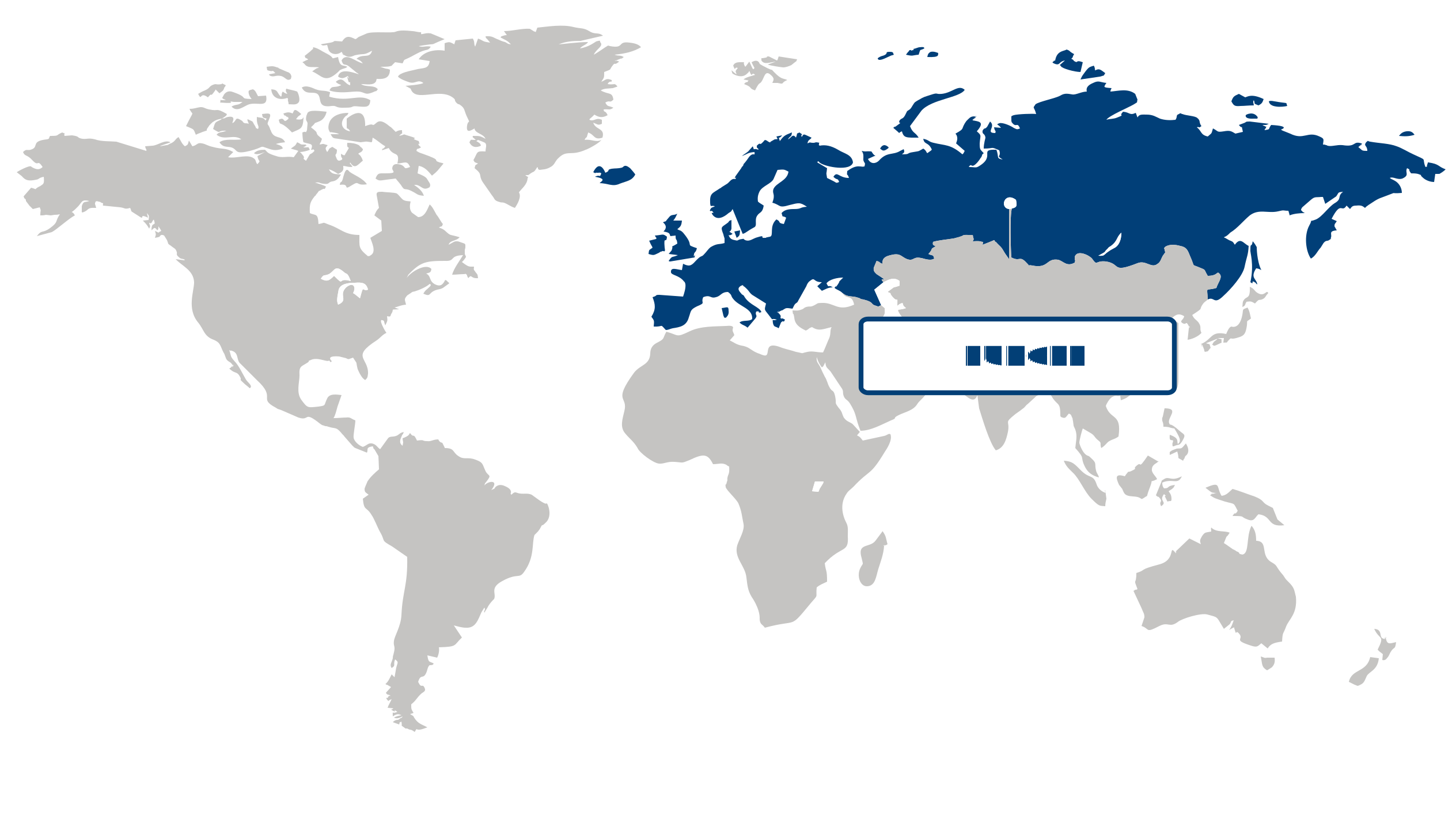
Largest Region
Europe
41.2% Market Share in 2025
Europe Market Statistics:
Europe represented more than 41.2% of the global modular furniture market in 2025, establishing itself as the largest and fastest-growing region. The high demand for flexible office and home solutions is a significant driver of this growth, as consumers increasingly prioritize adaptability in their living and working spaces. This shift is influenced by evolving lifestyles, where remote work and multifunctional environments have become the norm. The European market benefits from strong sustainability priorities, with consumers favoring eco-friendly materials and production processes, as highlighted by the European Commission's Green Deal, which emphasizes sustainable economic growth. Additionally, technological advancements in design and manufacturing processes enhance the region's competitive edge, allowing for innovative and customizable solutions that meet diverse consumer preferences. As a result, Europe presents substantial opportunities for investment and growth in the modular furniture market, driven by its resilient economy and progressive consumer trends.
Germany anchors the European modular furniture market, characterized by its robust demand for innovative workspace solutions. The country's emphasis on flexible office environments aligns with the increasing trend of remote work, prompting companies to invest in modular furniture that can easily adapt to changing needs. According to the German Furniture Industry Association, there is a notable shift towards multifunctional furniture that optimizes space efficiency, reflecting consumer preferences for practicality and design. Furthermore, Germany's regulatory framework supports sustainable practices, encouraging manufacturers to adopt eco-friendly materials and production methods. This focus not only meets consumer expectations but also positions Germany as a leader in sustainable design within the modular furniture market, ultimately enhancing regional growth opportunities.
France plays a pivotal role in the European modular furniture market, driven by cultural dynamics that prioritize style and functionality. The French consumer market increasingly values design-oriented modular solutions that cater to both aesthetic appeal and space optimization. The National Institute of Statistics and Economic Studies (INSEE) reports that urbanization trends in France are leading to smaller living spaces, thereby increasing the demand for modular furniture that maximizes utility without compromising style. Additionally, France's commitment to sustainability, as outlined in its national environmental policies, encourages the use of recycled materials and energy-efficient production techniques. This unique blend of consumer demand and regulatory support positions France as a significant player in the modular furniture market, reinforcing the region's overall leadership and creating avenues for further investment and innovation.
Asia Pacific Market Analysis:
Asia Pacific has emerged as the fastest-growing region in the modular furniture market, registering rapid growth with a robust CAGR of 5.8%. This growth is significantly driven by urbanization and the increasing demand for space-saving furniture solutions, as more consumers in densely populated urban areas seek to optimize limited living spaces. The region's dynamic economic landscape and evolving consumer preferences have fostered a favorable environment for modular furniture, which aligns well with modern lifestyles that prioritize flexibility and functionality. Furthermore, the rise of sustainability priorities among consumers has led to a shift towards eco-friendly materials and designs, enhancing the appeal of modular solutions that can adapt to changing needs while minimizing environmental impact. The Asia Pacific market is also characterized by rapid technological advancements that streamline production processes and enhance product offerings, ensuring that manufacturers remain competitive in a fast-paced environment. As a result, this region presents significant opportunities for investors and stakeholders in the modular furniture market, driven by its innovative spirit and responsiveness to consumer trends.
Japan plays a pivotal role in the Asia Pacific modular furniture market, characterized by a strong inclination towards minimalist design and functionality. The country's urbanization trends have led to an increasing demand for space-efficient furniture, particularly among younger consumers and small households. Japanese consumers prioritize quality and craftsmanship, which influences their purchasing behavior towards modular solutions that combine aesthetics with practicality. Additionally, the regulatory environment in Japan supports sustainable practices, encouraging manufacturers to adopt eco-friendly materials and production methods. For instance, the Ministry of the Environment in Japan has been actively promoting initiatives that align with sustainability goals, further enhancing the attractiveness of modular furniture. This alignment with both consumer preferences and regulatory frameworks positions Japan as a key player in the regional market, reinforcing the overall growth trajectory of the Asia Pacific modular furniture sector.
China, as another major player in the Asia Pacific modular furniture market, showcases unique dynamics that drive its growth. The rapid urbanization and increasing disposable income among the middle class have led to a surge in demand for modern and versatile furniture solutions. Chinese consumers are increasingly favoring modular furniture that offers customization and adaptability to suit their diverse lifestyles. Furthermore, the competitive landscape is marked by both domestic and international brands vying for market share, leading to innovative product offerings and aggressive pricing strategies. The Chinese government has also introduced policies to promote the furniture industry, including support for technological advancements and sustainable practices, which are crucial in meeting the demands of eco-conscious consumers. As China continues to evolve as a manufacturing powerhouse, its strategic positioning within the modular furniture market enhances the region's overall growth, creating substantial opportunities for stakeholders looking to capitalize on emerging consumer trends.
North America Market Trends:
The modular furniture market in North America has maintained a substantial share, driven by a combination of evolving consumer preferences and robust economic conditions. This region is pivotal due to its diverse demographic landscape and heightened focus on flexible living spaces, which have become increasingly desirable as remote work and urbanization trends continue to shape lifestyles. Factors such as a growing emphasis on sustainability and innovation in design are reshaping purchasing behaviors, while advancements in technology facilitate seamless integration of modular solutions into various environments. According to the American Home Furnishings Alliance, the surge in demand for multifunctional furniture has led to an uptick in product offerings, positioning North America as a leader in the modular furniture segment. The region presents significant opportunities for growth, particularly as companies adapt to the shifting dynamics of consumer needs and preferences.
The U.S. plays a critical role in the modular furniture market, showcasing strong demand driven by urbanization and a preference for adaptable living solutions. The rise in remote work has catalyzed the need for home office furniture that maximizes space without compromising aesthetics. For instance, a report by the National Association of Home Builders highlights the increasing popularity of modular designs among millennials, who favor products that offer both functionality and style. Additionally, regulatory support for sustainable manufacturing practices is fostering innovation in materials and production methods, further enhancing the appeal of modular offerings. As the U.S. continues to prioritize eco-friendly solutions, it solidifies its position as a key driver of growth in the North American modular furniture market.
Canada also contributes significantly to the modular furniture market, characterized by a growing trend towards minimalism and space efficiency. The Canadian market is witnessing a shift in consumer behavior, with many opting for modular solutions that cater to smaller living spaces, particularly in urban centers like Toronto and Vancouver. According to the Canadian Home Furnishings Alliance, this inclination is supported by a cultural shift towards sustainability and a preference for local sourcing, which resonates with environmentally conscious consumers. As Canadian consumers increasingly prioritize versatile and sustainable furniture options, the market is poised for continued expansion, reinforcing North America's overall leadership in the modular furniture sector.
No card data available for this language/report.
Segment Leadership and Growth Trends
Analysis by Distribution Channel
The modular furniture market in 2025 is dominated by the offline segment, which holds a commanding 63.05% share. This leadership is primarily driven by tactile evaluation influencing purchases, as customers prefer to physically interact with products before making significant investments. The offline segment benefits from established retail networks and personalized customer service that enhance shopping experiences, aligning well with consumer preferences for quality assurance. As observed in reports from the National Retail Federation, the tactile experience remains a pivotal factor in driving sales, making offline channels integral for both established brands and new entrants. With the ongoing emphasis on experiential retail, this segment is expected to maintain its relevance as consumers continue to seek hands-on interactions with modular furniture.
Analysis by Price Range
In 2025, the modular furniture market's medium price range segment captured over 49.44% share, reflecting its strategic position in balancing affordability and quality appeal. This segment thrives as consumers increasingly prioritize value for money, seeking durable yet stylish options that fit their budgets. According to a survey by the Furniture Today, consumers are willing to invest in quality pieces that offer longevity, which is a key driver for the medium price range. This segment presents opportunities for both established firms to innovate and emerging players to penetrate the market with competitive pricing strategies. As the trend of value-driven purchasing continues to grow, the medium price range is poised to remain a significant player in the modular furniture landscape.
Analysis by Application
The modular furniture market in 2025 sees the residential segment representing more than 65.96% of the overall share, underscoring its importance in providing space-saving solutions for compact homes. This segment leads due to the increasing trend of urbanization, where smaller living spaces necessitate multifunctional and adaptable furniture. Insights from the American Institute of Architects indicate a rising demand for innovative designs that maximize utility in limited areas, aligning with consumer desires for functional aesthetics. The residential segment offers substantial opportunities for both established and emerging brands to cater to a growing demographic of urban dwellers seeking stylish yet practical solutions. With the ongoing shift towards compact living, the residential segment is expected to remain highly relevant in the near to medium term.
| Report Segmentation | |||
| Segment | Sub-Segment | Largest Segment | Fastest Growing Segment |
|---|---|---|---|
| Distribution Channel | Online, Offline | ||
| Price Range | Low, Medium, High | ||
| Application | Residential, Commercial, Industrial | ||
| Product Type | Living Room Furniture, Outdoor Furniture, Bedroom Furniture, Kitchen Furniture, Others (workstation furniture, etc.) | ||
| Material | Wood, Metal, Plastic, Glass, Others (composite materials, fabric) | ||
 Read our Research Approach
Competitive Landscape and Market Positioning
Key players in the modular furniture market include industry leaders such as IKEA, Ashley Furniture, Herman Miller, HNI, Steelcase, Haworth, Okamura, Godrej Interio, Vitra, and Teknion. These companies are recognized not only for their extensive product lines but also for their innovation in design and functionality. IKEA, for instance, has established a strong global presence through its affordable yet stylish offerings, while Herman Miller is renowned for its ergonomic solutions that cater to modern workspace needs. Each of these players holds a significant position, influencing trends and setting benchmarks within the modular furniture sector, thereby shaping consumer expectations and preferences.
The competitive landscape of the modular furniture market is marked by dynamic strategic initiatives among the top players. Collaborations and partnerships are increasingly common as companies seek to enhance their product offerings and tap into new customer segments. For example, alliances between design firms and furniture manufacturers foster innovation, leading to unique product launches that appeal to evolving consumer tastes. Additionally, investments in research and development are pivotal, enabling these companies to leverage emerging technologies that enhance functionality and sustainability in their products. Such initiatives not only reinforce competitive positioning but also drive industry standards forward, ensuring that these players remain at the forefront of market developments.
Strategic / Actionable Recommendations for Regional Players
In North America, there is a growing opportunity for companies to explore partnerships with tech firms specializing in smart home solutions. This collaboration could lead to the development of modular furniture that integrates seamlessly with technology, appealing to a tech-savvy consumer base. By focusing on enhancing user experience through innovation, regional players can differentiate themselves in a competitive market.
In the Asia Pacific region, tapping into the burgeoning demand for sustainable and eco-friendly furniture presents a significant opportunity. Companies should consider aligning their product lines with environmentally conscious materials and practices, which resonate with the increasingly aware consumer demographic. Engaging in local sourcing and production could further enhance brand loyalty and market penetration.
For players in Europe, targeting the growing trend of remote work can prove beneficial. Developing modular solutions that cater specifically to home office needs, such as adaptable workspaces that maximize functionality in limited spaces, could attract a wide array of consumers. Additionally, fostering collaborations with local designers can enrich product offerings, making them more appealing to regional tastes.
Why Choose Us
Specialized Expertise: Our team comprises industry experts with a deep understanding of your market segment. We bring specialized knowledge and experience that ensures our research and consulting services are tailored to your unique needs.
Customized Solutions: We understand that every client is different. That's why we offer customized research and consulting solutions designed specifically to address your challenges and capitalize on opportunities within your industry.
Proven Results: With a track record of successful projects and satisfied clients, we have demonstrated our ability to deliver tangible results. Our case studies and testimonials speak to our effectiveness in helping clients achieve their goals.
Cutting-Edge Methodologies: We leverage the latest methodologies and technologies to gather insights and drive informed decision-making. Our innovative approach ensures that you stay ahead of the curve and gain a competitive edge in your market.
Client-Centric Approach: Your satisfaction is our top priority. We prioritize open communication, responsiveness, and transparency to ensure that we not only meet but exceed your expectations at every stage of the engagement.
Continuous Innovation: We are committed to continuous improvement and staying at the forefront of our industry. Through ongoing learning, professional development, and investment in new technologies, we ensure that our services are always evolving to meet your evolving needs.
Value for Money: Our competitive pricing and flexible engagement models ensure that you get maximum value for your investment. We are committed to delivering high-quality results that help you achieve a strong return on your investment.
Select Licence Type

