Motorcycle Carbon Ceramic Brake Rotors Market Size & Growth Forecast 2027–2036, By Segments (Application, Sales Channel, Product, End Use, Motorcycle), Regional Demand Trends (North America, Asia Pacific, Europe), Key Country Insights (U.S., Japan, South Korea, Germany, France, Italy), and Competitive Landscape
Jump to Content
Market Size and Growth Outlook
Motorcycle Carbon Ceramic Brake Rotors Market size was worth USD 57.77 million in 2026 and is expected to grow at a 4.97% CAGR between 2027 and 2036, attaining USD 93.83 million by 2036. The industry revenue for 2027 is calculated at USD 60.16 million.
Get more details on this report
Request Free Sample ReportMotorcycle Carbon Ceramic Brake Rotors Market Intelligence Snapshot
Regional Market Dynamics
- Europe held 53% of the market in 2026, supported by its established motorcycle industry, motorsports culture, engineering capabilities, and demand for premium motorcycles with advanced braking technologies.
- Asia Pacific is the fastest-growing region, driven by rising motorcycle ownership, premium vehicle demand, urbanization, and investment in motorcycle manufacturing and advanced component technologies.
Segment Momentum
- On-road applications account for 81.34% of the market in 2026, driven by demand for dependable braking, thermal stability, and wear resistance. These benefits support everyday riding and performance-oriented motorcycle applications.
- OEMs hold a 60.77% market share in 2026 and are also the fastest-growing sales channel. Factory integration enables manufacturers to optimize braking performance, component compatibility, weight, and thermal efficiency within new motorcycle designs.
Market Expansion Drivers
- High‑Performance Ceramic Brake Adoption in Premium Bikes.
- Weight Reduction & Performance Optimization Trends.
- Expansion of Aftermarket Performance Parts Channels.
Leading Market Participants
- Prominent companies in the motorcycle carbon ceramic brake rotors market include Brembo (Italy), Carbon Industrie (France), SGL Carbon (Germany), Surface Transforms (UK), AP Racing (UK), Sicom Brake (Germany), EBC Brakes (UK).
Global Market Forecast Snapshot
Market Outlook
- 2026 Market Size: USD 57.77 million
- 2027 Estimated Market Size: USD 60.16 million
- Projected Market Size: USD 93.83 million by 2036
- Growth Forecast: 4.97% CAGR (2027-2036)
Regional and Segment Outlook
- Leading Regional Market: Europe
- High-Growth Regional Hub: Asia Pacific
- Core Revenue Segment: Application (On-road) | Sales Channel (OEM) | Product (Front Brake Rotors) | End Use (Professional Racing Teams) | Motorcycle (Sport & Racing Motorcycles)
- Emerging Opportunity Segment: Application (On-road) | Sales Channel (OEM) | Product (Front Brake Rotors) | End Use (Professional Racing Teams) | Motorcycle (Sport & Racing Motorcycles)
Market Growth Drivers and Industry Trends
High-Performance Ceramic Brake Adoption in Premium Bikes
The growing demand for high-performance motorcycles is encouraging manufacturers and riders to adopt advanced braking technologies capable of supporting demanding riding conditions. Carbon ceramic brake rotors offer characteristics such as high thermal resistance, consistent braking performance, and durability under intensive use, making them suitable for performance-oriented motorcycle applications. Increasing interest in premium motorcycle engineering and advanced braking systems is expected to support the adoption of carbon ceramic rotors in high-performance models.
Weight Reduction & Performance Optimization Trends
The growing focus on reducing motorcycle weight is driving interest in lightweight braking components that can contribute to improved handling and overall performance. Carbon ceramic brake rotors can provide weight-saving advantages while maintaining braking capability under demanding operating conditions. As motorcycle manufacturers and enthusiasts increasingly prioritize acceleration, maneuverability, thermal performance, and riding dynamics, the integration of lightweight advanced materials into braking systems is expected to create further market opportunities.
Expansion of Aftermarket Performance Parts Channels
The growing customization culture among motorcycle enthusiasts is increasing demand for specialized aftermarket components designed to enhance braking performance and riding characteristics. Improved availability of performance-oriented replacement parts through specialized distributors, workshops, and digital sales channels is making advanced braking technologies more accessible to consumers. As riders increasingly invest in upgrading motorcycles with premium components, the expansion of aftermarket distribution networks is expected to support the adoption of carbon ceramic brake rotors.
| Growth Driver | Impact on CAGR | Regulatory Influence | Geographic Relevance | Adoption Rate | Impact Timeline |
|---|---|---|---|---|---|
| High‑Performance Ceramic Brake Adoption in Premium Bikes | 1.4% | Short term (≤ 2 yrs) | Europe; North America; Spillover: Asia Pacific | Low | Fast |
| Weight Reduction & Performance Optimization Trends | 1.1% | Medium term (2–5 yrs) | Asia Pacific; Europe; Spillover: North America | Low | Moderate |
| Expansion of Aftermarket Performance Parts Channels | 0.9% | Long term (5+ yrs) | North America; Europe; Spillover: Latin America | Medium | Moderate |
Explore Growth Opportunities
Request Free Sample ReportRegional Demand Dynamics
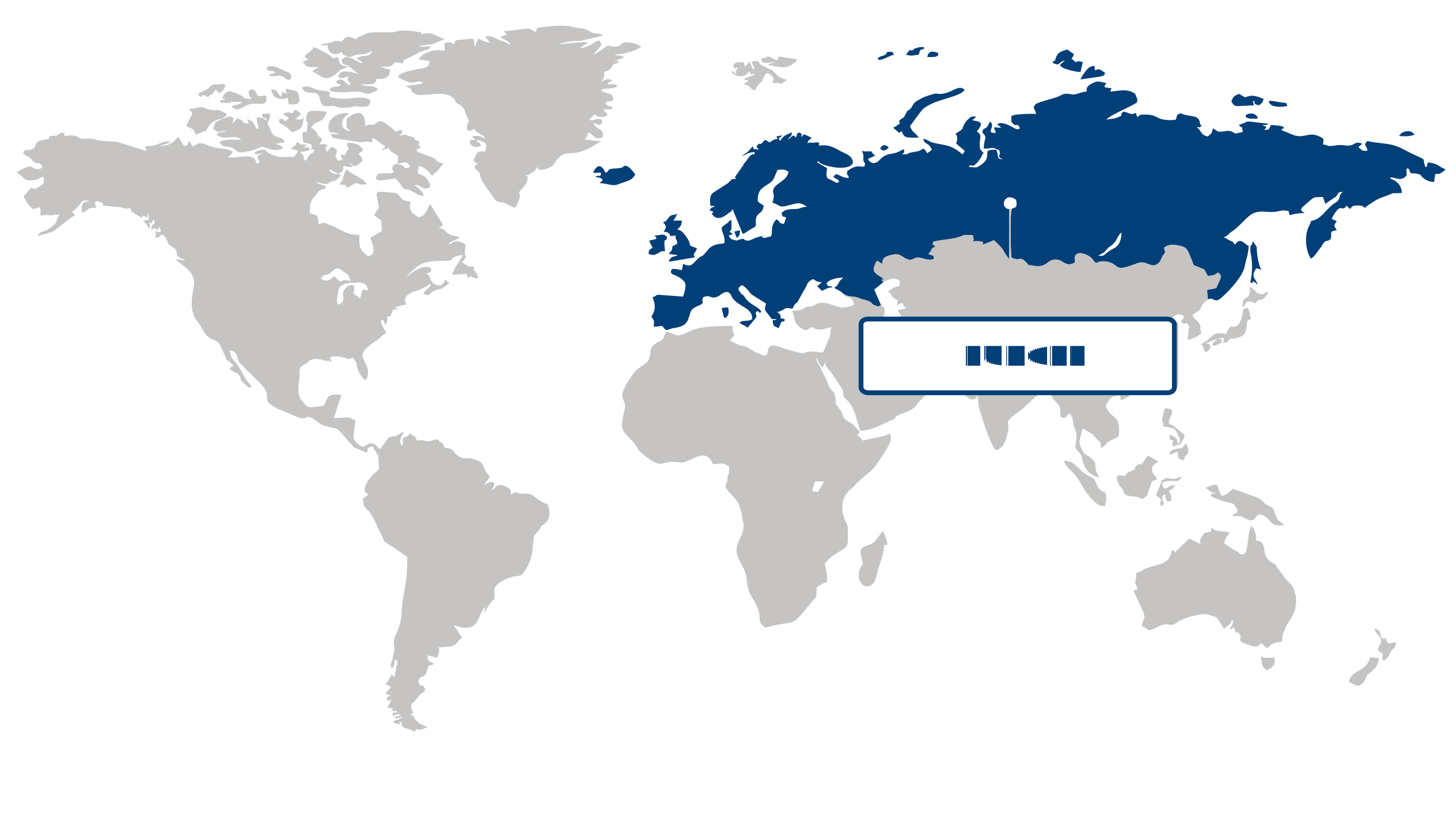
Europe (Largest Region)
Europe accounted for a 53% share of the motorcycle carbon ceramic brake rotors market in 2026, impelled by its established motorcycle industry, strong demand for high-performance components, and emphasis on advanced braking technologies. Carbon ceramic brake rotors offer advantages such as high thermal resistance, reduced weight, and consistent braking performance, making them attractive for performance-oriented motorcycles. Growing interest in premium motorcycles and advanced vehicle technologies is encouraging the adoption of lightweight and high-performance braking components. The region's strong engineering capabilities and established motorsports culture are also contributing to the development and adoption of advanced braking solutions.
Asia Pacific (Fastest-Growing Region)
The motorcycle carbon ceramic brake rotors market in Asia Pacific is expanding at the fastest rate, spurred by rising motorcycle ownership, increasing demand for performance-oriented vehicles, and growing adoption of advanced motorcycle components. Rapid urbanization and expanding mobility needs are supporting the broader motorcycle market, while rising consumer interest in premium and technologically advanced models is creating opportunities for high-performance braking systems. Increasing investment in motorcycle manufacturing and component technologies is further supporting the development of advanced brake rotor solutions across the region.
| Parameter | North America | Asia Pacific | Europe | Latin America | MEA |
|---|---|---|---|---|---|
| Innovation HubiScaleNascentDeveloping Advanced | |||||
| Cost-Sensitive RegioniScaleLowMedium High | |||||
| Regulatory EnvironmentiScaleRestrictiveNeutral Supportive | |||||
| Demand DriversiScaleWeakModerate Strong | |||||
| Development StageiScaleEmergingDeveloping Developed | |||||
| Adoption RateiScaleLowMedium High | |||||
| New Entrants / StartupsiScaleSparseModerate Dense | |||||
| Macro IndicatorsiScaleWeakStable Strong |
Key Country Insights
United States 🇺🇸
Performance Riding DemandThe U.S. motorcycle carbon ceramic brake rotors market is supported by performance-oriented motorcycles, premium aftermarket upgrades, and enthusiast demand for braking performance. Suppliers can prioritize lightweight, heat-resistant rotor solutions alongside fitment coverage for high-performance motorcycles and specialized riding applications.
Germany 🇩🇪
Premium Engineering FocusGermany's market centers on high-performance motorcycle engineering, where braking components are evaluated for thermal stability, weight reduction, durability, and precise control. Commercial opportunities are tied to premium motorcycle platforms, specialist component manufacturers, and riders seeking advanced braking systems for demanding road and track use.
Japan 🇯🇵
Lightweight Brake DevelopmentJapan's motorcycle carbon ceramic brake rotors market is closely linked to engineering-led performance improvements and lightweight component design. Manufacturers can emphasize compact construction, consistent braking characteristics, and durability while targeting premium motorcycles and applications where reducing unsprung weight supports handling and overall vehicle performance.
South Korea 🇰🇷
Premium Component AdoptionSouth Korea offers demand for advanced motorcycle braking components through premium motorcycles, performance customization, and specialized aftermarket channels. Market priorities include reliable heat management, reduced component weight, and compatibility with modern braking systems, making product fitment and installation support important considerations for suppliers.
France 🇫🇷
Sport Motorcycle ApplicationsFrance's carbon ceramic motorcycle brake rotor demand is associated with sport-oriented motorcycles, premium customization, and riding applications requiring strong braking consistency. Suppliers can focus on high-temperature performance, rotor longevity, and compatibility with premium braking assemblies while working through specialist motorcycle and performance-equipment channels.
Italy 🇮🇹
Racing-Inspired Brake TechnologyItaly's market is closely connected to premium motorcycle engineering, sport riding, and racing-influenced component development. Carbon ceramic rotors can address demand for lower weight and stable braking under demanding conditions, with commercial emphasis on premium fitments, performance credentials, and integration with sophisticated braking systems.
Motorcycle Carbon Ceramic Brake Rotors Market Share (%), by Application, 2026
Go beyond the chart, access full insights & data tables
Request Free Sample ReportApplication Segment Analysis: On-road (Largest & Fastest-Growing Segment)
In 2026, the on-road application segment accounts for an 81.34% market share in the motorcycle carbon ceramic brake rotors industry, reflecting its strong position in motorcycle braking systems designed for everyday transportation, commuting, and road-oriented performance riding. The segment's prominence is supported by the consistent demand for dependable braking performance, effective heat management, and reliable stopping capabilities across diverse road conditions. Carbon ceramic brake rotors offer advantages in thermal stability, wear resistance, and weight reduction, making them attractive for motorcycles where braking consistency and handling characteristics are important considerations. As riders increasingly value improved safety, responsive braking, and enhanced vehicle performance, the adoption of advanced rotor materials in on-road motorcycles is gaining relevance. The growing availability of performance-oriented motorcycles and the emphasis on component durability further reinforce demand in this application segment. As the largest and fastest-growing application segment, on-road motorcycles are expected to remain a key driver of motorcycle carbon ceramic brake rotors market development, supported by continued advancements in braking technology, evolving rider expectations, and increasing interest in premium motorcycle components.
Sales Channel Segment Analysis: OEM (Largest & Fastest-Growing Segment)
The OEM sales channel represents a 60.77% market share in 2026 for motorcycle carbon ceramic brake rotors, highlighting the importance of original equipment integration in the adoption of advanced braking technologies. Motorcycle manufacturers increasingly consider braking performance, component reliability, weight optimization, and thermal efficiency when developing and refining their vehicle platforms. Integrating carbon ceramic brake rotors during the manufacturing process allows these components to be engineered alongside other braking and vehicle systems, supporting compatibility, consistent performance, and overall design optimization. The OEM channel also benefits from manufacturers' ability to incorporate advanced materials into premium and performance-oriented motorcycle models as part of their product differentiation strategies. Furthermore, factory-installed components can provide a more coordinated approach to quality assurance and vehicle-level performance validation than aftermarket upgrades. As motorcycle manufacturers continue to explore lightweight materials and improvements in braking efficiency, demand through the OEM channel is expected to expand. Its position as both the largest and fastest-growing sales channel reflects the growing emphasis on incorporating advanced motorcycle carbon ceramic brake rotors directly into new motorcycle designs.
Product Segment Analysis: Front Brake Rotors (Largest & Fastest-Growing Segment)
Accounting for a 53.56% market share, the front brake rotors segment leads the motorcycle carbon ceramic brake rotors market in 2026, reflecting the critical role of front-wheel braking in motorcycle deceleration and overall braking performance. During braking, the front wheel generally handles a substantial proportion of the braking load as weight transfers toward the front of the motorcycle, increasing the importance of rotor performance, heat dissipation, and braking consistency. Carbon ceramic front brake rotors are attractive under these conditions because their material characteristics can support reduced component weight, thermal stability, and resistance to wear under demanding operating conditions. Lower unsprung mass can also contribute to improved suspension response and handling, particularly in performance-focused motorcycle applications. The growing emphasis on responsive braking, rider control, and enhanced component durability supports the adoption of advanced front braking systems. As manufacturers seek to balance performance, weight efficiency, and reliability, front brake rotors remain a central area for material innovation and product development. Their position as the largest and fastest-growing product segment is reinforced by their functional importance in motorcycle carbon ceramic brake rotors systems and the continued demand for braking components that support both everyday riding and higher-performance applications.
| Segment | Sub-Segment | Largest Segment | Fastest Growing |
|---|---|---|---|
| Application | On-road, Off-road | On-road | On-road |
| Sales Channel | OEM, Aftermarket | OEM | OEM |
| Product | Front Brake Rotors, Rear Brake Rotors, Full Set (Front & Rear) | Front Brake Rotors | Front Brake Rotors |
| End Use | Professional Racing Teams, Individual Motorcycle Owners, Motorcycle Manufacturers | Professional Racing Teams | Professional Racing Teams |
| Motorcycle | Sport & Racing Motorcycles, Cruisers & Touring Motorcycles, Dirt & Off-Road Motorcycles, Others | Sport & Racing Motorcycles | Sport & Racing Motorcycles |
Unlock insights tailored to your business with our bespoke market research solutions.
Click to get your customized report now.
Competitive Landscape and Market Positioning
Analyst Perspective:
Competitive differentiation in motorcycle carbon ceramic brake rotors centers on delivering measurable performance benefits while addressing durability and cost barriers. High-temperature friction stability and fade resistance are particularly important in demanding riding conditions, but braking consistency must also extend to normal operating temperatures. Reduced unsprung weight and rotational inertia can strengthen the appeal of these rotors in premium and performance segments, provided lightweight construction does not compromise braking stability or system compatibility. Long-term value, meanwhile, depends on predictable wear behavior across different brake pad compositions, riding patterns, and maintenance conditions. Manufacturing economics remain a significant constraint, as complex carbon fiber matrix processing increases the importance of material consistency, production yield, and quality control. Producers that combine repeatable performance with improved manufacturing efficiency may be better positioned to expand adoption beyond specialist applications.
Major players in the motorcycle carbon ceramic brake rotors market:
- Brembo (Italy)
- Carbon Industrie (France)
- SGL Carbon (Germany)
- Surface Transforms (UK)
- AP Racing (UK)
- Sicom Brake (Germany)
- EBC Brakes (UK)
| Company | Market Share | Company Revenue | Revenue CAGR (%) | Product Portfolio | Geographic Presence | Innovation / R&D Focus | Strategic Developments |
|---|---|---|---|---|---|---|---|
| Brembo (Italy) | |||||||
| Carbon Industrie (France) | |||||||
| SGL Carbon (Germany) | |||||||
| Surface Transforms (UK) | |||||||
| AP Racing (UK) | |||||||
| Sicom Brake (Germany) | |||||||
| EBC Brakes (UK) |
Industry Development/News
| Company Name | Date | Key Development |
|---|---|---|
| EBC Brakes Racing | July 2025 | EBC Brakes Racing introduced its CC Series conversion kits, blending lightweight hubs with cast-iron rotor rings to deliver high-performance braking at a reduced cost compared to full carbon systems for riders seeking advanced upgrades. |
| Brembo | June 2025 | Brembo showcased its latest range of carbon ceramic rotors and pads at Automechanika Birmingham 2025, presenting new aftermarket product families that signify its strategic expansion into wider consumer markets beyond original equipment supply. |
| LeMyth Technology Co. Ltd. | June 2025 | LeMyth Technology reported that its GTS C-SiC carbon-ceramic rotors achieved a working temperature threshold of 1,750 degrees Celsius with an operating lifespan of up to 300,000 km, positioning the engineered components for demanding performance motorcycle applications. |
| Surface Transforms | May 2025 | Surface Transforms introduced a next-generation carbon-ceramic brake disc designed to reduce unsprung weight by up to 20 kg, making it over 70% lighter than conventional options to enhance handling and attract OEM interest. |
| Galfer | May 2025 | Galfer unveiled its Floatech brake disc technology, featuring a MotoGP-derived patented pin-and-groove floating design engineered to enhance thermal dissipation and maintain pad alignment for high-performance street applications. |
Customize Your Report
Explore examples of how this report can be tailored to different research needs, including custom segments, additional topics or chapters, and related reports. Click a section of the wheel or its numbered marker to explore the available options.
Motorcycle Carbon Ceramic Brake Rotors Market — Custom Segments
| Segment | Sub-Segment |
|---|---|
| Cylindrée du moteur de moto | Jusqu'à 250 cm³, 251–500 cm³, 501–750 cm³, Plus de 750 cm³ |
| Cycle de remplacement | Remplacement basé sur la performance, remplacement basé sur l'usure, remplacement suite à un accident ou à un dommage, remplacement préventif |
| Niveau de prix | Économique, Milieu de gamme, Premium, Ultra-premium |
Motorcycle Carbon Ceramic Brake Rotors Market — Custom TOC
| Custom Chapter | Chapter Details |
|---|---|
| Racing-to-Street Technology Transfer |
|
| Aftermarket Replacement Dynamics |
|
| OEM Integration Pathways |
|
Need a different cut of the data?
Request Custom ResearchFrequently Asked Questions
How large is the motorcycle carbon ceramic brake rotors market?
How is the motorcycle carbon ceramic brake rotors industry projected to perform over the next decade?
How are performance and weight-reduction priorities influencing adoption of carbon ceramic brake rotors?
How is the aftermarket performance segment supporting demand for carbon ceramic brake rotors?
Why does the on-road segment dominate motorcycle carbon ceramic brake rotors?
How are OEMs driving demand for motorcycle carbon ceramic brake rotors?
Why does Europe lead the motorcycle carbon ceramic brake rotors market?
What is driving motorcycle carbon ceramic brake rotor growth in Asia Pacific?
What are the prominent companies operating in the motorcycle carbon ceramic brake rotors landscape?
Our Clients
"The team surpassed our expectations with the report depth. The actionable insights provided proved crucial in navigating market challenges."
Tata Motors
"We found the report to be very informative. The expertise and attention to market nuances significantly influenced our business direction."
DENSO Corporation
"The consumer survey findings were quite good. We now have a clearer picture of the customer churning and retention strategy."
HL Mando
Our Research Team & Methodology
Every Fundamental Business Insights report is built by a dedicated vertical research team, validated through a structured primary-and-secondary methodology, and reviewed for accuracy before it reaches you.
This report was prepared by the Automotive & Transportation Research Team at Fundamental Business Insights, a dedicated research group specializing in the global automotive, mobility, and transportation industries. Our analysts continuously monitor vehicle technology advancements, electrification trends, autonomous and connected mobility, manufacturing developments, supply chain dynamics, regulatory standards, emissions policies, aftermarket activities, and evolving consumer and commercial transportation requirements to deliver timely and reliable market intelligence. The research is developed using a structured methodology that combines primary discussions with vehicle manufacturers, component suppliers, technology providers, distributors, logistics stakeholders, and industry experts, along with company annual reports, regulatory publications, government transportation statistics, industry associations, technical standards, and other authoritative secondary sources. Market estimates are validated through multiple research techniques, including top-down and bottom-up analysis, before undergoing an internal quality review to ensure accuracy, consistency, and methodological integrity prior to publication.
Delivery
Published
Available
Support
- Market Size & Forecast
- Market Segmentation
- Regional Analysis
- Growth Drivers & Challenges
- Market Dynamics
- Competitive Landscape
- Company Profiles
- Competitive Benchmarking
- Mergers & Acquisitions
- Market Share Analysis or Key Company Strategies
- Value Chain Analysis
- Porter's Five Forces
- PESTLE Analysis
- Pricing Trends
- Supply-Demand Analysis
- Technology Landscape
- Regulatory Landscape
- Investment & Funding Landscape
- Emerging Opportunities
- Future Market Outlook