



Mycelium Market Size & Forecasts 2026-2035, By Segments (Nature, Product Type, End-Use Industry), Growth Opportunities, Innovation Landscape, Regulatory Shifts, Strategic Regional Insights (U.S., Japan, China, South Korea, UK, Germany, France), and Competitive Dynamics (Ecovative, MycoWorks, Bolt Threads, Mushroom Material, Mycelium Foundry)
Market Size and Growth Outlook
Mycelium Market size is estimated to increase from USD 2.98 billion in 2025 to USD 5.59 billion by 2035, supported by a CAGR exceeding 6.5% during 2026-2035. In 2026, revenues are forecast to reach USD 3.15 billion.
Base Year Value (2025)
USD 2.98 Billion
CAGR (2026-2035)
6.5%
Forecast Year Value (2035)
USD 5.59 Billion

Historical Data Period
2022-2025

Largest Region
Europe

Forecast Period
2026-2035
Key Takeaways
- Europe region dominated more than 40.64% market share in 2025, led by strong sustainable material adoption.
- Asia Pacific region will grow at more than 7.8% CAGR between 2026 and 2035, driven by rising eco-friendly product demand.
- The organic segment accounted for a 41.2% share of the market in 2025, driven by consumer preference for sustainable products.
- In 2025, the powder segment led the mycelium market with a 36.75% share, propelled by versatility in food and supplement applications.
- In 2025, the packaging segment held a 31.5% share of the market, fueled by eco-friendly alternative to plastics.
- Top companies in the mycelium market comprise Ecovative (USA), MycoWorks (USA), Bolt Threads (USA), Mushroom Material (USA), Mycelium Foundry (USA), Mogu (Italy), Mycovation (India), MycoMaterials (Netherlands), MycoTex (Netherlands), Biohm (UK).
Market Growth Drivers and Industry Trends
Sustainable Packaging Innovations
The increasing emphasis on sustainability is driving the mycelium market, particularly in the realm of packaging materials. As consumers become more environmentally conscious, companies are seeking alternatives to traditional plastics. Mycelium, known for its biodegradable properties, offers a compelling solution that aligns with consumer preferences for eco-friendly products. Notably, companies like Ecovative Design are leading the charge, having developed mycelium-based packaging that decomposes naturally, reducing landfill waste. This shift not only caters to a growing demographic prioritizing sustainability but also positions businesses to comply with tightening regulations on single-use plastics, creating a strategic opportunity for both established manufacturers and startups in the eco-packaging sector.
Construction and Textile Applications
The mycelium market is experiencing significant growth through its applications in construction and textiles, driven by innovation in material science and a push for sustainable building practices. Mycelium composites are being explored as lightweight, resilient alternatives to conventional materials, with organizations like the University of Cambridge researching their potential in structural applications. Similarly, in textiles, brands are integrating mycelium into their production processes, appealing to consumers interested in sustainable fashion. This trend not only enhances brand loyalty but also opens avenues for collaboration between traditional manufacturers and innovative startups aiming to disrupt the market with eco-conscious materials, capitalizing on the growing demand for sustainable solutions.
Alternative Protein Development
The development of mycelium-based alternative proteins is transforming the food industry and significantly shaping the mycelium market. As the global population continues to seek sustainable and nutritious food sources, mycelium presents a versatile option that mimics the texture and flavor of meat without the environmental impact associated with livestock farming. Companies like MycoTechnology are pioneering this field, harnessing mycelium’s nutritional benefits to create protein-rich products. This trend not only addresses dietary shifts towards plant-based diets but also offers strategic opportunities for food manufacturers to diversify their product lines and capture market share in the burgeoning alternative protein sector. The ongoing research and consumer acceptance of mycelium-based foods indicate a robust future for this innovative ingredient.
Industry Restraints:
Market Acceptance Challenges
The mycelium market faces significant hurdles related to market acceptance, primarily driven by consumer familiarity and trust in alternative materials. Despite the growing interest in sustainable and biodegradable products, many consumers remain skeptical about the performance and safety of mycelium-based goods compared to traditional materials. For instance, a survey conducted by the European Bioplastics Association revealed that 60% of consumers still prefer conventional materials due to concerns over durability and functionality. This hesitation can stifle demand, limiting market growth and creating barriers for new entrants who must invest heavily in educating consumers and building brand trust. Established companies, while better positioned to leverage their reputation, still find themselves challenged to shift consumer perceptions and may need to allocate significant resources to marketing and product development to overcome these hurdles.
Production Scalability Issues
Another critical restraint in the mycelium market is the scalability of production processes. Currently, the cultivation of mycelium for commercial applications often involves complex, labor-intensive procedures that can hinder widespread adoption. Companies like Ecovative Design have made strides in optimizing these processes, yet they still face challenges in achieving the economies of scale necessary to compete with more established materials like plastics and wood. The high costs associated with scaling production can deter investment and slow innovation, particularly for startups that may lack the capital to invest in advanced bioreactors or automated systems. As the market evolves, the ability to streamline production and reduce costs will be vital for participants aiming to capture larger market shares. In the near to medium term, ongoing research and development efforts will be essential to address these scalability issues, potentially leading to breakthroughs that could transform the landscape of the mycelium market.
| Growth Driver Assessment Framework | |||||
| Growth Driver | Impact On CAGR | Regulatory Influence | Geographic Relevance | Adoption Rate | Impact Timeline |
|---|---|---|---|---|---|
| Use of mycelium in sustainable packaging materials | 1.50% | Short term (≤ 2 yrs) | Europe, North America (spillover: Asia Pacific) | Medium | Fast |
| Applications of mycelium in construction and textiles | 1.20% | Medium term (2–5 yrs) | Asia Pacific, Europe (spillover: Latin America) | Low | Moderate |
| Development of mycelium-based alternative proteins | 1.00% | Long term (5+ yrs) | North America, Asia Pacific (spillover: MEA) | Medium | Slow |
Unlock insights tailored to your business with our bespoke market research solutions - Click to get your customized report now!
Regional Demand Dynamics
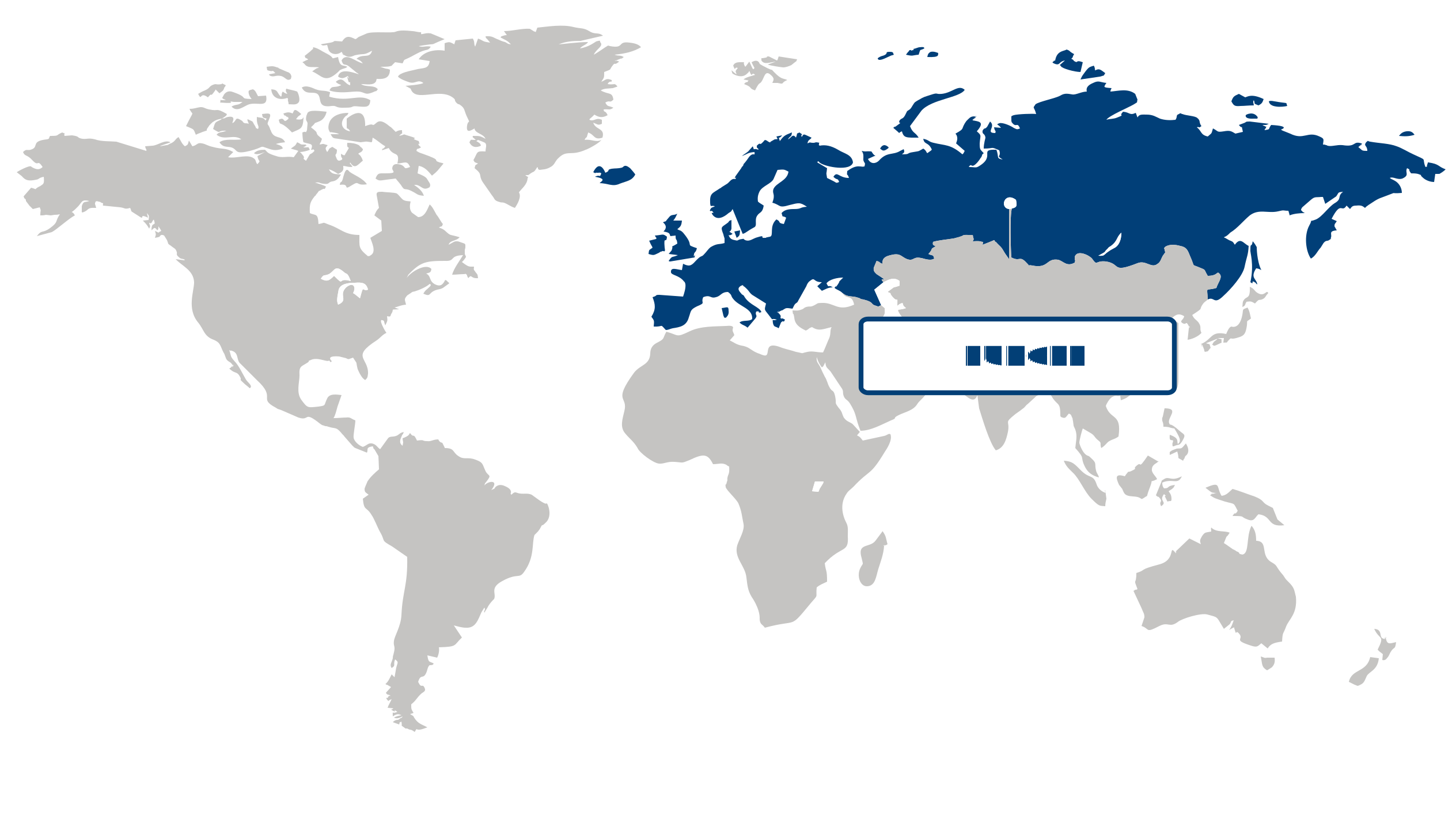
Largest Region
Europe
40.64% Market Share in 2025
Europe Market Statistics:
Europe represented more than 40.64% of the global mycelium market in 2025, establishing itself as the largest and fastest-growing region. This dominance can be attributed to the increasing adoption of sustainable materials across various industries, aligning with the region's strong environmental policies and consumer preferences for eco-friendly alternatives. The shift towards sustainability is evident in the European Union's Green Deal, which encourages innovation in sustainable materials, and the rising demand for biodegradable products among consumers. Such dynamics are fostering a robust market environment for mycelium applications, particularly in packaging, textiles, and construction, thus creating significant opportunities for investment and growth in this sector.
Germany anchors the European mycelium market, reflecting a strong commitment to sustainable practices and innovation. The nation is witnessing a surge in consumer demand for sustainable products, driven by a well-informed public that prioritizes eco-friendliness. Companies like Ecovative Design have established partnerships with local manufacturers, demonstrating how regulatory support for sustainable materials can enhance competitive strategies. Furthermore, Germany's advanced technological infrastructure facilitates operational efficiencies in mycelium production, positioning the country as a leader in the European market. This strategic alignment with sustainability trends underscores Germany's vital role in shaping the future of the mycelium market in Europe.
France is emerging as a pivotal player in the European mycelium market, characterized by a cultural inclination towards sustainability and innovation. The French government has implemented policies that promote the use of renewable resources, which is encouraging local startups to explore mycelium-based applications in sectors such as food packaging and cosmetics. Notably, companies like MycoWorks are leveraging France's rich agricultural landscape to source raw materials for mycelium production, effectively meeting consumer demand for sustainable alternatives. This blend of cultural dynamics and regulatory support enhances France's strategic importance in the region, creating pathways for growth and collaboration in the mycelium market.
Asia Pacific Market Analysis:
Asia Pacific emerged as the fastest-growing region in the mycelium market, registering rapid growth with a robust CAGR of 7.8%. This growth is primarily driven by the rising demand for eco-friendly products, reflecting a significant shift in consumer preferences towards sustainable alternatives. As environmental awareness escalates, consumers in this region are increasingly seeking products that align with their sustainability values, thereby propelling the mycelium market forward. Additionally, technological advancements in cultivation and processing methods are enhancing the efficiency and scalability of mycelium production, further contributing to the market's expansion. Notably, initiatives from organizations like the Food and Agriculture Organization (FAO) emphasize sustainable practices, reinforcing the importance of mycelium as a viable alternative in various applications ranging from food to packaging.
Japan plays a pivotal role in the Asia Pacific mycelium market, characterized by its advanced technological landscape and a strong cultural inclination towards sustainability. The country's consumers exhibit a growing preference for plant-based and eco-friendly products, which has led to an increased adoption of mycelium-based alternatives in food and materials. Regulatory support from the Ministry of Agriculture, Forestry and Fisheries (MAFF) encourages innovation in sustainable practices, fostering a conducive environment for mycelium development. Furthermore, Japan's robust supply chain infrastructure facilitates efficient distribution, enhancing market accessibility. This strategic position not only boosts local production but also positions Japan as a potential leader in the regional mycelium market, creating significant opportunities for investment and collaboration.
China, another key player in the Asia Pacific mycelium market, is witnessing a surge in eco-conscious consumer behavior, driven by rapid urbanization and increased environmental awareness. The government's commitment to sustainability, as outlined in the 14th Five-Year Plan, is fostering a favorable regulatory landscape for mycelium applications in food production and packaging. Chinese consumers are increasingly drawn to products that emphasize environmental responsibility, influencing purchasing behavior towards mycelium-based solutions. Additionally, the country's burgeoning research and development sector is enhancing technological capabilities, allowing for innovative applications of mycelium in various industries. As China continues to prioritize sustainability, its role in the mycelium market is set to strengthen, offering substantial growth opportunities that align with regional trends.
North America Market Trends:
The North America region holds a commanding share of the mycelium market, driven by a robust demand for sustainable alternatives across various sectors, including food, packaging, and construction. This significance stems from a combination of consumer preferences leaning towards eco-friendly products, regulatory frameworks encouraging sustainable practices, and technological advancements in mycelium cultivation and application. For instance, the U.S. Department of Agriculture has been actively promoting agricultural innovations that include mycelium-based products, reflecting a broader commitment to sustainability. As companies like Ecovative Design continue to innovate, the region is poised for continued growth, presenting significant opportunities for investment and development in the mycelium space.
In the U.S., the mycelium market is experiencing moderate growth, largely fueled by increasing consumer awareness of environmental issues and a shift towards plant-based products. This is evident in the rising popularity of mycelium-based meat alternatives, which have gained traction among health-conscious consumers. Notably, the Food and Drug Administration has streamlined approval processes for novel food products, enabling companies like MycoTechnology to expand their offerings more rapidly. As a result, the U.S. is not only a leader in mycelium innovation but also serves as a critical hub for research and development, connecting local startups with global supply chains and fostering a collaborative environment that enhances market potential.
Canada also plays a pivotal role in the mycelium market, characterized by its strong commitment to sustainable development and innovation. The Canadian government has introduced various initiatives aimed at promoting green technologies, which include support for mycelium-based solutions in sectors such as packaging and insulation. Companies like MycoComposite are leveraging these opportunities, focusing on creating biodegradable alternatives that align with national sustainability goals. This synergy between government policy and private sector innovation positions Canada as a key player in the North American mycelium market, creating pathways for cross-border collaboration and investment that can further enhance the region's competitive edge.
No card data available for this language/report.
Segment Leadership and Growth Trends
Analysis by Nature Segment
The mycelium market in the Nature segment is led by Organic products, which captured a commanding 41.2% share in 2025. This dominance is primarily driven by a growing consumer preference for sustainable products, reflecting an increasing awareness of environmental issues and health benefits associated with organic options. As consumers increasingly seek eco-friendly and health-conscious choices, brands are responding by incorporating organic mycelium into their offerings, aligning with sustainability priorities. Notably, organizations like the USDA have emphasized the importance of organic farming practices, further bolstering this segment's appeal. The strategic advantages for established firms lie in their ability to leverage existing organic certifications, while emerging players can capitalize on niche markets within this segment. Given the sustained focus on sustainability, the Organic segment is expected to remain relevant as consumer preferences continue to evolve toward greener alternatives.
Analysis by Product Type Segment
In the mycelium market, the Product Type segment is significantly influenced by Powder forms, which represented more than 36.75% of the market share in 2025. This segment's leadership stems from the versatility of powdered mycelium in various food and supplement applications, catering to a diverse range of consumer needs. The increasing incorporation of mycelium powder in health supplements and functional foods aligns with the rising demand for natural ingredients, driven by consumer trends favoring health and wellness. Industry insights from the International Food Information Council highlight the growing popularity of natural supplements, reinforcing the position of powdered mycelium. Both established brands and startups can benefit from this segment by innovating new products that meet consumer demands. As the trend towards health-oriented products continues, the Powder segment is poised to remain a key player in the mycelium market for the foreseeable future.
Analysis by End-Use Industry Segment
The mycelium market's End-Use Industry segment is dominated by Packaging, which held a substantial 31.5% share in 2025. This leadership is largely attributed to the increasing recognition of mycelium as an eco-friendly alternative to plastics, addressing both environmental concerns and regulatory pressures to reduce plastic waste. As governments and organizations like the Ellen MacArthur Foundation advocate for sustainable packaging solutions, companies are increasingly investing in mycelium-based materials. The shift in consumer preferences towards sustainable packaging options is evident, with brands seeking to enhance their environmental credentials. Established firms can leverage their existing supply chains to integrate mycelium solutions, while new entrants have the opportunity to innovate within this burgeoning market. With the ongoing transition towards sustainability in packaging, the Packaging segment is expected to maintain its relevance and growth in the near to medium term.
| Report Segmentation | |||
| Segment | Sub-Segment | Largest Segment | Fastest Growing Segment |
|---|---|---|---|
| Nature | Organic, Processed, Raw, Conventional | ||
| Product Type | Powder, Capsules, Tablets, Others | ||
| End-Use Industry | Packaging, Construction, Food and beverage, Clothing and apparel, Automotive, Animal feed, Others | ||
 Read our Research Approach
Competitive Landscape and Market Positioning
Key players in the mycelium market include Ecovative, MycoWorks, Bolt Threads, Mushroom Material, Mycelium Foundry, Mogu, Mycovation, MycoMaterials, MycoTex, and Biohm. These companies are at the forefront of mycelium innovation, each contributing unique strengths and capabilities that shape the market landscape. Ecovative stands out with its pioneering applications in packaging and construction, leveraging its extensive R&D to create sustainable alternatives. MycoWorks has carved a niche in luxury materials, particularly in the fashion sector, showcasing the versatility of mycelium. Meanwhile, Bolt Threads emphasizes biotechnology, focusing on sustainable textiles, which positions it as a key player in the eco-conscious consumer market. Other players like Mogu and Mycovation are focusing on innovative uses in various sectors, from interior design to agriculture, further diversifying the applications of mycelium products.
The competitive landscape of the mycelium market is characterized by a series of strategic initiatives that enhance market positioning and drive innovation among the top players. Collaborations and partnerships are increasingly common, enabling companies to combine expertise and resources to accelerate product development and market entry. For instance, companies like MycoMaterials and MycoTex are engaging in joint ventures that leverage their respective technologies, fostering a culture of innovation and responsiveness to evolving consumer demands. Additionally, the focus on sustainability has led to significant investments in R&D, with players exploring new applications and improving existing processes to maintain a competitive edge. The dynamic interplay of these initiatives not only strengthens individual company positions but also propels the entire market forward as it adapts to new challenges and opportunities.
Strategic / Actionable Recommendations for Regional Players
In North America, market players should consider forming alliances with technology firms to harness emerging innovations in mycelium processing and product development. Collaborating with academic institutions could also facilitate access to cutting-edge research, enhancing product offerings and sustainability credentials.
For those in the Asia Pacific region, targeting high-growth sub-segments such as biodegradable packaging and sustainable textiles will be crucial. Engaging with local manufacturers to create tailored solutions can help penetrate these markets effectively, addressing specific consumer preferences and environmental concerns.
In Europe, companies should focus on enhancing their sustainability narratives by integrating circular economy principles into their operations. This could involve partnerships with waste management firms for sourcing raw materials, thereby creating a closed-loop system that not only reduces costs but also aligns with regulatory trends favoring eco-friendly practices.
Why Choose Us
Specialized Expertise: Our team comprises industry experts with a deep understanding of your market segment. We bring specialized knowledge and experience that ensures our research and consulting services are tailored to your unique needs.
Customized Solutions: We understand that every client is different. That's why we offer customized research and consulting solutions designed specifically to address your challenges and capitalize on opportunities within your industry.
Proven Results: With a track record of successful projects and satisfied clients, we have demonstrated our ability to deliver tangible results. Our case studies and testimonials speak to our effectiveness in helping clients achieve their goals.
Cutting-Edge Methodologies: We leverage the latest methodologies and technologies to gather insights and drive informed decision-making. Our innovative approach ensures that you stay ahead of the curve and gain a competitive edge in your market.
Client-Centric Approach: Your satisfaction is our top priority. We prioritize open communication, responsiveness, and transparency to ensure that we not only meet but exceed your expectations at every stage of the engagement.
Continuous Innovation: We are committed to continuous improvement and staying at the forefront of our industry. Through ongoing learning, professional development, and investment in new technologies, we ensure that our services are always evolving to meet your evolving needs.
Value for Money: Our competitive pricing and flexible engagement models ensure that you get maximum value for your investment. We are committed to delivering high-quality results that help you achieve a strong return on your investment.
Select Licence Type

