Natural Deodorants and Perfumes Market Size & Forecasts 2026-2035, By Segments (Distribution Channel, Product Type, End-User), Growth Opportunities, Innovation Landscape, Regulatory Shifts, Strategic Regional Insights (U.S., Japan, China, South Korea, UK, Germany, France), and Competitive Dynamics (Unilever, L'Oréal, Beiersdorf, Procter & Gamble, Colgate-Palmolive)
Jump to content
Market Size and Growth Outlook
Natural Deodorants and Perfumes Market size is forecasted to reach USD 28.93 billion by 2035, rising from USD 13.65 billion in 2025, at a CAGR of more than 7.8% between 2026 and 2035. In 2026, revenue is projected at USD 14.59 billion.
Get more details on this report
Request Free Sample ReportNatural Deodorants and Perfumes Market Intelligence Snapshot
Regional Market Dynamics
Segment Momentum
Market Expansion Drivers
Leading Market Participants
Global Market Forecast Snapshot
Market Outlook
Regional and Segment Outlook
Market Growth Drivers and Industry Trends
The escalating consumer shift toward health-conscious lifestyles is profoundly shaping the natural deodorants and perfumes market. As consumers increasingly seek products free from synthetic chemicals, brands such as Native and Schmidt’s have reported significant revenue growth by emphasizing organic ingredients and hypoallergenic formulations, as highlighted in their corporate press releases. This preference is driven by heightened awareness of potential health risks linked to conventional deodorants and perfumes, further amplified by endorsements from health advocacy groups like the Environmental Working Group. For established players, this trend mandates a reformulation strategy and transparent ingredient sourcing to maintain market share, while new entrants can capitalize by introducing innovative botanicals and certifications like USDA Organic. The natural deodorants and perfumes market will continue evolving with consumer demand firmly rooted in clean-label authenticity, prompting ongoing product innovation and differentiation.
Expansion of E-commerce and Direct-to-Consumer Channels
The proliferation of e-commerce platforms and direct-to-consumer (DTC) sales models is transforming distribution dynamics within the natural deodorants and perfumes market. Companies like Harry’s and Lume have leveraged their DTC channels to bypass traditional retail bottlenecks, offering personalized shopping experiences and subscription services, as documented in their investor presentations. This model enhances customer engagement and data-driven customization, responding promptly to consumer feedback and preferences. Moreover, global e-commerce growth facilitated by platforms like Amazon and Shopify allows both incumbents and startups to reach diverse demographics at reduced costs. Strategic investments in digital marketing and logistics partnerships now serve as critical competitive advantages. This digital shift not only democratizes market entry but also accelerates product launch cycles, making the market more agile and consumer-responsive.
Increasing Awareness of Sustainable and Eco-Friendly Products
Growing environmental consciousness among consumers is a pivotal growth driver in the natural deodorants and perfumes market. Reports from the Ellen MacArthur Foundation underscore the significance of biodegradable packaging and refillable containers in reducing plastic waste, trends actively adopted by brands such as Lavanila and By Humble. Regulatory pressures from bodies like the European Chemicals Agency (ECHA) further push the industry toward safer, eco-friendly formulations and transparent labeling. The emphasis on sustainability aligns with a broader societal mandate for corporate responsibility, favoring companies that prioritize carbon footprint reduction and ethical sourcing. For incumbents, this necessitates sustainable supply chain transformations, while emerging players can differentiate through innovative circular economy models. This trend’s momentum sustains a competitive imperative, embedding sustainability at the core of market strategy for natural deodorants and perfumes.
Industry Restraints:
Regulatory and Certification Complexities
Navigating diverse and evolving regulatory frameworks poses a significant restraint on the natural deodorants and perfumes market. Compliance with stringent standards—such as the U.S. FDA’s guidelines on cosmetic labeling and the EU’s Cosmetic Regulation (EC) No 1223/2009—requires extensive testing and documentation, which prolongs product development timelines and elevates operational costs. The Environmental Working Group’s Skin Deep database highlights increasing scrutiny of ingredient safety, prompting companies to reformulate products frequently. Both established brands and startups face hurdles in securing credible natural or organic certifications (e.g., COSMOS, Ecocert), complicating market entry and reducing consumer trust if inconsistently applied. This regulatory uncertainty hampers innovation speed and discourages smaller players. As international bodies harmonize standards and consumers demand higher transparency, compliance complexity will continue influencing investment priorities and product portfolios, emphasizing the need for robust regulatory foresight.
Supply Chain and Raw Material Constraints
Fluctuations in the availability and quality of natural raw materials critically restrict market growth and scalability in natural deodorants and perfumes. Sourcing botanical ingredients—such as essential oils from lavender or vetiver—is subject to climate variability and agricultural sustainability challenges, as reported by the International Trade Centre and the Rainforest Alliance. These factors drive price volatility and supply interruptions, which complicate consistency in product formulation for companies like L’Occitane and Aesop. Additionally, ethical sourcing demands intensify procurement complexity, burdening supply chain management and increasing lead times. Both established players and emerging brands must invest in resilient supplier relationships and diversified sourcing to mitigate these risks. Going forward, sustainability-linked procurement strategies and technological advances in biofermentation may alleviate some pressures, yet supply chain fragility will remain a strategic constraint influencing product innovation and market competitiveness.
| Growth Driver | Impact on CAGR | Regulatory Influence | Geographic Relevance | Adoption Rate | Impact Timeline |
|---|---|---|---|---|---|
| Rising Consumer Preference for Natural and Organic Personal Care | 3.00% | Short term (≤ 2 yrs) | North America, Europe; Spillover: Asia Pacific | Medium | Fast |
| Expansion of E-commerce and Direct-to-Consumer Channels | 2.50% | Medium term (2–5 yrs) | North America, Asia Pacific; Spillover: Europe | Low | Fast |
| Increasing Awareness of Sustainable and Eco-Friendly Products | 2.00% | Long term (5+ yrs) | Europe, North America; Spillover: Asia Pacific | Medium | Moderate |
Unlock insights tailored to your business with our bespoke market research solutions.
Click to get your customized report now.
Regional Demand Dynamics
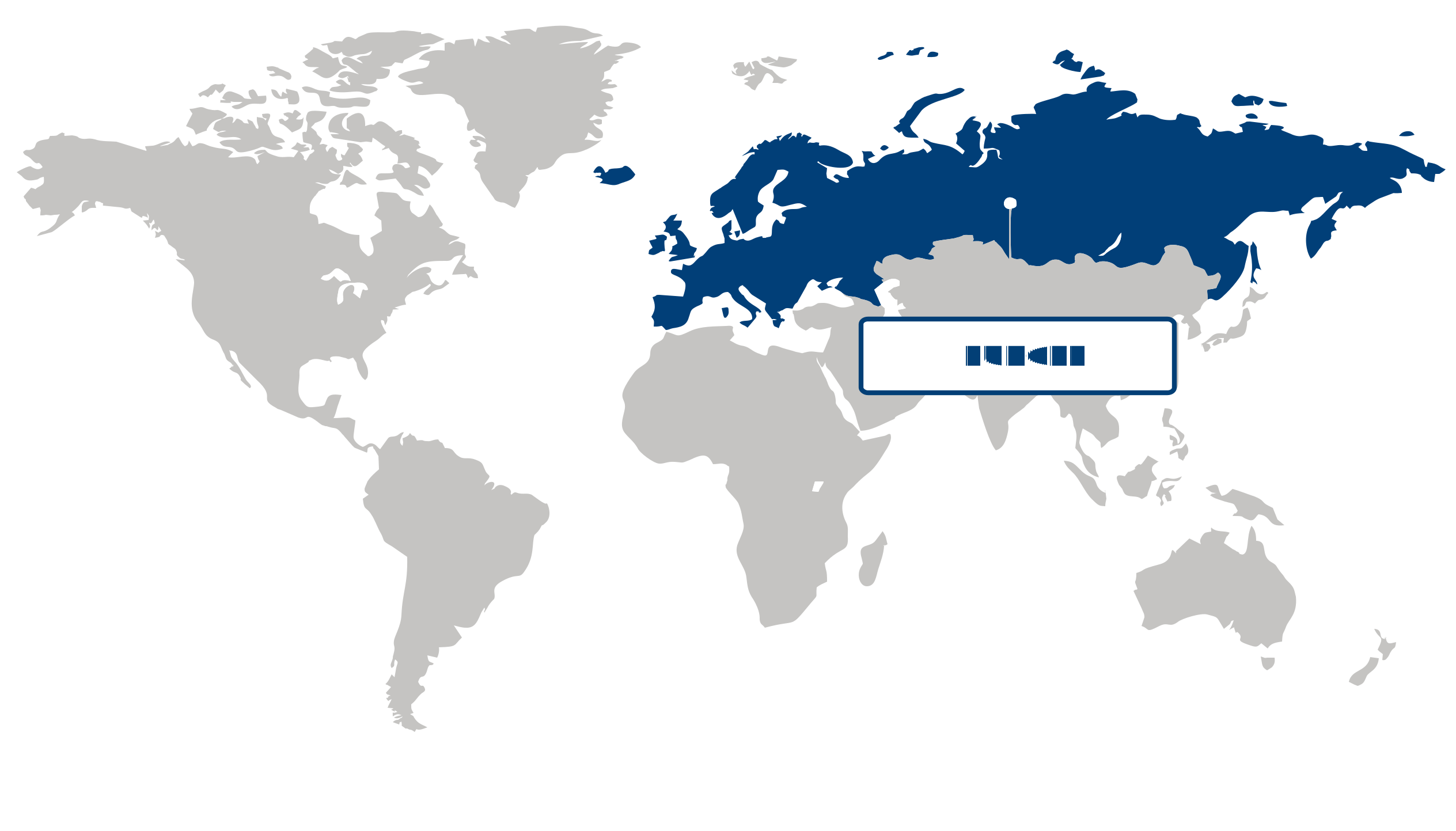
Europe captured more than 35% of the global natural deodorants and perfumes market in 2025, underscoring its position as the largest regional player. This dominance is fueled by a robust consumer preference for natural personal-care products coupled with stringent regulatory pushes aimed at ensuring product safety and environmental sustainability. The European Chemicals Agency (ECHA) enforces rigorous regulations under REACH, incentivizing brands to adopt natural ingredients. Additionally, the Eurobarometer survey highlights rising consumer demand for transparency and eco-friendly packaging, reflecting shifting spending patterns toward sustainable beauty. Leading companies like L’Oréal and Beiersdorf have accelerated R&D into natural formulations, bolstering market innovation. These regulatory and consumer trends create fertile ground for expansion, positioning Europe to maintain strategic market leadership and offer attractive opportunities for investors prioritizing sustainability and compliance-driven growth.
Germany anchors the European natural deodorants and perfumes market with its strong regulatory framework and environmentally conscious consumers. The German Federal Environment Agency (UBA) actively promotes organic personal care, influencing demand for safer, plant-based ingredients. Brands like Weleda have capitalized on this trend by integrating biodynamic farming principles and investing in transparent certifications such as NATRUE, which resonate with local consumers. Germany’s mature retail infrastructure and growing e-commerce channels further support distribution efficiency, reinforcing its role as a critical growth driver within Europe.
France plays a pivotal role in Europe's natural deodorants and perfumes market through its deep-rooted cultural association with luxury fragrances combined with increasing natural beauty adoption. The French Agency for Food, Environmental and Occupational Health & Safety (ANSES) has tightened regulations on synthetic chemicals, pushing manufacturers towards natural alternatives. Esteemed French houses such as L’Occitane and Diptyque have incorporated sustainably sourced botanicals, aligning with evolving consumer ethics. France’s dominance in fragrance innovation, paired with regulatory momentum, underscores its strategic importance to Europe’s expanding natural deodorants and perfumes market.
Asia Pacific Market Analysis:
Asia Pacific emerged as the fastest-growing region in the natural deodorants and perfumes market, registering a robust CAGR of 10.92%. This accelerated growth is propelled by rising disposable incomes and heightened consumer awareness of natural personal-care products across the region. Increasing urbanization and a growing middle class have intensified demand for organic and eco-friendly formulations, which align with changing lifestyle preferences and sustainability priorities. Regulatory encouragement from agencies such as the Japan Cosmetic Industry Association (JCIA) and China’s National Medical Products Administration (NMPA) to promote safe and natural ingredients has further amplified market penetration. Meanwhile, companies like Shiseido and Amorepacific are leveraging digital channels to engage affluent, health-conscious consumers, enhancing product accessibility and customization. Asia Pacific’s blend of evolving purchasing power, demographic diversity, and innovation in clean beauty positions it as a vital growth arena for investors and strategists targeting the natural deodorants and perfumes market.
Japan plays a pivotal role within Asia Pacific’s natural deodorants and perfumes market by integrating traditional herbal ingredients with modern product innovation. Japanese consumers exhibit strong preference for mild, hypoallergenic formulations, a trend fueled by Japan’s Health and Labor Sciences Research promotion and limited regulatory restrictions on botanical extracts. Esteemed brands such as Kao Corporation emphasize sustainable sourcing and natural ingredient transparency, responding to a sophisticated market that values efficacy alongside environmental responsibility. This consumer sophistication, paired with robust retail and e-commerce infrastructures, positions Japan as a strategic test bed for next-generation natural personal-care products. The country's alignment with holistic wellness trends and regulatory support solidifies its contribution to the region’s burgeoning growth trajectory.
China’s rapidly expanding middle class and urban population uniquely amplify Asia Pacific’s natural deodorants and perfumes market potential. Chinese consumers demonstrate increasing willingness to spend on premium, natural personal-care products, driven by heightened health consciousness and digital-savvy buying patterns facilitated by platforms like Tmall and JD.com. The Chinese government’s push for stricter safety standards and regulation under the China Food and Drug Administration (CFDA) escalates consumer confidence, benefiting international and domestic brands such as L’Oréal and Inoherb that emphasize natural ingredient certification and cruelty-free claims. The fast development of supply chain logistics and retail networks supports quick market penetration and seasonal promotions. Together, these dynamics make China an indispensable growth driver, reinforcing Asia Pacific’s overall market momentum and attractiveness to global investors.
North America Market Trends:
North America held a commanding share in the natural deodorants and perfumes market, driven by a dynamic blend of health-conscious consumer behavior and stringent regulatory frameworks that elevate product transparency and safety. The region's mature retail infrastructure and digital engagement platforms support rapid adoption of innovative formulations featuring organic and ethically sourced ingredients. Moreover, North American consumers increasingly favor brands with pronounced sustainability commitments, as reflected in the Environmental Protection Agency’s (EPA) push for greener product standards and the Organic Trade Association’s promotion of certified organic personal care products. Competitive intensity among established players and emerging niche brands fosters continuous improvement in product efficacy and packaging innovation. These factors, complemented by a resilient economy and evolving millennial and Gen Z demographics, position North America as a fertile landscape for strategic investment and expansion in natural deodorants and perfumes.
The U.S. holds a pivotal role in the North American natural deodorants and perfumes market due to its robust consumer base prioritizing clean, non-toxic beauty solutions and its leadership in product innovation. Consumer preference for cruelty-free certifications and plant-based ingredients is increasingly shaping product portfolios, a trend underscored by Cruelty Free International’s endorsement programs that many U.S. brands pursue. Regulatory frameworks from the Food and Drug Administration (FDA) ensure stringent ingredient monitoring, enhancing consumer trust and market credibility. The presence of major players like Seventh Generation and Native, which actively invest in digital marketing and sustainable supply chains, exemplifies the country’s innovation momentum. Strategically, the U.S. market’s maturity and evolving demand for multifunctional, natural personal care items reinforce North America’s broader appeal as a high-potential region for industry stakeholders focusing on natural deodorants and perfumes.
| Parameter | North America | Asia Pacific | Europe | Latin America | MEA |
|---|---|---|---|---|---|
| Innovation HubiScaleNascentDeveloping Advanced | |||||
| Cost-Sensitive RegioniScaleLowMedium High | |||||
| Regulatory EnvironmentiScaleRestrictiveNeutral Supportive | |||||
| Demand DriversiScaleWeakModerate Strong | |||||
| Development StageiScaleEmergingDeveloping Developed | |||||
| Adoption RateiScaleLowMedium High | |||||
| New Entrants / StartupsiScaleSparseModerate Dense | |||||
| Macro IndicatorsiScaleWeakStable Strong |
Natural Deodorants and Perfumes Market Share (%), by Distribution Channel, 2026
Go beyond the chart, access full insights & data tables
Request Free Sample ReportThe natural deodorants and perfumes market in 2025 is led by the store-based segment, which accounted for the largest share owing to consumer trust and greater product trial opportunities in physical retail outlets. Physical stores enable direct sensory experiences, fostering trial and confidence in ingredient transparency, a priority underscored by regulatory bodies such as the U.S. FDA's growing scrutiny on natural claims. Retailers like Sephora and Whole Foods have capitalized on this by curating experiential zones for natural personal care, enhancing customer engagement and loyalty. This segment offers strategic advantages for established firms leveraging omnichannel strategies and emerging players investing in localized distribution networks. The tangible interaction in-store ensures continued relevance, supported by evolving consumer preferences for authenticity and expert guidance in natural deodorant and perfume purchases.
Analysis by Product Type
In the natural deodorants and perfumes market, sprays held the largest share in 2025, driven primarily by their ease of use and rapid application capabilities. The convenience dimension aligns with urban consumers’ fast-paced lifestyles and preference for multi-functional personal care products, as emphasized in Mintel’s analysis of grooming trends. Spray formats also support sustainable formulations by enabling controlled dosage, which appeals to environmentally conscious buyers prioritizing waste reduction. Leading brands such as Aveda and Lush have intensified innovation in spray delivery technologies, reinforcing competitive positioning. For both incumbents and startups, sprays provide an opportunity to differentiate through ergonomic design and eco-friendly packaging. These practical attributes ensure sprays will remain a dominant segment amid growing emphasis on user experience and sustainability in the natural deodorants and perfumes market.
Analysis by End-User
Women represented the largest share in the natural deodorants and perfumes market in 2025, fueled by their higher adoption rates of natural personal care products. This trend reflects women's broader engagement with wellness and clean beauty movements, a shift documented by the Environmental Working Group’s consumer behavior studies. Brands like The Body Shop and Burt’s Bees have tailored their product lines to resonate with female consumers' preferences for ethically sourced ingredients and cruelty-free certifications. This segment benefits from cultural dynamics where women act as key household health influencers, fostering brand loyalty and advocacy. Growth in this segment presents opportunities for both established firms to deepen female-centric portfolios and newcomers to innovate around niche needs such as sensitive skin or fragrance layering. Sustained demand driven by evolving female consumer consciousness maintains this segment’s critical role in the broader natural deodorants and perfumes market.
| Segment | Sub-Segment | Largest Segment | Fastest Growing |
|---|---|---|---|
| Distribution Channel | Store-Based, Non-Store-Based | ||
| Product Type | Sprays, Roll-Ons, Sticks | ||
| End-User | Men, Women, Unisex |
Competitive Landscape and Market Positioning
The competitive environment is marked by continuous innovation and strategic expansions among these key players. Many have integrated botanical extracts and sustainable packaging into their product development processes, reinforcing consumer-centric positioning. Strategic partnerships, particularly with startups specializing in natural ingredients or eco-conscious technologies, have accelerated product diversification. Meanwhile, expanded R&D capabilities and premiumization efforts enhance distinctiveness in saturated markets. The dynamic interplay of product launches, collaborative ventures, and tailored marketing initiatives fortifies their resilience against emerging entrants, reinforcing competitive advantages through both breadth and depth of natural portfolio offerings.
Strategic / Actionable Recommendations for Regional Players
In North America, stakeholders can boost relevance by aligning with wellness influencers and niche retailers who advocate sustainability. Deepening collaborations with independent ingredient suppliers may accelerate innovation while meeting evolving consumer expectations for transparency and efficacy in natural deodorants and perfumes.
In Asia Pacific, embracing advanced biotechnology for ingredient refinement and integrating culturally resonant scents can heighten appeal. Regional players should explore alliances with dominant e-commerce platforms to harness digital reach, addressing sophisticated consumer segments actively seeking novel product experiences.
In Europe, capitalizing on stringent regulatory frameworks as a quality differentiator could enhance credibility. Leveraging circular economy principles through partnerships in sustainable packaging innovation and expanding into organic-certified sub-segments may provide a competitive edge in this highly conscientious market landscape.
| Company | Market Share | Company Revenue | Revenue CAGR (%) | Product Portfolio | Geographic Presence | Innovation / R&D Focus | Strategic Developments |
|---|---|---|---|---|---|---|---|
| No companies available. | |||||||
Customize Your Report
Explore examples of how this report can be tailored to different research needs, including custom segments, additional topics or chapters, and related reports. Click a section of the wheel or its numbered marker to explore the available options.
Natural Deodorants and Perfumes Market — Custom Segments
| Segment | Sub-Segment |
|---|---|
| No segment data available. | |
Natural Deodorants and Perfumes Market — Custom TOC
| Custom Chapter | Chapter Details |
|---|---|
| No custom TOC data available. | |
Need a different cut of the data?
Request Custom ResearchFrequently Asked Questions
How is the natural deodorants and perfumes industry size expected to evolve during the forecast period?
Which geographic area exhibits the highest level of natural deodorants and perfumes market penetration?
Which geography represents the strongest growth trajectory for the natural deodorants and perfumes sector?
What share does store-based segment hold in the natural deodorants and perfumes sector as of 2025?
Where is the sprays segment seeing the strongest adoption within the natural deodorants and perfumes industry?
When did women sub-segment emerge as the largest sub-segment in the end-user segment of natural deodorants and perfumes sector?
Which companies are driving growth in the natural deodorants and perfumes landscape?
Our Clients
"The report provided us with a clear direction, and the level of detail was beyond what we expected. I would definitely recommend their services to others."
Haier Appliances
"The collaboration with Fundamental Business Insights has added significant value to our decision-making process, and we look forward to continuing this partnership for our future market research requirements."
Luxottica Group S.p.A.
"The team at FBI delivered an exceptional research report. The insights on industry innovations were particularly impressive and added a lot of value to the overall report."
Nike
Our Research Team & Methodology
Every Fundamental Business Insights report is built by a dedicated vertical research team, validated through a structured primary-and-secondary methodology, and reviewed for accuracy before it reaches you.
Delivery
Published
Available
Support
- Market Size & Forecast
- Market Segmentation
- Regional Analysis
- Growth Drivers & Challenges
- Market Dynamics
- Competitive Landscape
- Company Profiles
- Competitive Benchmarking
- Mergers & Acquisitions
- Market Share Analysis or Key Company Strategies
- Value Chain Analysis
- Porter's Five Forces
- PESTLE Analysis
- Pricing Trends
- Supply-Demand Analysis
- Technology Landscape
- Regulatory Landscape
- Investment & Funding Landscape
- Emerging Opportunities
- Future Market Outlook