Nickel Acetate Tetrahydrate Market Size & Forecasts 2026-2035, By Segments (Form, Grade, Distribution Channel, Application, End-User Industry), Growth Opportunities, Innovation Landscape, Regulatory Shifts, Strategic Regional Insights (U.S., Japan, China, South Korea, UK, Germany, France), and Competitive Dynamics (Heraeus, BASF, Evonik, Nippon Mining & Metals, Chemlink Speciality Chemicals)
Jump to Content
Market Size and Growth Outlook
Nickel Acetate Tetrahydrate Market size is projected to grow steadily from USD 4.79 billion in 2025 to USD 13.12 billion by 2035, demonstrating a CAGR exceeding 10.6% through the forecast period (2026-2035). The 2026 revenue is estimated at USD 5.24 billion.
Get more details on this report
Request Free Sample ReportNickel Acetate Tetrahydrate Market Intelligence Snapshot
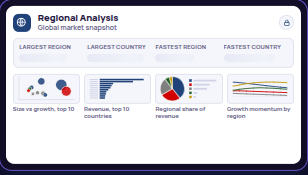
Regional Market Dynamics
Segment Momentum
Market Expansion Drivers
Leading Market Participants
Global Market Forecast Snapshot
Market Outlook
Regional and Segment Outlook
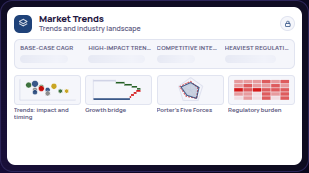
Market Growth Drivers and Industry Trends
The expanding use of nickel-based batteries and catalysts is a critical growth driver for the nickel acetate tetrahydrate market. With the automotive sector’s accelerating shift toward electric vehicles (EVs), as exemplified by Tesla’s expanding Gigafactory output, demand for nickel chemicals essential for battery cathode materials has increased substantially. Additionally, companies like BASF highlight the role of advanced nickel catalysts in chemical manufacturing, further stimulating demand. This trend underscores opportunities for market players to enhance supply chain integration and cater to specialized battery-grade and catalyst-grade product requirements. As global EV adoption intensifies and industrial catalysis evolves, the nickel acetate tetrahydrate market will witness sustained momentum driven by these end-use industries focusing on performance and reliability enhancements.
Impact of Stricter Environmental Regulations on Nickel Compounds
Stringent environmental regulations, particularly from agencies such as the U.S. Environmental Protection Agency (EPA) and the European Chemicals Agency (ECHA), are reshaping the nickel acetate tetrahydrate market’s trajectory. Regulatory frameworks tightening permissible emissions and waste treatment standards push manufacturers to adopt cleaner production processes and safer chemical formulations. This drives demand for nickel acetate tetrahydrate variants with improved environmental compliance profiles, especially in regulated sectors like electronics and plating. Industry leaders including Johnson Matthey are proactively innovating to align with these evolving standards. Firms that invest in sustainable production and transparent supply chains will gain competitive advantages and regulatory goodwill, positioning them well as sustainability mandates deepen globally.
Advancements in Process Innovation for Enhanced Production Efficiency
Continuous process innovation in nickel acetate tetrahydrate manufacturing is a significant catalyst for market growth. Companies such as Glencore and Sherritt International emphasize optimizing synthesis methods to improve purity, reduce energy consumption, and minimize waste generation. These innovations support scalability and cost efficiency, making the market more attractive to both established suppliers and new entrants targeting niche applications such as high-purity battery chemicals. Enhanced process technologies also facilitate quicker adaptation to shifts in raw material quality and supply constraints. Looking ahead, ongoing R&D investments and digital transformation in production lines are set to maintain momentum, enabling manufacturers to respond dynamically to evolving product specifications and environmental demands within the nickel acetate tetrahydrate market.
Industry Restraints:
Stringent Environmental Regulations on Nickel Compounds Production
The enforcement of rigorous environmental standards for nickel compound manufacturing limits expansion in the nickel acetate tetrahydrate market by increasing operational complexity and cost. Agencies such as the U.S. Environmental Protection Agency (EPA) impose strict limits on emissions of hazardous substances like nickel dust and effluents, mandating costly pollution control technologies. These regulatory mandates deter smaller producers lacking capital for compliance upgrades, restricting market entry and scaling. As Johnson Matthey highlighted in their 2023 sustainability update, enhanced environmental compliance elevates production expenses and elongates project timelines. For industry incumbents, balancing regulatory adherence with profitability pressures necessitates investment in cleaner technologies and process optimization. Given the global rise in environmental scrutiny, especially from the European Chemicals Agency’s (ECHA) stringent classification of nickel compounds as carcinogens, these compliance burdens will likely persist, constraining rapid supply expansion and incentivizing innovation in sustainable production methods.
Volatility in Raw Nickel Feedstock Supply
Fluctuations in the availability and pricing of raw nickel significantly hinder consistent production of nickel acetate tetrahydrate. The market’s dependency on nickel metal sourced primarily from politically sensitive regions such as Indonesia and the Philippines exposes manufacturers to supply disruptions and price volatility, as reflected in data from the International Nickel Study Group (INSG). This unpredictability complicates procurement planning and costs, squeezing margins for both established chemical producers and newcomers vying for secure contracts. For instance, Vale’s operational challenges in Brazil have previously caused ripple effects through nickel derivative supply chains. Strategically, companies must diversify sourcing or invest in recycling technologies to mitigate dependence on volatile raw materials. As geopolitical tensions and mining disruptions persist, supply instability will continue to challenge consistent market growth and necessitate adaptive supply chain strategies.
| Growth Driver | Impact on CAGR | Regulatory Influence | Geographic Relevance | Adoption Rate | Impact Timeline |
|---|---|---|---|---|---|
| Nickel-based battery and catalyst demand | 3.50% | Short term (≤ 2 yrs) | Asia Pacific, North America | Low | Fast |
| Environmental regulations for nickel compounds | 3.00% | Medium term (2–5 yrs) | Europe, North America | High | Moderate |
| Process innovation in nickel acetate tetrahydrate | 2.50% | Long term (5+ yrs) | Asia Pacific, Europe | Medium | Slow |
Unlock insights tailored to your business with our bespoke market research solutions.
Click to get your customized report now.
Regional Demand Dynamics

Asia Pacific dominated the nickel acetate tetrahydrate market in 2025, representing more than 67% of the global share while also being the fastest-growing region with a CAGR of 12.6%. This leadership is underpinned by the rising adoption of stainless steel in the automotive and construction industries, particularly as manufacturers seek corrosion-resistant materials to enhance product lifespans amid increasing infrastructure investments. Regional economic resilience and technological advancements in refining nickel compounds have strengthened supply chains, as highlighted by collaborations between POSCO and local industry bodies in South Korea. Additionally, evolving sustainability regulations in countries like Singapore are prompting a shift toward environmentally compliant raw materials, further bolstering demand. These dynamics position Asia Pacific to remain a focal point for nickel acetate tetrahydrate consumption, offering investors and strategists significant growth opportunities driven by robust industrial expansion and innovation in materials processing.
Japan is positioned as a pivotal hub in the Asia Pacific nickel acetate tetrahydrate market, leveraging its advanced manufacturing base and stringent quality standards to fuel demand in high-value automotive and electronics sectors. Companies such as Sumitomo Metal Mining have driven innovation in nickel-based compounds, facilitating superior stainless steel production essential for domestic and export markets. Japan’s regulatory framework supports sustainable manufacturing practices, encouraging the use of nickel acetate tetrahydrate in corrosion-resistant coatings that align with environmental goals outlined by the Ministry of Economy, Trade and Industry. This strategic emphasis ensures Japan’s role as a technology leader, reinforcing Asia Pacific’s prominence by demonstrating how innovation and policy synergize to elevate market growth.
China anchors the Asia Pacific nickel acetate tetrahydrate market through its expansive construction and automotive sectors, where rising urbanization and infrastructure development drive robust material consumption. The Chinese government’s “Made in China 2025” initiative emphasizes advanced material technologies, propelling demand for nickel compounds in stainless steel used across key applications. Major players like Tsingshan Holding Group have expanded capacity to meet growing requirements, benefiting from improved supply chain integration and cost efficiencies. Regulatory shifts toward higher environmental standards, overseen by the Ministry of Ecology and Environment, also promote eco-friendly material choices, indirectly supporting nickel acetate tetrahydrate adoption. China’s scale and strategic policy alignment underscore its fundamental contribution to Asia Pacific’s sustained market growth trajectory.
North America Market Analysis:
North America experienced steady expansion in the nickel acetate tetrahydrate market, underpinned by moderate growth driven primarily by rising demand from the electronics and battery manufacturing sectors. The region's well-established industrial infrastructure and strong innovation ecosystem have enabled industry players to adopt cutting-edge production techniques that improve efficiency and product quality. Regulatory frameworks in the U.S. and Canada increasingly emphasize sustainability and environmental compliance, prompting manufacturers to integrate eco-friendly processes and source responsibly. For example, the U.S. Environmental Protection Agency’s initiatives promoting greener chemical manufacturing align with these trends. Additionally, supply chain resilience, bolstered by nearshoring strategies and advanced logistics, ensures stable raw material availability, meeting surging demand from automotive and energy storage applications. As global priorities shift towards electric vehicle adoption and renewable energy, North America is poised to capitalize on these market dynamics, offering substantial opportunities for nickel acetate tetrahydrate suppliers to innovate and grow.
The U.S. is a pivotal contributor to North America’s nickel acetate tetrahydrate market, driven by robust demand in its expanding battery manufacturing and electronics industries. Consumer preferences increasingly favor high-performance batteries for electric vehicles and portable electronics, encouraging local manufacturers to incorporate nickel acetate tetrahydrate as a critical chemical intermediate in electrode production. Regulatory shifts like the Inflation Reduction Act further incentivize domestic battery innovation and sustainable material sourcing, directly impacting production strategies. Companies such as BASF Corporation and American Elements have announced capacity expansions to meet growing U.S. demand, reflecting strategic investments in advanced material supply chains. These initiatives not only reinforce the U.S.’s leadership within the region but also highlight broader regional growth potential by ensuring a reliable supply of high-purity nickel acetate tetrahydrate for emerging high-tech applications.
Europe Market Trends:
Europe maintained a notable presence in the nickel acetate tetrahydrate market, driven by its established industrial base and increasing emphasis on sustainable manufacturing processes. The region benefits from stringent environmental regulations, such as those enforced by the European Chemicals Agency (ECHA), which have prompted manufacturers to adopt higher-purity and eco-friendly chemical intermediates like nickel acetate tetrahydrate. Additionally, Europe's progressive digital transformation initiatives, particularly in Germany and France, have enhanced operational efficiencies in chemical synthesis and supply chain transparency, reported by BASF’s recent sustainability update. These factors, combined with a skilled workforce attuned to advanced chemical production and rapidly evolving consumer product standards, underline Europe's moderate growth trajectory. Looking ahead, the region's commitment to circular economy principles and innovation in electroplating and battery component manufacturing presents significant opportunities for expanding demand in the nickel acetate tetrahydrate market.
Germany holds a pivotal role in Europe’s nickel acetate tetrahydrate market, propelled by its automotive and electronics industries, which are increasingly utilizing advanced nickel compounds to meet evolving emissions standards and product durability requirements. The German Environment Agency’s enforcement of stricter chemical usage norms has accelerated the adoption of higher-quality nickel acetate tetrahydrate in surface treatment and catalyst production. Additionally, leading German chemical firms like Evonik have invested in R&D to enhance the efficiency of nickel-based compounds in energy storage applications, reflecting local innovation trends. These developments fortify Germany’s position as both a consumer and innovator in the regional supply chain, underscoring its strategic importance to the broader European market’s moderate expansion.
France plays an influential role within Europe's nickel acetate tetrahydrate market, characterized by sustained demand from the pharmaceutical and renewable energy sectors. French government initiatives targeting green chemistry practices, supported by the National Research Agency (ANR), have stimulated the use of nickel acetate tetrahydrate in specialty chemical formulations and battery technologies. Furthermore, companies such as Solvay have disclosed significant advancements in integrating nickel acetates into environmentally compliant products, facilitating growth aligned with France's decarbonization goals. This tailored focus on clean-tech applications enhances France’s competitive edge and complements regional efforts, positioning the country as a key contributor to Europe’s overall moderate growth in the nickel acetate tetrahydrate market.
| Parameter | North America | Asia Pacific | Europe | Latin America | MEA |
|---|---|---|---|---|---|
| Innovation HubiScaleNascentDeveloping Advanced | |||||
| Cost-Sensitive RegioniScaleLowMedium High | |||||
| Regulatory EnvironmentiScaleRestrictiveNeutral Supportive | |||||
| Demand DriversiScaleWeakModerate Strong | |||||
| Development StageiScaleEmergingDeveloping Developed | |||||
| Adoption RateiScaleLowMedium High | |||||
| New Entrants / StartupsiScaleSparseModerate Dense | |||||
| Macro IndicatorsiScaleWeakStable Strong |
Nickel Acetate Tetrahydrate Market Share (%), by Form, 2026
Go beyond the chart, access full insights & data tables
Request Free Sample ReportThe nickel acetate tetrahydrate market in 2025 is dominated by the powder segment, which holds the largest share due to robust demand in electroplating and catalyst applications. This segment’s leadership stems from powder’s superior handling, dosing precision, and compatibility with automated electroplating lines, meeting evolving industrial efficiency standards. Preference for powder is further influenced by manufacturers’ efforts to optimize supply chain continuity and reduce waste, aligning with sustainability initiatives promoted by organizations such as the Nickel Institute. Companies like BASF have emphasized powder formulations in recent press releases, underscoring their commitment to high-performance coating technologies. Strategic opportunities within this segment enable incumbent and emerging players to innovate in product formulations and customization, catering to niche electrochemical process requirements. Given persistent growth in electronics, automotive, and renewable energy sectors relying on electroplating, the powder segment is expected to maintain its relevance through continuous technological and process advancements.
Analysis by Grade
The nickel acetate tetrahydrate market in 2025 saw the industrial grade segment representing the largest share, driven by widespread industrial usage in chemical manufacturing and metal-finishing applications. Industrial grade’s dominance is attributable to its cost-effectiveness, consistent quality, and adherence to regulatory standards essential for large-scale metal treatment processes. Demand patterns favor industrial grade amid expanding global manufacturing hubs and increasingly stringent metal finishing requirements enforced by agencies like the U.S. Environmental Protection Agency. Leading chemical producers such as Johnson Matthey have recently emphasized industrial grade solutions focusing on environmental compliance and operational reliability. This segment provides established firms and new entrants with scalable production benefits and easier regulatory navigation. The industrial grade segment is poised to retain its prominence due to ongoing industrial modernization, regulatory frameworks mandating safe chemical use, and sustained demand from metal-finishing sectors.
Analysis by Distribution Channel
The nickel acetate tetrahydrate market in 2025 identified the distributors segment holding the largest share, attributed to well-established distributor networks facilitating bulk supply to industrial consumers. Distributors’ strength arises from their extensive logistical capabilities, inventory management, and strong relationships with key end-users in sectors such as chemical manufacturing and electroplating. This channel benefits from digital transformation trends improving order processing efficiency and supply chain transparency, as reported in recent statements by distribution leaders like Brenntag AG. The segment’s role in reducing lead times and ensuring consistency aligns with customer expectations for reliable supply and product support, especially in geographically diverse markets. Opportunities here include enhanced digital platforms and collaborative customer engagement models that enable both mature companies and agile startups to deepen market penetration. With growing complexity in supply chains balanced by distributors’ adaptability, this segment will remain critical for efficient market access and sustained growth.
| Segment | Sub-Segment | Largest Segment | Fastest Growing |
|---|---|---|---|
| Form | Powder, Granules, Solutions | ||
| Grade | Industrial Grade, Reagent Grade, Food Grade | ||
| Distribution Channel | Online Retail, Direct Sales, Distributors, Specialty Chemical Suppliers | ||
| Application | Textiles and Dyes, Pharmaceuticals, Catalysts in Chemical Reactions, Electroplating, Food Additives | ||
| End-User Industry | Chemical Industry, Food and Beverage, Pharmaceuticals, Agriculture, Textile Industry |
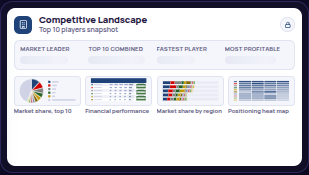
Competitive Landscape and Market Positioning
The competitive environment among these leading players reveals a dynamic interplay of initiatives aimed at securing technological leadership and expanding product portfolios. Collaborations with research institutions and cross-sector alliances foster cutting-edge advances in synthesis methods and sustainable production practices. Several players have enhanced their offerings through targeted acquisitions, enabling access to critical raw materials and expanding geographic reach. Investments in process optimization and quality improvements reflect a strategic emphasis on meeting evolving regulatory standards and customer specifications. Such endeavors consolidate market positions, enabling agility in responding to rising demand for consistent, high-purity nickel acetate tetrahydrate in sophisticated industrial applications.
Strategic / Actionable Recommendations for Regional Players
In North America, market participants should consider aligning with technology developers to integrate novel production techniques that enhance yield and environmental performance. Establishing partnerships with end-market innovators could unlock opportunities within emerging segments such as battery materials and advanced catalysis, where nickel acetate tetrahydrate plays a pivotal role.
Asia Pacific players can benefit from leveraging local demand growth by deepening collaborations with regional mining operators and chemical manufacturers. Expanding R&D capabilities focused on cost-efficient and scalable processes will be crucial in addressing competitive pressures, especially amid rising sustainability expectations across industrial supply chains.
European manufacturers are advised to capitalize on their technological expertise by fostering joint ventures with specialty chemical companies and academic institutions to accelerate product differentiation. Embracing digitalization in production and quality control can further elevate competitiveness, positioning them as preferred suppliers in high-purity applications with stringent quality requirements.
| Company | Market Share | Company Revenue | Revenue CAGR (%) | Product Portfolio | Geographic Presence | Innovation / R&D Focus | Strategic Developments |
|---|---|---|---|---|---|---|---|
| No companies available. | |||||||
Customize Your Report
Explore examples of how this report can be tailored to different research needs, including custom segments, additional topics or chapters, and related reports. Click a section of the wheel or its numbered marker to explore the available options.
Nickel Acetate Tetrahydrate Market — Custom Segments
| Segment | Sub-Segment |
|---|---|
| No segment data available. | |
Nickel Acetate Tetrahydrate Market — Custom TOC
| Custom Chapter | Chapter Details |
|---|---|
| No custom TOC data available. | |
Need a different cut of the data?
Request Custom ResearchFrequently Asked Questions
How is the nickel acetate tetrahydrate industry expected to grow over the next 10 years?
Which geographical region leads the nickel acetate tetrahydrate market market?
What is the fastest growing region in the nickel acetate tetrahydrate sector?
Why is the powder segment leading in the nickel acetate tetrahydrate industry?
Why does industrial grade sub-segment dominate the grade segment of nickel acetate tetrahydrate sector?
How much is the distributors segment expected to grow in the nickel acetate tetrahydrate industry beyond 2025?
What factors give electroplating segment a competitive edge in the nickel acetate tetrahydrate sector?
Which is the largest sub-segment within the end-user industry segment for nickel acetate tetrahydrate industry?
Who holds a significant market share in the nickel acetate tetrahydrate landscape?
Our Clients
"The report helped us understand emerging consumer trends in our product category. It clarified where to focus innovation for the next product launch."
LyondellBasell
"The regional forecast section was incredibly useful. We were able to identify two new potential partners in Europe thanks to the vendor mapping you included."
SABIC
"We appreciated how actionable the recommendations were. It guided us to improve supply chain resilience."
Olin Corporation
Our Research Team & Methodology
Every Fundamental Business Insights report is built by a dedicated vertical research team, validated through a structured primary-and-secondary methodology, and reviewed for accuracy before it reaches you.
Delivery
Published
Available
Support
- Market Size & Forecast
- Market Segmentation
- Regional Analysis
- Growth Drivers & Challenges
- Market Dynamics
- Competitive Landscape
- Company Profiles
- Competitive Benchmarking
- Mergers & Acquisitions
- Market Share Analysis or Key Company Strategies
- Value Chain Analysis
- Porter's Five Forces
- PESTLE Analysis
- Pricing Trends
- Supply-Demand Analysis
- Technology Landscape
- Regulatory Landscape
- Investment & Funding Landscape
- Emerging Opportunities
- Future Market Outlook