Nonwoven Baby Diaper Market Size & Growth Forecast 2027–2036, By Segments (Type, Category, Absorption Level, Distribution Channel, Price, Diaper Size, Pack Size, Age), Regional Demand Trends (North America, Asia Pacific, Europe), Key Country Insights (U.S., Japan, South Korea, Germany, France, Italy), and Competitive Landscape
Jump to Content
Market Size and Growth Outlook
Nonwoven Baby Diaper Market size was worth USD 25.51 Billion in 2026 and is expected to grow at 5.4% CAGR between 2027 and 2036, surpassing USD 43.16 Billion by 2036. The industry revenue for 2027 is estimated at USD 26.66 Billion.
Get more details on this report
Request Free Sample ReportNonwoven Baby Diaper Market Intelligence Snapshot
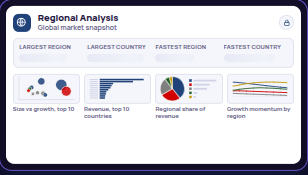
Regional Market Dynamics
- Asia Pacific held 36.94% in 2026, supported by its large infant population, rising incomes, expanding urban consumers, and broader retail and e-commerce access.
- North America is projected to grow fastest as demand rises for high-performance, skin-friendly, sustainable diapers supported by strong retail and e-commerce networks.
Segment Momentum
- Disposable diapers held 70.75% of the market in 2026 because they offer high absorbency, reliable leakage protection, convenience, and widespread availability, supported by continuous improvements in nonwoven materials and comfort.
- The pant diaper category is expected to grow the fastest as parents increasingly prefer easy-to-wear products that support active toddlers, quick diaper changes, and greater convenience for caregivers.
Market Expansion Drivers
- Rising disposable income and urbanization boosting diaper consumption demand
- Increasing awareness of infant hygiene driving premium diaper adoption
- Growth of eco-friendly biodegradable diaper materials in consumer markets
Leading Market Participants
- Key companies in the nonwoven baby diaper market include Procter & Gamble Co. (United States), Kimberly-Clark Corporation (United States), Unicharm Corporation (Japan), Essity AB (Sweden), Kao Corporation (Japan), Hengan International Group Company Limited (China), First Quality Enterprises, Inc. (United States), Drylock Technologies NV (Belgium), Johnson & Johnson (United States), The Honest Company, Inc. (United States)
Global Market Forecast Snapshot
Market Outlook
- 2026 Market Size: USD 25.51 Billion
- 2027 Estimated Market Size: USD 26.66 Billion
- Projected Market Size: USD 43.16 Billion by 2036
- Growth Forecast: 5.4% CAGR (2027-2036)
Regional and Segment Outlook
- Leading Regional Market: Asia Pacific
- High-Growth Regional Hub: North America
- Core Revenue Segment: Disposable (Type) | Taped (Category) | High (Absorption Level) | Offline (Distribution Channel) | Medium (Price) | Medium (Diaper Size) | Above 60 Count (Pack Size) | 0-6 Months (Age)
- Emerging Opportunity Segment: Reusable (Type) | Pant (Category) | High (Absorption Level) | Online (Distribution Channel) | High (Price) | Large (Diaper Size) | Above 60 Count (Pack Size) | Above 2 Years (Age)
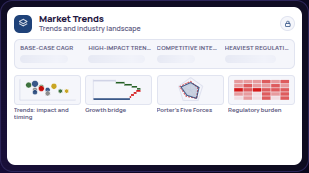
Market Growth Drivers and Industry Trends
Rising disposable income and urbanization boosting diaper consumption demand
Higher household incomes and continued urban development are encouraging families to prioritize convenient childcare products that support modern lifestyles. The nonwoven baby diaper market growth is driven by changing consumption patterns as working parents increasingly adopt disposable diapers to reduce daily caregiving effort while maintaining comfort for infants. Expanding retail networks, greater product availability across urban centers, and improved purchasing accessibility through both physical and digital channels further encourage consistent diaper usage among a growing consumer base with evolving lifestyle expectations.
Increasing awareness of infant hygiene driving premium diaper adoption
Growing parental understanding of infant skin health and hygiene is encouraging demand for diapers that provide enhanced comfort, breathability, and moisture management. Increasing awareness of proper childcare practices will boost the nonwoven baby diaper market demand as consumers increasingly seek premium products featuring improved absorbency, softer nonwoven materials, skin-friendly liners, and leakage protection. Healthcare guidance, educational campaigns, and easier access to product information have also strengthened consumer preference for higher-quality diaper solutions designed to reduce irritation and maintain better hygiene throughout extended usage.
Growth of eco-friendly biodegradable diaper materials in consumer markets
Environmental concerns surrounding disposable hygiene products are encouraging manufacturers to develop biodegradable materials and renewable nonwoven alternatives that reduce long-term waste generation. The nonwoven baby diaper market is benefiting from rising consumer interest in products incorporating plant-based fibers, compostable components, and responsibly sourced raw materials that align with sustainability preferences without compromising performance. Growing environmental awareness is also encouraging brands to invest in recyclable packaging, cleaner production methods, and transparent material sourcing practices that appeal to environmentally conscious households.
| Growth Driver | Impact on CAGR | Regulatory Influence | Geographic Relevance | Adoption Rate | Impact Timeline |
|---|---|---|---|---|---|
| Rising disposable income and urbanization boosting diaper consumption demand | 2% | Low | Asia Pacific, Latin America | High | Near Term |
| Increasing awareness of infant hygiene driving premium diaper adoption | 1.7% | Low | North America, Europe | High | Near Term |
| Growth of eco-friendly biodegradable diaper materials in consumer markets | 1.4% | Moderate | Europe, Asia Pacific | Emerging | Mid Term |
Unlock insights tailored to your business with our bespoke market research solutions.
Click to get your customized report now.
Regional Demand Dynamics

Asia Pacific (Largest Region)
The nonwoven baby diaper market was led by Asia Pacific, which accounted for 36.94% of the market in 2026. The region's strong position is supported by its large infant population, expanding urban consumer base, and increasing awareness of infant hygiene and convenient childcare products. Rising household incomes and changing lifestyles are encouraging parents to adopt disposable diapers as an alternative to traditional reusable options. In addition, improvements in retail distribution and the expansion of modern trade and e-commerce channels are increasing product availability across both urban and developing markets. Manufacturers are also responding to consumer demand for softer, more absorbent, and skin-friendly nonwoven materials, supporting continued product adoption.
North America (Fastest-Growing Region)
North America is expected to witness the fastest growth, supported by strong consumer preference for convenient and high-performance baby care products. Increasing attention to infant comfort, skin health, absorbency, and material quality is encouraging demand for advanced nonwoven diaper designs. Sustainability considerations are also influencing product development, with manufacturers focusing on lighter materials, improved resource efficiency, and more environmentally conscious product attributes. Well-developed retail and e-commerce networks further facilitate access to premium diaper products, while continued innovation in absorbency, fit, and softness is expected to strengthen market expansion.
| Parameter | North America | Asia Pacific | Europe | Latin America | MEA |
|---|---|---|---|---|---|
| Innovation HubiScaleNascentDeveloping Advanced | |||||
| Cost-Sensitive RegioniScaleLowMedium High | |||||
| Regulatory EnvironmentiScaleRestrictiveNeutral Supportive | |||||
| Demand DriversiScaleWeakModerate Strong | |||||
| Development StageiScaleEmergingDeveloping Developed | |||||
| Adoption RateiScaleLowMedium High | |||||
| New Entrants / StartupsiScaleSparseModerate Dense | |||||
| Macro IndicatorsiScaleWeakStable Strong |
Key Country Insights
United States 🇺🇸
Premium Hygiene InnovationThe U.S. nonwoven baby diaper market emphasizes high-performance absorbent materials, skin-friendly fabrics, and sustainable product development. Manufacturers in the U.S. continue investing in advanced nonwoven technologies that improve comfort while addressing retailer and consumer expectations for environmentally responsible products.
Germany 🇩🇪
Sustainable Material IntegrationGermany prioritizes recyclable and low-impact nonwoven materials for baby diapers alongside stringent product quality requirements. German manufacturers increasingly integrate renewable fibers and efficient production methods to align with evolving environmental standards and premium hygiene expectations.
Japan 🇯🇵
Comfort-Focused DesignJapan emphasizes ultra-soft, lightweight nonwoven materials that enhance infant comfort without compromising absorbency. Japanese producers continue refining material engineering and manufacturing precision to support premium diaper performance for a quality-conscious domestic market.
South Korea 🇰🇷
Functional Material DevelopmentSouth Korea focuses on advanced nonwoven fabrics offering improved breathability, skin protection, and ergonomic fit in baby diapers. Domestic manufacturers actively develop innovative material combinations that support premium consumer preferences and differentiated product portfolios.
France 🇫🇷
Eco-Conscious Product StandardsFrance encourages nonwoven baby diaper development centered on safer materials, reduced chemical content, and environmental responsibility. Companies in France increasingly adapt production strategies to satisfy consumer demand for certified, sustainable hygiene products.
Italy 🇮🇹
Manufacturing Quality FocusItaly supports the nonwoven baby diaper market through high-quality material processing and specialized converting capabilities. Italian manufacturers emphasize reliable production standards and product refinement to serve premium private-label and branded diaper segments.
Nonwoven Baby Diaper Market Share (%), by Type, 2026
Go beyond the chart, access full insights & data tables
Request Free Sample ReportType Segment Analysis: Disposable (Largest Segment) vs Reusable (Fastest-Growing Segment)
The disposable type segment dominated the nonwoven baby diaper market, accounting for 70.75% in 2026. Its leadership was driven by strong consumer preference for convenient, hygienic, and time-saving baby care products. Disposable diapers provide high absorbency, ease of use, and reliable leakage protection, making them well suited for daily infant care. Continuous improvements in nonwoven materials, enhanced comfort, and skin-friendly product designs have further strengthened consumer adoption, while the widespread availability of disposable diapers across retail channels has reinforced their dominant market position.
The reusable type segment is expected to experience the fastest growth during the forecast period owing to increasing consumer awareness of environmental sustainability and the need to reduce household waste. Parents are showing greater interest in reusable diaper options that offer long-term cost savings and lower environmental impact. Advancements in washable fabrics, improved absorbency, and user-friendly designs are making reusable diapers more practical, supporting the rapid expansion of this segment.
Category Segment Analysis: Taped (Largest Segment) vs Pant (Fastest-Growing Segment)
Holding the largest share of the nonwoven baby diaper market, the taped diaper category maintained its dominant position in 2026. The segment benefited from its suitability for newborns and infants who require frequent diaper changes, as taped diapers allow caregivers to achieve a secure and adjustable fit. Their effectiveness in minimizing leakage and ensuring comfort across different baby sizes has sustained strong demand. Continued product innovation focused on breathable materials and enhanced fastening systems has further supported the segment's leadership.
The pant diaper category is projected to witness the fastest growth due to rising demand for products designed for active and growing toddlers. Pant-style diapers offer greater convenience by enabling quick changes while supporting mobility and independence during early developmental stages. Increasing preference for easy-to-wear products and growing adoption among working parents are expected to accelerate demand for this segment.
Absorption Level Segment Analysis: High (Largest & Fastest-Growing Segment)
The high absorption level segment led the nonwoven baby diaper market, holding the largest share in 2026, while also emerging as the fastest-growing segment. Its strong performance is supported by increasing demand for diapers that provide extended dryness, superior leakage protection, and improved skin comfort during both daytime and overnight use. Parents increasingly prioritize products that reduce the frequency of diaper changes while helping prevent skin irritation, driving demand for highly absorbent solutions. Ongoing advancements in absorbent core technologies, moisture management, and premium nonwoven materials continue to strengthen the segment's leadership and support its sustained growth.
| Segment | Sub-Segment | Largest Segment | Fastest Growing |
|---|---|---|---|
| Type | Disposable, Reusable | Disposable | Reusable |
| Category | Pant, Taped | Taped | Pant |
| Absorption Level | Low, High | High | High |
| Distribution Channel | Online, Offline | Offline | Online |
| Price | Low, Medium, High | Medium | High |
| Diaper Size | Small/Extra Small, Medium, Large, Extra Large | Medium | Large |
| Pack Size | 0-20 Count, 20-40 Count, 40-60 Count, Above 60 Count | Above 60 Count | Above 60 Count |
| Age | 0-6 Months, 6-18 Months, 18-24 Months, Above 2 Years | 0-6 Months | Above 2 Years |
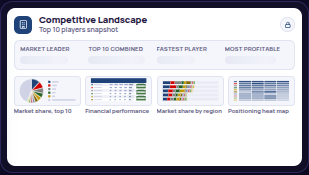
Competitive Landscape and Market Positioning
Leading companies in the nonwoven baby diaper market:
- Procter & Gamble Co. (United States)
- Kimberly-Clark Corporation (United States)
- Unicharm Corporation (Japan)
- Essity AB (Sweden)
- Kao Corporation (Japan)
- Hengan International Group Company Limited (China)
- First Quality Enterprises, Inc. (United States)
- Drylock Technologies NV (Belgium)
- Johnson & Johnson (United States)
- The Honest Company, Inc. (United States)
Competition in the nonwoven baby diaper market is increasingly influenced by material innovation, product comfort, and the ability to address changing consumer expectations around skin health and sustainability. Manufacturers are investing in softer fabric structures, improved absorbency solutions, and environmentally conscious material approaches to differentiate their offerings. Large-scale producers continue to compete through manufacturing efficiency and broad distribution reach, while specialized players are focusing on premium positioning and targeted consumer preferences. The competitive environment is gradually moving toward balancing performance characteristics with sustainability considerations as buyers become more attentive to product composition and environmental impact.
| Company | Market Share | Company Revenue | Revenue CAGR (%) | Product Portfolio | Geographic Presence | Innovation / R&D Focus | Strategic Developments |
|---|---|---|---|---|---|---|---|
| Procter & Gamble Co. (United States) | |||||||
| Kimberly-Clark Corporation (United States) | |||||||
| Unicharm Corporation (Japan) | |||||||
| Essity AB (Sweden) | |||||||
| Kao Corporation (Japan) | |||||||
| Hengan International Group Company Limited (China) | |||||||
| First Quality Enterprises Inc. (United States) | |||||||
| Drylock Technologies NV (Belgium) | |||||||
| Johnson & Johnson (United States) | |||||||
| The Honest Company Inc. (United States) |
Industry Development/News
| Company Name | Date | Key Development |
|---|---|---|
| DSG International (Thailand) PCL | Jan-26 | Completed an upgrade of its Fitti brand manufacturing line in Johor, Malaysia, incorporating new spunbond nonwoven machinery from Reifenhäuser Group to improve cover-stock softness ratings, enhancing production capabilities. |
| Procter and Gamble | Apr-25 | Commissioned an expanded Pampers manufacturing facility in Taicang, Jiangsu Province, China, adding dedicated pant-style diaper production capacity to address accelerating demand across the Asia Pacific region. |
Customize Your Report
Explore examples of how this report can be tailored to different research needs, including custom segments, additional topics or chapters, and related reports. Click a section of the wheel or its numbered marker to explore the available options.
Nonwoven Baby Diaper Market — Custom Segments
| Segment | Sub-Segment |
|---|---|
| Material Composition | Polypropylene-Based, Polyethylene-Based, Cellulose-Based, Biodegradable & Plant-Based Materials |
| Wetness Management | Standard Wetness Management, Wetness Indicator-Enabled, Advanced Moisture Distribution |
| Brand Type | Branded Products, Private-Label Products, Generic/Unbranded Products |
Nonwoven Baby Diaper Market — Custom TOC
| Custom Chapter | Chapter Details |
|---|---|
| Premiumization and Consumer Preference Analysis |
|
| Sustainable Diaper Material Adoption Outlook |
|
| Emerging Market Penetration Strategy |
|
Need a different cut of the data?
Request Custom ResearchFrequently Asked Questions
How large is the nonwoven baby diaper market?
How will the nonwoven baby diaper industry grow in terms of size and CAGR by 2036?
How are changing consumer preferences influencing premium diaper adoption?
Why is sustainability becoming a key growth driver in the nonwoven baby diaper market?
Why do disposable diapers lead the nonwoven baby diaper market?
Which category segment is expected to grow the fastest in the nonwoven baby diaper market?
What supports Asia Pacific's leading position in the nonwoven baby diaper market?
Why is North America expected to be the fastest-growing region?
Who holds a significant market share in the nonwoven baby diaper landscape?
Our Clients
"The report provided us with a clear direction, and the level of detail was beyond what we expected. I would definitely recommend their services to others."
Haier Appliances
"The collaboration with Fundamental Business Insights has added significant value to our decision-making process, and we look forward to continuing this partnership for our future market research requirements."
Luxottica Group S.p.A.
"The team at FBI delivered an exceptional research report. The insights on industry innovations were particularly impressive and added a lot of value to the overall report."
Nike
Our Research Team & Methodology
Every Fundamental Business Insights report is built by a dedicated vertical research team, validated through a structured primary-and-secondary methodology, and reviewed for accuracy before it reaches you.
Delivery
Published
Available
Support
- Market Size & Forecast
- Market Segmentation
- Regional Analysis
- Growth Drivers & Challenges
- Market Dynamics
- Competitive Landscape
- Company Profiles
- Competitive Benchmarking
- Mergers & Acquisitions
- Market Share Analysis or Key Company Strategies
- Value Chain Analysis
- Porter's Five Forces
- PESTLE Analysis
- Pricing Trends
- Supply-Demand Analysis
- Technology Landscape
- Regulatory Landscape
- Investment & Funding Landscape
- Emerging Opportunities
- Future Market Outlook