



Orthodontic Retainers Market Size & Forecasts 2026-2035, By Segments (End-User, Product Type), Growth Opportunities, Innovation Landscape, Regulatory Shifts, Strategic Regional Insights (U.S., Japan, China, South Korea, UK, Germany, France), and Competitive Dynamics (Ormco, 3M, Dentsply Sirona, American Orthodontics, TP Orthodontics)
Market Size and Growth Outlook
Base Year Value (2025)
USD 2.89 billion
CAGR (2026-2035)
5.4%
Forecast Year Value (2035)
USD 4.89 billion

Historical Data Period
2022-2025

Largest Region
Europe

Forecast Period
2026-2035
Key Takeaways
- Europe region garnered more than 41.8% revenue share in 2025, due to high awareness of aesthetic dentistry and strong orthodontic service penetration in Europe.
- Asia Pacific region will record more than 7.9% CAGR through 2035, driven by rising disposable incomes and growing demand for cosmetic dental treatments in APAC.
- The adult segment led the market in 2025, driven by rising adult demand for post-orthodontic retention to maintain treatment results.
- The metal segment captured a majority share of the orthodontic retainers market in 2025, driven by the durability and cost-effectiveness of metal retainer materials.
- The top participants in the orthodontic retainers market are Ormco (USA), 3M (USA), Dentsply Sirona (USA), American Orthodontics (USA), TP Orthodontics (USA), Dentaurum (Germany), Straumann (Switzerland), Tomy (Japan), Forestadent (Germany), Align Technology (USA).
Market Growth Drivers and Industry Trends
Rising Demand for Orthodontic TreatmentsThe orthodontic retainers market is being propelled by a growing global emphasis on dental aesthetics and oral health, as consumer preferences shift towards preventive and corrective orthodontic care. The American Association of Orthodontists highlights increasing awareness among teens and adults about the long-term benefits of orthodontic treatment, driving demand for retainers post-treatment. This trend is further supported by enhanced dental insurance policies expanding coverage for orthodontic procedures, making treatments more accessible. For established manufacturers, this presents opportunities to diversify product offerings, while startups can capitalize on niche segments like adult orthodontics. As orthodontic procedures become more normalized worldwide, the market is set to evolve with sustained consumer interest and wider insurance acceptance shaping demand patterns.
Innovation in Retainer Design and Materials
Advancements in materials science and digital customization technologies are revolutionizing the orthodontic retainers market, enabling more comfortable, durable, and aesthetic solutions. Companies such as Align Technology are pioneering clear, 3D-printed retainers that offer personalized fittings and improved compliance, appealing to image-conscious consumers. Regulatory bodies like the U.S. FDA facilitate faster approvals for innovative dental devices, accelerating market entry for novel designs. This driver allows established firms to enhance product differentiation, while newcomers can leverage cutting-edge technology to disrupt traditional retainer models. The continuous integration of digital workflows and biocompatible materials signals a future where innovation will further reduce barriers to adoption and improve patient outcomes across the market.
Expansion of Orthodontic Services in Emerging Regions
Growth in disposable incomes and rising healthcare investments in emerging markets are broadening the orthodontic retainers market’s geographic footprint, especially in Asia-Pacific and Latin America. According to the World Health Organization, increased urbanization and improved healthcare infrastructure have boosted access to orthodontic services in countries like India and Brazil. Local governments’ initiatives to enhance oral health awareness amplify demand for post-treatment retainers. This expansion offers established players avenues for regional partnerships and localized product adaptation, while new entrants can explore untapped markets with tailored, cost-effective solutions. The ongoing development of regional supply chains and service capabilities underpins the market’s expansion, fostering competitive dynamics sensitive to local consumer needs and cultural preferences.
Industry Restraints:
High Regulatory Standards and Compliance Challenges
Stringent regulatory requirements in medical device approval significantly constrain the orthodontic retainers market. The need for extensive clinical testing, biocompatibility assessments, and conformity with standards such as the FDA’s Class II medical device regulations imposes lengthy timeframes and substantial cost burdens on manufacturers. For instance, Align Technology has highlighted in its SEC filings the challenges of navigating these complex regulatory landscapes across multiple geographies. This restricts smaller and newer entrants who face barriers to market entry due to capital intensity and protracted approval cycles. Established players incur ongoing compliance costs, slowing innovation cycles. Given the increasing emphasis by authorities like the European Medicines Agency (EMA) on patient safety and data transparency, regulatory rigor will likely remain a critical restraining factor, compelling companies to prioritize compliance risk management and invest in robust quality systems to sustain market participation.
Consumer Wear-Time Compliance and Retention Efficacy
Consumer adherence to prescribed retainer wear time continues to limit market expansion and long-term device success. Orthodontic outcomes depend heavily on consistent patient use, yet studies by the American Association of Orthodontists reveal that a significant share of consumers prematurely discontinue retainer use due to discomfort or inconvenience, hindering treatment durability. This behavioral challenge curtails demand growth for advanced or custom retainers and complicates manufacturers’ efforts to demonstrate superior clinical benefits to orthodontists and insurers. Market leaders like Dentsply Sirona are responding with digital monitoring solutions to improve compliance, but widespread adoption remains nascent. This restraint underscores the need for innovation in user-centric design and patient education, meaning consumer behavior will remain an influential, albeit difficult-to-control, factor shaping the market’s trajectory.
| Growth Driver Assessment Framework | |||||
| Growth Driver | Impact On CAGR | Regulatory Influence | Geographic Relevance | Adoption Rate | Impact Timeline |
|---|---|---|---|---|---|
| Rising demand for orthodontic treatments | 2.00% | Short term (≤ 2 yrs) | North America, Europe | Low | Fast |
| Innovation in retainer design and materials | 1.80% | Medium term (2–5 yrs) | North America, Europe; Spillover: Asia Pacific | Medium | Moderate |
| Expansion of orthodontic services in emerging regions | 1.60% | Long term (5+ yrs) | Asia Pacific, Latin America | Low | Slow |
Unlock insights tailored to your business with our bespoke market research solutions - Click to get your customized report now!
Regional Demand Dynamics
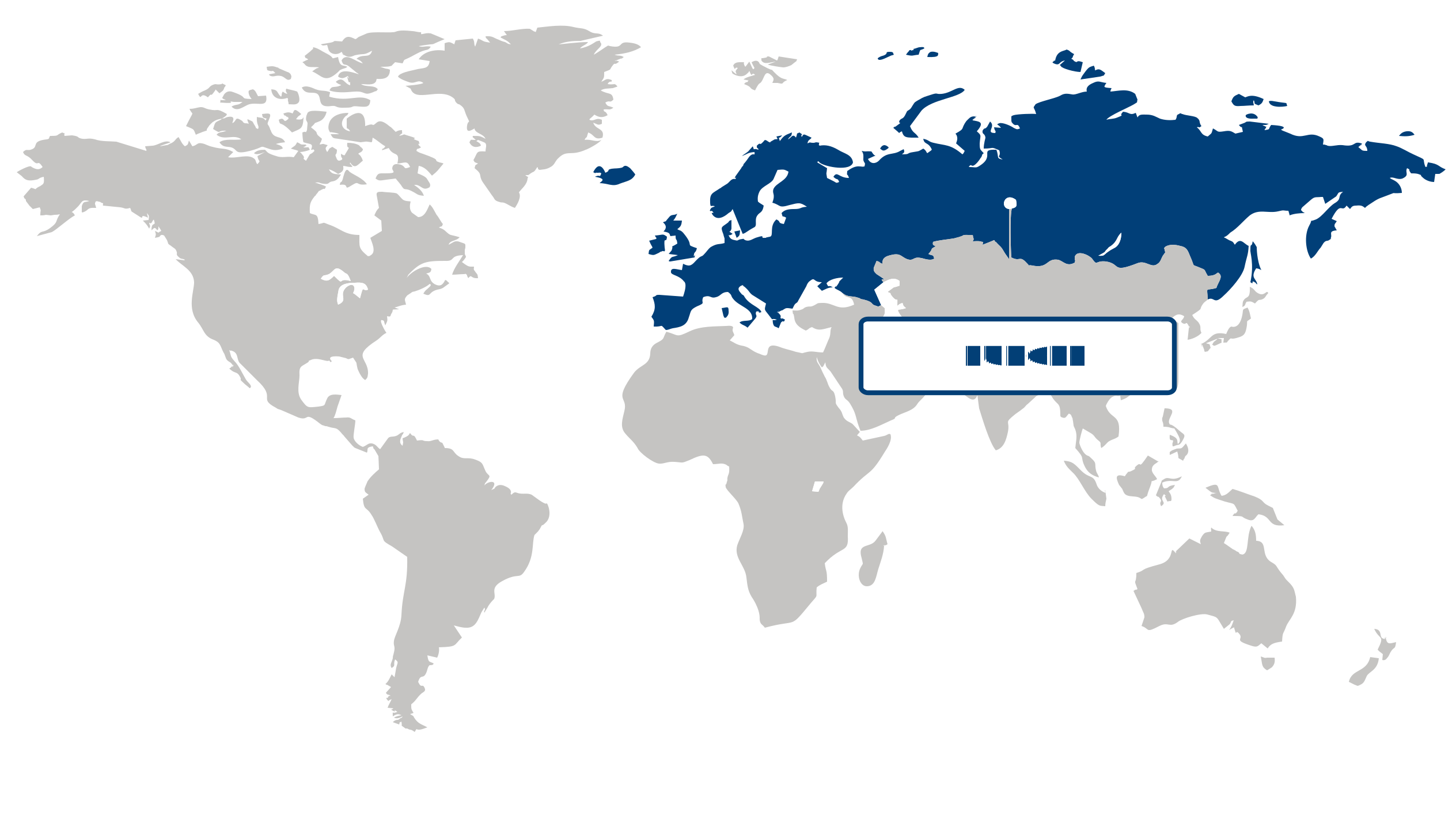
Largest Region
Europe
41.8% Market Share in 2025
Europe captured over 41.80% of the global orthodontic retainers market in 2025, establishing itself as the largest regional segment. This dominance stems primarily from heightened awareness of aesthetic dentistry and robust penetration of orthodontic services across the region. The continent benefits from a sophisticated healthcare infrastructure, progressive regulatory frameworks, and a growing middle-income cohort prioritizing dental health and cosmetic outcomes. For example, the European Federation of Orthodontics highlights rising patient demand for customized, effective retention solutions post-treatment. Additionally, innovations by companies like Dentsply Sirona, a leading dental equipment provider based in Germany, have enhanced product availability and patient compliance. These factors collectively sustain Europe's leadership, presenting substantial opportunities for market expansion as consumer preference shifts toward less visible, more comfortable retainers alongside increasing digital monitoring of orthodontic progress.
Germany anchors Europe’s orthodontic retainers market through its expansive dental care network and stringent regulatory standards that ensure high-quality product offerings. The country’s emphasis on healthcare innovation, exemplified by R&D investments from manufacturers like Straumann Group, accelerates the adoption of advanced retainer technologies. Meanwhile, France contributes strongly through increasing patient acceptance of aesthetic orthodontic treatments, supported by initiatives from the French Ministry of Health promoting preventive dental care. This fosters growth in demand for retainers tailored to align with rising cosmetic expectations and patient convenience. Collectively, Germany and France’s distinct yet complementary dynamics reinforce Europe’s regional dominance and highlight targeted pathways for market players seeking to capitalize on evolving dental care trends and consumer sophistication.
Asia Pacific Market Analysis:
Asia Pacific emerged as the fastest-growing region in the orthodontic retainers market, registering a robust CAGR of 7.9%. This strong expansion is primarily fueled by rising disposable incomes and increasing consumer interest in cosmetic dental treatments across the region. Growing awareness of oral aesthetics, bolstered by greater media influence and digital engagement, has encouraged a shift toward preventive orthodontic care, including retainers. Additionally, advances in healthcare infrastructure and expanding private dental clinics, especially in urban centers, have improved access to orthodontic services. Regulatory reforms supporting medical device innovation and increased collaboration between local manufacturers and global players further enhance market dynamics. Reports from the Asia Pacific Dental Federation emphasize the region's increasing demand for personalized and technologically advanced retainers. Looking ahead, APAC’s demographic diversity and rising middle-class population present significant opportunities for tailored orthodontic retainer solutions and sustained market growth.
Japan plays a pivotal role in Asia Pacific’s orthodontic retainers market, driven by high consumer spending on health and aesthetics. Japanese patients show a preference for advanced, discreet retainer options aligning with the country’s focus on innovation and precision. The government’s support for medical technology innovation through subsidies and streamlined device registration, as reported by Japan’s Pharmaceuticals and Medical Devices Agency (PMDA), has accelerated product launches and adoption. Moreover, Japan’s aging population with heightened oral care awareness, coupled with increasing dental tourism, reinforces demand for orthodontic retainers. The strategic emphasis on quality and patient-centric solutions by leading Japanese dental device companies positions the country as a key innovator within the region.
In China, the orthodontic retainers market benefits significantly from expanding urban middle-class consumers with growing disposable incomes and a rising penchant for cosmetic dental enhancements. Government initiatives to improve healthcare infrastructure and regulatory modernization, highlighted by the National Medical Products Administration (NMPA), have lowered barriers for new orthodontic device entries. This has stimulated competitive dynamics, prompting domestic and international firms to invest in digital scanning, 3D printing, and customized solutions. Additionally, increased online platforms providing dental consultations and services have enhanced market accessibility. China’s robust manufacturing capabilities also support efficient supply chains for orthodontic retainers, helping meet the surging demand. Together, these factors solidify China’s role as a critical growth engine reinforcing Asia Pacific’s leadership in the orthodontic retainers market.
North America Market Trends:
North America maintained a notable presence in the orthodontic retainers market, fueled by evolving consumer preferences towards personalized dental care and increasing awareness of post-orthodontic treatment needs. The region’s emphasis on innovative dental technologies and digital orthodontics, highlighted by companies like Align Technology’s recent product enhancements, supports sustained moderate growth. Regulatory frameworks established by the U.S. Food and Drug Administration (FDA) and initiatives promoting dental health insurance coverage further encourage market expansion. Moreover, North America's healthcare infrastructure resilience amid global disruptions and a growing adult demographic seeking orthodontic solutions underscores continued demand shifts. As sustainability considerations emerge, manufacturers are also adopting biocompatible and eco-friendly materials, enhancing competitive intensity. Such dynamics position North America as a strategically advantageous region offering investors promising avenues within the orthodontic retainers market.
The U.S. holds a pivotal role in North America’s orthodontic retainers market, driven by strong consumer demand for advanced and customizable orthodontic solutions. The country’s robust regulatory environment, led by the FDA, ensures product safety and efficacy, fostering consumer confidence and industry innovation. Companies like Dentsply Sirona have expanded their digital retainer offerings, integrating 3D printing technologies that accelerate turnaround times and improve patient outcomes. Cultural shifts towards preventive dental care and rising adult orthodontics adoption further amplify market prospects. These factors collectively enhance the U.S.’s influence on regional market dynamics, indicating substantial strategic opportunities for stakeholders leveraging technological advances and regulatory support within North America’s orthodontic retainers market.
No card data available for this language/report.
Segment Leadership and Growth Trends
The adult segment represented the largest share of the orthodontic retainers market in 2025, driven primarily by increasing demand among adults for post-orthodontic retention to maintain treatment results. This leadership reflects growing awareness among adult consumers regarding long-term dental alignment, supported by rising disposable incomes and the normalization of adult orthodontic care, as highlighted in the American Association of Orthodontists’ patient demographic reports. Enhanced accessibility to orthodontic services and digital orthodontics also contribute to sustained adult market engagement. For companies, this segment offers strategic opportunities to tailor retention solutions designed for mature dental structures and lifestyle preferences, fostering brand loyalty and premium product development. Given these stable demand patterns and the persistent emphasis on lifelong dental health, the adult segment is poised to remain central in the orthodontic retainers market over the near to medium term.
Analysis by Product Type
Metal retainers held the largest share in the orthodontic retainers market in 2025, owing to their durability and cost-effectiveness, which continue to resonate strongly with both providers and patients. The preference for metal retainers is reinforced by their proven track record of efficacy and low maintenance, as noted in clinical guidelines endorsed by the British Orthodontic Society. Additionally, streamlined supply chains and established manufacturing expertise ensure consistent availability, supporting competitive pricing and adoption. This segment’s resilience provides a strategic edge for manufacturers optimizing metal alloys and improving customization technologies. As regulatory frameworks evolve and patient preferences balance performance with affordability, metal retainers are expected to sustain their dominance, underpinning stable growth and innovation within the orthodontic retainers market.
| Report Segmentation | |||
| Segment | Sub-Segment | Largest Segment | Fastest Growing Segment |
|---|---|---|---|
| End-User | Adult, Teen, Kids | ||
| Product Type | Metal, Ceramics, Polymer Material, Others | ||
 Read our Research Approach
Competitive Landscape and Market Positioning
Key players in the orthodontic retainers market include Ormco, 3M, Dentsply Sirona, American Orthodontics, TP Orthodontics, Dentaurum, Straumann, Tomy, Forestadent, and Align Technology. These companies hold influential positions due to their extensive product portfolios, global reach, and strong reputations for quality and innovation. Leading U.S.-based players such as 3M and Align Technology benefit from advanced materials and digital dentistry integration, while European companies like Straumann and Dentaurum emphasize precision engineering and customized solutions. Japanese firm Tomy adds value with its focus on technology-driven orthodontic devices. Collectively, these entities set high standards in product reliability and technological advancement, reinforcing their dominance and shaping market trends.The competitive environment in the orthodontic retainers market is marked by continuous efforts to enhance product innovation and expand market footprint. Key players are actively refining aligner technologies and investing in research to improve comfort, durability, and aesthetic appeal. Strategic collaborations and acquisitions enable these firms to broaden their expertise and access emerging markets more effectively. For instance, some companies are integrating digital scanning and 3D printing capabilities to accelerate manufacturing and customization. This dynamic fosters heightened competitiveness, encouraging firms to differentiate through advanced materials and streamlined treatment solutions, thus elevating overall market standards.
Strategic / Actionable Recommendations for Regional Players
In North America, leveraging partnerships with dental practices and technology innovators can accelerate adoption of next-generation retainers. Emphasizing digital customization and patient-centric designs will enhance competitive standing amid established incumbents.
Asian players should focus on technology transfer collaborations and aligning product offerings with regional clinical preferences. Capitalizing on growing orthodontic awareness and expanding urban healthcare infrastructure can create strong growth prospects.
European firms may benefit from deepening expertise in precision manufacturing and exploring synergies with adjacent dental specialties. Prioritizing sustainable materials and advanced digital workflows can attract discerning customers and support premium positioning.
Why Choose Us
Specialized Expertise: Our team comprises industry experts with a deep understanding of your market segment. We bring specialized knowledge and experience that ensures our research and consulting services are tailored to your unique needs.
Customized Solutions: We understand that every client is different. That's why we offer customized research and consulting solutions designed specifically to address your challenges and capitalize on opportunities within your industry.
Proven Results: With a track record of successful projects and satisfied clients, we have demonstrated our ability to deliver tangible results. Our case studies and testimonials speak to our effectiveness in helping clients achieve their goals.
Cutting-Edge Methodologies: We leverage the latest methodologies and technologies to gather insights and drive informed decision-making. Our innovative approach ensures that you stay ahead of the curve and gain a competitive edge in your market.
Client-Centric Approach: Your satisfaction is our top priority. We prioritize open communication, responsiveness, and transparency to ensure that we not only meet but exceed your expectations at every stage of the engagement.
Continuous Innovation: We are committed to continuous improvement and staying at the forefront of our industry. Through ongoing learning, professional development, and investment in new technologies, we ensure that our services are always evolving to meet your evolving needs.
Value for Money: Our competitive pricing and flexible engagement models ensure that you get maximum value for your investment. We are committed to delivering high-quality results that help you achieve a strong return on your investment.
Select Licence Type

