Peracetic Acid Market Size & Forecasts 2026-2035, By Segments (Type, Application), Growth Opportunities, Innovation Landscape, Regulatory Shifts, Strategic Regional Insights (U.S., Japan, China, South Korea, UK, Germany, France), and Competitive Dynamics (Evonik, Kemira, Solvay, Hubei Xingfa Chemicals Group, PeroxyChem)
Jump to Content
Market Size and Growth Outlook
Peracetic Acid Market size is forecast to climb from USD 1.08 billion in 2025 to USD 2.56 billion by 2035, expanding at a CAGR of over 9% during 2026-2035. Industry revenue in 2026 is projected at USD 1.16 billion.
Get more details on this report
Request Free Sample ReportPeracetic Acid Market Intelligence Snapshot
Regional Market Dynamics
Segment Momentum
Market Expansion Drivers
Leading Market Participants
Global Market Forecast Snapshot
Market Outlook
Regional and Segment Outlook
Market Growth Drivers and Industry Trends
Heightened institutional and consumer focus on surface and equipment sanitation—driven by healthcare infection control, food-safety protocols, and heightened public hygiene expectations—has materially expanded demand in the peracetic acid market. Guidance from the World Health Organization (WHO) on environmental cleaning and the U.S. Centers for Disease Control and Prevention (CDC) recommendations for EPA-registered disinfectants have reinforced buyer preferences for broad-spectrum chemistries compatible with organic load, a profile peracetic acid addresses. Incumbent chemical suppliers can scale contract manufacturing and integrated service offerings, while new entrants can pursue niche segments such as poultry processing or cold-chain sanitation; procurement commitments from hospitals and processors suggest continued steady institutional demand.
Expanded Regulatory Approvals for Safe Chemical Use
Regulatory clarity from authorities such as the U.S. Environmental Protection Agency (EPA) and the European Chemicals Agency (ECHA) under the Biocidal Products Regulation has lowered market entry friction and legitimized broader uses of peracetic acid in sanitation programs. EPA registrations and ECHA risk assessments that define allowable concentrations and labeling facilitate procurement by large food processors and healthcare systems, as reflected in multiple product registrations listed by both agencies. Established manufacturers can capitalize on regulatory-compliant portfolios and stewardship programs, while entrants with strong regulatory affairs capabilities can win approvals more rapidly; observable increases in registered peracetic acid products indicate a regulatory environment favoring vetted suppliers.
Innovation in Stabilized and Safer Formulations
Advances in stabilized blends, stabilizer chemistries, and user-safety packaging by formulators such as Ecolab and Diversey, supported by efficacy studies in journals like the Journal of Applied Microbiology, are improving handling safety and on-site performance in the peracetic acid market. Product announcements from major suppliers showcasing extended shelf life and lower corrosivity have reduced operational barriers for food processors and healthcare facilities, creating uptake opportunities. Legacy firms can monetize formulation IP and bundled service contracts, while agile entrants can differentiate via targeted low-dosage or automated-dosing solutions; ongoing product launches and patent activity point to continued iterative innovation rather than transformational disruption.
Industry Restraints:
Regulatory and Hazard Classification Burdens: Peracetic acid’s categorization as a corrosive, respiratory irritant and aquatic toxicant raises complex approval, labeling and transport obligations that slow new applications and increase operating costs. The European Chemicals Agency (ECHA) entries and hazard classifications, U.S. Environmental Protection Agency (EPA) antimicrobial registration requirements, and International Maritime Organization (IMO) dangerous‑goods rules create multi‑jurisdictional compliance layers; safety data sheets from PeroxyChem (now part of Solvay) and guidance from NIOSH underscore strict handling and PPE mandates. Strategically, incumbents with regulatory teams and compliant manufacturing have an advantage, while smaller entrants face high compliance overhead and longer time‑to‑market. Expect continued regulatory scrutiny in the near‑to‑medium term, driving higher compliance investment, demand for enclosed dosing solutions, and reformulated or stabilized offerings to reduce regulatory friction.
Feedstock and Handling Constraints: Production and deployment depend on reliable hydrogen peroxide and acetic acid supplies plus specialized storage and dosing infrastructure because peracetic acid is inherently unstable and reactive. Major producers such as PeroxyChem/Solvay and global chemical players have emphasized integrated supply chains and technical service to manage feedstock sourcing and safe on‑site generation, while NIOSH and CDC guidance highlight operational safety limits that necessitate training and capital expenditure. Tactically, firms lacking secured feedstock or safe‑handling capabilities face production interruptions and higher insurance and logistics costs, deterring many new entrants. Over the medium term these dynamics will favor vertically integrated suppliers and stimulate investment in on‑site generator technology, stabilized formulations, and service models that de‑risk handling for end users.
| Growth Driver | Impact on CAGR | Regulatory Influence | Geographic Relevance | Adoption Rate | Impact Timeline |
|---|---|---|---|---|---|
| Demand in disinfection and hygiene applications | 3.00% | Short term (≤ 2 yrs) | North America, Europe | Medium | Fast |
| Regulatory approvals for safe chemical use | 2.50% | Medium term (2–5 yrs) | Europe, North America | High | Moderate |
| Innovation in stabilized and safer formulations | 3.00% | Long term (5+ yrs) | Asia Pacific, Europe | Medium | Slow |
Explore Growth Opportunities
Request Free Sample ReportRegional Demand Dynamics
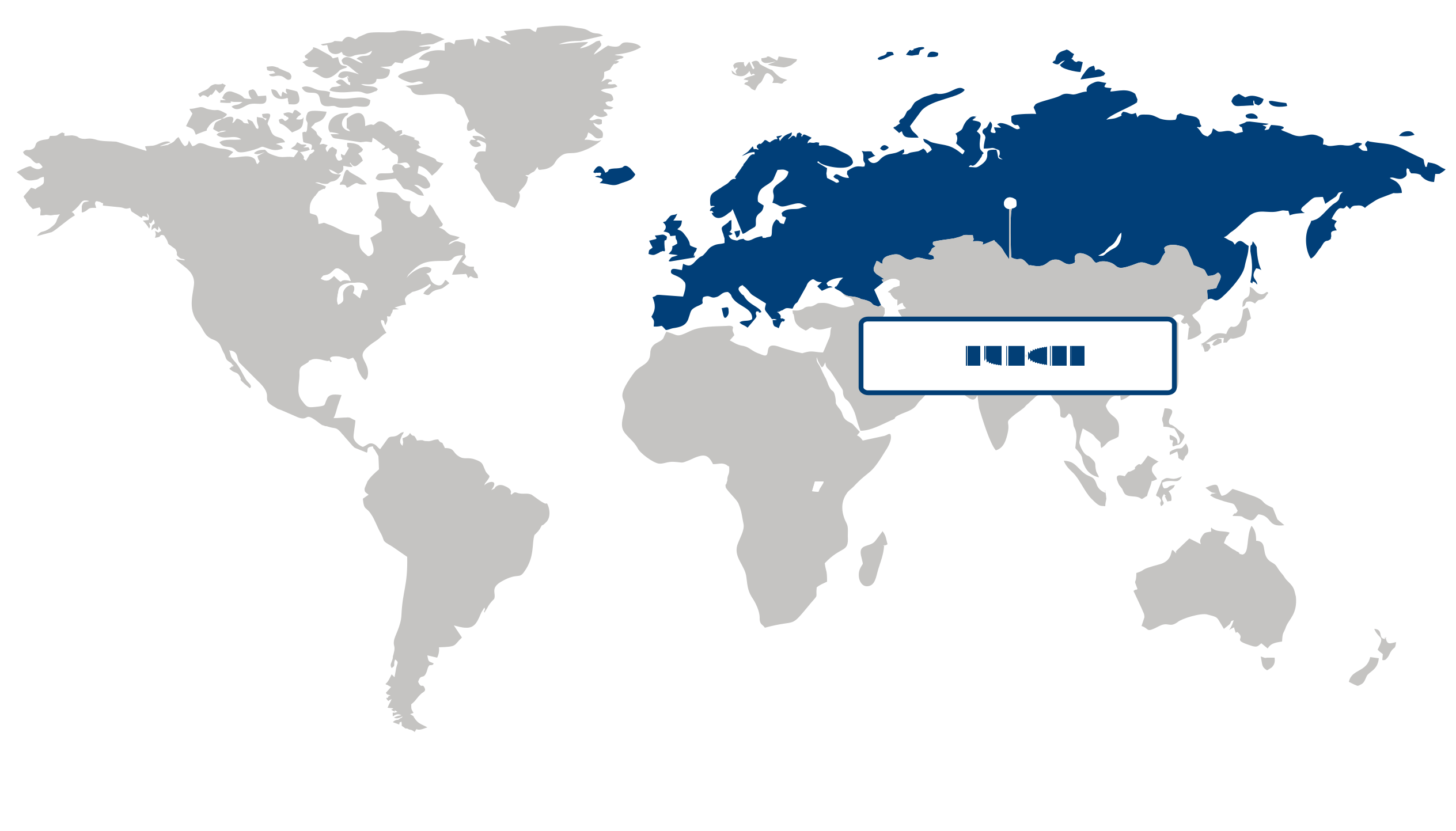
Europe captured over 34.2% of the peracetic acid market in 2025, positioning the region as the largest market globally driven primarily by stringent regulatory frameworks emphasizing hygiene and sanitization across industry verticals. European Commission rules under the Biocidal Products Regulation (BPR) and oversight by the European Chemicals Agency (ECHA) have raised baseline requirements for disinfectant efficacy and approval, while guidance from the European Centre for Disease Prevention and Control (ECDC) and World Health Organization (WHO) has accelerated institutional demand in healthcare and municipal services; suppliers such as Ecolab and Diversey have highlighted tailored peracetic acid formulations for these regulated segments. Strong logistics nodes like the Port of Rotterdam facilitate pan‑European distribution, making the region attractive for investment in on‑site generation, closed‑loop packaging, and service contracts to meet compliance-driven demand.
Germany anchors the European market for the peracetic acid market, where rigorous infection‑control protocols and an advanced chemical manufacturing base converge. The Robert Koch Institute’s hospital hygiene recommendations and procurement standards from the German Federal Ministry of Health drive institutional uptake of high‑performance disinfectants, while domestic chemical players such as BASF and Evonik support localized supply and formulation capabilities. This combination of prescriptive public health guidance and clustered chemical expertise sustains stable demand and creates opportunities for suppliers to offer compliance‑assured, vertically integrated solutions that strengthen Europe’s regional leadership.
France is positioned as a pivotal hub in Europe for the peracetic acid market, with centralized public health procurement and active regulatory oversight shaping adoption patterns. Agencies such as ANSES and policy direction from the French Ministry of Health have emphasized validated disinfectant use in hospitals and food processing facilities, and large hospital systems like Assistance Publique–Hôpitaux de Paris (AP‑HP) standardize product selection across networks. These dynamics favor suppliers that can navigate national approval pathways and deliver audited supply chains, reinforcing the broader regional opportunity to scale certified peracetic acid technologies across regulated sectors.
Asia Pacific Market Analysis:
Asia Pacific emerged as the fastest-growing region in the peracetic acid market, posting a CAGR of 10.8% as demand is accelerated by rapid expansion in the food, beverage, and pharmaceutical sectors. Rapid scaling of food and beverage processing and stronger sterile-manufacturing footprints in pharmaceuticals are increasing demand for peracetic acid as a high‑efficacy, low‑residue disinfectant; FAO and World Bank publications document rising food processing and value‑added manufacturing across the region, while the IQVIA Institute highlights expanding pharmaceutical spending and production capacity in Asia. National health and food‑safety agencies such as the National Health Commission (China) and Japan’s Ministry of Health, Labour and Welfare have tightened sanitation guidance in recent years, reinforcing institutional procurement. Given tightening regulatory expectations and sustainability pressure to reduce halogenated disinfectants, Asia Pacific offers outsized opportunities for manufacturers and licensors of peracetic acid formulations, on‑site generation systems, and service models that address compliance and cost-to-serve constraints.
Japan acts as a compliance‑driven, high‑value market in the peracetic acid market where stringent regulatory standards and advanced manufacturing demand premium disinfectants. Japan’s Ministry of Health, Labour and Welfare guidance on hospital and pharmaceutical sanitation, and standards promoted by the Japan Pharmaceutical Manufacturers Association (JPMA), push adoption of validated, residue‑safe chemistries in sterile production and food processing. Purchasing behavior favors documented efficacy, supplier service, and lifecycle cost — creating opportunities for providers offering technical validation, on‑site generation, and integration with quality systems. Strategic implication: Japan’s exacting requirements make it a testbed for high‑margin formulations and certification‑led go‑to‑market strategies that can be exported across Asia Pacific.
China functions as the volume engine for the peracetic acid market, driven by rapid expansion of large‑scale food processing and accelerating pharmaceutical manufacturing capacity. The National Bureau of Statistics of China reports strong industrial output in food manufacturing, while the National Medical Products Administration (NMPA) has overseen a step‑up in approvals and capacity investments for domestic drug production, increasing demand for industrial‑scale disinfection solutions. Concurrent tightening of food‑safety enforcement by the State Administration for Market Regulation (SAMR) is prompting processors to upgrade sanitation regimes. For suppliers, China favors scalable production, local supply‑chain presence, and partnerships with logistics and distribution players to meet high‑volume, cost‑sensitive demand — reinforcing regional growth by supplying both domestic consumption and export-oriented manufacturers.
North America Market Trends:
peracetic acid market in North America held a substantial share, driven by concentrated demand from food processing, healthcare sterilization, and industrial sanitation sectors. Strong regulatory acceptance—illustrated by the U.S. Department of Agriculture Food Safety and Inspection Service (USDA FSIS) allowing peracetic acid as an antimicrobial in poultry processing and the U.S. Environmental Protection Agency (EPA) listing peracetic acid products on disinfectant registries—has reinforced adoption, while Centers for Disease Control and Prevention (CDC) guidance on EPA-registered disinfectants elevated institutional procurement. Corporate responses such as Ecolab and Diversey public statements on production scale-up and investment during heightened disinfection demand demonstrate commercial momentum, and this is complemented by growing buyer preference for lower-residue, fast-acting chemistries. These dynamics create near-term opportunities for formulators and logistics specialists to capture share through sustainable, compliant supply propositions.
peracetic acid market in the U.S. served as the regional epicenter, reflecting the nation’s volume leadership and early regulatory clarity. U.S.-specific drivers include USDA FSIS approvals that embed peracetic acid in meat and poultry processing protocols, EPA inclusion that facilitated procurement by hospitals and long-term care facilities, and major end-user contracts and product launches by firms such as Ecolab and Steris that expanded commercial channels; federal and state procurement standards have further anchored demand. Domestic production resilience—evidenced by supplier press releases on capacity increases—and advanced analytics in large food processors have shortened adoption cycles. Strategically, U.S. institutionalization of peracetic acid creates scale and regulatory precedent that lower market-entry friction across North America, making U.S.-focused partnerships and manufacturing investments a priority for firms targeting regional expansion.
| Parameter | North America | Asia Pacific | Europe | Latin America | MEA |
|---|---|---|---|---|---|
| Innovation HubiScaleNascentDeveloping Advanced | |||||
| Cost-Sensitive RegioniScaleLowMedium High | |||||
| Regulatory EnvironmentiScaleRestrictiveNeutral Supportive | |||||
| Demand DriversiScaleWeakModerate Strong | |||||
| Development StageiScaleEmergingDeveloping Developed | |||||
| Adoption RateiScaleLowMedium High | |||||
| New Entrants / StartupsiScaleSparseModerate Dense | |||||
| Macro IndicatorsiScaleWeakStable Strong |
Peracetic Acid Market Share (%), by Type, 2026
Go beyond the chart, access full insights & data tables
Request Free Sample ReportDisinfectant dominated the peracetic acid market Type segment with the largest share in 2025, reflecting the primacy of segments deployed for broad-spectrum sanitation across food processing and clinical environments. Its leadership stems from peracetic acid’s proven antimicrobial efficacy and compatibility with organic soils, directly supporting the cited growth driver of broad-spectrum efficacy in food and healthcare sanitation; Centers for Disease Control and Prevention guidance on high-level disinfection and Environmental Protection Agency registrations for oxidizing disinfectants reinforce institutional acceptance. Customers increasingly favor rapid, residue-minimizing chemistries and service models promoted by Ecolab and Diversey, while manufacturers pursue stabilized formulations and on-site generation to ease logistics. This creates opportunities for incumbents to expand bundled hygiene services and for challengers to introduce niche formulations or decentralized supply solutions, and sustained regulatory emphasis on infection control suggests continued relevance through the near to medium term.
Analysis by Application
Food Industry represented largest share in the peracetic acid market application segments in 2025, driven by stringent hygiene requirements in food processing and packaging. The segment’s lead is aligned with regulatory drivers—U.S. Department of Agriculture Food Safety and Inspection Service acceptance of peroxyacetic acid in poultry processing and European Commission food hygiene rules—that prioritize effective antimicrobials; industry suppliers such as Ecolab and Diversey cite PAA as a chlorine alternative that meets tough surface and equipment sanitation needs. Demand patterns favor solutions that support minimal-residue cleaning, traceability and sustainability, and digital hygiene monitoring adoption is rising. Strategic advantages include integrated sanitation-service contracts for legacy players and formulation or application innovations for new entrants; ongoing regulatory scrutiny of foodborne risk and consumer preference for safer, minimally processed foods indicate the Food Industry segment will remain central in the near to medium term.
| Segment | Sub-Segment | Largest Segment | Fastest Growing |
|---|---|---|---|
| Type | Disinfectant, Sterilant, Sanitizer, Others | ||
| Application | Healthcare, Water Treatment, Food Industry, Pulp & Paper, Others |
Unlock insights tailored to your business with our bespoke market research solutions.
Click to get your customized report now.
Competitive Landscape and Market Positioning
The competitive landscape is shaped by actions that tighten supply reliability and accelerate application-specific offerings. Several leading firms have broadened downstream capabilities and strengthened supply arrangements with food, healthcare, and water-treatment customers while introducing stabilized, higher‑purity grades for sensitive uses. Cross-border asset realignments and targeted investments in oxidation chemistry and safer handling practices have improved product differentiation and regulatory positioning. These moves elevate barriers to entry in regulated segments, shift bargaining leverage toward suppliers with integrated logistics and compliance experience, and drive incremental innovation around formulation and service models.
Strategic / Actionable Recommendations for Regional Players
North America: Focus on deeper collaboration with healthcare and food processing customers to co-develop grade‑specific formulations and bundled service offerings (e.g., contract blending, safety training, traceability). Strengthen local packaging and digital monitoring capabilities to address handling concerns and align with stringent regulatory expectations, while using customer partnerships to accelerate uptake of differentiated, low‑residue products.
Asia Pacific: Prioritize scale and corridor efficiency by aligning capacity with major industrial clusters and feedstock suppliers, and by partnering with distributor networks to reach fragmented end markets. Invest in cost‑effective stabilization chemistries and localized application support for household, aquaculture, and industrial disinfection segments to capture growth where price and proximity matter most.
Europe: Emphasize high‑purity and regulatory‑robust offerings for life sciences and municipal water treatment, collaborating with certification bodies and specialist integrators to shorten qualification cycles. Pursue cleaner production practices and cooperative supply arrangements across borders to meet stringent sustainability expectations and to secure premium, compliance‑sensitive contracts.
| Company | Market Share | Company Revenue | Revenue CAGR (%) | Product Portfolio | Geographic Presence | Innovation / R&D Focus | Strategic Developments |
|---|---|---|---|---|---|---|---|
| No companies available. | |||||||
Customize Your Report
Explore examples of how this report can be tailored to different research needs, including custom segments, additional topics or chapters, and related reports. Click a section of the wheel or its numbered marker to explore the available options.
Peracetic Acid Market — Custom Segments
| Segment | Sub-Segment |
|---|---|
| No segment data available. | |
Peracetic Acid Market — Custom TOC
| Custom Chapter | Chapter Details |
|---|---|
| No custom TOC data available. | |
Need a different cut of the data?
Request Custom ResearchFrequently Asked Questions
What is the current revenue of the peracetic acid market?
What is the forecasted size of the peracetic acid industry?
Which territory demonstrates the strongest presence in the peracetic acid market?
Which region has emerged as the fastest-growing for the peracetic acid sector?
What factors give disinfectant segment a competitive edge in the peracetic acid sector?
Which is the largest sub-segment within the application segment for peracetic acid industry?
Which companies are driving growth in the peracetic acid landscape?
Our Clients
"The report helped us understand emerging consumer trends in our product category. It clarified where to focus innovation for the next product launch."
LyondellBasell
"The regional forecast section was incredibly useful. We were able to identify two new potential partners in Europe thanks to the vendor mapping you included."
SABIC
"We appreciated how actionable the recommendations were. It guided us to improve supply chain resilience."
Olin Corporation
Our Research Team & Methodology
Every Fundamental Business Insights report is built by a dedicated vertical research team, validated through a structured primary-and-secondary methodology, and reviewed for accuracy before it reaches you.
This report was prepared by the Chemicals & Materials Research Team at Fundamental Business Insights, a dedicated research group specializing in the global chemicals, advanced materials, and industrial manufacturing sectors. Our analysts continuously monitor raw material supply chains, feedstock pricing, production technologies, regulatory developments, sustainability initiatives, environmental compliance, trade dynamics, and evolving end-use applications to deliver timely and reliable market intelligence. The research is developed using a structured methodology that combines primary discussions with manufacturers, raw material suppliers, distributors, and industry experts, along with company annual reports, regulatory publications, government trade statistics, industry associations, technical literature, patent databases, and other authoritative secondary sources. Market estimates are validated through multiple research techniques, including top-down and bottom-up analysis, before undergoing an internal quality review to ensure accuracy, consistency, and methodological integrity prior to publication.
Delivery
Published
Available
Support
- Market Size & Forecast
- Market Segmentation
- Regional Analysis
- Growth Drivers & Challenges
- Market Dynamics
- Competitive Landscape
- Company Profiles
- Competitive Benchmarking
- Mergers & Acquisitions
- Market Share Analysis or Key Company Strategies
- Value Chain Analysis
- Porter's Five Forces
- PESTLE Analysis
- Pricing Trends
- Supply-Demand Analysis
- Technology Landscape
- Regulatory Landscape
- Investment & Funding Landscape
- Emerging Opportunities
- Future Market Outlook