



Pet Insurance Market Size & Forecasts 2026-2035, By Segments (Policy Coverage, Animal, Insurance Provider), Growth Opportunities, Innovation Landscape, Regulatory Shifts, Strategic Regional Insights (U.S., Japan, China, South Korea, UK, Germany, France), and Competitive Dynamics (Trupanion, Nationwide, Petplan, Healthy Paws, Embrace)
Market Size and Growth Outlook
Pet Insurance Market size is forecast to climb from USD 10.71 billion in 2025 to USD 20.1 billion by 2035, expanding at a CAGR of over 6.5% during 2026-2035. Industry revenue in 2026 is projected at USD 11.32 billion.
Base Year Value (2025)
USD 10.71 Billion
CAGR (2026-2035)
6.5%
Forecast Year Value (2035)
USD 20.1 Billion

Historical Data Period
2021-2025

Largest Region
Europe

Forecast Period
2026-2035
Key Takeaways
- Europe region gained over 43.3% revenue share in 2025, supported by high pet ownership and insurance adoption.
- Asia Pacific region will grow at more than 8% CAGR during the forecast period, attributed to rising pet humanization in china/india.
- The private segment recorded 68.6% revenue share in 2025, impelled by competitive offerings and tailored pet insurance plans.
- Achieving 58.8% share in 2025, accident & illness segment maintained its lead, sustained by comprehensive coverage for common pet health issues.
- In 2025, dog segment captured 54.45% pet insurance market share, propelled by high dog ownership and veterinary care costs.
- Leading organizations shaping the pet insurance market include Trupanion (USA), Nationwide (USA), Petplan (USA), Healthy Paws (USA), Embrace (USA), FIGO (USA), Pumpkin (USA), Pets Best (USA), ManyPets (UK), Animal Friends (UK).
Market Growth Drivers and Industry Trends
Rising Pet Ownership & Veterinary Cost Inflation
The pet insurance market is significantly influenced by the increasing rates of pet ownership, particularly among millennials and Gen Z, who view pets as integral family members. This demographic shift has led to heightened spending on pet healthcare, with many owners prioritizing preventive care and advanced medical treatments. Concurrently, veterinary costs have surged due to advancements in medical technology and rising operational expenses, prompting pet owners to seek insurance solutions to mitigate these financial burdens. According to the American Pet Products Association, pet ownership has reached an all-time high, which not only drives demand for insurance products but also encourages established players and new entrants to innovate their offerings. The focus on comprehensive coverage options positions companies to capture a larger share of this expanding market, as they align their services with the evolving needs of pet owners who increasingly seek financial security for their pets’ health.
Digital Claim Processing & Policy Customization
The pet insurance market is undergoing a transformation driven by advancements in digital claim processing and policy customization. Insurers are leveraging technology to streamline claims submissions, making the process more user-friendly and efficient for consumers. Companies like Trupanion are at the forefront, offering digital platforms that allow pet owners to submit claims in real time, enhancing customer satisfaction and loyalty. Additionally, the ability to customize policies based on individual pet needs is becoming a key differentiator in a competitive landscape. This digital transformation not only improves operational efficiency but also creates strategic opportunities for both established players and startups to enhance their customer engagement strategies. As pet owners become more tech-savvy, companies that invest in robust digital solutions are likely to capture a larger market share, reinforcing their brand loyalty and driving growth.
Expansion of Wellness Add-Ons & Preventive Care Coverage
The pet insurance market is witnessing a notable shift towards the inclusion of wellness add-ons and preventive care coverage, reflecting changing consumer preferences for holistic pet health management. Pet owners are increasingly aware of the benefits of preventive care, which can lead to lower long-term veterinary costs and healthier pets. Insurers like Healthy Paws and Petplan are expanding their offerings to include routine care, vaccinations, and wellness checks, catering to this growing demand. This trend not only enhances the value proposition for pet insurance but also opens avenues for strategic partnerships between insurers and veterinary clinics, creating a more integrated care model. As awareness of pet health continues to rise, the market is poised for further growth, with companies that adapt to these trends positioned to thrive in a landscape that increasingly prioritizes comprehensive pet care solutions.
Industry Restraints:
Regulatory Compliance Burdens
The pet insurance market is significantly constrained by regulatory compliance burdens that vary across jurisdictions, leading to operational inefficiencies and increased costs for providers. For instance, the National Association of Insurance Commissioners (NAIC) has established complex guidelines that differ from state to state, creating barriers for companies attempting to standardize their offerings. This inconsistency not only complicates product development but also heightens the risk of non-compliance, which can result in financial penalties and reputational damage. Moreover, the stringent requirements can deter new entrants who may lack the resources to navigate the regulatory landscape, thereby limiting competition and innovation within the market. As such, established players often leverage their existing compliance frameworks to maintain market dominance, further stifling the evolution of the sector.
Consumer Awareness and Trust Issues
Consumer hesitation remains a critical restraint in the pet insurance market, primarily stemming from a lack of awareness and understanding of policy offerings. According to a survey conducted by the American Pet Products Association (APPA), only about 2% of pets in the U.S. are insured, indicating a significant gap in market penetration. Many pet owners are unfamiliar with the benefits of insurance or are skeptical about its value, often perceiving it as an unnecessary expense. This skepticism is exacerbated by varying levels of customer service and claims processing efficiency among providers, leading to negative experiences that deter potential customers. For market participants, this creates a dual challenge: they must invest in consumer education and enhance service delivery to build trust and credibility. In the near to medium term, addressing these consumer concerns will be essential for driving adoption and expanding market share, as companies that successfully enhance transparency and customer engagement are likely to gain a competitive advantage.
| Growth Driver Assessment Framework | |||||
| Growth Driver | Impact On CAGR | Regulatory Influence | Geographic Relevance | Adoption Rate | Impact Timeline |
|---|---|---|---|---|---|
| Rising pet ownership & veterinary cost inflation | 1.80% | Short term (≤ 2 yrs) | North America, Europe (spillover: Asia Pacific) | Low | Fast |
| Digital claim processing & policy customization | 1.70% | Medium term (2–5 yrs) | Europe, North America (spillover: Asia Pacific) | Low | Moderate |
| Expansion of wellness add-ons & preventive care coverage | 1.20% | Long term (5+ yrs) | North America, Europe (spillover: Asia Pacific) | Medium | Moderate |
Unlock insights tailored to your business with our bespoke market research solutions - Click to get your customized report now!
Regional Demand Dynamics
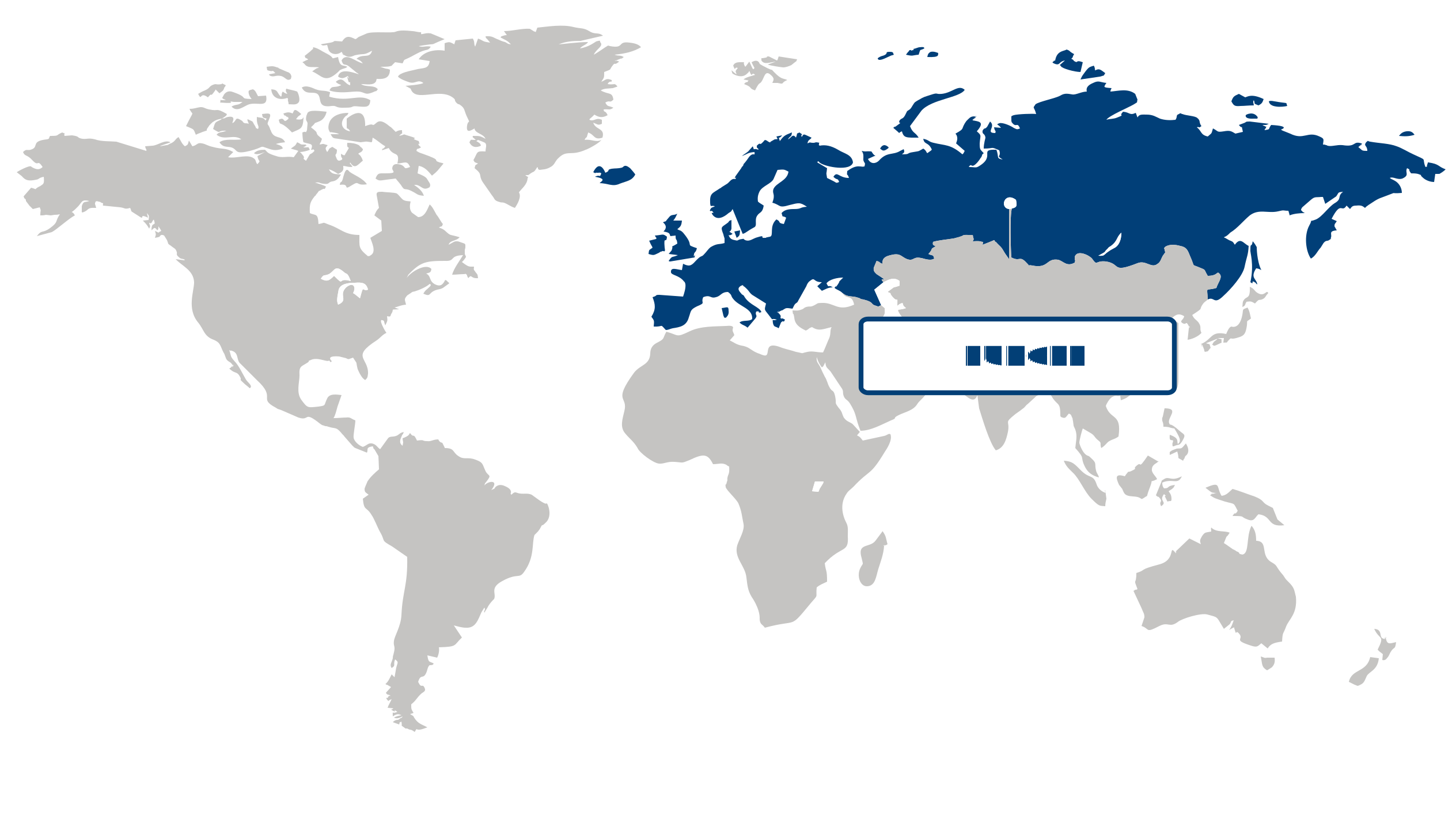
Largest Region
Europe
43.3% Market Share in 2025
Europe Market Statistics:
Europe represented over 43.3% of the global pet insurance market in 2025, establishing itself as the largest region in this sector. This dominance can be attributed to a high level of pet ownership coupled with increasing adoption of pet insurance products. The region's consumers are increasingly prioritizing the health and well-being of their pets, leading to a surge in demand for comprehensive insurance coverage. This shift is supported by advancements in digital platforms that facilitate easy access to insurance products and services, as well as a growing awareness of the financial protection that pet insurance offers against unexpected veterinary costs. Reports from the European Insurance and Occupational Pensions Authority highlight these trends, indicating a robust market driven by changing consumer preferences and technological innovations. Consequently, Europe presents significant opportunities for investors and stakeholders looking to capitalize on the expanding pet insurance landscape.
Germany anchors the European pet insurance market, showcasing a unique interplay of high pet ownership rates and a strong cultural inclination towards pet care. The pet insurance market in Germany has seen a notable rise, driven by consumer awareness and a favorable regulatory environment that encourages pet health initiatives. According to the German Pet Insurance Association, the number of insured pets has been steadily increasing, reflecting a shift in consumer attitudes towards proactive pet health management. This cultural emphasis on pet welfare, combined with competitive strategies from leading insurers like Allianz, positions Germany as a key player in the regional market. The strategic implications of this growth suggest that Germany will continue to be a focal point for innovation and investment in the pet insurance market across Europe.
France plays a pivotal role in the European pet insurance landscape, characterized by an evolving regulatory framework and increasing consumer demand for pet health services. The French market is witnessing a surge in pet insurance uptake, propelled by initiatives from organizations like the French Federation of Pet Insurance, which emphasizes the importance of financial security for pet owners. This growing trend is further fueled by the rise in veterinary costs and a cultural shift towards viewing pets as integral family members, leading to higher spending on pet care. The competitive dynamics in France are also evolving, with new entrants and established players alike adapting their offerings to meet the diverse needs of consumers. As a result, France's growing pet insurance market not only reinforces Europe's leadership but also highlights the potential for further growth and innovation in response to changing consumer expectations.
Asia Pacific Market Analysis:
Asia Pacific has emerged as the fastest-growing region in the pet insurance market, registering rapid growth with a CAGR of 8%. This impressive growth is primarily driven by the rising pet humanization in China and India, where pet owners are increasingly viewing their pets as family members, leading to an uptick in demand for comprehensive pet care services, including insurance. As consumer preferences shift towards premium pet products and services, the willingness to invest in pet insurance has significantly increased, reflecting broader trends in spending patterns and a growing recognition of the value of health coverage for pets.
In Japan, the pet insurance market has maintained a notable presence, driven by a mature pet ownership culture and a high level of awareness regarding pet health. Japanese consumers are particularly inclined towards comprehensive insurance plans that cover a wide range of veterinary services, reflecting their strong commitment to pet welfare. Regulatory frameworks have also evolved, with the Japanese government promoting pet health initiatives that encourage insurance uptake. For instance, the Japan Pet Insurance Association has reported a steady increase in policyholders, indicating a robust market environment. This cultural emphasis on pet care, coupled with advancements in digital platforms for policy management, positions Japan as a significant player in the regional pet insurance landscape.
In China, the landscape is rapidly transforming, with the rising pet humanization trend leading to a surge in pet ownership and, consequently, a greater demand for insurance products. Chinese consumers are increasingly prioritizing the health and well-being of their pets, with many seeking insurance as a means to mitigate unexpected veterinary costs. The competitive environment is intensifying as both local and international insurers strive to capture this burgeoning market, with innovative products tailored to meet the specific needs of pet owners. Recent initiatives by companies like Petplan China highlight the shift towards digital solutions, making it easier for consumers to access and manage their policies. This dynamic growth in China not only reinforces the region's leadership in the pet insurance market but also presents substantial opportunities for investors and businesses looking to capitalize on evolving consumer behaviors.
North America Market Trends:
The North America pet insurance market held a commanding share, driven by a robust consumer base and increasing awareness of pet health and wellness. This region's significance stems from its high pet ownership rates, coupled with a growing trend towards treating pets as family members, which has led to heightened demand for comprehensive insurance coverage. Factors such as advancements in telemedicine for veterinary services and a shift towards digital platforms for policy management have transformed consumer engagement. Moreover, the evolving regulatory landscape, as seen with the North American Pet Health Insurance Association (NAPHIA), reinforces market stability and fosters competitive dynamics, positioning North America as a fertile ground for investment and innovation in pet insurance. Looking ahead, the region presents substantial opportunities for growth, particularly as pet owners increasingly prioritize financial protection against unexpected veterinary costs.
The U.S. plays a pivotal role in the North America pet insurance market, showcasing significant growth driven by a cultural shift towards preventive care and wellness for pets. The American Pet Products Association (APPA) reports that pet owners are more inclined to invest in insurance policies that cover a wide range of services, reflecting a broader trend of prioritizing pet health. Additionally, technological advancements are facilitating easier access to insurance products, with platforms like Lemonade offering streamlined digital experiences for consumers. This competitive landscape encourages traditional insurers to innovate their offerings, thereby enhancing consumer choice. As the U.S. market continues to evolve, it reinforces North America's position as a leader in the global pet insurance landscape, creating pathways for increased market penetration and diversification of services.
Canada also holds a significant position in the North America pet insurance market, characterized by moderate growth driven by rising pet ownership and an increasing acceptance of insurance as a necessary expense. The Canadian Veterinary Medical Association (CVMA) highlights that more pet owners are recognizing the financial benefits of insurance in managing health-related costs. Furthermore, the Canadian market is witnessing a surge in startups offering tailored insurance solutions, which cater to the unique needs of pet owners. This innovation is fostering a competitive environment that not only enhances consumer access to various policy options but also stimulates market growth. As Canada continues to embrace pet insurance, its developments are likely to complement the broader North American trends, bolstering the region's attractiveness to investors and stakeholders.
No card data available for this language/report.
Segment Leadership and Growth Trends
Analysis by Insurance Provider
The pet insurance market is dominated by the private segment, which held a commanding 68.6% share in 2025. This leadership is largely attributed to competitive offerings and tailored pet insurance plans that cater to diverse consumer needs. The increasing preference for personalized insurance solutions reflects a broader trend where pet owners seek comprehensive protection that aligns with their specific circumstances. Companies like Trupanion and Nationwide have successfully adapted to these demands, enhancing customer loyalty and retention. This segment presents strategic advantages for both established firms and emerging players, allowing them to leverage innovative products and customer-centric services. Given the ongoing evolution in consumer expectations and the rise of digital platforms, the private segment is expected to remain a pivotal force in the pet insurance market in the near to medium term.
Analysis by Policy Coverage
In the pet insurance market, the accident & illness policy coverage segment captured over 58.8% of the share in 2025. This dominance stems from the increasing demand for comprehensive coverage that addresses common pet health issues, reflecting pet owners' growing concern for their animals' well-being. As veterinary care costs continue to rise, evidenced by data from the American Pet Products Association, more consumers are opting for plans that provide extensive support. This segment creates significant opportunities for both established insurers and new entrants to differentiate their offerings through enhanced coverage options and value-added services. With the trend towards preventive care and holistic health solutions, the accident & illness segment is poised to maintain its relevance in the evolving pet insurance market landscape.
Analysis by Animal
The pet insurance market is significantly influenced by the dog segment, which represented more than 54.4% of the share in 2025. This leadership can be attributed to the high rates of dog ownership and the associated veterinary care costs, prompting owners to seek insurance solutions that mitigate financial risks. Organizations such as the American Kennel Club highlight the increasing investment in dog care, further driving demand for insurance products tailored to canine health. The dog segment offers strategic advantages for both established firms and emerging players, as they can capitalize on trends in pet wellness and preventive care services. As the bond between humans and their pets continues to strengthen, the dog segment is expected to remain a central focus of the pet insurance market, driven by evolving consumer behaviors and preferences.
| Report Segmentation | |||
| Segment | Sub-Segment | Largest Segment | Fastest Growing Segment |
|---|---|---|---|
| Policy Coverage | Accident only, Accident & illness, Other policy coverages | ||
| Animal | Cat, Dog, Other animals | ||
| Insurance Provider | Public, Private | ||
 Read our Research Approach
Competitive Landscape and Market Positioning
Key players in the pet insurance market include Trupanion, Nationwide, Petplan, Healthy Paws, Embrace, FIGO, Pumpkin, Pets Best, ManyPets, and Animal Friends. These companies have established themselves as formidable entities within the sector, each contributing unique strengths and capabilities. Trupanion, for instance, is recognized for its innovative approach to claims processing, while Nationwide leverages its extensive experience in the insurance industry to offer a diverse range of coverage options. Petplan and Healthy Paws have garnered strong reputations for customer satisfaction, further solidifying their positions. Meanwhile, FIGO and Pumpkin are noted for their focus on technology-driven solutions, enhancing user experience and operational efficiency. Collectively, these players not only dominate market share but also set the tone for service standards and product offerings in the pet insurance landscape.
The competitive environment in the pet insurance market is characterized by a dynamic interplay of strategic initiatives that enhance market positioning and foster innovation. Companies like Embrace and Pets Best have recently expanded their product lines to include wellness plans, catering to a growing demand for preventive care. Collaborations between ManyPets and regional veterinary networks exemplify efforts to integrate services, providing comprehensive care solutions that resonate with pet owners. Additionally, investments in technology by players such as Healthy Paws and FIGO have led to improved customer engagement through mobile applications and streamlined claims processing. These initiatives not only bolster competitiveness but also reflect a broader trend towards personalized and accessible insurance solutions, shaping the future of the market.
Strategic / Actionable Recommendations for Regional Players
In North America, players should consider fostering partnerships with veterinary clinics to enhance service delivery and create bundled offerings that appeal to pet owners seeking comprehensive care. Emphasizing telehealth services can also address the growing consumer preference for convenience and accessibility in pet healthcare.
For the Asia Pacific region, leveraging emerging technologies such as AI and data analytics can provide deeper insights into consumer behavior, enabling tailored marketing strategies that resonate with local pet owners. Collaborating with local pet care businesses can also strengthen market presence and facilitate entry into underserved segments.
In Europe, focusing on sustainability and ethical practices can differentiate offerings in a competitive market. Engaging in community outreach initiatives can enhance brand loyalty while addressing the increasing consumer demand for socially responsible business practices. Additionally, exploring partnerships with pet wellness brands can create synergies that enhance product attractiveness and market reach.
Why Choose Us
Specialized Expertise: Our team comprises industry experts with a deep understanding of your market segment. We bring specialized knowledge and experience that ensures our research and consulting services are tailored to your unique needs.
Customized Solutions: We understand that every client is different. That's why we offer customized research and consulting solutions designed specifically to address your challenges and capitalize on opportunities within your industry.
Proven Results: With a track record of successful projects and satisfied clients, we have demonstrated our ability to deliver tangible results. Our case studies and testimonials speak to our effectiveness in helping clients achieve their goals.
Cutting-Edge Methodologies: We leverage the latest methodologies and technologies to gather insights and drive informed decision-making. Our innovative approach ensures that you stay ahead of the curve and gain a competitive edge in your market.
Client-Centric Approach: Your satisfaction is our top priority. We prioritize open communication, responsiveness, and transparency to ensure that we not only meet but exceed your expectations at every stage of the engagement.
Continuous Innovation: We are committed to continuous improvement and staying at the forefront of our industry. Through ongoing learning, professional development, and investment in new technologies, we ensure that our services are always evolving to meet your evolving needs.
Value for Money: Our competitive pricing and flexible engagement models ensure that you get maximum value for your investment. We are committed to delivering high-quality results that help you achieve a strong return on your investment.
Select Licence Type

