Photobiostimulation Devices Market Size & Forecasts 2026-2035, By Segments (Type, End-User, Applications), Growth Opportunities, Innovation Landscape, Regulatory Shifts, Strategic Regional Insights (U.S., Japan, China, South Korea, UK, Germany, France), and Competitive Dynamics (TheraLight, Omnilux, Irlen, B-Cure Laser, LaserSkinCare)
Jump to Content
Market Size and Growth Outlook
Photobiostimulation Devices Market size is predicted to expand from USD 12.73 billion in 2025 to USD 21.95 billion by 2035, with growth underpinned by a CAGR above 5.6% between 2026 and 2035. The industry revenue outlook for 2026 is USD 13.35 billion.
Get more details on this report
Request Free Sample ReportPhotobiostimulation Devices Market Intelligence Snapshot
Regional Market Dynamics
Segment Momentum
Market Expansion Drivers
Leading Market Participants
Global Market Forecast Snapshot
Market Outlook
Regional and Segment Outlook
Market Growth Drivers and Industry Trends
The increasing consumer preference for pain relief methods that avoid pharmaceuticals or invasive procedures is a critical growth driver in the photobiostimulation devices market. Patients and healthcare providers are turning to safer alternatives, driven by heightened awareness of opioid risks and concerns about side effects from conventional treatments. The U.S. Food and Drug Administration’s (FDA) clearance of various low-level light therapy devices has further legitimized photobiostimulation as a viable option. This trend offers significant opportunities for established medical device companies to diversify their product portfolios and for startups to innovate portable and home-use solutions. Continued integration into clinical pain management protocols, supported by endorsements from bodies like the American Physical Therapy Association, suggests sustained momentum for device adoption.
Rising Adoption of Light-Based Therapeutic Devices
The photobiostimulation devices market is propelled by the broader healthcare sector's increasing acceptance of light-based therapies due to their non-invasive nature and technological advancements. Companies such as B-Cure Laser and Thor Photomedicine have expanded their offerings globally, benefiting from advances in LED and laser technologies that enhance efficacy and reduce costs. Regulatory approvals across key markets, including Europe’s CE marking and expanded FDA clearances, have catalyzed device adoption in both professional and consumer settings. This opens strategic pathways for incumbents to scale manufacturing and distribution, while new entrants can capitalize on digital integration, such as app-controlled devices, to differentiate in a competitive environment focused on patient convenience and outcomes.
Expanding Applications in Sports Medicine and Rehabilitation
The growing incorporation of photobiostimulation devices in sports medicine and rehabilitation underscores their evolving role beyond traditional pain management. Leading sports organizations and professional teams now utilize these devices to accelerate recovery times and improve musculoskeletal healing, as evidenced by endorsements from institutions like the American College of Sports Medicine. This widening acceptance translates into increased demand within physical therapy clinics and athletic training facilities. Market players can leverage this shift by developing specialized devices tailored for athletic performance and injury rehabilitation. As rehabilitation protocols increasingly integrate multimodal therapies, the photobiostimulation devices market is positioned to benefit from enhanced clinical validation and broader adoption among sports medicine practitioners.
Industry Restraints:
Regulatory Approval Complexities
Stringent and diverse regulatory requirements significantly restrain the photobiostimulation devices market by prolonging time-to-market and escalating development costs. Agencies like the U.S. Food and Drug Administration (FDA) and the European Medicines Agency (EMA) impose rigorous safety and efficacy validation standards that demand extensive clinical trials. For example, FDA guidance on low-level light therapy devices emphasizes evidence-backed claims, limiting premature commercialization. Such compliance challenges disproportionately affect startups lacking robust regulatory expertise and capital, while forcing incumbents to allocate substantial resources to navigate approvals, thereby slowing innovation cycles. Strategically, companies must balance investment in regulatory affairs with product development, often postponing market entry or opting for incremental improvements over breakthrough innovations. Given the ongoing tightening of medical device regulations globally, this factor will remain a critical barrier, necessitating enhanced regulatory agility and early-stage compliance planning in the near to medium term.
Limited Clinical Awareness and Adoption
Widespread clinical hesitancy towards photobiostimulation devices curtails market expansion by restricting demand growth among healthcare providers and patients. Despite growing evidence, authoritative bodies such as the World Health Organization (WHO) continue to call for more robust and standardized clinical data before endorsing photobiostimulation therapies broadly. This cautious stance, combined with limited inclusion in clinical guidelines, fosters skepticism among practitioners, delaying integration into mainstream treatment protocols. Both emerging players and established manufacturers face challenges educating clinicians and securing reimbursement pathways, impeding market penetration. Strategically, sustained investment in high-quality clinical research and targeted stakeholder engagement is imperative to overcome adoption barriers. As clinical evidence accumulation accelerates alongside strategic advocacy, gradual normalization of these devices in therapeutic settings is expected, though widespread acceptance will remain incremental over the coming years.
| Growth Driver | Impact on CAGR | Regulatory Influence | Geographic Relevance | Adoption Rate | Impact Timeline |
|---|---|---|---|---|---|
| Growing demand for non-invasive pain management | 1.40% | Short term (≤ 2 yrs) | North America, Europe | Medium | Moderate |
| Rising adoption of light-based therapeutic devices | 1.20% | Medium term (2–5 yrs) | Asia Pacific (spillover: MEA) | Low | Moderate |
| Expanding applications in sports medicine and rehabilitation | 0.90% | Long term (5+ yrs) | Europe, North America | Low | Slow |
Explore Growth Opportunities
Request Free Sample ReportRegional Demand Dynamics
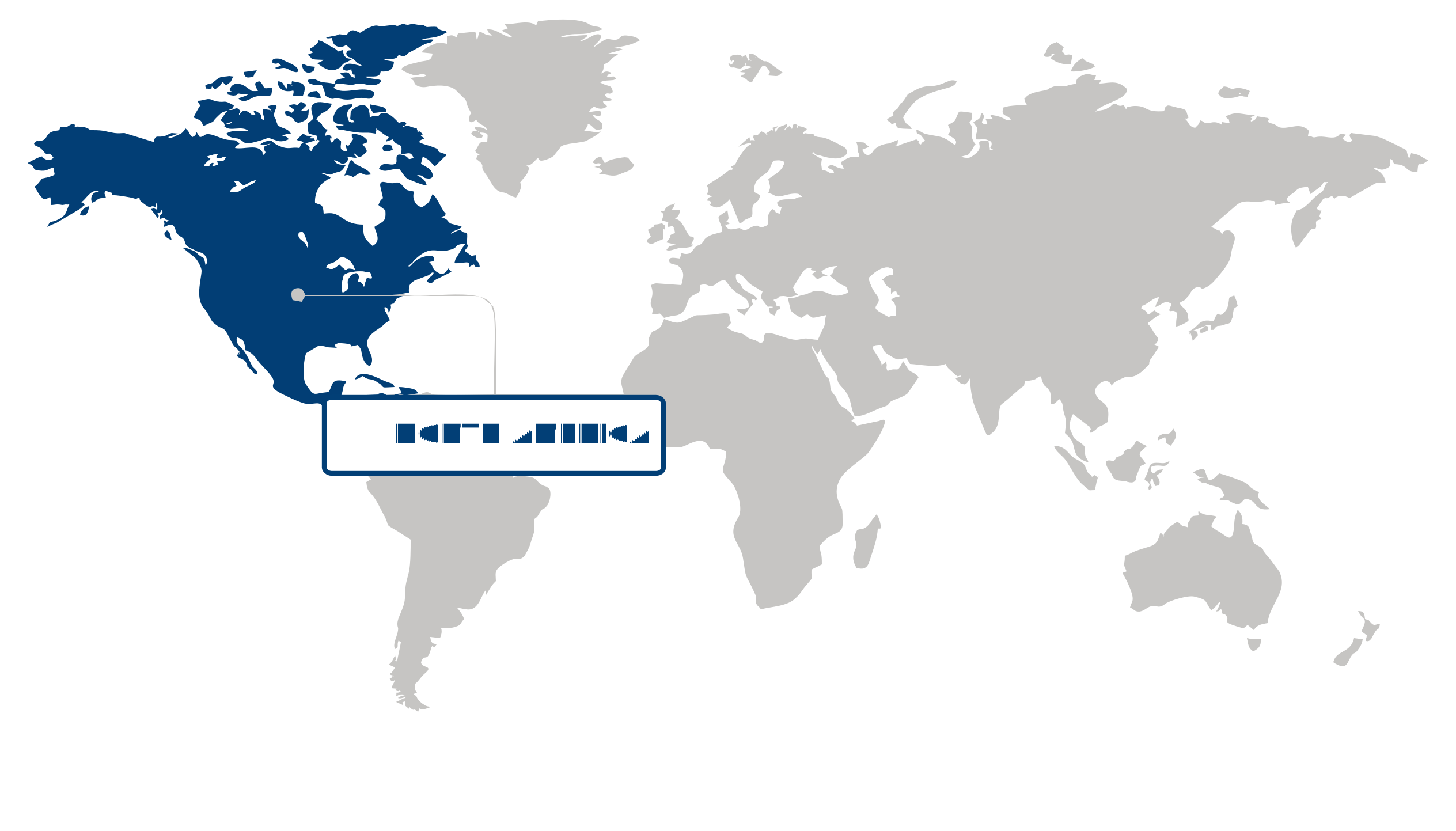
North America dominated the photobiostimulation devices market, representing more than 42% of the global share in 2025. This region leads due to the strong clinical adoption of light-therapy devices coupled with robust reimbursement frameworks, driving widespread accessibility and integration in healthcare settings. The U.S. Centers for Medicare & Medicaid Services (CMS) has expanded coverage for certain photobiostimulation treatments, incentivizing providers to adopt these technologies. Moreover, advancements by companies like BTL Industries in developing user-friendly, FDA-cleared devices have enhanced clinical confidence. Consumer preferences are also shifting towards non-invasive, drug-free therapies, bolstering demand. The region’s extensive healthcare infrastructure and emphasis on innovation ensure operational efficiencies and continued growth opportunities. These factors position North America as a pivotal market with promising avenues for investment as healthcare providers and patients increasingly embrace photobiostimulation solutions.
The United States anchors the North American photobiostimulation devices market, driven by unparalleled clinical utilization and supportive reimbursement policies. The role of robust insurance coverage, including CMS guidelines, facilitates patient access to light-therapy treatments, propelling market expansion. Corporate activity underscores this trend; for instance, LED Technologies announced partnerships with major hospital networks to enhance device deployment. Moreover, regulatory clarity from the U.S. Food and Drug Administration (FDA) around device approvals fosters faster commercial entry for innovative products. These dynamics consolidate the U.S. as a critical growth engine, ensuring the North American market maintains its leadership by continuously enabling technology adoption and sustaining user trust through established frameworks. This strategic position enables the U.S. to influence regional market trajectories and investor confidence significantly.
Asia Pacific Market Analysis:
Asia Pacific emerged as the fastest-growing region in the photobiostimulation devices market, registering a robust CAGR of 7.84%. This rapid expansion is fueled primarily by mounting demand for aesthetic and therapeutic devices alongside the continuous development of healthcare infrastructure. Rising disposable incomes and increasing consumer inclination toward non-invasive treatment options have significantly driven adoption across the region. Moreover, governments and private sectors have prioritized healthcare modernization, evident in initiatives like China’s Healthy China 2030 plan and Japan’s New Growth Strategy, which emphasize advanced medical technologies. These trends are further supported by regional manufacturers' advancements in device innovation and expanding distribution networks, enhancing accessibility and patient outcomes. With the Asia Pacific’s large, health-conscious population and accelerating digital health integration, the region offers compelling opportunities for sustained leadership in the photobiostimulation devices market.
Japan plays a pivotal role in Asia Pacific’s photobiostimulation devices market, distinguished by its advanced healthcare infrastructure and strong consumer focus on aesthetic treatments. The country’s aging population places increased demand on therapeutic devices that promote pain management and recovery, aligning with preferences for technologically sophisticated, minimally invasive solutions. Additionally, regulatory agility through agencies like Japan’s Pharmaceuticals and Medical Devices Agency facilitates faster market entry for innovative products. For instance, companies like Canon Medical Systems and Olympus Corporation continue expanding photobiostimulation offerings tailored to Japanese clinical standards. Japan’s consistent investment in healthcare innovation and patient-centric care strengthens Asia Pacific's position by setting high benchmarks for quality and efficacy in photobiostimulation applications.
China serves as a dynamic growth engine within Asia Pacific’s photobiostimulation devices market, driven by its vast and expanding healthcare infrastructure and burgeoning middle-class consumer base. Rapid urbanization and increasing healthcare expenditure have intensified the demand for aesthetic and therapeutic technologies. Public-private partnerships and policies promoting domestic medical device innovation, such as the Made in China 2025 initiative, have accelerated product development and adoption. Leading companies like Shenzhen Mindray Bio-Medical Electronics have introduced cost-effective photobiostimulation devices accessible across Tier 1 and Tier 2 cities, reflecting diverse consumer purchasing power. China’s expansive market scale, combined with strategic emphasis on healthcare modernization, reinforces the region’s growth momentum, making it a critical hub for photobiostimulation device innovation and distribution.
Europe Market Trends:
Europe maintained a notable presence in the photobiostimulation devices market, underpinned by its established healthcare infrastructure and progressive regulatory environment. The region’s emphasis on advanced medical technologies and increasing adoption of non-invasive therapeutic devices have driven steady demand shifts toward photobiostimulation solutions, particularly in rehabilitation and dermatology. Enhanced reimbursement frameworks and targeted innovation by European manufacturers, including companies like Philips Healthcare, have contributed to operational efficiencies and accelerated product development cycles. Additionally, growing patient awareness and healthcare digitization have stimulated preference for home-use and portable photobiostimulation devices. According to the European Medicines Agency, evolving guidelines supporting device safety and efficacy amplify confidence among end-users and investors alike. With its combination of technological prowess and regulatory certainty, Europe offers significant opportunities for expanding photobiostimulation device applications across aging populations and chronic disease management.
Germany plays a pivotal role in the European photobiostimulation devices market, anchored by its robust medical device manufacturing sector and R&D intensity. German consumer demand favors clinically validated, high-precision devices, aligning well with stringent quality standards enforced by the Federal Institute for Drugs and Medical Devices (BfArM). Leading firms such as Osram Licht AG leverage advanced optoelectronic expertise, boosting innovation in therapeutic wavelengths and device miniaturization. Furthermore, Germany’s healthcare reimbursement policies increasingly support non-pharmaceutical interventions, widening market accessibility. The country’s comprehensive healthcare network facilitates faster clinician adoption and patient penetration, reinforcing Germany’s strategic importance within Europe. Consequently, German market developments drive competitive dynamics and set benchmarks that shape broader regional growth trajectories in photobiostimulation adoption.
France similarly holds a significant share in the photobiostimulation devices market, benefiting from proactive public health initiatives and expanding outpatient care infrastructure. The French National Agency for the Safety of Medicines and Health Products (ANSM) promotes rigorous safety standards that encourage manufacturer compliance and end-user trust. Consumer preferences in France demonstrate openness to complementary therapies, fueled by health consciousness and favorable insurance reimbursements for rehabilitative devices. Companies like LMP Group have capitalized on regional supply chain integration and digital health collaborations to streamline distribution and after-sales support. These factors collectively enhance device accessibility and market penetration across urban and rural settings. France’s evolving healthcare landscape positions it as a critical contributor to Europe’s sustained expansion in photobiostimulation device deployment and innovation.
| Parameter | North America | Asia Pacific | Europe | Latin America | MEA |
|---|---|---|---|---|---|
| Innovation HubiScaleNascentDeveloping Advanced | |||||
| Cost-Sensitive RegioniScaleLowMedium High | |||||
| Regulatory EnvironmentiScaleRestrictiveNeutral Supportive | |||||
| Demand DriversiScaleWeakModerate Strong | |||||
| Development StageiScaleEmergingDeveloping Developed | |||||
| Adoption RateiScaleLowMedium High | |||||
| New Entrants / StartupsiScaleSparseModerate Dense | |||||
| Macro IndicatorsiScaleWeakStable Strong |
Photobiostimulation Devices Market Share (%), by Type, 2026
Go beyond the chart, access full insights & data tables
Request Free Sample ReportInfra-Red Light represented largest share in the photobiostimulation devices market in 2025, driven by its unmatched ability to penetrate deeply into tissues and stimulate cellular activity effectively. This superior therapeutic performance translates into enhanced pain relief and accelerated wound healing, which aligns closely with increasing clinical demand for non-invasive treatment options. Adoption is further supported by endorsements from healthcare providers such as the American Physical Therapy Association, highlighting infrared light’s efficacy in rehabilitative care. The segment benefits from continuous technological advancements in LED and laser components, enabling more compact, energy-efficient devices. For established and emerging players, this creates opportunities to differentiate through innovation and improved patient outcomes. Given ongoing investments in deep-tissue therapies and growing patient preference for alternative pain management, the infra-red segment is set to maintain its leadership and relevance in the medium term.
Analysis by End-User
Specialty Clinics dominated the photobiostimulation devices market segment in 2025, spurred by the increasing integration of these treatments in medical and aesthetic specialty clinics. This uptake reflects rising demand for effective, minimally invasive therapies among patients seeking pain management, skin rejuvenation, and rehabilitation. Specialty clinics leverage sophisticated device offerings from key players such as Theralase Technologies, which enhance clinical outcomes through tailored protocols and operator expertise. Additionally, specialty settings benefit from streamlined regulatory approvals facilitating device adoption and clinical training programs supporting workforce proficiency. These clinics serve as pivotal hubs for innovation diffusion, offering strategic entry points for suppliers aiming to build trusted clinical partnerships. As healthcare delivery trends favor outpatient and specialized care models, specialty clinics will remain pivotal in driving photobiostimulation device utilization.
Analysis by Applications
Pain Management held largest share in the photobiostimulation devices market in 2025 due to its extensive use in chronic pain alleviation and rehabilitation therapies. This segment’s leadership stems from growing evidence supporting the efficacy of photobiostimulation in modulating inflammatory processes and promoting tissue repair, endorsed by bodies like the National Institutes of Health. Increasing prevalence of musculoskeletal disorders and patient preference for drug-free pain solutions further elevate demand. Market players such as LiteCure Medical emphasize tailored pain management devices that accommodate diverse clinical protocols, reflecting competitive innovation. The pain management application segment creates avenues for differentiated product development and broader reimbursement coverage, attracting investment interest. With global demographic shifts and heightened focus on improving quality of life, pain management applications are poised to remain central to photobiostimulation’s value proposition.
| Segment | Sub-Segment | Largest Segment | Fastest Growing |
|---|---|---|---|
| Type | Infra-Red Light, Red Light | ||
| End-User | Specialty Clinics, Research Institutions, Home Care | ||
| Applications | Pain Management, Wound Care, Cosmetic Applications, Other Applications |
Unlock insights tailored to your business with our bespoke market research solutions.
Click to get your customized report now.
Competitive Landscape and Market Positioning
The competitive landscape is characterized by dynamic collaborations and intensified innovation cycles among these top players. Several have introduced next-generation devices integrating enhanced wavelength calibration and improved ergonomics, thereby elevating clinical outcomes and patient adherence. Cross-industry partnerships and expanded distribution networks are also enhancing accessibility and market penetration. Investment in proprietary technologies and iterative product refinements underpin the continuous differentiation strategies employed, ensuring responsiveness to evolving therapeutic needs. Such concerted initiatives sustain their competitive edge amid intensifying global demand for non-invasive, home-care compatible photobiostimulation solutions.
Strategic / Actionable Recommendations for Regional Players
North American entities should deepen collaborations with clinical research institutions to leverage emerging biophotonics advancements, augmenting product efficacy and regulatory acceptance. Exploring synergies with telehealth platforms can further integrate photobiostimulation treatments into broader healthcare pathways.
In the Asia Pacific, capitalizing on rising consumer awareness and healthcare modernization offers fertile ground for innovation in compact, affordable devices that address regional dermatological and pain management needs. Engaging with local stakeholders and regulatory agencies will streamline market entry and adoption.
European players might optimize their positioning by reinforcing cross-border alliances and tapping into sustainability trends through energy-efficient device designs. Emphasis on premium segments, including advanced pain relief and rehabilitation therapies, coupled with expansion into emerging markets, can consolidate influence amid rigorous competition.
| Company | Market Share | Company Revenue | Revenue CAGR (%) | Product Portfolio | Geographic Presence | Innovation / R&D Focus | Strategic Developments |
|---|---|---|---|---|---|---|---|
| No companies available. | |||||||
Customize Your Report
Explore examples of how this report can be tailored to different research needs, including custom segments, additional topics or chapters, and related reports. Click a section of the wheel or its numbered marker to explore the available options.
Photobiostimulation Devices Market — Custom Segments
| Segment | Sub-Segment |
|---|---|
| No segment data available. | |
Photobiostimulation Devices Market — Custom TOC
| Custom Chapter | Chapter Details |
|---|---|
| No custom TOC data available. | |
Need a different cut of the data?
Request Custom ResearchFrequently Asked Questions
What are the growth projections for the photobiostimulation devices industry?
Which region shows the largest market footprint in the photobiostimulation devices market?
What region has posted the highest CAGR in the photobiostimulation devices sector?
How much is the infra-red light segment expected to grow in the photobiostimulation devices industry beyond 2025?
What factors give specialty clinics segment a competitive edge in the photobiostimulation devices sector?
Which is the largest sub-segment within the applications segment for photobiostimulation devices industry?
Which companies dominate the photobiostimulation devices landscape?
Our Clients
"The team took the time to understand our specific business needs and delivered a report that was well aligned with our objectives. Their expertise and understanding of the industry were clearly reflected in the quality and relevance of the insights provided."
Siemens Healthcare
"Our experience in acquiring the research report has been excellent. The depth of analysis, and actionable insights provided have been extremely valuable in supporting our ongoing R&D efforts."
GC Biopharma
"The report offered a comprehensive view of the market trends. The in-depth segmentation and analysis of emerging opportunities gave us a better understanding of the market."
Medtronic
Our Research Team & Methodology
Every Fundamental Business Insights report is built by a dedicated vertical research team, validated through a structured primary-and-secondary methodology, and reviewed for accuracy before it reaches you.
This report was prepared by the Healthcare & Medical Devices Research Team at Fundamental Business Insights, a dedicated research group specializing in the global healthcare and medical technology industry. Our analysts continuously monitor advancements in medical technologies, clinical adoption trends, regulatory developments, reimbursement policies, healthcare infrastructure investments, competitive strategies, and evolving patient care requirements to deliver timely and reliable market intelligence. The research is developed using a structured methodology that combines primary discussions with healthcare stakeholders, company financial disclosures, regulatory publications, clinical literature, government healthcare databases, medical associations, and other authoritative secondary sources. Market estimates are validated through multiple research techniques, including top-down and bottom-up analysis, before undergoing an internal quality review to ensure accuracy, consistency, and methodological integrity prior to publication.
Delivery
Published
Available
Support
- Market Size & Forecast
- Market Segmentation
- Regional Analysis
- Growth Drivers & Challenges
- Market Dynamics
- Competitive Landscape
- Company Profiles
- Competitive Benchmarking
- Mergers & Acquisitions
- Market Share Analysis or Key Company Strategies
- Value Chain Analysis
- Porter's Five Forces
- PESTLE Analysis
- Pricing Trends
- Supply-Demand Analysis
- Technology Landscape
- Regulatory Landscape
- Investment & Funding Landscape
- Emerging Opportunities
- Future Market Outlook