Phytosterols Market Size & Growth Forecast 2027–2036, By Segments (Application, Product), Regional Demand Trends (North America, Asia Pacific, Europe), Key Country Insights (U.S., Japan, South Korea, Germany, France, Italy), and Competitive Landscape
Jump to Content
Market Size and Growth Outlook
Phytosterols Market size stood at USD 1.28 billion in 2026 and is predicted to grow at a 9.96% CAGR from 2027 to 2036, reaching USD 3.31 billion by 2036. The industry revenue for 2027 is assessed at USD 1.39 billion.
Get more details on this report
Request Free Sample ReportPhytosterols Market Intelligence Snapshot
Regional Market Dynamics
- Europe held 53.05% of the market, supported by strong cardiovascular health awareness, established functional food markets, and demand for plant-derived ingredients in fortified foods and nutritional formulations.
- North America is expanding rapidly as preventive nutrition gains attention, functional food demand increases, and manufacturers incorporate phytosterols into fortified spreads, beverages, dairy alternatives, and dietary supplements.
Segment Momentum
- Food ingredients accounted for 52.15% of the market in 2026 and are the fastest-growing application, supported by demand for functional foods, plant-based ingredients, and products associated with cholesterol management and cardiovascular wellness.
- Beta-sitosterol held a 61.7% market share in 2026 and is the fastest-growing product segment, driven by its suitability for functional food and nutritional formulations and increasing interest in plant-based ingredients associated with cardiovascular wellness.
Market Expansion Drivers
- Rising consumer demand for cholesterol-lowering and heart-health products.
- Innovations in phytosterol formulations and delivery systems.
- Government health guidelines promoting functional foods.
Leading Market Participants
- Key players in the phytosterols market include BASF (Germany), Archer Daniels Midland (USA), Cargill (USA), Raisio (Finland), DuPont (USA), Wilmar International (Singapore), Bunge (USA), Gustav Parmentier (France), Matrix Fine Sciences (India), Pharmachem Laboratories (USA).
Global Market Forecast Snapshot
Market Outlook
- 2026 Market Size: USD 1.28 billion
- 2027 Estimated Market Size: USD 1.39 billion
- Projected Market Size: USD 3.31 billion by 2036
- Growth Forecast: 9.96% CAGR (2027-2036)
Regional and Segment Outlook
- Leading Regional Market: Europe
- High-Growth Regional Hub: North America
- Core Revenue Segment: Application (Food Ingredients) | Product (Beta-Sitosterol)
- Emerging Opportunity Segment: Application (Food Ingredients) | Product (Beta-Sitosterol)
Market Growth Drivers and Industry Trends
Rising consumer demand for cholesterol-lowering and heart-health products
Rising consumer awareness of cardiovascular health and the importance of maintaining healthy cholesterol levels is supporting demand for phytosterols in functional foods, dietary supplements, and specialized nutritional products. Their established role in supporting cholesterol management is encouraging manufacturers to incorporate phytosterols into health-oriented formulations, while growing interest in preventive wellness is broadening their application across everyday nutrition products.
Innovations in phytosterol formulations and delivery systems
Innovations in phytosterol formulations and delivery systems are expanding their usability across a wider range of food, beverage, and nutritional applications. Improvements in dispersion, stability, bioavailability, taste, and incorporation into different product formats are helping address formulation challenges associated with phytosterols, enabling manufacturers to develop more convenient and consumer-friendly products while supporting broader market adoption.
Government health guidelines promoting functional foods
Government health guidelines emphasizing balanced nutrition, cardiovascular wellness, and preventive healthcare are supporting the incorporation of functional ingredients such as phytosterols into consumer products. Greater emphasis on dietary approaches to managing health risks can encourage food manufacturers and nutrition companies to develop products with recognized health benefits, while clearer guidance can strengthen consumer awareness and acceptance of phytosterol-based functional foods.
| Growth Driver | Impact on CAGR | Regulatory Influence | Geographic Relevance | Adoption Rate | Impact Timeline |
|---|---|---|---|---|---|
| Rising consumer demand for cholesterol-lowering and heart-health products | 3.5% | Short term (≤ 2 yrs) | North America; Europe; Spillover: Asia Pacific | Low | Fast |
| Innovations in phytosterol formulations and delivery systems | 2.5% | Medium term (2–5 yrs) | Europe; Asia Pacific | Medium | Moderate |
| Government health guidelines promoting functional foods | 2% | Long term (5+ yrs) | Europe; North America | High | Slow |
Explore Growth Opportunities
Request Free Sample ReportRegional Demand Dynamics
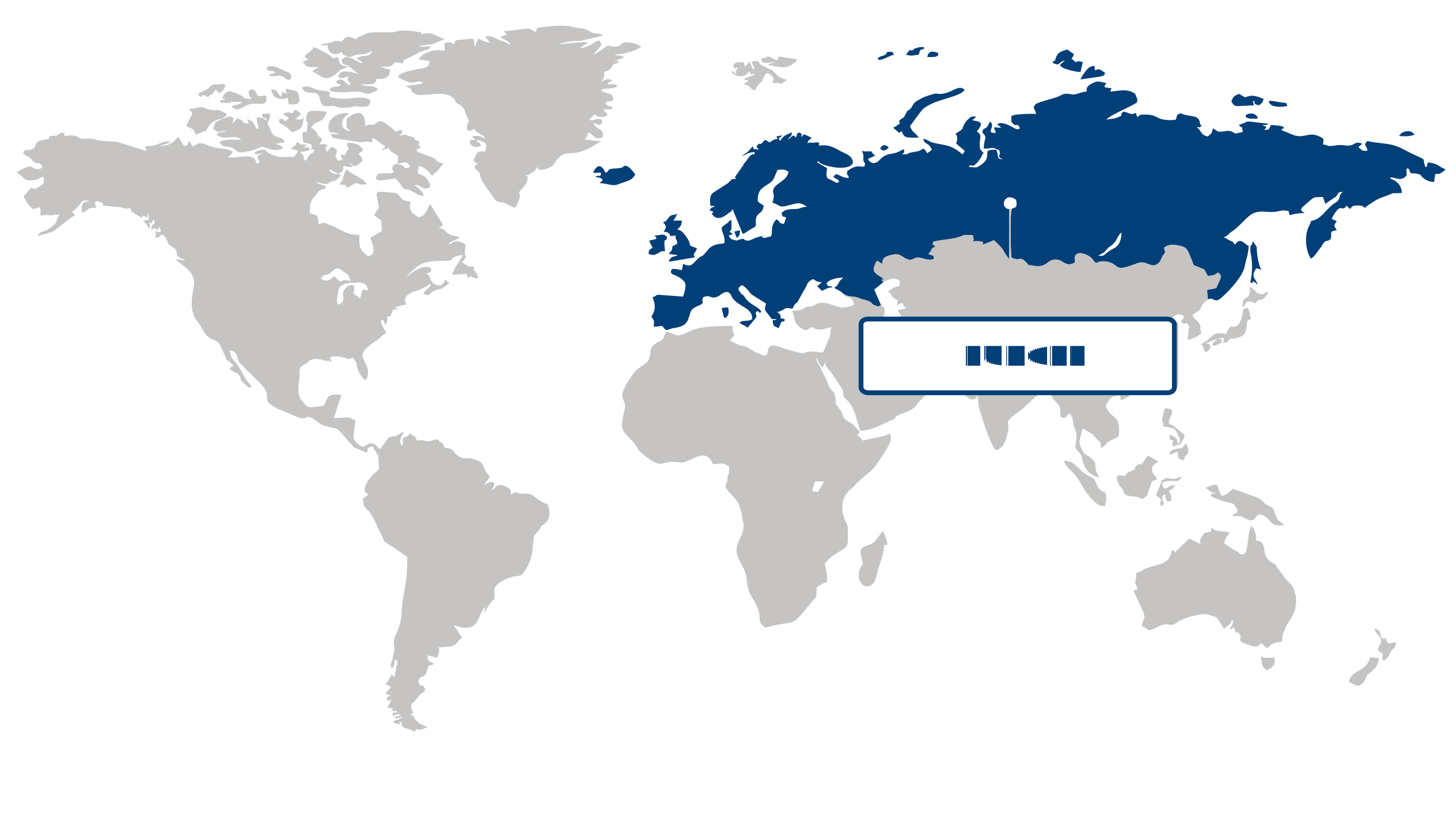
Europe (Largest Region)
The Europe phytosterols market accounted for the largest market share of 53.05%, supported by strong consumer awareness of cardiovascular health, established functional food markets, and growing demand for ingredients associated with cholesterol management. Phytosterols are increasingly incorporated into selected food products, dietary supplements, and nutritional formulations because of their recognized role in reducing intestinal cholesterol absorption when consumed in appropriate amounts. The region’s emphasis on preventive healthcare and nutrition-conscious consumption is encouraging interest in functional ingredients that offer specific health benefits. In addition, established food processing capabilities and the availability of fortified products are supporting the incorporation of phytosterols into consumer-oriented formulations. Regulatory attention to food safety, ingredient quality, and substantiated health claims also influences product development and market participation. Growing interest in plant-derived ingredients and the development of functional foods targeting cardiovascular wellness are further supporting demand.
North America (Fastest-Growing Region)
The North America phytosterols market is expected to grow at the fastest rate, driven by increasing awareness of cardiovascular health, expanding demand for functional foods, and growing interest in preventive nutrition. Consumers are increasingly seeking food products and supplements that support healthier lifestyles, creating opportunities for phytosterols in fortified spreads, dairy alternatives, beverages, and specialized nutritional formulations. The region’s established dietary supplement industry and broad availability of health-oriented consumer products are also supporting market expansion. In addition, growing attention to cholesterol management and the relationship between dietary habits and long-term cardiovascular health is encouraging interest in ingredients with recognized nutritional applications. Food manufacturers are exploring ways to incorporate plant-derived functional ingredients into convenient products that align with consumer preferences for wellness-oriented nutrition. Advances in ingredient formulation and product development are helping improve the suitability of phytosterols for different food and supplement applications. However, consumer education, formulation considerations, and applicable regulatory requirements remain important influences on adoption. Continued demand for functional nutrition and greater interest in plant-based health ingredients are expected to support market growth across North America.
| Parameter | North America | Asia Pacific | Europe | Latin America | MEA |
|---|---|---|---|---|---|
| Innovation HubiScaleNascentDeveloping Advanced | |||||
| Cost-Sensitive RegioniScaleLowMedium High | |||||
| Regulatory EnvironmentiScaleRestrictiveNeutral Supportive | |||||
| Demand DriversiScaleWeakModerate Strong | |||||
| Development StageiScaleEmergingDeveloping Developed | |||||
| Adoption RateiScaleLowMedium High | |||||
| New Entrants / StartupsiScaleSparseModerate Dense | |||||
| Macro IndicatorsiScaleWeakStable Strong |
Key Country Insights
United States 🇺🇸
Functional Nutrition ApplicationsThe U.S. phytosterols market is supported by demand for ingredients used in functional foods, dietary supplements, and products targeting cardiovascular wellness. Commercial priorities include clinically supported positioning, formulation stability, convenient delivery formats, and regulatory-compliant communication of cholesterol-management benefits across consumer health categories.
Germany 🇩🇪
Heart Health FormulationGermany’s phytosterols market centers on functional nutrition products where cardiovascular health and scientifically supported ingredient claims are commercially relevant. Manufacturers prioritize formulation quality, regulatory compliance, and incorporation into foods or supplements that can deliver phytosterols conveniently while fitting established preventive-health consumption patterns.
Japan 🇯🇵
Nutraceutical IntegrationJapan’s phytosterols market is closely linked to functional foods and health-oriented formulations where ingredient efficacy and product usability are important. Manufacturers prioritize stable incorporation into beverages, foods, and supplements, while maintaining appealing formats and evidence-based positioning suited to the country’s established functional nutrition ecosystem.
South Korea 🇰🇷
Health Supplement ExpansionSouth Korea’s phytosterols market benefits from interest in functional nutrition and targeted health supplements. Commercial priorities include convenient formulations, credible efficacy support, and differentiated delivery formats, with manufacturers focusing on products that integrate phytosterols into broader cardiovascular and wellness-oriented nutrition propositions.
France 🇫🇷
Preventive Nutrition PositioningFrance’s phytosterols market emphasizes functional food and supplement applications associated with cardiovascular wellness and preventive nutrition. Ingredient suppliers and manufacturers prioritize scientifically substantiated benefits, compliant health communication, and formulations that integrate phytosterols into familiar everyday foods and consumer health products.
Italy 🇮🇹
Food-Based Health ApplicationsItaly’s phytosterols market has strong relevance for functional foods and nutraceutical products that incorporate health-oriented ingredients into familiar consumption formats. Commercial priorities include palatable formulations, reliable ingredient quality, and clear cardiovascular-health positioning across supplements, fortified foods, and other wellness-focused products.
Phytosterols Market Share (%), by Application, 2026
Go beyond the chart, access full insights & data tables
Request Free Sample ReportApplication Segment Analysis: Food Ingredients (Largest & Fastest-Growing Segment)
Food ingredients accounted for a market share of 52.15% in 2026, making this application segment both the largest and fastest-growing category in the phytosterols market. Phytosterols are increasingly incorporated into food formulations because of growing consumer interest in functional foods and ingredients associated with cardiovascular wellness. Their use in spreads, dairy alternatives, baked products, nutritional foods, and other formulated products allows manufacturers to add functional attributes while responding to demand for health-oriented dietary choices. Increasing awareness of the relationship between diet and cholesterol management is supporting interest in foods containing plant-based functional ingredients. Food manufacturers are also exploring formulation approaches that improve the stability, taste, and incorporation of phytosterols into a broader range of products. As consumers increasingly seek convenient foods that offer functional benefits in 2026, demand for phytosterols as food ingredients is expected to continue expanding.
Product Segment Analysis: Beta-Sitosterol (Largest & Fastest-Growing Segment)
In 2026, beta-sitosterol accounted for a 61.7% market share, making it the largest and fastest-growing product segment in the phytosterols market. Beta-sitosterol is widely used across nutritional and functional food applications because of its established role among plant-derived sterols and its suitability for incorporation into health-oriented formulations. Growing consumer interest in plant-based nutrition and functional ingredients is encouraging manufacturers to explore beta-sitosterol across a wider range of food and dietary applications. Its presence in plant-based sources and compatibility with various formulation approaches also support its commercial relevance. Increasing attention to ingredients associated with cholesterol management and cardiovascular wellness is further strengthening demand. As food and nutrition manufacturers continue to develop products positioned around preventive health and functional benefits, beta-sitosterol is expected to maintain strong momentum and command a leading market share in 2026.
| Segment | Sub-Segment | Largest Segment | Fastest Growing |
|---|---|---|---|
| Application | Pharmaceutical, Cosmetics, Food Ingredients | Food Ingredients | Food Ingredients |
| Product | Beta-Sitosterol, Campesterol, Stigmasterol, Others | Beta-Sitosterol | Beta-Sitosterol |
Unlock insights tailored to your business with our bespoke market research solutions.
Click to get your customized report now.
Competitive Landscape and Market Positioning
Analyst Perspective:
Success in the phytosterols sector relies on technical formulation expertise and rigorous quality compliance across diverse end uses. Because natural solubility constraints limit direct application, esterification serves as a key enabler for fat-based fortified foods, whereas complex delivery systems are required for aqueous beverages. Consequently, ingredient suppliers differentiate through proven functional stability, precise purity specifications, and batch-to-batch consistency that support regulatory health claims. Furthermore, securing verified non-GMO vegetable oil supply streams provides a distinct marketing advantage, provided suppliers can supply transparent traceability to substantiate labeling demands without inflating raw material costs.
Major players in the phytosterols market:
- BASF (Germany)
- Archer Daniels Midland (USA)
- Cargill (USA)
- Raisio (Finland)
- DuPont (USA)
- Wilmar International (Singapore)
- Bunge (USA)
- Gustav Parmentier (France)
- Matrix Fine Sciences (India)
- Pharmachem Laboratories (USA)
| Company | Market Share | Company Revenue | Revenue CAGR (%) | Product Portfolio | Geographic Presence | Innovation / R&D Focus | Strategic Developments |
|---|---|---|---|---|---|---|---|
| BASF (Germany) | |||||||
| Archer Daniels Midland (USA) | |||||||
| Cargill (USA) | |||||||
| Raisio (Finland) | |||||||
| DuPont (USA) | |||||||
| Wilmar International (Singapore) | |||||||
| Bunge (USA) | |||||||
| Gustav Parmentier (France) | |||||||
| Matrix Fine Sciences (India) | |||||||
| Pharmachem Laboratories (USA) |
Industry Development/News
| Company Name | Date | Key Development |
|---|---|---|
| BASF | December 2025 | BASF signed a binding agreement to divest its Food and Health Performance Ingredients business, including the Illertissen production facility in Germany, to Louis Dreyfus Company. This strategic portfolio optimization reflects the company's realignment away from non-core segments to streamline its operational footprint. |
| Kensing LLC | November 2025 | Kensing LLC secured exclusive European Union authorization from EFSA for Sunvasterol, its naturally derived sunflower-based phytosterols, under the Novel Food framework. This regulatory milestone grants commercial exclusivity in Europe, strengthening the company's competitive positioning within the heart-health ingredients sector. |
| Kensing | May 2025 | Kensing obtained EFSA Novel Food approval for its sunflower-based plant sterol, Sunvasterol, securing commercial exclusivity across Europe. The regulatory clearance enables utilization in food and dietary supplement formulations featuring cholesterol-related health claims while offering an allergen-free alternative to traditional soy, rapeseed, and pine sources. |
| Cargill | May 2024 | Cargill collaborated with a major U.S. grocery retailer to formulate and commercialize a fat-free milk line enriched with branded CoroWise plant sterols. This strategic initiative broadened the commercial distribution of phytosterol-fortified dairy goods and established a novel product application for the ingredient portfolio. |
| Nutrartis | September 2023 | Nutrartis introduced Cardiosmile, a specialized plant sterol dietary supplement, into the U.S. commercial market. The market entry leverages phytosterol functional benefits to target LDL cholesterol and triglyceride reduction, expanding consumer access to heart-health formulations. |
| AOM | November 2021 | AOM initiated a major industrial expansion project to enhance its manufacturing operations in Spain. This development establishes the company as a fully integrated European producer of tocopherols, sterols, and sterol esters, significantly bolstering regional supply chain capabilities. |
Customize Your Report
Explore examples of how this report can be tailored to different research needs, including custom segments, additional topics or chapters, and related reports. Click a section of the wheel or its numbered marker to explore the available options.
Phytosterols Market — Custom Segments
| Segment | Sub-Segment |
|---|---|
| Source | Vegetable Oils, Tall Oil, Soybean & Soy Derivatives, Other Plant Sources |
| Purity Grade | Standard Grade, High-Purity Grade, Pharmaceutical Grade |
| Sales Channel | Direct Sales, Specialty Distributors, Ingredient Distributors, E-Commerce |
Phytosterols Market — Custom TOC
| Custom Chapter | Chapter Details |
|---|---|
| Functional Food and Nutraceutical Formulation Opportunities |
|
| Regulatory Approval Pathway Assessment |
|
| Clinical Evidence and Health-Claim Potential |
|
Need a different cut of the data?
Request Custom ResearchFrequently Asked Questions
What is the market size of the phytosterols market?
What is the anticipated CAGR of the phytosterols industry?
How is preventive wellness reshaping demand for phytosterol-based products?
How are formulation innovations accelerating phytosterol adoption across consumer products?
Why do food ingredients dominate the phytosterols market?
What makes beta-sitosterol the leading product in the phytosterols market?
What makes Europe the leading market for phytosterols?
Why is North America expected to grow fastest in the phytosterols market?
Which companies are driving growth in the phytosterols landscape?
Our Clients
"The report provided a thorough look at market trends, technological advancements, and the competitive landscape. The depth of insights was really valuable."
ITC Limited
"We would highly recommend Fundamental Business Insights & Consulting to anyone looking for reliable, detailed, and comprehensive market research in the Food industry."
Tyson Foods
"The clarity and presentation of the information were commendable. The report was delivered timely, which made the overall experience smooth and convenient."
Mondelēz International
Our Research Team & Methodology
Every Fundamental Business Insights report is built by a dedicated vertical research team, validated through a structured primary-and-secondary methodology, and reviewed for accuracy before it reaches you.
This report was prepared by the Food & Beverage Research Team at Fundamental Business Insights, a dedicated research group specializing in the global food, beverage, ingredients, and food processing industries. Our analysts continuously monitor evolving consumer preferences, product innovation, ingredient developments, food safety regulations, manufacturing technologies, supply chain dynamics, pricing trends, sustainability initiatives, and changing retail and foodservice landscapes to deliver timely and reliable market intelligence. The research is developed using a structured methodology that combines primary discussions with food manufacturers, ingredient suppliers, distributors, retailers, industry experts, and other key stakeholders, along with company annual reports, regulatory publications, government trade statistics, food safety authorities, industry associations, technical publications, and other authoritative secondary sources. Market estimates are validated through multiple research techniques, including top-down and bottom-up analysis, before undergoing an internal quality review to ensure accuracy, consistency, and methodological integrity prior to publication.
Delivery
Published
Available
Support
- Market Size & Forecast
- Market Segmentation
- Regional Analysis
- Growth Drivers & Challenges
- Market Dynamics
- Competitive Landscape
- Company Profiles
- Competitive Benchmarking
- Mergers & Acquisitions
- Market Share Analysis or Key Company Strategies
- Value Chain Analysis
- Porter's Five Forces
- PESTLE Analysis
- Pricing Trends
- Supply-Demand Analysis
- Technology Landscape
- Regulatory Landscape
- Investment & Funding Landscape
- Emerging Opportunities
- Future Market Outlook