Polymeric Microcapsules Market Size & Growth Forecast 2027–2036, By Segments (Shell Thickness, Type, Core Material, End Use), Regional Demand Trends (North America, Asia Pacific, Europe), Key Country Insights (U.S., Japan, South Korea, Germany, France, Italy), and Competitive Landscape
Jump to Content
Market Size and Growth Outlook
Polymeric Microcapsules Market size was over USD 689.25 million in 2026 and is likely to grow at a 5.4% CAGR between 2027 and 2036, attaining USD 1.17 billion by 2036. The industry revenue for 2027 is estimated at USD 720.27 million.
Get more details on this report
Request Free Sample ReportPolymeric Microcapsules Market Intelligence Snapshot
Regional Market Dynamics
- Europe leads due to its established manufacturing base and strong demand for encapsulation across pharmaceuticals, food and beverages, agriculture, and specialty chemicals, supported by controlled-release technologies and research activity.
- Asia Pacific is expected to grow fastest as expanding pharmaceutical, agricultural, food processing, and chemical industries increase demand for encapsulation technologies, supported by industrialization and investment in advanced manufacturing.
Segment Momentum
- Medium-walled microcapsules (5–20 µm) accounted for 48.55% of the shell thickness segment in 2026, supported by their balance of structural strength, storage stability, and controlled-release performance across diverse encapsulation applications.
- Liquid core materials are the fastest-growing core material segment, driven by demand for encapsulating oils, active compounds, and fluid ingredients while protecting sensitive contents and enabling controlled or triggered release.
Market Expansion Drivers
- Rising use of polymeric microcapsules in pharmaceuticals & cosmetics.
- Innovations in controlled release & encapsulation technologies.
- Expansion of applications in agriculture & food industries.
Leading Market Participants
- Prominent companies in the polymeric microcapsules market include FMC Corporation (USA), BASF (Germany), Evonik (Germany), Lonza (Switzerland), DuPont (USA), Croda International (UK), Shin-Etsu Chemical (Japan), Sumitomo Seika Chemicals (Japan), AkzoNobel (Netherlands), Azelis (Belgium).
Global Market Forecast Snapshot
Market Outlook
- 2026 Market Size: USD 689.25 million
- 2027 Estimated Market Size: USD 720.27 million
- Projected Market Size: USD 1.17 billion by 2036
- Growth Forecast: 5.4% CAGR (2027-2036)
Regional and Segment Outlook
- Leading Regional Market: Europe
- High-Growth Regional Hub: Asia Pacific
- Core Revenue Segment: Shell Thickness (Medium-Walled Microcapsules (5-20µm)) | Type (Synthetic Polymers) | Core Material (Solid Core Materials) | End Use (Pharmaceutical and Healthcare)
- Emerging Opportunity Segment: Shell Thickness (Medium-Walled Microcapsules (5-20µm)) | Type (Synthetic Polymers) | Core Material (Liquid Core Materials) | End Use (Pharmaceutical and Healthcare)
Market Growth Drivers and Industry Trends
Rising use of polymeric microcapsules in pharmaceuticals & cosmetics
Growing utilization of polymeric microcapsules in pharmaceutical and cosmetic formulations is supporting market expansion due to their ability to protect sensitive active ingredients and enable controlled delivery. In pharmaceuticals, encapsulation can improve the stability, bioavailability, and release characteristics of therapeutic compounds while helping reduce degradation during storage or administration. In cosmetics, polymeric microcapsules are increasingly used to encapsulate fragrances, vitamins, moisturizers, and other active ingredients, allowing gradual release and improved formulation performance. Rising demand for advanced drug delivery systems, long-lasting personal care formulations, and products with enhanced ingredient stability is expected to further strengthen adoption across these industries.
Innovations in controlled release & encapsulation technologies
Continuous innovation in controlled release and encapsulation technologies is creating new opportunities for polymeric microcapsules by improving precision, stability, and compatibility with diverse active ingredients. Advances in polymer chemistry, surface modification, particle engineering, and encapsulation processes are enabling manufacturers to tailor capsule properties according to specific release profiles and application requirements. Greater control over diffusion, degradation, and targeted release is particularly valuable in pharmaceutical formulations where therapeutic effectiveness can depend on maintaining appropriate exposure over time. Increasing research into biodegradable and functional polymers is also supporting the development of more sophisticated microcapsule systems for emerging applications.
Expansion of applications in agriculture & food industries
Expanding applications of polymeric microcapsules across agriculture and food industries are broadening the addressable market as manufacturers seek improved methods for protecting and delivering sensitive compounds. In agriculture, encapsulation can support the controlled release of fertilizers, pesticides, biological agents, and plant growth compounds, helping improve application efficiency and reduce premature degradation. Within the food industry, microcapsules can protect flavors, fragrances, nutrients, antioxidants, and other functional ingredients from environmental conditions while enabling controlled release during processing or consumption. Growing interest in efficient resource utilization, functional foods, and advanced agricultural formulations is expected to encourage further adoption of polymeric encapsulation technologies.
| Growth Driver | Impact on CAGR | Regulatory Influence | Geographic Relevance | Adoption Rate | Impact Timeline |
|---|---|---|---|---|---|
| Rising use of polymeric microcapsules in pharmaceuticals & cosmetics | 2% | Short term (≤ 2 yrs) | North America; Europe | Medium | Fast |
| Innovations in controlled release & encapsulation technologies | 2% | Medium term (2–5 yrs) | Europe; Asia Pacific | Medium | Moderate |
| Expansion of applications in agriculture & food industries | 1% | Long term (5+ yrs) | Asia Pacific; Latin America | Low | Moderate |
Explore Growth Opportunities
Request Free Sample ReportRegional Demand Dynamics
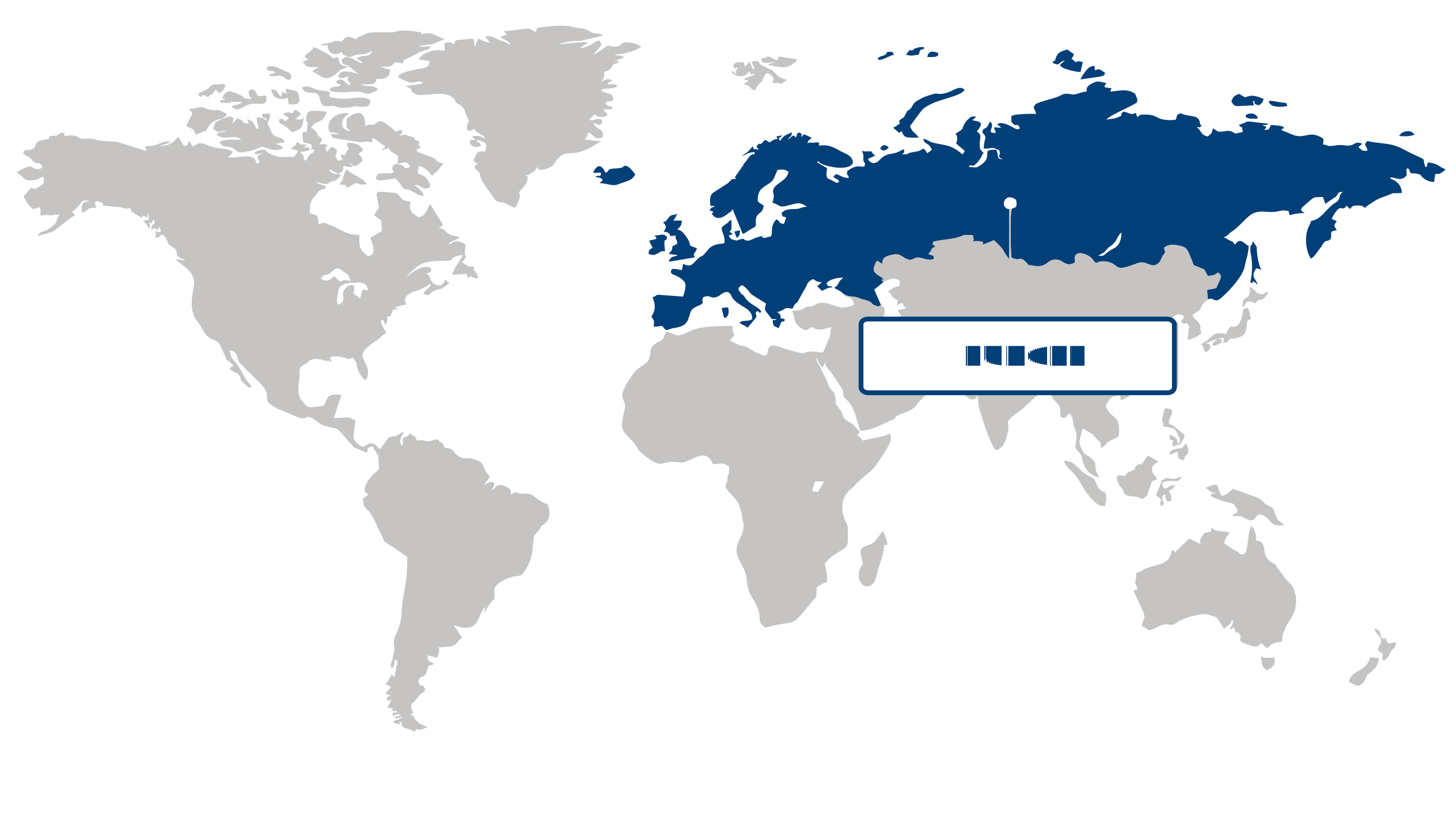
Europe (Largest Region)
Europe held the largest share of the polymeric microcapsules market in 2026, propelled by strong demand for advanced encapsulation technologies across pharmaceuticals, food and beverages, agriculture, and specialty chemicals. The region’s established manufacturing base and emphasis on controlled-release formulations are encouraging broader adoption of polymeric microcapsules for improving product stability, targeted delivery, and performance. Growing interest in functional materials and sophisticated drug delivery systems is further supporting market development, while increasing research activity is creating opportunities for customized microcapsule solutions across diverse industrial applications.
Asia Pacific (Fastest-Growing Region)
The polymeric microcapsules market in Asia Pacific is anticipated to grow at the fastest pace during the forecast period, led by expanding pharmaceutical, agricultural, food processing, and chemical industries. Manufacturers across the region are increasingly adopting encapsulation technologies to improve product efficiency, stability, and controlled release. Rising industrialization, expanding healthcare and consumer markets, and increasing investment in advanced manufacturing capabilities are creating favorable conditions for polymeric microcapsule adoption. The region’s growing focus on high-performance materials and value-added formulations is expected to further strengthen demand.
| Parameter | North America | Asia Pacific | Europe | Latin America | MEA |
|---|---|---|---|---|---|
| Innovation HubiScaleNascentDeveloping Advanced | |||||
| Cost-Sensitive RegioniScaleLowMedium High | |||||
| Regulatory EnvironmentiScaleRestrictiveNeutral Supportive | |||||
| Demand DriversiScaleWeakModerate Strong | |||||
| Development StageiScaleEmergingDeveloping Developed | |||||
| Adoption RateiScaleLowMedium High | |||||
| New Entrants / StartupsiScaleSparseModerate Dense | |||||
| Macro IndicatorsiScaleWeakStable Strong |
Key Country Insights
United States 🇺🇸
Advanced Delivery PlatformsThe U.S. market is supported by applications requiring controlled release and targeted delivery, particularly in pharmaceuticals, agriculture, coatings, and specialty chemicals. Commercial priorities include scalable encapsulation processes, improved release profiles, and polymer formulations that meet increasingly demanding performance and regulatory requirements.
Germany 🇩🇪
Precision FormulationGermany’s polymeric microcapsules market is shaped by advanced pharmaceutical, chemical, and materials manufacturing capabilities. Industrial users prioritize reproducible particle characteristics, controlled-release performance, and process efficiency, while research activity supports customized polymer systems for specialized delivery and functional-material applications.
Japan 🇯🇵
Functional EncapsulationJapan emphasizes high-performance microencapsulation for pharmaceuticals, specialty chemicals, food-related applications, and advanced materials. Market priorities include precise particle engineering, stability, and controlled release, with manufacturers focusing on formulations that can deliver consistent performance in compact and technically demanding applications.
South Korea 🇰🇷
High-Tech EncapsulationSouth Korea’s market is closely connected to advanced pharmaceutical, electronics, chemical, and materials applications where controlled release or protection of active ingredients is valuable. Development priorities include fine particle control, functional polymer design, and scalable manufacturing for specialized industrial formulations.
France 🇫🇷
Specialty Delivery SolutionsFrance’s polymeric microcapsules demand is supported by pharmaceutical, cosmetic, agricultural, and specialty chemical applications requiring controlled release or ingredient protection. Commercial activity centers on formulation flexibility, regulatory compatibility, and encapsulation technologies that improve product stability and delivery performance.
Italy 🇮🇹
Formulation-Driven ApplicationsItaly’s polymeric microcapsules market benefits from demand across pharmaceuticals, cosmetics, food-related formulations, and specialty chemicals. Manufacturers and formulators emphasize adaptable encapsulation techniques, ingredient protection, and controlled-release functionality suited to differentiated products and increasingly specialized formulation requirements.
Polymeric Microcapsules Market Share (%), by Shell Thickness, 2026
Go beyond the chart, access full insights & data tables
Request Free Sample ReportShell Thickness Segment Analysis: Medium-Walled Microcapsules (5-20µm) (Largest & Fastest-Growing Segment)
The medium-walled microcapsules (5-20µm) segment accounted for the largest share of 48.55% in 2026 in the shell thickness segment and is also expected to register the fastest growth, supported by the balanced performance characteristics offered by this shell configuration across a broad range of encapsulation applications. Medium-walled microcapsules provide sufficient structural integrity to protect encapsulated materials while maintaining effective release characteristics, making them suitable for applications where controlled delivery, storage stability, and shell responsiveness are important. Their ability to provide a practical balance between mechanical strength and permeability supports their use in formulations requiring protection against environmental conditions while enabling predictable release under specified triggers. Growing demand for controlled-release systems, functional additives, active ingredients, and specialty formulations is further supporting adoption of medium-walled structures. Continued advances in polymer formulation, shell engineering, and microencapsulation processes are also improving consistency, durability, and release performance, strengthening the position of medium-walled microcapsules across diverse end-use applications.
Type Segment Analysis: Synthetic Polymers (Largest & Fastest-Growing Segment)
The synthetic polymers segment represented the largest share of 37.8% in 2026 in the type segment and is also projected to experience the fastest growth, driven by the versatility and tunable properties of synthetic polymer materials used in microcapsule formation. Synthetic polymers can be engineered to provide specific characteristics such as controlled permeability, mechanical strength, chemical stability, and tailored degradation behavior, enabling microcapsules to meet the requirements of different encapsulation and release applications. Their adaptability allows manufacturers to modify polymer structures and formulations according to the nature of the core material and desired release profile, supporting applications that require reliable protection and controlled delivery. Increasing demand for advanced encapsulation technologies is encouraging the development of polymer systems with improved stability, compatibility, and responsiveness. Ongoing innovation in polymer chemistry and capsule manufacturing is further expanding the functional capabilities of synthetic polymer-based microcapsules, contributing to their continued adoption across specialized applications.
Core Material Segment Analysis: Solid Core Materials (Largest Segment) vs Liquid Core Materials (Fastest-Growing Segment)
Solid core materials represent the largest segment in the core material category, supported by their suitability for encapsulating stable active substances, particulate ingredients, and functional materials that require protection from external conditions. Solid-core microcapsules can help improve handling, storage stability, dispersion, and controlled delivery while protecting sensitive contents from environmental exposure. Their applicability across formulations requiring sustained performance and improved material stability supports continued demand for solid encapsulation systems. Advances in polymer shell design and encapsulation processes are also enabling more consistent incorporation of solid materials, improving capsule uniformity and functional performance. The growing use of microencapsulation to enhance the stability and usability of specialized ingredients further reinforces the role of solid core materials across diverse applications.
Liquid core materials are expected to register the fastest growth in the core material segment in 2026, driven by increasing interest in controlled delivery systems capable of encapsulating oils, active compounds, reactive ingredients, and other fluid substances. Liquid-core microcapsules provide opportunities to protect sensitive contents while enabling controlled or triggered release, making them valuable for applications where precise delivery and preservation of functional properties are important. Improvements in shell formation, interfacial stabilization, and encapsulation techniques are helping address challenges associated with retaining liquid contents and maintaining capsule integrity. The expanding use of microcapsules for controlled-release formulations, functional ingredients, and specialty materials is creating additional opportunities for liquid core systems. Continued development of polymeric shells with improved barrier properties and release control is expected to further support adoption of liquid core materials across emerging and established applications.
| Segment | Sub-Segment | Largest Segment | Fastest Growing |
|---|---|---|---|
| Shell Thickness | Thin-Walled Microcapsules (1-5µm), Medium-Walled Microcapsules (5-20µm), Thick-Walled Microcapsules (20-1000µm) | Medium-Walled Microcapsules (5-20µm) | Medium-Walled Microcapsules (5-20µm) |
| Type | Natural Polymers, Synthetic Polymers, Semi-synthetic Polymers, Hybrid and Composite Polymers, Emerging Polymer Materials | Synthetic Polymers | Synthetic Polymers |
| Core Material | Solid Core Materials, Liquid Core Materials, Gas Core Materials, Multiple Core Materials | Solid Core Materials | Liquid Core Materials |
| End Use | Pharmaceutical and Healthcare, Food and Beverage, Cosmetics and Personal Care, Agriculture, Textile, Construction and Building Materials, Others | Pharmaceutical and Healthcare | Pharmaceutical and Healthcare |
Unlock insights tailored to your business with our bespoke market research solutions.
Click to get your customized report now.
Competitive Landscape and Market Positioning
Analyst Perspective:
Competition in the polymeric microcapsules market centers on the ability to engineer application-specific delivery performance while maintaining formulation stability and manufacturing efficiency. Controlled-release kinetics and shell permeability influence dosage consistency and release duration, while biodegradable polymer selection introduces additional considerations around degradation behavior, mechanical integrity, and storage stability. These requirements vary across pharmaceutical, agricultural, personal care, and industrial applications, making material versatility an important source of differentiation. Commercial competitiveness also depends on encapsulation efficiency and production yield, as material losses and batch inconsistencies can affect manufacturing economics and product quality. Suppliers that combine compatibility with diverse core materials, predictable release characteristics, and reproducible production performance are better positioned to address specialized customer requirements without compromising commercial viability.
Major players in the polymeric microcapsules market:
- FMC Corporation (USA)
- BASF (Germany)
- Evonik (Germany)
- Lonza (Switzerland)
- DuPont (USA)
- Croda International (UK)
- Shin-Etsu Chemical (Japan)
- Sumitomo Seika Chemicals (Japan)
- AkzoNobel (Netherlands)
- Azelis (Belgium)
| Company | Market Share | Company Revenue | Revenue CAGR (%) | Product Portfolio | Geographic Presence | Innovation / R&D Focus | Strategic Developments |
|---|---|---|---|---|---|---|---|
| FMC Corporation (USA) | |||||||
| BASF (Germany) | |||||||
| Evonik (Germany) | |||||||
| Lonza (Switzerland) | |||||||
| DuPont (USA) | |||||||
| Croda International (UK) | |||||||
| Shin-Etsu Chemical (Japan) | |||||||
| Sumitomo Seika Chemicals (Japan) | |||||||
| AkzoNobel (Netherlands) | |||||||
| Azelis (Belgium) |
Industry Development/News
| Company Name | Date | Key Development |
|---|---|---|
| Spray-Tek | January 2025 | Spray-Tek received a U.S. patent for its microencapsulation technology utilizing biopolymer-based core/shell structures, advancing active ingredient protection and environmental biodegradability via natural low-permeability biopolymers. |
| Lehmann Ingredients | August 2024 | Lehmann Ingredients partnered with Xampla to develop microencapsulation technologies utilizing plant proteins for vitamin D fortification in foods and beverages, improving nutrient stability and ensuring enteric release to minimize overage costs. |
| Fraunhofer Institute for Applied Polymer Research | October 2023 | Fraunhofer IAP initiated the development of novel biodegradable microcapsules derived from cellulose and starch derivatives to comply with emerging European Union restrictions on conventional microplastics and support sustainable corporate policies. |
Customize Your Report
Explore examples of how this report can be tailored to different research needs, including custom segments, additional topics or chapters, and related reports. Click a section of the wheel or its numbered marker to explore the available options.
Polymeric Microcapsules Market — Custom Segments
| Segment | Sub-Segment |
|---|---|
| Encapsulation Method | Spray drying, Coacervation, Solvent evaporation, Interfacial polymerization, In-situ polymerization |
| Release Mechanism | Diffusion-controlled, Dissolution-controlled, Degradation-controlled, Stimuli-responsive release |
| Commercial Form | Dry powder, Aqueous dispersion, Slurry or suspension, Concentrated formulation |
Polymeric Microcapsules Market — Custom TOC
| Custom Chapter | Chapter Details |
|---|---|
| Controlled-Release Application Roadmap |
|
| Encapsulation Technology Adoption Strategies |
|
| Sustainability & Biodegradable Encapsulation Outlook |
|
Need a different cut of the data?
Request Custom ResearchFrequently Asked Questions
What is the estimated worth of the polymeric microcapsules market?
How is the polymeric microcapsules industry projected to perform over the next decade?
How are controlled-release innovations reshaping demand for polymeric microcapsules?
Which application shifts are broadening the commercial opportunity for polymeric microcapsules?
Why do medium-walled microcapsules dominate the polymeric microcapsules market?
How are liquid core materials creating growth opportunities in the polymeric microcapsules market?
Why does Europe lead the polymeric microcapsules market?
What is driving polymeric microcapsules market growth in Asia Pacific?
Who are the major participants shaping the polymeric microcapsules landscape?
Our Clients
"The report helped us understand emerging consumer trends in our product category. It clarified where to focus innovation for the next product launch."
LyondellBasell
"The regional forecast section was incredibly useful. We were able to identify two new potential partners in Europe thanks to the vendor mapping you included."
SABIC
"We appreciated how actionable the recommendations were. It guided us to improve supply chain resilience."
Olin Corporation
Our Research Team & Methodology
Every Fundamental Business Insights report is built by a dedicated vertical research team, validated through a structured primary-and-secondary methodology, and reviewed for accuracy before it reaches you.
This report was prepared by the Chemicals & Materials Research Team at Fundamental Business Insights, a dedicated research group specializing in the global chemicals, advanced materials, and industrial manufacturing sectors. Our analysts continuously monitor raw material supply chains, feedstock pricing, production technologies, regulatory developments, sustainability initiatives, environmental compliance, trade dynamics, and evolving end-use applications to deliver timely and reliable market intelligence. The research is developed using a structured methodology that combines primary discussions with manufacturers, raw material suppliers, distributors, and industry experts, along with company annual reports, regulatory publications, government trade statistics, industry associations, technical literature, patent databases, and other authoritative secondary sources. Market estimates are validated through multiple research techniques, including top-down and bottom-up analysis, before undergoing an internal quality review to ensure accuracy, consistency, and methodological integrity prior to publication.
Delivery
Published
Available
Support
- Market Size & Forecast
- Market Segmentation
- Regional Analysis
- Growth Drivers & Challenges
- Market Dynamics
- Competitive Landscape
- Company Profiles
- Competitive Benchmarking
- Mergers & Acquisitions
- Market Share Analysis or Key Company Strategies
- Value Chain Analysis
- Porter's Five Forces
- PESTLE Analysis
- Pricing Trends
- Supply-Demand Analysis
- Technology Landscape
- Regulatory Landscape
- Investment & Funding Landscape
- Emerging Opportunities
- Future Market Outlook