Precision Fermentation Bioreactors Market Size & Growth Forecast 2027–2036, By Segments (Technology, Scale, Product Type, Application), Regional Demand Trends (North America, Asia Pacific, Europe), Key Country Insights (U.S., Japan, South Korea, Germany, France, Italy), and Competitive Landscape
Jump to Content
Market Size and Growth Outlook
Precision Fermentation Bioreactors Market size stood at USD 907.49 million in 2026 and is predicted to grow at a 30.09% CAGR from 2027 to 2036, attaining USD 12.6 billion by 2036. The industry revenue for 2027 is calculated at USD 1.15 billion.
Get more details on this report
Request Free Sample ReportPrecision Fermentation Bioreactors Market Intelligence Snapshot
Regional Market Dynamics
- Europe leads through strong biotechnology capabilities, established food and pharmaceutical industries, and growing investment in sustainable production technologies for proteins, enzymes, functional ingredients, and other high-value biological products.
- Asia Pacific is the fastest-growing region, supported by expanding biotechnology industries, rising alternative protein demand, and investments in advanced fermentation infrastructure for food ingredients, specialty chemicals, nutritional products, and pharmaceuticals.
Segment Momentum
- Stirred-tank reactors held a 61.59% share in 2026, supported by controlled mixing, aeration, and temperature management. Their scalability and consistent process conditions make them suitable for both development and commercial fermentation production.
- Single-use bioreactors are expected to grow fastest among product types, as manufacturers prioritize flexible production, faster changeovers, and reduced cleaning and sterilization requirements when managing multiple fermentation processes or smaller production batches.
Market Expansion Drivers
- Growing Adoption of Precision Fermentation in Food & Ingredients.
- Advances in Bioreactor Design & Scalability.
- Supportive Regulatory Frameworks for Alternative Proteins.
Leading Market Participants
- Major players in the precision fermentation bioreactors market include Sartorius (Germany), Eppendorf (Germany), Thermo Fisher Scientific (US), Merck (Germany), Cytiva (US), GEA Group (Germany), Applikon Biotechnology (Netherlands), Pierre Guerin (France), Solaris Biotech (Italy), ZETA Holding (Austria).
Global Market Forecast Snapshot
Market Outlook
- 2026 Market Size: USD 907.49 million
- 2027 Estimated Market Size: USD 1.15 billion
- Projected Market Size: USD 12.6 billion by 2036
- Growth Forecast: 30.09% CAGR (2027-2036)
Regional and Segment Outlook
- Leading Regional Market: Europe
- High-Growth Regional Hub: Asia Pacific
- Core Revenue Segment: Technology (Stirred-tank Reactors) | Scale (Commercial Scale (>2,000L)) | Product Type (Stirred-tank Bioreactors) | Application (Food and Beverage)
- Emerging Opportunity Segment: Technology (Stirred-tank Reactors) | Scale (Commercial Scale (>2,000L)) | Product Type (Single-use Bioreactors) | Application (Food and Beverage)
Market Growth Drivers and Industry Trends
Growing Adoption of Precision Fermentation in Food & Ingredients
The growing adoption of precision fermentation is increasing demand for specialized bioreactors capable of producing proteins, enzymes, functional ingredients, and other high-value compounds through controlled microbial processes. Food and ingredient manufacturers are increasingly exploring fermentation-based production methods to develop alternatives with consistent quality and tailored functional properties. This shift is driving the need for bioreactors that provide precise control over temperature, ph, oxygen, nutrient supply, and other critical fermentation conditions.
Advances in Bioreactor Design & Scalability
Advancements in bioreactor design are supporting the transition of precision fermentation from laboratory development toward larger-scale commercial production. Modern systems are increasingly designed to provide improved process control, efficient mixing, optimized mass transfer, and greater flexibility across different fermentation processes. The ability to scale production while maintaining consistent microbial performance and product quality is encouraging investment in sophisticated bioreactor platforms and supporting broader commercialization of precision fermentation technologies.
Supportive Regulatory Frameworks for Alternative Proteins
The development of supportive regulatory frameworks for alternative proteins is encouraging greater investment in precision fermentation infrastructure and commercial production capabilities. Clearer pathways for evaluating novel ingredients and fermentation-derived products can facilitate product development, manufacturing expansion, and market introduction. As regulatory systems increasingly address emerging food technologies, manufacturers are gaining greater opportunities to develop controlled fermentation processes and integrate specialized bioreactors into alternative protein production.
| Growth Driver | Impact on CAGR | Regulatory Influence | Geographic Relevance | Adoption Rate | Impact Timeline |
|---|---|---|---|---|---|
| Growing Adoption of Precision Fermentation in Food & Ingredients | 8.5% | Short term (≤ 2 yrs) | North America; Europe; Asia Pacific spillover | Medium | Fast |
| Advances in Bioreactor Design & Scalability | 7.5% | Medium term (2–5 yrs) | North America; Asia Pacific; Europe spillover | Low | Moderate |
| Supportive Regulatory Frameworks for Alternative Proteins | 7% | Long term (5+ yrs) | Europe; North America; Asia Pacific spillover | High | Moderate |
Explore Growth Opportunities
Request Free Sample ReportRegional Demand Dynamics
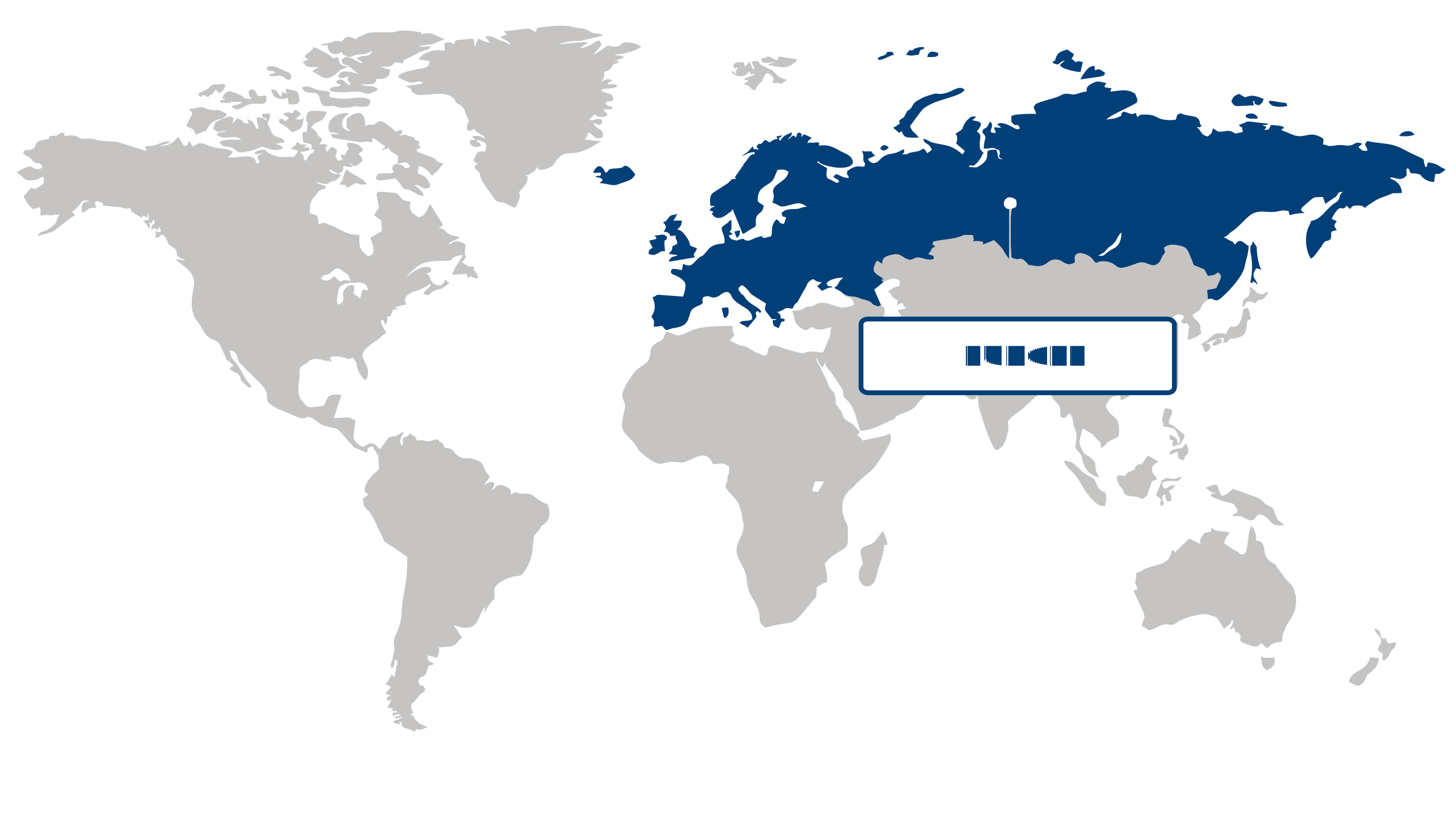
Europe (Largest Region)
Europe held the largest share of the precision fermentation bioreactors market in 2026, impelled by strong biotechnology capabilities, established food and pharmaceutical industries, and increasing interest in sustainable production technologies. Manufacturers and biotechnology companies across the region are increasingly exploring precision fermentation to produce proteins, enzymes, functional ingredients, and other high-value biological products with greater process control. The region’s emphasis on sustainable manufacturing, alternative food production, and biotechnology innovation is creating favorable conditions for bioreactor adoption. Strong research capabilities and growing interest in scalable fermentation processes are further supporting the development of precision fermentation infrastructure.
Asia Pacific (Fastest-Growing Region)
The precision fermentation bioreactors market in Asia Pacific is anticipated to grow at the fastest pace during the forecast period, supported by expanding biotechnology industries, rising demand for alternative proteins, and increasing investment in advanced fermentation technologies. Manufacturers across the region are increasingly adopting precision fermentation to develop food ingredients, nutritional products, specialty chemicals, and pharmaceutical applications. Growing consumer interest in sustainable food solutions, combined with expanding biomanufacturing capabilities, is creating new opportunities for bioreactor deployment. Increasing research activity and the development of modern biotechnology infrastructure are expected to further accelerate adoption of precision fermentation systems across the region.
| Parameter | North America | Asia Pacific | Europe | Latin America | MEA |
|---|---|---|---|---|---|
| Innovation HubiScaleNascentDeveloping Advanced | |||||
| Cost-Sensitive RegioniScaleLowMedium High | |||||
| Regulatory EnvironmentiScaleRestrictiveNeutral Supportive | |||||
| Demand DriversiScaleWeakModerate Strong | |||||
| Development StageiScaleEmergingDeveloping Developed | |||||
| Adoption RateiScaleLowMedium High | |||||
| New Entrants / StartupsiScaleSparseModerate Dense | |||||
| Macro IndicatorsiScaleWeakStable Strong |
Key Country Insights
United States 🇺🇸
Scalable Fermentation InfrastructureThe U.S. emphasizes scalable bioreactor capacity for precision fermentation applications spanning alternative proteins, specialty ingredients, and bio-based materials. Companies are prioritizing process intensification, automation, and flexible pilot-to-commercial production systems to support technology validation and manufacturing expansion.
Germany 🇩🇪
Process Engineering ExpertiseGermany’s precision fermentation activity is closely tied to advanced bioprocess engineering and industrial manufacturing capabilities. Bioreactor priorities center on efficient process control, reproducibility, energy-conscious operation, and integration with established fermentation infrastructure for food, biotechnology, and specialty chemical applications.
Japan 🇯🇵
High-Control BioprocessingJapan places strong emphasis on controlled fermentation environments, process reliability, and compact production technologies. Precision fermentation bioreactor demand is supported by applications in functional ingredients, enzymes, and biotechnology, with manufacturers focusing on automation, quality consistency, and efficient utilization of production facilities.
South Korea 🇰🇷
Biomanufacturing Scale-UpSouth Korea is strengthening precision fermentation capabilities through investments in advanced biomanufacturing and cell-based production technologies. Bioreactor priorities include scalable cultivation, digital process monitoring, and efficient downstream integration, particularly for food ingredients, biomaterials, and other commercially viable fermentation products.
France 🇫🇷
Food Bioprocess IntegrationFrance’s market activity is closely connected to food biotechnology and sustainable ingredient development, creating demand for bioreactors suited to controlled and repeatable fermentation. Industry priorities include food-grade processing, adaptable production systems, and integration of precision fermentation into established ingredient manufacturing operations.
Italy 🇮🇹
Specialty Ingredient ProductionItaly’s precision fermentation opportunities are particularly relevant to specialized food ingredients, enzymes, and high-value bioproducts. Bioreactor requirements emphasize batch consistency, adaptable production volumes, and compatibility with established food-processing capabilities, supporting commercialization where fermentation can improve ingredient functionality or production efficiency.
Precision Fermentation Bioreactors Market Share (%), by Technology, 2026
Go beyond the chart, access full insights & data tables
Request Free Sample ReportTechnology Segment Analysis: Stirred-tank Reactors (Largest & Fastest-Growing Segment)
The stirred-tank reactors segment accounted for a 61.59% share of the technology segment in 2026, making it both the largest and fastest-growing segment in the precision fermentation bioreactors market. Stirred-tank reactors are widely suited to precision fermentation because they provide controlled mixing, aeration, temperature, ph, and nutrient conditions that support consistent microbial growth and product formation. Their established operating principles and scalability across fermentation processes make them suitable for applications ranging from laboratory development to commercial production. The ability to maintain uniform process conditions is particularly important as precision fermentation manufacturers seek reliable yields, reproducible product quality, and efficient utilization of fermentation inputs. Continued development of fermentation-based foods, ingredients, biomaterials, and other products is supporting demand for bioreactor systems that can transition efficiently from process development to larger-scale manufacturing, reinforcing the position of stirred-tank reactors across the market.
Scale Segment Analysis: Commercial Scale (>2,000L) (Largest & Fastest-Growing Segment)
The commercial scale (>2,000L) segment accounted for a 43.04% share of the scale segment in 2026, making it both the largest and fastest-growing segment in the precision fermentation bioreactors market. Commercial-scale bioreactors are increasingly important as precision fermentation processes move beyond research and pilot development toward regular industrial production. Larger fermentation capacities enable manufacturers to produce greater volumes of target products while maintaining controlled process conditions and operational consistency. The expansion of precision fermentation applications across food ingredients, alternative proteins, specialty compounds, and other bio-based products is creating a stronger requirement for production systems capable of supporting commercial output. As companies advance fermentation processes from development into market-oriented manufacturing, commercial-scale bioreactors provide the capacity and process control needed to support production continuity, scalability, and more efficient manufacturing operations.
Product Type Segment Analysis: Stirred-tank Bioreactors (Largest Segment) vs Single-use Bioreactors (Fastest-Growing Segment)
The stirred-tank bioreactors segment accounted for a 61.59% share of the product type segment in 2026, making it the largest segment in the precision fermentation bioreactors market. Stirred-tank bioreactors remain widely used because their established design supports effective mixing, oxygen transfer, heat management, and process control during fermentation. These characteristics make them suitable for a broad range of precision fermentation applications and enable manufacturers to maintain stable operating conditions as production requirements increase. Their compatibility with established fermentation workflows and ability to support scalable production contribute to continued adoption across commercial and industrial operations.
The single-use bioreactors segment is expected to witness the fastest growth over the forecast period. Single-use bioreactors are gaining traction as precision fermentation developers seek greater flexibility, faster process changeovers, and reduced requirements for cleaning and sterilization between production cycles. Disposable process-contact components can help simplify operational workflows and lower the complexity associated with equipment preparation, particularly across development and smaller-batch manufacturing environments. Their flexibility also supports organizations working with multiple fermentation processes or products, where rapid adaptation between production runs can be valuable. As precision fermentation expands into diverse applications and manufacturers seek more agile production approaches, single-use bioreactors are positioned to experience increasing adoption.
| Segment | Sub-Segment | Largest Segment | Fastest Growing |
|---|---|---|---|
| Technology | Stirred-tank Reactors, Wave/rocking Bioreactors, Bubble Column Reactors, Others | Stirred-tank Reactors | Stirred-tank Reactors |
| Scale | Laboratory Scale (50L), Pilot Scale (50L – 2,000L), Commercial Scale (>2,000L) | Commercial Scale (>2,000L) | Commercial Scale (>2,000L) |
| Product Type | Single-use Bioreactors, Stainless Steel Bioreactors, Glass Bioreactors, Hybrid Bioreactors, Stirred-tank Bioreactors, Others | Stirred-tank Bioreactors | Single-use Bioreactors |
| Application | Food and Beverage, Pharmaceutical, Industrial and Chemical, Others | Food and Beverage | Food and Beverage |
Unlock insights tailored to your business with our bespoke market research solutions.
Click to get your customized report now.
Competitive Landscape and Market Positioning
Analyst Perspective:
The competitive landscape for precision fermentation bioreactors is shaped by the ability to translate biological performance into consistent, scalable, and economically practical production. Yield optimization remains central, but reproducibility across batches and compatibility with downstream processing also influence the value of a bioreactor platform. Modular designs can facilitate expansion from pilot to commercial production, provided process characteristics remain consistent as capacity increases. Digital monitoring strengthens this proposition by enabling closer oversight of critical fermentation parameters and earlier identification of deviations. Meanwhile, efficient sterilization and cleaning are essential to limiting contamination risks, protecting batch integrity, and managing production downtime. Suppliers that integrate process control, scalability, and dependable contamination management can offer a stronger proposition to manufacturers seeking to expand production without sacrificing consistency or operational efficiency.
Major players in the precision fermentation bioreactors market:
- Sartorius (Germany)
- Eppendorf (Germany)
- Thermo Fisher Scientific (US)
- Merck (Germany)
- Cytiva (US)
- GEA Group (Germany)
- Applikon Biotechnology (Netherlands)
- Pierre Guerin (France)
- Solaris Biotech (Italy)
- ZETA Holding (Austria)
| Company | Market Share | Company Revenue | Revenue CAGR (%) | Product Portfolio | Geographic Presence | Innovation / R&D Focus | Strategic Developments |
|---|---|---|---|---|---|---|---|
| Sartorius (Germany) | |||||||
| Eppendorf (Germany) | |||||||
| Thermo Fisher Scientific (US) | |||||||
| Merck (Germany) | |||||||
| Cytiva (US) | |||||||
| GEA Group (Germany) | |||||||
| Applikon Biotechnology (Netherlands) | |||||||
| Pierre Guerin (France) | |||||||
| Solaris Biotech (Italy) | |||||||
| ZETA Holding (Austria) |
Customize Your Report
Explore examples of how this report can be tailored to different research needs, including custom segments, additional topics or chapters, and related reports. Click a section of the wheel or its numbered marker to explore the available options.
Precision Fermentation Bioreactors Market — Custom Segments
| Segment | Sub-Segment |
|---|---|
| Feedstock Type | Sugar-based feedstocks, Starch-based feedstocks, Agricultural biomass-derived feedstocks, Industrial by-product feedstocks |
| Automation Level | Manual/semi-automated, Automated process control, Advanced automated systems, Fully integrated digital systems |
| Process Mode | Batch fermentation, Fed-batch fermentation, Continuous fermentation, Perfusion fermentation |
Precision Fermentation Bioreactors Market — Custom TOC
| Custom Chapter | Chapter Details |
|---|---|
| Commercial Scale-Up Readiness |
|
| Feedstock Strategy and Cost Optimization |
|
| Contract Manufacturing Capacity Landscape |
|
Need a different cut of the data?
Request Custom ResearchFrequently Asked Questions
What is the total addressable market for precision fermentation bioreactors?
What is the projected value of the precision fermentation bioreactors industry by 2036?
How is the commercialization of precision fermentation shaping bioreactor investment priorities?
How are regulatory developments influencing deployment of precision fermentation bioreactors?
Why do stirred-tank reactors dominate the precision fermentation bioreactors market?
What is driving demand for single-use bioreactors in precision fermentation?
Why does Europe lead the precision fermentation bioreactors market?
What is driving precision fermentation bioreactor market growth in Asia Pacific?
Which companies are driving growth in the precision fermentation bioreactors landscape?
Our Clients
"The team took the time to understand our specific business needs and delivered a report that was well aligned with our objectives. Their expertise and understanding of the industry were clearly reflected in the quality and relevance of the insights provided."
Siemens Healthcare
"Our experience in acquiring the research report has been excellent. The depth of analysis, and actionable insights provided have been extremely valuable in supporting our ongoing R&D efforts."
GC Biopharma
"The report offered a comprehensive view of the market trends. The in-depth segmentation and analysis of emerging opportunities gave us a better understanding of the market."
Medtronic
Our Research Team & Methodology
Every Fundamental Business Insights report is built by a dedicated vertical research team, validated through a structured primary-and-secondary methodology, and reviewed for accuracy before it reaches you.
This report was prepared by the Healthcare & Medical Devices Research Team at Fundamental Business Insights, a dedicated research group specializing in the global healthcare and medical technology industry. Our analysts continuously monitor advancements in medical technologies, clinical adoption trends, regulatory developments, reimbursement policies, healthcare infrastructure investments, competitive strategies, and evolving patient care requirements to deliver timely and reliable market intelligence. The research is developed using a structured methodology that combines primary discussions with healthcare stakeholders, company financial disclosures, regulatory publications, clinical literature, government healthcare databases, medical associations, and other authoritative secondary sources. Market estimates are validated through multiple research techniques, including top-down and bottom-up analysis, before undergoing an internal quality review to ensure accuracy, consistency, and methodological integrity prior to publication.
Delivery
Published
Available
Support
- Market Size & Forecast
- Market Segmentation
- Regional Analysis
- Growth Drivers & Challenges
- Market Dynamics
- Competitive Landscape
- Company Profiles
- Competitive Benchmarking
- Mergers & Acquisitions
- Market Share Analysis or Key Company Strategies
- Value Chain Analysis
- Porter's Five Forces
- PESTLE Analysis
- Pricing Trends
- Supply-Demand Analysis
- Technology Landscape
- Regulatory Landscape
- Investment & Funding Landscape
- Emerging Opportunities
- Future Market Outlook