PU Films Market Size & Forecasts 2026-2035, By Segments (Type, Function, End-Use Industry), Growth Opportunities, Innovation Landscape, Regulatory Shifts, Strategic Regional Insights (U.S., Japan, China, South Korea, UK, Germany, France), and Competitive Dynamics (Covestro, BASF, Huntsman Corporation, Mitsui Chemicals, Wanhua Chemical Group)
Jump to Content
Market Size and Growth Outlook
PU Films Market size is likely to expand from USD 1.07 billion in 2025 to USD 1.78 billion by 2035, posting a CAGR above 5.2% across 2026-2035. The industry’s revenue potential for 2026 is USD 1.12 billion.
Get more details on this report
Request Free Sample ReportPU Films Market Intelligence Snapshot
Regional Market Dynamics
Segment Momentum
Market Expansion Drivers
Leading Market Participants
Global Market Forecast Snapshot
Market Outlook
Regional and Segment Outlook
Market Growth Drivers and Industry Trends
The PU films market is notably shaped by escalating regulatory demands for food-safe packaging materials. Agencies such as the U.S. Food and Drug Administration (FDA) and the European Food Safety Authority (EFSA) have tightened standards to reduce contamination risks, mandating greater chemical resistance and barrier properties in packaging films. This compels manufacturers to innovate and certify their PU films for compliance, enhancing consumer confidence in packaged food safety. For instance, Bemis Company’s recent certification of its PU films for direct food contact demonstrates proactive alignment with these standards. This trend opens strategic avenues for companies that can swiftly adapt formulations to meet stringent criteria, while new entrants can differentiate by specializing in compliant, high-quality film offerings. As regulations continue to evolve with global focus on health, the PU films market will increasingly prioritize certified, safe solutions aligned with regulatory frameworks.
Innovation in High-Performance PU Films for Industrial Use
Advances in polymer science and coating technology are driving demand for enhanced PU films that deliver superior durability, chemical resistance, and flexibility in industrial applications. Leading manufacturers like Covestro have introduced high-performance films tailored for automotive, electronics, and construction sectors, responding to stringent performance requirements amid growing industrial automation and digitalization. These innovations enable longer lifespan and reduced maintenance costs, appealing to manufacturers focused on operational efficiency and product reliability. In the PU films market, this focus on performance innovation offers entrenched players the chance to deepen client partnerships by expanding application-specific portfolios. Simultaneously, technology startups can capitalize on niche innovations to challenge incumbents. Continuous upgrades in film performance will remain essential as industries adopt more demanding materials for next-generation applications.
Rising Demand for Eco-Friendly and Sustainable PU Films
Sustainability imperatives have emerged as a pivotal driver, with both brands and consumers prioritizing environmentally responsible packaging solutions. Companies like BASF have launched bio-based and recyclable PU films, addressing the industry’s environmental footprint and regulatory encouragement for circular economy models. Increasing consumer awareness, amplified by campaigns from organizations such as Greenpeace, has pressured packaging providers to shift toward low-VOC and biodegradable options. This trend fosters opportunities for manufacturers to leverage green chemistry innovations and lifecycle assessments, enhancing brand value. For new market entrants, specializing in sustainable PU formulations can create differentiation amid intensifying environmental scrutiny. This evolving sustainability landscape is set to shape investment and product development in the PU films market, aligned with growing global efforts to reduce plastic waste and carbon emissions.
Industry Restraints:
Environmental Regulatory Pressures
Stringent environmental regulations targeting chemical emissions and plastic waste management significantly constrain the PU films market. Agencies such as the European Chemicals Agency (ECHA) have imposed rigorous REACH requirements, limiting the use of hazardous isocyanates commonly employed in PU film manufacturing. These compliance mandates increase production complexities and costs for manufacturers, hindering rapid innovation and scaling. For instance, Covestro’s 2023 disclosure highlighted increased capital investments in safer raw material sourcing and emissions control technology. This environment compels market players to allocate resources to regulatory adherence over product development, posing barriers especially for smaller entrants lacking compliance infrastructure. Going forward, escalating environmental scrutiny and tighter international policies will necessitate intensified R&D into sustainable bio-based PU films, shaping competitive dynamics toward green innovation while maintaining regulatory alignment.
Raw Material Price Volatility
Price volatility of key feedstocks such as MDI (methylene diphenyl diisocyanate) and polyols creates significant operational challenges in the PU films market. The Organization of the Petroleum Exporting Countries (OPEC) fluctuations affect aromatic feedstock supply chains, as underscored by Huntsman Corporation’s 2023 earnings call, where cost unpredictability compressed margins. This instability complicates long-term contract negotiations with downstream users, such as automotive and electronics manufacturers, fostering reluctance to commit to PU film adoption or expansion. Established firms face margin pressure, while start-ups experience heightened risk and capital constraints. Strategic responses have included increased vertical integration and diversified sourcing. As global energy and petrochemical markets remain unstable due to geopolitical tensions and post-pandemic demand oscillations, price volatility will continue to test the PU films segment’s pricing strategies and market penetration efforts in the near to medium term.
| Growth Driver | Impact on CAGR | Regulatory Influence | Geographic Relevance | Adoption Rate | Impact Timeline |
|---|---|---|---|---|---|
| PU films in packaging and industrial applications | 2.00% | Short term (≤ 2 yrs) | North America, Europe | Low | Fast |
| Regulatory pressure for food-safe films | 1.50% | Medium term (2–5 yrs) | Europe, North America | Medium | Moderate |
| Development of high-performance and eco-friendly PU films | 1.70% | Long term (5+ yrs) | Asia Pacific, Europe | Medium | Slow |
Explore Growth Opportunities
Request Free Sample ReportRegional Demand Dynamics
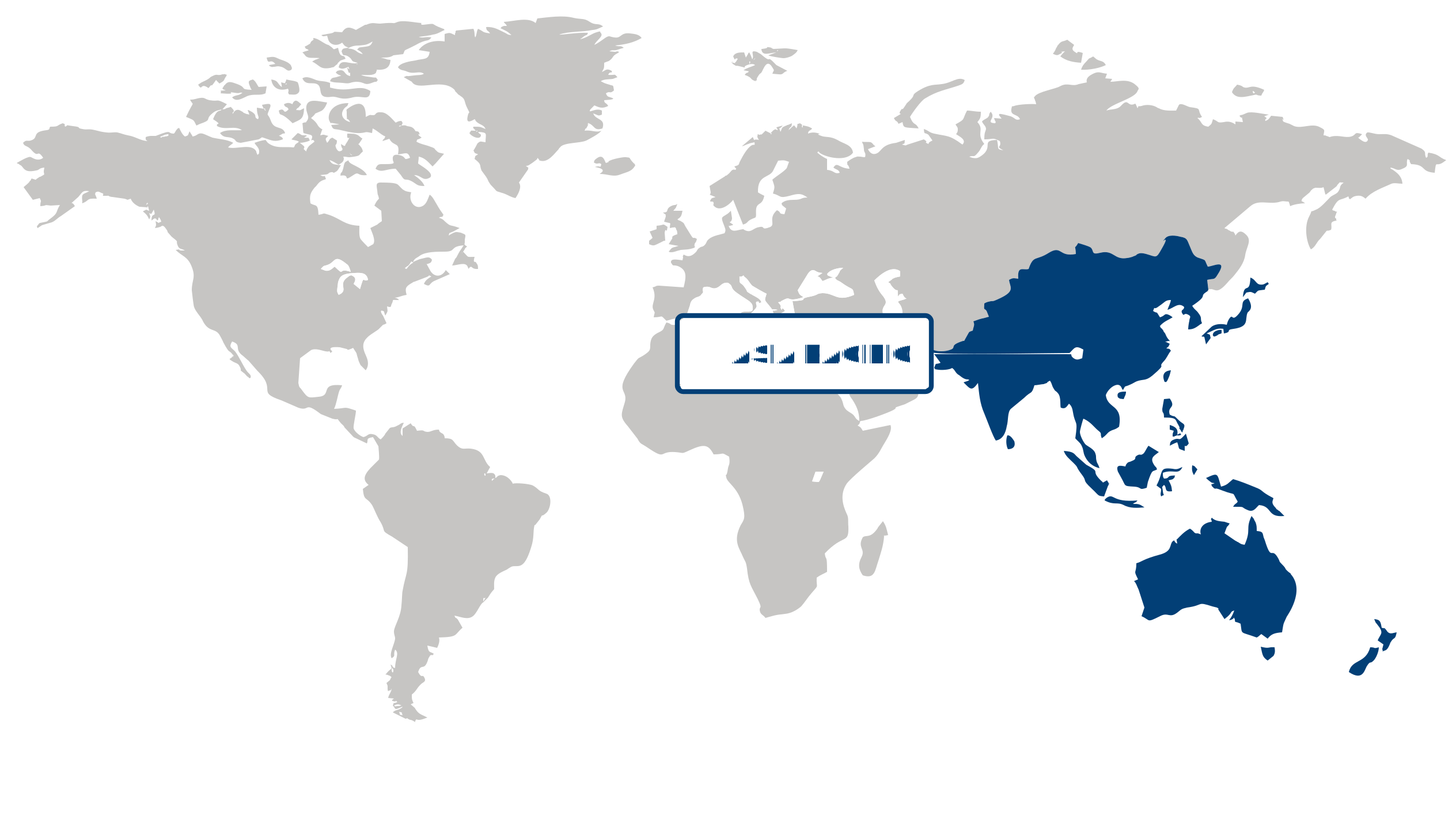
The Asia Pacific PU films market captured over 40% of the global market share in 2025, positioning it as both the largest and fastest-growing region with a CAGR of 7.35%. This dominance is primarily propelled by the surging demand for PU films across diverse industries such as automotive, textile, medical, and electronics sectors, which are rapidly expanding in Asia Pacific economies. For instance, the automotive industry's shift toward lightweight and durable materials to meet fuel efficiency standards, combined with increased investments in wearable medical devices in countries like South Korea and India, highlights the region's multifaceted demand. Furthermore, supportive government initiatives aimed at sustainable material adoption and advanced manufacturing integration, such as China’s “Made in China 2025” policy, reinforce this growth. Looking ahead, the confluence of industrial diversification and technological advancements positions Asia Pacific as a critical growth frontier in the PU films market.
China anchors the Asia Pacific PU films market with its vast manufacturing base and robust industrial ecosystem, driving demand through extensive automotive and electronics production hubs. The country's focus on innovation and environmentally friendly manufacturing, supported by regulatory frameworks from the Ministry of Industry and Information Technology, accelerates PU film adoption for applications requiring enhanced durability and flexibility. Major Chinese producers like Wanhua Chemical Group emphasize sustainable production practices, catering to evolving client preferences for eco-conscious materials. This dynamic fortifies China’s role as a strategic fulcrum for regional supply chains and innovation in PU films, directly contributing to Asia Pacific’s broad market leadership.
Japan is positioned as a pivotal hub in the Asia Pacific PU films market through its advanced technological capabilities and high-value end-use sectors such as medical devices and high-performance textiles. Japanese companies like Toray Industries leverage proprietary PU film technologies to meet stringent domestic and international quality standards, meeting demands in medical applications requiring biocompatible and flexible materials. Additionally, Japan’s demographic shift toward an aging population drives medical sector innovation, fostering sustained PU film demand. This technological and demographic context makes Japan a critical node for specialized PU film applications, reinforcing Asia Pacific’s comprehensive growth narrative in the sector.
North America Market Analysis:
North America held a commanding share in the PU films market, driven by its advanced manufacturing infrastructure and strong demand from automotive and packaging industries. Heightened focus on sustainability and regulatory pressure to adopt eco-friendly materials have further accelerated the adoption of PU films with enhanced durability and recyclability. The region benefits from technological advancements led by key players such as Covestro and Dow Chemical, which have introduced high-performance PU films tailored to evolving consumer needs. Additionally, North America’s robust supply chain networks and investment in digital transformation streamline production and distribution efficiency, reinforcing its competitive edge. With increasing consumer emphasis on product safety and environmental responsibility, backed by regulatory frameworks from agencies like the U.S. Environmental Protection Agency (EPA), North America is well-positioned to expand its market dominance in PU films.
The U.S. plays a pivotal role in driving North America’s PU films market, propelled by rising demand in automotive lightweighting and flexible packaging solutions. Consumer preferences are shifting towards premium, sustainable packaging, incentivizing manufacturers such as 3M and Avery Dennison to enhance PU film formulations for durability and recyclability. Policy initiatives, including the U.S. government's push for green technologies and stricter emission norms, encourage adoption of PU films in automotive components for improved fuel efficiency. Furthermore, investments in R&D and digital manufacturing by firms like DuPont accelerate innovation cycles, enabling rapid response to market trends. This combination of regulatory support, evolving consumer behavior, and industrial innovation solidifies the U.S. as a strategic hub that underpins North America’s opportunity for sustained growth in the PU films market.
Europe Market Trends:
Europe maintained a notable presence in the PU films market, reflecting moderate growth driven by evolving industrial applications and enhanced sustainability mandates. The region's emphasis on reducing environmental impact has encouraged manufacturers to innovate with bio-based and recyclable PU films, supported by initiatives from the European Chemicals Agency (ECHA) promoting safer chemical usage. Additionally, Europe's diverse manufacturing base necessitates reliable, high-performance films for automotive, electronics, and medical sectors, where demand for lightweight yet durable materials continues to rise. Logistics networks benefit from robust infrastructure and integrated supply chains, facilitating efficient distribution. Competitive pressure among leading European PU film producers, such as Covestro, fosters rapid technological advancements. Looking ahead, regulatory frameworks like the European Green Deal will amplify demand for eco-friendly PU films, positioning Europe as a compelling hub for sustainable product development and market expansion.
Germany plays a pivotal role in Europe's PU films market, leveraging its strong automotive and industrial equipment sectors which heavily rely on durable, flexible film solutions. German companies such as BASF have accelerated R&D in innovative PU formulations that support weight reduction and enhanced durability, aligning with national commitments to stringent emissions targets. The country’s robust manufacturing ecosystem and well-established chemical industry infrastructure streamline production capabilities and supply chain efficiency. Furthermore, government incentives for advanced materials adoption in automotive and construction industries strengthen domestic PU film consumption. This strategic integration of innovation and regulation in Germany underscores its central contribution to Europe's moderate growth trajectory in the PU films market, reinforcing regional opportunities for technologically advanced, sustainable material adoption.
France’s PU films market exhibits significant promise influenced by the country's expanding medical and packaging sectors, which increasingly adopt biocompatible and recyclable film solutions. French regulatory bodies, including the Agence Nationale de Sécurité Sanitaire (ANSES), have advocated for tighter controls on chemical safety in consumer goods, accelerating the shift towards eco-friendly PU films within the packaging industry. Corporate players such as Arkema have expanded production capabilities in France, reflecting a strategic focus on high-performance, sustainable polymer films. Consumer preference shifts toward green products, coupled with digitalization in supply chain management, have further stimulated demand. France’s evolving regulatory environment and innovative industrial practices underpin its crucial role in advancing Europe’s moderate growth, highlighting key avenues for sustainable product differentiation and market penetration in the PU films sector.
| Parameter | North America | Asia Pacific | Europe | Latin America | MEA |
|---|---|---|---|---|---|
| Innovation HubiScaleNascentDeveloping Advanced | |||||
| Cost-Sensitive RegioniScaleLowMedium High | |||||
| Regulatory EnvironmentiScaleRestrictiveNeutral Supportive | |||||
| Demand DriversiScaleWeakModerate Strong | |||||
| Development StageiScaleEmergingDeveloping Developed | |||||
| Adoption RateiScaleLowMedium High | |||||
| New Entrants / StartupsiScaleSparseModerate Dense | |||||
| Macro IndicatorsiScaleWeakStable Strong |
PU Films Market Share (%), by Type, 2026
Go beyond the chart, access full insights & data tables
Request Free Sample ReportThe polyester segment held the largest share in the PU films market in 2025, driven primarily by its superior abrasion resistance, which is crucial for medical and textile applications. This segment’s leadership stems from growing demand for durable, high-performance films that meet stringent industry standards, as highlighted by regulatory guidelines from the U.S. Food and Drug Administration ensuring material safety in medical devices. Additionally, evolving consumer preferences for long-lasting, sustainable textiles bolster polyester’s adoption. Supply chain refinements and advancements in polyester film coatings have further enhanced product quality. Brands like DuPont have announced innovations improving abrasion resistance, reflecting competitive focus in this area. Established and new market players benefit from polyester’s versatility and proven track record, positioning it well to maintain relevance amid increasing emphasis on durability and multifunctionality in end-use products.
Analysis by Function
The thermoplastic-based segment represented the largest share of the PU films market in 2025, owing to its ease of processing and recyclability features that appeal strongly to automotive applications. This segment’s dominance is underscored by automotive manufacturers’ commitment to lightweight, eco-friendly materials aimed at reducing vehicle emissions, supported by initiatives like the European Green Deal promoting circular economies in the automotive sector. The ability to efficiently recycle thermoplastic PU films aligns with sustainability priorities and regulatory mandates on material reuse. Industry leaders such as BASF have showcased advancements in recyclable PU solutions, driving competition. The thermal adaptability and process efficiency allow companies to optimize manufacturing costs and respond swiftly to demand fluctuations. Consequently, thermoplastic-based PU films remain strategically vital as automotive and aerospace industries intensify efforts on greener, high-performance components.
Analysis by End-Use Industry
The automotive & aerospace segment dominated the PU films market in 2025, fueled by rising demand for advanced automotive interiors and lightweight components necessitating high-performance films. Factors such as increasing regulatory pressures on vehicle emissions and fuel efficiency, exemplified by standards from the National Highway Traffic Safety Administration, have accelerated adoption of PU films that deliver strength without weight penalties. Consumer trends toward comfort and enhanced in-cabin experiences also drive uptake of PU films in seating and trim materials. Aerospace programs focusing on material innovation further expand opportunities. Collaborations like those announced by Boeing reflect increased investment in PU film integration. This segment offers strategic advantages to incumbents through long-term OEM partnerships and to entrants by addressing specialized, evolving material requirements. Its critical role in lightweighting and safety ensures sustained importance in the near to medium term.
| Segment | Sub-Segment | Largest Segment | Fastest Growing |
|---|---|---|---|
| Type | Polyester, Polyether | ||
| Function | Thermoplastic-Based, Thermoset-Based | ||
| End-Use Industry | Automotive & Aerospace, Textile & Leisure, Medical, Others |
Unlock insights tailored to your business with our bespoke market research solutions.
Click to get your customized report now.
Competitive Landscape and Market Positioning
The competitive landscape in the PU films market is characterized by proactive enhancements in product development and collaborative ventures among these top players. Several have initiated cross-border partnerships and acquired niche technology firms to diversify application areas, including automotive, electronics, and medical uses, thereby expanding their innovation horizons. Investments in sustainable and bio-based polyurethane formulations have further differentiated their offerings amidst rising environmental concerns. Frequent launches of high-performance films tailored to specific market demands underscore their focus on agility and responsiveness. Consequently, these strategic maneuvers not only consolidate market share but also foster technological differentiation, reinforcing their competitive positioning amidst evolving customer expectations.
Strategic / Actionable Recommendations for Regional Players
North American firms should consider reinforcing alliances with innovative technology startups specializing in next-generation polyurethane chemistries and digital manufacturing techniques. Capitalizing on the region’s strong R&D infrastructure and demand for high-performance films can enhance customization capabilities and accelerate time-to-market, particularly in automotive and healthcare sectors.
In the Asia Pacific region, expanding collaborative networks with regional raw material suppliers and exploring co-development ventures with rapidly growing end-use industries can secure upstream integration and market penetration. Emphasizing eco-friendly film solutions aligned with stringent environmental policies will further appeal to sustainability-conscious consumers and regulators.
European market participants are encouraged to deepen partnerships focused on circular economy initiatives and recyclable PU material technologies, leveraging the region’s advanced regulatory frameworks. Prioritizing innovation in specialty films that meet stringent safety and quality standards can exploit the continent’s premium end-user markets and technological leadership.
| Company | Market Share | Company Revenue | Revenue CAGR (%) | Product Portfolio | Geographic Presence | Innovation / R&D Focus | Strategic Developments |
|---|---|---|---|---|---|---|---|
| No companies available. | |||||||
Customize Your Report
Explore examples of how this report can be tailored to different research needs, including custom segments, additional topics or chapters, and related reports. Click a section of the wheel or its numbered marker to explore the available options.
PU Films Market — Custom Segments
| Segment | Sub-Segment |
|---|---|
| No segment data available. | |
PU Films Market — Custom TOC
| Custom Chapter | Chapter Details |
|---|---|
| No custom TOC data available. | |
Need a different cut of the data?
Request Custom ResearchFrequently Asked Questions
How will the PU films industry grow in terms of size and CAGR by 2035?
Which region emerges as the top contributor to the PU films market revenue?
Which region shows the most rapid acceleration in the PU films sector?
Why is the polyester segment leading in the PU films industry?
Why does thermoplastic-based sub-segment dominate the function segment of PU films sector?
How much is the automotive & aerospace segment expected to grow in the PU films industry beyond 2025?
What are the key competitors in the PU films landscape?
Our Clients
"The report helped us understand emerging consumer trends in our product category. It clarified where to focus innovation for the next product launch."
LyondellBasell
"The regional forecast section was incredibly useful. We were able to identify two new potential partners in Europe thanks to the vendor mapping you included."
SABIC
"We appreciated how actionable the recommendations were. It guided us to improve supply chain resilience."
Olin Corporation
Our Research Team & Methodology
Every Fundamental Business Insights report is built by a dedicated vertical research team, validated through a structured primary-and-secondary methodology, and reviewed for accuracy before it reaches you.
This report was prepared by the Chemicals & Materials Research Team at Fundamental Business Insights, a dedicated research group specializing in the global chemicals, advanced materials, and industrial manufacturing sectors. Our analysts continuously monitor raw material supply chains, feedstock pricing, production technologies, regulatory developments, sustainability initiatives, environmental compliance, trade dynamics, and evolving end-use applications to deliver timely and reliable market intelligence. The research is developed using a structured methodology that combines primary discussions with manufacturers, raw material suppliers, distributors, and industry experts, along with company annual reports, regulatory publications, government trade statistics, industry associations, technical literature, patent databases, and other authoritative secondary sources. Market estimates are validated through multiple research techniques, including top-down and bottom-up analysis, before undergoing an internal quality review to ensure accuracy, consistency, and methodological integrity prior to publication.
Delivery
Published
Available
Support
- Market Size & Forecast
- Market Segmentation
- Regional Analysis
- Growth Drivers & Challenges
- Market Dynamics
- Competitive Landscape
- Company Profiles
- Competitive Benchmarking
- Mergers & Acquisitions
- Market Share Analysis or Key Company Strategies
- Value Chain Analysis
- Porter's Five Forces
- PESTLE Analysis
- Pricing Trends
- Supply-Demand Analysis
- Technology Landscape
- Regulatory Landscape
- Investment & Funding Landscape
- Emerging Opportunities
- Future Market Outlook