Retinal Imaging Devices Market Size & Forecasts 2026-2035, By Segments (Type, End User), Growth Opportunities, Innovation Landscape, Regulatory Shifts, Strategic Regional Insights (U.S., Japan, China, South Korea, UK, Germany, France), and Competitive Dynamics (Topcon, Zeiss, Nidek, Canon, Optos)
Jump to Content
Market Size and Growth Outlook
Retinal Imaging Devices Market size is projected to grow steadily from USD 6.27 billion in 2025 to USD 11.23 billion by 2035, demonstrating a CAGR exceeding 6% through the forecast period (2026-2035). The 2026 revenue is estimated at USD 6.6 billion.
Get more details on this report
Request Free Sample ReportRetinal Imaging Devices Market Intelligence Snapshot
Regional Market Dynamics
Segment Momentum
Market Expansion Drivers
Leading Market Participants
Global Market Forecast Snapshot
Market Outlook
Regional and Segment Outlook
Market Growth Drivers and Industry Trends
The rising incidence of retinal disorders, often linked with the global surge in diabetes cases, is a critical growth driver for the retinal imaging devices market. The International Diabetes Federation highlights that diabetes cases continue to expand worldwide, intensifying the need for early detection of diabetic retinopathy and other ocular complications. This demographic shift drives demand for precise retinal diagnostics, encouraging healthcare providers to prioritize routine retinal screenings. For established manufacturers and new entrants, this presents opportunities to develop user-friendly, cost-effective devices tailored for high-volume clinical settings. Stakeholders can leverage partnerships with public health agencies to enhance screening programs. As healthcare systems integrate chronic disease management with eye care, the retinal imaging devices market will witness sustained expansion driven by this pressing clinical necessity.
Adoption of Advanced Retinal Imaging Devices
Technological innovation significantly shapes the retinal imaging devices market, exemplified by the growing adoption of high-resolution OCT (Optical Coherence Tomography) and AI-enabled imaging systems. Companies like Heidelberg Engineering and Topcon Corporation have publicized advancements that improve diagnostic accuracy and workflow efficiency. These innovations address the clinical demand for faster, more detailed retinal scans, shifting provider preference towards digitally integrated solutions. This trend opens strategic avenues for new entrants to introduce disruptive technologies while pushing incumbents to invest in R&D. Industry-wide collaboration on standardizing AI applications is also emerging, reinforcing the market’s trajectory toward smart imaging. As these sophisticated devices become the clinical standard, market participants are positioned to capitalize on evolving digital transformation in ophthalmic care.
Expansion of Ophthalmology Clinics in Emerging Markets
The proliferation of ophthalmology clinics in emerging markets is a vital catalyst for expanding the retinal imaging devices market. Governments in regions like Southeast Asia and Latin America are increasing healthcare infrastructure investment, as seen in policy initiatives from India’s Ministry of Health to Brazil’s public health programs, supporting enhanced eye care accessibility. This expansion invites manufacturers to tailor devices for cost-sensitive environments with focus on compactness and ease of use. Moreover, rising middle-class populations with growing health awareness fuel clinic demand, creating scalable distribution channels for device suppliers. For both global companies and local startups, these evolving competitive dynamics encourage the development of region-specific strategies. As emerging markets continue health sector modernization, the retinal imaging devices market will benefit from widening clinical networks and broader patient reach.
Industry Restraints:
Regulatory Approval Complexities
The retinal imaging devices market faces significant delays owing to stringent regulatory approval processes across major markets, notably the US FDA and the European Medicines Agency. These agencies demand extensive clinical data to demonstrate device safety and efficacy, increasing time-to-market and elevating R&D costs. For instance, Topcon Healthcare’s delayed CE marking for its latest OCT devices underscored the challenges of meeting evolving certification standards. This complexity disproportionately burdens smaller innovators lacking regulatory expertise, limiting competitive dynamism. Moreover, varied regional standards prevent streamlined global launches, restricting scale efficiencies for multinational firms. Regulatory uncertainty also constrains investment appetite, particularly for early-stage technology developers. As regulators continue to refine guidelines around AI integration and image data management, these approval complexities will persist, compelling market participants to invest heavily in regulatory affairs infrastructure and strategic planning to maintain market access and compliance assurance.
High Equipment Costs and Reimbursement Limitations
The high upfront costs of advanced retinal imaging devices, such as optical coherence tomography and fundus cameras, act as a critical barrier to widespread adoption, especially in developing economies and smaller clinical practices. Significant capital expenditure dissuades budget-sensitive providers, while inconsistent reimbursement policies from insurers and government health programs—highlighted in reports from the Centers for Medicare & Medicaid Services (CMS)—further dampen purchase incentives. This dynamic restricts the penetration of cutting-edge devices beyond large hospitals and specialty clinics, limiting scale effects and innovation diffusion for manufacturers like Zeiss and Nidek. New entrants face the dual challenge of competing with entrenched, premium-priced incumbents and navigating fragmented reimbursement landscapes. Without broader insurance coverage standardization or cost-reduction strategies, these financial constraints will remain a persistent impediment, influencing companies to explore subscription models or bundled payment approaches to enhance affordability and market reach.
| Growth Driver | Impact on CAGR | Regulatory Influence | Geographic Relevance | Adoption Rate | Impact Timeline |
|---|---|---|---|---|---|
| Increasing prevalence of retinal disorders and diabetes | 2.00% | Short term (≤ 2 yrs) | North America, Europe | Medium | Fast |
| Adoption of advanced retinal imaging devices | 2.00% | Medium term (2–5 yrs) | North America, Europe, Asia Pacific | Medium | Moderate |
| Expansion of ophthalmology clinics in emerging markets | 2.00% | Long term (5+ yrs) | Asia Pacific, Latin America | Low | Moderate |
Explore Growth Opportunities
Request Free Sample ReportRegional Demand Dynamics
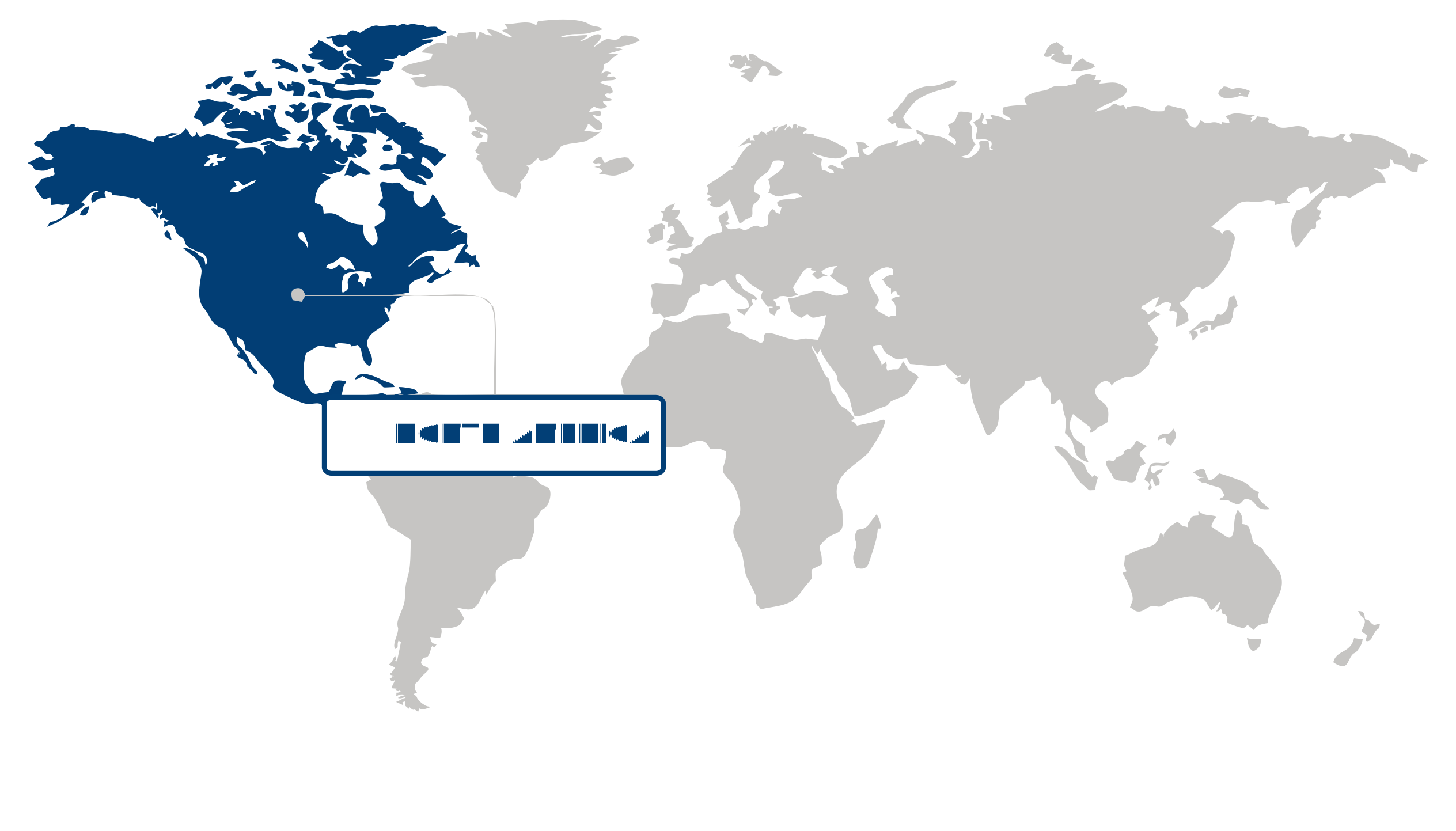
North America dominated the retinal imaging devices market in 2025, representing more than 36.6% of the global share. This regional leadership stems primarily from robust government initiatives and awareness campaigns emphasizing early diagnosis and treatment of eye diseases. For instance, the U.S. National Eye Institute's efforts to increase screening accessibility and public awareness have driven demand for advanced retinal imaging technologies. Additionally, advanced healthcare infrastructure, widespread adoption of cutting-edge diagnostics, and a digitally savvy patient base fortify North America's market position. The presence of leading medical technology companies such as Zeiss and Topcon, coupled with consistent policy support, facilitates ongoing innovation and market penetration. As eye health gains priority amid aging demographics and increasing chronic conditions, North America’s retinal imaging devices market will continue offering substantial growth opportunities anchored by proactive healthcare strategies and integrated digital platforms.
The United States anchors the North American retinal imaging devices market, propelled by comprehensive public health campaigns and strong regulatory frameworks that champion early eye disease detection. Agencies like the Centers for Disease Control and Prevention actively promote vision screening programs, enhancing consumer uptake and provider adoption of sophisticated retinal imaging tools. U.S.-based firms such as Optos and NIDEK consistently launch technologically advanced products tailored to clinical needs, reinforcing market competitiveness. Furthermore, healthcare providers increasingly integrate retinal imaging with electronic health records, improving patient outcomes and operational efficiency. These trends underscore the U.S. role as a market driver, amplifying North America’s position as a crucial hub for innovation and investment in retinal imaging devices.
Asia Pacific Market Analysis:
Asia Pacific emerged as the fastest-growing region in the retinal imaging devices market, registering a robust CAGR of 8.4%. The market growth is accelerated by an increase in the prevalence of retinal diseases coupled with the region’s aging population, which is driving heightened demand for advanced ophthalmic diagnostic tools. Governments and healthcare providers across the region are increasingly prioritizing eye care infrastructure, as reflected in expanded screening programs and investments in cutting-edge retinal imaging technologies. For instance, Japan’s Ministry of Health has emphasized early detection of retinal pathologies in its recent healthcare strategy updates, enhancing accessibility to diagnostic devices. Moreover, advancements in telemedicine and digital health platforms support broader dissemination of retinal imaging solutions, facilitating early diagnosis in remote areas. This synergy of demographic trends, healthcare modernization, and digital integration positions Asia Pacific as a prime hub for sustained innovation and investment in the retinal imaging devices market.
Japan plays a pivotal role in Asia Pacific’s retinal imaging devices market, driven by its advanced healthcare system and rapidly aging population. Rising age-related retinal conditions such as macular degeneration demand sophisticated imaging modalities, prompting healthcare providers and ophthalmology centers to invest heavily in next-generation devices. Companies like Topcon Corporation have leveraged this environment, introducing innovative optical coherence tomography (OCT) systems tailored for early disease detection and management, reinforcing Japan’s leadership in retinal diagnostics technology. Additionally, regulatory frameworks in Japan facilitate the swift adoption and reimbursement of new medical devices, accelerating market penetration. This robust clinical and innovation ecosystem underscores Japan’s strategic importance, bolstering the broader regional market momentum.
China is a key growth engine within Asia Pacific, with its large, aging population and rising prevalence of diabetic retinopathy and other retinal diseases shaping demand patterns uniquely. The government’s Healthy China 2030 initiative prioritizes chronic disease management, prompting increased public and private investment in retinal health technologies, including portable and AI-enhanced imaging devices. Leading ophthalmic device manufacturers such as Beijing Puhua International Healthcare are expanding distribution networks and forging partnerships with tertiary hospitals to meet surging diagnostic needs. As urban centers grow, consumer demand shifts toward advanced, efficient retinal imaging solutions, reflecting heightened awareness and willingness to access premium healthcare services. China’s evolving market dynamics complement Asia Pacific’s overall growth trajectory, presenting scalable opportunities for device innovation and broader access to retinal care solutions.
Europe Market Trends:
Europe maintained notable presence in the retinal imaging devices market, commanding a significant share driven by its advanced healthcare infrastructure and strong emphasis on innovation in medical technology. The region benefits from proactive regulatory frameworks led by the European Medicines Agency (EMA) that facilitate faster device approvals, enhancing market accessibility. Additionally, mounting prevalence of age-related eye disorders, supported by data from the European Society of Retina Specialists (EURETINA), has fueled demand for sophisticated imaging solutions. Sustainability-focused investments by leading device manufacturers, such as Heidelberg Engineering’s initiatives in Germany, underline operational advancements aligned with eco-friendly practices. Europe's well-established supply chains alongside a highly skilled workforce further contribute to its competitive edge. These dynamics collectively position Europe to capitalize on an aging population and rising health awareness, making it a fertile ground for innovation and growth in the retinal imaging devices market.
Germany plays a pivotal role in Europe’s retinal imaging devices market, leveraging its robust medical device industry and research ecosystem. The country’s rigorous adherence to stringent quality standards established by the Federal Institute for Drugs and Medical Devices (BfArM) ensures premium product offerings, attracting global and domestic investment. Germany’s strong hospital network and early adoption of digital health innovations, as observed in recent integration projects by Carl Zeiss Meditec, inject momentum into market growth. Moreover, government support for healthcare digitization, highlighted by the Digital Healthcare Act, enhances adoption rates of retinal imaging technologies in clinical workflows. This strategic confluence of regulation, innovation, and infrastructure in Germany amplifies regional market opportunities, reinforcing Europe’s position as a leader in advanced ophthalmic diagnostics.
France occupies a crucial niche within Europe’s retinal imaging devices market, bolstered by rising public health initiatives aimed at ocular disease prevention and management. The French National Authority for Health (HAS) endorses retinal imaging as a standard screening tool in national eye care programs, stimulating demand across public and private sectors. Furthermore, France’s vibrant biotech and medtech ecosystems, evidenced by development activities from companies like Quantel Medical, contribute to localized innovation and tailored solutions for retinal diagnostics. Cultural emphasis on preventive care and increasing geriatric population segments further support sustained market expansion. These factors position France as a strategic growth hub within Europe, offering complementary strengths to the regional retinal imaging devices market growth momentum.
| Parameter | North America | Asia Pacific | Europe | Latin America | MEA |
|---|---|---|---|---|---|
| Innovation HubiScaleNascentDeveloping Advanced | |||||
| Cost-Sensitive RegioniScaleLowMedium High | |||||
| Regulatory EnvironmentiScaleRestrictiveNeutral Supportive | |||||
| Demand DriversiScaleWeakModerate Strong | |||||
| Development StageiScaleEmergingDeveloping Developed | |||||
| Adoption RateiScaleLowMedium High | |||||
| New Entrants / StartupsiScaleSparseModerate Dense | |||||
| Macro IndicatorsiScaleWeakStable Strong |
Retinal Imaging Devices Market Share (%), by Type, 2026
Go beyond the chart, access full insights & data tables
Request Free Sample ReportOptical coherence tomography represented the largest share of the retinal imaging devices market in 2025, driven primarily by its superior diagnostic capabilities and rising demand for early detection of retinal disorders. This segment leads due to its non-invasive high-resolution imaging, allowing detailed visualization of retinal microstructures, which healthcare providers increasingly value for precision diagnostics. The ongoing integration of advanced imaging software and improvements in device portability, as highlighted by key players like Carl Zeiss Meditec, enhance clinical workflow and patient comfort. Regulatory approvals for these technologies by the U.S. Food and Drug Administration (FDA) further bolster adoption. This segment offers strategic advantages by enabling firms to cater to growing chronic eye disease prevalence, while advancements in AI-powered analysis tools open new avenues for innovation. Its relevance is sustained by the continuous refinement of imaging resolution and expanding applications in both clinical and research settings.
Analysis by End User
Hospitals held the largest share of the retinal imaging devices market in 2025, attributable to their comprehensive ophthalmology departments and capacity to manage high patient volumes requiring advanced retinal imaging. The segment benefits from structured healthcare delivery ecosystems where multimodal imaging integration supports detailed diagnostics and treatment monitoring. This is evidenced by endorsements from major hospital networks like Mayo Clinic, which emphasize imaging technologies for managing diabetic retinopathy and age-related macular degeneration. Supply chain improvements ensuring timely device maintenance and training have further cemented hospitals’ dominance. For both established providers and new entrants, the hospital segment presents opportunities through partnerships for clinical trials and expanded service portfolios. The segment’s sustained importance is underpinned by growing patient inflows and increased hospital investments in digital transformation and infrastructure upgrades facilitating cutting-edge retinal care.
| Segment | Sub-Segment | Largest Segment | Fastest Growing |
|---|---|---|---|
| Type | Fundus Camera, Optical Coherence Tomography, Fluorescein Angiography | ||
| End User | Hospitals, ASCs, Ophthalmic Centers, Others |
Unlock insights tailored to your business with our bespoke market research solutions.
Click to get your customized report now.
Competitive Landscape and Market Positioning
The competitive dynamic among these top players is shaped by continuous innovation and collaboration to enhance diagnostic precision. Companies like Zeiss and Topcon consistently introduce upgrades to their imaging platforms, emphasizing resolution and ease of use. Strategic partnerships and extended product portfolios enable Optos and Heidelberg Engineering to deepen clinical adoption globally. Meanwhile, U.S. firms such as Optovue and Clarity Medical Systems push boundaries through integration of AI-powered analytics and portable devices tailored for diverse clinical settings. Canon’s approach combines broad healthcare integration with targeted expansions, capturing both hospital systems and outpatient clinics. This ecosystem of innovation and strategic alignment intensifies market competition while driving the evolution of multifunctional retinal imaging devices.
Strategic / Actionable Recommendations for Regional Players
North American companies should consider enhancing collaboration with technology startups specializing in AI and cloud-based analytics to augment diagnostic accuracy and workflow efficiency. Partnering with ophthalmology networks can facilitate broader adoption of portable and user-friendly systems tailored to outpatient and telemedicine environments.
In the Asia Pacific region, players could focus on leveraging emerging digital imaging technologies and aligning with regional healthcare infrastructure developments. Establishing alliances with device manufacturers and local healthcare providers may accelerate penetration in urban and semi-urban markets requiring cost-effective, scalable solutions.
European entities might benefit from emphasizing interoperability and integration with electronic health records, reflecting stringent regulatory frameworks. Collaborative innovation with academic institutions and healthcare consortia can drive breakthroughs in ultra-widefield imaging and multimodal diagnostics, reinforcing their leadership in precision ophthalmic care.
| Company | Market Share | Company Revenue | Revenue CAGR (%) | Product Portfolio | Geographic Presence | Innovation / R&D Focus | Strategic Developments |
|---|---|---|---|---|---|---|---|
| No companies available. | |||||||
Customize Your Report
Explore examples of how this report can be tailored to different research needs, including custom segments, additional topics or chapters, and related reports. Click a section of the wheel or its numbered marker to explore the available options.
Retinal Imaging Devices Market — Custom Segments
| Segment | Sub-Segment |
|---|---|
| No segment data available. | |
Retinal Imaging Devices Market — Custom TOC
| Custom Chapter | Chapter Details |
|---|---|
| No custom TOC data available. | |
Need a different cut of the data?
Request Custom ResearchFrequently Asked Questions
How is the retinal imaging devices industry expected to grow over the next 10 years?
In which region is the retinal imaging devices market share the greatest?
Which geographical area is witnessing the highest growth rate in the retinal imaging devices sector?
How does optical coherence tomography segment fare in the retinal imaging devices industry?
What share does hospitals segment hold in the retinal imaging devices sector as of 2025?
Which organizations are considered leaders in the retinal imaging devices landscape?
Our Clients
"The team took the time to understand our specific business needs and delivered a report that was well aligned with our objectives. Their expertise and understanding of the industry were clearly reflected in the quality and relevance of the insights provided."
Siemens Healthcare
"Our experience in acquiring the research report has been excellent. The depth of analysis, and actionable insights provided have been extremely valuable in supporting our ongoing R&D efforts."
GC Biopharma
"The report offered a comprehensive view of the market trends. The in-depth segmentation and analysis of emerging opportunities gave us a better understanding of the market."
Medtronic
Our Research Team & Methodology
Every Fundamental Business Insights report is built by a dedicated vertical research team, validated through a structured primary-and-secondary methodology, and reviewed for accuracy before it reaches you.
This report was prepared by the Healthcare & Medical Devices Research Team at Fundamental Business Insights, a dedicated research group specializing in the global healthcare and medical technology industry. Our analysts continuously monitor advancements in medical technologies, clinical adoption trends, regulatory developments, reimbursement policies, healthcare infrastructure investments, competitive strategies, and evolving patient care requirements to deliver timely and reliable market intelligence. The research is developed using a structured methodology that combines primary discussions with healthcare stakeholders, company financial disclosures, regulatory publications, clinical literature, government healthcare databases, medical associations, and other authoritative secondary sources. Market estimates are validated through multiple research techniques, including top-down and bottom-up analysis, before undergoing an internal quality review to ensure accuracy, consistency, and methodological integrity prior to publication.
Delivery
Published
Available
Support
- Market Size & Forecast
- Market Segmentation
- Regional Analysis
- Growth Drivers & Challenges
- Market Dynamics
- Competitive Landscape
- Company Profiles
- Competitive Benchmarking
- Mergers & Acquisitions
- Market Share Analysis or Key Company Strategies
- Value Chain Analysis
- Porter's Five Forces
- PESTLE Analysis
- Pricing Trends
- Supply-Demand Analysis
- Technology Landscape
- Regulatory Landscape
- Investment & Funding Landscape
- Emerging Opportunities
- Future Market Outlook