Road Speed Limiter Market Size & Growth Forecast 2027–2036, By Segments (Vehicle, End Use, Product), Regional Demand Trends (North America, Asia Pacific, Europe), Key Country Insights (U.S., Japan, South Korea, Germany, France, Italy), and Competitive Landscape
Jump to Content
Market Size and Growth Outlook
Road Speed Limiter Market size was worth USD 4.73 billion in 2026 and is expected to grow at a 7.63% CAGR between 2027 and 2036, surpassing USD 9.87 billion by 2036. The industry revenue for 2027 is assessed at USD 5.04 billion.
Get more details on this report
Request Free Sample ReportRoad Speed Limiter Market Intelligence Snapshot
Regional Market Dynamics
- Europe holds 37.8% of the market in 2026, supported by established road safety regulations, commercial transportation demand, and fleet operators' focus on controlled vehicle speeds and operating efficiency.
- Asia Pacific is growing fastest as commercial vehicle fleets and logistics networks expand, while stronger road safety initiatives and increasing adoption of electronic vehicle control systems support speed limiter deployment.
Segment Momentum
- Passenger cars accounted for 56.65% of the market in 2026 and are also the fastest-growing vehicle segment, supported by increasing road safety priorities and integration of electronic vehicle safety technologies.
- OEMs held a 67.2% market share in 2026 and are the fastest-growing end-use segment, driven by factory-installed speed limiters, integrated vehicle control systems, and increasing emphasis on built-in safety features.
Market Expansion Drivers
- Implementation of Road Safety Regulations & Mandates.
- Integration of Telematics & Vehicle Control Systems.
- Demand for Connected & Intelligent Transport Systems.
Leading Market Participants
- Leading companies in the road speed limiter market include Continental (Germany), Bosch (Germany), ZF Friedrichshafen (Germany), Aptiv (Ireland), BorgWarner (United States), Autokontrol Technologies (India), Pricol (India), Stoneridge (United States), Teltonika Telematics (Lithuania), Valeo (France).
Global Market Forecast Snapshot
Market Outlook
- 2026 Market Size: USD 4.73 billion
- 2027 Estimated Market Size: USD 5.04 billion
- Projected Market Size: USD 9.87 billion by 2036
- Growth Forecast: 7.63% CAGR (2027-2036)
Regional and Segment Outlook
- Leading Regional Market: Europe
- High-Growth Regional Hub: Asia Pacific
- Core Revenue Segment: Vehicle (Passenger Cars) | End Use (OEM) | Product (Adjustable Speed Limiters)
- Emerging Opportunity Segment: Vehicle (Passenger Cars) | End Use (OEM) | Product (Adjustable Speed Limiters)
Market Growth Drivers and Industry Trends
Implementation of Road Safety Regulations & Mandates
The implementation of road safety regulations and speed-control mandates is driving demand for road speed limiter systems across commercial and fleet vehicles. Governments and transportation authorities are emphasizing measures that reduce excessive-speed-related accidents and improve road safety. Speed limiters provide controlled vehicle operation by restricting maximum speed, supporting compliance with applicable requirements while encouraging safer driving practices across freight, passenger, and commercial transportation operations.
Integration with Telematics & Vehicle Control Systems
The integration of road speed limiters with telematics and electronic vehicle control systems is improving the functionality and manageability of speed-control technologies. Connected systems can support remote configuration, vehicle monitoring, driver behavior analysis, and centralized fleet management. This integration enables fleet operators to combine speed regulation with broader vehicle performance and operational monitoring, strengthening safety management while supporting more efficient oversight of commercial vehicle fleets.
Demand for Connected & Intelligent Transport Systems
The growing demand for connected and intelligent transportation systems is supporting the integration of speed control with broader digital mobility infrastructure. Modern transportation platforms increasingly combine vehicle connectivity, real-time monitoring, navigation, and automated control functions to improve safety and operational efficiency. Road speed limiters can form part of these integrated systems by enabling responsive speed management and supporting safer vehicle operation within increasingly connected transport environments.
| Growth Driver | Impact on CAGR | Regulatory Influence | Geographic Relevance | Adoption Rate | Impact Timeline |
|---|---|---|---|---|---|
| Implementation of Road Safety Regulations & Mandates | 1.5% | Short term (≤ 2 yrs) | Europe; North America; Asia Pacific | High | Moderate |
| Integration of Telematics & Vehicle Control Systems | 1.2% | Medium term (2–5 yrs) | North America; Europe | Medium | Moderate |
| Demand for Connected & Intelligent Transport Systems | 1% | Long term (5+ yrs) | Europe; Asia Pacific; Latin America | Low | Slow |
Explore Growth Opportunities
Request Free Sample ReportRegional Demand Dynamics
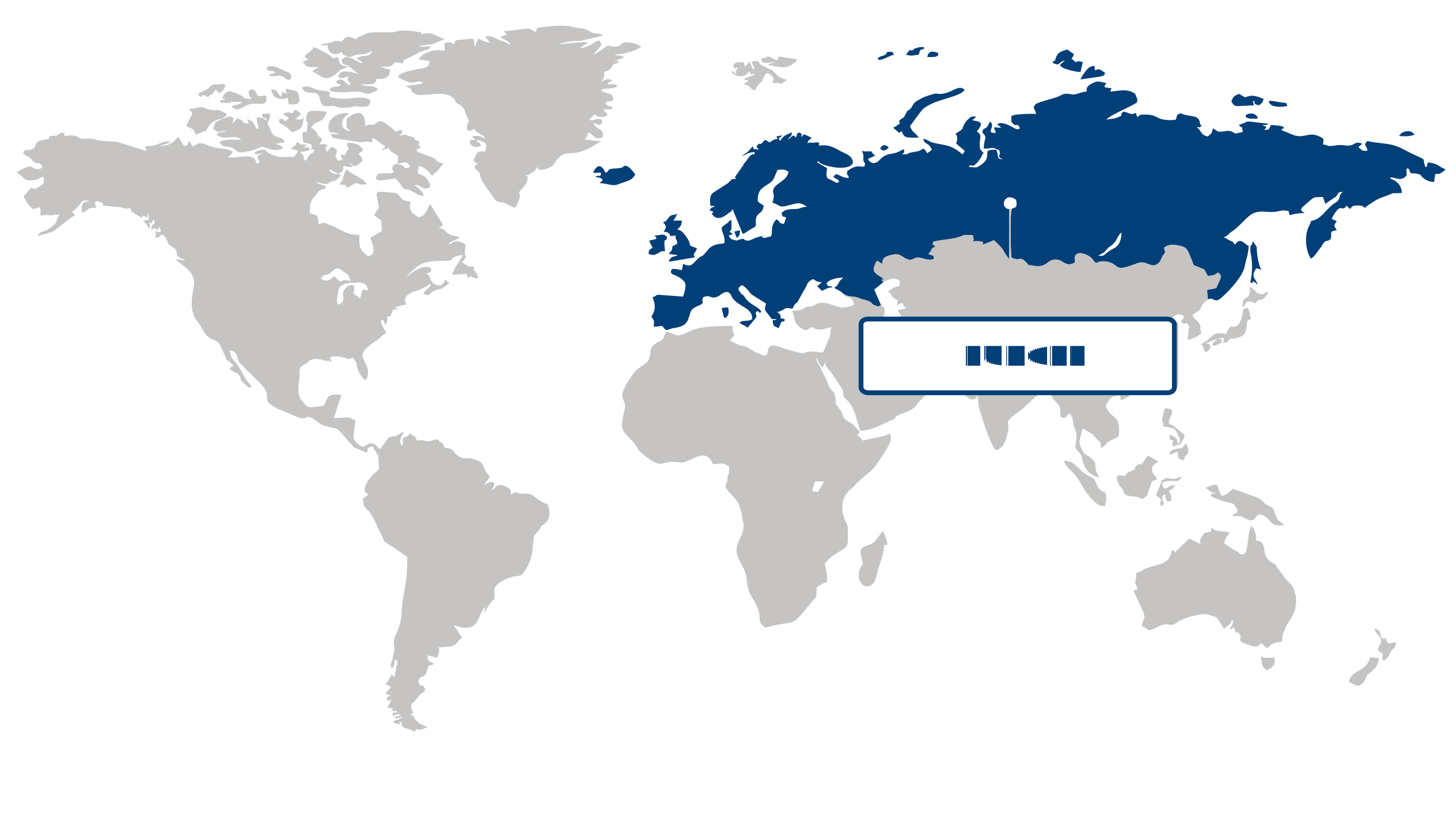
Europe (Largest Region)
Europe accounted for a 37.8% share of the road speed limiter market in 2026, propelled by established road safety regulations, strong emphasis on vehicle safety, and increasing efforts to improve traffic management and reduce road-related risks. The region has a well-developed commercial transportation sector, creating sustained demand for technologies that help operators maintain controlled vehicle speeds and improve fleet safety. Regulatory initiatives focused on road safety and vehicle performance are encouraging the adoption of speed management technologies across commercial vehicles and transportation fleets. In addition, increasing attention to fuel efficiency and operating costs is supporting the use of speed-limiting systems as fleet operators seek to improve vehicle performance and driving efficiency. The growing integration of electronic vehicle control technologies is further supporting the deployment of advanced speed-limiting solutions. While differences in national regulations and fleet modernization cycles may influence adoption, Europe's established regulatory environment and focus on safer transportation systems are expected to sustain its strong market position.
Asia Pacific (Fastest-Growing Region)
Asia Pacific is projected to experience the fastest growth in the road speed limiter market, backed by expanding commercial vehicle fleets, rapid urbanization, and increasing government focus on road safety. Growing freight transportation activity and the development of logistics networks are creating greater demand for technologies that can support controlled vehicle operation and improve fleet safety. Governments and transportation authorities across the region are increasingly emphasizing measures aimed at reducing traffic accidents and improving compliance with vehicle safety requirements, creating favorable conditions for speed limiter adoption. The expansion of e-commerce and organized logistics is also increasing the need for efficient fleet management solutions, particularly as commercial transportation activity expands across emerging economies. In addition, increasing vehicle electrification and the adoption of electronic control systems are creating opportunities for more integrated speed management technologies. Despite variations in regulatory frameworks, infrastructure development, and technology penetration across countries, rising transportation activity and stronger road safety initiatives are expected to support rapid market expansion throughout Asia Pacific.
| Parameter | North America | Asia Pacific | Europe | Latin America | MEA |
|---|---|---|---|---|---|
| Innovation HubiScaleNascentDeveloping Advanced | |||||
| Cost-Sensitive RegioniScaleLowMedium High | |||||
| Regulatory EnvironmentiScaleRestrictiveNeutral Supportive | |||||
| Demand DriversiScaleWeakModerate Strong | |||||
| Development StageiScaleEmergingDeveloping Developed | |||||
| Adoption RateiScaleLowMedium High | |||||
| New Entrants / StartupsiScaleSparseModerate Dense | |||||
| Macro IndicatorsiScaleWeakStable Strong |
Key Country Insights
United States 🇺🇸
Fleet Safety ControlsThe U.S. market is focused on speed-limiting technologies for commercial fleets, including trucks, buses, and delivery vehicles. Fleet operators prioritize configurable speed controls, driver-safety management, telematics integration, and regulatory compliance, particularly where reducing excessive-speed events can support safer operations and more controlled vehicle performance.
Germany 🇩🇪
Commercial Vehicle ComplianceGermany is applying road speed limiter technologies across freight, logistics, and commercial vehicle operations, with strong emphasis on compliance and controlled fleet performance. Operators value integrated electronic speed management, dependable calibration, and connectivity with fleet telematics to monitor vehicle behavior and support operational safety programs.
Japan 🇯🇵
Controlled Fleet MobilityJapan's road speed limiter market is closely associated with commercial vehicles, buses, and logistics fleets where controlled driving behavior supports operational safety. Demand centers on reliable electronic speed management, integration with vehicle systems, and fleet-level monitoring suited to dense road environments and professional drivers.
South Korea 🇰🇷
Fleet Safety IntegrationSouth Korea is incorporating speed-limiting systems into commercial transport and fleet-management programs, particularly for trucks, buses, and delivery vehicles. Market priorities include electronic control reliability, integration with telematics and driver-monitoring systems, and practical tools for managing vehicle speeds across professional transportation operations.
France 🇫🇷
Transport Safety ManagementFrance is applying road speed limiter technologies within commercial fleets to support safer vehicle operation and consistent compliance with applicable transport requirements. Fleet managers emphasize reliable electronic controls, telematics connectivity, and monitoring capabilities that help manage driver behavior while maintaining efficient freight and passenger transport operations.
Italy 🇮🇹
Fleet Speed ManagementItaly is using road speed limiter solutions across freight, passenger transport, and commercial vehicle fleets, with attention to safety and operating-cost control. Buyers favor systems that integrate with vehicle electronics and fleet-management platforms, enabling controlled vehicle speeds alongside broader monitoring of driver and vehicle performance.
Road Speed Limiter Market Share (%), by Vehicle, 2026
Go beyond the chart, access full insights & data tables
Request Free Sample ReportVehicle Segment Analysis: Passenger Cars (Largest & Fastest-Growing Segment)
Passenger cars accounted for a 2026 market share of 56.65% of the road speed limiter market, reflecting the strong relevance of speed-limiting technologies across personal transportation. The adoption of road speed limiters in passenger cars is supported by increasing emphasis on road safety, responsible driving behavior, and compliance with evolving vehicle safety requirements. These systems can help regulate vehicle speeds and reduce the risks associated with excessive or unsafe driving, making them increasingly relevant in modern passenger vehicles. Growing integration of electronic control systems and advanced vehicle safety technologies is also creating a favorable environment for the adoption of speed-limiting solutions in this vehicle category. In addition, the expanding focus on connected and intelligent vehicle technologies is encouraging manufacturers to incorporate functions that can support controlled and safer driving, strengthening the role of speed limiters in passenger cars. As vehicle safety continues to become an important consideration for consumers and manufacturers, passenger cars are expected to maintain strong demand for road speed limiter technologies and drive segment growth over the forecast period.
End Use Segment Analysis: OEM (Largest & Fastest-Growing Segment)
OEM accounted for a 2026 market share of 67.2% of the road speed limiter market, highlighting the importance of factory-installed speed-limiting systems in new vehicle production. OEM integration enables speed limiter technologies to be incorporated directly into vehicle electronic and control architectures, supporting compatibility with other safety and vehicle-management functions. This approach can also provide manufacturers with greater control over system calibration, integration, and compliance with applicable vehicle requirements. Increasing attention toward built-in safety technologies is encouraging vehicle manufacturers to incorporate speed-limiting capabilities during the production stage rather than relying solely on aftermarket installation. Furthermore, the increasing sophistication of vehicle electronics and the integration of advanced driver-assistance and electronic control systems are creating favorable conditions for factory-installed road speed limiters. As manufacturers continue to emphasize safety-oriented vehicle features and integrated electronic solutions, OEM adoption is expected to remain a key contributor to the expansion of the road speed limiter market.
Product Segment Analysis: Adjustable Speed Limiters (Largest & Fastest-Growing Segment)
Adjustable speed limiters held a 2026 market share of 53% of the road speed limiter market, reflecting their broad applicability across vehicles requiring flexible speed-control functionality. Adjustable speed limiters allow speed thresholds to be configured according to vehicle requirements, operating conditions, or applicable driving restrictions, providing greater flexibility than fixed speed-control solutions. Their adaptability makes them suitable for diverse vehicle applications where speed settings may need to vary depending on usage patterns or regulatory requirements. The growing emphasis on vehicle safety and controlled driving is supporting demand for systems that can provide configurable speed management without significantly affecting normal vehicle operation. In addition, integration with modern electronic vehicle control systems is making adjustable speed limiters easier to incorporate into broader safety and control architectures. As vehicle manufacturers and end users increasingly seek flexible technologies that can support safer driving while accommodating different operating requirements, adjustable speed limiters are positioned to remain an important growth area within the product segment.
| Segment | Sub-Segment | Largest Segment | Fastest Growing |
|---|---|---|---|
| Vehicle | Passenger Cars, Commercial Vehicles | Passenger Cars | Passenger Cars |
| End Use | OEM, Aftermarket | OEM | OEM |
| Product | Adjustable Speed Limiters, Intelligent Speed Limiters (ISL), Electronic Speed Limiters (ESL), Gps-based Speed Limiting Systems, Mechanical Speed Limiters | Adjustable Speed Limiters | Adjustable Speed Limiters |
Unlock insights tailored to your business with our bespoke market research solutions.
Click to get your customized report now.
Competitive Landscape and Market Positioning
Analyst Perspective:
Fleet compliance mandates and operational safety standards are dictating product architecture within the road speed limiter market. Modern speed restriction solutions are shifting from basic mechanical actuation toward ECU-integrated drive-by-wire designs, which offer far greater control precision and seamless electronic coordination. Commercial adoption is further accelerated by incorporating GPS positioning and geofencing capabilities, allowing operators to dynamically adapt maximum vehicle speeds based on localized zones. Because regulatory standards and inspection requirements vary significantly across geographic regions, anti-tamper security mechanisms paired with telematics integration are critical to maintaining system integrity and providing continuous compliance documentation. Vendors offering flexible, tamper-resistant solutions across heterogeneous commercial vehicle fleets gain a strong competitive advantage.
Top players in the road speed limiter market:
- Continental (Germany)
- Bosch (Germany)
- ZF Friedrichshafen (Germany)
- Aptiv (Ireland)
- BorgWarner (United States)
- Autokontrol Technologies (India)
- Pricol (India)
- Stoneridge (United States)
- Teltonika Telematics (Lithuania)
- Valeo (France)
| Company | Market Share | Company Revenue | Revenue CAGR (%) | Product Portfolio | Geographic Presence | Innovation / R&D Focus | Strategic Developments |
|---|---|---|---|---|---|---|---|
| Continental (Germany) | |||||||
| Bosch (Germany) | |||||||
| ZF Friedrichshafen (Germany) | |||||||
| Aptiv (Ireland) | |||||||
| BorgWarner (United States) | |||||||
| Autokontrol Technologies (India) | |||||||
| Pricol (India) | |||||||
| Stoneridge (United States) | |||||||
| Teltonika Telematics (Lithuania) | |||||||
| Valeo (France) |
Industry Development/News
| Company Name | Date | Key Development |
|---|---|---|
| The Shyft Group | December 2024 | The Shyft Group completed a strategic merger with Switzerland-based Aebi Schmidt Group to form a specialty vehicle manufacturer. The partnership integrates advanced speed limiter technologies into vehicle portfolios to enhance safety features and align with global regulatory compliance. |
| Land Transportation Office (LTO) | September 2024 | The Philippine government prepared to implement the Speed Limiter Act for public utility vehicles, establishing fine penalties of up to ₱50,000 for non-compliance. The regulatory framework targets applicable vehicle categories to drive adoption of speed-limiting systems among covered operators. |
| Project Argus Pte Ltd | January 2024 | Project Argus received official approval from the Singapore Traffic Police to supply speed limiters under local regulatory frameworks. The authorization enables the company to provide speed-limiting devices for commercial vehicles weighing between 3,501 kg and 12,000 kg to mitigate heavy vehicle accidents. |
Customize Your Report
Explore examples of how this report can be tailored to different research needs, including custom segments, additional topics or chapters, and related reports. Click a section of the wheel or its numbered marker to explore the available options.
Road Speed Limiter Market — Custom Segments
| Segment | Sub-Segment |
|---|---|
| Mécanisme de régulation de vitesse | Limitation mécanique, limitation électronique, limitation intelligente/adaptative |
| Connectivité | Autonome, connecté par GPS, connecté par télématique, connecté au cloud |
| Intégration de la gestion de flotte | Intégration non intégrée, Intégration de base de la gestion de flotte, Intégration avancée de la gestion de flotte |
Road Speed Limiter Market — Custom TOC
| Custom Chapter | Chapter Details |
|---|---|
| Fleet Safety Compliance Strategies |
|
| Commercial Vehicle Retrofit Economics |
|
| Telematics Integration Opportunities |
|
Need a different cut of the data?
Request Custom ResearchFrequently Asked Questions
What is the market valuation of the road speed limiter market?
How is the road speed limiter industry size expected to evolve during the forecast period?
How are road safety mandates driving adoption of speed limiter systems?
How is telematics integration changing the commercial role of road speed limiters?
Which vehicle segment dominates the road speed limiter market?
Why do OEMs lead the road speed limiter market?
Why does Europe lead the road speed limiter market?
What is driving rapid growth in Asia Pacific's road speed limiter market?
What are the prominent companies operating in the road speed limiter landscape?
Our Clients
"The team surpassed our expectations with the report depth. The actionable insights provided proved crucial in navigating market challenges."
Tata Motors
"We found the report to be very informative. The expertise and attention to market nuances significantly influenced our business direction."
DENSO Corporation
"The consumer survey findings were quite good. We now have a clearer picture of the customer churning and retention strategy."
HL Mando
Our Research Team & Methodology
Every Fundamental Business Insights report is built by a dedicated vertical research team, validated through a structured primary-and-secondary methodology, and reviewed for accuracy before it reaches you.
This report was prepared by the Automotive & Transportation Research Team at Fundamental Business Insights, a dedicated research group specializing in the global automotive, mobility, and transportation industries. Our analysts continuously monitor vehicle technology advancements, electrification trends, autonomous and connected mobility, manufacturing developments, supply chain dynamics, regulatory standards, emissions policies, aftermarket activities, and evolving consumer and commercial transportation requirements to deliver timely and reliable market intelligence. The research is developed using a structured methodology that combines primary discussions with vehicle manufacturers, component suppliers, technology providers, distributors, logistics stakeholders, and industry experts, along with company annual reports, regulatory publications, government transportation statistics, industry associations, technical standards, and other authoritative secondary sources. Market estimates are validated through multiple research techniques, including top-down and bottom-up analysis, before undergoing an internal quality review to ensure accuracy, consistency, and methodological integrity prior to publication.
Delivery
Published
Available
Support
- Market Size & Forecast
- Market Segmentation
- Regional Analysis
- Growth Drivers & Challenges
- Market Dynamics
- Competitive Landscape
- Company Profiles
- Competitive Benchmarking
- Mergers & Acquisitions
- Market Share Analysis or Key Company Strategies
- Value Chain Analysis
- Porter's Five Forces
- PESTLE Analysis
- Pricing Trends
- Supply-Demand Analysis
- Technology Landscape
- Regulatory Landscape
- Investment & Funding Landscape
- Emerging Opportunities
- Future Market Outlook