Rose Water Market Size & Growth Forecast 2027–2036, By Segments (Product, Application, Distribution), Regional Demand Trends (North America, Asia Pacific, Europe), Key Country Insights (U.S., Japan, South Korea, Germany, France, Italy), and Competitive Landscape
Jump to Content
Market Size and Growth Outlook
Rose Water Market size was around USD 557.44 million in 2026 and is slated to grow at a 7.63% CAGR from 2027 to 2036, surpassing USD 1.16 billion by 2036. The industry revenue for 2027 is calculated at USD 593.56 million.
Get more details on this report
Request Free Sample ReportRose Water Market Intelligence Snapshot
Regional Market Dynamics
- Europe accounted for 44.1% of the market in 2026, driven by demand for botanical skincare, premium personal care products, natural ingredients, and plant-based wellness formulations across established beauty markets.
- Asia Pacific is the fastest-growing region, supported by cultural familiarity with rose-based products, expanding beauty industries, rising disposable incomes, and broader retail and e-commerce access to botanical skincare and wellness products.
Segment Momentum
- Rosa gallica holds a 51.3% market share in 2026, driven by its established use in botanical preparations, fragrances, and personal care formulations. Its characteristic floral aroma and suitability for skincare products support broad commercial demand.
- Personal care and cosmetics accounts for 47.7% of the market in 2026 and is the fastest-growing application segment. Demand for botanical skincare, facial mists, and floral formulations encourages brands to incorporate rose water into products across different price categories.
Market Expansion Drivers
- Growing popularity in cosmetic and personal care products.
- Expansion into food and beverage applications.
- Organic and natural product regulations driving adoption.
Leading Market Participants
- Top players in the rose water market include Dabur (India), Hamdard (India), Kashmiri Roses (India), Saipro Biotech (India), Aramacs (India), Zofla Natural (India), Al-Teeba (Saudi Arabia), Gulab Singh Johrimal (India), Biotique (India), Vaadi Herbals (India).
Global Market Forecast Snapshot
Market Outlook
- 2026 Market Size: USD 557.44 million
- 2027 Estimated Market Size: USD 593.56 million
- Projected Market Size: USD 1.16 billion by 2036
- Growth Forecast: 7.63% CAGR (2027-2036)
Regional and Segment Outlook
- Leading Regional Market: Europe
- High-Growth Regional Hub: Asia Pacific
- Core Revenue Segment: Product (Rosa Gallica) | Application (Personal Care & Cosmetics) | Distribution (Indirect Sales)
- Emerging Opportunity Segment: Product (Rosa Gallica) | Application (Personal Care & Cosmetics) | Distribution (Indirect Sales)
Market Growth Drivers and Industry Trends
Growing popularity in cosmetic and personal care products
Growing consumer interest in natural and botanical ingredients is increasing the use of rose water across skincare, haircare, and personal care formulations. Its perceived soothing, refreshing, and hydrating properties are supporting incorporation into facial products, toners, cleansers, and other beauty applications, while broader preference for plant-derived ingredients is strengthening demand for rose water as a multifunctional personal care component.
Expansion into food and beverage applications
The expanding use of rose water in food and beverage applications is creating additional demand across culinary, bakery, confectionery, and beverage formulations. Its distinctive floral aroma and flavor make it suitable for traditional and contemporary recipes, while growing consumer interest in botanical and culturally inspired ingredients is encouraging food manufacturers and beverage producers to explore rose water as a flavoring and functional ingredient.
Organic and natural product regulations driving adoption
Increasing regulatory attention toward organic and natural product labeling is encouraging manufacturers to adopt clearly sourced botanical ingredients and strengthen transparency across product formulations. As consumers increasingly seek products perceived as cleaner and more naturally derived, compliance with evolving standards and certification requirements is supporting the use of naturally sourced rose water in cosmetic, personal care, food, and beverage products.
| Growth Driver | Impact on CAGR | Regulatory Influence | Geographic Relevance | Adoption Rate | Impact Timeline |
|---|---|---|---|---|---|
| Growing popularity in cosmetic and personal care products | 3% | Short term (≤ 2 yrs) | Asia Pacific; Europe | Low | Fast |
| Expansion into food and beverage applications | 2.5% | Medium term (2–5 yrs) | North America; Asia Pacific | Medium | Moderate |
| Organic and natural product regulations driving adoption | 2% | Long term (5+ yrs) | Europe; North America | High | Slow |
Explore Growth Opportunities
Request Free Sample ReportRegional Demand Dynamics
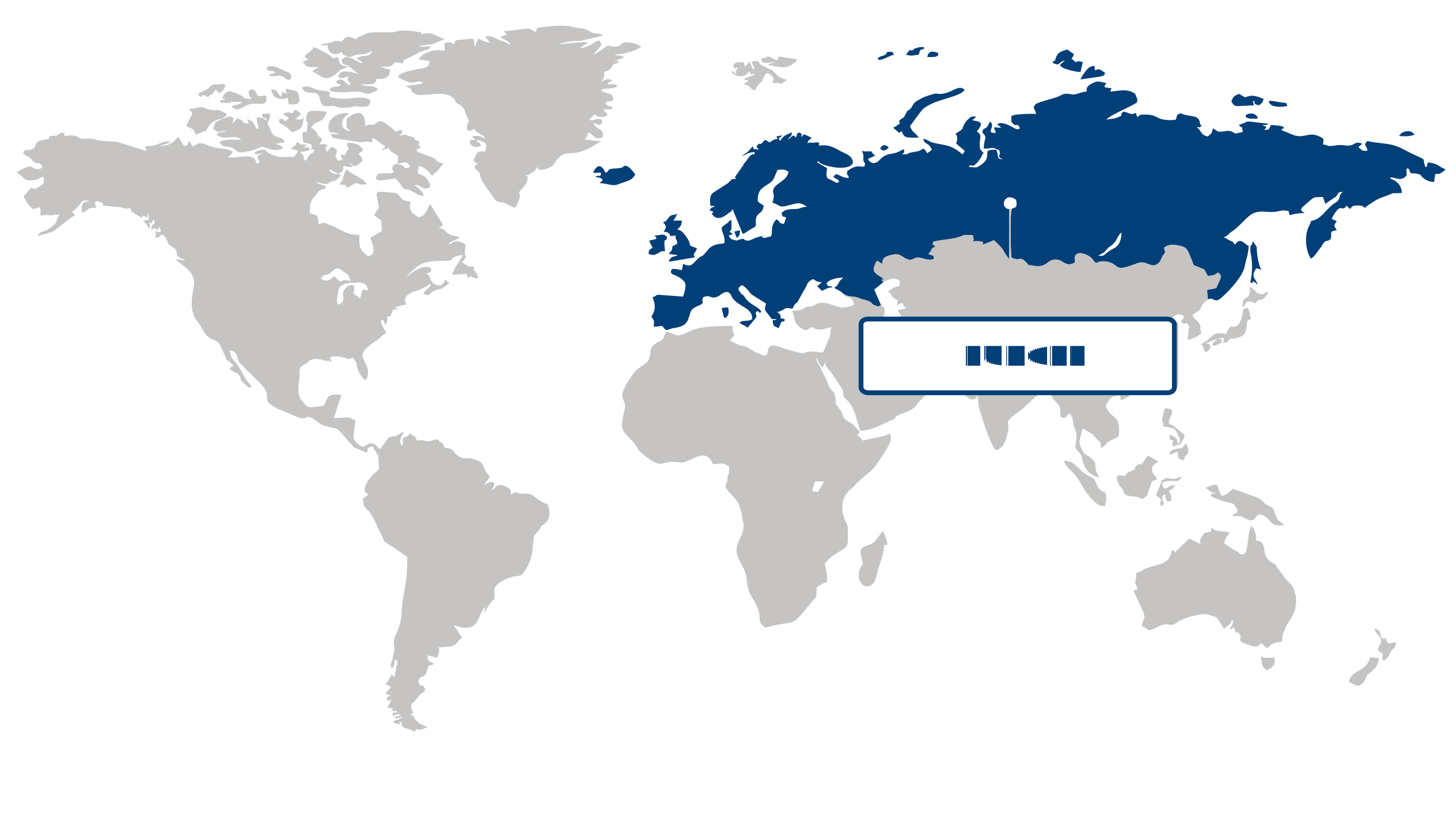
Europe (Largest Region)
Europe accounted for the largest share of the rose water market in 2026 with a 44.1% share, backed by strong consumer interest in natural ingredients, premium personal care products, and botanical-based wellness solutions. Rose water is increasingly used across skincare, cosmetics, aromatherapy, food, and personal wellness applications due to its perceived soothing and refreshing properties. The region's established beauty and personal care industry is supporting demand for plant-based and naturally derived ingredients as consumers increasingly seek products positioned around clean-label and botanical formulations. Growing interest in traditional botanical remedies and premium natural products is also creating opportunities for rose water across food and wellness applications. In addition, rising awareness of ingredient transparency and sustainable sourcing is encouraging manufacturers to incorporate naturally derived ingredients into personal care and lifestyle products, supporting continued market development.
Asia Pacific (Fastest-Growing Region)
Asia Pacific is expected to experience the fastest growth in the rose water market, driven by strong cultural familiarity with rose-based products, expanding beauty and personal care industries, and increasing consumer interest in natural wellness ingredients. Rose water has longstanding applications across skincare, haircare, traditional wellness practices, food, and beverages in several countries throughout the region. Rising disposable incomes and growing awareness of premium personal care products are encouraging consumers to explore botanical and naturally derived formulations. The expansion of modern retail, e-commerce, and beauty-focused consumer markets is also improving the accessibility of rose water products across urban and emerging markets. Furthermore, growing interest in traditional ingredients combined with modern cosmetic and wellness formulations is creating new applications for rose water, while increasing investments in natural and plant-based product development are supporting regional market growth.
| Parameter | North America | Asia Pacific | Europe | Latin America | MEA |
|---|---|---|---|---|---|
| Innovation HubiScaleNascentDeveloping Advanced | |||||
| Cost-Sensitive RegioniScaleLowMedium High | |||||
| Regulatory EnvironmentiScaleRestrictiveNeutral Supportive | |||||
| Demand DriversiScaleWeakModerate Strong | |||||
| Development StageiScaleEmergingDeveloping Developed | |||||
| Adoption RateiScaleLowMedium High | |||||
| New Entrants / StartupsiScaleSparseModerate Dense | |||||
| Macro IndicatorsiScaleWeakStable Strong |
Key Country Insights
United States 🇺🇸
Premium Natural BeautyThe U.S. rose water market is shaped by demand for natural, multifunctional products across skincare, personal care, and wellness applications. Brands prioritize clean formulations, ingredient transparency, and premium positioning, while product differentiation increasingly relies on purity claims, botanical sourcing, and versatile usage.
Germany 🇩🇪
Natural Formulation StandardsGermany emphasizes product quality and ingredient credibility in the rose water market. Demand is supported by natural and plant-based beauty products, with suppliers focusing on traceable sourcing, formulation purity, and packaging approaches aligned with environmentally conscious consumer preferences.
Japan 🇯🇵
Refined Skincare ApplicationsJapan's rose water market is closely linked to sophisticated skincare routines and demand for gentle, sensorial formulations. Product developers prioritize purity, skin compatibility, and consistent quality, using rose water in facial mists, toners, and other products designed for convenient daily skincare use.
South Korea 🇰🇷
Beauty Product InnovationSouth Korea provides a dynamic environment for rose water applications in skincare and beauty formulations. The market favors products with appealing sensory characteristics and multifunctional benefits, encouraging brands to incorporate botanical ingredients into innovative formats that fit rapidly evolving beauty routines.
France 🇫🇷
Botanical Beauty HeritageFrance's established fragrance and beauty industries support demand for rose water in premium cosmetics and personal care. Suppliers emphasize ingredient quality and sensory appeal, while brands use floral botanical ingredients to strengthen product differentiation across skincare, fragrance-adjacent, and wellness-oriented formulations.
Italy 🇮🇹
Premium Personal CareItaly's rose water market benefits from demand for natural ingredients in cosmetics and personal care products. Commercial priorities center on premium formulation quality, botanical positioning, and sensory appeal, with rose water serving both standalone beauty products and broader skincare formulations.
Rose Water Market Share (%), by Product, 2026
Go beyond the chart, access full insights & data tables
Request Free Sample ReportProduct Segment Analysis: Rosa Gallica (Largest & Fastest-Growing Segment)
In 2026, the rosa gallica segment accounted for the largest market share of 51.3% in the rose water market, supported by its established use in botanical preparations, fragrance applications, and personal care formulations. Rose water derived from this variety is valued for its characteristic floral aroma and suitability for products that emphasize natural ingredients and traditional botanical properties. Its relevance across skincare, cosmetic preparations, and aromatic products enables manufacturers to serve consumers seeking plant-derived ingredients for everyday personal care routines, securing a dominant market share. Product quality, fragrance consistency, extraction methods, and the preservation of desirable botanical characteristics remain important factors influencing its commercial appeal. Rosa gallica is also the fastest-growing product segment as consumer interest in botanical ingredients and naturally positioned personal care products encourages manufacturers to expand their rose-based offerings, steadily increasing its 2026 market share. Growing demand for floral formulations, ingredient transparency, and products inspired by traditional beauty practices creates opportunities for rose water across premium and mainstream categories. Producers can strengthen product differentiation through careful sourcing, consistent processing, and formulations suited to different consumer preferences. However, growth depends on the availability and quality of rose raw materials, seasonal cultivation conditions, production costs, and the ability to maintain consistent fragrance and purity. Manufacturers must also distinguish cosmetic-grade rose water from products intended for culinary or other uses through appropriate processing, quality controls, and labeling. Continued interest in botanical skincare and floral-based formulations is expected to support the market share position of rosa gallica in the rose water market throughout 2026.
Application Segment Analysis: Personal Care & Cosmetics (Largest & Fastest-Growing Segment)
The personal care & cosmetics application accounted for the largest market share of 47.7% in the rose water market in 2026, driven by its use in facial toners, moisturizers, cleansing products, facial mists, and other skincare and beauty formulations. Rose water is valued for its light floral fragrance, refreshing sensory properties, and compatibility with a variety of cosmetic formulations. It is frequently incorporated into products positioned around hydration, soothing skincare routines, and botanical ingredient preferences, although its effects depend on the overall formulation and should not be assumed to provide identical benefits across products. The ingredient also enables brands to develop products that harmonize traditional beauty practices with contemporary cosmetic formats. Personal care & cosmetics is also the fastest-growing application as consumers increasingly explore plant-derived ingredients, multifunctional skincare products, and formulations emphasizing gentler daily routines, expanding its market share in 2026. Demand is supported by the expansion of facial mists, natural-positioned cosmetics, and premium skincare products that use floral ingredients to enhance both product functionality and sensory appeal. Rose water's versatility allows manufacturers to incorporate it into products across different price points and consumer categories. However, market expansion depends on ingredient quality, formulation stability, preservation requirements, and the ability to substantiate product claims. Manufacturers must also address consumer sensitivities, maintain consistent fragrance profiles, and ensure that product formulations meet applicable cosmetic safety requirements. Continued innovation in botanical skincare and convenient personal care formats is expected to strengthen market share demand for rose water in the personal care & cosmetics application.
Distribution Segment Analysis: Indirect Sales (Largest & Fastest-Growing Segment)
The indirect sales segment represents the largest distribution channel in the rose water market, maintaining a substantial market share in 2026 supported by the extensive reach of wholesalers, distributors, retailers, pharmacies, beauty stores, and other intermediaries that connect manufacturers with end users. These channels enable rose water producers to access a broader customer base without having to establish and manage direct sales operations across every market. Retail intermediaries also help consumers compare product formats, brands, price points, and intended uses, making indirect distribution particularly relevant for products sold across personal care, cosmetics, and selected food-related categories. Established distributor relationships can facilitate inventory management, regional market penetration, and product availability across both urban and smaller retail markets. Indirect sales is also the fastest-growing distribution channel, capturing an expanding 2026 market share as rose water products gain visibility through expanding retail networks, beauty specialty stores, supermarkets, pharmacies, and online marketplaces operated by third-party sellers. These channels allow manufacturers to increase market reach and respond to varied consumer purchasing preferences while leveraging existing retail infrastructure. E-commerce intermediaries can further improve product discoverability through customer reviews, product comparisons, and convenient delivery options. However, performance depends on distributor margins, shelf visibility, inventory availability, product authenticity, and the consistency of retail execution. Competition for placement and the risk of inconsistent product presentation can also affect brand performance across intermediary networks. Manufacturers that combine effective distributor partnerships with reliable supply, clear product positioning, and quality assurance are better positioned to capitalize on the market share expansion of indirect sales in 2026.
| Segment | Sub-Segment | Largest Segment | Fastest Growing |
|---|---|---|---|
| Product | Rosa Gallica, Rosa Damascene, Rosa Centifolia | Rosa Gallica | Rosa Gallica |
| Application | Personal Care & Cosmetics, Medicinal Use, Food & Personal Care & Cosmetics, Others | Personal Care & Cosmetics | Personal Care & Cosmetics |
| Distribution | Indirect Sales, Direct Sales | Indirect Sales | Indirect Sales |
Unlock insights tailored to your business with our bespoke market research solutions.
Click to get your customized report now.
Competitive Landscape and Market Positioning
Analyst Perspective:
Competition in the rose water market is closely linked to product authenticity, consistent quality, and the ability to meet distinct requirements across culinary and personal care applications. Steam distillation practices, purity grades, and batch consistency influence aroma and suitability for different uses, making transparent processing standards important for building buyer confidence. Traceable sourcing and credible organic certifications can further differentiate products, particularly where consumers value natural ingredients and responsible production. However, sourcing claims require verifiable documentation to maintain credibility. Packaging also plays a practical role in preserving aroma, cleanliness, and shelf life throughout distribution. Producers that combine dependable quality controls with application-specific formulations, clear labeling, and suitable packaging can strengthen their position across diverse customer segments.
Prominent players in the rose water market:
- Dabur (India)
- Hamdard (India)
- Kashmiri Roses (India)
- Saipro Biotech (India)
- Aramacs (India)
- Zofla Natural (India)
- Al-Teeba (Saudi Arabia)
- Gulab Singh Johrimal (India)
- Biotique (India)
- Vaadi Herbals (India)
| Company | Market Share | Company Revenue | Revenue CAGR (%) | Product Portfolio | Geographic Presence | Innovation / R&D Focus | Strategic Developments |
|---|---|---|---|---|---|---|---|
| Dabur (India) | |||||||
| Hamdard (India) | |||||||
| Kashmiri Roses (India) | |||||||
| Saipro Biotech (India) | |||||||
| Aramacs (India) | |||||||
| Zofla Natural (India) | |||||||
| Al-Teeba (Saudi Arabia) | |||||||
| Gulab Singh Johrimal (India) | |||||||
| Biotique (India) | |||||||
| Vaadi Herbals (India) |
Industry Development/News
| Company Name | Date | Key Development |
|---|---|---|
| AL JABAL AL AKHDHAR | April 2026 | AL JABAL AL AKHDHAR reached 65% completion on its value-added rose project in Oman, expanding native rose cultivation by five acres. The initiative aims to enhance regional processing infrastructure, increase economic returns for approximately 120 local farmers, and scale commercial production of rose water and essential oil derivatives across regional and export markets. |
| Taif Rose Industry | December 2024 | Taif Rose Industry generated over SAR64 million in total sector investments, supported by an ecosystem of 910 farms and 70 processing facilities. The regional commercial infrastructure drives large-scale distillation and extraction, producing regular and concentrated rose water along with rose oil to supply growing domestic and international demand. |
Customize Your Report
Explore examples of how this report can be tailored to different research needs, including custom segments, additional topics or chapters, and related reports. Click a section of the wheel or its numbered marker to explore the available options.
Rose Water Market — Custom Segments
| Segment | Sub-Segment |
|---|---|
| Formulation Type | Liquid Rose Water, Concentrated Rose Water, Rose Water Sprays |
| Organic Certification | Certified Organic, Conventionally Produced |
| Packaging Format | Bottles, Spray Bottles, Jars & Containers, Bulk Containers |
Rose Water Market — Custom TOC
| Custom Chapter | Chapter Details |
|---|---|
| Botanical Sourcing & Supply Resilience |
|
| Clean-Label Consumer Positioning |
|
| Fragrance and Flavor Application Opportunities |
|
Need a different cut of the data?
Request Custom ResearchFrequently Asked Questions
How big is the rose water market?
What is the forecasted size of the rose water industry?
How is demand for natural ingredients expanding commercial applications for rose water?
How are natural and organic product requirements influencing rose water adoption?
Why does Rosa gallica lead the rose water market?
How is personal care and cosmetics driving rose water market growth?
Why does Europe hold the largest share of the rose water market?
How is Asia Pacific accelerating growth in the rose water market?
Which organizations are considered leaders in the rose water landscape?
Our Clients
"The report provided us with a clear direction, and the level of detail was beyond what we expected. I would definitely recommend their services to others."
Haier Appliances
"The collaboration with Fundamental Business Insights has added significant value to our decision-making process, and we look forward to continuing this partnership for our future market research requirements."
Luxottica Group S.p.A.
"The team at FBI delivered an exceptional research report. The insights on industry innovations were particularly impressive and added a lot of value to the overall report."
Nike
Our Research Team & Methodology
Every Fundamental Business Insights report is built by a dedicated vertical research team, validated through a structured primary-and-secondary methodology, and reviewed for accuracy before it reaches you.
This report was prepared by the Consumer Goods & Services Research Team at Fundamental Business Insights, a dedicated research group specializing in global consumer markets, retail industries, and service-oriented businesses. The team closely tracks evolving consumer preferences, purchasing behavior, product innovation, brand strategies, retail and e-commerce developments, pricing trends, distribution channels, sustainability initiatives, demographic shifts, and changing lifestyle patterns to deliver timely and reliable market intelligence. The research is developed using a structured methodology that combines primary discussions with manufacturers, brand owners, retailers, distributors, service providers, industry experts, and other key stakeholders, along with company annual reports, government consumer statistics, regulatory publications, industry associations, retail market data, trade publications, and other authoritative secondary sources. Market estimates are validated through multiple research techniques, including top-down and bottom-up analysis, before undergoing an internal quality review to ensure accuracy, consistency, and methodological integrity prior to publication.
Delivery
Published
Available
Support
- Market Size & Forecast
- Market Segmentation
- Regional Analysis
- Growth Drivers & Challenges
- Market Dynamics
- Competitive Landscape
- Company Profiles
- Competitive Benchmarking
- Mergers & Acquisitions
- Market Share Analysis or Key Company Strategies
- Value Chain Analysis
- Porter's Five Forces
- PESTLE Analysis
- Pricing Trends
- Supply-Demand Analysis
- Technology Landscape
- Regulatory Landscape
- Investment & Funding Landscape
- Emerging Opportunities
- Future Market Outlook