Security Ink Market Size & Forecasts 2026-2035, By Segments (Printing Method, Applications, Types), Growth Opportunities, Innovation Landscape, Regulatory Shifts, Strategic Regional Insights (U.S., Japan, China, South Korea, UK, Germany, France), and Competitive Dynamics (Heraeus, SICPA, Sun Chemical, Markem-Imaje, InkTec)
Jump to Content
Market Size and Growth Outlook
Security Ink Market size is predicted to expand from USD 3.6 billion in 2025 to USD 5.48 billion by 2035, with growth underpinned by a CAGR above 4.3% between 2026 and 2035. The industry revenue outlook for 2026 is USD 3.74 billion.
Get more details on this report
Request Free Sample ReportSecurity Ink Market Intelligence Snapshot
Regional Market Dynamics
Segment Momentum
Market Expansion Drivers
Leading Market Participants
Global Market Forecast Snapshot
Market Outlook
Regional and Segment Outlook
Market Growth Drivers and Industry Trends
The escalating prevalence of counterfeit goods in global trade has forefronted the need for sophisticated anti-counterfeit solutions, significantly influencing the security ink market. Organizations such as the World Customs Organization emphasize growing losses due to illicit trade, driving brands to embed covert security features using advanced inks. This shift reflects changing consumer expectations for authenticity and trust in product provenance, especially in luxury goods and pharmaceuticals. Companies like SICPA have leveraged these trends by integrating security inks with digital verification systems, enhancing product traceability. Both established players and emerging entrants can capitalize by developing customizable, multi-layered inks that deter sophisticated forgery attempts. With continued international focus on intellectual property protection, this driver will sustain demand for innovation in security ink formulations tailored to diverse industries.
Tighter Security and Regulatory Standards for Sensitive Documents
Heightened government regulations surrounding official documents such as passports, certificates, and currency are propelling growth in the security ink market. Agencies like the U.S. Department of State and the European Union’s Digital COVID Certificate rely on advanced ink technologies to meet stringent anti-fraud mandates, incorporating features like UV fluorescence and thermochromic properties. These regulatory pressures reflect broader policy shifts to reinforce border security and public trust in digital and physical identity verification processes. For market participants, compliance-oriented innovations offer lucrative paths for differentiation and partnership with public-sector clients. The ongoing adoption of secure documentation standards worldwide suggests persistent expansion in demand for inks meeting evolving security benchmarks.
Technological Innovation Driving Security Ink Capabilities
Breakthroughs in ink chemistry and printing methods are transforming the security ink market by enabling increasingly sophisticated authentication features. The integration of nanotechnology, as demonstrated by researchers at institutions like the Fraunhofer Institute, has yielded inks with dynamic optical effects and enhanced resistance to tampering. This evolution aligns with the digital transformation of security measures, where physical inks interface seamlessly with digital validation technologies. Innovators can harness these advancements to offer multifunctional products that address emerging counterfeit techniques and sustainability concerns, such as eco-friendly formulations. As technology adoption accelerates across industries, agility in R&D will dictate competitive advantage, underscoring the importance of continuous innovation in security ink offerings.
Industry Restraints:
Stringent Regulatory Frameworks and Compliance Complexities
The security ink market faces substantial operational constraints due to evolving regulatory demands surrounding chemical composition, safety, and environmental impact. Regulatory bodies like the U.S. Environmental Protection Agency (EPA) and the European Chemicals Agency (ECHA) enforce strict guidelines limiting hazardous substances and volatile organic compounds (VOCs) in security inks. These constraints elevate R&D costs and prolong product development cycles, as manufacturers must innovate within narrow parameters to meet compliance without compromising ink performance. Larger firms with established compliance infrastructures may better absorb these burdens, while emerging players encounter steep entry barriers. As government scrutiny intensifies globally, market players must proactively align with dynamic regulations to avoid costly penalties and supply disruptions, ensuring long-term viability amid tightening chemical governance.
Raw Material Supply Volatility
Fluctuations in the availability and pricing of specialty raw materials crucial for security ink production, such as rare pigments and UV-sensitive compounds, restrict market scalability. Supply interruptions stemming from geopolitical tensions, trade tariffs, and environmental regulations in key producing regions—illustrated by supply chain impacts cited in recent reports from the Chemical Industry Association (CIA)—increase operational unpredictability. This volatility challenges manufacturers’ cost control and timely delivery, adversely affecting contract fulfillment and customer trust. Both incumbent producers and new entrants face amplified risks, prompting strategic diversification of supply sources and investment in alternative formulations. Given continuing global trade uncertainties and resource constraints, supply risk mitigation will remain a central strategic focus shaping the competitive landscape of the security ink market.
| Growth Driver | Impact on CAGR | Regulatory Influence | Geographic Relevance | Adoption Rate | Impact Timeline |
|---|---|---|---|---|---|
| Anti-counterfeit and brand protection demand | 1.50% | Short term (≤ 2 yrs) | Europe, North America | Medium | Fast |
| Security and regulatory requirements for sensitive documents | 1.80% | Medium term (2–5 yrs) | North America, Europe | High | Moderate |
| Technological advancements in security inks | 1.00% | Long term (5+ yrs) | Asia Pacific, Europe | Low | Slow |
Explore Growth Opportunities
Request Free Sample ReportRegional Demand Dynamics
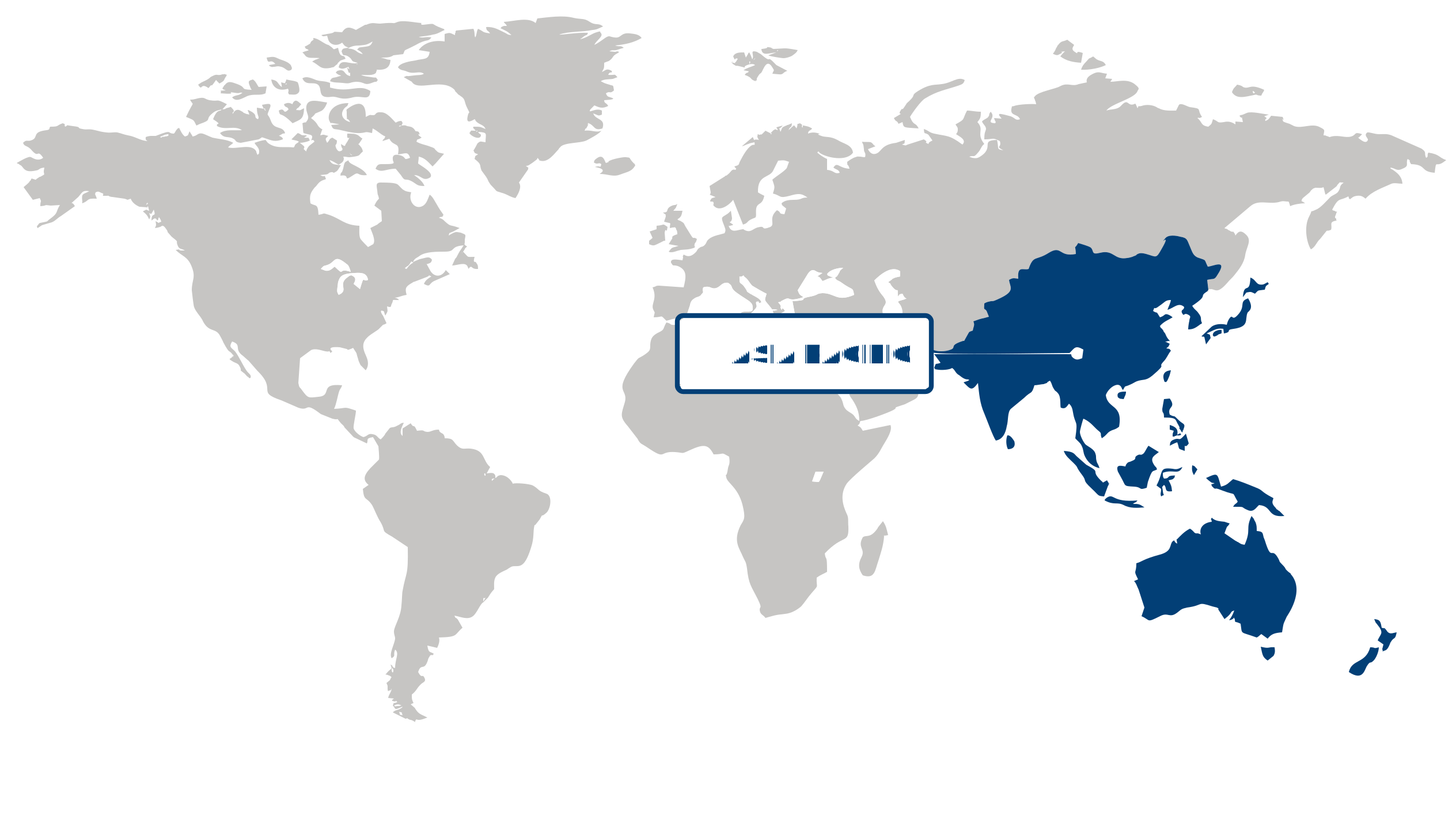
Asia Pacific dominated the security ink market in 2025, capturing more than 48% of the global share and emerging as the fastest-growing region with a 5.1% CAGR. The region's leadership is primarily driven by rapid industrialization and robust manufacturing sectors, notably automotive and electronics, which demand secure labeling and anti-counterfeiting measures. Furthermore, the increasing use of engineering plastics in these industries necessitates specialized security inks to protect intellectual property and ensure product authenticity. For instance, Japan’s Ministry of Economy, Trade and Industry (METI) has actively promoted advanced manufacturing standards incorporating secure materials, bolstering demand. With ongoing investments in technology and a dynamic supply chain ecosystem, Asia Pacific offers substantial prospects for innovation and expansion in the security ink market.
Japan is positioned as a pivotal hub in Asia Pacific’s security ink market, leveraging its advanced automotive and electronics industries to drive demand. Regulatory measures by the Japan Patent Office (JPO) to safeguard product authenticity have led companies like Seiko Epson Corporation to develop proprietary security ink technologies tailored for high-value manufacturing sectors. This regulatory rigor, coupled with consumer preference for genuine and tamper-proof goods, strengthens Japan’s competitive edge. Consequently, Japan’s focus on quality assurance and technological sophistication reinforces regional market momentum and creates a strategic gateway for security ink innovations across Asia Pacific.
China plays a crucial role in Asia Pacific’s security ink market, propelled by its massive industrial base and expanding electronic manufacturing capabilities. The State Administration for Market Regulation (SAMR) has implemented stricter anti-counterfeiting laws, compelling domestic manufacturers to integrate security inks into packaging and products widely. Leading firms such as Shenzhen Lanmin Technology have capitalized on these policies, enhancing their printing solutions with advanced security features. China's vast consumer market with increasing awareness around counterfeit risks further stimulates demand, positioning the country as a cornerstone in the region’s ongoing growth and reinforcing Asia Pacific’s status as the global security ink market leader.
Europe Market Analysis:
Europe held a substantial share in the security ink market, driven by the region’s stringent regulatory frameworks and advanced industrial base. The growing emphasis on anti-counterfeiting measures across sectors such as pharmaceuticals, banking, and government documents has propelled demand for sophisticated security inks. Europe’s commitment to sustainability and innovative technology adoption, exemplified by initiatives from entities like the European Chemicals Agency (ECHA), further enhances the region's market dynamics. Additionally, favorable policy shifts promoting digital transformation and secure transaction ecosystems have reinforced market resilience amidst evolving counterfeit threats. These factors collectively position Europe as a critical hub for security ink advancements, presenting sustained opportunities for product differentiation and regulatory-compliant innovations.
Germany plays a pivotal role within Europe’s security ink market by leveraging its robust manufacturing capabilities and regulatory rigor. Consumer preference for high-assurance documents and packaging has driven widespread adoption of cutting-edge security ink solutions, supported by proactive interventions from the Federal Ministry of the Interior. Companies like Giesecke+Devrient have underscored Germany’s competitive edge by integrating advanced anti-counterfeit technologies into national ID cards and currency. This strategic focus on blending technology with compliance amplifies Germany’s influence in reinforcing Europe’s leadership in secure printing solutions. The country’s market maturity further encourages ongoing innovation and stringent quality standards, strengthening the overall regional outlook.
France stands out by aligning its security ink market growth with intensified government efforts to curb document fraud and enhance national security. The French National Printing Office (Imprimerie Nationale) has championed the adoption of sophisticated security inks in passports and official documents, reflecting heightened public sector demand. Rising consumer awareness and corporate vigilance against counterfeiting in France reinforce premium ink consumption, supported by collaborative frameworks between industry players and regulatory bodies. This ecosystem fosters innovation in ink formulations optimized for durability and detectability, amplifying France’s contribution to Europe’s comprehensive security solution landscape. Consequently, France remains integral to sustaining and expanding Europe's market potential in secure printing and anti-counterfeiting technologies.
North America Market Trends:
North America maintained notable presence in the security ink market, driven by increasing demand for anti-counterfeiting solutions across financial, pharmaceutical, and governmental sectors. The region benefits from stringent regulatory frameworks and growing emphasis on document and product authentication, as evidenced by the U.S. Department of Homeland Security’s initiatives promoting secure identification technologies. Technological advancements by key players such as SICPA highlight operational innovation enhancing ink durability and traceability. Furthermore, rising consumer awareness about product safety, coupled with robust supply chain infrastructures and digitization in manufacturing, supports market resilience. North America’s emphasis on sustainability in manufacturing processes also fosters adoption of eco-friendly security inks, as noted by the Environmental Protection Agency’s guidelines encouraging greener chemical use. These dynamics position the region as a critical hub for evolving security ink solutions, offering considerable opportunities for companies investing in next-generation authentication technologies.
The U.S. stands as a pivotal driver in the North American security ink market, largely propelled by its extensive regulatory landscape and demand for secure currency and confidential documents. Government agencies, including the U.S. Secret Service, actively collaborate with industry leaders like DuPont to incorporate advanced security inks in currency printing and identity card production, enhancing counterfeit deterrence. Additionally, the expansion of e-commerce and pharmaceutical sectors increases the need for tamper-evident packaging, further stimulating market growth. The integration of digital tracking technologies with security inks reflects a growing trend toward smart anti-counterfeiting solutions in the U.S., as demonstrated by developments from the National Institute of Standards and Technology. These factors underscore the U.S.’s strategic role in shaping regional market expansion and innovation pathways for security ink applications.
| Parameter | North America | Asia Pacific | Europe | Latin America | MEA |
|---|---|---|---|---|---|
| Innovation HubiScaleNascentDeveloping Advanced | |||||
| Cost-Sensitive RegioniScaleLowMedium High | |||||
| Regulatory EnvironmentiScaleRestrictiveNeutral Supportive | |||||
| Demand DriversiScaleWeakModerate Strong | |||||
| Development StageiScaleEmergingDeveloping Developed | |||||
| Adoption RateiScaleLowMedium High | |||||
| New Entrants / StartupsiScaleSparseModerate Dense | |||||
| Macro IndicatorsiScaleWeakStable Strong |
Security Ink Market Share (%), by Printing Method, 2026
Go beyond the chart, access full insights & data tables
Request Free Sample ReportIntaglio held the largest share in the security ink market in 2025, driven primarily by its continued use in high-security banknotes and official documents. This segment’s leadership stems from intaglio printing’s superior capability to produce intricate, tactile features that are difficult to replicate, aligning with central banks’ stringent anti-counterfeiting standards. The preference for intaglio reflects longstanding regulatory mandates from monetary authorities such as the European Central Bank, fostering consistent demand for this printing method. Moreover, advances in intaglio plate technology and integration with digital verification systems enhance supply chain security while maintaining trust in currency authentication. This creates significant opportunities for established firms specializing in intaglio inks and presses, as well as new entrants developing complementary security features. The segment’s entrenched role in official documentation ensures its continued relevance amid evolving counterfeit threats and regulatory vigilance.
Analysis by Applications
Banknotes represented the largest share in the security ink market in 2025, fueled by the sustained demand for secure currency features and anti-counterfeiting measures worldwide. Central banks’ ongoing efforts to upgrade currency designs with advanced inks that provide overt and covert security align closely with this segment’s dominance. Customer demand patterns favor multi-layered protection methods, which banknotes heavily utilize through security inks, driving innovation in this application. Regulatory milestones regularly prompt refresh cycles in banknote issuance, as evidenced by initiatives from the Bank of England and the U.S. Federal Reserve. Consequently, this stable and critical application area offers strategic advantages for firms investing in R&D of advanced formulations, enabling them to capture long-term contracts. The segment remains integral to global financial security infrastructures, ensuring its sustained importance as governments counteract increasingly sophisticated counterfeiting attempts.
Analysis by Types
Optically variable inks held the largest share in the security ink market in 2025, propelled by their rising adoption for overt anti-counterfeit authentication features. The segment leads due to its ability to provide dynamic color-shifting effects visible to the naked eye, which enhances product verification in applications ranging from currency to consumer packaging. Growing consumer awareness and demand for easily recognizable yet hard-to-duplicate security elements underpin this trend, supported by endorsements from organizations like the International Organization for Standardization (ISO) encouraging multi-factor authentication features. Technological improvements in optically variable ink formulations now allow seamless integration with digital verification tools, amplifying their appeal amid intensifying market competition. This segment offers promising strategic opportunities for both legacy ink manufacturers and innovative startups focused on next-generation security solutions. The ongoing need for visible yet sophisticated anti-counterfeit methods will sustain the prominence of optically variable inks in the foreseeable future.
| Segment | Sub-Segment | Largest Segment | Fastest Growing |
|---|---|---|---|
| Printing Method | Intaglio, Flexographic, Letterpress, Offset, Silkscreen, Others | ||
| Applications | Tax banderoles, Banknotes, Official identity documents, Consumer packaging, Security labels, Others | ||
| Types | Fluorescent, Thermochromic, Invisible, Biometric, Optically variable, Infrared, Magnetic, Reactive, Erasable, Others |
Unlock insights tailored to your business with our bespoke market research solutions.
Click to get your customized report now.
Competitive Landscape and Market Positioning
The competitive landscape is characterized by an active pursuit of innovation and market expansion among these leading firms. Many players have intensified their efforts to advance anti-counterfeiting technologies by refining chemical compositions and incorporating novel detection methods. Integration of cutting-edge research with manufacturing scale allows companies like SICPA and Markem-Imaje to maintain leadership in high-security printing. Collaborative ventures and strategic partnerships are increasingly evident, facilitating the exchange of technical expertise and acceleration of product development cycles. Overall, these activities create a dynamic environment where continuous enhancement of security features and customization to end-user needs determine competitive positioning.
Strategic / Actionable Recommendations for Regional Players
Market participants in North America should consider strengthening alliances with technology innovators focusing on digital security inks and embedding smart features that enhance traceability. Emphasizing collaborations with packaging and pharmaceutical companies may enable access to high-value segments demanding stringent anti-counterfeit measures.
In the Asia Pacific region, leveraging advancements in nanoparticle and fluorescent ink technologies could provide a competitive edge. Building partnerships with local government bodies and security printing firms can support compliance-driven applications, facilitating broader adoption in emerging markets while fostering innovation tailored to regional regulatory standards.
European players could benefit from intensifying cooperation with research institutions to develop eco-friendly and regulatory-compliant formulations. Targeting sectors with rigorous authentication requirements, such as currency and sensitive documents, by integrating multi-layered security solutions will help maintain their traditional strength and adapt to evolving market demands.
| Company | Market Share | Company Revenue | Revenue CAGR (%) | Product Portfolio | Geographic Presence | Innovation / R&D Focus | Strategic Developments |
|---|---|---|---|---|---|---|---|
| No companies available. | |||||||
Customize Your Report
Explore examples of how this report can be tailored to different research needs, including custom segments, additional topics or chapters, and related reports. Click a section of the wheel or its numbered marker to explore the available options.
Security Ink Market — Custom Segments
| Segment | Sub-Segment |
|---|---|
| No segment data available. | |
Security Ink Market — Custom TOC
| Custom Chapter | Chapter Details |
|---|---|
| No custom TOC data available. | |
Need a different cut of the data?
Request Custom ResearchFrequently Asked Questions
What are the growth projections for the security ink industry?
Which region emerges as the top contributor to the security ink market revenue?
Which geographical area is witnessing the highest growth rate in the security ink sector?
When did intaglio sub-segment emerge as the largest sub-segment in the printing method segment of security ink sector?
Why is the banknotes segment leading in the security ink industry?
Why does optically variable sub-segment dominate the types segment of security ink sector?
Which companies are driving growth in the security ink landscape?
Our Clients
"The report helped us understand emerging consumer trends in our product category. It clarified where to focus innovation for the next product launch."
LyondellBasell
"The regional forecast section was incredibly useful. We were able to identify two new potential partners in Europe thanks to the vendor mapping you included."
SABIC
"We appreciated how actionable the recommendations were. It guided us to improve supply chain resilience."
Olin Corporation
Our Research Team & Methodology
Every Fundamental Business Insights report is built by a dedicated vertical research team, validated through a structured primary-and-secondary methodology, and reviewed for accuracy before it reaches you.
This report was prepared by the Chemicals & Materials Research Team at Fundamental Business Insights, a dedicated research group specializing in the global chemicals, advanced materials, and industrial manufacturing sectors. Our analysts continuously monitor raw material supply chains, feedstock pricing, production technologies, regulatory developments, sustainability initiatives, environmental compliance, trade dynamics, and evolving end-use applications to deliver timely and reliable market intelligence. The research is developed using a structured methodology that combines primary discussions with manufacturers, raw material suppliers, distributors, and industry experts, along with company annual reports, regulatory publications, government trade statistics, industry associations, technical literature, patent databases, and other authoritative secondary sources. Market estimates are validated through multiple research techniques, including top-down and bottom-up analysis, before undergoing an internal quality review to ensure accuracy, consistency, and methodological integrity prior to publication.
Delivery
Published
Available
Support
- Market Size & Forecast
- Market Segmentation
- Regional Analysis
- Growth Drivers & Challenges
- Market Dynamics
- Competitive Landscape
- Company Profiles
- Competitive Benchmarking
- Mergers & Acquisitions
- Market Share Analysis or Key Company Strategies
- Value Chain Analysis
- Porter's Five Forces
- PESTLE Analysis
- Pricing Trends
- Supply-Demand Analysis
- Technology Landscape
- Regulatory Landscape
- Investment & Funding Landscape
- Emerging Opportunities
- Future Market Outlook