



Security Paper Market Size & Forecasts 2026-2035, By Segments (End user, Security Feature, Application), Growth Opportunities, Innovation Landscape, Regulatory Shifts, Strategic Regional Insights (U.S., Japan, China, South Korea, UK, Germany, France), and Competitive Dynamics (Giesecke+Devrient, Portals, De La Rue, Oberthur Fiduciaire, Crane Currency)
Market Size and Growth Outlook
Security Paper Market size is forecast to climb from USD 17.18 billion in 2025 to USD 32.55 billion by 2035, expanding at a CAGR of over 6.6% during 2026-2035. Industry revenue in 2026 is projected at USD 18.17 billion.
Base Year Value (2025)
USD 17.18 Billion
CAGR (2026-2035)
6.6%
Forecast Year Value (2035)
USD 32.55 Billion

Historical Data Period
2022-2025

Largest Region
Europe

Forecast Period
2026-2035
Key Takeaways
- Europe region acquired more than 36.75% revenue share in 2025, led by high demand for anti-counterfeiting in currency and documents.
- Asia Pacific region will achieve more than 8% CAGR from 2026 to 2035, driven by rising need for secure documents in emerging markets.
- In 2025, the government & public sector segment captured a 51.5% share of the security paper market, driven by stringent regulations mandating secure documents for official use.
- The watermarks segment held a 33.6% share of the market in 2025, fueled by cost-effective and widely adopted anti-forgery features in high-volume printing.
- In 2025, the bank notes segment accounted for a 41.2% share of the security paper market, propelled by persistent need for counterfeit-resistant currency amid rising fraud risks.
- The top participants in the security paper market are Giesecke+Devrient (Germany), Portals (UK), De La Rue (UK), Oberthur Fiduciaire (France), Crane Currency (USA), Louisenthal (Germany), Security Papers (Pakistan), Fabriano Security (Italy), Goznak (Russia), Casa da Moeda (Brazil).
Market Growth Drivers and Industry Trends
Growing Counterfeiting Concerns
The escalating threat of counterfeiting is a significant growth driver in the security paper market, compelling businesses and governments to seek more robust verification methods. As counterfeit goods proliferate, consumer trust in brands diminishes, prompting companies to invest in secure documentation practices to protect their intellectual property. For instance, the World Economic Forum has reported that counterfeiting costs the global economy over $500 billion annually, underscoring the urgency for effective solutions. This environment creates strategic opportunities for established players to innovate their security offerings while allowing new entrants to develop niche solutions tailored to specific industries, such as pharmaceuticals and luxury goods. As companies increasingly prioritize authenticity, the demand for advanced security papers is set to rise, reinforcing the need for continuous innovation and adaptation in this evolving landscape.
Digital Watermarking Technologies
The advent of digital watermarking technologies is reshaping the security paper market by enhancing the traceability and authenticity of printed materials. As businesses adopt these technologies, they can embed invisible markers within security documents, making it easier to verify their legitimacy without compromising aesthetics. According to a study by the International Security Printers Association, the integration of digital watermarking has already shown promising results in reducing fraud in high-value sectors, such as financial services and government documents. This trend not only offers established players a chance to upgrade their product lines but also allows startups to enter the market with innovative solutions that address specific consumer needs. As digital transformation accelerates across industries, the demand for security papers that incorporate these technologies will likely expand, driving further investment and development.
Long-term Blockchain Integration
The long-term integration of blockchain technology into the security paper market presents a transformative opportunity for enhancing document integrity and traceability. By leveraging blockchain's decentralized ledger capabilities, organizations can create an immutable record of transactions and ownership for security documents, significantly reducing the risk of fraud. The European Union's Blockchain Observatory and Forum has highlighted various pilot projects that demonstrate the potential of blockchain in securing supply chains and verifying product authenticity. This integration not only strengthens the value proposition for traditional security paper manufacturers but also opens avenues for tech-driven startups to collaborate with established firms, creating hybrid solutions that combine physical and digital security measures. As regulatory frameworks evolve to accommodate blockchain applications, the security paper market is poised for significant advancements, fostering a more secure and transparent landscape.
Industry Restraints:
Sustainability Pressures
The increasing demand for eco-friendly products significantly restrains the security paper market. As consumers and businesses alike prioritize sustainability, manufacturers face mounting pressure to adopt environmentally responsible practices, including sourcing raw materials from sustainable forests and reducing carbon footprints in production processes. For instance, the Forest Stewardship Council (FSC) has reported a growing consumer preference for certified sustainable products, compelling companies like Crane & Co. to enhance their sustainability initiatives. This shift not only requires substantial investment in new technologies and materials but also poses challenges for companies with established production methods that are less environmentally friendly. Consequently, firms may experience operational inefficiencies as they navigate the transition to greener practices, which could slow market growth and deter potential new entrants who lack the resources to meet these evolving standards.
Digital Transformation Challenges
The rapid evolution of digital technologies presents a notable restraint in the security paper market, particularly as organizations increasingly shift towards digital solutions for document security. The rise of electronic documents and digital signatures, as noted by the International Association for Privacy Professionals (IAPP), has led to a decline in traditional paper-based security solutions. This transition poses a dual challenge: established paper manufacturers must innovate to integrate digital security features, while new entrants may struggle to compete with established digital solutions that offer cost-effective and scalable alternatives. Additionally, the need for investment in research and development to create hybrid products that combine paper and digital technologies can strain resources and divert focus from core competencies. As digital transformation continues to gain momentum, the security paper market will likely face ongoing pressure to adapt, potentially reshaping its competitive landscape and influencing strategic decisions for years to come.
| Growth Driver Assessment Framework | |||||
| Growth Driver | Impact On CAGR | Regulatory Influence | Geographic Relevance | Adoption Rate | Impact Timeline |
|---|---|---|---|---|---|
| Growing counterfeiting concerns | 0.90% | Short term (≤ 2 yrs) | North America, Europe (spillover: Asia Pacific) | High | Fast |
| Digital watermarking technologies | 0.80% | Medium term (2–5 yrs) | Asia Pacific, North America (spillover: Europe) | Medium | Moderate |
| Long-term blockchain integration | 0.70% | Long term (5+ yrs) | Europe, North America (spillover: Asia Pacific) | Medium | Moderate |
Unlock insights tailored to your business with our bespoke market research solutions - Click to get your customized report now!
Regional Demand Dynamics
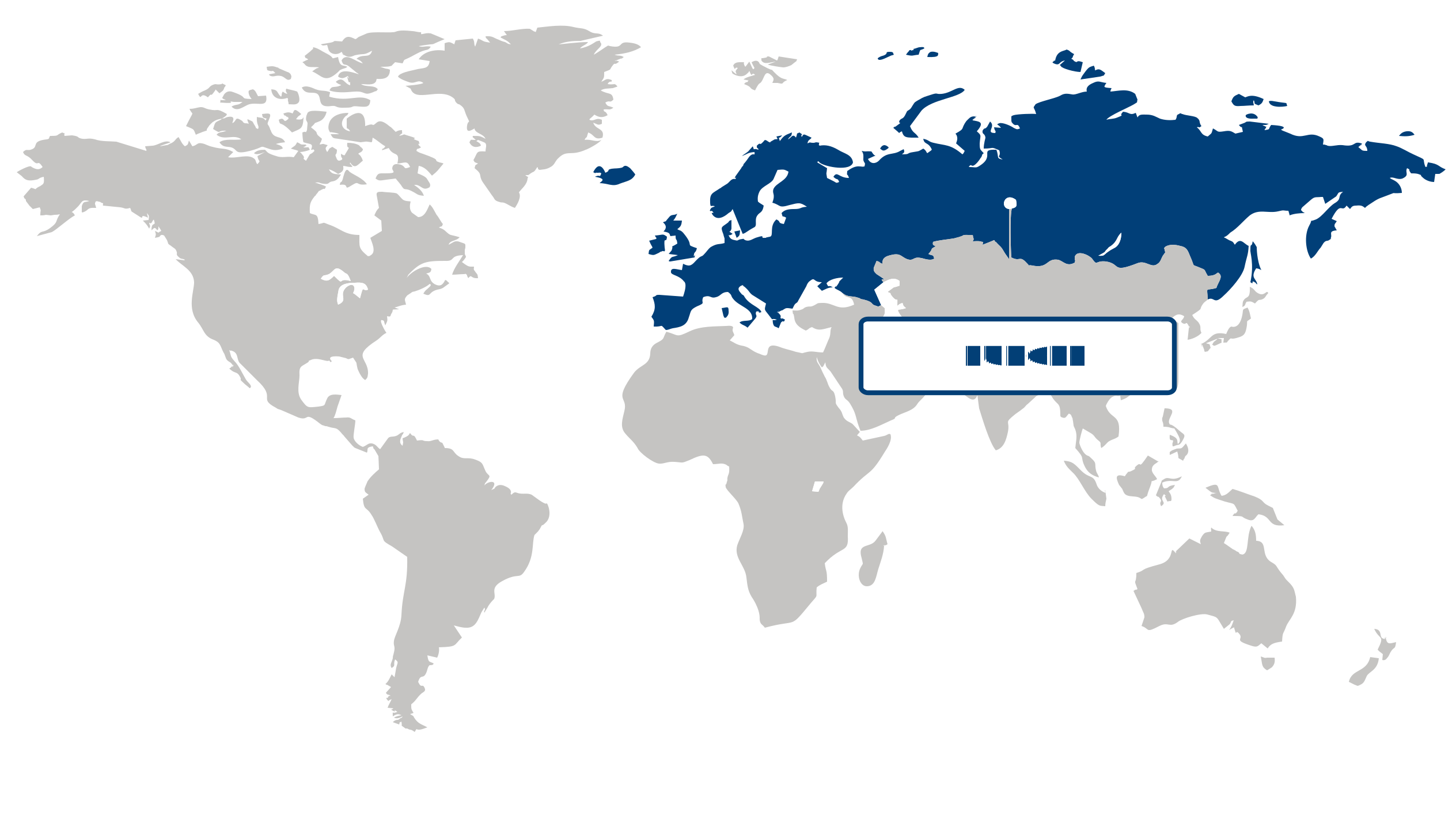
Largest Region
Europe
36.75% Market Share in 2025
Europe Market Statistics:
Europe represented over 36.75% of the global security paper market in 2025, establishing itself as the largest and fastest-growing region. This dominance can be attributed to the high demand for anti-counterfeiting measures in currency and official documents, driven by increasing concerns over fraud and forgery. The region's robust regulatory frameworks and commitment to technological advancements in security features further enhance its leadership position. Notably, the European Central Bank emphasizes the importance of secure currency to maintain public trust, which aligns with the rising consumer preference for secure transactions and documentation. As organizations prioritize sustainability and innovation, the region is poised for significant growth opportunities in the security paper market, backed by its economic resilience and strategic investments in technological enhancements.
Germany anchors the European security paper market, showcasing a unique blend of consumer demand and regulatory support. The country's stringent regulations surrounding document security, particularly in governmental and financial sectors, drive the need for advanced security paper solutions. For instance, the Federal Office for Information Security has implemented measures that necessitate the use of high-security paper for sensitive documents, reinforcing the market's growth. Additionally, German manufacturers are increasingly integrating sustainable practices into their production processes, responding to consumer preferences for environmentally friendly options. This trend not only meets regulatory demands but also positions Germany as a leader in innovation within the security paper market, ultimately contributing to the broader opportunities available in Europe.
France plays a pivotal role in the European security paper market, characterized by a strong emphasis on anti-counterfeiting initiatives in both currency and vital documents. The French government has invested significantly in enhancing the security features of its currency, aligning with the European Central Bank's objectives. Furthermore, the cultural dynamics in France, where the preservation of historical documents and national identity is paramount, drive demand for high-quality security paper. Local companies, such as Arjowiggins, are at the forefront of developing cutting-edge security solutions that cater to these needs. As France continues to strengthen its regulatory frameworks and invest in innovation, it reinforces the overall growth trajectory of the security paper market in Europe, providing ample opportunities for stakeholders and investors.
Asia Pacific Market Analysis:
Asia Pacific emerged as the fastest-growing region in the security paper market, registering rapid growth with a CAGR of 8%. This growth is primarily driven by the rising need for secure documents in emerging markets, where increasing concerns over data breaches and identity theft have heightened the demand for security paper products. The region's significance is underscored by its dynamic economic landscape, where digital transformation and regulatory shifts are prompting organizations to prioritize the security of sensitive information. Countries within this region are witnessing a notable shift in consumer preferences towards enhanced security features, reflecting a broader trend towards safeguarding personal and corporate data. As a result, manufacturers are investing in advanced technologies and sustainable practices to meet these evolving demands, positioning themselves competitively in a rapidly changing market environment.
Japan plays a pivotal role in the Asia Pacific security paper market, characterized by its advanced technological infrastructure and stringent regulatory frameworks. The rising need for secure documents is particularly pronounced in sectors such as finance and healthcare, where data integrity is paramount. Japanese companies are increasingly adopting innovative security paper solutions that incorporate holographic elements and watermarks, responding to consumer demand for enhanced protection against counterfeiting. According to the Ministry of Economy, Trade and Industry of Japan, the push for greater security measures has led to a surge in R&D investments by local manufacturers, fostering a competitive landscape that prioritizes innovation. This strategic focus not only addresses domestic needs but also positions Japan as a key exporter of security paper solutions in the region, further solidifying its influence in the market.
China is another critical player in the Asia Pacific security paper market, driven by its vast consumer base and rapid urbanization. The rising need for secure documents resonates strongly within the country, particularly as businesses and government entities seek to protect sensitive information against rising cyber threats. The Chinese government has implemented stricter regulations surrounding data protection, compelling companies to invest in secure documentation practices. This regulatory environment has spurred local manufacturers to enhance their product offerings, integrating advanced security features that cater to both domestic and international markets. A report by the China Paper Industry Association highlights a growing trend among Chinese enterprises to adopt sustainable practices in their production processes, aligning with global standards for environmental responsibility. As China's market continues to evolve, its emphasis on security and sustainability presents significant opportunities for growth in the Asia Pacific security paper market.
North America Market Trends:
The North America region holds a commanding share of the security paper market, driven by a combination of advanced technological infrastructure and a robust regulatory environment that prioritizes security and authenticity. This region's significance stems from its strong consumer demand for secure document solutions, particularly in sectors such as finance, government, and healthcare, where safeguarding sensitive information is paramount. Recent trends indicate a shift towards sustainable practices, as evidenced by initiatives from the U.S. Environmental Protection Agency, which encourage the use of eco-friendly materials in paper production. Additionally, the competitive landscape is characterized by innovative advancements from leading companies like Mohawk Fine Papers, which have introduced high-security papers featuring advanced anti-counterfeiting technologies. The economic resilience of North America, coupled with increasing investments in digital transformation, positions the region as a fertile ground for growth in the security paper market, offering substantial opportunities for stakeholders.
In the United States, the security paper market plays a pivotal role, bolstered by stringent regulations that mandate the use of secure documents in various industries. The demand for high-quality security paper is fueled by the need for enhanced fraud prevention measures, particularly in financial services, where firms like Bank of America are implementing advanced security features in their documentation processes. Furthermore, the cultural emphasis on privacy and data protection has led to increased consumer awareness and preference for secure paper solutions, as highlighted by a report from the Federal Trade Commission which underscores the importance of safeguarding personal information. This regulatory and consumer-driven landscape not only reinforces the U.S.'s key position in the North American security paper market but also signals a growing trend towards innovation and sustainability in document security solutions.
Canada also plays a significant role in the security paper market, characterized by its commitment to regulatory compliance and innovation. The Canadian government’s focus on enhancing security measures, particularly in public documents and identification papers, has spurred demand for high-security paper products. Companies like Domtar Corporation are responding to this trend by developing innovative paper solutions that meet rigorous security standards. Additionally, the cultural diversity and increasing digital literacy among Canadians have led to a greater emphasis on secure digital transactions, further driving the need for secure paper documentation. This alignment of regulatory frameworks and consumer preferences positions Canada as a strategic player in the North American security paper market, enhancing the region's overall growth potential.
No card data available for this language/report.
Segment Leadership and Growth Trends
Analysis by End User
The security paper market is significantly influenced by the Government & Public Sector, which captured a commanding 51.5% share in 2025. This segment leads primarily due to stringent regulations mandating secure documents for official use, fostering a robust demand for high-security features. As governments increasingly prioritize the integrity of identification and documentation, there is a heightened focus on sustainability and the adoption of advanced security measures. Reports from the International Monetary Fund highlight the critical nature of secure documentation in maintaining public trust and operational efficiency. This segment offers strategic advantages for established firms through long-term contracts with government entities, while emerging players can capitalize on innovative security solutions. Given ongoing regulatory developments and the evolving landscape of public sector needs, this segment is expected to remain a cornerstone of the security paper market in the near to medium term.
Analysis by Security Feature
In the security paper market, Watermarks represented more than 33.6% of the segment in 2025, solidifying their position as a leading security feature. The prevalence of watermarks is largely driven by their cost-effectiveness and widespread adoption as an anti-forgery measure in high-volume printing. As customer preferences shift towards reliable and easily verifiable security features, watermarks are increasingly integrated into various applications, enhancing their appeal. The World Bank has noted that the incorporation of such features significantly mitigates the risks associated with document fraud. This segment creates opportunities for established firms to enhance their product offerings while allowing newcomers to innovate with advanced watermark technologies. With the ongoing digital transformation and the need for secure documentation, the relevance of watermarks in the security paper market is poised to continue in the foreseeable future.
Analysis by Application
The security paper market sees Bank Notes holding a substantial 41.2% share in 2025, reflecting its critical role in the overall landscape. This segment's leadership stems from the persistent need for counterfeit-resistant currency amid rising fraud risks, which drives continuous innovation in security features. As financial institutions prioritize secure transactions, there is a growing emphasis on integrating advanced technologies into banknote production, aligning with customer demands for safety and reliability. The European Central Bank has highlighted the importance of evolving security measures to combat counterfeiting effectively. This segment presents strategic opportunities for both established banks and emerging fintech companies to collaborate on developing next-generation currency solutions. With ongoing concerns regarding financial security and the evolution of payment systems, the banknotes segment is expected to maintain its significance in the security paper market in the coming years.
| Report Segmentation | |||
| Segment | Sub-Segment | Largest Segment | Fastest Growing Segment |
|---|---|---|---|
| End user | Government & Public Sector, Banking & Financial Institutions, Corporate Entities, Educational Institutions, Others | ||
| Security Feature | Watermarks, Holograms, Security Threads, Biometric Features, Others | ||
| Application | Bank Notes, Passports, Legal & Government Documents, Identity Cards, Certificates, Cheques & Bank Drafts, Stamps & Postage, Others | ||
 Read our Research Approach
Competitive Landscape and Market Positioning
Key players in the security paper market include Giesecke+Devrient, Portals, De La Rue, Oberthur Fiduciaire, Crane Currency, Louisenthal, Security Papers, Fabriano Security, Goznak, and Casa da Moeda. Giesecke+Devrient, with its strong foothold in Germany, is recognized for its innovative approaches and high-quality security solutions. Portals and De La Rue, both based in the UK, have established themselves as leaders through a commitment to advanced technology and robust product offerings. Oberthur Fiduciaire from France is notable for its extensive experience and expertise in security printing, while Crane Currency in the USA leverages cutting-edge technology to enhance its market presence. Louisenthal, another German player, is distinguished by its focus on sustainable practices. Security Papers from Pakistan and Fabriano Security in Italy contribute to regional diversity, showcasing unique capabilities in security features. Goznak in Russia and Casa da Moeda in Brazil round out this competitive landscape, each with a strong national presence and specialized offerings that cater to local and international demands.
The competitive environment in the security paper market is characterized by dynamic interactions among these top players, who are increasingly engaging in strategic initiatives to solidify their market positions. Collaborations and partnerships are emerging as key themes, enabling companies to combine strengths and expand their technological capabilities. New product innovations are frequently introduced, reflecting a commitment to enhancing security features and meeting evolving customer needs. Additionally, investments in research and development are being prioritized, fostering a culture of innovation that is critical in maintaining competitiveness. As these companies navigate the landscape, their strategic moves not only enhance their individual market positions but also contribute to the overall evolution of the security paper sector, driving advancements in quality and security.
Strategic / Actionable Recommendations for Regional Players
In North America, fostering partnerships with technology firms could enhance the development of innovative security features, allowing players to stay ahead in a competitive landscape. Emphasizing collaborations with local governments and financial institutions may also open avenues for tailored solutions that meet specific regional needs, thereby strengthening market presence.
In the Asia Pacific region, tapping into emerging technologies such as blockchain for secure document verification could provide a significant competitive edge. Engaging with local startups that specialize in digital security may also facilitate the introduction of cutting-edge products, appealing to a tech-savvy consumer base.
For players in Europe, focusing on sustainability in production processes could resonate well with environmentally conscious consumers and regulators. Building alliances with research institutions may also yield innovative approaches to security paper development, ensuring alignment with future market demands.
Why Choose Us
Specialized Expertise: Our team comprises industry experts with a deep understanding of your market segment. We bring specialized knowledge and experience that ensures our research and consulting services are tailored to your unique needs.
Customized Solutions: We understand that every client is different. That's why we offer customized research and consulting solutions designed specifically to address your challenges and capitalize on opportunities within your industry.
Proven Results: With a track record of successful projects and satisfied clients, we have demonstrated our ability to deliver tangible results. Our case studies and testimonials speak to our effectiveness in helping clients achieve their goals.
Cutting-Edge Methodologies: We leverage the latest methodologies and technologies to gather insights and drive informed decision-making. Our innovative approach ensures that you stay ahead of the curve and gain a competitive edge in your market.
Client-Centric Approach: Your satisfaction is our top priority. We prioritize open communication, responsiveness, and transparency to ensure that we not only meet but exceed your expectations at every stage of the engagement.
Continuous Innovation: We are committed to continuous improvement and staying at the forefront of our industry. Through ongoing learning, professional development, and investment in new technologies, we ensure that our services are always evolving to meet your evolving needs.
Value for Money: Our competitive pricing and flexible engagement models ensure that you get maximum value for your investment. We are committed to delivering high-quality results that help you achieve a strong return on your investment.
Select Licence Type

