Self-healing Adhesives Market Size & Growth Forecast 2027–2036, By Segments (Healing Mechanism, Material Base, Application), Regional Demand Trends (North America, Asia Pacific, Europe), Key Country Insights (U.S., Japan, South Korea, Germany, France, Italy), and Competitive Landscape
Jump to Content
Market Size and Growth Outlook
Self-healing Adhesives Market size was around USD 735.4 million in 2026 and is slated to grow at a 13.1% CAGR from 2027 to 2036, attaining USD 2.52 billion by 2036. The industry revenue for 2027 is calculated at USD 818.79 million.
Get more details on this report
Request Free Sample ReportSelf-healing Adhesives Market Intelligence Snapshot
Regional Market Dynamics
- Europe held 34.02% of the market in 2026, supported by advanced materials research, strong manufacturing capabilities, and demand for durable, sustainable bonding solutions across automotive, electronics, aerospace, and construction industries.
- Asia Pacific is projected to grow fastest as expanding automotive, electronics, construction, and consumer goods manufacturing increases demand for advanced bonding technologies that improve durability and reduce repair requirements.
Segment Momentum
- Extrinsic systems held 49.5% of the market in 2026, supported by localized damage repair through embedded healing agents and compatibility with established adhesive formulations, helping manufacturers improve durability and reduce maintenance requirements.
- Electronics and semiconductors are expected to grow fastest as compact devices face thermal cycling and mechanical stress. Self-healing adhesives can help maintain bonding integrity and improve component reliability where repairs are difficult.
Market Expansion Drivers
- Rising demand for durable and longer-life materials in electronics and automotive.
- Increased R&D commercialization of autonomous repair polymer technologies.
- Sustainability-driven shift toward reduced maintenance and waste materials.
Leading Market Participants
- Major players in the self-healing adhesives market include Henkel (Germany), 3M (US), Arkema (France), Sika (Switzerland), H.B. Fuller (US), Dow (US), BASF (Germany), Avery Dennison (US), Covestro (Germany), Huntsman (US).
Global Market Forecast Snapshot
Market Outlook
- 2026 Market Size: USD 735.4 million
- 2027 Estimated Market Size: USD 818.79 million
- Projected Market Size: USD 2.52 billion by 2036
- Growth Forecast: 13.1% CAGR (2027-2036)
Regional and Segment Outlook
- Leading Regional Market: Europe
- High-Growth Regional Hub: Asia Pacific
- Core Revenue Segment: Healing Mechanism (Extrinsic Self-Healing Systems) | Material Base (Epoxy-based Systems) | Application (Construction & Infrastructure)
- Emerging Opportunity Segment: Healing Mechanism (Intrinsic Self-Healing Systems) | Material Base (Bio-based Systems) | Application (Electronics & Semiconductors)
Market Growth Drivers and Industry Trends
Rising demand for durable and longer-life materials in electronics and automotive
The growing demand for durable and longer-lasting materials in electronics and automotive applications is driving interest in self-healing adhesives. These materials can help restore bonding performance after minor cracks, mechanical damage, or environmental stress, supporting greater reliability in components exposed to repeated operating conditions. Their ability to extend functional life and reduce the impact of localized damage makes self-healing adhesives increasingly relevant for applications where durability, structural integrity, and uninterrupted performance are important.
Increased R&D commercialization of autonomous repair polymer technologies
Advances in research and development are accelerating the commercialization of polymer technologies capable of autonomous repair after damage occurs. Improvements in healing mechanisms, material compatibility, flexibility, and activation methods are expanding the potential applications of self-healing adhesives across demanding industrial environments. As development moves from laboratory research toward practical manufacturing processes, improved material performance and application versatility are supporting broader adoption in products requiring enhanced durability and damage recovery.
Sustainability-driven shift toward reduced maintenance and waste materials
The increasing emphasis on sustainability is encouraging manufacturers to explore adhesive technologies that can reduce maintenance requirements and material waste. Self-healing adhesives can potentially extend product and component lifecycles by restoring bonding performance without requiring frequent replacement or extensive repair interventions. This supports resource efficiency and can reduce waste generated from damaged components, making self-healing materials increasingly attractive in industries seeking to improve product longevity and align manufacturing processes with sustainability objectives.
| Growth Driver | Impact on CAGR | Regulatory Influence | Geographic Relevance | Adoption Rate | Impact Timeline |
|---|---|---|---|---|---|
| Rising demand for durable and longer-life materials in electronics and automotive | 2.3% | Medium term (2–5 yrs) | Asia Pacific; Europe | Medium | Moderate |
| Increased R&D commercialization of autonomous repair polymer technologies | 1.7% | Long term (5+ yrs) | North America; Europe | Low | Slow |
| Sustainability-driven shift toward reduced maintenance and waste materials | 1.9% | Short term (≤ 2 yrs) | Europe; North America | High | Moderate |
Explore Growth Opportunities
Request Free Sample ReportRegional Demand Dynamics
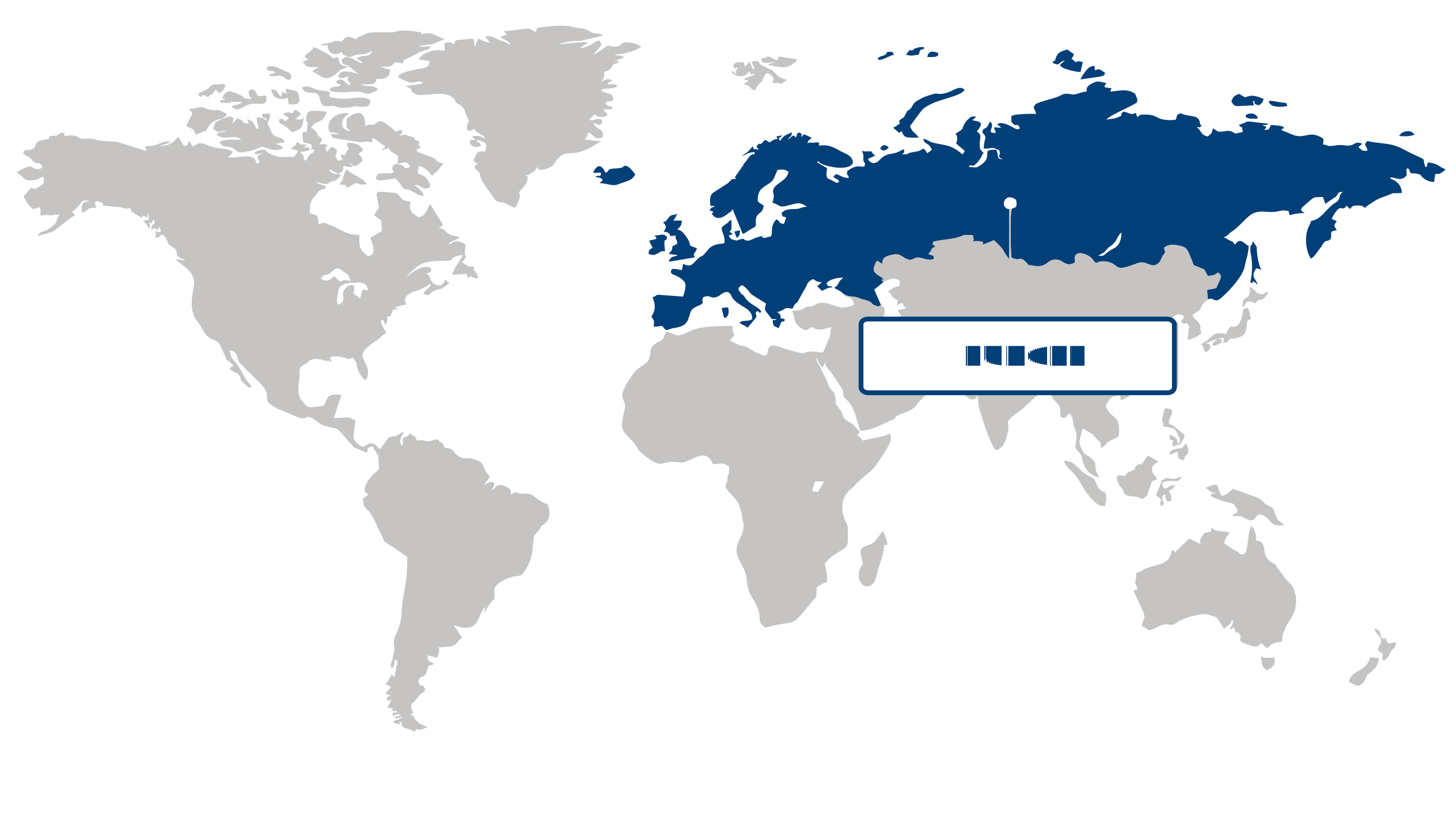
Europe (Largest Region)
Europe held 34.02% share of the self-healing adhesives market in 2026, impelled by advanced materials research, strong manufacturing capabilities, and growing demand for high-performance bonding solutions. The region’s automotive, electronics, aerospace, and construction industries are increasingly focused on improving material durability, reducing maintenance requirements, and extending product lifecycles. Growing interest in sustainable materials and technologies that minimize waste is also encouraging development and adoption of self-healing adhesive solutions. Continued innovation in smart materials, combined with stringent performance and sustainability requirements, is supporting the region’s established market position.
Asia Pacific (Fastest-Growing Region)
The Asia Pacific self-healing adhesives market is projected to experience the fastest growth, supported by expanding manufacturing activity, rising demand for advanced materials, and increasing adoption of innovative bonding technologies across industrial applications. Rapid development of automotive, electronics, construction, and consumer goods manufacturing is creating opportunities for adhesives that improve product durability and reduce repair requirements. Growing investments in material science and increasing focus on lightweight, reliable, and sustainable components are further supporting regional demand. Expanding industrial production and technological development across emerging economies are expected to strengthen adoption of self-healing adhesive technologies and accelerate market expansion.
| Parameter | North America | Asia Pacific | Europe | Latin America | MEA |
|---|---|---|---|---|---|
| Innovation HubiScaleNascentDeveloping Advanced | |||||
| Cost-Sensitive RegioniScaleLowMedium High | |||||
| Regulatory EnvironmentiScaleRestrictiveNeutral Supportive | |||||
| Demand DriversiScaleWeakModerate Strong | |||||
| Development StageiScaleEmergingDeveloping Developed | |||||
| Adoption RateiScaleLowMedium High | |||||
| New Entrants / StartupsiScaleSparseModerate Dense | |||||
| Macro IndicatorsiScaleWeakStable Strong |
Key Country Insights
United States 🇺🇸
Advanced Repair ApplicationsThe U.S. market emphasizes self-healing adhesives for demanding applications where durability, reduced maintenance, and material longevity justify higher-value formulations. Commercial priorities include aerospace, automotive, electronics, and infrastructure uses, with attention to repeat-healing performance, bonding strength, processing compatibility, and integration into next-generation material systems.
Germany 🇩🇪
Automotive Material EfficiencyGermany’s self-healing adhesives activity is closely tied to lightweight vehicle structures, component durability, and advanced manufacturing processes. Suppliers can prioritize formulations compatible with automated assembly and demanding thermal conditions, while demonstrating reliable healing behavior without compromising structural integrity, production efficiency, or established adhesive qualification requirements.
Japan 🇯🇵
Precision Bonding SolutionsJapan presents opportunities for self-healing adhesives in electronics, mobility, and precision-manufactured components where compact construction and long service life are important. Development priorities center on controlled healing mechanisms, dimensional stability, low-temperature processing, and dependable adhesion across repeated mechanical or thermal stresses.
South Korea 🇰🇷
Electronics Durability FocusSouth Korea’s market priorities favor self-healing adhesive technologies that can support flexible electronics, displays, batteries, and other compact devices exposed to repeated deformation or handling. Commercial development is likely to emphasize rapid recovery, optical or electrical compatibility where required, thin-film application, and reliable performance under cycling conditions.
France 🇫🇷
Sustainable Bonding InnovationFrance’s self-healing adhesives market can benefit from applications where longer component life and reduced material replacement align with sustainability objectives. Key priorities include bio-based or lower-impact chemistries, repairable assemblies, and adhesive systems that maintain bonding performance after minor damage across transportation, consumer, and industrial applications.
Italy 🇮🇹
Specialty Manufacturing AdoptionItaly offers a practical setting for self-healing adhesives in specialty manufacturing, automotive components, furniture, packaging, and high-value consumer products. Market priorities include formulations that fit existing production methods while improving surface durability, repairability, and product life without adding excessive processing complexity or compromising finish quality.
Self-healing Adhesives Market Share (%), by Healing Mechanism, 2026
Go beyond the chart, access full insights & data tables
Request Free Sample ReportHealing Mechanism Segment Analysis: Extrinsic Self-Healing Systems (Largest Segment) vs Intrinsic Self-Healing Systems (Fastest-Growing Segment)
The extrinsic self-healing systems segment accounted for a market share of 49.5% in 2026, supported by the ability of these systems to deliver localized repair through embedded healing agents or microstructures that activate when damage occurs. Their practical approach to restoring adhesive performance makes them relevant across applications where extending bond life, reducing maintenance requirements, and improving material durability are important. Extrinsic systems can also be incorporated into established adhesive formulations, supporting broader adoption where manufacturers seek self-healing functionality without fundamentally redesigning the underlying bonding process. As demand increases for adhesives capable of maintaining performance under repeated mechanical stress and environmental exposure, extrinsic self-healing systems continue to hold a substantial position in the healing mechanism landscape.
The intrinsic self-healing systems segment is projected to witness the fastest growth, driven by increasing interest in adhesive technologies that can restore functionality through reversible chemical or physical interactions in the adhesive material itself. Unlike systems that depend on separately incorporated healing agents, intrinsic approaches can support repeated healing cycles and potentially provide more integrated material performance. This characteristic is particularly relevant for applications requiring long service life, structural reliability, and reduced intervention after minor damage. Ongoing advances in polymer chemistry and material engineering are also supporting the development of intrinsic self-healing formulations with improved mechanical properties and compatibility across demanding end-use environments. Consequently, growing emphasis on durable and multifunctional adhesive materials is expected to accelerate adoption of intrinsic self-healing systems.
Material Base Segment Analysis: Epoxy-based Systems (Largest Segment) vs Bio-based Systems (Fastest-Growing Segment)
The epoxy-based systems segment accounted for a market share of 35.42% in 2026, reflecting the established use of epoxy formulations for applications requiring strong adhesion, mechanical stability, chemical resistance, and durability. Epoxy-based self-healing adhesives can integrate these established performance characteristics with healing functionality, making them suitable for demanding bonding environments where maintaining structural integrity is essential. Their compatibility with a wide range of substrates and established processing practices also supports integration into industrial adhesive applications. As manufacturers increasingly seek enhanced durability without compromising core adhesive performance, epoxy-based systems continue to provide a strong foundation for incorporating self-healing capabilities into commercially relevant formulations.
The bio-based systems segment is projected to register the fastest growth, supported by increasing demand for more sustainable adhesive materials and greater attention to reducing dependence on conventional fossil-derived raw materials. Bio-based self-healing adhesives can contribute to sustainability objectives while retaining the functional advantages associated with advanced adhesive technologies, creating opportunities across industries seeking materials with lower environmental impact. Research and formulation improvements are also expanding the potential for renewable feedstocks to deliver suitable bonding strength, flexibility, and healing performance. As sustainability becomes increasingly integrated into material selection and product development, bio-based systems are gaining relevance as an alternative material base for next-generation self-healing adhesives.
Application Segment Analysis: Construction & Infrastructure (Largest Segment) vs Electronics & Semiconductors (Fastest-Growing Segment)
The construction & infrastructure segment represented the largest share of the self-healing adhesives market in 2026, driven by the need for durable bonding solutions capable of maintaining performance under structural stress, vibration, temperature fluctuations, and environmental exposure. Self-healing functionality can help extend the useful life of bonded components by enabling adhesives to respond to minor damage before it develops into more significant bond deterioration. This capability is particularly relevant in construction and infrastructure environments, where repair activities can be disruptive and costly. Growing emphasis on resilient structures, longer maintenance cycles, and improved material durability is therefore supporting the integration of self-healing adhesive technologies into construction-related applications.
The electronics & semiconductors segment is projected to experience the fastest growth, supported by increasing demand for highly reliable bonding and encapsulation materials in compact and performance-sensitive electronic systems. Miniaturization, thermal cycling, mechanical stress, and increasingly complex device architectures create requirements for adhesives that can maintain functional integrity despite repeated operating conditions. Self-healing properties can help address localized damage and contribute to longer component reliability, particularly where conventional repair or replacement is difficult. As electronic devices become more densely integrated and manufacturers place greater emphasis on durability and lifecycle performance, self-healing adhesives are gaining potential across electronics and semiconductor applications.
| Segment | Sub-Segment | Largest Segment | Fastest Growing |
|---|---|---|---|
| Healing Mechanism | Intrinsic Self-Healing Systems, Extrinsic Self-Healing Systems, Hybrid Self-Healing Systems | Extrinsic Self-Healing Systems | Intrinsic Self-Healing Systems |
| Material Base | Epoxy-based Systems, Polyurethane-based Systems, Silicone-based Systems, Acrylic-based Systems, Bio-based Systems | Epoxy-based Systems | Bio-based Systems |
| Application | Aerospace & Defense, Automotive, Electronics & Semiconductors, Construction & Infrastructure, Medical Devices, Marine & Offshore, Others | Construction & Infrastructure | Electronics & Semiconductors |
Unlock insights tailored to your business with our bespoke market research solutions.
Click to get your customized report now.
Competitive Landscape and Market Positioning
Analyst Perspective:
The competitive landscape for self-healing adhesives is defined by the challenge of combining effective damage recovery with the mechanical integrity and environmental stability required for practical use. Intrinsic polymer recovery, microcapsule-based repair, and other healing mechanisms differ in their repeatability, activation requirements, and suitability for specific damage conditions. However, recovery capability alone is insufficient if healing compromises bond strength, fatigue resistance, or long-term durability. Resistance to moisture, temperature fluctuations, and chemical exposure further determines whether performance can extend beyond controlled testing environments. Cure time and activation method also influence processing compatibility and repair practicality, particularly when external stimuli are required. Formulations that preserve bonding performance after repeated healing while offering accessible activation and reliable operation under realistic conditions are better positioned to demonstrate commercial value.
Top players in the self-healing adhesives market:
- Henkel (Germany)
- 3M (US)
- Arkema (France)
- Sika (Switzerland)
- H.B. Fuller (US)
- Dow (US)
- BASF (Germany)
- Avery Dennison (US)
- Covestro (Germany)
- Huntsman (US)
| Company | Market Share | Company Revenue | Revenue CAGR (%) | Product Portfolio | Geographic Presence | Innovation / R&D Focus | Strategic Developments |
|---|---|---|---|---|---|---|---|
| Henkel (Germany) | |||||||
| 3M (US) | |||||||
| Arkema (France) | |||||||
| Sika (Switzerland) | |||||||
| H.B. Fuller (US) | |||||||
| Dow (US) | |||||||
| BASF (Germany) | |||||||
| Avery Dennison (US) | |||||||
| Covestro (Germany) | |||||||
| Huntsman (US) |
Customize Your Report
Explore examples of how this report can be tailored to different research needs, including custom segments, additional topics or chapters, and related reports. Click a section of the wheel or its numbered marker to explore the available options.
Self-healing Adhesives Market — Custom Segments
| Segment | Sub-Segment |
|---|---|
| Bonding Substrate | Metals, Polymers & Composites, Glass & Ceramics, Other Engineered Substrates |
| Cure Method | Heat-Cured, Moisture & Ambient-Cured, UV/Light-Cured, Dual & Multi-Cure |
| Adhesive Form | Liquid, Paste & Gel, Film, Tape, Powder |
Self-healing Adhesives Market — Custom TOC
| Custom Chapter | Chapter Details |
|---|---|
| Application Readiness and Adoption Barriers |
|
| Material Substitution Opportunity Mapping |
|
| Qualification and Certification Landscape |
|
Need a different cut of the data?
Request Custom ResearchFrequently Asked Questions
How big is the self-healing adhesives market?
What is the projected value of the self-healing adhesives industry by 2036?
How is demand for longer-lasting materials driving adoption of self-healing adhesives?
How is sustainability influencing commercialization of self-healing adhesive technologies?
Why do extrinsic self-healing systems dominate the self-healing adhesives market?
What is driving growth in electronics and semiconductors as an application for self-healing adhesives?
Why does Europe lead the self-healing adhesives market?
What is driving self-healing adhesives market growth in Asia Pacific?
Which organizations are considered leaders in the self-healing adhesives landscape?
Our Clients
"The report helped us understand emerging consumer trends in our product category. It clarified where to focus innovation for the next product launch."
LyondellBasell
"The regional forecast section was incredibly useful. We were able to identify two new potential partners in Europe thanks to the vendor mapping you included."
SABIC
"We appreciated how actionable the recommendations were. It guided us to improve supply chain resilience."
Olin Corporation
Our Research Team & Methodology
Every Fundamental Business Insights report is built by a dedicated vertical research team, validated through a structured primary-and-secondary methodology, and reviewed for accuracy before it reaches you.
This report was prepared by the Chemicals & Materials Research Team at Fundamental Business Insights, a dedicated research group specializing in the global chemicals, advanced materials, and industrial manufacturing sectors. Our analysts continuously monitor raw material supply chains, feedstock pricing, production technologies, regulatory developments, sustainability initiatives, environmental compliance, trade dynamics, and evolving end-use applications to deliver timely and reliable market intelligence. The research is developed using a structured methodology that combines primary discussions with manufacturers, raw material suppliers, distributors, and industry experts, along with company annual reports, regulatory publications, government trade statistics, industry associations, technical literature, patent databases, and other authoritative secondary sources. Market estimates are validated through multiple research techniques, including top-down and bottom-up analysis, before undergoing an internal quality review to ensure accuracy, consistency, and methodological integrity prior to publication.
Delivery
Published
Available
Support
- Market Size & Forecast
- Market Segmentation
- Regional Analysis
- Growth Drivers & Challenges
- Market Dynamics
- Competitive Landscape
- Company Profiles
- Competitive Benchmarking
- Mergers & Acquisitions
- Market Share Analysis or Key Company Strategies
- Value Chain Analysis
- Porter's Five Forces
- PESTLE Analysis
- Pricing Trends
- Supply-Demand Analysis
- Technology Landscape
- Regulatory Landscape
- Investment & Funding Landscape
- Emerging Opportunities
- Future Market Outlook