Ship Pod Drives Market Size & Growth Forecast 2027–2036, By Segments (Type, Vessel, End Use, Power Rating, Technology), Regional Demand Trends (North America, Asia Pacific, Europe), Key Country Insights (U.S., Japan, South Korea, Germany, France, Italy), and Competitive Landscape
Jump to Content
Market Size and Growth Outlook
Ship Pod Drives Market size was around USD 2.75 billion in 2026 and is slated to grow at a 3.67% CAGR from 2027 to 2036, attaining USD 3.94 billion by 2036. The industry revenue for 2027 is estimated at USD 2.83 billion.
Get more details on this report
Request Free Sample ReportShip Pod Drives Market Intelligence Snapshot
Regional Market Dynamics
- Europe leads through established maritime industries, strong shipbuilding capabilities, vessel modernization, and demand for propulsion systems that improve maneuverability and operational efficiency across specialized and passenger vessels.
- Asia Pacific is growing fastest due to its extensive shipbuilding ecosystem, expanding maritime transportation, and investment in commercial and specialized vessels requiring advanced propulsion and improved maneuverability.
Segment Momentum
- Diesel-electric pod drives accounted for 57.68% of market share in 2026, supported by established marine engineering practices, reliable power delivery, operational flexibility, and precise propulsion control for vessels with demanding operating requirements.
- Electric pod drives are expected to grow fastest as vessel operators increasingly prioritize electrification, energy efficiency, lower emissions, and maneuverability, supported by advances in electric motors, energy storage integration, and power management.
Market Expansion Drivers
- Rising adoption of pod drive technology in ships.
- Focus on energy-efficient propulsion systems.
- Expansion in commercial and defense shipping fleets.
Leading Market Participants
- Major players in the ship pod drives market include ABB Marine (Switzerland), Rolls-Royce (UK), Schottel (Germany), Thrustmaster of Texas (USA), Siemens AG – Marine Solutions (Germany), Kongsberg (Norway), GE Marine (USA), Steerprop (Finland), Yanmar (Japan), Cummins (USA).
Global Market Forecast Snapshot
Market Outlook
- 2026 Market Size: USD 2.75 billion
- 2027 Estimated Market Size: USD 2.83 billion
- Projected Market Size: USD 3.94 billion by 2036
- Growth Forecast: 3.67% CAGR (2027-2036)
Regional and Segment Outlook
- Leading Regional Market: Europe
- High-Growth Regional Hub: Asia Pacific
- Core Revenue Segment: Type (Diesel-electric Pod Drives) | Vessel (Commercial Vessels) | End Use (Shipbuilders) | Power Rating (Above 5 MW) | Technology (Integrated Propulsion Systems)
- Emerging Opportunity Segment: Type (Electric Pod Drives) | Vessel (Commercial Vessels) | End Use (Shipping Companies) | Power Rating (1 MW to 5 MW) | Technology (Integrated Propulsion Systems)
Market Growth Drivers and Industry Trends
Rising adoption of pod drive technology in ships
The increasing adoption of pod drive technology is driven by its ability to enhance vessel maneuverability, propulsion efficiency, and onboard space utilization compared with conventional propulsion arrangements. Pod drives integrate propulsion and steering functions into a compact configuration, enabling improved thrust control and reducing the need for complex shafting systems. These advantages are particularly relevant for passenger vessels, ferries, offshore support vessels, and other ships operating in environments where precise maneuvering and operational flexibility are important. Continued improvements in pod design, propulsion integration, and control systems are further supporting their use across modern shipbuilding applications.
Focus on energy-efficient propulsion systems
The growing emphasis on energy-efficient propulsion is encouraging ship operators and vessel designers to adopt technologies that can reduce fuel consumption while improving overall propulsion performance. Pod drives can provide enhanced hydrodynamic efficiency through optimized propeller positioning and reduced mechanical transmission losses, supporting efforts to improve vessel operating economics and environmental performance. Increasing attention to emissions reduction, cleaner maritime operations, and lifecycle efficiency is strengthening interest in propulsion systems capable of delivering reliable performance with lower energy requirements. This trend is also encouraging shipbuilders to integrate advanced propulsion architectures during new vessel development and modernization projects.
Expansion in commercial and defense shipping fleets
The expansion and modernization of commercial and defense shipping fleets is creating broader opportunities for advanced propulsion technologies capable of meeting diverse operational requirements. Commercial vessels increasingly require propulsion systems that provide maneuverability, reliability, and efficient performance across varying operating conditions, while defense vessels place additional emphasis on responsive handling and compact system integration. Fleet renewal programs and the development of specialized vessels are encouraging shipbuilders to evaluate pod-based propulsion configurations as alternatives to traditional systems. The growing use of technologically advanced vessels across maritime transportation, naval operations, and specialized applications is therefore supporting demand for ship pod drives.
| Growth Driver | Impact on CAGR | Regulatory Influence | Geographic Relevance | Adoption Rate | Impact Timeline |
|---|---|---|---|---|---|
| Rising adoption of pod drive technology in ships | 1.5% | Short term (≤ 2 yrs) | Europe; Asia Pacific | Medium | Moderate |
| Focus on energy-efficient propulsion systems | 1.7% | Medium term (2–5 yrs) | North America; Europe | Low | Moderate |
| Expansion in commercial and defense shipping fleets | 1% | Long term (5+ yrs) | Asia Pacific; Latin America | Low | Moderate |
Explore Growth Opportunities
Request Free Sample ReportRegional Demand Dynamics
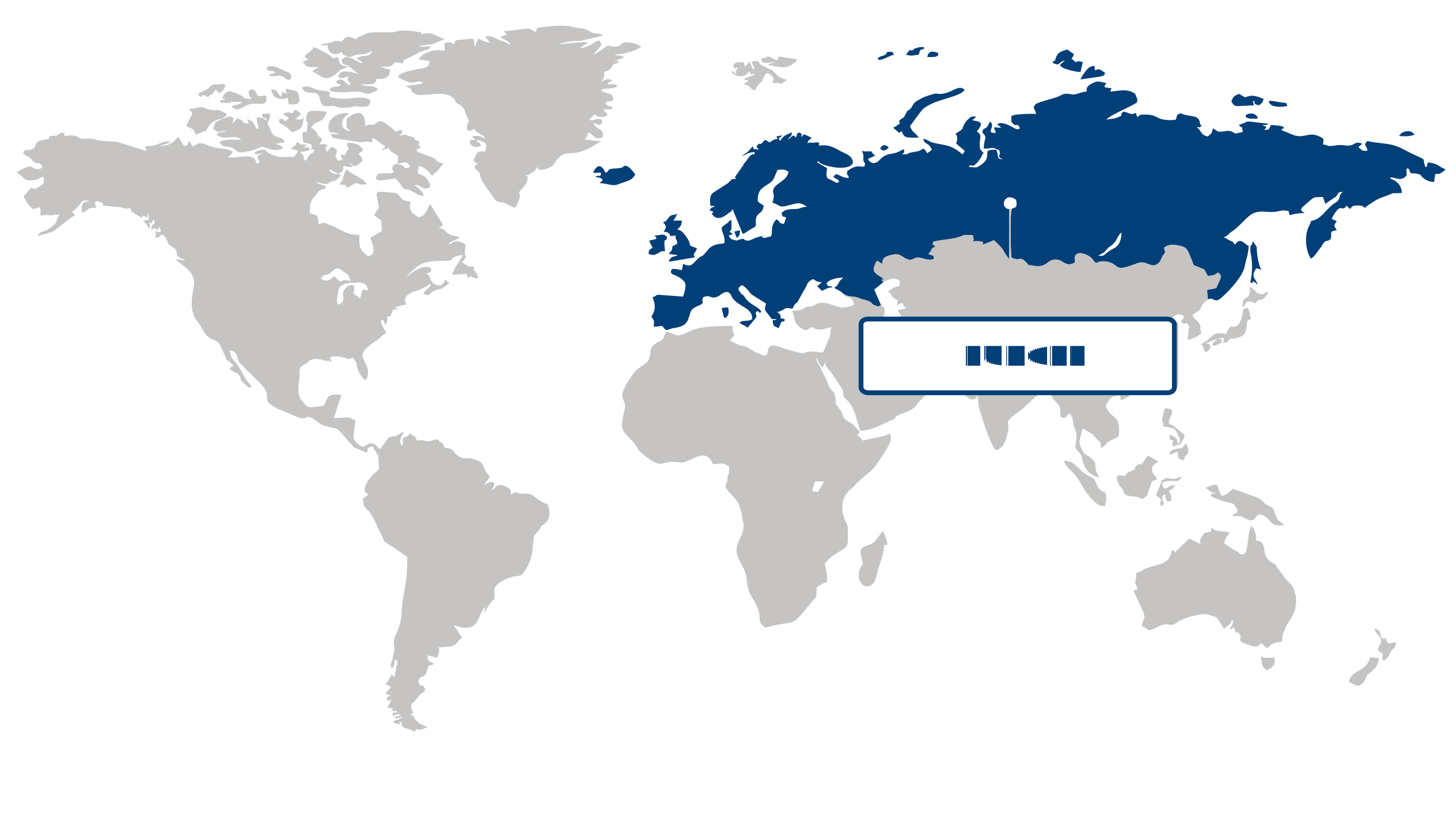
Europe (Largest Region)
The Europe ship pod drives market held the largest regional share. The region's position is supported by its established maritime industry, strong shipbuilding capabilities, and demand for propulsion technologies that improve vessel maneuverability and operational efficiency. Pod drive systems are relevant to vessel operators and shipbuilders seeking greater flexibility in propulsion arrangements, particularly for passenger vessels, specialized ships, and applications requiring precise maneuvering in confined waters. Europe's focus on maritime engineering, vessel modernization, and environmental performance also supports interest in propulsion solutions that can contribute to efficient vessel operations. Adoption depends on vessel design requirements, integration costs, maintenance considerations, and the suitability of pod-based systems for specific operating conditions.
Asia Pacific (Fastest-Growing Region)
Asia Pacific is the fastest-growing region, supported by its extensive shipbuilding ecosystem, expanding maritime transportation activities, and continued investment in commercial and specialized vessels. Growing demand for advanced propulsion systems creates opportunities for pod drives in applications where maneuverability, onboard space utilization, and operational performance are important. Shipbuilders and vessel operators across the region are also evaluating propulsion technologies in response to changing efficiency expectations and evolving vessel design requirements. However, market development varies according to shipyard capabilities, vessel categories, initial investment considerations, and the availability of technical expertise for system integration and servicing.
| Parameter | North America | Asia Pacific | Europe | Latin America | MEA |
|---|---|---|---|---|---|
| Innovation HubiScaleNascentDeveloping Advanced | |||||
| Cost-Sensitive RegioniScaleLowMedium High | |||||
| Regulatory EnvironmentiScaleRestrictiveNeutral Supportive | |||||
| Demand DriversiScaleWeakModerate Strong | |||||
| Development StageiScaleEmergingDeveloping Developed | |||||
| Adoption RateiScaleLowMedium High | |||||
| New Entrants / StartupsiScaleSparseModerate Dense | |||||
| Macro IndicatorsiScaleWeakStable Strong |
Key Country Insights
United States 🇺🇸
Advanced Marine PropulsionThe U.S. market provides a broad base for pod-drive applications across commercial vessels, workboats, ferries, and recreational craft. Suppliers can focus on propulsion efficiency, maneuverability, integrated control systems, and installation support, particularly where vessel operators seek practical upgrades to onboard propulsion performance.
Germany 🇩🇪
Integrated Propulsion EngineeringGermany’s marine engineering ecosystem supports demand for pod-drive systems where propulsion, maneuverability, and vessel integration must work together reliably. Suppliers can emphasize technically optimized installations, electric or hybrid configurations, and control integration for commercial and specialized vessels operating under demanding efficiency requirements.
Japan 🇯🇵
Compact Marine SystemsJapan’s shipbuilding and marine equipment capabilities create a market for pod drives where compact installation, reliability, and precise vessel handling are valued. Manufacturers can prioritize efficient propulsion packages, low-maintenance designs, and integration with vessel control architectures serving ferries, commercial craft, and specialized marine applications.
South Korea 🇰🇷
Shipbuilding Integration FocusSouth Korea’s strong shipbuilding ecosystem makes system integration an important consideration for pod-drive suppliers. Commercial priorities include propulsion systems that can be incorporated efficiently into new vessel designs, alongside reliable controls, installation expertise, and configurations supporting operational efficiency across specialized and commercial marine fleets.
France 🇫🇷
Low-Emission Marine SolutionsFrance’s maritime sector creates opportunities for pod drives in applications where maneuverability and lower-emission propulsion are increasingly relevant. Suppliers can target ferries, passenger vessels, workboats, and other marine platforms with integrated electric or hybrid systems that simplify propulsion control while supporting operational efficiency.
Italy 🇮🇹
Maneuverability-Focused CraftItaly’s shipbuilding and recreational marine industries create demand for pod drives that enhance handling, packaging flexibility, and propulsion performance. Suppliers can concentrate on compact propulsion architectures, intuitive controls, and installation solutions tailored to premium vessels, yachts, and specialized craft where maneuverability is a key purchasing consideration.
Ship Pod Drives Market Share (%), by Type, 2026
Go beyond the chart, access full insights & data tables
Request Free Sample ReportType Segment Analysis: Diesel-electric Pod Drives (Largest Segment) vs Electric Pod Drives (Fastest-Growing Segment)
The diesel-electric pod drives segment accounted for the largest share of 57.68% in the ship pod drives market in 2026, supported by its established role in marine propulsion systems requiring reliable power delivery, maneuverability, and operational flexibility. Diesel-electric configurations combine the dependable power generation capabilities of diesel engines with electric propulsion, allowing propulsion power to be managed efficiently according to vessel operating requirements. Their suitability across vessels with demanding propulsion needs, together with established marine engineering practices and supporting infrastructure, has contributed to their widespread adoption. In addition, the ability to provide precise propulsion control and efficient power distribution supports their application in vessels where maneuverability and operational reliability are important considerations.
The electric pod drives segment is expected to grow at the fastest pace, driven by increasing emphasis on vessel electrification, energy efficiency, reduced emissions, and cleaner marine propulsion technologies. Electric propulsion systems can provide precise speed and thrust control while supporting quieter operation and improved maneuverability, making them increasingly attractive for vessel operators seeking to optimize propulsion performance. Growing environmental regulations and decarbonization initiatives across the maritime sector are further encouraging the transition toward propulsion technologies that can integrate with cleaner onboard power systems. Advances in electric motor technology, energy storage integration, power management, and charging infrastructure are also improving the practicality of electric pod drives for a broader range of marine applications, supporting their expanding adoption.
Vessel Segment Analysis: Commercial Vessels (Largest & Fastest-Growing Segment)
The commercial vessels segment accounted for the largest share of 37.8% in the ship pod drives market in 2026 and is also expected to register the fastest growth, reflecting the expanding requirement for efficient and maneuverable propulsion systems across commercial maritime operations. Commercial vessels increasingly require propulsion technologies capable of supporting fuel efficiency, precise maneuvering, reliable operation, and optimized vessel performance, particularly in applications involving frequent port operations or demanding navigation conditions. Pod drives offer enhanced maneuverability by integrating propulsion and steering functions, which can improve vessel handling and operational flexibility. Increasing investment in modernizing commercial fleets, coupled with growing attention to operating efficiency and environmental performance, is supporting demand for advanced propulsion solutions. Furthermore, the development of more efficient propulsion architectures and increasing adoption of electrified and hybrid power systems are expected to strengthen the use of pod drives across commercial vessel applications.
End Use Segment Analysis: Shipbuilders (Largest Segment) vs Shipping Companies (Fastest-Growing Segment)
The shipbuilders segment accounted for the largest share of the ship pod drives market in 2026, reflecting the important role of propulsion-system selection during vessel design and construction. Shipbuilders increasingly incorporate advanced pod propulsion technologies into new vessels to address requirements related to maneuverability, propulsion efficiency, vessel layout, and operational performance. Integrating pod drives during the construction stage can enable propulsion systems to be coordinated with the vessel's overall engineering architecture, supporting optimized hull design and onboard space utilization. Growing demand for modern vessels with improved energy efficiency and lower environmental impact is also encouraging shipbuilders to consider advanced propulsion technologies during new-build projects. In addition, increasing fleet renewal and the development of specialized commercial and passenger vessels are creating opportunities for shipbuilders to integrate pod drives into next-generation vessel designs.
The shipping companies segment is expected to witness the fastest growth, driven by increasing focus among vessel operators on reducing operating costs, improving propulsion efficiency, and meeting evolving environmental requirements. Shipping companies are increasingly evaluating advanced propulsion systems as part of fleet modernization strategies aimed at enhancing vessel performance and supporting compliance with stricter emissions standards. Pod drives can provide improved maneuverability and propulsion control, which can be particularly valuable for vessels operating in ports, coastal routes, and other environments where precise navigation is required. Furthermore, growing attention to lifecycle operating costs, fuel consumption, maintenance requirements, and decarbonization is encouraging shipping companies to invest in more efficient propulsion technologies. The gradual integration of electric and hybrid power solutions is expected to further expand the role of pod drives in fleet upgrades and new vessel deployments.
| Segment | Sub-Segment | Largest Segment | Fastest Growing |
|---|---|---|---|
| Type | Electric Pod Drives, Diesel-electric Pod Drives, Gas Turbine-Electric Pod Drives | Diesel-electric Pod Drives | Electric Pod Drives |
| Vessel | Commercial Vessels, Naval Ships, Cruise Ships, Offshore Support Vessels, Yachts and Leisure Boats | Commercial Vessels | Commercial Vessels |
| End Use | Shipbuilders, Shipping Companies | Shipbuilders | Shipping Companies |
| Power Rating | Up to 1 MW, 1 MW to 5 MW, Above 5 MW | Above 5 MW | 1 MW to 5 MW |
| Technology | Conventional Propulsion Technology, Integrated Propulsion Systems, Smart Control Systems, Autonomous Maneuvering Technologies | Integrated Propulsion Systems | Integrated Propulsion Systems |
Unlock insights tailored to your business with our bespoke market research solutions.
Click to get your customized report now.
Competitive Landscape and Market Positioning
Analyst Perspective:
In the ship pod drives market, competitive differentiation extends beyond propulsion output to the integrated performance of motors, propellers, steering, and control systems. Azimuthing capability supports precise maneuvering and operational flexibility, while hydrodynamic optimization influences resistance and fuel-related operating costs across vessel-specific conditions. These benefits must be evaluated alongside installation requirements, hull interaction, and maintenance accessibility rather than assumed from component specifications alone. Permanent magnet motors offer potential advantages where substantial propulsion power must fit within restricted machinery spaces, although thermal management, reliability, sourcing, and lifecycle costs remain important considerations. Acoustic engineering adds another dimension, particularly for vessels with passenger comfort or noise-sensitive operating requirements. Manufacturers are therefore challenged to balance maneuverability, energy efficiency, compactness, and noise control within an integrated propulsion solution tailored to the vessel's mission and operating environment.
Major players in the ship pod drives market:
- ABB Marine (Switzerland)
- Rolls-Royce (UK)
- Schottel (Germany)
- Thrustmaster of Texas (USA)
- Siemens AG – Marine Solutions (Germany)
- Kongsberg (Norway)
- GE Marine (USA)
- Steerprop (Finland)
- Yanmar (Japan)
- Cummins (USA)
| Company | Market Share | Company Revenue | Revenue CAGR (%) | Product Portfolio | Geographic Presence | Innovation / R&D Focus | Strategic Developments |
|---|---|---|---|---|---|---|---|
| ABB Marine (Switzerland) | |||||||
| Rolls-Royce (UK) | |||||||
| Schottel (Germany) | |||||||
| Thrustmaster of Texas (USA) | |||||||
| Siemens AG – Marine Solutions (Germany) | |||||||
| Kongsberg (Norway) | |||||||
| GE Marine (USA) | |||||||
| Steerprop (Finland) | |||||||
| Yanmar (Japan) | |||||||
| Cummins (USA) |
Industry Development/News
| Company Name | Date | Key Development |
|---|---|---|
| Rolls-Royce | October 2023 | Rolls-Royce and ZF expanded their long-standing partnership to offer integrated pod propulsion systems for the yacht market, combining MTU Series 2000 engines with advanced POD 4600 pod drives. This collaboration delivers a fully integrated propulsion package that significantly enhances yacht maneuverability and propulsion efficiency relative to conventional fixed propeller drives. |
| ABB | January 2023 | ABB secured a significant contract to supply its Azipod electric propulsion system for an eco-friendly superyacht, representing the company's inaugural Azipod installation in the superyacht sector. Executed in collaboration with Dutch luxury yacht builder Oceanco, the project integrates two 2.5 MW Azipod units alongside propulsion drives and controls to meet stringent sustainability standards. |
| ZF Marine | September 2022 | ZF Marine unveiled its POD 4600 propulsion system at the Cannes Yachting Festival, targeting vessels up to 130 feet with hybrid-ready architecture and enhanced performance capabilities. The system delivers up to 15 percent in fuel savings compared to traditional shaftline systems and was initially featured on the Azimut Grande 26M yacht. |
Customize Your Report
Explore examples of how this report can be tailored to different research needs, including custom segments, additional topics or chapters, and related reports. Click a section of the wheel or its numbered marker to explore the available options.
Ship Pod Drives Market — Custom Segments
| Segment | Sub-Segment |
|---|---|
| Étape d'installation | Installations de navires neufs, installations de modernisation, installations de remotorisation |
| Nombre de capsules par navire | Systèmes à un seul module, systèmes à deux modules, systèmes à modules multiples |
| Classe de taille des navires | Petits navires, navires moyens, grands navires, très grands navires |
Ship Pod Drives Market — Custom TOC
| Custom Chapter | Chapter Details |
|---|---|
| Shipowner Adoption and Retrofit Economics |
|
| Fleet Decarbonization Pathways |
|
| Marine Propulsion Service Models |
|
Need a different cut of the data?
Request Custom ResearchFrequently Asked Questions
How much is the ship pod drives market worth?
What is the projected value of the ship pod drives industry by 2036?
How is the shift toward energy-efficient propulsion accelerating adoption of ship pod drives?
How are fleet modernization programs influencing demand for pod-based propulsion systems?
Why do diesel-electric pod drives dominate the ship pod drives market?
What is driving the growth of electric pod drives in the marine industry?
How does Europe maintain its leadership in the ship pod drives market?
Why is Asia Pacific emerging as a high-growth market for ship pod drives?
Which organizations are considered leaders in the ship pod drives landscape?
Our Clients
"The team surpassed our expectations with the report depth. The actionable insights provided proved crucial in navigating market challenges."
Tata Motors
"We found the report to be very informative. The expertise and attention to market nuances significantly influenced our business direction."
DENSO Corporation
"The consumer survey findings were quite good. We now have a clearer picture of the customer churning and retention strategy."
HL Mando
Our Research Team & Methodology
Every Fundamental Business Insights report is built by a dedicated vertical research team, validated through a structured primary-and-secondary methodology, and reviewed for accuracy before it reaches you.
This report was prepared by the Automotive & Transportation Research Team at Fundamental Business Insights, a dedicated research group specializing in the global automotive, mobility, and transportation industries. Our analysts continuously monitor vehicle technology advancements, electrification trends, autonomous and connected mobility, manufacturing developments, supply chain dynamics, regulatory standards, emissions policies, aftermarket activities, and evolving consumer and commercial transportation requirements to deliver timely and reliable market intelligence. The research is developed using a structured methodology that combines primary discussions with vehicle manufacturers, component suppliers, technology providers, distributors, logistics stakeholders, and industry experts, along with company annual reports, regulatory publications, government transportation statistics, industry associations, technical standards, and other authoritative secondary sources. Market estimates are validated through multiple research techniques, including top-down and bottom-up analysis, before undergoing an internal quality review to ensure accuracy, consistency, and methodological integrity prior to publication.
Delivery
Published
Available
Support
- Market Size & Forecast
- Market Segmentation
- Regional Analysis
- Growth Drivers & Challenges
- Market Dynamics
- Competitive Landscape
- Company Profiles
- Competitive Benchmarking
- Mergers & Acquisitions
- Market Share Analysis or Key Company Strategies
- Value Chain Analysis
- Porter's Five Forces
- PESTLE Analysis
- Pricing Trends
- Supply-Demand Analysis
- Technology Landscape
- Regulatory Landscape
- Investment & Funding Landscape
- Emerging Opportunities
- Future Market Outlook