Smart Dishwasher Market Size & Growth Forecast 2027–2036, By Segments (Product, Application, Distribution Channel), Regional Demand Trends (North America, Asia Pacific, Europe), Key Country Insights (U.S., Japan, South Korea, Germany, France, Italy), and Competitive Landscape
Jump to Content
Market Size and Growth Outlook
Smart Dishwasher Market size was more than USD 4.31 billion in 2026 and is set to grow at a 6.25% CAGR between 2027 and 2036, exceeding USD 7.9 billion by 2036. The industry revenue for 2027 is assessed at USD 4.54 billion.
Get more details on this report
Request Free Sample ReportSmart Dishwasher Market Intelligence Snapshot
Regional Market Dynamics
- Europe accounted for 43.57% market share in 2026, supported by consumer demand for energy efficiency, connected appliances, automated cleaning, and sustainable household resource consumption.
- Asia Pacific is growing fastest as urbanization, rising disposable incomes, changing lifestyles, and greater smart home awareness increase demand for convenient, connected, and energy-efficient household appliances.
Segment Momentum
- Freestanding dishwashers account for 57.58% of the market in 2026, supported by flexible installation, compatibility with existing kitchen layouts, and convenient replacement. Smart features such as remote monitoring and optimized washing programs further strengthen their consumer appeal.
- Online distribution is the fastest-growing channel, enabling consumers to compare prices, specifications, connectivity features, and reviews conveniently. Home delivery, digital product information, and promotional offers further support adoption as retailers improve installation and warranty services.
Market Expansion Drivers
- Rising adoption of smart home appliances and IoT-enabled devices.
- Product innovation in energy efficiency and water-saving features.
- Expansion into emerging markets with growing disposable income.
Leading Market Participants
- Key companies in the smart dishwasher market include Bosch (Germany), Whirlpool (USA), LG Electronics (South Korea), Samsung Electronics (South Korea), Electrolux (Sweden), Haier (China), Miele (Germany), Panasonic (Japan), Siemens Home Appliances (Germany), Beko (Turkey).
Global Market Forecast Snapshot
Market Outlook
- 2026 Market Size: USD 4.31 billion
- 2027 Estimated Market Size: USD 4.54 billion
- Projected Market Size: USD 7.9 billion by 2036
- Growth Forecast: 6.25% CAGR (2027-2036)
Regional and Segment Outlook
- Leading Regional Market: Europe
- High-Growth Regional Hub: Asia Pacific
- Core Revenue Segment: Product (Freestanding Dishwasher) | Application (Household) | Distribution Channel (Offline)
- Emerging Opportunity Segment: Product (Freestanding Dishwasher) | Application (Household) | Distribution Channel (Online)
Market Growth Drivers and Industry Trends
Rising adoption of smart home appliances and IoT-enabled devices
The rising adoption of smart home appliances and IoT-enabled devices is driving demand for smart dishwashers by increasing consumer interest in connected and automated household solutions. Smart dishwashers offer features such as remote operation, cycle monitoring, personalized settings, and integration with broader home automation ecosystems, supporting greater convenience and control. Growing consumer familiarity with connected appliances is also encouraging households to replace conventional products with intelligent alternatives that can be managed through digital platforms.
Product innovation in energy efficiency and water-saving features
Product innovation focused on energy efficiency and water conservation is supporting the expansion of the smart dishwasher market as consumers increasingly seek appliances that combine convenience with resource efficiency. Advanced sensing, automated cycle adjustment, and intelligent cleaning functions can help optimize water and energy use according to load conditions and cleaning requirements. These developments enhance the functional value of smart dishwashers while supporting growing consumer preferences for sustainable household technologies.
Expansion into emerging markets with growing disposable income
Expansion into emerging markets is contributing to smart dishwasher adoption as rising disposable income improves household purchasing capacity and increases demand for advanced domestic appliances. Urbanization, changing lifestyles, and greater exposure to connected home technologies are encouraging consumers to consider automated solutions that reduce household effort. Increasing modernization of residential infrastructure and growing awareness of premium appliance features are further supporting the adoption of smart dishwashers in developing markets.
| Growth Driver | Impact on CAGR | Regulatory Influence | Geographic Relevance | Adoption Rate | Impact Timeline |
|---|---|---|---|---|---|
| Rising adoption of smart home appliances and IoT-enabled devices | 3% | Short term (≤ 2 yrs) | North America; Europe; Spillover: Asia Pacific | Low | Fast |
| Product innovation in energy efficiency and water-saving features | 3% | Medium term (2–5 yrs) | North America; Europe; Spillover: Asia Pacific | Medium | Moderate |
| Expansion into emerging markets with growing disposable income | 2.2% | Long term (5+ yrs) | Asia Pacific; Latin America; Spillover: North America | Low | Moderate |
Explore Growth Opportunities
Request Free Sample ReportRegional Demand Dynamics
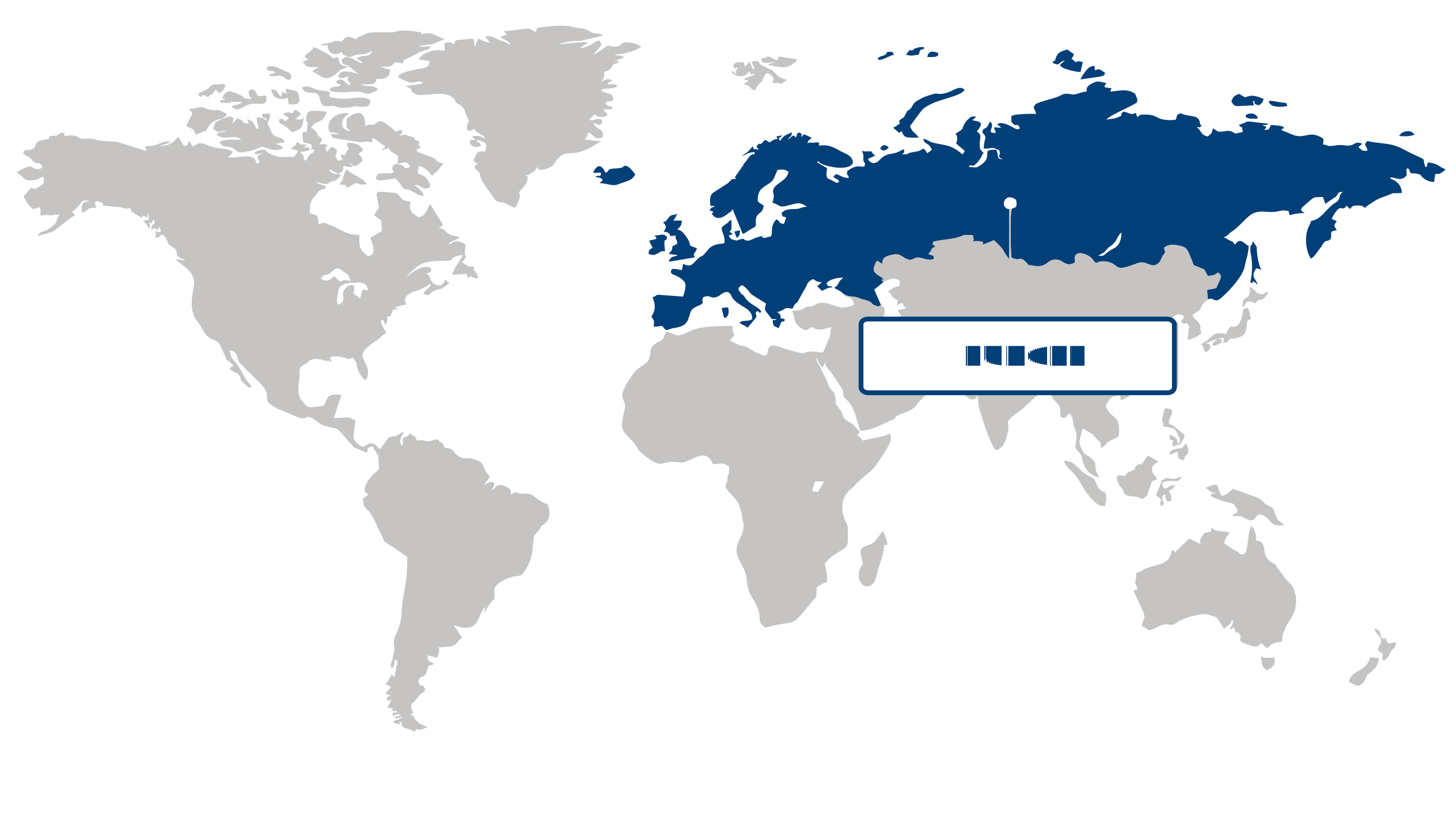
Europe (Largest Region)
Europe accounted for a share of 43.57% in 2026, backed by high consumer awareness of energy efficiency, advanced household appliance adoption, and strong demand for smart home technologies. Consumers across the region are increasingly seeking connected dishwashers that provide automated washing cycles, optimized water and energy consumption, remote monitoring, and convenient operation. The region's mature appliance market and growing emphasis on sustainable household consumption are further encouraging adoption of intelligent dishwashing solutions. In addition, increasing integration of connected appliances into smart home ecosystems, technological advancements in appliance automation, and consumer preference for convenience and resource efficiency are reinforcing Europe's position as the largest regional market.
Asia Pacific (Fastest-Growing Region)
The Asia Pacific smart dishwasher market is experiencing rapid growth, driven by urbanization, rising disposable incomes, changing household lifestyles, and increasing adoption of connected home appliances. Consumers in expanding urban centers are increasingly seeking convenient household technologies that reduce manual effort and improve cleaning efficiency. Growing awareness of smart home solutions and expanding access to connected appliances are supporting demand, while improvements in residential infrastructure are creating greater opportunities for dishwasher adoption. In addition, increasing consumer interest in energy-efficient appliances, digital connectivity, automated cleaning functions, and modern kitchen solutions is accelerating the adoption of smart dishwashers across the region.
| Parameter | North America | Asia Pacific | Europe | Latin America | MEA |
|---|---|---|---|---|---|
| Innovation HubiScaleNascentDeveloping Advanced | |||||
| Cost-Sensitive RegioniScaleLowMedium High | |||||
| Regulatory EnvironmentiScaleRestrictiveNeutral Supportive | |||||
| Demand DriversiScaleWeakModerate Strong | |||||
| Development StageiScaleEmergingDeveloping Developed | |||||
| Adoption RateiScaleLowMedium High | |||||
| New Entrants / StartupsiScaleSparseModerate Dense | |||||
| Macro IndicatorsiScaleWeakStable Strong |
Key Country Insights
United States 🇺🇸
Convenience-Led Connected AppliancesThe U.S. smart dishwasher market is centered on connected features that simplify household routines, including remote monitoring, cycle notifications, and integration with broader smart-home platforms. Product differentiation increasingly depends on ease of use, energy and water management, and practical automation rather than connectivity alone.
Germany 🇩🇪
Efficiency-Centered Appliance DemandGermany's smart dishwasher market places strong importance on resource efficiency, appliance performance, and long product lifecycles. Connected capabilities are most relevant when they help optimize water and energy use, monitor appliance operation, and provide maintenance support while maintaining high standards for reliability.
Japan 🇯🇵
Compact Intelligent DesignJapan's market favors smart dishwashers designed for space-conscious households and efficient daily operation. Manufacturers have opportunities to combine compact formats with automated cycles, optimized resource consumption, and intuitive connectivity, ensuring that smart functions provide tangible convenience within smaller kitchen environments.
South Korea 🇰🇷
Integrated Smart Home AppliancesSouth Korea's smart dishwasher market benefits from consumer familiarity with connected home ecosystems and digitally integrated appliances. Demand is supported by features that enable coordinated appliance management, remote control, automated cycle selection, and diagnostics through established smart-home and mobile platforms.
France 🇫🇷
Sustainable Household AutomationFrance presents demand for smart dishwashers that combine household convenience with more efficient resource management. Connected features gain commercial relevance when they help users optimize cycle selection, monitor consumption, and maintain appliance performance, particularly as sustainability considerations influence major appliance purchases.
Italy 🇮🇹
Premium Kitchen IntegrationItaly's smart dishwasher market is influenced by demand for appliances that integrate with modern and design-focused kitchens. Connected functionality is increasingly valued alongside flexible loading, efficient operation, and compatibility with built-in kitchen systems, creating opportunities for differentiated premium and integrated appliance offerings.
Smart Dishwasher Market Share (%), by Product, 2026
Go beyond the chart, access full insights & data tables
Request Free Sample ReportProduct Segment Analysis: Freestanding Dishwasher (Largest & Fastest-Growing Segment)
In 2026, the freestanding dishwasher product segment accounted for the largest market share of 57.58% in the smart dishwasher market, driven by its installation flexibility, broad compatibility with existing kitchen layouts, and suitability for households that prefer appliances without extensive cabinetry modifications. Unlike built-in models, freestanding smart dishwashers can generally be installed independently, making them attractive for rented homes, apartments, and residences where kitchen configurations may change over time. Integration of smart features, including remote operation, cycle monitoring, automatic program selection, maintenance alerts, and energy and water consumption tracking, is further enhancing their market share appeal. These capabilities allow users to manage dishwashing more conveniently while improving awareness of appliance performance and resource use. Freestanding models also benefit from established consumer familiarity, a wide range of designs and capacities, and relatively straightforward replacement during kitchen upgrades. Manufacturers are increasingly incorporating connectivity and intelligent washing technologies into these products to meet expectations for convenience, hygiene, and operational efficiency. As smart home adoption expands and consumers seek practical appliances that combine flexible installation with advanced functionality, freestanding dishwashers are positioned to maintain their leading role and support continued smart dishwasher market growth.
Application Segment Analysis: Household (Largest & Fastest-Growing Segment)
The household application segment held the largest smart dishwasher market share of 80.46% in 2026, supported by growing demand for convenient kitchen appliances that reduce manual effort and simplify everyday household routines. Smart dishwashers enable users to automate cleaning tasks, monitor wash cycles remotely, receive notifications when programs are complete, and select suitable settings according to load size and soil levels. These functions are particularly attractive to busy households seeking greater convenience and more efficient use of time. Increasing awareness of water and energy consumption is also encouraging interest in appliances equipped with optimized washing programs, load sensing, and intelligent resource management. In addition, improved hygiene expectations and demand for consistent cleaning performance are supporting the adoption of advanced dishwasher technologies. The expansion of urban housing, changing household lifestyles, and the growing integration of connected appliances into smart home ecosystems are further strengthening smart dishwasher market demand. Manufacturers are responding with products that combine intuitive controls, flexible loading arrangements, quieter operation, and compatibility with connected home platforms. As consumers increasingly prioritize convenience, resource efficiency, and automation in residential kitchens, the household segment is expected to remain the principal driver of smart dishwasher share expansion.
Distribution Channel Segment Analysis: Offline (Largest Segment) vs Online (Fastest-Growing Segment)
In 2026, the offline distribution channel accounted for the largest smart dishwasher market share, supported by consumers' preference for examining major household appliances in person before making a purchase. Physical appliance stores, electronics retailers, and specialized home improvement outlets allow customers to compare product dimensions, capacity, finishes, control interfaces, and available smart features directly. In-store sales personnel can also explain connectivity requirements, installation considerations, warranty coverage, and maintenance services, helping buyers evaluate products that may involve a substantial purchase commitment. Offline retailers often coordinate delivery, installation, and after-sales support, which can be particularly important for consumers replacing existing kitchen appliances or adapting their homes to accommodate a new dishwasher. Established retailer networks and access to demonstrations and promotional offers further support this channel's continued relevance. These advantages help build consumer confidence and simplify the purchasing process, particularly for buyers who want guidance on integrating connected appliances into their homes.
The online distribution channel is the fastest-growing segment, expanding its share of the smart dishwasher market in 2026 due to the increasing popularity of e-commerce and consumers' preference for convenient product research and home delivery. Online platforms allow buyers to compare specifications, prices, energy efficiency, capacity, connectivity features, and customer reviews across a broad range of models without visiting multiple physical stores. Detailed product listings, demonstration videos, comparison tools, and digital recommendations help consumers understand the differences between smart dishwasher offerings and identify models suited to their household requirements. Online purchasing is also benefiting from promotional campaigns, flexible payment options, and the ability to browse products at any time. As manufacturers and retailers improve digital product information and provide more integrated delivery, installation, and warranty services, concerns associated with purchasing large appliances online are gradually becoming easier to address. The broader shift toward digital shopping and growing familiarity with connected home technologies are expected to support continued expansion of online sales and capture an increasing market share over time.
| Segment | Sub-Segment | Largest Segment | Fastest Growing |
|---|---|---|---|
| Product | Freestanding Dishwasher, Built-in Dishwasher | Freestanding Dishwasher | Freestanding Dishwasher |
| Application | Household, Commercial | Household | Household |
| Distribution Channel | Offline, Online | Offline | Online |
Unlock insights tailored to your business with our bespoke market research solutions.
Click to get your customized report now.
Competitive Landscape and Market Positioning
Analyst Perspective:
Competition in the smart dishwasher market increasingly revolves around delivering practical household benefits through automation rather than connectivity features alone. Sensor-based wash optimization and AI-driven load recognition can reduce manual intervention and improve resource efficiency, provided that cleaning performance remains consistent across different loads and soil conditions. Automated detergent dosing offers an additional convenience advantage, although dispensing accuracy, refill requirements, and consumable arrangements influence the overall ownership experience. Smart home integration further differentiates products through remote monitoring, scheduling, and voice control, but its value depends on reliable connectivity, intuitive setup, and compatibility across household platforms. Manufacturers must therefore balance intelligent functionality with ease of use, dependable cleaning results, and transparent controls. Products that simplify routine tasks without introducing unnecessary complexity offer a more compelling proposition to consumers.
Key companies in the smart dishwasher market:
- Bosch (Germany)
- Whirlpool (USA)
- LG Electronics (South Korea)
- Samsung Electronics (South Korea)
- Electrolux (Sweden)
- Haier (China)
- Miele (Germany)
- Panasonic (Japan)
- Siemens Home Appliances (Germany)
- Beko (Turkey)
| Company | Market Share | Company Revenue | Revenue CAGR (%) | Product Portfolio | Geographic Presence | Innovation / R&D Focus | Strategic Developments |
|---|---|---|---|---|---|---|---|
| Bosch (Germany) | |||||||
| Whirlpool (USA) | |||||||
| LG Electronics (South Korea) | |||||||
| Samsung Electronics (South Korea) | |||||||
| Electrolux (Sweden) | |||||||
| Haier (China) | |||||||
| Miele (Germany) | |||||||
| Panasonic (Japan) | |||||||
| Siemens Home Appliances (Germany) | |||||||
| Beko (Turkey) |
Industry Development/News
| Company Name | Date | Key Development |
|---|---|---|
| LISSOME | November 2025 | LISSOME secured over RMB 10 million in a Pre-A financing round with backing from GAO Bingqiang. The funding supports the development of compact capsule dishwashers tailored for small-family households, highlighting venture investment activity in space-conscious kitchen appliance formats. |
| GE Profile | November 2025 | GE Profile introduced its Smart Compact Dishwasher to the United States market at a base price of $599. The unit provides flexible installation configurations, accommodates six place settings, consumes two gallons per wash cycle, and incorporates smart connectivity via the SmartHQ application. |
Customize Your Report
Explore examples of how this report can be tailored to different research needs, including custom segments, additional topics or chapters, and related reports. Click a section of the wheel or its numbered marker to explore the available options.
Smart Dishwasher Market — Custom Segments
| Segment | Sub-Segment |
|---|---|
| Price Tier | Economy, Mid-Range, Premium, Luxury |
| Energy Efficiency | Standard Efficiency, High Efficiency, Premium Efficiency |
| Connectivity Ecosystem | Wi-Fi Connected, Bluetooth Connected, Smart Home Platform Integrated, Multi-Platform Connected |
Smart Dishwasher Market — Custom TOC
| Custom Chapter | Chapter Details |
|---|---|
| Smart Home Ecosystem Integration |
|
| Consumer Purchase Decision Analysis |
|
| Smart Dishwasher Ownership Economics |
|
Need a different cut of the data?
Request Custom ResearchFrequently Asked Questions
What is the market valuation of the smart dishwasher market?
How much is the smart dishwasher industry expected to grow by 2036?
How is smart home adoption changing consumer demand for smart dishwashers?
How are resource-efficiency innovations strengthening the value proposition of smart dishwashers?
Why do freestanding dishwashers dominate the smart dishwasher market?
Why is online distribution gaining momentum in the smart dishwasher market?
What makes Europe the leading market for smart dishwashers?
Which factors are accelerating smart dishwasher adoption in Asia Pacific?
Who are the leading players in the smart dishwasher landscape?
Our Clients
"The team demonstrated a great understanding of our business needs, and the reports were tailored to address our specific concerns and objectives."
Infosys
"The report was up-to-date with the latest industry trends and technological advancements. The detailed competitive landscape analysis was quite helpful."
Zebra Technologies
"The data presented in the report was accurate and well-researched. I also found the market dynamics section particularly useful."
Arlo Technologies
Our Research Team & Methodology
Every Fundamental Business Insights report is built by a dedicated vertical research team, validated through a structured primary-and-secondary methodology, and reviewed for accuracy before it reaches you.
This report was prepared by the Smart Technologies Research Team at Fundamental Business Insights, a dedicated research group specializing in emerging digital technologies and intelligent connected systems. Our analysts continuously monitor advancements in artificial intelligence, Internet of Things (IoT), cloud computing, edge computing, cybersecurity, automation, digital transformation strategies, and evolving enterprise adoption trends to deliver timely and reliable market intelligence. The research is developed using a structured methodology that combines primary discussions with technology providers, software vendors, system integrators, enterprise users, and industry experts, along with company annual reports, investor presentations, regulatory publications, technology standards, industry associations, technical white papers, and other authoritative secondary sources. Market estimates are validated through multiple research techniques, including top-down and bottom-up analysis, before undergoing an internal quality review to ensure accuracy, consistency, and methodological integrity prior to publication.
Delivery
Published
Available
Support
- Market Size & Forecast
- Market Segmentation
- Regional Analysis
- Growth Drivers & Challenges
- Market Dynamics
- Competitive Landscape
- Company Profiles
- Competitive Benchmarking
- Mergers & Acquisitions
- Market Share Analysis or Key Company Strategies
- Value Chain Analysis
- Porter's Five Forces
- PESTLE Analysis
- Pricing Trends
- Supply-Demand Analysis
- Technology Landscape
- Regulatory Landscape
- Investment & Funding Landscape
- Emerging Opportunities
- Future Market Outlook