Smart HVAC Systems Market Size & Growth Forecast 2027–2036, By Segments (Technology, Application, Distribution Channel), Regional Demand Trends (North America, Asia Pacific, Europe), Key Country Insights (U.S., Japan, South Korea, Germany, France, Italy), and Competitive Landscape
Jump to Content
Market Size and Growth Outlook
Smart HVAC Systems Market size stood at USD 108.44 billion in 2026 and is predicted to grow at a 7.42% CAGR from 2027 to 2036, crossing USD 221.84 billion by 2036. The industry revenue for 2027 is estimated at USD 115.27 billion.
Get more details on this report
Request Free Sample ReportSmart HVAC Systems Market Intelligence Snapshot
Regional Market Dynamics
- Europe accounted for 36.5% of global revenue in 2026, supported by energy efficiency priorities, building performance requirements, modernization initiatives, and adoption of connected climate control technologies.
- Rapid urbanization, expanding construction, and investment in energy-efficient buildings are increasing demand for connected climate control, automated ventilation, and intelligent systems that optimize energy consumption and equipment performance.
Segment Momentum
- Heating accounted for 52.94% of the market in 2026, supported by demand for intelligent temperature control, automated adjustments, and energy management. Connected sensors, programmable settings, and remote monitoring improve comfort while helping reduce unnecessary energy consumption.
- Residential applications held 44.1% of the market in 2026 and are expected to grow fastest as homeowners adopt connected climate controls. Remote monitoring, occupancy-based adjustments, and integration with smart home ecosystems support convenience and energy-conscious operation.
Market Expansion Drivers
- Increasing adoption of smart and connected building solutions.
- Government initiatives and regulations for energy-efficient buildings.
- Integration of IoT, AI, and predictive analytics in HVAC systems.
Leading Market Participants
- Prominent players in the smart HVAC systems market include Honeywell (USA), Johnson Controls (Ireland), Siemens (Germany), Schneider Electric (France), Daikin (Japan), Carrier (USA), Trane Technologies (Ireland), LG Electronics (South Korea), Bosch Thermotechnology (Germany), Mitsubishi Electric (Japan).
Global Market Forecast Snapshot
Market Outlook
- 2026 Market Size: USD 108.44 billion
- 2027 Estimated Market Size: USD 115.27 billion
- Projected Market Size: USD 221.84 billion by 2036
- Growth Forecast: 7.42% CAGR (2027-2036)
Regional and Segment Outlook
- Leading Regional Market: Europe
- High-Growth Regional Hub: Asia Pacific
- Core Revenue Segment: Technology (Heating) | Application (Residential) | Distribution Channel (Retail Stores)
- Emerging Opportunity Segment: Technology (Heating) | Application (Residential) | Distribution Channel (Retail Stores)
Market Growth Drivers and Industry Trends
Increasing adoption of smart and connected building solutions
The growing adoption of smart and connected building solutions is driving demand for smart HVAC systems by enabling centralized control, automated temperature management, and improved occupant comfort. Building owners and facility managers are increasingly integrating HVAC equipment with connected building platforms to monitor system performance and optimize energy use. The growing development of intelligent commercial, residential, and institutional buildings is further supporting the integration of connected HVAC technologies.
Government initiatives and regulations for energy-efficient buildings
Government initiatives and regulations promoting energy-efficient buildings are encouraging the adoption of advanced HVAC technologies that can reduce energy consumption and improve operational efficiency. Building efficiency standards and sustainability requirements are prompting property owners to modernize conventional heating, ventilation, and air conditioning infrastructure with automated controls and energy management capabilities. These regulatory measures are also supporting the incorporation of smart HVAC systems into new construction and renovation projects.
Integration of IoT, AI, and predictive analytics in HVAC systems
The integration of IoT, artificial intelligence, and predictive analytics is enhancing the capabilities of HVAC systems by enabling real-time monitoring, automated adjustments, and predictive maintenance. Connected sensors can collect information on temperature, humidity, occupancy, and equipment performance, allowing intelligent controls to optimize system operation according to changing conditions. These technologies can also help identify potential equipment issues before failures occur, supporting greater reliability and more efficient building management.
| Growth Driver | Impact on CAGR | Regulatory Influence | Geographic Relevance | Adoption Rate | Impact Timeline |
|---|---|---|---|---|---|
| Increasing adoption of smart and connected building solutions | 2.5% | Short term (≤ 2 yrs) | North America; Europe; Spillover: Asia Pacific | Medium | Fast |
| Government initiatives and regulations for energy-efficient buildings | 2% | Medium term (2–5 yrs) | Europe; North America; Spillover: Asia Pacific | High | Moderate |
| Integration of IoT, AI, and predictive analytics in HVAC systems | 2% | Long term (5+ yrs) | North America; Asia Pacific; Spillover: Europe | Medium | Moderate |
Explore Growth Opportunities
Request Free Sample ReportRegional Demand Dynamics
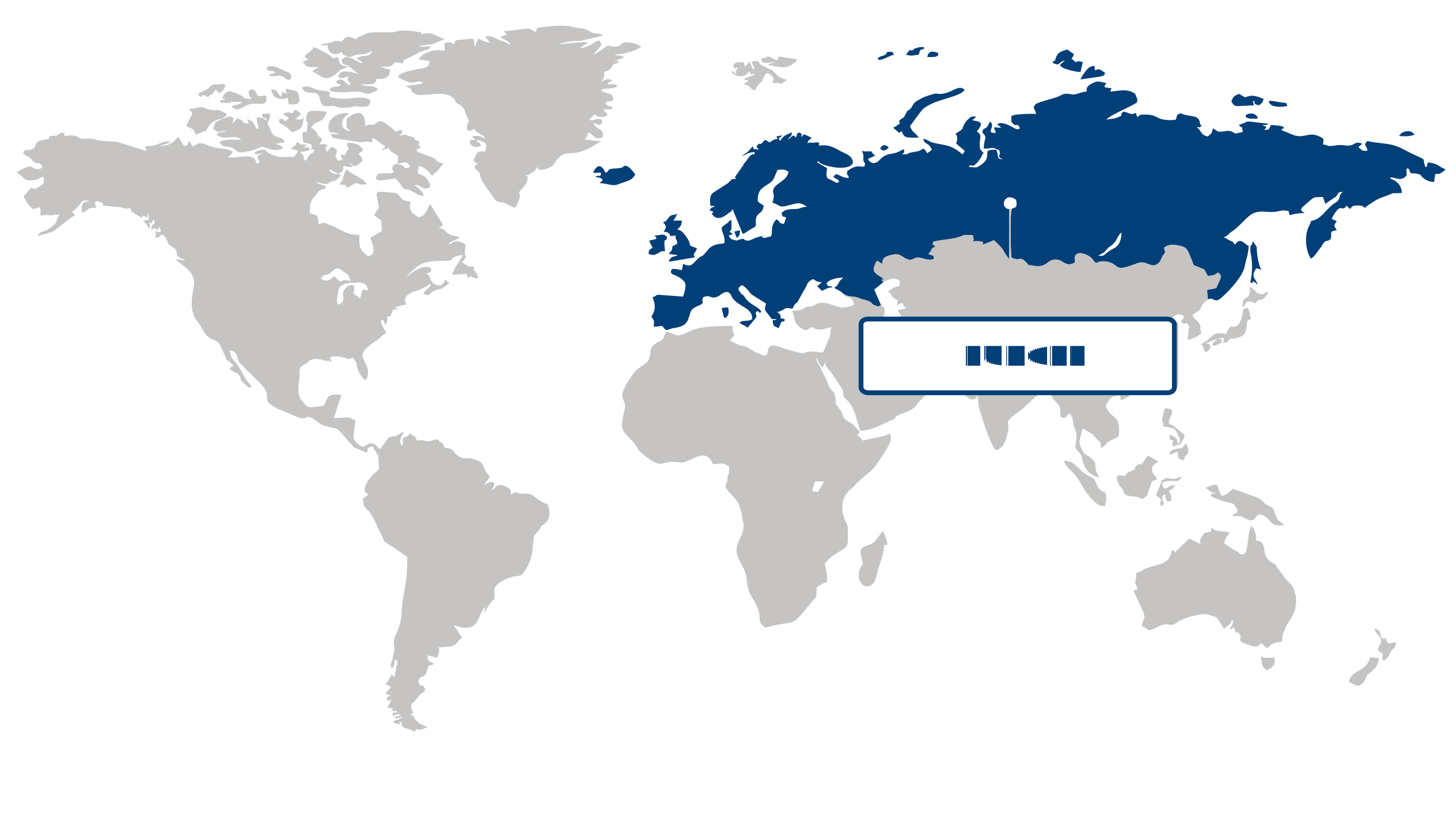
Europe (Largest Region)
Europe accounted for the largest revenue share of 36.5% in the global smart HVAC systems market in 2026, backed by growing emphasis on energy efficiency, sustainable buildings, and intelligent building management. The region's focus on reducing energy consumption and carbon emissions is encouraging the adoption of connected heating, ventilation, and air conditioning solutions across residential, commercial, and industrial facilities. Stringent energy performance requirements and building modernization initiatives are driving investments in automated climate control, smart thermostats, occupancy-based ventilation, and remote monitoring technologies. The growing integration of internet of things technologies and building automation systems is helping property owners improve indoor comfort while optimizing energy usage and maintenance requirements. Increasing renovation of existing buildings and the development of energy-efficient commercial infrastructure are further strengthening regional demand. The emphasis on sustainable construction and efficient building operations continues to support the region's established position in the market.
Asia Pacific (Fastest-Growing Region)
Asia Pacific is projected to grow at the fastest rate in the smart HVAC systems market during the forecast period, driven by rapid urbanization, expanding construction activities, and rising demand for energy-efficient building infrastructure. The development of commercial complexes, residential communities, healthcare facilities, and industrial buildings is creating opportunities for intelligent climate control solutions. Growing awareness of indoor air quality and thermal comfort is encouraging the adoption of connected HVAC equipment and automated ventilation systems. The increasing use of smart building technologies is also enabling facility operators to monitor environmental conditions, optimize energy consumption, and improve equipment performance. Industrial expansion and the modernization of commercial infrastructure are further supporting demand for integrated HVAC management solutions. In addition, the growing emphasis on sustainable urban development and energy conservation is encouraging investment in intelligent building systems, positioning the region for strong market expansion.
| Parameter | North America | Asia Pacific | Europe | Latin America | MEA |
|---|---|---|---|---|---|
| Innovation HubiScaleNascentDeveloping Advanced | |||||
| Cost-Sensitive RegioniScaleLowMedium High | |||||
| Regulatory EnvironmentiScaleRestrictiveNeutral Supportive | |||||
| Demand DriversiScaleWeakModerate Strong | |||||
| Development StageiScaleEmergingDeveloping Developed | |||||
| Adoption RateiScaleLowMedium High | |||||
| New Entrants / StartupsiScaleSparseModerate Dense | |||||
| Macro IndicatorsiScaleWeakStable Strong |
Key Country Insights
United States 🇺🇸
Connected Building ControlsThe U.S. smart HVAC systems market centers on connected controls, energy management, and automation across commercial and residential buildings. Suppliers can prioritize IoT connectivity, remote monitoring, demand-based control, interoperability with building management platforms, and retrofit solutions for existing HVAC installations.
Germany 🇩🇪
Energy-Efficient Building AutomationGermany’s smart HVAC systems market is shaped by strong emphasis on building efficiency, automation, and system optimization. Commercial priorities include intelligent zoning, sensor-based controls, heat-pump integration, predictive maintenance, and compatibility with building energy-management systems.
Japan 🇯🇵
High-Efficiency Climate ControlJapan’s smart HVAC systems market emphasizes precise indoor climate management and efficient operation within space-constrained buildings. Suppliers can focus on advanced sensors, room-level controls, inverter-driven equipment integration, remote diagnostics, and automation that improves comfort while limiting unnecessary energy use.
South Korea 🇰🇷
Digital HVAC ManagementSouth Korea’s smart HVAC systems market is increasingly connected with digitally managed buildings and intelligent home environments. Priorities include centralized monitoring, AI-assisted optimization, connected thermostats, automated zoning, and integration with broader smart-building and home-automation ecosystems.
France 🇫🇷
Low-Carbon Building ControlsFrance’s smart HVAC systems market is oriented toward efficient building operation and reduced energy consumption. Suppliers can prioritize intelligent heating and cooling controls, heat-pump coordination, occupancy-based management, remote supervision, and solutions that help commercial buildings modernize existing HVAC infrastructure.
Italy 🇮🇹
Retrofit-Oriented HVAC IntelligenceItaly’s smart HVAC systems market offers opportunities around upgrading existing residential and commercial heating and cooling installations. Market priorities include affordable connected controls, remote monitoring, energy optimization, zoning, and integration with heat pumps and building automation without requiring extensive system replacement.
Smart HVAC Systems Market Share (%), by Technology, 2026
Go beyond the chart, access full insights & data tables
Request Free Sample ReportTechnology Segment Analysis: Heating (Largest & Fastest-Growing Segment)
The heating technology segment accounted for 52.94% share of the smart HVAC systems market in 2026 and is also the fastest-growing technology segment, driven by increasing demand for intelligent temperature management, energy efficiency, and automated climate control during colder conditions. Smart heating systems enable users to regulate indoor temperatures more precisely through connected controls, sensors, programmable settings, and automated adjustments based on occupancy or environmental conditions. Integration with smart building platforms and connected home ecosystems further enhances their functionality by allowing heating performance to be monitored and adjusted remotely. Growing emphasis on reducing energy consumption is also encouraging adoption, as intelligent heating controls can optimize equipment operation and minimize unnecessary energy use. In commercial and residential environments alike, improved comfort, greater control, and energy-management capabilities are strengthening demand for smart heating solutions and supporting their continued expansion across the technology landscape.
Application Segment Analysis: Residential (Largest & Fastest-Growing Segment)
The residential application segment represented 44.1% share of the market in 2026 and is also the fastest-growing application segment, supported by increasing consumer adoption of connected home technologies and greater attention to household energy efficiency. Smart HVAC systems allow homeowners to remotely monitor and control indoor climate conditions, adjust settings according to occupancy patterns, and automate temperature management through connected devices. Integration with home automation ecosystems further improves convenience by enabling HVAC equipment to interact with other smart household functions. Rising awareness of energy consumption is encouraging households to seek technologies that can provide comfortable indoor environments while improving control over heating and cooling usage. In addition, the growing availability of connected thermostats, sensors, and intelligent HVAC equipment is making smart climate management more accessible to residential users, reinforcing demand for solutions that combine comfort, convenience, and energy-conscious operation.
Distribution Channel Segment Analysis: Retail Stores (Largest & Fastest-Growing Segment)
The retail stores distribution channel accounted for 42.82% share of the market in 2026 and is also the fastest-growing distribution channel, reflecting the continued importance of physical outlets in the purchase of smart HVAC equipment and related components. Retail stores provide consumers with opportunities to examine products directly, compare technical features, receive guidance on system compatibility, and make purchasing decisions with support from sales personnel. This channel is particularly relevant for HVAC products because buyers may require assistance in understanding installation requirements, connectivity features, control options, and compatibility with existing heating or cooling infrastructure. Physical retailers can also support product demonstrations and facilitate access to installation or after-sales services, helping reduce uncertainty associated with adopting connected HVAC technologies. As consumer interest in smart home solutions expands, retail stores are increasingly adapting their product offerings to include intelligent HVAC equipment, strengthening their role in connecting manufacturers with residential and other end users.
| Segment | Sub-Segment | Largest Segment | Fastest Growing |
|---|---|---|---|
| Technology | Heating, Ventilation, Cooling | Heating | Heating |
| Application | Residential, Commercial, Industrial | Residential | Residential |
| Distribution Channel | Online, Retail Stores, Wholesale Stores, Others | Retail Stores | Retail Stores |
Unlock insights tailored to your business with our bespoke market research solutions.
Click to get your customized report now.
Competitive Landscape and Market Positioning
Analyst Perspective:
The smart HVAC systems market is increasingly defined by the integration of energy management, connected diagnostics, and indoor environmental control. Variable refrigerant flow and inverter technologies support flexible operation across changing thermal loads, although realized efficiency depends on system design, building characteristics, and operating conditions. Connectivity extends this value proposition through remote monitoring and predictive diagnostics, with effectiveness determined by data quality, analytics, cybersecurity, and integration into maintenance workflows. Compatibility with building automation systems and smart-home protocols also influences adoption, particularly where customers need to connect new equipment with existing infrastructure. Meanwhile, indoor air quality monitoring creates opportunities to coordinate ventilation and filtration with environmental conditions, but additional air treatment can increase energy consumption and maintenance demands. Suppliers are therefore differentiated by their ability to deliver interoperable, energy-conscious systems that provide practical operational benefits without introducing unnecessary complexity or cost.
Major players in the smart HVAC systems market:
- Honeywell (USA)
- Johnson Controls (Ireland)
- Siemens (Germany)
- Schneider Electric (France)
- Daikin (Japan)
- Carrier (USA)
- Trane Technologies (Ireland)
- LG Electronics (South Korea)
- Bosch Thermotechnology (Germany)
- Mitsubishi Electric (Japan)
| Company | Market Share | Company Revenue | Revenue CAGR (%) | Product Portfolio | Geographic Presence | Innovation / R&D Focus | Strategic Developments |
|---|---|---|---|---|---|---|---|
| Honeywell (USA) | |||||||
| Johnson Controls (Ireland) | |||||||
| Siemens (Germany) | |||||||
| Schneider Electric (France) | |||||||
| Daikin (Japan) | |||||||
| Carrier (USA) | |||||||
| Trane Technologies (Ireland) | |||||||
| LG Electronics (South Korea) | |||||||
| Bosch Thermotechnology (Germany) | |||||||
| Mitsubishi Electric (Japan) |
Industry Development/News
| Company Name | Date | Key Development |
|---|---|---|
| Sunrun | June 2026 | Sunrun partnered with Renew Home and Tesla to orchestrate over 16 GW of distributed energy resources, linking smart thermostats, residential battery storage, and vehicle-to-grid systems for integrated demand-side energy management. |
| Johnson Controls | September 2025 | Johnson Controls launched a scalable liquid cooling solution for high-density data centers, expanding its thermal management architecture to address rising power density demands, increase operational energy efficiency, and maintain system reliability. |
| Daikin Applied | March 2025 | Daikin Applied acquired New York-based Modular Comfort Systems to combine its decarbonization technologies with high-efficiency system design capabilities, expanding its regional service infrastructure and accelerating the deployment of commercial decarbonized HVAC solutions. |
| Mitsubishi Electric | December 2024 | Mitsubishi Electric acquired Crystal Air Holdings Limited, an Irish air-conditioning installation and maintenance services provider, to enhance its technical service infrastructure and support regional business growth across Ireland and the United Kingdom. |
| Fidelity Building Services Group | October 2024 | Fidelity Building Services Group expanded its North American footprint into Maine by acquiring Nason Mechanical Systems, strengthening its commercial mechanical service coverage and HVAC installation capabilities across the northeastern United States. |
| LG Electronics | May 2024 | LG Electronics expanded its commercial HVAC business across major Asian markets, focusing on direct enterprise sales and B2B customer channels to strengthen regional distribution reach and market penetration. |
Customize Your Report
Explore examples of how this report can be tailored to different research needs, including custom segments, additional topics or chapters, and related reports. Click a section of the wheel or its numbered marker to explore the available options.
Smart HVAC Systems Market — Custom Segments
| Segment | Sub-Segment |
|---|---|
| Automation Level | Basic Automation, Advanced Automation, Autonomous/AI-Enabled |
| Energy Efficiency Rating | Standard Efficiency, High Efficiency, Premium Efficiency |
| System Integration | Standalone Systems, Multi-System Integration, Building Automation Integration |
Smart HVAC Systems Market — Custom TOC
| Custom Chapter | Chapter Details |
|---|---|
| Building Decarbonization Adoption Roadmap |
|
| HVAC-as-a-Service Business Models |
|
| Smart Building Integration Ecosystem |
|
Need a different cut of the data?
Request Custom ResearchFrequently Asked Questions
How much is the smart HVAC systems market worth?
What are the growth projections for the smart HVAC systems industry?
How are connected building initiatives and energy-efficiency regulations accelerating smart HVAC adoption?
How are IoT, AI, and predictive analytics improving the operational value of smart HVAC systems?
Why does heating lead the smart HVAC systems market?
How is residential adoption creating growth opportunities in the smart HVAC systems market?
Why does Europe lead the smart HVAC systems market?
What is driving faster growth in Asia Pacific's smart HVAC systems market?
Which companies are driving growth in the smart HVAC systems landscape?
Our Clients
"The team demonstrated a great understanding of our business needs, and the reports were tailored to address our specific concerns and objectives."
Infosys
"The report was up-to-date with the latest industry trends and technological advancements. The detailed competitive landscape analysis was quite helpful."
Zebra Technologies
"The data presented in the report was accurate and well-researched. I also found the market dynamics section particularly useful."
Arlo Technologies
Our Research Team & Methodology
Every Fundamental Business Insights report is built by a dedicated vertical research team, validated through a structured primary-and-secondary methodology, and reviewed for accuracy before it reaches you.
This report was prepared by the Smart Technologies Research Team at Fundamental Business Insights, a dedicated research group specializing in emerging digital technologies and intelligent connected systems. Our analysts continuously monitor advancements in artificial intelligence, Internet of Things (IoT), cloud computing, edge computing, cybersecurity, automation, digital transformation strategies, and evolving enterprise adoption trends to deliver timely and reliable market intelligence. The research is developed using a structured methodology that combines primary discussions with technology providers, software vendors, system integrators, enterprise users, and industry experts, along with company annual reports, investor presentations, regulatory publications, technology standards, industry associations, technical white papers, and other authoritative secondary sources. Market estimates are validated through multiple research techniques, including top-down and bottom-up analysis, before undergoing an internal quality review to ensure accuracy, consistency, and methodological integrity prior to publication.
Delivery
Published
Available
Support
- Market Size & Forecast
- Market Segmentation
- Regional Analysis
- Growth Drivers & Challenges
- Market Dynamics
- Competitive Landscape
- Company Profiles
- Competitive Benchmarking
- Mergers & Acquisitions
- Market Share Analysis or Key Company Strategies
- Value Chain Analysis
- Porter's Five Forces
- PESTLE Analysis
- Pricing Trends
- Supply-Demand Analysis
- Technology Landscape
- Regulatory Landscape
- Investment & Funding Landscape
- Emerging Opportunities
- Future Market Outlook