Solar Hybrid Inverter Market Size & Share, By Product (Grid-Tied Solar Hybrid Inverter, Off-Grid Solar Hybrid Inverter), End User (Residential, Commercial, Industrial) - Growth Trends, Regional Insights (U.S., Japan, South Korea, UK, Germany), Competitive Positioning, Global Forecast Report 2025-2034

Report ID: FBI 6570| Published Date: Jan-2025| Format: PDF, Excel
Jump to Content
Market Outlook

Market Size and Growth Outlook

Solar Hybrid Inverter Market size is set to grow from USD 8.01 billion in 2024 to USD 19.14 billion by 2034, reflecting a CAGR of more than 9.1% between 2025 and 2034. In 2025, the industry is estimated to generate USD 8.67 billion in revenue.

Base Year Value (2024)
USD 8.01 billion
CAGR (2025-2034)
9.1%
Forecast Year Value (2034)
USD 19.14 billion
Historical Data Period
2019-2024
Largest Region
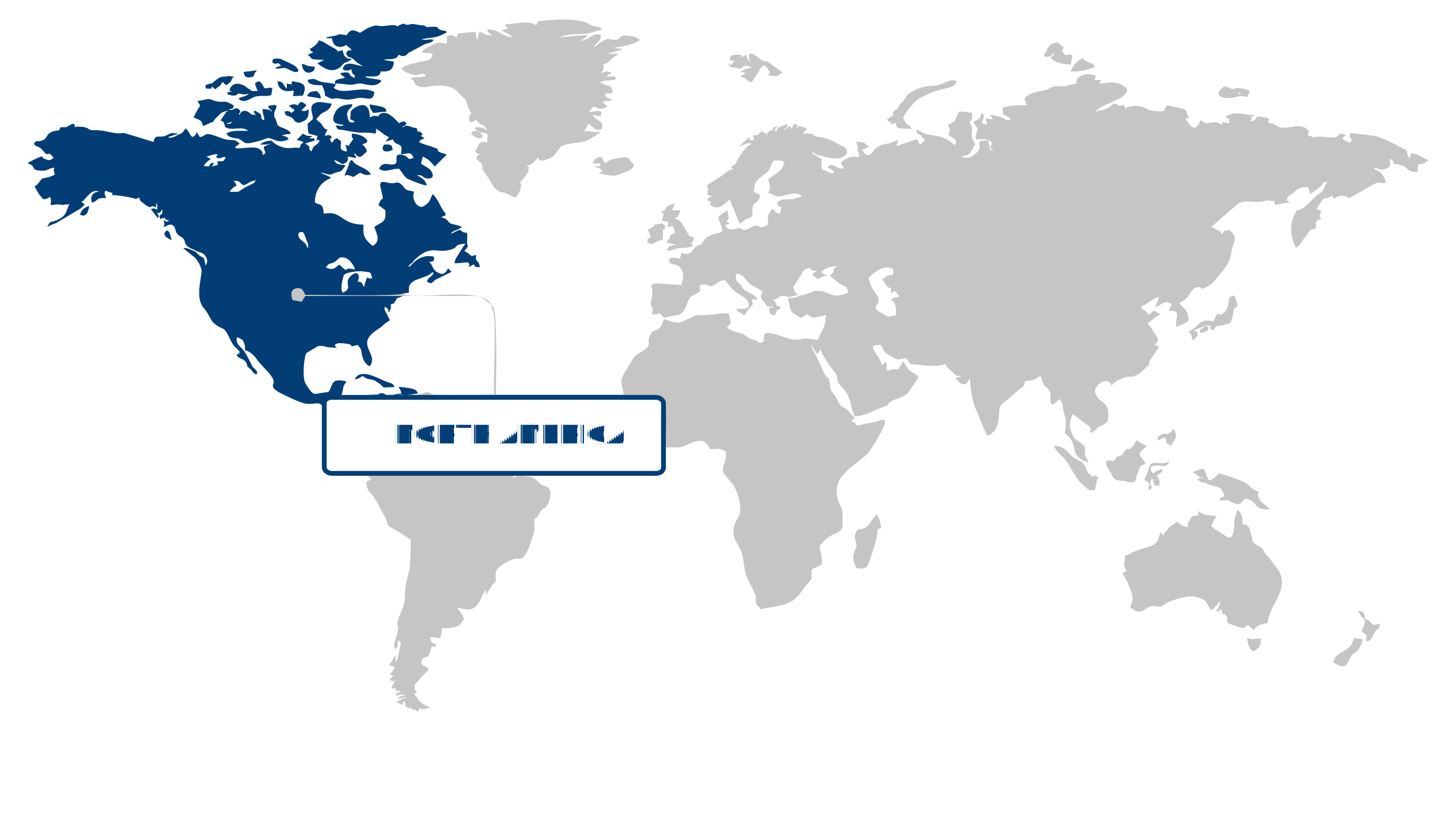
North America
Forecast Period
2025-2034

Get more details on this report

Request Free Sample Report
Snapshot

Solar Hybrid Inverter Market Intelligence Snapshot

Regional Market Dynamics

Segment Momentum

Market Expansion Drivers

Leading Market Participants

Forecast Snapshot

Global Market Forecast Snapshot

Market Outlook

Regional and Segment Outlook

Market Dynamics

Market Growth Drivers and Industry Trends

Growth Drivers & Opportunity: One significant growth driver for the Solar Hybrid Inverter Market is the increasing adoption of renewable energy sources. As global awareness about climate change escalates, governments and consumers alike are leaning towards sustainable energy solutions. Solar hybrid inverters, which can effectively manage energy production from both solar panels and conventional sources, offer an efficient way to utilize renewable resources while maintaining a reliable power supply. This shift towards greener energy alternatives is prompting substantial investments in solar technologies, driving demand for hybrid inverters as a crucial component in solar energy systems. Another crucial driver is the advancements in technology that have led to improved efficiency and functionality of solar hybrid inverters. Recent innovations have enhanced the inverter capabilities, allowing for better energy management, storage options, and integration with smart grid systems. This technological progress not only optimizes energy consumption but also enhances the overall performance of solar installations. Consequently, increased efficiency and lower costs of solar hybrid inverters make them a more attractive option for both residential and commercial users, fueling market growth. The growing trend of energy self-sufficiency is also contributing to the rise of the solar hybrid inverter market. As energy prices rise and concerns about energy security become more pronounced, consumers and businesses are seeking ways to reduce their reliance on conventional power grids. Solar hybrid inverters facilitate this self-sufficiency by allowing users to generate, store, and manage their own energy. This shift towards energy independence is driving demand for solar hybrid systems, positioning them as a favored solution in energy management strategies. Industry Restraints: One of the primary restraints affecting the Solar Hybrid Inverter Market is the high initial investment cost associated with solar hybrid systems. While operational costs may decrease over time due to energy savings, the upfront expenses for installation and equipment can be a significant barrier for many potential customers. This financial hurdle can deter both residential and commercial entities from adopting solar hybrid inverter solutions, limiting overall market expansion. Another significant restraint is the complexity of installation and maintenance of solar hybrid inverters. Unlike traditional inverters, solar hybrid systems require a higher level of technical expertise for both setup and ongoing maintenance. This complicates the adoption process, particularly for users without access to skilled technicians or proper resources. The perceived difficulty associated with installation can slow down market growth as potential users weigh the benefits against the challenges of adopting these advanced systems.

Explore Growth Opportunities

Request Free Sample Report
Regional Forecast

Regional Demand Dynamics

Solar Hybrid Inverter Market
Largest Region
North America
46% Market Share in 2024
North America The solar hybrid inverter market in North America, particularly in the U.S. and Canada, is experiencing significant growth fueled by increasing adoption of renewable energy sources and favorable government policies. The U.S. leads in installed capacity, driven by federal tax incentives and state-level rebates that encourage homeowners and businesses to invest in solar energy systems. California remains a key state for solar installations, influencing regional trends. Canada is also seeing a rise in solar adoption, especially in provinces like Alberta and Ontario, where net metering programs support solar investments. The market is characterized by advanced technology adoption, including smart inverters that offer better energy management and integration with battery storage systems. Asia Pacific The Asia Pacific region is witnessing rapid expansion in the solar hybrid inverter market, led by countries such as China, Japan, and South Korea. China dominates the global solar market, being the largest producer and consumer of solar inverters. The government's commitment to renewable energy and ambitious solar installation targets are driving demand. Japan's market is characterized by a strong emphasis on energy self-sufficiency following the Fukushima disaster, resulting in increased investments in solar technology and hybrid solutions. South Korea is also emerging as a player, with initiatives promoting solar energy and energy storage systems. The integration of solar with smart grid technology is set to enhance market growth across the region. Europe In Europe, the solar hybrid inverter market shows robust development, with major contributions from the United Kingdom, Germany, and France. Germany remains a pioneer in solar technology and has a high penetration of solar systems, backed by feed-in tariffs and incentives for renewable energy use. The UK is witnessing a shift towards hybrid inverters as the demand for energy storage solutions increases due to fluctuating energy prices and grid stability issues. France's focus on expanding renewable energy capacity is driving investments in solar hybrid inverters, with government support for energy independence and environmental sustainability. The region is expected to enhance its renewable energy infrastructure further, making hybrid solar technologies increasingly relevant.
🔒 Need data on a specific country or region? Individual country/region reports are available at discounted pricing. Inquire Before Buying

Go beyond the chart, access full insights & data tables

Request Free Sample Report
Segment Analysis on Solar Hybrid Inverter Market By Product The Solar Hybrid Inverter Market is primarily segmented into Grid-Tied Solar Hybrid Inverters and Off-Grid Solar Hybrid Inverters. Grid-Tied Solar Hybrid Inverters dominate the market due to their ability to connect to the utility grid while allowing for energy storage through batteries. This functionality enables users to leverage solar power efficiently, especially in areas with robust grid infrastructure and renewable energy incentives. The increasing demand for clean energy solutions and the expanding installation of solar panels in residential and commercial sectors further fuel the growth of this segment. On the other hand, Off-Grid Solar Hybrid Inverters are gaining traction in remote and rural areas where access to the grid is limited. These inverters provide energy independence by allowing users to rely solely on solar energy combined with battery storage. The rising adoption of renewable energy solutions and advancements in battery technologies are expected to enhance the appeal of off-grid systems moving forward. By End User The Solar Hybrid Inverter Market is also segmented by end user, encompassing Residential, Commercial, and Industrial segments. The residential sector is witnessing significant growth due to increased consumer awareness regarding energy efficiency and sustainability. Homeowners are increasingly investing in solar hybrid systems to reduce electricity bills, ensure backup power, and contribute to environmental conservation. In the commercial sector, businesses are adopting solar hybrid inverters to minimize operating costs and enhance their corporate sustainability profiles. The incorporation of solar solutions aligns with the growing trend of green building initiatives and corporate social responsibility commitments. Meanwhile, the industrial segment, although smaller, is increasingly utilizing solar hybrid inverters to power operations and enhance energy resilience. Industries are focusing on integrating renewable energy to comply with regulatory requirements and reduce their carbon footprint, resulting in a positive outlook for this segment. Overall, the diversity of applications across these end-user segments indicates a dynamic market environment with ample opportunities for growth.
Segment Sub-Segment Largest Segment Fastest Growing
Custom Research

Unlock insights tailored to your business with our bespoke market research solutions.

Click to get your customized report now.

Request Customization →
Competitive Landscape

Competitive Landscape and Market Positioning

The competitive landscape in the Solar Hybrid Inverter Market is characterized by a mix of established manufacturers and emerging players striving to innovate and capture market share. Major companies are increasingly focusing on research and development to enhance the efficiency and functionality of their inverters, which play a critical role in integrating renewable energy sources with traditional power systems. Strategic partnerships, mergers, and acquisitions are common as companies look to strengthen their technological capabilities and expand their geographic reach. The growing demand for clean energy solutions and government incentives for renewable energy adoption are driving competition among firms, leading to more advanced and cost-effective products entering the market. Top Market Players 1. Sungrow Power Supply Co., Ltd 2. SMA Solar Technology AG 3. Fronius International GmbH 4. Schneider Electric SE 5. ABB Ltd 6. Huawei Technologies Co., Ltd 7. Outback Power Technologies 8. Enphase Energy, Inc. 9. Victron Energy B.V. 10. KACO new energy GmbH
Company Market Share Company Revenue Revenue CAGR (%) Product Portfolio Geographic Presence Innovation / R&D Focus Strategic Developments
No companies available.
🔒 This section is available as a standalone purchase. Buy only the data you need. Inquire Before Buying
Report Customization

Customize Your Report

Explore examples of how this report can be tailored to different research needs, including custom segments, additional topics or chapters, and related reports. Click a section of the wheel or its numbered marker to explore the available options.

1 Custom Segments 2 Custom TOC 3 Related Reports

Solar Hybrid Inverter Market — Custom Segments

Segment Sub-Segment
No segment data available.

Solar Hybrid Inverter Market — Custom TOC

Custom Chapter Chapter Details
No custom TOC data available.

Need a different cut of the data?

Request Custom Research
FAQ

Frequently Asked Questions

Testimonials

Our Clients

"The information presented in the report was genuinely insightful. The data was clear and easy to understand, which made it much easier to interpret the findings."

Director of Marketing
Amara Raja Group

"The responsiveness and professionalism exhibited by the team were exemplary. They were readily available to address queries, provide clarifications, and offer additional insights."

Renewable Energy Specialist
ONGC

"The reports offered a comprehensive analysis of various segments within the market. The detailed insights into market trends, and regulatory landscapes were excellent."

Senior R&D Engineer
TotalEnergies
THE RESEARCH BEHIND THIS REPORT

Our Research Team & Methodology

Every Fundamental Business Insights report is built by a dedicated vertical research team, validated through a structured primary-and-secondary methodology, and reviewed for accuracy before it reaches you.

THIS REPORT'S RESEARCH VERTICAL
Energy & Power
Research Team Overview

This report was prepared by the Energy & Power Research Team at Fundamental Business Insights, a dedicated research group specializing in global energy markets, power generation technologies, and energy infrastructure. Our analysts continuously monitor developments in renewable energy, conventional power generation, grid modernization, energy storage, transmission and distribution infrastructure, decarbonization initiatives, regulatory policies, energy investments, and evolving electricity demand across residential, commercial, and industrial sectors to deliver timely and reliable market intelligence. The research is developed using a structured methodology that combines primary discussions with utility companies, equipment manufacturers, technology providers, project developers, energy consultants, and industry experts, along with company annual reports, government energy statistics, regulatory publications, industry associations, technical publications, and other authoritative secondary sources. Market estimates are validated through multiple research techniques, including top-down and bottom-up analysis, before undergoing an internal quality review to ensure accuracy, consistency, and methodological integrity prior to publication.

Prepared by the Energy & Power Research Team
10+Industry Verticals
100+Countries Analyzed
5-7Days Standard
Delivery
13.8K+Research Reports
Published
On-DemandCustomized Research
Available
6Months Analyst
Support
PDF + XLSReport Deliverables
Trust & Compliance
D&B D-U-N-S
GDPR & CCPA Compliant
ISO 9001 Certified (ISO 9001:2015)
SSL Encryption
Secure Payments
Confidential Handling
Research Intelligence
Primary Research Network
Secondary Sources
Executive Leadership
Product & Technology Experts
Manufacturing & Operations Leaders
Procurement & Supply Chain Professionals
Sales & Commercial Executives
Channel Partners & Distribution Networks
Enterprise Buyers & End Users
Industry Consultants & Regulatory Experts
Research Workflow & Quality Assurance
01
Data Collection
Verified information gathered through primary and secondary research.
02
Data Triangulation
Cross-validation using multiple independent data sources.
03
Forecast Modelling
Market estimates developed using historical trends and analytical models.
04
Analyst Validation
Findings reviewed by domain experts for accuracy and consistency.
05
Editorial & Quality Review
Final editorial, quality, and compliance checks before publication.
06
Final Publication
Released after successful completion of the internal review process.
Report Coverage
Market Assessment
  • Market Size & Forecast
  • Market Segmentation
  • Regional Analysis
  • Growth Drivers & Challenges
  • Market Dynamics
🏢 Competitive Intelligence
  • Competitive Landscape
  • Company Profiles
  • Competitive Benchmarking
  • Mergers & Acquisitions
  • Market Share Analysis or Key Company Strategies
🔍 Strategic Analysis
  • Value Chain Analysis
  • Porter's Five Forces
  • PESTLE Analysis
  • Pricing Trends
  • Supply-Demand Analysis
🚀 Future Outlook
  • Technology Landscape
  • Regulatory Landscape
  • Investment & Funding Landscape
  • Emerging Opportunities
  • Future Market Outlook
Have a question about this report or need a custom scope?
Request Customization

Want this data scoped to your exact question?

Tell us the segments, regions, or competitors you need answered — an analyst will confirm scope before any custom work starts.

Talk to an Analyst →