Solo Travel Market Size & Growth Forecast 2027–2036, By Segments (Traveler Type, Gender, Booking Mode, Age Group, Travel Type), Regional Demand Trends (North America, Asia Pacific, Europe), Key Country Insights (U.S., Japan, South Korea, Germany, France, Italy), and Competitive Landscape
Jump to Content
Market Size and Growth Outlook
Solo Travel Market size stood at USD 618.03 billion in 2026 and is predicted to grow at a 15.18% CAGR from 2027 to 2036, exceeding USD 2.54 trillion by 2036. The industry revenue for 2027 is assessed at USD 699.24 billion.
Get more details on this report
Request Free Sample ReportSolo Travel Market Intelligence Snapshot
Regional Market Dynamics
- Europe held 40.39% of the market in 2026, supported by established tourism infrastructure, extensive transport networks, diverse destinations, and digital platforms that simplify independent travel planning.
- Asia Pacific is the fastest-growing region, driven by rising disposable incomes, expanding tourism infrastructure, improved connectivity, and growing interest in independent, cultural, adventure, and wellness-oriented experiences.
Segment Momentum
- Domestic travel accounted for 61.44% of the market in 2026, supported by familiar destinations, accessible transport, and simpler planning. These advantages appeal to independent travelers seeking flexible itineraries, shorter journeys, and convenient leisure experiences.
- Online travel agents and agencies held 55.05% of the market by booking mode in 2026 and are also the fastest-growing segment. Centralized booking, price comparisons, customer reviews, and flexible itinerary management simplify independent travel planning.
Market Expansion Drivers
- Growing trend of solo travel and experiential tourism.
- Expansion of digital platforms and travel apps catering to solo travelers.
- Rising safety measures and support services for solo travelers.
Leading Market Participants
- Leading players in the solo travel market include Airbnb (US), Booking Holdings (US), Expedia Group (US), Intrepid Travel (Australia), G Adventures (Canada), Trip.com Group (China), MakeMyTrip (India), TUI Group (Germany), Hostelworld Group (Ireland), Klook (Hong Kong).
Global Market Forecast Snapshot
Market Outlook
- 2026 Market Size: USD 618.03 billion
- 2027 Estimated Market Size: USD 699.24 billion
- Projected Market Size: USD 2.54 trillion by 2036
- Growth Forecast: 15.18% CAGR (2027-2036)
Regional and Segment Outlook
- Leading Regional Market: Europe
- High-Growth Regional Hub: Asia Pacific
- Core Revenue Segment: Traveler Type (Domestic) | Gender (Female) | Booking Mode (Online Travel Agents and Agencies (OTAs)) | Age Group (25-40 Years) | Travel Type (Leisure & Vacation Travel)
- Emerging Opportunity Segment: Traveler Type (Domestic) | Gender (Female) | Booking Mode (Online Travel Agents and Agencies (OTAs)) | Age Group (25-40 Years) | Travel Type (Leisure & Vacation Travel)
Market Growth Drivers and Industry Trends
Growing trend of solo travel and experiential tourism
The growing trend of solo travel and experiential tourism is driving market expansion as travelers increasingly seek personalized experiences, greater independence, and opportunities for cultural immersion. Solo trips allow individuals to design itineraries around their specific interests while offering greater flexibility in destination selection and activities. The increasing preference for authentic local experiences, wellness-focused journeys, adventure activities, and cultural exploration is further encouraging independent travel. This shift toward personalized tourism is creating sustained demand for services and experiences tailored to individual travelers.
Expansion of digital platforms and travel apps catering to solo travelers
The expansion of digital platforms and travel applications designed for solo travelers is simplifying trip planning and improving access to travel-related services. Digital tools enable travelers to research destinations, arrange transportation and accommodation, discover activities, manage itineraries, and connect with local experiences through integrated platforms. Real-time information and personalized recommendations are also helping solo travelers make decisions with greater convenience and flexibility. As digital adoption becomes increasingly embedded in the travel journey, technology-enabled services are strengthening the accessibility and appeal of independent travel.
Rising safety measures and support services for solo travelers
The growing emphasis on safety measures and dedicated support services is encouraging more travelers to consider solo journeys by addressing concerns related to security, navigation, emergencies, and unfamiliar destinations. Travel providers are increasingly incorporating features such as emergency assistance, secure transportation options, traveler notifications, and location-based support to improve the overall experience. Enhanced access to reliable assistance can increase confidence among individuals traveling independently, particularly when visiting unfamiliar regions. Continued improvements in traveler safety infrastructure are therefore supporting the broader adoption of solo travel.
| Growth Driver | Impact on CAGR | Regulatory Influence | Geographic Relevance | Adoption Rate | Impact Timeline |
|---|---|---|---|---|---|
| Growing trend of solo travel and experiential tourism | 5% | Short term (≤ 2 yrs) | North America; Europe; Spillover: Asia Pacific | Low | Fast |
| Expansion of digital platforms and travel apps catering to solo travelers | 5.5% | Medium term (2–5 yrs) | North America; Europe; Spillover: Asia Pacific | Medium | Moderate |
| Rising safety measures and support services for solo travelers | 4.37% | Long term (5+ yrs) | North America; Europe; Spillover: Asia Pacific | Medium | Moderate |
Explore Growth Opportunities
Request Free Sample ReportRegional Demand Dynamics
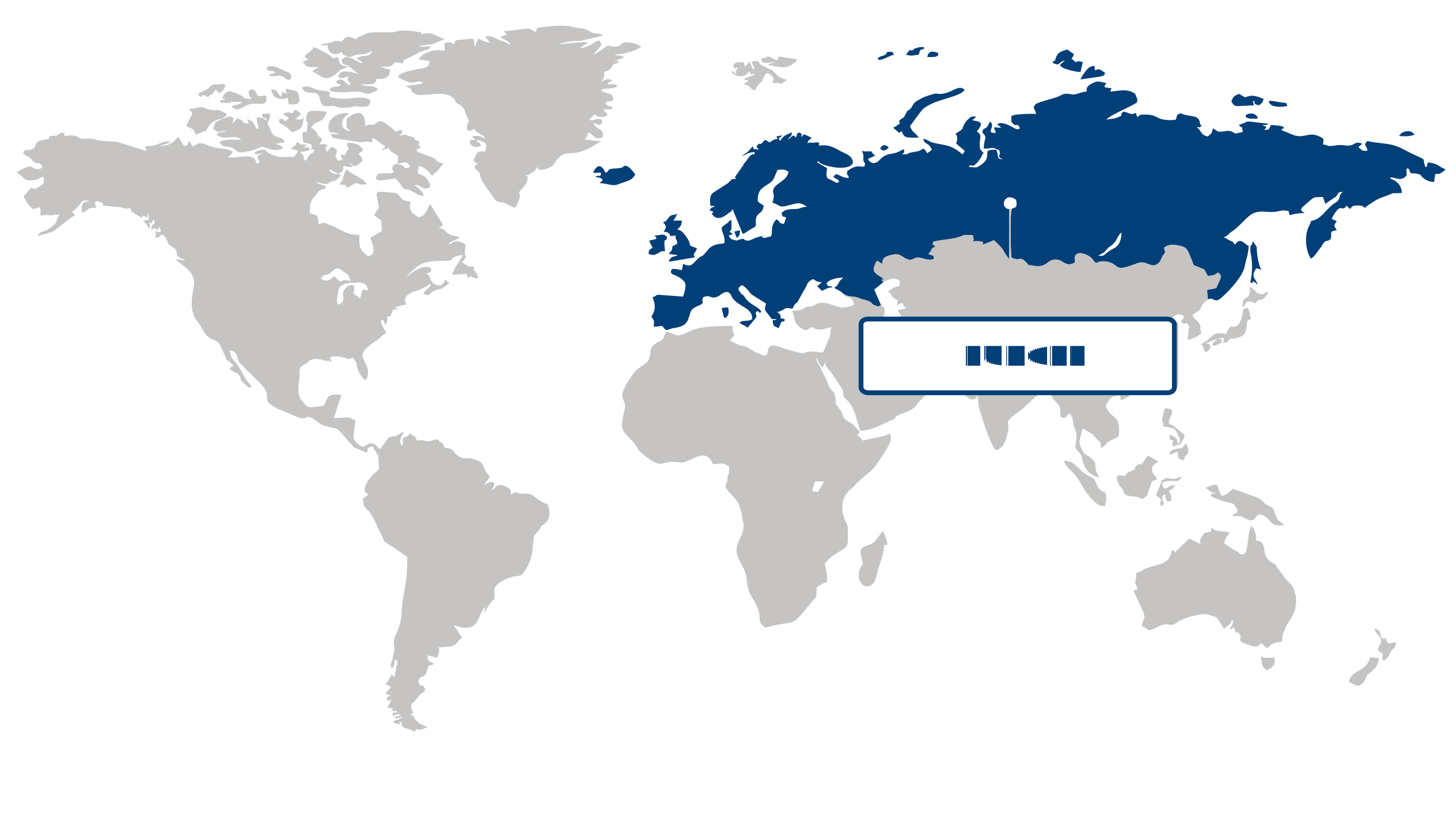
Europe (Largest Region)
Europe accounted for a 40.39% share in 2026 and held the largest position in the solo travel market, supported by established tourism infrastructure, extensive transportation networks, and strong consumer interest in independent travel experiences. The region offers diverse destinations, well-developed hospitality facilities, and convenient connectivity that support travelers seeking flexible and self-directed itineraries. Growing interest in experiential travel, cultural exploration, and wellness-oriented journeys is encouraging more consumers to undertake trips independently. In addition, the expansion of digital travel platforms is simplifying accommodation planning, transportation arrangements, and destination discovery for solo travelers. Increasing preference for personalized itineraries and greater acceptance of independent travel are further supporting market development across Europe.
Asia Pacific (Fastest-Growing Region)
Asia Pacific is expected to witness the fastest growth in the solo travel market, propelled by rising disposable incomes, expanding tourism infrastructure, and increasing interest in independent and experiential travel. Growing connectivity between destinations is making solo travel more accessible, while digital platforms are simplifying trip planning, booking, navigation, and access to travel services. Younger travelers are increasingly seeking flexible itineraries and authentic cultural experiences, supporting demand for independent travel options. In addition, expanding hospitality infrastructure and growing investment in tourism facilities are creating favorable conditions for solo travelers. Increasing awareness of wellness, adventure, cultural, and nature-based tourism is also broadening the appeal of solo travel across the region.
| Parameter | North America | Asia Pacific | Europe | Latin America | MEA |
|---|---|---|---|---|---|
| Innovation HubiScaleNascentDeveloping Advanced | |||||
| Cost-Sensitive RegioniScaleLowMedium High | |||||
| Regulatory EnvironmentiScaleRestrictiveNeutral Supportive | |||||
| Demand DriversiScaleWeakModerate Strong | |||||
| Development StageiScaleEmergingDeveloping Developed | |||||
| Adoption RateiScaleLowMedium High | |||||
| New Entrants / StartupsiScaleSparseModerate Dense | |||||
| Macro IndicatorsiScaleWeakStable Strong |
Key Country Insights
United States 🇺🇸
Independent Adventure DemandThe U.S. solo travel market is supported by demand for flexible, self-directed trips spanning leisure, outdoor experiences, and city breaks. Travel providers should emphasize customizable itineraries, mobile-first booking, solo-friendly accommodations, and safety-oriented services that reduce friction for travelers planning independently.
Germany 🇩🇪
Flexible Independent TouringGermany’s solo travel market favors flexible travel arrangements that allow individuals to control itineraries, budgets, and trip duration. Providers should develop transparent packages, reliable rail and accommodation connections, and culturally focused experiences that combine independence with convenient planning and dependable on-trip support.
Japan 🇯🇵
Structured Solo ExperiencesJapan’s solo travel market benefits from established demand for independent leisure and compact, experience-driven trips. Travel operators can focus on solo-friendly accommodations, efficient transport-linked itineraries, and curated cultural experiences, while digital booking tools can simplify planning for travelers seeking convenience without group-tour commitments.
South Korea 🇰🇷
Digital Solo Travel PlanningSouth Korea’s solo travel market is closely aligned with digitally enabled trip planning and experience discovery. Providers should prioritize mobile booking, flexible accommodation options, localized recommendations, and short-duration experiences that allow independent travelers to build itineraries around food, culture, entertainment, and urban exploration.
France 🇫🇷
Experience-Led Solo TripsFrance’s solo travel market creates opportunities around culture, gastronomy, leisure, and city-based experiences that can be consumed independently. Travel businesses should offer flexible packages, solo-accessible activities, and curated local experiences, with emphasis on convenient booking and itineraries that preserve traveler autonomy.
Italy 🇮🇹
Cultural Solo JourneysItaly’s solo travel market is well suited to independent journeys centered on heritage, cuisine, regional exploration, and leisure. Providers should emphasize easy-to-book experiences, flexible accommodation, guided activities available to individuals, and practical transport support that enables travelers to explore without relying on group itineraries.
Solo Travel Market Share (%), by Traveler Type, 2026
Go beyond the chart, access full insights & data tables
Request Free Sample ReportTraveler Type Segment Analysis: Domestic (Largest & Fastest-Growing Segment)
Domestic travel accounted for a 61.44% share of the solo travel market by traveler type in 2026, reflecting the appeal of exploring destinations within familiar national settings. Traveling domestically can reduce planning complexity by limiting language barriers, currency considerations, and unfamiliar travel requirements, while established transport networks and accessible accommodation options make independent trips easier to organize. Shorter journeys and the flexibility to travel around personal schedules also appeal to individuals seeking spontaneous breaks, cultural experiences, or leisure activities without coordinating with companions. Domestic destinations may additionally offer a greater sense of familiarity and perceived safety for first-time solo travelers, encouraging participation across different age groups and experience levels. These practical advantages support domestic solo travel’s leading position and continued growth as travelers increasingly prioritize flexible, self-directed experiences.
Gender Segment Analysis: Female (Largest & Fastest-Growing Segment)
Female travelers accounted for a 56.03% share of the solo travel market by gender in 2026, supported by growing interest in independent exploration, personal development, and travel experiences shaped around individual preferences. Solo trips allow women to determine their own itineraries, pursue cultural and recreational interests, and manage travel schedules without depending on group coordination. The availability of women-focused travel communities, curated experiences, digital planning resources, and accommodation options designed with traveler security in mind can also help address practical considerations associated with traveling alone. Social platforms and peer-shared travel information further enable women to research destinations, identify suitable services, and connect with other independent travelers. As female participation expands, providers that offer transparent safety information, responsive support, and flexible itineraries are positioned to address evolving expectations and contribute to the segment’s continued growth.
Booking Mode Segment Analysis: Online Travel Agents and Agencies (OTAs) (Largest & Fastest-Growing Segment)
Online travel agents and agencies accounted for a 55.05% share of the solo travel market by booking mode in 2026, reflecting the convenience of comparing and arranging travel services through a centralized digital platform. Solo travelers often value the ability to independently evaluate transport, accommodation, and activity options, adjust itineraries, and complete bookings without coordinating with other travelers. OTAs simplify this process by bringing multiple providers and reviews together, helping users assess prices, amenities, location, and suitability before making decisions. Flexible search tools, mobile access, customer support, and booking-management features can further reduce planning effort, particularly for travelers organizing unfamiliar destinations. As the largest and fastest-growing booking mode, OTAs are well positioned to benefit from the increasing preference for self-service travel planning and digital tools that support convenient, personalized solo journeys.
| Segment | Sub-Segment | Largest Segment | Fastest Growing |
|---|---|---|---|
| Traveler Type | Domestic, International | Domestic | Domestic |
| Gender | Male, Female | Female | Female |
| Booking Mode | Direct Booking, Online Travel Agents and Agencies (OTAs), Marketplace Booking | Online Travel Agents and Agencies (OTAs) | Online Travel Agents and Agencies (OTAs) |
| Age Group | 18-24 Years, 25-40 Years, 41-56 Years, 57 Years and Above | 25-40 Years | 25-40 Years |
| Travel Type | Leisure & Vacation Travel, Adventure and Extreme Travel, Safari and Wildlife Travel, Cultural & Heritage Travel, Eco Travel, Business Travel, Others | Leisure & Vacation Travel | Leisure & Vacation Travel |
Unlock insights tailored to your business with our bespoke market research solutions.
Click to get your customized report now.
Competitive Landscape and Market Positioning
Analyst Perspective:
Solo travel providers are redefining competitive positioning by dismantling traditional double-occupancy pricing models in favor of transparent, zero-single-supplement structures tailored to individual travelers. Beyond cost transparency, market differentiation increasingly relies on mitigating risk through integrated safety protocols, verified accommodations, and vetted local support that preserve personal autonomy. Concurrently, platforms are leveraging artificial intelligence to deliver hyper-personalized itineraries and targeted community matching, while operators curate authentic, small-group immersive experiences. Together, these strategies balance individual flexibility with seamless social connection, appealing to consumers who seek independent exploration without sacrificing reliability or community.
Major players in the solo travel market:
- Airbnb (US)
- Booking Holdings (US)
- Expedia Group (US)
- Intrepid Travel (Australia)
- G Adventures (Canada)
- Trip.com Group (China)
- MakeMyTrip (India)
- TUI Group (Germany)
- Hostelworld Group (Ireland)
- Klook (Hong Kong)
| Company | Market Share | Company Revenue | Revenue CAGR (%) | Product Portfolio | Geographic Presence | Innovation / R&D Focus | Strategic Developments |
|---|---|---|---|---|---|---|---|
| Airbnb (US) | |||||||
| Booking Holdings (US) | |||||||
| Expedia Group (US) | |||||||
| Intrepid Travel (Australia) | |||||||
| G Adventures (Canada) | |||||||
| Trip.com Group (China) | |||||||
| MakeMyTrip (India) | |||||||
| TUI Group (Germany) | |||||||
| Hostelworld Group (Ireland) | |||||||
| Klook (Hong Kong) |
Industry Development/News
| Company Name | Date | Key Development |
|---|---|---|
| EF Adventures | June 2026 | EF Adventures launched trial solo tour departures in Spain and Portugal featuring private room allocations. The operational initiative expands the company's product structure toward independent travelers seeking organized group itineraries without mandatory room-sharing arrangements. |
| TourRadar | November 2025 | TourRadar partnered with JourneyWoman to launch a specialized booking platform dedicated to organized women and solo travel. The digital marketplace aggregates curated tours featuring low or waived single supplements, streamlining booking accessibility for female and independent travelers worldwide. |
| Backroads | October 2025 | Backroads launched a Solo Room Savings program reducing private room fees across more than 500 global adventure tours. The pricing initiative decreases financial barriers for independent travelers joining active group biking and hiking trips across multiple international regions. |
| PONANT EXPLORATIONS | September 2025 | PONANT EXPLORATIONS announced the elimination of single supplement fees across more than 160 voyages. This pricing strategy removes a major financial hurdle for solo travelers, expanding accessibility to the cruise line's global itineraries and strengthening its competitive standing within the independent travel segment. |
| Riviera Travel | September 2025 | Riviera Travel committed the George Eliot river ship exclusively to solo travelers for its 2027 sailings. This operational adjustment represents a major product and capacity dedication tailored specifically to independent guests within the European river cruising market. |
| Solos | May 2025 | Solos established a travel advisor program in the United States to broaden trade distribution for its solo-focused offerings. The initiative builds structured commercial channels for travel advisors to market and distribute group travel products tailored to independent customers. |
| Norwegian Cruise Line | October 2024 | Norwegian Cruise Line announced plans to double its single-occupancy staterooms across all 19 vessels in its fleet. This substantial infrastructure investment significantly expands dedicated capacity for solo passengers, addressing key accommodation barriers and cost structures for individual cruisers. |
| G Adventures | October 2024 | G Adventures introduced Solo-ish Adventures, a dedicated travel style created explicitly for independent participants. Featuring 13 itineraries across multiple regions, the structured product formalizes small-group offerings tailored to solo travelers while incorporating flexible independent time components. |
| Ahmo Travel | March 2024 | Ahmo Travel secured external equity investment from Merry Year Social Company. The funding supports the expansion of the South Korea-based agency's specialized bespoke 1:1 adventure travel model targeting individualized consumer experiences. |
| ASmallWorld | March 2024 | ASmallWorld launched The Solo Cruise Company, a new commercial venture aimed at mature solo female travelers aged 55 and above. The strategic entry addresses a distinct demographic niche by curating tailored maritime experiences for independent travelers. |
Customize Your Report
Explore examples of how this report can be tailored to different research needs, including custom segments, additional topics or chapters, and related reports. Click a section of the wheel or its numbered marker to explore the available options.
Solo Travel Market — Custom Segments
| Segment | Sub-Segment |
|---|---|
| Trip Duration | Short Trips (1–3 Days), Medium Trips (4–7 Days), Extended Trips (8–14 Days), Long-Stay Trips (15+ Days) |
| Accommodation Type | Hotels & Resorts, Hostels, Vacation Rentals, Guesthouses & Homestays, Alternative Accommodations |
| Spending Level | Budget, Mid-Range, Premium, Luxury |
Solo Travel Market — Custom TOC
| Custom Chapter | Chapter Details |
|---|---|
| Solo Traveler Journey & Booking Behavior |
|
| Destination Safety & Risk Perception |
|
| Experience-Led Product Opportunities |
|
Need a different cut of the data?
Request Custom ResearchFrequently Asked Questions
What is the market size of the solo travel market?
What is the expected industry size of solo travel by 2036?
How are digital platforms changing the solo travel planning and purchasing journey?
Why are safety and support services becoming important to solo travel adoption?
Why does domestic travel dominate the solo travel market?
How are online travel agencies supporting growth in the solo travel market?
Why does Europe lead the solo travel market?
Where are the strongest growth opportunities emerging in the solo travel market?
Which companies are driving growth in the solo travel landscape?
Our Clients
"The report provided us with a clear direction, and the level of detail was beyond what we expected. I would definitely recommend their services to others."
Haier Appliances
"The collaboration with Fundamental Business Insights has added significant value to our decision-making process, and we look forward to continuing this partnership for our future market research requirements."
Luxottica Group S.p.A.
"The team at FBI delivered an exceptional research report. The insights on industry innovations were particularly impressive and added a lot of value to the overall report."
Nike
Our Research Team & Methodology
Every Fundamental Business Insights report is built by a dedicated vertical research team, validated through a structured primary-and-secondary methodology, and reviewed for accuracy before it reaches you.
This report was prepared by the Consumer Goods & Services Research Team at Fundamental Business Insights, a dedicated research group specializing in global consumer markets, retail industries, and service-oriented businesses. The team closely tracks evolving consumer preferences, purchasing behavior, product innovation, brand strategies, retail and e-commerce developments, pricing trends, distribution channels, sustainability initiatives, demographic shifts, and changing lifestyle patterns to deliver timely and reliable market intelligence. The research is developed using a structured methodology that combines primary discussions with manufacturers, brand owners, retailers, distributors, service providers, industry experts, and other key stakeholders, along with company annual reports, government consumer statistics, regulatory publications, industry associations, retail market data, trade publications, and other authoritative secondary sources. Market estimates are validated through multiple research techniques, including top-down and bottom-up analysis, before undergoing an internal quality review to ensure accuracy, consistency, and methodological integrity prior to publication.
Delivery
Published
Available
Support
- Market Size & Forecast
- Market Segmentation
- Regional Analysis
- Growth Drivers & Challenges
- Market Dynamics
- Competitive Landscape
- Company Profiles
- Competitive Benchmarking
- Mergers & Acquisitions
- Market Share Analysis or Key Company Strategies
- Value Chain Analysis
- Porter's Five Forces
- PESTLE Analysis
- Pricing Trends
- Supply-Demand Analysis
- Technology Landscape
- Regulatory Landscape
- Investment & Funding Landscape
- Emerging Opportunities
- Future Market Outlook