Sports Analytics Market Size & Growth Forecast 2027–2036, By Segments (Component, Analysis, Deployment, End-use), Regional Demand Trends (North America, Asia Pacific, Europe), Key Country Insights (U.S., Japan, South Korea, Germany, France, Italy), and Competitive Landscape
Jump to Content
Market Size and Growth Outlook
Sports Analytics Market size was estimated at USD 6.6 billion in 2026 and is projected to grow at a 19.24% CAGR from 2027 to 2036, attaining USD 38.35 billion by 2036. The industry revenue for 2027 is calculated at USD 7.7 billion.
Get more details on this report
Request Free Sample ReportSports Analytics Market Intelligence Snapshot
Regional Market Dynamics
- Europe held 32.72% market share in 2026, driven by established professional sports ecosystems and growing use of analytics for player performance, team strategy, fan engagement, and sports management.
- Asia Pacific is expected to grow fastest as sports participation, technology investment, and digitalization increase demand for performance monitoring, talent development, strategic planning, and data-driven fan experiences.
Segment Momentum
- Software accounts for 59.52% of the market in 2026 and is also the fastest-growing component segment. Its ability to transform performance data into actionable insights supports player evaluation, tactical planning, and data-driven coaching decisions.
- On-field analytics is the largest and fastest-growing analysis segment, driven by demand for real-time player tracking, performance monitoring, and tactical insights. These capabilities help coaches optimize athlete performance, identify weaknesses, and support injury prevention.
Market Expansion Drivers
- Increased use of data-driven decision-making in professional sports.
- Integration of AI and machine learning in performance and fan analytics.
- Expansion of analytics into amateur, collegiate, and emerging sports leagues.
Leading Market Participants
- Major players in the sports analytics market include Oracle (USA), IBM (USA), SAP SE (Germany), SAS Institute (USA), Sportradar AG (Switzerland), Catapult (Australia), Stats Perform (USA), Salesforce (USA), Kinexon (Germany), WHOOP (USA).
Global Market Forecast Snapshot
Market Outlook
- 2026 Market Size: USD 6.6 billion
- 2027 Estimated Market Size: USD 7.7 billion
- Projected Market Size: USD 38.35 billion by 2036
- Growth Forecast: 19.24% CAGR (2027-2036)
Regional and Segment Outlook
- Leading Regional Market: Europe
- High-Growth Regional Hub: Asia Pacific
- Core Revenue Segment: Component (Software) | Analysis (On-Field) | Deployment (Cloud-based) | End-use (Sports Betting)
- Emerging Opportunity Segment: Component (Software) | Analysis (On-Field) | Deployment (Cloud-based) | End-use (Sports Betting)
Market Growth Drivers and Industry Trends
Increased use of data-driven decision-making in professional sports
The increased use of data-driven decision-making in professional sports is driving demand for analytics solutions that can transform player, team, and game information into actionable insights. Sports organizations are increasingly analyzing performance patterns, tactical trends, injury risks, workload, and opponent behavior to support more informed decisions. The growing availability of data from wearable devices, tracking systems, video analysis, and other digital technologies is further strengthening the role of analytics in sports management. Hence, the increasing emphasis on evidence-based decision-making is contributing to the growth of the sports analytics market.
Integration of AI and machine learning in performance and fan analytics
The integration of AI and machine learning is enhancing sports analytics by enabling more sophisticated analysis of performance data and audience behavior. AI-based systems can identify patterns across large and complex datasets, support player performance assessment, assist with tactical analysis, and generate insights related to fan engagement and preferences. These capabilities are also enabling sports organizations to develop more personalized experiences for audiences while improving the interpretation of real-time and historical information. Hence, the growing application of AI and machine learning is expanding the functionality and adoption of sports analytics solutions.
Expansion of analytics into amateur, collegiate, and emerging sports leagues
The expansion of analytics into amateur, collegiate, and emerging sports leagues is broadening the market beyond established professional organizations. These sports segments are increasingly adopting digital tools for player development, scouting, performance evaluation, training optimization, and game strategy. Greater accessibility of cloud-based platforms, affordable tracking technologies, and automated video analysis is making advanced analytics more practical for organizations with varying levels of technical resources. Hence, the wider adoption of analytics across developing sports ecosystems is creating new opportunities for market growth.
| Growth Driver | Impact on CAGR | Regulatory Influence | Geographic Relevance | Adoption Rate | Impact Timeline |
|---|---|---|---|---|---|
| Increased use of data-driven decision-making in professional sports | 3.5% | Short term (≤ 2 yrs) | North America; spillover Europe | Low | Fast |
| Integration of AI and machine learning in performance and fan analytics | 3.8% | Medium term (2–5 yrs) | Europe; Asia Pacific; spillover North America | Low | Moderate |
| Expansion of analytics into amateur, collegiate, and emerging sports leagues | 2.7% | Long term (5+ yrs) | Asia Pacific; spillover Latin America | Low | Slow |
Explore Growth Opportunities
Request Free Sample ReportRegional Demand Dynamics
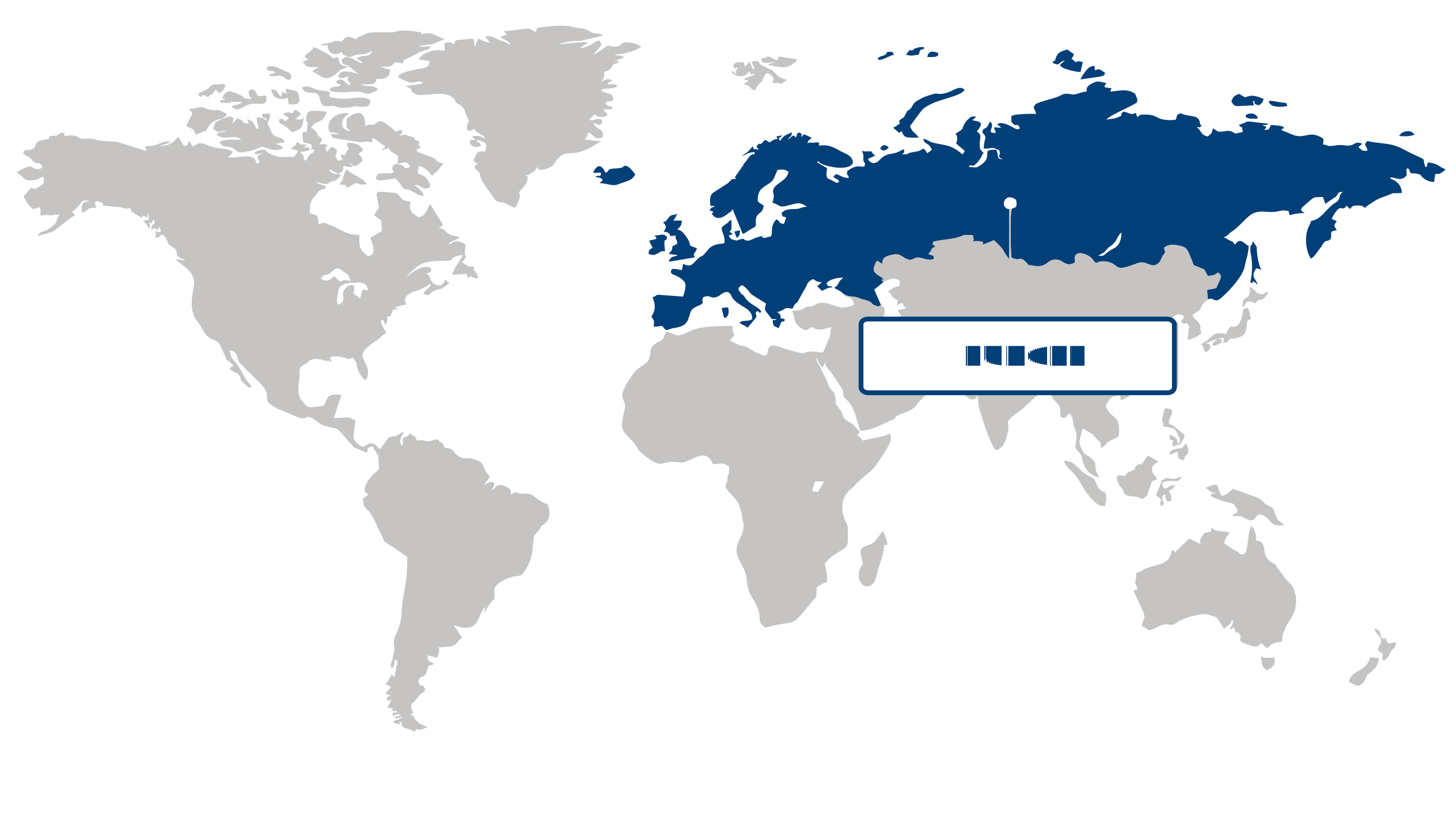
Europe (Largest Region)
Europe accounted for 32.72% share of the sports analytics market in 2026, making it the largest regional market. The region benefits from strong professional sports ecosystems, growing adoption of data-driven decision-making, and increasing use of analytics for player performance, team strategy, fan engagement, and sports management. Sports organizations are increasingly integrating advanced data analysis into training and performance evaluation to improve operational efficiency and competitive preparation. The development of digital sports platforms and increasing investments in connected technologies are further supporting regional demand. Growing interest in personalized fan experiences and data-enabled sports broadcasting is also contributing to the expansion of sports analytics applications across the region.
Asia Pacific (Fastest-Growing Region)
Asia Pacific is expected to experience the fastest regional growth, driven by expanding sports ecosystems, increasing digitalization, and rising investments in sports technology. Growing participation in professional and organized sports is encouraging teams, leagues, and organizations to adopt analytics solutions for performance monitoring, talent development, and strategic planning. Increasing smartphone and internet penetration is also strengthening opportunities for analytics-driven fan engagement and digital sports experiences. The growing popularity of technology-enabled sports platforms and rising awareness of data-based performance management are expected to accelerate adoption, creating significant opportunities for sports analytics providers across the region.
| Parameter | North America | Asia Pacific | Europe | Latin America | MEA |
|---|---|---|---|---|---|
| Innovation HubiScaleNascentDeveloping Advanced | |||||
| Cost-Sensitive RegioniScaleLowMedium High | |||||
| Regulatory EnvironmentiScaleRestrictiveNeutral Supportive | |||||
| Demand DriversiScaleWeakModerate Strong | |||||
| Development StageiScaleEmergingDeveloping Developed | |||||
| Adoption RateiScaleLowMedium High | |||||
| New Entrants / StartupsiScaleSparseModerate Dense | |||||
| Macro IndicatorsiScaleWeakStable Strong |
Key Country Insights
United States 🇺🇸
Data-Driven Sports EcosystemsThe U.S. sports analytics market emphasizes advanced performance intelligence across professional leagues, collegiate programs, and sports organizations. Commercial priorities include real-time tracking, predictive modeling, fan analytics, athlete workload management, and integration of multiple data sources into coaching, recruitment, and business decision-making workflows.
Germany 🇩🇪
Performance Science IntegrationGermany’s sports analytics adoption is closely connected to performance optimization, scouting, sports science, and structured athlete development. Teams and organizations prioritize reliable tracking data, injury-risk assessment, tactical analysis, and platforms that connect analytical insights with coaching and training processes.
Japan 🇯🇵
Precision Athlete AnalyticsJapan’s sports analytics market emphasizes detailed performance measurement and disciplined athlete development across professional and competitive sports. Priorities include biomechanics, workload monitoring, scouting intelligence, and video-based tactical analysis, with technology increasingly integrated into structured coaching and training environments.
South Korea 🇰🇷
Connected Sports IntelligenceSouth Korea is advancing sports analytics through connected technologies spanning athlete performance, broadcasting, fan engagement, and digital sports platforms. Market priorities include real-time data capture, video analytics, wearable integration, and actionable insights that improve coaching decisions while creating richer digital experiences for audiences.
France 🇫🇷
Federated Performance AnalyticsFrance’s sports analytics market combines athlete performance analysis with federation, club, and competition-level data needs. Commercial priorities include centralized data platforms, video and tactical analysis, athlete monitoring, and analytics tools that can support both elite performance programs and structured talent development.
Italy 🇮🇹
Tactical Analytics AdoptionItaly’s sports analytics demand is strongly relevant to team sports, where tactical analysis, scouting, and player evaluation influence technology adoption. Providers can address demand for video intelligence, performance tracking, recruitment analytics, and integrated dashboards that translate complex match data into practical coaching decisions.
Sports Analytics Market Share (%), by Component, 2026
Go beyond the chart, access full insights & data tables
Request Free Sample ReportComponent Segment Analysis: Software (Largest & Fastest-Growing Segment)
Software accounted for 59.52% share of the sports analytics market in 2026 and represented both the largest and fastest-growing component segment, reflecting the increasing reliance on digital platforms to collect, process, visualize, and interpret sports-related data. Sports analytics software enables teams, coaches, athletes, and organizations to transform large volumes of performance and operational information into actionable insights for player evaluation, tactical planning, performance monitoring, and decision-making. Integration with data collection technologies and analytics platforms is improving the ability to analyze information in real time and across multiple performance dimensions. Growing adoption of data-driven approaches throughout professional and competitive sports, alongside advances in artificial intelligence, predictive analytics, and visualization capabilities, is further expanding the role of software in sports analytics.
Analysis Segment Analysis: On-Field (Largest & Fastest-Growing Segment)
On-Field accounted for the largest share of the sports analytics market in 2026 and represented both the largest and fastest-growing analysis segment, driven by increasing use of analytics to evaluate athlete performance and improve tactical decision-making during sporting activities. On-field analytics can capture and interpret information related to player movement, physical performance, positioning, and game dynamics, enabling coaches and performance teams to identify strengths, weaknesses, and areas for improvement. The growing availability of real-time tracking technologies and advanced analytical tools is making performance information more accessible during training and competition. Increasing emphasis on athlete optimization, injury prevention, tactical efficiency, and evidence-based coaching is further strengthening demand for on-field sports analytics solutions.
Deployment Segment Analysis: Cloud-based (Largest & Fastest-Growing Segment)
Cloud-based accounted for the largest share of the sports analytics market in 2026 and emerged as both the largest and fastest-growing deployment segment, supported by the flexibility and accessibility offered through remotely hosted analytics platforms. Cloud deployment enables sports organizations to store, process, and access performance data across locations while reducing dependence on extensive on-site computing infrastructure. It also facilitates collaboration among coaches, analysts, athletes, and management by providing centralized access to analytical information and supporting scalable data management. The growing volume of sports data, increasing adoption of connected performance technologies, and demand for real-time access to analytical insights are encouraging organizations to shift toward cloud-based environments. Enhanced integration capabilities and the scalability of cloud infrastructure are further supporting its expanding role across sports analytics applications.
| Segment | Sub-Segment | Largest Segment | Fastest Growing |
|---|---|---|---|
| Component | Software, Services | Software | Software |
| Analysis | On-Field, Off-Field | On-Field | On-Field |
| Deployment | On-premises, Cloud-based | Cloud-based | Cloud-based |
| End-use | Sports Teams, Sports Leagues/Associations, Individual Players/Coaches, Media Organization, Sports Betting, Others | Sports Betting | Sports Betting |
Unlock insights tailored to your business with our bespoke market research solutions.
Click to get your customized report now.
Competitive Landscape and Market Positioning
Analyst Perspective:
Data quality and actionable interpretation are central to competition in sports analytics, where providers serve performance optimization, tactical planning, and fan engagement needs. Player tracking and wearable sensors generate detailed information about movement and workload, but their value depends on measurement accuracy, integration, and the ability to translate data into practical coaching decisions. Predictive injury models require particular scrutiny because injury risk is multifactorial and algorithmic estimates cannot replace professional judgment. In parallel, automated video analysis can reduce manual tagging effort and strengthen tactical assessment when event recognition remains reliable and contextually relevant. Fan-facing platforms introduce a separate commercial opportunity through interactive statistics and betting-related integrations, although data rights, accuracy, responsible gambling, and regulatory compliance influence deployment. Competitive advantage therefore rests on combining dependable data capture with credible analytical methods and solutions tailored to the needs of each user group.
Major players in the sports analytics market:
- Oracle (USA)
- IBM (USA)
- SAP SE (Germany)
- SAS Institute (USA)
- Sportradar AG (Switzerland)
- Catapult (Australia)
- Stats Perform (USA)
- Salesforce (USA)
- Kinexon (Germany)
- WHOOP (USA)
| Company | Market Share | Company Revenue | Revenue CAGR (%) | Product Portfolio | Geographic Presence | Innovation / R&D Focus | Strategic Developments |
|---|---|---|---|---|---|---|---|
| Oracle (USA) | |||||||
| IBM (USA) | |||||||
| SAP SE (Germany) | |||||||
| SAS Institute (USA) | |||||||
| Sportradar AG (Switzerland) | |||||||
| Catapult (Australia) | |||||||
| Stats Perform (USA) | |||||||
| Salesforce (USA) | |||||||
| Kinexon (Germany) | |||||||
| WHOOP (USA) |
Industry Development/News
| Company Name | Date | Key Development |
|---|---|---|
| SportAI | May 2026 | SportAI acquired Padelytics to integrate its AI-driven capabilities across racket sports. The transaction supports the development of an advanced analytics platform targeting padel, tennis, and pickleball, thereby strengthening the company's competitive positioning in data-driven sports technology segments. |
| Elite Picks | January 2026 | Founders Row backed Elite Picks through a strategic investment round supporting the continued growth of its AI-enabled sports analytics platform. The financing highlights ongoing investor demand for data-driven decision-making tools and advanced analytical software servicing sports-related forecasting. |
| Orreco | December 2025 | Orreco acquired Melbourne-based Data Driven Sports Analytics to combine tennis analytics capabilities with its core sports-performance technology. The acquisition establishes an integrated performance science and intelligence platform, expanding the firm's data-driven insights delivery for athletes and organizations. |
| Sportradar Group | November 2025 | Sportradar Group completed its acquisition of IMG Arena, integrating over 70 rightsholders and tens of thousands of data and streaming events. The strategic transaction significantly expands the company's global analytics capabilities, data distribution network, and product offerings for sports federations, broadcasters, and betting clients. |
| NBA | October 2025 | The NBA entered into a multi-year partnership with AWS to establish the cloud provider as its Official Cloud and Cloud AI Partner. The collaboration features the creation of the "NBA Inside the Game" intelligence platform, accelerating cloud and artificial intelligence deployment across the NBA and WNBA leagues. |
| International Business Machine Corporation | August 2025 | International Business Machine Corporation launched Watsonx-powered sports analytics capabilities combining computer vision with large language models. This integration delivers advanced automated match evaluations and scouting insights, illustrating the evolution of enterprise AI tools in tactical sports performance analysis. |
| Spiideo | January 2025 | Spiideo acquired Signality to combine its established sports video infrastructure with optical tracking and data-generation technology. The transaction strengthens the firm's AI-powered sports technology portfolio by embedding automated player tracking and data analytics directly into its broader platform ecosystem. |
| Stupa Sports Analytics | May 2024 | Stupa Sports Analytics secured Rs 28 crore in a pre-Series A funding round led by Centre Court Capital and PeerCapital. The capital allocation targets talent acquisition, international market expansion, and product enhancement to scale operations within the global sports technology landscape. |
Customize Your Report
Explore examples of how this report can be tailored to different research needs, including custom segments, additional topics or chapters, and related reports. Click a section of the wheel or its numbered marker to explore the available options.
Sports Analytics Market — Custom Segments
| Segment | Sub-Segment |
|---|---|
| Sport Type | Football, Cricket, Baseball, Basketball, Rugby, Other Sports |
| Data Source | Wearable/Sensor Data, Video Data, Event/Match Data, Tracking Data, Fan/Commercial Data |
| Revenue Model | Subscription-Based, License-Based, Usage-Based, Professional Services, Managed Services |
Sports Analytics Market — Custom TOC
| Custom Chapter | Chapter Details |
|---|---|
| Sports Data Commercialization Models |
|
| Athlete Performance Technology Adoption |
|
| Fan Engagement Analytics Opportunities |
|
Need a different cut of the data?
Request Custom ResearchFrequently Asked Questions
How large is the sports analytics market?
What is the projected value of the sports analytics industry by 2036?
How is data-driven decision-making accelerating sports analytics adoption?
How is analytics adoption expanding beyond professional sports organizations?
Why does software dominate the sports analytics market?
How is on-field analytics improving adoption across sports organizations?
What makes Europe the largest market for sports analytics?
Why is Asia Pacific emerging as a high-growth market for sports analytics?
Which companies dominate the sports analytics landscape?
Our Clients
"The team demonstrated a great understanding of our business needs, and the reports were tailored to address our specific concerns and objectives."
Infosys
"The report was up-to-date with the latest industry trends and technological advancements. The detailed competitive landscape analysis was quite helpful."
Zebra Technologies
"The data presented in the report was accurate and well-researched. I also found the market dynamics section particularly useful."
Arlo Technologies
Our Research Team & Methodology
Every Fundamental Business Insights report is built by a dedicated vertical research team, validated through a structured primary-and-secondary methodology, and reviewed for accuracy before it reaches you.
This report was prepared by the Smart Technologies Research Team at Fundamental Business Insights, a dedicated research group specializing in emerging digital technologies and intelligent connected systems. Our analysts continuously monitor advancements in artificial intelligence, Internet of Things (IoT), cloud computing, edge computing, cybersecurity, automation, digital transformation strategies, and evolving enterprise adoption trends to deliver timely and reliable market intelligence. The research is developed using a structured methodology that combines primary discussions with technology providers, software vendors, system integrators, enterprise users, and industry experts, along with company annual reports, investor presentations, regulatory publications, technology standards, industry associations, technical white papers, and other authoritative secondary sources. Market estimates are validated through multiple research techniques, including top-down and bottom-up analysis, before undergoing an internal quality review to ensure accuracy, consistency, and methodological integrity prior to publication.
Delivery
Published
Available
Support
- Market Size & Forecast
- Market Segmentation
- Regional Analysis
- Growth Drivers & Challenges
- Market Dynamics
- Competitive Landscape
- Company Profiles
- Competitive Benchmarking
- Mergers & Acquisitions
- Market Share Analysis or Key Company Strategies
- Value Chain Analysis
- Porter's Five Forces
- PESTLE Analysis
- Pricing Trends
- Supply-Demand Analysis
- Technology Landscape
- Regulatory Landscape
- Investment & Funding Landscape
- Emerging Opportunities
- Future Market Outlook