Sterilization Technologies Market Size & Forecasts 2026-2035, By Segments (End-user, Technology Type, Application), Growth Opportunities, Innovation Landscape, Regulatory Shifts, Strategic Regional Insights (U.S., Japan, China, South Korea, UK, Germany, France), and Competitive Dynamics (3M, STERIS, Getinge, Cantel Medical, Sartorius)
Jump to Content
Market Size and Growth Outlook
Sterilization Technologies Market size is forecasted to reach USD 19.44 billion by 2035, rising from USD 9.88 billion in 2025, at a CAGR of more than 7% between 2026 and 2035. In 2026, revenue is projected at USD 10.48 billion.
Get more details on this report
Request Free Sample ReportSterilization Technologies Market Intelligence Snapshot
Regional Market Dynamics
Segment Momentum
Market Expansion Drivers
Leading Market Participants
Global Market Forecast Snapshot
Market Outlook
Regional and Segment Outlook
Market Growth Drivers and Industry Trends
The implementation of more stringent infection control standards is a pivotal driver shaping the sterilization technologies market. Regulatory bodies such as the U.S. Centers for Disease Control and Prevention (CDC) and the European Centre for Disease Prevention and Control (ECDC) have intensified guidelines for sterilization protocols, spurred by rising awareness of hospital-acquired infections and pandemic preparedness. This has heightened demand for advanced sterilization solutions across healthcare settings, prompting manufacturers to innovate rapidly. Established companies like Steris Corporation are expanding product portfolios to meet these evolving standards, while new entrants can capitalize on niche segments requiring customized sterilization approaches. As infection control regulations continue to tighten globally, a sustained strategic focus on compliance will remain critical, driving ongoing investment and technological refinement.
Growth of Healthcare and Pharma Manufacturing Facilities
The expansion of healthcare infrastructure and pharmaceutical manufacturing is directly accelerating demand in the sterilization technologies market. Global entities such as Pfizer and Johnson & Johnson have announced considerable scaling of production capacities to address growing medicine demand and vaccine distribution, which necessitates rigorous sterilization protocols. Emerging markets investing heavily in healthcare infrastructure, supported by government health initiatives, further amplify this trend. This growth opens strategic opportunities to incumbents to invest in scalable sterilization equipment tailored to high-volume output, while startups can innovate in automation and process efficiency. As manufacturing footprints continue expanding globally, integration of sterilization technologies into production workflows will be increasingly prioritized by industry players.
Adoption of Next-Gen Sterilization Technologies
The shift towards next-generation sterilization technologies—such as hydrogen peroxide vapor, ozone sterilization, and low-temperature plasma—is a transformative growth driver in the sterilization technologies market. Industry leaders like Getinge and STERIS have publicized developments in these eco-friendly, rapid-cycle methods that reduce chemical residues and energy consumption, aligning with stricter environmental regulations and hospital sustainability commitments. This evolution appeals to institutions prioritizing operational efficiency and regulatory compliance, challenging incumbents to innovate and adapt rapidly. New entrants with expertise in digital integration and novel sterilant chemistries are positioned to disrupt established practices. As healthcare facilities increasingly pursue green sterilization solutions, next-gen technologies will define competitive differentiation and market leadership.
Industry Restraints:
Stringent Regulatory Compliance Requirements
The sterilization technologies market faces significant hurdles due to complex regulatory frameworks that vary widely across regions, often causing delays in product approvals and market entry. Agencies such as the U.S. Food and Drug Administration (FDA) and the European Medicines Agency (EMA) impose rigorous validation and documentation standards to ensure safety and efficacy, which increase operational costs and extend development timelines. For instance, the FDA’s strict regulations on sterilization validation protocols demand extensive clinical data and process controls, slowing innovation adoption. This complexity disproportionately impacts smaller companies lacking regulatory expertise and resources, while established firms must navigate continuously evolving policies. Strategic implications include redirected budgets toward compliance rather than R&D, constraining agility. Moving forward, regulatory harmonization efforts by organizations like the International Medical Device Regulators Forum (IMDRF) may alleviate some barriers, but compliance demands will remain a critical gating factor for market growth and technology deployment.
Sustainability and Environmental Concerns
Environmental sustainability is emerging as a major restraint in the sterilization technologies market, as increasing scrutiny over chemical residues and energy-intensive processes challenges traditional methods. For example, ethylene oxide (EO), widely used due to its effectiveness, faces restrictions due to its carcinogenic classification by the U.S. Environmental Protection Agency (EPA), resulting in tighter emission controls and phasedown strategies. This regulatory tightening compels manufacturers to invest in costly alternative sterilization technologies, such as hydrogen peroxide plasma or ozone, which may have lower throughput or higher upfront costs. Industry leaders like Steris Corporation have publicly acknowledged the need to balance sterilization efficiency with environmental impact, complicating product development pipelines. Consequently, both incumbents and new entrants must strategically invest in greener solutions, balancing compliance with competitive positioning. Over the medium term, sustainability pressures will increasingly shape technology portfolios and operational models within the market.
| Growth Driver | Impact on CAGR | Regulatory Influence | Geographic Relevance | Adoption Rate | Impact Timeline |
|---|---|---|---|---|---|
| Stricter infection control standards | 1.60% | Short term (≤ 2 yrs) | North America, Europe | High | Fast |
| Growth of healthcare and pharma manufacturing facilities | 1.40% | Medium term (2–5 yrs) | Asia Pacific, Latin America | Medium | Moderate |
| Adoption of next-gen sterilization technologies | 1.10% | Long term (5+ yrs) | Europe, North America | Low | Moderate |
Explore Growth Opportunities
Request Free Sample ReportRegional Demand Dynamics
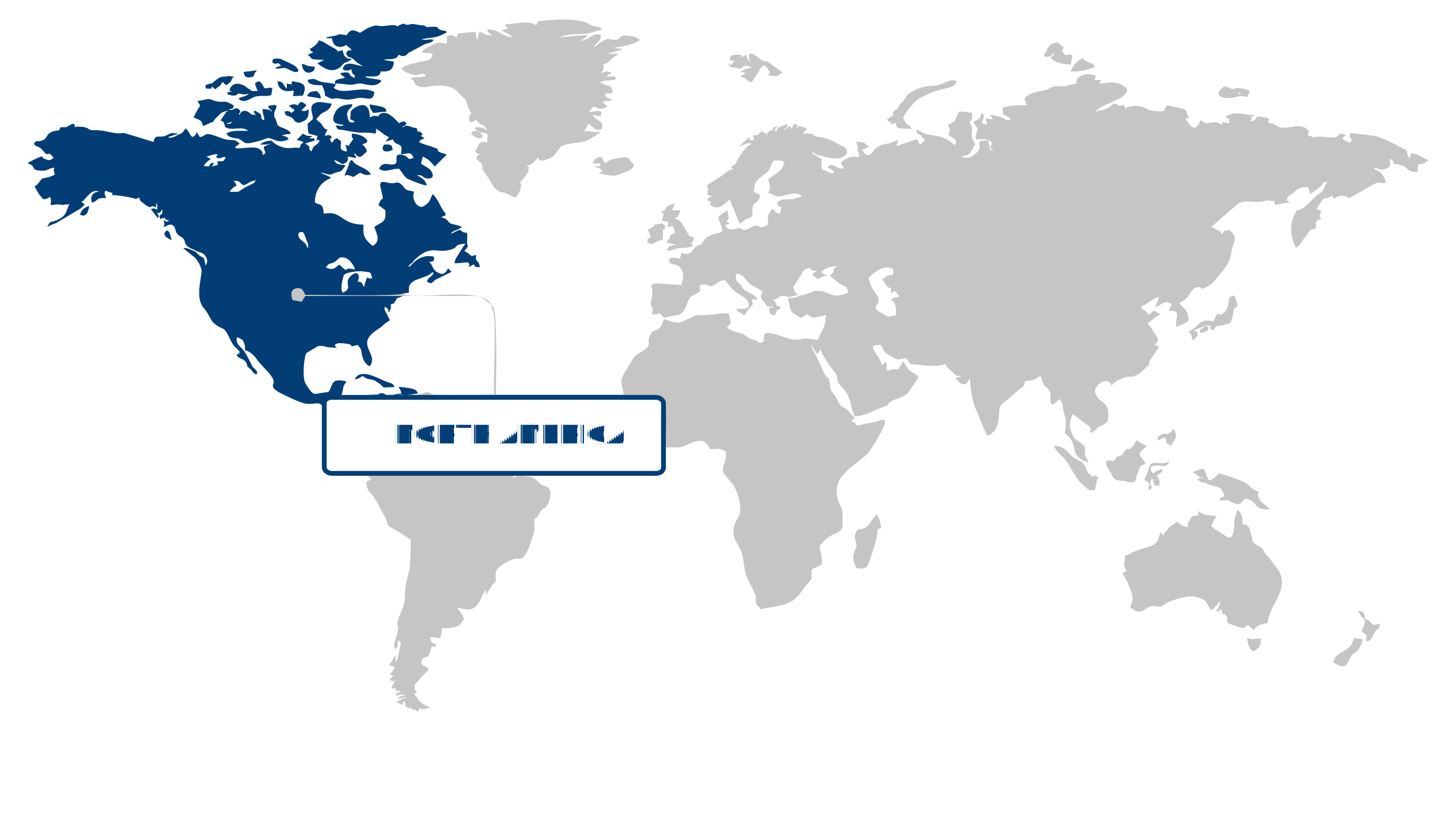
North America captured more than 39% of the global sterilization technologies market in 2025, establishing itself as the largest region by market share. The strong leadership is primarily driven by rising demand for infection control and an increasing number of medical procedures necessitating advanced sterilization solutions. Additionally, stringent sterilization standards imposed by healthcare regulatory bodies, such as the U.S. Food and Drug Administration (FDA), reinforce the region's dominant position. Healthcare providers in the region are increasingly adopting innovative sterilization technologies to meet compliance requirements and enhance patient safety. For example, the Centers for Disease Control and Prevention (CDC) frequently updates infection prevention protocols, prompting hospitals to invest in high-efficiency sterilization methods. This dynamic, coupled with economic resilience and technological advancement, positions North America as a critical market with substantial opportunities for growth and innovation in sterilization technologies.
The United States anchors the North American sterilization technologies market, driven by its expansive healthcare infrastructure and proactive regulatory landscape. Regulatory agencies like the FDA enforce stringent sterilization standards, compelling healthcare facilities to upgrade equipment continuously. The U.S. Department of Health and Human Services (HHS) initiatives around infection prevention further stimulate adoption of cutting-edge sterilization solutions. Moreover, significant private sector investment, as evidenced by company announcements from industry leaders like STERIS Corporation, underscores a competitive environment fostering innovation. This regulatory and technological synergy in the U.S. serves as a benchmark influencing market trends across North America, reinforcing the region’s sustained dominance and attracting investor interest into advanced sterilization technologies.
Europe Market Analysis:
Europe emerged as the fastest-growing region in the sterilization technologies market, registering a robust CAGR of 9.8%. This surge is driven by tightening regulatory standards on sterilization, which compel healthcare and pharmaceutical entities to adopt advanced sterilization solutions. The region's expanding healthcare infrastructure and the rising demand within pharmaceutical and biotech sectors further fuel this dynamic growth. For instance, the European Medicines Agency’s stringent compliance requirements have catalyzed investments in cutting-edge sterilization equipment across hospitals and manufacturing units. Additionally, Europe's focus on sustainability and operational efficiency is influencing procurement decisions toward environmentally friendly and technologically sophisticated sterilization methods. As these factors converge, Europe stands at the forefront of innovation and regulatory compliance, offering substantial opportunities for stakeholders to capitalize on increasing market needs.
Germany plays a pivotal role in bolstering Europe’s sterilization technologies market, underpinned by its robust healthcare system and status as a pharmaceutical export leader. Regulatory bodies like the Federal Institute for Drugs and Medical Devices (BfArM) enforce rigorous sterilization standards, compelling local manufacturers and healthcare providers to implement advanced sterilization protocols. The country’s strong biotech industry, supported by organizations such as BioDeutschland, drives high demand for sophisticated sterilization solutions tailored to sensitive biologics. Similarly, France’s healthcare reforms and increased funding for hospital infrastructure expansion, backed by the French National Agency for Medicines and Health Products Safety (ANSM), stimulate demand for enhanced sterilization technologies. These national developments underscore Europe’s regional leadership in the market, positioning it as a critical hub for innovation and compliance in sterilization technologies.
Asia Pacific Market Trends:
Asia Pacific maintained notable presence in the sterilization technologies market, driven by robust industrial expansion and heightened healthcare investments across emerging and developed economies. The region’s increasing emphasis on enhancing patient safety and controlling healthcare-associated infections aligns with evolving regulatory frameworks instituted by agencies like the Asia Pacific Society of Infection Control, fostering adoption of advanced sterilization solutions. Furthermore, growing environmental awareness and rising digital integration within medical and pharmaceutical manufacturing segments have catalyzed demand for efficient, sustainable sterilization systems, as highlighted by recent developments from Panasonic Healthcare. Supply chain advancements and skilled workforce availability further support operational scalability, positioning the region as a hub for innovation and competitive dynamics. These factors collectively signal promising growth trajectories and compelling strategic entry points for stakeholders focusing on Asia Pacific’s sterilization technologies market.
Japan plays a pivotal role in the Asia Pacific sterilization technologies market, underpinned by its stringent regulatory landscape and mature healthcare infrastructure. The country’s Ministry of Health, Labour and Welfare enforces rigorous sterilization standards, amplifying demand for technologically sophisticated sterilization equipment. Firms such as Terumo Corporation have leveraged these regulations to advance product innovations emphasizing safety and efficiency. Additionally, Japan’s aging population intensifies healthcare service requirements, fostering adoption of sterilization solutions across hospitals and outpatient care facilities. With a strong ecosystem for research and development, Japan enhances regional competitiveness and serves as a benchmark for quality and regulatory compliance, reinforcing Asia Pacific’s position as a growth leader.
China has emerged as a significant growth driver in the Asia Pacific sterilization technologies market, fueled by expansive healthcare reforms and rising consumer health awareness. The National Health Commission’s enhanced focus on infection control protocols and increasing public and private healthcare expenditures have propelled demand for sterilization technologies, with companies like Mindray Medical International expanding product portfolios tailored to local needs. Additionally, China’s accelerating digital transformation and manufacturing modernization enable scalable deployment of cutting-edge sterilization techniques, benefiting from streamlined supply chains and government incentives. This growth narrative highlights China’s integral contribution to the region’s expansion, offering strategic opportunities for stakeholders to capitalize on the scale and innovation momentum within Asia Pacific’s sterilization technologies market.
| Parameter | North America | Asia Pacific | Europe | Latin America | MEA |
|---|---|---|---|---|---|
| Innovation HubiScaleNascentDeveloping Advanced | |||||
| Cost-Sensitive RegioniScaleLowMedium High | |||||
| Regulatory EnvironmentiScaleRestrictiveNeutral Supportive | |||||
| Demand DriversiScaleWeakModerate Strong | |||||
| Development StageiScaleEmergingDeveloping Developed | |||||
| Adoption RateiScaleLowMedium High | |||||
| New Entrants / StartupsiScaleSparseModerate Dense | |||||
| Macro IndicatorsiScaleWeakStable Strong |
Sterilization Technologies Market Share (%), by End-user, 2026
Go beyond the chart, access full insights & data tables
Request Free Sample ReportHospitals held the largest share in the sterilization technologies market in 2025, driven primarily by stringent infection control regulations and the rising volume of surgical procedures requiring sterile environments. This segment leads as healthcare facilities increasingly prioritize patient safety and regulatory compliance, as emphasized by guidelines from the U.S. Centers for Disease Control and Prevention (CDC) on sterilization protocols. The preference for reliable sterilization solutions aligns with growing patient awareness and healthcare accreditation standards. Hospitals present strategic opportunities for established firms to integrate advanced sterilization systems with digital monitoring, while new entrants can focus on cost-effective and scalable technologies. Given ongoing public health concerns and advancing surgical techniques, hospitals are expected to maintain their critical role in driving sterilization technology adoption globally.
Analysis by Technology Type
Steam sterilization dominated the sterilization technologies market in 2025 owing to its proven efficacy, wide adoption, and regulatory backing as a gold standard method. Regulatory agencies such as the U.S. Food and Drug Administration (FDA) and the European Medicines Agency (EMA) endorse steam sterilization for critical medical instruments, enhancing its acceptance. The method’s cost-effectiveness, safety profile, and adaptability to automation resonate with healthcare providers and manufacturers emphasizing operational efficiency and sustainability. Competitive pressures encourage innovation in steam autoclaves with digital controls and eco-friendly designs, creating market openings for both incumbents and startups. As global standards emphasize reliability and environmental considerations, steam sterilization’s established reliability ensures its continued prominence in the technology mix for years ahead.
Analysis by Application
The healthcare segment represented the largest share in the sterilization technologies market in 2025, underpinned by the critical need to prevent healthcare-associated infections (HAIs) through effective sterilization protocols. The World Health Organization’s (WHO) infection prevention guidelines and mandates for sterile environments in clinical settings underscore this necessity. Increasing patient volumes and the complexity of medical devices fuel demand for diverse sterilization solutions, reflecting demographic trends such as aging populations. This segment offers competitive advantages by encouraging the development of tailored sterilization systems and integrated services that address specific healthcare facility needs. As infection control remains a top priority worldwide, healthcare applications will continue to drive innovation and investment in sterilization technologies over the medium term.
| Segment | Sub-Segment | Largest Segment | Fastest Growing |
|---|---|---|---|
| End-user | Hospitals, Pharmaceutical Manufacturers, Food Processing Companies, Research Laboratories | ||
| Technology Type | Steam Sterilization, Ethylene Oxide (EtO) Sterilization, Radiation Sterilization, Hydrogen Peroxide Sterilization, Formaldehyde Sterilization, Other Technologies | ||
| Application | Healthcare, Pharmaceuticals, Food & Beverage, Cosmetics, Agriculture, Other Industries |
Unlock insights tailored to your business with our bespoke market research solutions.
Click to get your customized report now.
Competitive Landscape and Market Positioning
The competitive landscape among these leading players is characterized by dynamic advancements in sterilization methods and technology integration. Recent efforts include alliances to accelerate research into environmentally sustainable sterilants and combined sterilization solutions targeting broader applications. Several companies have incorporated automation and digital tracking into sterilization workflows, enhancing operational efficiency and compliance monitoring. Expanding product portfolios with novel modalities, such as hydrogen peroxide vapor and low-temperature sterilization, strengthens their market appeal. This strategic interplay fosters continuous innovation while elevating barriers for new entrants.
Strategic / Actionable Recommendations for Regional Players
North American firms should pursue deeper collaborations with biotechnology and pharmaceutical innovators, particularly by integrating sterilization with digital health technologies. This can enhance sterilization process oversight and responsiveness to regulatory expectations, solidifying their leadership in high-complexity segments.
Players in the Asia Pacific region may benefit from leveraging scalable, cost-effective sterilization solutions tailored to emerging healthcare infrastructures. Strategic partnerships with local medical device manufacturers could accelerate adoption in rapidly growing markets, while investment in novel sterilant chemistries can differentiate offerings.
European stakeholders are well-positioned to capitalize on stringent environmental and safety standards by developing eco-friendly sterilization technologies and certifications. Collaborating with regulatory bodies and healthcare institutions to pilot next-generation sterilizers could reinforce their competitive edge and responsiveness to evolving compliance demands.
| Company | Market Share | Company Revenue | Revenue CAGR (%) | Product Portfolio | Geographic Presence | Innovation / R&D Focus | Strategic Developments |
|---|---|---|---|---|---|---|---|
| No companies available. | |||||||
Customize Your Report
Explore examples of how this report can be tailored to different research needs, including custom segments, additional topics or chapters, and related reports. Click a section of the wheel or its numbered marker to explore the available options.
Sterilization Technologies Market — Custom Segments
| Segment | Sub-Segment |
|---|---|
| No segment data available. | |
Sterilization Technologies Market — Custom TOC
| Custom Chapter | Chapter Details |
|---|---|
| No custom TOC data available. | |
Need a different cut of the data?
Request Custom ResearchFrequently Asked Questions
How is the sterilization technologies industry size expected to evolve during the forecast period?
Which geographic area exhibits the highest level of sterilization technologies market penetration?
Which geography represents the strongest growth trajectory for the sterilization technologies sector?
Why does hospitals sub-segment dominate the end-user segment of sterilization technologies sector?
How does steam sterilization segment fare in the sterilization technologies industry?
What share does healthcare segment hold in the sterilization technologies sector as of 2025?
Who are the leading players in the sterilization technologies landscape?
Our Clients
"The team took the time to understand our specific business needs and delivered a report that was well aligned with our objectives. Their expertise and understanding of the industry were clearly reflected in the quality and relevance of the insights provided."
Siemens Healthcare
"Our experience in acquiring the research report has been excellent. The depth of analysis, and actionable insights provided have been extremely valuable in supporting our ongoing R&D efforts."
GC Biopharma
"The report offered a comprehensive view of the market trends. The in-depth segmentation and analysis of emerging opportunities gave us a better understanding of the market."
Medtronic
Our Research Team & Methodology
Every Fundamental Business Insights report is built by a dedicated vertical research team, validated through a structured primary-and-secondary methodology, and reviewed for accuracy before it reaches you.
This report was prepared by the Healthcare & Medical Devices Research Team at Fundamental Business Insights, a dedicated research group specializing in the global healthcare and medical technology industry. Our analysts continuously monitor advancements in medical technologies, clinical adoption trends, regulatory developments, reimbursement policies, healthcare infrastructure investments, competitive strategies, and evolving patient care requirements to deliver timely and reliable market intelligence. The research is developed using a structured methodology that combines primary discussions with healthcare stakeholders, company financial disclosures, regulatory publications, clinical literature, government healthcare databases, medical associations, and other authoritative secondary sources. Market estimates are validated through multiple research techniques, including top-down and bottom-up analysis, before undergoing an internal quality review to ensure accuracy, consistency, and methodological integrity prior to publication.
Delivery
Published
Available
Support
- Market Size & Forecast
- Market Segmentation
- Regional Analysis
- Growth Drivers & Challenges
- Market Dynamics
- Competitive Landscape
- Company Profiles
- Competitive Benchmarking
- Mergers & Acquisitions
- Market Share Analysis or Key Company Strategies
- Value Chain Analysis
- Porter's Five Forces
- PESTLE Analysis
- Pricing Trends
- Supply-Demand Analysis
- Technology Landscape
- Regulatory Landscape
- Investment & Funding Landscape
- Emerging Opportunities
- Future Market Outlook