Sulfate-free Shampoo Market Size & Growth Forecast 2027–2036, By Segments (End Use, Form, Distribution Channel), Regional Demand Trends (North America, Asia Pacific, Europe), Key Country Insights (U.S., Japan, South Korea, Germany, France, Italy), and Competitive Landscape
Jump to Content
Market Size and Growth Outlook
Sulfate-free Shampoo Market size was worth USD 5.87 billion in 2026 and is expected to grow at a 8.69% CAGR between 2027 and 2036, crossing USD 13.51 billion by 2036. The industry revenue for 2027 is calculated at USD 6.3 billion.
Get more details on this report
Request Free Sample ReportSulfate-free Shampoo Market Intelligence Snapshot
Regional Market Dynamics
- Europe held a 37.78% market share in 2026, supported by consumer awareness of hair and scalp health, clean beauty preferences, and demand for gentle, ingredient-conscious personal care products.
- Asia Pacific is expected to grow fastest as rising disposable incomes, personal grooming awareness, online retail availability, and demand for premium, natural, and specialized hair care products expand adoption.
Segment Momentum
- Liquid/gel formulations accounted for 79.81% of the market in 2026, reflecting consumer familiarity, convenient application, and formulation flexibility. Manufacturers can incorporate moisturizing, conditioning, and botanical ingredients to address diverse hair and scalp needs.
- Online retail is the fastest-growing distribution channel, offering broader product assortments, ingredient information, consumer reviews, and convenient home delivery. These features help shoppers compare specialized formulations, discover suitable products, and simplify repeat purchases.
Market Expansion Drivers
- Rising consumer preference for natural and chemical-free personal care.
- Product innovation and new formulations.
- Expansion into emerging markets with increasing personal care awareness.
Leading Market Participants
- Top companies in the sulfate-free shampoo market include L’Oréal (France), Procter & Gamble (USA), Unilever (UK/Netherlands), Shiseido (Japan), Henkel (Germany), Johnson & Johnson (USA), Beiersdorf (Germany), Kao Corporation (Japan), Amorepacific (S Korea), Colgate-Palmolive (USA).
Global Market Forecast Snapshot
Market Outlook
- 2026 Market Size: USD 5.87 billion
- 2027 Estimated Market Size: USD 6.3 billion
- Projected Market Size: USD 13.51 billion by 2036
- Growth Forecast: 8.69% CAGR (2027-2036)
Regional and Segment Outlook
- Leading Regional Market: Europe
- High-Growth Regional Hub: Asia Pacific
- Core Revenue Segment: End Use (Women) | Form (Liquid/Gel) | Distribution Channel (Specialty Stores)
- Emerging Opportunity Segment: End Use (Women) | Form (Liquid/Gel) | Distribution Channel (Online Retail)
Market Growth Drivers and Industry Trends
Rising consumer preference for natural and chemical-free personal care
Growth of the sulfate-free shampoo market is driven by increasing consumer preference for natural, gentle, and ingredient-conscious personal care products. Growing awareness of the potential drying effects associated with harsh cleansing ingredients is encouraging consumers to seek shampoos formulated with milder surfactants and botanical or naturally derived ingredients. Rising interest in scalp health, hair nourishment, and personalized beauty routines is further strengthening demand for products positioned around gentle cleansing and improved hair care. Increasing consumer attention to ingredient transparency and clean-label formulations is also encouraging broader adoption of sulfate-free products across different hair types and personal care needs.
Product innovation and new formulations
Product innovation and the development of new formulations are accelerating market growth by expanding the functional benefits and consumer appeal of sulfate-free shampoos. Manufacturers are increasingly developing formulations that combine gentle cleansing with moisturizing, strengthening, anti-frizz, scalp-care, color-protection, and damage-repair properties to address diverse hair concerns. Advances in plant-derived surfactants, conditioning ingredients, botanical extracts, and specialized active ingredients are enabling more effective formulations without relying on conventional sulfate-based cleansing systems. Growing demand for personalized hair care and multifunctional beauty products is further encouraging the introduction of differentiated sulfate-free formulations.
Expansion into emerging markets with increasing personal care awareness
Expansion into emerging markets is supporting the sulfate-free shampoo market as rising disposable incomes, urbanization, and growing awareness of personal grooming increase demand for specialized hair care products. Consumers in developing markets are becoming more attentive to product ingredients, hair health, and premium personal care formulations, creating opportunities for sulfate-free products across a wider range of consumer segments. Increasing access to modern retail, e-commerce, and digital beauty education is further improving product awareness and availability. The growing influence of wellness-oriented lifestyles and changing preferences toward gentler personal care solutions is expected to support continued adoption of sulfate-free shampoos in emerging markets.
| Growth Driver | Impact on CAGR | Regulatory Influence | Geographic Relevance | Adoption Rate | Impact Timeline |
|---|---|---|---|---|---|
| Rising consumer preference for natural and chemical-free personal care | 3% | Short term (≤ 2 yrs) | North America; Europe; Spillover: Asia Pacific | Low | Fast |
| Product innovation and new formulations | 3% | Medium term (2–5 yrs) | North America; Europe; Spillover: Asia Pacific | Medium | Moderate |
| Expansion into emerging markets with increasing personal care awareness | 2.5% | Long term (5+ yrs) | Asia Pacific; Latin America; Spillover: North America | Low | Moderate |
Explore Growth Opportunities
Request Free Sample ReportRegional Demand Dynamics
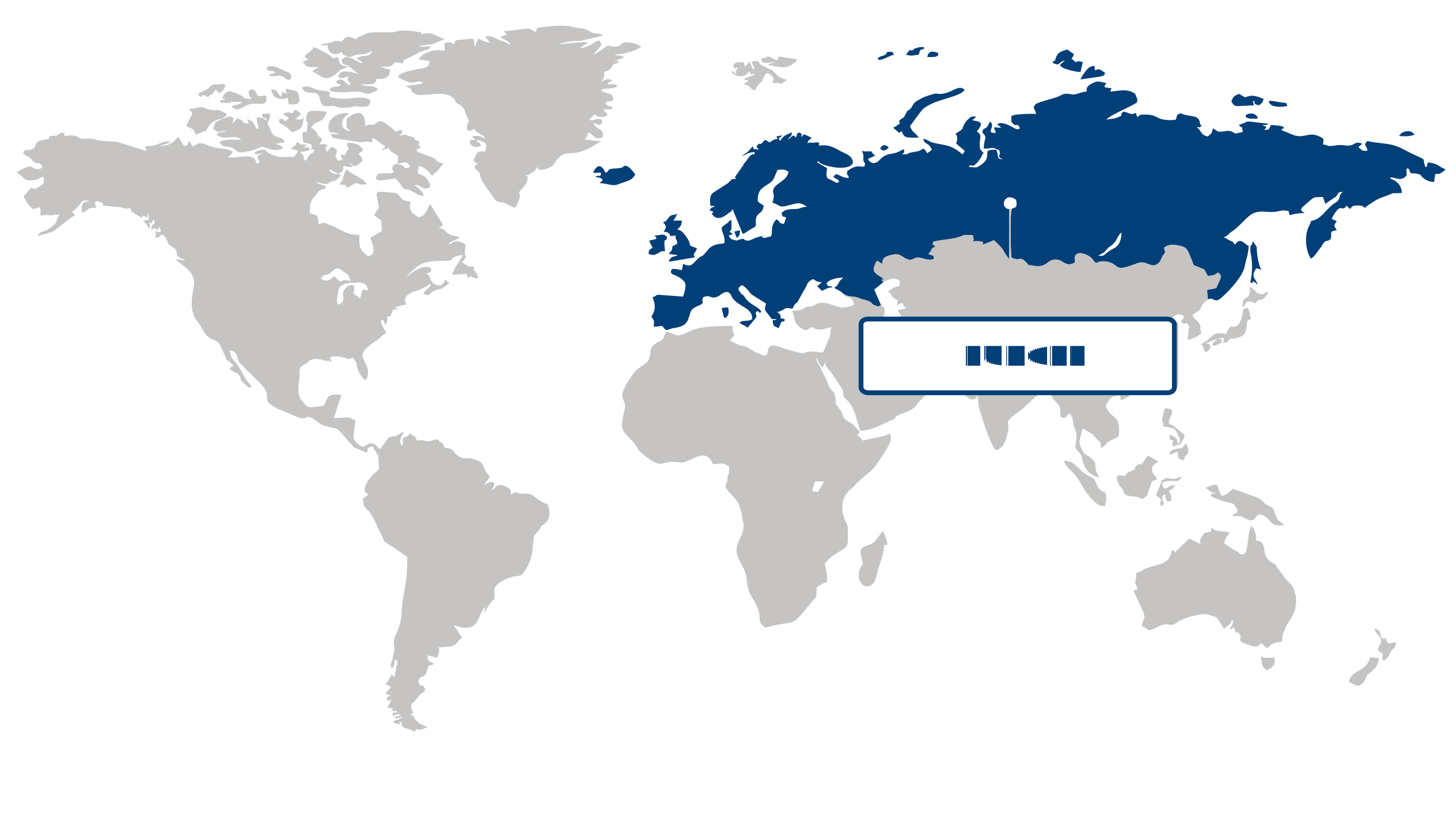
Europe (Largest Region)
Europe held the largest share of the sulfate-free shampoo market in 2026, accounting for 37.78% share in 2026, backed by growing consumer awareness of hair and scalp health, increasing preference for gentle personal care products, and rising demand for formulations perceived as safer and more natural. The region’s strong focus on clean beauty, sustainable personal care, and ingredient-conscious products is contributing to the adoption of sulfate-free shampoos. Increasing consumer interest in premium hair care products and growing awareness of the potential effects of harsh cleansing ingredients are further supporting market development across Europe.
Asia Pacific (Fastest-Growing Region)
Asia Pacific is expected to grow at the fastest pace in the sulfate-free shampoo market, driven by rising disposable incomes, increasing awareness of personal grooming, and growing consumer interest in premium and specialized hair care products. Expanding beauty and personal care markets, particularly in urban areas, are encouraging consumers to adopt products formulated for specific hair and scalp needs. In addition, the growing influence of beauty trends, increasing availability of sulfate-free products through online and modern retail channels, and rising demand for natural and gentle formulations are contributing to market expansion across the region.
| Parameter | North America | Asia Pacific | Europe | Latin America | MEA |
|---|---|---|---|---|---|
| Innovation HubiScaleNascentDeveloping Advanced | |||||
| Cost-Sensitive RegioniScaleLowMedium High | |||||
| Regulatory EnvironmentiScaleRestrictiveNeutral Supportive | |||||
| Demand DriversiScaleWeakModerate Strong | |||||
| Development StageiScaleEmergingDeveloping Developed | |||||
| Adoption RateiScaleLowMedium High | |||||
| New Entrants / StartupsiScaleSparseModerate Dense | |||||
| Macro IndicatorsiScaleWeakStable Strong |
Key Country Insights
United States 🇺🇸
Clean Haircare InnovationIn the U.S., sulfate-free shampoo is supported by consumer interest in gentler formulations, ingredient transparency, and specialized haircare routines. Brands can prioritize scalp-focused products, textured-hair solutions, and differentiated botanical or functional formulations while maintaining strong efficacy and premium positioning.
Germany 🇩🇪
Sensitive Scalp FormulationsGermany’s sulfate-free shampoo market places particular value on mild formulations, ingredient transparency, and skin-compatible personal care. Commercial priorities include dermatologically oriented products, clear formulation credentials, and environmentally responsible packaging that can reinforce consumer confidence in gentler haircare choices.
Japan 🇯🇵
Premium Gentle HaircareJapan’s sulfate-free shampoo demand is closely associated with sophisticated haircare routines and interest in gentle, performance-oriented formulations. Brands can focus on premium sensory experiences, scalp and hair-condition benefits, and precise product segmentation suited to consumers seeking specialized daily-care solutions.
South Korea 🇰🇷
Functional Scalp CareSouth Korea’s sulfate-free shampoo market is closely linked with the broader emphasis on scalp health and multifunctional beauty products. Market priorities include targeted formulations for specific scalp and hair concerns, appealing textures, and ingredient-led differentiation supported by sophisticated beauty retail channels.
France 🇫🇷
Botanical Beauty PositioningFrance’s sulfate-free shampoo market aligns with demand for gentle cleansing, premium beauty experiences, and naturally positioned formulations. Brands can differentiate through botanical ingredients, refined sensory attributes, transparent claims, and packaging aligned with the expectations of environmentally and quality-conscious haircare consumers.
Italy 🇮🇹
Premium Care FormulationsItaly’s sulfate-free shampoo market offers scope for products combining gentle cleansing with cosmetic performance and premium presentation. Commercial priorities include formulations addressing damaged or treated hair, salon-oriented positioning, and ingredient stories that connect product efficacy with sophisticated personal-care routines.
Sulfate-free Shampoo Market Share (%), by End Use, 2026
Go beyond the chart, access full insights & data tables
Request Free Sample ReportEnd Use Segment Analysis: Women (Largest & Fastest-Growing Segment)
Women represent the largest and fastest-growing end-use segment, accounting for 53.09% share of the sulfate-free shampoo market in 2026, supported by strong consumer interest in hair care, scalp health, and formulations perceived as gentler on hair. Sulfate-free shampoos are increasingly preferred by consumers seeking alternatives to traditional cleansing formulations that may cause dryness or irritation, particularly among those with chemically treated, colored, dry, or sensitive hair. The growing emphasis on personalized hair care and ingredient-conscious beauty routines is further supporting demand among women, as consumers increasingly evaluate product formulations alongside cleansing performance. In addition, the expansion of products designed for specific hair concerns, textures, and styling needs is broadening the relevance of sulfate-free shampoos across different consumer groups. These factors are reinforcing women's adoption of sulfate-free hair care products and supporting continued growth in this end-use segment.
Form Segment Analysis: Liquid/Gel (Largest & Fastest-Growing Segment)
Liquid/Gel represents the largest and fastest-growing form segment, accounting for 79.81% share of the sulfate-free shampoo market in 2026, owing to its familiarity, ease of application, and compatibility with established shampoo consumption habits. Liquid and gel formulations can be easily dispensed, distributed through the hair and scalp, and rinsed during routine washing, making them convenient for frequent use. Their established presence across personal care products also provides consumers with a familiar format when transitioning toward sulfate-free formulations. Manufacturers can further incorporate moisturizing, conditioning, botanical, and other functional ingredients into liquid or gel systems to address different hair and scalp needs. Consumer familiarity, formulation flexibility, and convenient application continue to reinforce the dominance and growth of liquid/gel sulfate-free shampoos.
Distribution Channel Segment Analysis: Specialty Stores (Largest Segment) vs Online Retail (Fastest-Growing Segment)
Specialty stores represent the largest distribution channel segment, accounting for 40.73% share of the sulfate-free shampoo market in 2026, supported by their ability to provide consumers with focused access to personal care and hair care products. Specialty retail environments allow shoppers to explore sulfate-free formulations alongside products designed for specific hair types, scalp concerns, and beauty routines. Consumers may also value the opportunity to receive product guidance and compare formulations in person, particularly when selecting specialized hair care products. The concentrated assortment available through specialty stores can improve product visibility and encourage consumers to explore premium or ingredient-focused sulfate-free alternatives. These factors help specialty stores maintain an important role in the distribution of sulfate-free shampoos.
Online retail is the fastest-growing distribution channel, driven by increasing digital shopping adoption and the convenience of purchasing personal care products through e-commerce platforms. Online retail provides consumers with access to a broader assortment of sulfate-free shampoos, including specialized formulations that may not be readily available through local physical stores. Product descriptions, ingredient information, consumer reviews, and comparison features also help shoppers evaluate formulations before purchasing, supporting greater product discovery and informed decision-making. In addition, home delivery and the ability to reorder frequently used hair care products simplify the purchasing process and encourage repeat consumption. The growing influence of digital beauty content and online product recommendations is further increasing awareness of sulfate-free formulations, strengthening the role of online retail as a key growth channel.
| Segment | Sub-Segment | Largest Segment | Fastest Growing |
|---|---|---|---|
| End Use | Men, Women, Unisex | Women | Women |
| Form | Liquid/Gel, Bar, Dry/Powder | Liquid/Gel | Liquid/Gel |
| Distribution Channel | Supermarkets & Hypermarkets, Specialty Stores, Online Retail, Others | Specialty Stores | Online Retail |
Unlock insights tailored to your business with our bespoke market research solutions.
Click to get your customized report now.
Competitive Landscape and Market Positioning
Analyst Perspective:
Competition in the sulfate-free shampoo market centers on balancing gentle cleansing, formulation performance, and ingredient-led differentiation. Manufacturers must optimize alternative surfactant systems to deliver satisfactory lather, rinseability, and hair manageability while addressing consumer expectations around scalp comfort and reduced dryness. Botanical ingredients and scalp health positioning provide additional differentiation, but credible claims depend on appropriate formulation, ingredient compatibility, and reliable performance. Hair color preservation also creates opportunities among consumers with dyed or chemically treated hair, although results vary with washing habits and formulation characteristics. As ingredient preferences increasingly influence product selection, brands that combine transparent communication with a consistently satisfying sensory experience are better positioned to encourage repeat purchases and serve distinct hair care needs.
Key companies in the sulfate-free shampoo market:
- L’Oréal (France)
- Procter & Gamble (USA)
- Unilever (UK/Netherlands)
- Shiseido (Japan)
- Henkel (Germany)
- Johnson & Johnson (USA)
- Beiersdorf (Germany)
- Kao Corporation (Japan)
- Amorepacific (S Korea)
- Colgate-Palmolive (USA)
| Company | Market Share | Company Revenue | Revenue CAGR (%) | Product Portfolio | Geographic Presence | Innovation / R&D Focus | Strategic Developments |
|---|---|---|---|---|---|---|---|
| L’Oréal (France) | |||||||
| Procter & Gamble (USA) | |||||||
| Unilever (UK/Netherlands) | |||||||
| Shiseido (Japan) | |||||||
| Henkel (Germany) | |||||||
| Johnson & Johnson (USA) | |||||||
| Beiersdorf (Germany) | |||||||
| Kao Corporation (Japan) | |||||||
| Amorepacific (S Korea) | |||||||
| Colgate-Palmolive (USA) |
Industry Development/News
| Company Name | Date | Key Development |
|---|---|---|
| tgin | October 2025 | Natural haircare brand tgin expanded its commercial distribution into the United Kingdom. The international rollout increases the brand's global retail footprint and establishes broader geographic reach for its textured, sulfate-free-oriented haircare portfolio across key international markets. |
| Rucker Roots | February 2025 | Rucker Roots completed a nationwide retail expansion, distributing its natural haircare lineup across retail locations across the United States. The commercial expansion significantly broadens brand availability and strengthens retail distribution channels for natural, sulfate-free haircare products. |
| CeraVe | November 2024 | CeraVe launched its first anti-dandruff haircare line formulated with 1% Pyrithione Zinc while eliminating sulfates, MIT, dyes, parabens, and fragrances. This product release represents a major category expansion for the dermatologist-backed brand, establishing a commercial presence in the anti-dandruff and sulfate-free scalp-care markets. |
| Kao | February 2024 | Kao launched Melt, a premium haircare brand focused on gentle, minimalist cleansing. The brand's initial lineup centers on sulfate-free shampoo formulations designed to preserve natural hair moisture, expanding Kao's strategic footprint within the growing clean beauty and scalp-friendly consumer segments. |
| Head & Shoulders | June 2023 | Head & Shoulders introduced BARE, a clean anti-dandruff shampoo range formulated without sulfates, silicones, or dyes. The launch commercializes a mild, minimal-ingredient formula targeting sensitive scalps, marking a strategic shift by a mass-market leader toward sulfate-free formulations to address evolving consumer preferences. |
Customize Your Report
Explore examples of how this report can be tailored to different research needs, including custom segments, additional topics or chapters, and related reports. Click a section of the wheel or its numbered marker to explore the available options.
Sulfate-free Shampoo Market — Custom Segments
| Segment | Sub-Segment |
|---|---|
| Hair Type | Normal Hair, Dry Hair, Oily Hair, Curly & Wavy Hair, Color-Treated Hair |
| Hair Concern | Hair Fall & Thinning, Dandruff & Scalp Care, Dryness & Damage, Frizz & Unmanageability, Scalp Sensitivity |
| Price Tier | Mass-Market, Mid-Range, Premium, Luxury |
Sulfate-free Shampoo Market — Custom TOC
| Custom Chapter | Chapter Details |
|---|---|
| Consumer Claims & Ingredient Trend Intelligence |
|
| Premiumization & Brand Positioning |
|
| Geographic White-Space Opportunity Mapping |
|
Need a different cut of the data?
Request Custom ResearchFrequently Asked Questions
How large is the sulfate-free shampoo market?
How will the sulfate-free shampoo industry grow in terms of size and CAGR by 2036?
How are clean-label and ingredient-conscious preferences accelerating sulfate-free shampoo adoption?
How is product innovation expanding the commercial potential of sulfate-free shampoos?
Why do liquid and gel formulations dominate the sulfate-free shampoo market?
How is online retail changing purchasing behavior in the sulfate-free shampoo market?
Why does Europe lead the sulfate-free shampoo market?
What is accelerating sulfate-free shampoo adoption in Asia Pacific?
What are the prominent companies operating in the sulfate-free shampoo landscape?
Our Clients
"The report provided us with a clear direction, and the level of detail was beyond what we expected. I would definitely recommend their services to others."
Haier Appliances
"The collaboration with Fundamental Business Insights has added significant value to our decision-making process, and we look forward to continuing this partnership for our future market research requirements."
Luxottica Group S.p.A.
"The team at FBI delivered an exceptional research report. The insights on industry innovations were particularly impressive and added a lot of value to the overall report."
Nike
Our Research Team & Methodology
Every Fundamental Business Insights report is built by a dedicated vertical research team, validated through a structured primary-and-secondary methodology, and reviewed for accuracy before it reaches you.
This report was prepared by the Consumer Goods & Services Research Team at Fundamental Business Insights, a dedicated research group specializing in global consumer markets, retail industries, and service-oriented businesses. The team closely tracks evolving consumer preferences, purchasing behavior, product innovation, brand strategies, retail and e-commerce developments, pricing trends, distribution channels, sustainability initiatives, demographic shifts, and changing lifestyle patterns to deliver timely and reliable market intelligence. The research is developed using a structured methodology that combines primary discussions with manufacturers, brand owners, retailers, distributors, service providers, industry experts, and other key stakeholders, along with company annual reports, government consumer statistics, regulatory publications, industry associations, retail market data, trade publications, and other authoritative secondary sources. Market estimates are validated through multiple research techniques, including top-down and bottom-up analysis, before undergoing an internal quality review to ensure accuracy, consistency, and methodological integrity prior to publication.
Delivery
Published
Available
Support
- Market Size & Forecast
- Market Segmentation
- Regional Analysis
- Growth Drivers & Challenges
- Market Dynamics
- Competitive Landscape
- Company Profiles
- Competitive Benchmarking
- Mergers & Acquisitions
- Market Share Analysis or Key Company Strategies
- Value Chain Analysis
- Porter's Five Forces
- PESTLE Analysis
- Pricing Trends
- Supply-Demand Analysis
- Technology Landscape
- Regulatory Landscape
- Investment & Funding Landscape
- Emerging Opportunities
- Future Market Outlook