Sulfide Electrolytes Market Size & Forecasts 2026-2035, By Segments (Application, Type), Growth Opportunities, Innovation Landscape, Regulatory Shifts, Strategic Regional Insights (U.S., Japan, China, South Korea, UK, Germany, France), and Competitive Dynamics (Samsung SDI, Panasonic, LG Chem, Umicore, Toyota Tsusho)
Jump to Content
Market Size and Growth Outlook
Sulfide Electrolytes Market size is forecasted to reach USD 1.38 billion by 2035, rising from USD 417.96 million in 2025, at a CAGR of more than 12.7% between 2026 and 2035. In 2026, revenue is projected at USD 465.37 million.
Get more details on this report
Request Free Sample ReportSulfide Electrolytes Market Intelligence Snapshot
Regional Market Dynamics
Segment Momentum
Market Expansion Drivers
Leading Market Participants
Global Market Forecast Snapshot
Market Outlook
Regional and Segment Outlook
Market Growth Drivers and Industry Trends
Wider deployment of solid-state batteries across electric vehicles and grid storage is directly expanding demand for sulfide electrolytes market components, as automakers and utilities seek higher energy density and safety. Corporate announcements from Toyota Motor Corporation and commercial commitments by Volkswagen through its investment in QuantumScape illustrate industry intent to transition beyond liquid electrolytes, while the International Energy Agency highlights battery-enabled storage as central to decarbonization pathways. Established cell-makers can leverage scale and supplier relationships to internalize sulfide electrolyte supply, while specialists and startups can capture niche contracts for pilot programs. Observable pilot rollouts and OEM roadmaps point to progressive integration of sulfide-based cells into vehicle and stationary platforms.
Increasing Investment in All‑Solid‑State Battery Research
Rising public and private funding for all‑solid‑state research strengthens the innovation pipeline feeding the sulfide electrolytes market, improving materials, processing, and manufacturability. The U.S. Department of Energy (DOE) research initiatives and corporate R&D activity by companies such as QuantumScape and Toyota Research Institute demonstrate coordinated capital and technical effort to resolve interface and scalability challenges. For incumbents this creates opportunities to secure long-term supply contracts and retrofit manufacturing lines; for entrants it lowers technical entry barriers via consortium participation and licensing. Continuing grant programs and industry partnerships signal a durable research-to-commercial pathway driven by demonstrable lab-to-pilot milestones.
Technological Improvements in Sulfide Electrolyte Stability
Advances in chemical formulations and interface engineering are reducing sulfide electrolyte degradation and compatibility issues, directly shaping competitiveness within the sulfide electrolytes market by improving cycle life and safety. Laboratory work and material breakthroughs reported by Argonne National Laboratory and industrial R&D teams at Samsung SDI and Panasonic underscore real-world progress on moisture tolerance, protective coatings, and processing methods. Large players can integrate these advances to differentiate product performance, while startups focused on coatings or electrolyte synthesis can win supply niches. The accumulation of peer-reviewed studies and company prototypes indicates steady, observable improvement in electrolyte stability that supports broader manufacturing adoption.
Industry Restraints:
Moisture Sensitivity and Manufacturing Complexity
Sulfide electrolytes’ extreme sensitivity to moisture requires inert atmosphere handling, specialized dry-room infrastructure, and stringent quality controls, which raise capital intensity and lower throughput; the U.S. Department of Energy and Argonne National Laboratory note that sulfide-based solid electrolytes demand dry processing and barrier coatings to avoid hydrolysis and performance loss. This constraint slows commercialization by increasing operational costs and failure modes during scale-up, privileging companies that can fund bespoke production lines while deterring smaller entrants. Strategically, incumbents face retrofit and CAPEX decisions, while startups confront higher technical-risk premiums from investors. Near to medium term, manufacturability advances (improved coatings, continuous dry processing) will reduce but not eliminate these barriers, keeping scale-up cadence conservative for the sector.
Hydrogen Sulfide Health, Safety, and Regulatory Constraints
The potential generation of hydrogen sulfide (H2S) during handling and disposal of sulfide electrolytes imposes workplace exposure limits, permitting complexity, and higher insurance and environmental controls; Occupational Safety and Health Administration (OSHA) and National Institute for Occupational Safety and Health (NIOSH) provide clear H2S exposure standards, and the European Chemicals Agency (ECHA) classifies sulfide-related hazards that drive stricter regulatory review. These requirements increase time-to-market and operating cost for plants, complicate supplier qualification, and raise barriers for geographically constrained entrants. Strategically, developers must budget for compliance, community engagement, and waste management contracts. Looking ahead, stringent health-and-safety regimes will steer manufacturing toward experienced operators and regions with established chemical permitting frameworks, slowing rapid geographic expansion.
| Growth Driver | Impact on CAGR | Regulatory Influence | Geographic Relevance | Adoption Rate | Impact Timeline |
|---|---|---|---|---|---|
| Rising solid-state battery and energy storage adoption | 4.00% | Short term (≤ 2 yrs) | Asia Pacific (Primary), North America | Medium | Fast |
| Increasing investment in all-solid-state battery research | 3.50% | Medium term (2–5 yrs) | North America, Europe | Medium | Moderate |
| Technological improvements in sulfide electrolyte stability | 2.00% | Long term (5+ yrs) | Asia Pacific (Primary), Europe (Spillover) | Low | Moderate |
Explore Growth Opportunities
Request Free Sample ReportRegional Demand Dynamics
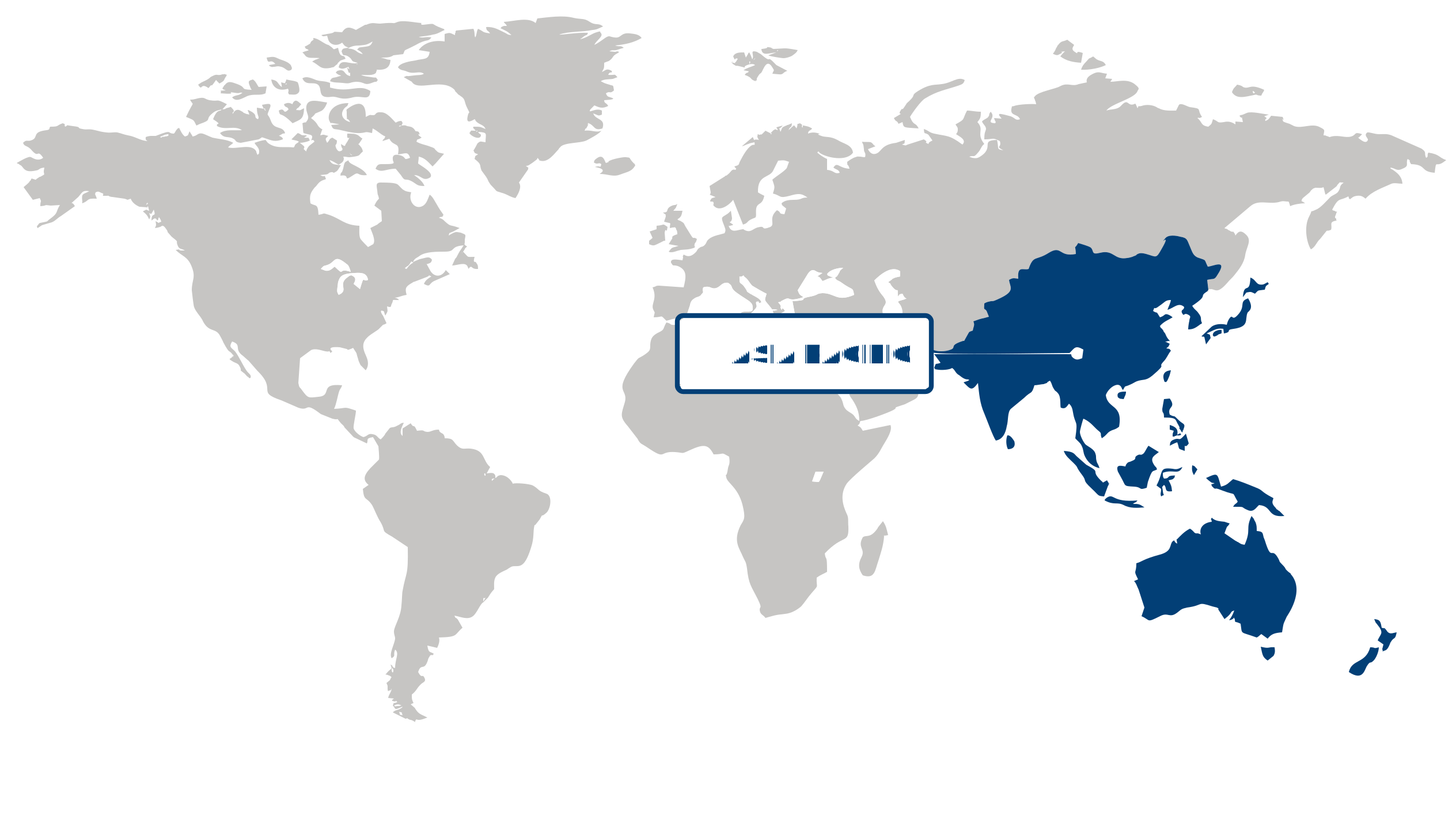
Asia Pacific captured over 58.2% of the global sulfide electrolytes market in 2025, making it the largest regional market; this leadership is closely tied to the rapid expansion of electric vehicle manufacturing across China and Japan. Strong OEM demand from Toyota Motor Corporation and BYD, cell-scale announcements from CATL (corporate press releases), and supportive policy signals from the Ministry of Economy, Trade and Industry (METI) and the Ministry of Industry and Information Technology (MIIT) underpin higher upstream demand for advanced solid-state components. Supply-chain localization, government R&D funding via NEDO, and increasingly stringent emissions and safety standards are shifting procurement toward high-performance sulfide chemistries, creating sustained commercial opportunities for material suppliers and battery integrators across the region.
Japan is positioned as a pivotal hub in Asia Pacific for the sulfide electrolytes market, leveraging OEM-driven quality requirements and concentrated R&D ecosystems. Domestic initiatives—illustrated by Toyota Motor Corporation’s materials strategy and New Energy and Industrial Technology Development Organization (NEDO) collaborations—are accelerating lab-to-factory pathways for high-purity sulfide formulations. Strong collaboration between suppliers and automotive tier-1s, a skilled engineering workforce, and METI-backed pilot lines reduce technical risk for early adopters, making Japan an attractive location for premium, low-volume deployments that de-risk regional scale-up.
China anchors Asia Pacific’s scale advantage in the sulfide electrolytes market, driven by mass EV production and integrated domestic supply chains. China Association of Automobile Manufacturers (CAAM) production trends and CATL and BYD capacity expansion announcements demonstrate rapid absorption of new electrolyte technologies at scale. Policy levers from MIIT and provincial industrial funds prioritize localized sourcing and cost-competitive manufacturing, enabling large-volume qualification runs and accelerating price reductions—strategic dynamics that attract global material suppliers seeking volume growth and economies of scale across Asia Pacific.
North America Market Analysis:
North America emerged as the fastest-growing region in the sulfide electrolytes market, registering a CAGR of 18.3% and propelled by massive venture capital inflows and pilot-line scale-ups for solid-state batteries. Venture capital concentration is accelerating validation and pilot production of sulfide-based cells, with QuantumScape and Solid Power publicizing pilot initiatives (QuantumScape press release; Solid Power press release) that shorten the path from lab to pilot fab. OEM involvement has de-risked commercialization—Ford Motor Company and Volkswagen have announced strategic partnerships and funding for solid-state developers (Ford Motor Company press release; Volkswagen press release)—and U.S. Department of Energy support for battery manufacturing and R&D (U.S. Department of Energy press release) reinforces scale-up. Together these forces create actionable opportunities to localize supply chains and monetize scale for investors and industrial partners.
The U.S. serves as the innovation and investment hub for the sulfide electrolytes market, where concentrated VC, pilot manufacturing capacity, and OEM testing accelerate commercialization. U.S.-based startups have attracted lead rounds and established pilot lines—illustrated by QuantumScape and Solid Power announcements (QuantumScape press release; Solid Power press release)—while Ford Motor Company’s supplier programs and tests signal buyer pull (Ford Motor Company press release). Federal backing via the U.S. Department of Energy further reduces technical and manufacturing risk (U.S. Department of Energy press release). Strategic implication: U.S. pilot-scale validation and capital depth position the country as the gateway to broader North American supply-chain formation and industrial adoption.
Europe Market Trends:
Europe has held a substantial share in the sulfide electrolytes market, supported by coordinated EU industrial policy, rising OEM demand for higher-energy-density cells, and accelerating public R&D funding. European Commission initiatives such as the European Battery Alliance and IPCEI on Batteries have underwritten cross-border projects, while the International Energy Agency’s reporting on EV uptake underscores growing demand; Volkswagen’s investments in solid-state partnerships (QuantumScape) and BASF’s battery-materials programs provide corporate evidence of commercial commitment. These combined policy and commercial signals position the region for continued supplier entry and localized value-chain capture.
Germany functions as the primary manufacturing and R&D hub and the sulfide electrolytes market gains from deep OEM–supplier integration and scale-up infrastructure. The German Federal Ministry for Economic Affairs and Climate Action (BMWK) battery strategy and funding programs, Volkswagen and BMW Group press releases on battery cell initiatives, and Fraunhofer-Gesellschaft research projects illustrate coordinated public–private activity. For investors and suppliers this means lower logistical frictions and clearer demand pull, making Germany a staging ground for commercialization that strengthens Europe-wide supply security.
France acts as a targeted industrialization partner and the sulfide electrolytes market benefits from national deployment incentives and strategic energy-company involvement. The French Government’s France 2030 plan allocates capital to battery manufacturing, Renault Group announcements on EV and battery collaborations, TotalEnergies’ Saft activities, and ADEME-supported decarbonization grants show policy-backed industrialization. France’s model favors modular gigafactory rollouts and public–private partnerships, offering complementary capacity and pilot-scale demand that enhances regional uptake opportunities.
| Parameter | North America | Asia Pacific | Europe | Latin America | MEA |
|---|---|---|---|---|---|
| Innovation HubiScaleNascentDeveloping Advanced | |||||
| Cost-Sensitive RegioniScaleLowMedium High | |||||
| Regulatory EnvironmentiScaleRestrictiveNeutral Supportive | |||||
| Demand DriversiScaleWeakModerate Strong | |||||
| Development StageiScaleEmergingDeveloping Developed | |||||
| Adoption RateiScaleLowMedium High | |||||
| New Entrants / StartupsiScaleSparseModerate Dense | |||||
| Macro IndicatorsiScaleWeakStable Strong |
Sulfide Electrolytes Market Share (%), by Application, 2026
Go beyond the chart, access full insights & data tables
Request Free Sample ReportElectric vehicles represented largest share in 2025 of the sulfide electrolytes market's Application segment, driven by accelerating EV adoption and demand for advanced sulfide chemistries like lithium sulfide to deliver higher energy density and improved safety. Leadership stems from OEM and consumer preference for longer range and safer powertrains—trends documented by the International Energy Agency and reinforced by U.S. Department of Energy battery programs—while Toyota and major automotive suppliers publicly emphasize solid‑state battery R&D. Supply‑chain investments, regulatory tailwinds for emissions reduction, and shifting demand patterns create scale advantages for incumbents and niche opportunities for specialized materials suppliers across other segments, and continued OEM commitments and standards work suggest sustained relevance in the near to medium term.
Analysis by Type
Lithium sulfide (Li2S) electrolytes held largest share in 2025 of the sulfide electrolytes market's Type segment, propelled by intensive development of solid‑state and high‑performance EV batteries using Li2S to improve ionic conductivity and safety. Technical leadership is reinforced by research initiatives at Argonne National Laboratory and funding from the U.S. Department of Energy, while industry announcements from Toyota and battery developers signal commercial interest. Improvements in manufacturing processes, workforce upskilling, and materials sourcing strengthen competitive dynamics; established chemical producers can scale supply chains and startups can capture niche formulations, and ongoing R&D and regulatory focus on battery safety support Li2S relevance through the near to medium term.
| Segment | Sub-Segment | Largest Segment | Fastest Growing |
|---|---|---|---|
| Application | Consumer Electronics, Electric Vehicles, Others | ||
| Type | Potassium Sulfide (K2S) Electrolytes, Sodium Sulfide (Na2S) Electrolytes, Lithium Sulfide (Li2S) Electrolytes, Other Sulfide Electrolytes |
Unlock insights tailored to your business with our bespoke market research solutions.
Click to get your customized report now.
Competitive Landscape and Market Positioning
The competitive environment is characterized by value-chain moves that bring laboratory formulations toward pilot-scale demonstration and closer alignment with vehicle and cell manufacturers. Several top firms are integrating sulfide chemistry into existing production footprints, expanding processing know-how, and prioritizing purity and interface robustness to differentiate performance and manufacturability. These directional choices favor vertically coordinated players and make technical reproducibility, supply continuity, and manufacturable formulations the principal levers of near-term advantage.
Strategic / Actionable Recommendations for Regional Players
North America: Leverage close ties to automotive OEMs and semiconductor-grade process expertise to accelerate demonstration lines and capture integration work with cell developers; target partnerships that combine advanced cell integration with novel sulfide formulations.
Asia Pacific: Exploit regional scale and deep supplier networks by standardizing high-throughput sulfide processing, reinforcing upstream sourcing, and aligning product variants with dominant EV and battery makers to secure volume pathways.
Europe: Build on specialty-chemistry and regulatory strengths by enhancing precursor purity chains, prioritizing recyclability and downstream integration with OEMs, and seeking co-development arrangements that emphasize high-value, safety-critical applications.
| Company | Market Share | Company Revenue | Revenue CAGR (%) | Product Portfolio | Geographic Presence | Innovation / R&D Focus | Strategic Developments |
|---|---|---|---|---|---|---|---|
| No companies available. | |||||||
Customize Your Report
Explore examples of how this report can be tailored to different research needs, including custom segments, additional topics or chapters, and related reports. Click a section of the wheel or its numbered marker to explore the available options.
Sulfide Electrolytes Market — Custom Segments
| Segment | Sub-Segment |
|---|---|
| No segment data available. | |
Sulfide Electrolytes Market — Custom TOC
| Custom Chapter | Chapter Details |
|---|---|
| No custom TOC data available. | |
Need a different cut of the data?
Request Custom ResearchFrequently Asked Questions
What is the market valuation of sulfide electrolytes?
How is the sulfide electrolytes industry size expected to evolve during the forecast period?
Which part of the world represents the largest segment of the sulfide electrolytes market?
Which region shows the most rapid acceleration in the sulfide electrolytes sector?
What share does electric vehicles segment hold in the sulfide electrolytes sector as of 2025?
Where is the lithium sulfide (Li2S) electrolytes segment seeing the strongest adoption within the sulfide electrolytes industry?
Which companies dominate the sulfide electrolytes landscape?
Our Clients
"The information presented in the report was genuinely insightful. The data was clear and easy to understand, which made it much easier to interpret the findings."
Amara Raja Group
"The responsiveness and professionalism exhibited by the team were exemplary. They were readily available to address queries, provide clarifications, and offer additional insights."
ONGC
"The reports offered a comprehensive analysis of various segments within the market. The detailed insights into market trends, and regulatory landscapes were excellent."
TotalEnergies
Our Research Team & Methodology
Every Fundamental Business Insights report is built by a dedicated vertical research team, validated through a structured primary-and-secondary methodology, and reviewed for accuracy before it reaches you.
This report was prepared by the Energy & Power Research Team at Fundamental Business Insights, a dedicated research group specializing in global energy markets, power generation technologies, and energy infrastructure. Our analysts continuously monitor developments in renewable energy, conventional power generation, grid modernization, energy storage, transmission and distribution infrastructure, decarbonization initiatives, regulatory policies, energy investments, and evolving electricity demand across residential, commercial, and industrial sectors to deliver timely and reliable market intelligence. The research is developed using a structured methodology that combines primary discussions with utility companies, equipment manufacturers, technology providers, project developers, energy consultants, and industry experts, along with company annual reports, government energy statistics, regulatory publications, industry associations, technical publications, and other authoritative secondary sources. Market estimates are validated through multiple research techniques, including top-down and bottom-up analysis, before undergoing an internal quality review to ensure accuracy, consistency, and methodological integrity prior to publication.
Delivery
Published
Available
Support
- Market Size & Forecast
- Market Segmentation
- Regional Analysis
- Growth Drivers & Challenges
- Market Dynamics
- Competitive Landscape
- Company Profiles
- Competitive Benchmarking
- Mergers & Acquisitions
- Market Share Analysis or Key Company Strategies
- Value Chain Analysis
- Porter's Five Forces
- PESTLE Analysis
- Pricing Trends
- Supply-Demand Analysis
- Technology Landscape
- Regulatory Landscape
- Investment & Funding Landscape
- Emerging Opportunities
- Future Market Outlook