Tampon Market Size & Forecasts 2026-2035, By Segments (Material, Distribution), Growth Opportunities, Innovation Landscape, Regulatory Shifts, Strategic Regional Insights (U.S., Japan, China, South Korea, UK, Germany, France), and Competitive Dynamics (Procter & Gamble, Kimberly-Clark, Edgewell Personal Care, Unicharm, Kao Corporation)
Jump to Content
Market Size and Growth Outlook
Tampon Market size is forecast to climb from USD 15.74 billion in 2025 to USD 41.95 billion by 2035, expanding at a CAGR of over 10.3% during 2026-2035. Industry revenue in 2026 is projected at USD 17.18 billion.
Get more details on this report
Request Free Sample ReportTampon Market Intelligence Snapshot
Regional Market Dynamics
Segment Momentum
Market Expansion Drivers
Leading Market Participants
Global Market Forecast Snapshot
Market Outlook
Regional and Segment Outlook
Market Growth Drivers and Industry Trends
Increasing focus on menstrual hygiene awareness has significantly influenced the tampon market’s evolution by shifting consumer behavior towards prioritizing health and safety in feminine care. Initiatives from organizations like the United Nations Population Fund (UNFPA) and campaigns led by NGOs such as WaterAid have educated women globally about menstrual health, breaking taboos and encouraging product adoption. This wave of awareness presents strategic opportunities for established players to deepen consumer trust through educational marketing, while new entrants can position themselves as advocates for women’s health. With rising governmental and NGO attention, this trend will continue to foster product innovation emphasizing hygiene and comfort, making the market more inclusive and accessible.
Expansion of Sustainable and Organic Tampon Options
The tampon market is increasingly shaped by the demand for sustainable and organic products, reflecting a broader consumer trend towards environmental responsibility and chemical-free personal care. Major companies like Procter & Gamble, through brands such as Always, have introduced organic cotton tampons, responding to regulatory shifts toward stricter ingredient transparency and sustainability requirements highlighted by the Environmental Protection Agency (EPA). This shift opens strategic avenues for both incumbents to diversify portfolios and startups to innovate with biodegradable and ethically sourced materials. As policies and consumer expectations evolve, sustainability will remain a key differentiator, encouraging continuous investment in eco-friendly product lines.
Wider Distribution via E-commerce Platforms
The growing availability of tampons through diverse e-commerce channels accelerates market expansion by enhancing accessibility, especially in underserved and remote regions. Retail giants such as Amazon and specialized platforms like Thinx have capitalized on the convenience of online shopping, supported by digital marketing strategies targeting younger demographics who prefer discreet, subscription-based purchasing models. This channel growth creates clear opportunities for incumbents to expand their reach and optimize supply chains, while new entrants benefit from lower entry barriers and direct consumer engagement. The digital transformation of distribution is poised to further redefine competitive dynamics and customer experience within the tampon market.
Industry Restraints:
Stringent Regulatory and Safety Standards
Tampon manufacturers face rigorous regulatory oversight centered on product safety and material composition, which significantly constrains market innovation and speed to market. For instance, the U.S. Food and Drug Administration (FDA) enforces strict guidelines on absorbency levels and biocompatibility, demanding extensive testing and certification processes. These requirements generate operational delays and increase compliance costs, disproportionately challenging smaller entrants lacking robust regulatory affairs teams compared to multinational incumbents like Procter & Gamble. Additionally, heightened consumer awareness spurred by agencies such as the Environmental Working Group compels transparent ingredient disclosure, intensifying scrutiny. This regulatory environment forces companies to balance innovation with compliance risk, discouraging rapid shifts toward novel materials or formats. Given ongoing advocacy for safer menstrual products globally, these regulatory pressures will likely remain a pivotal market barrier, shaping strategic prioritization around compliance and iterative product improvements.
Consumer Reluctance Driven by Cultural and Sustainability Concerns
Cultural taboos and sustainability considerations continue to limit broader tampon adoption and growth, particularly in regions where traditional menstrual practices prevail. According to UNICEF, significant portions of the population in South Asia and Sub-Saharan Africa favor reusable or cloth-based menstrual management due to entrenched social norms and affordability issues. Furthermore, rising consumer activism, highlighted by campaigns from organizations like Zero Waste International Alliance, critically views tampon waste and plastic applicators as environmentally unsustainable. This dynamic pressures producers to invest in eco-friendly alternatives or biodegradable materials, often at higher production costs and supply chain complexity—as exemplified by Tampax’s launch of certified bioplastic applicators. For market players, these barriers mandate dual strategies: addressing cultural sensitivities via education and developing sustainable product lines to meet shifting consumer values, trends likely to intensify and reshape competitive positioning over the next five years.
| Growth Driver | Impact on CAGR | Regulatory Influence | Geographic Relevance | Adoption Rate | Impact Timeline |
|---|---|---|---|---|---|
| Growing focus on menstrual hygiene awareness | 1.90% | Short term (≤ 2 yrs) | Asia Pacific, Africa (spillover: Latin America) | Low | Fast |
| Expansion of sustainable and organic tampon products | 1.50% | Medium term (2–5 yrs) | Europe, North America (spillover: APAC) | Medium | Moderate |
| Wider distribution through e-commerce channels | 1.10% | Long term (5+ yrs) | North America, Asia Pacific (spillover: Europe) | Low | Fast |
Explore Growth Opportunities
Request Free Sample ReportRegional Demand Dynamics
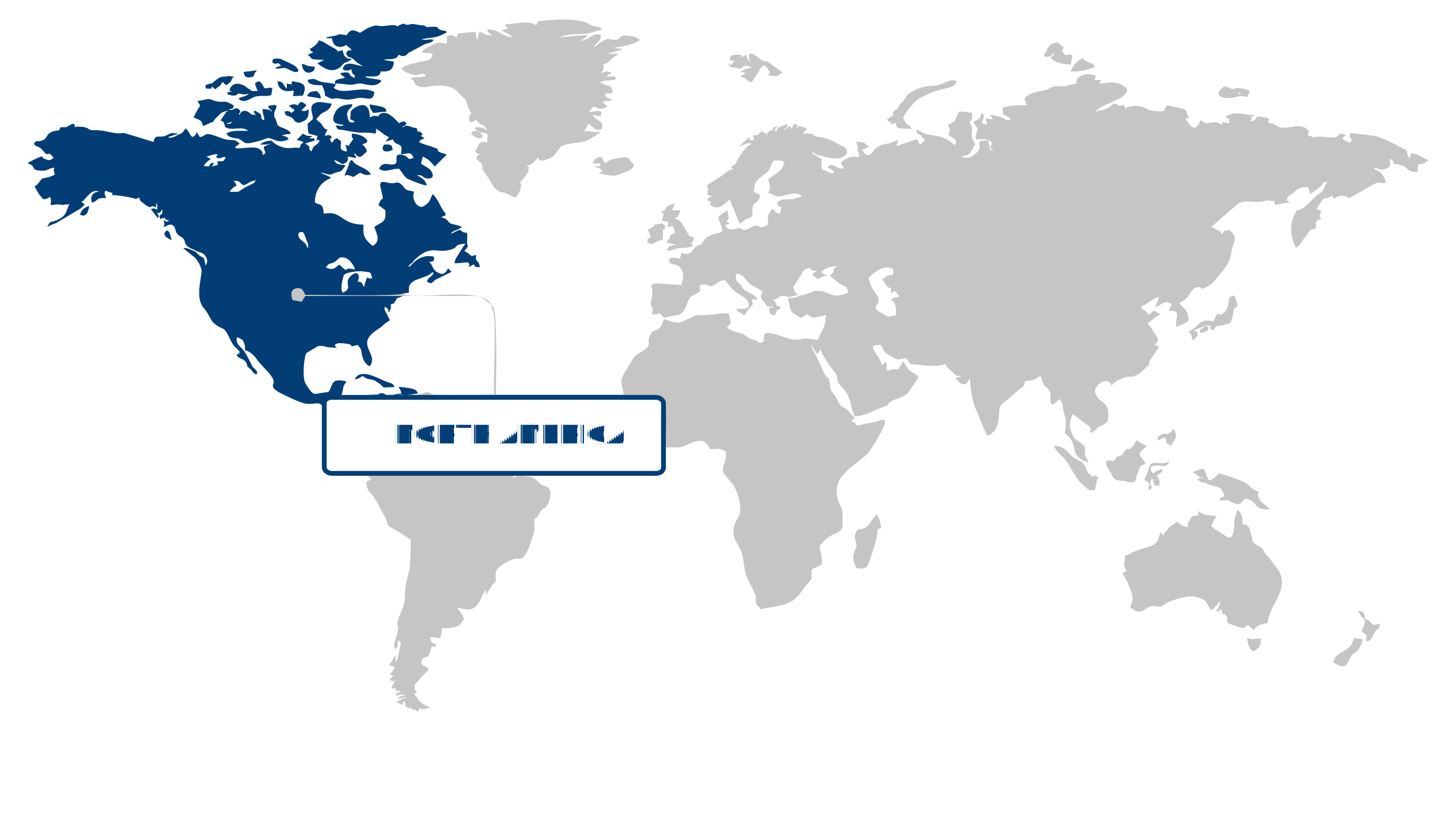
North America dominated the tampon market in 2025, capturing approximately 32.6% of the global share. This leadership is primarily driven by high consumer awareness and a strong preference for premium, organic menstrual products. The region’s advanced retail infrastructure and widespread e-commerce adoption have accelerated access to innovative tampon options, supporting diverse consumer needs. Regulatory support from entities like the U.S. Food and Drug Administration (FDA), which enforces stringent safety standards, further bolsters consumer confidence. Moreover, rising sustainability priorities and health-conscious spending patterns encourage manufacturers such as Procter & Gamble to expand organic tampon lines. These dynamics position North America as a fertile ground for growth, with opportunities poised to expand alongside increasing digital engagement and evolving lifestyle trends.
The United States anchors the North American tampon market, reflecting its vast consumer base and progressive regulatory framework. Consumer demand exhibits a pronounced shift toward organic and chemical-free products, driven by increased health and environmental awareness, as indicated by Nielsen’s sustainability retail reports. Prominent brands like Seventh Generation and Playtex have intensified their focus on clean ingredients and biodegradable materials, catering to these evolving preferences. Additionally, federal guidelines aiming to enhance product transparency elevate market reliability. The U.S. market’s responsiveness to premium tampon innovations reinforces North America’s strategic significance, enabling targeted growth initiatives and sustained competitive advantage.
Asia Pacific Market Analysis:
Asia Pacific emerged as the fastest-growing region in the tampon market, registering rapid growth with a robust CAGR of 12.3%. This remarkable expansion is driven primarily by government-led hygiene campaigns and the rising participation of women in the workforce, which is reshaping consumer behavior and demand patterns. Increasing awareness about menstrual health and hygiene, promoted by initiatives from national health ministries and international agencies like the World Health Organization, has significantly raised the acceptance and consumption of tampons as convenient and hygienic menstrual products. Additionally, urbanization and shifting cultural norms in countries across the region are fueling preferences towards modern feminine hygiene solutions. Industry players such as Kimberly-Clark and Procter & Gamble have intensified distribution and digital engagement strategies here, capitalizing on improved supply chain logistics and growing e-commerce penetration. The Asia Pacific market’s combination of demographic vitality, evolving consumer attitudes, and supportive policy frameworks offers substantial prospects for innovation and market penetration in the tampon segment.
Japan plays a pivotal role in the Asia Pacific tampon market, reflecting the influence of heightened government hygiene programs on consumer purchasing behavior. The country’s stringent regulatory standards and concerted public health campaigns, facilitated by the Ministry of Health, Labour and Welfare, have underscored tampon safety, bolstering consumer confidence and acceptance. High disposable incomes coupled with an increasingly career-oriented female population contribute to steady growth in premium and organic tampon products, with leading manufacturers such as Unicharm focusing on sustainable, skin-friendly innovations to meet local preferences. Furthermore, Japan’s advanced retail infrastructure and digital payment adoption enable seamless product accessibility. This blend of regulatory rigor and consumer sophistication positions Japan as a testbed for new product introductions, reinforcing its critical contribution to the regional market trajectory.
China’s tampon market growth is notably influenced by increased female workforce participation and large-scale public hygiene awareness initiatives. The All-China Women’s Federation and the National Health Commission’s campaigns have successfully reduced cultural stigmas associated with tampon use, particularly in urban centers. Consumers are demonstrating a shift toward convenience-oriented, health-conscious products, prompting brands like Hengan International to expand their product portfolios with bio-based and hypoallergenic tampons. Rapid urbanization complements this trend, with expanding retail networks and e-commerce platforms like Alibaba enhancing product availability nationwide. Despite challenges in lower-tier cities, rising income levels and evolving social norms suggest significant untapped potential. China’s unique demographic and economic dynamics further accentuate its strategic importance within the Asia Pacific tampon market, corroborating the region’s fast-growing status.
Europe Market Trends:
Europe held a substantial share in the tampon market, underscoring its pivotal role driven by mature consumer bases and heightened awareness of feminine hygiene standards. The region’s emphasis on sustainable and organic product adoption has accelerated shifts toward eco-friendly tampons, aligning with growing environmental consciousness among European consumers. Regulatory frameworks established by the European Chemicals Agency (ECHA) ensure product safety and transparency, fostering consumer trust and encouraging innovation. Established supply chains combined with advanced manufacturing capabilities further bolster market stability, despite competitive pressures. Corporate initiatives like Essity’s commitment to sustainable product ranges highlight operational shifts embracing digitization and resource efficiency. With increasing demand for premium and biodegradable options supported by robust infrastructure and regulatory clarity, Europe presents significant growth avenues for investors focusing on evolving consumer preferences and sustainability-driven product development.
Germany maintains a central role in Europe’s tampon market, fueled by sophisticated consumer demand for high-quality and health-conscious products. German regulatory oversight by the Federal Institute for Risk Assessment (BfR) ensures rigorous product safety, creating a reliable environment for innovation in organic and biodegradable tampon variants. Market leaders such as Ontex Germany continually expand sustainable product portfolios, reflecting consumers’ preference for eco-friendly alternatives. Additionally, Germany’s influence on EU-level regulatory standards amplifies its strategic importance, making it a critical hub for market penetration and product testing. This integration of consumer sophistication, regulatory robustness, and innovation capacity strengthens Germany’s position as a key driver in Europe’s tampon market dynamics.
France also plays a strategic role within Europe’s tampon market, characterized by heightened awareness and progressive social initiatives promoting menstrual health education and accessibility. The French government’s campaigns, supported by agencies like Santé Publique France, have contributed to increasing product demand and reducing stigma around tampon use. Domestic brands’ investment in digital platforms for consumer engagement, as seen with companies like Le Bon Toilette, enhances market reach and responsiveness to shifting preferences. France’s evolving regulatory environment demands consistent adherence to safety and environmental criteria, encouraging brands to innovate responsibly. These factors combined furnish France with distinct opportunities to shape regional market trends and reinforce Europe’s sustainable growth trajectory in the tampon market.
| Parameter | North America | Asia Pacific | Europe | Latin America | MEA |
|---|---|---|---|---|---|
| Innovation HubiScaleNascentDeveloping Advanced | |||||
| Cost-Sensitive RegioniScaleLowMedium High | |||||
| Regulatory EnvironmentiScaleRestrictiveNeutral Supportive | |||||
| Demand DriversiScaleWeakModerate Strong | |||||
| Development StageiScaleEmergingDeveloping Developed | |||||
| Adoption RateiScaleLowMedium High | |||||
| New Entrants / StartupsiScaleSparseModerate Dense | |||||
| Macro IndicatorsiScaleWeakStable Strong |
Tampon Market Share (%), by Material, 2026
Go beyond the chart, access full insights & data tables
Request Free Sample ReportThe blended segment held the largest share in the tampon market in 2025, primarily fueled by consumer preference for products that offer balanced absorbency alongside cost efficiency. This segment’s leadership reflects evolving customer demands for tampons that effectively combine the natural feel of cotton with the high absorbency of rayon, meeting diverse usage needs. Regulatory guidelines on product safety, such as those referenced by the U.S. Food and Drug Administration (FDA), have reinforced quality standards, enhancing consumer confidence in blended tampons. Moreover, supply chain optimizations by major manufacturers like Procter & Gamble facilitate consistent product availability and competitive pricing. This segment presents strategic opportunities for established firms to leverage advanced material technologies and emerging players to innovate in hybrid fibers. Given ongoing consumer focus on performance and affordability, the blended segment is poised to maintain its dominance through continued material advancements and market penetration.
Analysis by Distribution
Supermarkets and hypermarkets represented the largest share in the tampon market in 2025, driven by the segment’s superior accessibility and convenience for consumers accustomed to one-stop shopping experiences. The growth here correlates with broad retail expansion trends, where large-format stores integrate extensive personal care aisles that enhance visibility and impulse purchases. According to data from NielsenIQ, placement in supermarkets significantly boosts product turnover, underpinning segment leadership. Additionally, evolving urban demographics and busy lifestyles increase reliance on large retail formats for streamlined shopping. The segment’s widespread presence enables major tampon brands to efficiently execute promotional campaigns and optimize inventory management. This distribution channel offers distinct advantages for firms harnessing retail partnerships and digital shelf management technologies. Its entrenched position and adaptability suggest supermarkets and hypermarkets will remain critical for market players aiming to maximize reach and consumer engagement in the near term.
| Segment | Sub-Segment | Largest Segment | Fastest Growing |
|---|---|---|---|
| Material | Cotton, Rayon, Blended | ||
| Distribution | Supermarkets & Hypermarkets, Specialty Stores, Pharmacy Stores, Online |
Unlock insights tailored to your business with our bespoke market research solutions.
Click to get your customized report now.
Competitive Landscape and Market Positioning
The competitive landscape is characterized by continuous refinement of product lines and strategic integration of advanced materials to enhance user comfort and experience. Leading companies accelerate market momentum by broadening their portfolios with organic cotton and biodegradable variants, aiming for environmentally conscious consumers. Collaborations with technology providers facilitate innovations in absorbency and design, while geographic expansions through acquisitions or partnerships cement competitive advantages. New product introductions often coincide with digital marketing campaigns and consumer engagement initiatives, amplifying brand visibility. These actions collectively cultivate differentiation and resilience against emerging challengers, while pushing the tampon market toward greater innovation and responsiveness to evolving consumer expectations.
Strategic / Actionable Recommendations for Regional Players
North American market participants should explore synergistic collaborations within health tech and sustainability sectors to enhance product differentiation. Embracing digital platforms for consumer education and feedback can further solidify brand loyalty amid heightened competition. Innovations focused on convenience and eco-friendly materials will likely resonate with discerning demographics.
In the Asia Pacific, leveraging regional consumer insights and expanding supply chain efficiencies can unlock broader market access. Forming alliances with local stakeholders or e-commerce leaders may accelerate penetration into under-served urban and rural segments. Additionally, introducing tailored products that address cultural preferences and sensitivities will strengthen market relevance.
European players could benefit from intensifying green product initiatives aligned with stringent environmental regulations. Partnering with research institutions to pioneer sustainable tampon technologies may provide early mover advantages. Amplifying engagement through cause-driven campaigns that emphasize health and wellness may bolster brand positioning in this socially conscious market.
| Company | Market Share | Company Revenue | Revenue CAGR (%) | Product Portfolio | Geographic Presence | Innovation / R&D Focus | Strategic Developments |
|---|---|---|---|---|---|---|---|
| No companies available. | |||||||
Customize Your Report
Explore examples of how this report can be tailored to different research needs, including custom segments, additional topics or chapters, and related reports. Click a section of the wheel or its numbered marker to explore the available options.
Tampon Market — Custom Segments
| Segment | Sub-Segment |
|---|---|
| No segment data available. | |
Tampon Market — Custom TOC
| Custom Chapter | Chapter Details |
|---|---|
| No custom TOC data available. | |
Need a different cut of the data?
Request Custom ResearchFrequently Asked Questions
What is the forecasted size of the tampon industry?
Which geographical area accounts for the highest portion of the tampon market?
Which region has emerged as the fastest-growing for the tampon sector?
Where is the blended segment seeing the strongest adoption within the tampon industry?
When did supermarkets & hypermarkets sub-segment emerge as the largest sub-segment in the distribution segment of tampon sector?
What are the prominent companies operating in the tampon landscape?
Our Clients
"The report provided us with a clear direction, and the level of detail was beyond what we expected. I would definitely recommend their services to others."
Haier Appliances
"The collaboration with Fundamental Business Insights has added significant value to our decision-making process, and we look forward to continuing this partnership for our future market research requirements."
Luxottica Group S.p.A.
"The team at FBI delivered an exceptional research report. The insights on industry innovations were particularly impressive and added a lot of value to the overall report."
Nike
Our Research Team & Methodology
Every Fundamental Business Insights report is built by a dedicated vertical research team, validated through a structured primary-and-secondary methodology, and reviewed for accuracy before it reaches you.
This report was prepared by the Consumer Goods & Services Research Team at Fundamental Business Insights, a dedicated research group specializing in global consumer markets, retail industries, and service-oriented businesses. The team closely tracks evolving consumer preferences, purchasing behavior, product innovation, brand strategies, retail and e-commerce developments, pricing trends, distribution channels, sustainability initiatives, demographic shifts, and changing lifestyle patterns to deliver timely and reliable market intelligence. The research is developed using a structured methodology that combines primary discussions with manufacturers, brand owners, retailers, distributors, service providers, industry experts, and other key stakeholders, along with company annual reports, government consumer statistics, regulatory publications, industry associations, retail market data, trade publications, and other authoritative secondary sources. Market estimates are validated through multiple research techniques, including top-down and bottom-up analysis, before undergoing an internal quality review to ensure accuracy, consistency, and methodological integrity prior to publication.
Delivery
Published
Available
Support
- Market Size & Forecast
- Market Segmentation
- Regional Analysis
- Growth Drivers & Challenges
- Market Dynamics
- Competitive Landscape
- Company Profiles
- Competitive Benchmarking
- Mergers & Acquisitions
- Market Share Analysis or Key Company Strategies
- Value Chain Analysis
- Porter's Five Forces
- PESTLE Analysis
- Pricing Trends
- Supply-Demand Analysis
- Technology Landscape
- Regulatory Landscape
- Investment & Funding Landscape
- Emerging Opportunities
- Future Market Outlook