Telemonitoring Systems Market Size & Forecasts 2026-2035, By Segments (End-User, Product Type), Growth Opportunities, Innovation Landscape, Regulatory Shifts, Strategic Regional Insights (U.S., Japan, China, South Korea, UK, Germany, France), and Competitive Dynamics (Philips, Honeywell, GE Healthcare, Medtronic, ResMed)
Jump to Content
Market Size and Growth Outlook
Telemonitoring Systems Market size is predicted to expand from USD 3.41 billion in 2025 to USD 11.99 billion by 2035, with growth underpinned by a CAGR above 13.4% between 2026 and 2035. The industry revenue outlook for 2026 is USD 3.82 billion.
Get more details on this report
Request Free Sample ReportTelemonitoring Systems Market Intelligence Snapshot
Regional Market Dynamics
Segment Momentum
Market Expansion Drivers
Leading Market Participants
Global Market Forecast Snapshot
Market Outlook
Regional and Segment Outlook
Market Growth Drivers and Industry Trends
The increasing adoption of remote patient monitoring is reshaping the telemonitoring systems market by responding to heightened demand for decentralized healthcare. Providers like the Mayo Clinic have publicized successful pilot programs deploying remote monitoring to manage chronic diseases, reducing hospital readmissions and improving patient engagement. This shift aligns with consumers’ growing preference for home-based care and cost containment within health systems. For established players, expanding device portfolios and forging partnerships with payers offer clear pathways to differentiation. New entrants can capitalize on unmet needs in underserved regions or niche conditions by developing affordable, user-friendly monitoring technologies. As healthcare providers continue embedding telehealth, the telemonitoring systems market will evolve toward scalable, integrated service frameworks driven by patient-centered care models.
Integration with Hospital EMR/EHR Systems
Seamless integration of telemonitoring data with hospital EMR/EHR platforms is a critical growth driver in the telemonitoring systems market. The U.S. Office of the National Coordinator for Health Information Technology emphasizes interoperability through the 21st Century Cures Act, encouraging real-time data sharing and coordinated care. Improved workflow integration enhances clinicians’ decision-making efficiency and supports outcome tracking, fostering broader acceptance among health systems. For incumbents, strategic alliances with EHR vendors like Epic Systems present opportunities to offer holistic solutions, while startups can differentiate through plug-and-play data integration modules. This trend is catalyzing the market transition from isolated devices to interconnected digital health ecosystems, positioning telemonitoring as a foundational element in value-based care delivery.
AI-Driven Predictive Telemonitoring Solutions
The incorporation of AI-driven predictive analytics into telemonitoring systems is transforming the market by enabling proactive, personalized patient interventions. Philips Healthcare’s recent deployment of AI algorithms that forecast clinical deterioration exemplifies the technology’s capacity to reduce emergency admissions and optimize resource allocation. This innovation strengthens providers’ capabilities to transition from reactive to preventive care paradigms, meeting increasing pressure to improve outcomes sustainably. Market incumbents with AI expertise can enhance service offerings, while new entrants with advanced analytics platforms can disrupt traditional models by offering superior risk stratification. As healthcare stakeholders emphasize outcome-driven solutions, the telemonitoring systems market will increasingly prioritize AI-enabled predictive functionalities as a core competitive advantage.
Industry Restraints:
Data Privacy and Security Concerns
Data privacy and cybersecurity issues significantly constrain the telemonitoring systems market, as protecting sensitive health information remains a paramount challenge. High-profile breaches reported by healthcare providers, such as those documented by the U.S. Department of Health and Human Services’ Office for Civil Rights, underscore the operational and reputational risks associated with inadequate security measures. These concerns fuel consumer hesitancy and complicate compliance with stringent regulations like HIPAA in the U.S. and GDPR in Europe. For market participants, this necessitates heavy investment in secure infrastructure and legal expertise, increasing barriers especially for startups with limited resources. Consequently, companies must prioritize transparency and robust data protection strategies to build trust. Moving forward, these pressures will likely intensify regulatory scrutiny, compelling continuous innovation in cybersecurity solutions and influencing partnerships between technology providers and healthcare organizations.
Reimbursement Policy Ambiguities
Ambiguities and inconsistencies in reimbursement policies across regions hamper wider telemonitoring adoption by creating financial uncertainty for providers. The Centers for Medicare & Medicaid Services (CMS) has introduced remote patient monitoring codes, but their application varies widely, causing confusion and limiting predictable revenue streams for healthcare systems and telemonitoring vendors. This slows integration into standard care pathways and discourages investment in advanced telemonitoring technologies. Both incumbents and newcomers face strategic challenges in navigating diverse payer landscapes and securing sustainable funding models. As seen in the reaction from industry bodies like the American Telemedicine Association advocating for clearer reimbursement guidelines, market players must engage actively with policymakers. In the near term, evolving reimbursement frameworks will remain a critical determinant in market expansion and technological innovation efficacy.
| Growth Driver | Impact on CAGR | Regulatory Influence | Geographic Relevance | Adoption Rate | Impact Timeline |
|---|---|---|---|---|---|
| Adoption of remote patient monitoring systems | 4.00% | Short term (≤ 2 yrs) | North America, Europe; Spillover: Asia Pacific | Medium | Fast |
| Integration with hospital EMR/EHR systems | 3.00% | Medium term (2–5 yrs) | North America, Asia Pacific; Spillover: Europe | Low | Moderate |
| AI-driven predictive telemonitoring solutions | 2.00% | Long term (5+ yrs) | Europe, North America; Spillover: Asia Pacific | Medium | Slow |
Explore Growth Opportunities
Request Free Sample ReportRegional Demand Dynamics
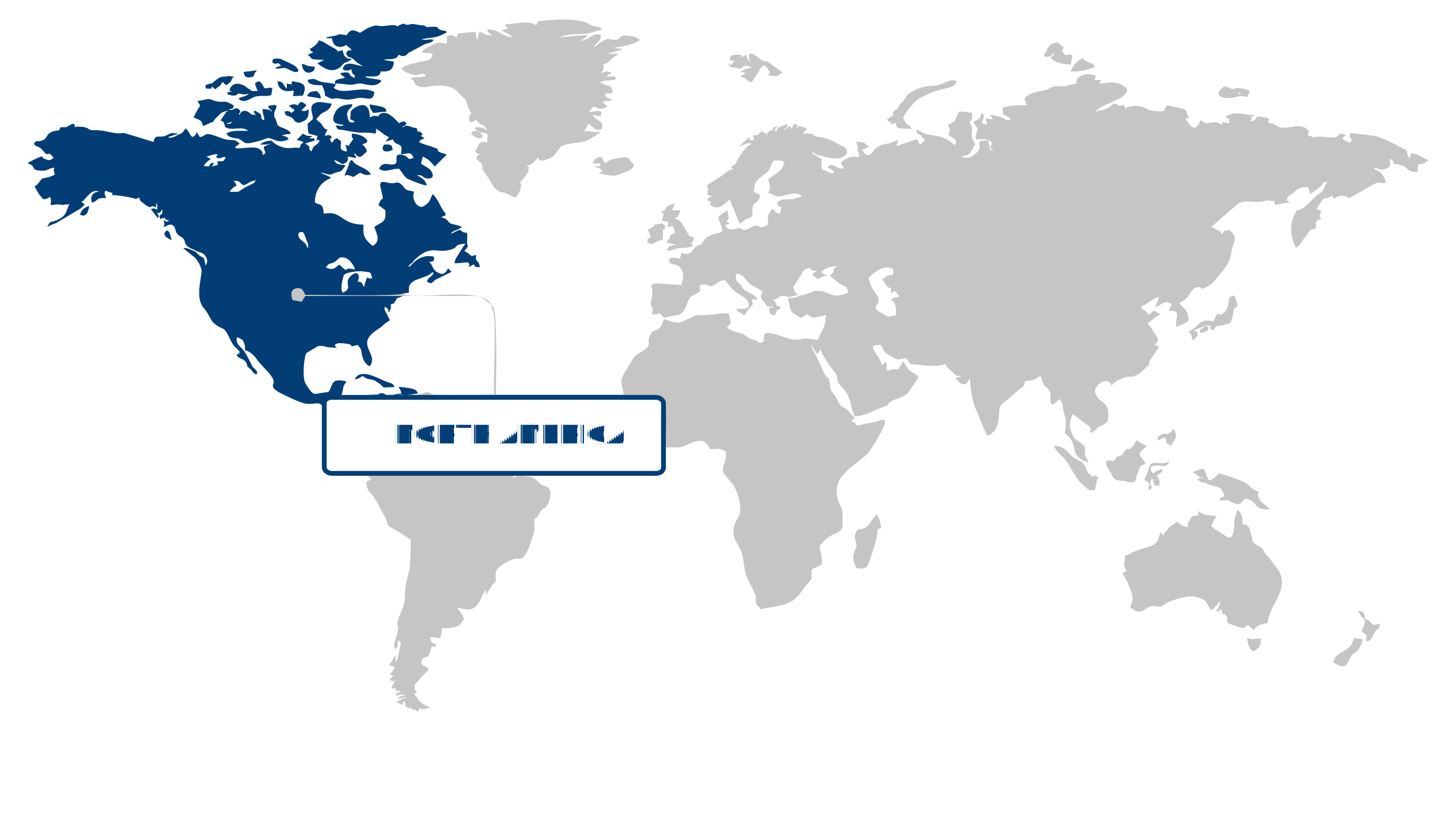
North America dominated the telemonitoring systems market, capturing over 39.9% of the global share in 2025. This leadership is driven primarily by the rising chronic disease burden and escalating demand for remote health monitoring solutions. The region benefits from a mature digital health infrastructure, supported by sophisticated healthcare IT frameworks and continuous technological innovation spearheaded by key players like Philips Healthcare and Medtronic. Additionally, policy initiatives from the U.S. Centers for Medicare & Medicaid Services promoting remote patient monitoring reimbursement underpin sustained growth. These factors collectively foster an environment where telemonitoring systems are integral to managing complex health needs. Moving forward, North America’s resilient healthcare ecosystem and rapid adoption of telehealth innovations position it as a strategic hotspot for telemonitoring market expansion, promising ample opportunities for investors and stakeholders aiming to capitalize on digital transformation trends.
The United States anchors the North American telemonitoring systems market, propelled by expansive consumer demand aligned with increasing chronic conditions such as diabetes and cardiovascular diseases. The country’s regulatory environment, bolstered by the U.S. Food and Drug Administration’s evolving digital health guidelines, facilitates swift introduction and scaling of telemonitoring devices. For instance, the FDA’s recent clearance of wearable remote monitoring devices by companies like BioTelemetry exemplifies regulatory support fostering innovation. Furthermore, government incentives and private sector investments in infrastructure enhance accessibility and integration of telemonitoring in routine care. This dynamic uniquely positions the U.S. as a critical driver within the region, reinforcing North America’s dominance and shaping market trajectories focused on comprehensive, patient-centric remote care models.
Asia Pacific Market Analysis:
Asia Pacific emerged as the fastest-growing region in the telemonitoring systems market, registering a robust CAGR of 14.8%. This rapid expansion is primarily driven by the increasing adoption of tele-health, alongside a rising geriatric and chronic disease population and the continuous enhancement of healthcare access and infrastructure in emerging APAC countries. The region’s dynamic blend of technological innovation and government-led healthcare initiatives, such as Japan’s Ministry of Health’s push for digital health technologies, and China's strategic investments in rural healthcare infrastructure, underscore its position as a critical hub for telemonitoring solutions. Moreover, changing consumer preferences favor remote patient management, supported by the proliferation of mobile networks and digital platforms. According to the Asian Development Bank, improved healthcare penetration in remote areas further catalyzes demand, aligning with regional sustainability and economic resilience goals. Consequently, Asia Pacific offers significant opportunities for stakeholders aiming to capitalize on the evolving landscape of telemonitoring systems.
Japan plays a pivotal role within Asia Pacific’s telemonitoring systems market, driven by its aging population and government initiatives focused on “Society 5.0,” which integrates advanced technologies into healthcare. Local consumer demand favors innovative tele-health devices that enable independent living for elderly patients, with companies like NTT Docomo piloting remote monitoring programs supported by the Ministry of Internal Affairs and Communications. This reflects Japan’s mature regulatory environment encouraging safe adoption of digital health tools, enhancing patient outcomes while addressing workforce shortages. Japan’s leadership in technology innovation and a strong healthcare ecosystem make it a strategic influencer in shaping APAC’s telemonitoring market trajectory.
China’s telemonitoring systems market reflects the broader regional growth driver of expanding healthcare access and infrastructure, with substantial investments in digital health platforms and smart hospital networks. The government’s Healthy China 2030 initiative underpins this transformation by promoting chronic disease management through tele-health solutions, capitalizing on rising smartphone penetration and urban-rural digital connectivity improvements. Leading technology firms such as Huawei and Tencent have introduced integrated telemonitoring services, responding to the growing demand across diverse demographics. As China continues to refine regulatory frameworks and drive technological scalability, its role reinforces Asia Pacific’s dominance, positioning the region as a magnet for innovation and market expansion in telemonitoring systems.
Europe Market Trends:
Europe held a substantial share in the telemonitoring systems market, propelled by the region’s robust healthcare infrastructure and advanced digital health initiatives. Increasing demand for remote patient monitoring, especially amid aging populations and rising chronic disease prevalence, has shifted spending towards innovative telemonitoring technologies. The European Union’s supportive regulatory frameworks, such as the Medical Device Regulation (MDR), have enhanced product safety and market confidence, encouraging wider adoption. Notably, Germany’s German Federal Ministry of Health’s Digital Health Act promotes reimbursement for telehealth services, reflecting growing institutional endorsement. Enhanced interoperability and integration with electronic health records underscore operational advancements. Moreover, supply chain efficiencies and collaborations among technology providers across regional hubs have strengthened market dynamics. These factors collectively position Europe as a pivotal landscape for telemonitoring systems, offering substantial growth prospects driven by increasingly tech-savvy healthcare providers and patient populations prioritizing continuous care management.
Germany serves as a key market within Europe’s telemonitoring systems landscape, driven by early adoption of digital health technologies and comprehensive reimbursement policies. The German Digital Health Act (DVG) enables physicians to prescribe digital health applications reimbursed by statutory health insurance, significantly boosting telemonitoring uptake. Major players such as Siemens Healthineers and Philips have expanded local telemonitoring solutions tailored for chronic care patients, exemplifying the country’s innovation capacity. This regulatory facilitation, combined with a tech-adept medical workforce and rising consumer preference for home-based care, fosters sustained demand. Germany’s emphasis on integrating telemonitoring into its broader digital health ecosystem highlights strategic pathways for scaling devices and services regionally. Consequently, Germany’s leadership reinforces Europe’s overall telemonitoring market resilience and expansion potential.
France holds a strategic position in the European telemonitoring systems market due to its substantial public healthcare expenditures and growing emphasis on patient-centric care models. Initiatives by the French National Authority for Health (Haute Autorité de Santé, HAS) to validate remote monitoring technologies have encouraged adoption among healthcare providers. France also benefits from strong digital infrastructure investments under the French Health Digital Plan, facilitating telemonitoring integration within its nationwide health system. Local firms like Withings have introduced user-friendly telemonitoring devices that align with French patients’ preference for preventive healthcare. These dynamics have instigated moderate but steady market growth by addressing both urban and rural healthcare access gaps. France’s regulatory support and innovative ecosystem contribute critical momentum, underscoring its role in advancing Europe’s telemonitoring systems market while offering cross-border collaboration opportunities.
| Parameter | North America | Asia Pacific | Europe | Latin America | MEA |
|---|---|---|---|---|---|
| Innovation HubiScaleNascentDeveloping Advanced | |||||
| Cost-Sensitive RegioniScaleLowMedium High | |||||
| Regulatory EnvironmentiScaleRestrictiveNeutral Supportive | |||||
| Demand DriversiScaleWeakModerate Strong | |||||
| Development StageiScaleEmergingDeveloping Developed | |||||
| Adoption RateiScaleLowMedium High | |||||
| New Entrants / StartupsiScaleSparseModerate Dense | |||||
| Macro IndicatorsiScaleWeakStable Strong |
Telemonitoring Systems Market Share (%), by End-User, 2026
Go beyond the chart, access full insights & data tables
Request Free Sample ReportHome care held the largest share in the telemonitoring systems market for the end-user segment in 2025. This leadership stems from the aging population’s increasing preference for in-home chronic care, which aligns with broader societal shifts towards patient-centered and convenience-driven healthcare delivery. Enhanced technologies facilitate seamless remote monitoring, reducing the need for frequent hospital visits, a trend reinforced by health authorities such as the U.S. Centers for Medicare & Medicaid Services promoting home-based care models. Additionally, the integration of telemonitoring supports healthcare sustainability by optimizing resource use and lowering costs. The segment offers strategic advantages by enabling service providers and device manufacturers to capitalize on expanding demand in residential settings. Continued investments in user-friendly platforms and interoperability position home care telemonitoring to maintain its relevance amid demographic pressures and evolving regulatory frameworks focused on elder care innovation.
Analysis by Product Type
Glucose level telemonitoring systems represented the largest share in the telemonitoring systems market among product types in 2025, driven by the rising prevalence of diabetes and the growing adoption of connected health technologies for remote management. Leading healthcare companies like Medtronic and Abbott have launched advanced continuous glucose monitoring devices, reflecting robust digital transformation trends facilitating real-time data capture and analysis. These systems meet increasing patient demand for proactive disease management while aligning with health authorities, such as the International Diabetes Federation, emphasizing digital solutions to reduce complications. The segment’s innovation pipeline and integration with mobile health applications create opportunities for both established players and startups to differentiate offerings. Ongoing enhancements in sensor accuracy and data analytics capabilities ensure that glucose telemonitoring systems remain central to chronic care strategies, supporting sustained market dominance in the near to medium term.
| Segment | Sub-Segment | Largest Segment | Fastest Growing |
|---|---|---|---|
| End-User | Home Care, Hospice Care, Long-Term Care Centers | ||
| Product Type | COPD Telemonitoring System, Blood Pressure Telemonitoring System, Glucose Level Telemonitoring System, Cardiac Telemonitoring System, Others |
Unlock insights tailored to your business with our bespoke market research solutions.
Click to get your customized report now.
Competitive Landscape and Market Positioning
The competitive environment is shaped by persistent efforts to combine hardware innovation with digital health platforms. These companies frequently pool resources, enhance capabilities, and introduce sophisticated telemonitoring offerings to address evolving clinical needs. Collaborative initiatives and technology integration boost interoperability across different healthcare ecosystems, allowing deeper market penetration. Continuous enhancement of AI-driven analytics and cloud-based monitoring solutions reflects a commitment to transformative patient management. Strategic moves emphasize synergy between diagnostic accuracy and user-friendly interfaces, facilitating adoption by healthcare providers worldwide. Such dynamics intensify rivalry while fostering progressive solutions that redefine telemonitoring’s role in chronic care and outpatient management.
Strategic / Actionable Recommendations for Regional Players
In North America, aligning with technology firms specializing in AI and cloud platforms can boost telemonitoring scalability and precision. Emphasizing partnerships with healthcare providers targeting cardiopulmonary and metabolic conditions could unlock access to lucrative sub-segments. Leveraging advancements in wireless sensor networks will provide competitive differentiation amid a fragmented landscape.
Within Asia Pacific, players should prioritize collaboration with leading clinical institutions to validate efficacy and tailor systems for regional patient profiles. Investing in mobile-enabled telemonitoring can capitalize on rising smartphone penetration. Cross-border alliances will enable knowledge transfer and market expansion in emerging economies.
European entities may benefit from focusing on integrated care pathways by combining telemonitoring with electronic health records and telemedicine services. Engaging with regulatory bodies to streamline certification may accelerate product launch cycles. Concentrating on aging population needs within chronic disease management presents a sustainable growth avenue.
| Company | Market Share | Company Revenue | Revenue CAGR (%) | Product Portfolio | Geographic Presence | Innovation / R&D Focus | Strategic Developments |
|---|---|---|---|---|---|---|---|
| No companies available. | |||||||
Customize Your Report
Explore examples of how this report can be tailored to different research needs, including custom segments, additional topics or chapters, and related reports. Click a section of the wheel or its numbered marker to explore the available options.
Telemonitoring Systems Market — Custom Segments
| Segment | Sub-Segment |
|---|---|
| No segment data available. | |
Telemonitoring Systems Market — Custom TOC
| Custom Chapter | Chapter Details |
|---|---|
| No custom TOC data available. | |
Need a different cut of the data?
Request Custom ResearchFrequently Asked Questions
What are the growth projections for the telemonitoring systems industry?
What is the leading region in terms of telemonitoring systems market share?
What region has posted the highest CAGR in the telemonitoring systems sector?
When did home care sub-segment emerge as the largest sub-segment in the end-user segment of telemonitoring systems sector?
Why is the glucose level telemonitoring system segment leading in the telemonitoring systems industry?
What are the prominent companies operating in the telemonitoring systems landscape?
Our Clients
"The team took the time to understand our specific business needs and delivered a report that was well aligned with our objectives. Their expertise and understanding of the industry were clearly reflected in the quality and relevance of the insights provided."
Siemens Healthcare
"Our experience in acquiring the research report has been excellent. The depth of analysis, and actionable insights provided have been extremely valuable in supporting our ongoing R&D efforts."
GC Biopharma
"The report offered a comprehensive view of the market trends. The in-depth segmentation and analysis of emerging opportunities gave us a better understanding of the market."
Medtronic
Our Research Team & Methodology
Every Fundamental Business Insights report is built by a dedicated vertical research team, validated through a structured primary-and-secondary methodology, and reviewed for accuracy before it reaches you.
This report was prepared by the Healthcare & Medical Devices Research Team at Fundamental Business Insights, a dedicated research group specializing in the global healthcare and medical technology industry. Our analysts continuously monitor advancements in medical technologies, clinical adoption trends, regulatory developments, reimbursement policies, healthcare infrastructure investments, competitive strategies, and evolving patient care requirements to deliver timely and reliable market intelligence. The research is developed using a structured methodology that combines primary discussions with healthcare stakeholders, company financial disclosures, regulatory publications, clinical literature, government healthcare databases, medical associations, and other authoritative secondary sources. Market estimates are validated through multiple research techniques, including top-down and bottom-up analysis, before undergoing an internal quality review to ensure accuracy, consistency, and methodological integrity prior to publication.
Delivery
Published
Available
Support
- Market Size & Forecast
- Market Segmentation
- Regional Analysis
- Growth Drivers & Challenges
- Market Dynamics
- Competitive Landscape
- Company Profiles
- Competitive Benchmarking
- Mergers & Acquisitions
- Market Share Analysis or Key Company Strategies
- Value Chain Analysis
- Porter's Five Forces
- PESTLE Analysis
- Pricing Trends
- Supply-Demand Analysis
- Technology Landscape
- Regulatory Landscape
- Investment & Funding Landscape
- Emerging Opportunities
- Future Market Outlook