Tourism Vehicle Rental Market Size & Growth Forecast 2027–2036, By Segments (Rental Duration, Booking Channel, Service, End Use, Pricing Model, Vehicle), Regional Demand Trends (North America, Asia Pacific, Europe), Key Country Insights (U.S., Japan, South Korea, Germany, France, Italy), and Competitive Landscape
Jump to Content
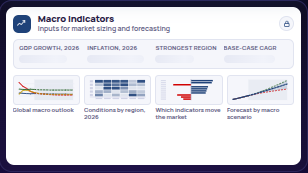
Market Size and Growth Outlook
Tourism Vehicle Rental Market size was over USD 100 Billion in 2026 and is likely to grow at 8.8% CAGR between 2027 and 2036, surpassing USD 232.43 Billion by 2036. The industry revenue for 2027 is estimated at USD 107.47 Billion.
Get more details on this report
Request Free Sample ReportTourism Vehicle Rental Market Intelligence Snapshot
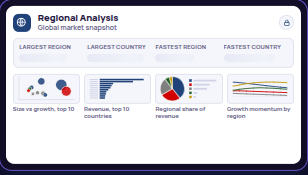
Regional Market Dynamics
- North America dominated in 2026, supported by a developed tourism ecosystem, extensive road infrastructure, established rental networks, and demand for independent travel.
- Asia Pacific is expected to grow fastest as tourism, disposable incomes, transportation infrastructure, digital booking channels, and organized rental services expand.
Segment Momentum
- Short-term rentals held a 70.08% market share in 2026 due to travelers' preference for flexible mobility, convenient booking, and rental periods that align with vacations, business trips, and leisure travel.
- Self-driven rentals are growing fastest as travelers increasingly seek independent exploration, flexible schedules, and private mobility, supported by improved digital booking platforms and broader vehicle availability.
Market Expansion Drivers
- Rising global travel demand increasing short-term mobility and tourism vehicle utilization
- Expansion of tourism infrastructure improving accessibility and rental fleet deployment
- Growth of hybrid and remote work lifestyles supporting flexible travel mobility demand
Leading Market Participants
- Major players in the tourism vehicle rental market include Enterprise Holdings Inc. (United States), Hertz Global Holdings Inc. (United States), Avis Budget Group Inc. (United States), Europcar Mobility Group (France), Sixt SE (Germany), Booking Holdings Inc. (United States), Expedia Group Inc. (United States), Uber Technologies Inc. (United States), Localiza Rent a Car S.A. (Brazil), Turo Inc. (United States)
Global Market Forecast Snapshot
Market Outlook
- 2026 Market Size: USD 100 Billion
- 2027 Estimated Market Size: USD 107.47 Billion
- Projected Market Size: USD 232.43 Billion by 2036
- Growth Forecast: 8.8% CAGR (2027-2036)
Regional and Segment Outlook
- Leading Regional Market: North America
- High-Growth Regional Hub: Asia Pacific
- Core Revenue Segment: Short Term (Rental Duration) | Online (Booking Channel) | Chauffeur-driven (Service) | Leisure Travelers (End Use) | Daily (Pricing Model) | Cars (Vehicle)
- Emerging Opportunity Segment: Short Term (Rental Duration) | Online (Booking Channel) | Self-driven (Service) | Leisure Travelers (End Use) | Mileage Based Pricing (Pricing Model) | Recreational Vehicles (Vehicle)
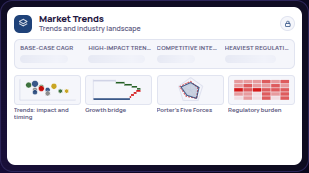
Market Growth Drivers and Industry Trends
Rising global travel demand increasing short-term mobility and tourism vehicle utilization
Recovery in domestic and international tourism is increasing demand for flexible transportation options, and the tourism vehicle rental market is benefiting from greater utilization of short-term rental services by leisure and business travelers alike. Visitors increasingly prefer rental vehicles that provide convenience, travel independence, and access to destinations beyond conventional public transportation networks. This growing preference supports broader fleet utilization across airports, tourist destinations, and urban travel hubs where flexible mobility solutions enhance the overall travel experience.
Expansion of tourism infrastructure improving accessibility and rental fleet deployment
Governments and private stakeholders continue to invest in transportation facilities, hospitality developments, and tourism amenities, creating conditions that will drive the tourism vehicle rental market growth through expanded service accessibility. Improved airport connectivity, upgraded road networks, and the development of new tourism destinations enable rental providers to position fleets closer to high-demand locations while improving customer convenience. Enhanced infrastructure also allows operators to expand geographic coverage and serve a broader range of domestic and international travelers.
Growth of hybrid and remote work lifestyles supporting flexible travel mobility demand
Changing work patterns are encouraging travelers to combine professional responsibilities with leisure activities, creating new opportunities for the tourism vehicle rental market. Hybrid and remote work arrangements have increased the popularity of extended stays, road trips, and destination-based working, prompting greater demand for flexible vehicle rental solutions. Travelers value the freedom to customize travel schedules and explore multiple locations without relying on fixed transportation services, increasing the importance of rental vehicles within evolving travel behaviors.
| Growth Driver | Impact on CAGR | Regulatory Influence | Geographic Relevance | Adoption Rate | Impact Timeline |
|---|---|---|---|---|---|
| Rising global travel demand increasing short-term mobility and tourism vehicle utilization | 2% | Low | Europe, Asia Pacific | High | Near Term |
| Expansion of tourism infrastructure improving accessibility and rental fleet deployment | 1.7% | Moderate | Asia Pacific, Middle East & Africa | High | Mid Term |
| Growth of hybrid and remote work lifestyles supporting flexible travel mobility demand | 1.5% | Low | North America, Europe | High | Mid Term |
Unlock insights tailored to your business with our bespoke market research solutions.
Click to get your customized report now.
Regional Demand Dynamics

North America (Largest Region)
North America dominated the tourism vehicle rental market in 2026, benefiting from a well-developed tourism ecosystem, extensive road infrastructure, and strong demand for convenient transportation among domestic and international travelers. The region's diverse leisure destinations and established rental networks support the use of cars, recreational vehicles, vans, and other transportation options for flexible travel. Growing preference for independent travel and road-based tourism is also contributing to sustained demand for rental vehicles.
Asia Pacific (Fastest-Growing Region)
Asia Pacific is projected to witness the fastest growth in the tourism vehicle rental market, driven by expanding tourism activity, rising disposable incomes, and improving transportation infrastructure. Increasing domestic and international travel is creating demand for flexible mobility solutions, particularly as travelers seek convenient access to destinations beyond traditional public transportation networks. The expansion of tourism facilities, digital booking channels, and organized rental services is further improving accessibility and supporting market growth across the region.
| Parameter | North America | Asia Pacific | Europe | Latin America | MEA |
|---|---|---|---|---|---|
| Innovation HubiScaleNascentDeveloping Advanced | |||||
| Cost-Sensitive RegioniScaleLowMedium High | |||||
| Regulatory EnvironmentiScaleRestrictiveNeutral Supportive | |||||
| Demand DriversiScaleWeakModerate Strong | |||||
| Development StageiScaleEmergingDeveloping Developed | |||||
| Adoption RateiScaleLowMedium High | |||||
| New Entrants / StartupsiScaleSparseModerate Dense | |||||
| Macro IndicatorsiScaleWeakStable Strong |
Key Country Insights
United States 🇺🇸
Digital Rental ExpansionThe U.S. tourism vehicle rental market continues expanding through digital booking platforms and diverse travel preferences. Rental operators prioritize flexible fleet management, contactless services, and vehicle availability across major tourism destinations and airports.
Germany 🇩🇪
Cross-Border Mobility ServicesGermany supports tourism vehicle rentals through strong domestic travel and convenient access to neighboring European destinations. Providers focus on efficient reservation systems, fuel-efficient fleets, and flexible rental options for leisure travelers.
Japan 🇯🇵
Urban Travel ConvenienceJapan emphasizes tourism vehicle rentals for regional travel beyond major cities and public transport networks. Rental companies improve multilingual services, compact vehicle offerings, and seamless digital booking experiences for domestic and international visitors.
South Korea 🇰🇷
Smart Tourism MobilitySouth Korea strengthens tourism vehicle rentals through integrated digital travel platforms and rising self-drive tourism. Operators invest in connected vehicle services, simplified reservations, and diverse fleets that support regional tourism experiences.
France 🇫🇷
Leisure Travel AccessibilityFrance maintains steady demand for tourism vehicle rentals across urban destinations, countryside travel, and seasonal tourism. Rental companies emphasize flexible pickup locations, premium vehicle choices, and convenient mobility for international travelers.
Italy 🇮🇹
Destination Travel SupportItaly relies on tourism vehicle rentals to improve access to cultural sites, coastal regions, and rural destinations. Providers prioritize compact vehicles, seasonal fleet optimization, and convenient booking solutions that accommodate varied travel itineraries.
Tourism Vehicle Rental Market Share (%), by Rental Duration, 2026
Go beyond the chart, access full insights & data tables
Request Free Sample ReportRental Duration Segment Analysis: Short Term (Largest & Fastest-Growing Segment)
Holding the largest share of the tourism vehicle rental market, the short-term rental segment accounted for 70.08% in 2026 while also emerging as the fastest-growing segment. Its strong position is supported by travelers' preference for flexible mobility options that match vacations, business trips, and short leisure stays. The convenience of renting vehicles only for the required duration, combined with simplified booking and return processes, continues to encourage adoption. Rising domestic tourism, weekend travel, and personalized itineraries further strengthen demand for short-term rental services across diverse tourist destinations.
Booking Channel Segment Analysis: Online (Largest & Fastest-Growing Segment)
The online booking channel dominated the tourism vehicle rental market with the largest share of 72.96% in 2026 and also represented the fastest-growing segment. The widespread use of digital platforms enables customers to compare prices, vehicle availability, and service features before making reservations, creating a seamless rental experience. Mobile applications, secure payment gateways, and instant confirmations have further enhanced customer convenience. Continued digitalization and personalized booking experiences are expected to reinforce the prominence of online rental channels.
Service Segment Analysis: Chauffeur-driven (Largest Segment) vs Self-driven (Fastest-Growing Segment)
The chauffeur-driven service segment held the largest share in 2026. Its leadership is driven by strong demand from travelers seeking convenience, local navigation expertise, and a comfortable travel experience without the responsibility of driving. The segment also benefits from increasing demand for premium tourism, corporate travel, and group transportation, where professional drivers contribute to safety and service quality.
The self-driven service segment is the fastest-growing category. Growing traveler interest in independent exploration, flexible travel schedules, and private mobility is encouraging wider adoption of self-drive rentals. Improvements in digital booking platforms, streamlined vehicle access, and the availability of diverse rental fleets are making self-driven services increasingly attractive for both domestic and international tourists.
| Segment | Sub-Segment | Largest Segment | Fastest Growing |
|---|---|---|---|
| Rental Duration | Short Term, Long Term | Short Term | Short Term |
| Booking Channel | Online, Offline | Online | Online |
| Service | Self-driven, Chauffeur-driven | Chauffeur-driven | Self-driven |
| End Use | Leisure Travelers, Business Travelers, Tour Operators | Leisure Travelers | Leisure Travelers |
| Pricing Model | Daily, Weekly, Monthly, Mileage Based Pricing | Daily | Mileage Based Pricing |
| Vehicle | Cars, Recreational Vehicles, Motorcycle, Bicycle, Specialty Vehicles | Cars | Recreational Vehicles |
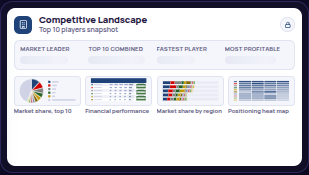
Competitive Landscape and Market Positioning
Leading companies in the tourism vehicle rental market:
- Enterprise Holdings, Inc. (United States)
- Hertz Global Holdings, Inc. (United States)
- Avis Budget Group, Inc. (United States)
- Europcar Mobility Group (France)
- Sixt SE (Germany)
- Booking Holdings, Inc. (United States)
- Expedia Group, Inc. (United States)
- Uber Technologies, Inc. (United States)
- Localiza Rent a Car S.A. (Brazil)
- Turo, Inc. (United States)
Digital service capabilities are reshaping competitive dynamics in the tourism vehicle rental market as travelers increasingly expect seamless booking, flexible vehicle access, and transparent rental experiences across multiple destinations. Operators are strengthening their position by integrating reservation systems, real-time fleet visibility, and contactless service models that improve convenience throughout the customer journey. Competitive intensity is also rising around fleet diversification, with providers adapting vehicle offerings to accommodate varying travel preferences, trip durations, and regional tourism patterns. Operational efficiency in fleet utilization and maintenance has become an important differentiator as businesses seek to balance service quality with changing seasonal demand.
| Company | Market Share | Company Revenue | Revenue CAGR (%) | Product Portfolio | Geographic Presence | Innovation / R&D Focus | Strategic Developments |
|---|---|---|---|---|---|---|---|
| Enterprise Holdings Inc. (United States) | |||||||
| Hertz Global Holdings Inc. (United States) | |||||||
| Avis Budget Group Inc. (United States) | |||||||
| Europcar Mobility Group (France) | |||||||
| Sixt SE (Germany) | |||||||
| Booking Holdings Inc. (United States) | |||||||
| Expedia Group Inc. (United States) | |||||||
| Uber Technologies Inc. (United States) | |||||||
| Localiza Rent a Car S.A. (Brazil) | |||||||
| Turo Inc. (United States) |
Customize Your Report
Explore examples of how this report can be tailored to different research needs, including custom segments, additional topics or chapters, and related reports. Click a section of the wheel or its numbered marker to explore the available options.
Tourism Vehicle Rental Market — Custom Segments
| Segment | Sub-Segment |
|---|---|
| Fleet Ownership Model | Company-Owned Fleet, Franchise-Owned Fleet, Partner/Third-Party Fleet, Peer-to-Peer Fleet |
| Vehicle Pickup & Delivery Model | Depot Pickup & Return, One-Way Pickup & Return, Hotel/Airport Delivery, Doorstep Delivery |
| Rental Insurance Coverage | Basic Liability Coverage, Collision Damage Coverage, Comprehensive Coverage, Supplemental Coverage |
Tourism Vehicle Rental Market — Custom TOC
| Custom Chapter | Chapter Details |
|---|---|
| Fleet Electrification Roadmap |
|
| Fleet Utilization and Yield Management |
|
| Tourism Rental Business Model Benchmarking |
|
Need a different cut of the data?
Request Custom ResearchFrequently Asked Questions
How much is the tourism vehicle rental market worth?
How will the tourism vehicle rental industry grow in terms of size and CAGR by 2036?
How is changing travel behavior shaping demand in the tourism vehicle rental market?
Why are infrastructure investments becoming important for tourism vehicle rental providers?
Why do short-term rentals dominate the tourism vehicle rental market?
Why is the self-driven service segment the fastest-growing in the tourism vehicle rental market?
Why does North America lead the tourism vehicle rental market?
What is driving tourism vehicle rental growth in Asia Pacific?
What are the key competitors in the tourism vehicle rental landscape?
Our Clients
"The team surpassed our expectations with the report depth. The actionable insights provided proved crucial in navigating market challenges."
Tata Motors
"We found the report to be very informative. The expertise and attention to market nuances significantly influenced our business direction."
DENSO Corporation
"The consumer survey findings were quite good. We now have a clearer picture of the customer churning and retention strategy."
HL Mando
Our Research Team & Methodology
Every Fundamental Business Insights report is built by a dedicated vertical research team, validated through a structured primary-and-secondary methodology, and reviewed for accuracy before it reaches you.
This report was prepared by the Automotive & Transportation Research Team at Fundamental Business Insights, a dedicated research group specializing in the global automotive, mobility, and transportation industries. Our analysts continuously monitor vehicle technology advancements, electrification trends, autonomous and connected mobility, manufacturing developments, supply chain dynamics, regulatory standards, emissions policies, aftermarket activities, and evolving consumer and commercial transportation requirements to deliver timely and reliable market intelligence. The research is developed using a structured methodology that combines primary discussions with vehicle manufacturers, component suppliers, technology providers, distributors, logistics stakeholders, and industry experts, along with company annual reports, regulatory publications, government transportation statistics, industry associations, technical standards, and other authoritative secondary sources. Market estimates are validated through multiple research techniques, including top-down and bottom-up analysis, before undergoing an internal quality review to ensure accuracy, consistency, and methodological integrity prior to publication.
Delivery
Published
Available
Support
- Market Size & Forecast
- Market Segmentation
- Regional Analysis
- Growth Drivers & Challenges
- Market Dynamics
- Competitive Landscape
- Company Profiles
- Competitive Benchmarking
- Mergers & Acquisitions
- Market Share Analysis or Key Company Strategies
- Value Chain Analysis
- Porter's Five Forces
- PESTLE Analysis
- Pricing Trends
- Supply-Demand Analysis
- Technology Landscape
- Regulatory Landscape
- Investment & Funding Landscape
- Emerging Opportunities
- Future Market Outlook